What Time of Day Do Bass Bite Best?
It’s a question that has probably crossed every bass angler's mind more times than they can count: "When exactly should I be on the water to catch those elusive big bass?" We all want to maximize our chances, to feel that exciting tug on the line, and frankly, it can be frustrating to spend hours casting without a single bite. This guide is here to demystify the best times of day for bass fishing in South Carolina, delving into how factors like light, weather, and water conditions play a huge role in when bass decide to feed.
Understanding Bass Behavior Throughout the Day
Bass aren't just randomly swimming around waiting for your lure. Their activity levels, and consequently their willingness to bite, are heavily influenced by environmental factors that change throughout the day. Knowing these patterns is your first step to unlocking more successful fishing trips.
Dawn and Dusk: The Golden Hours
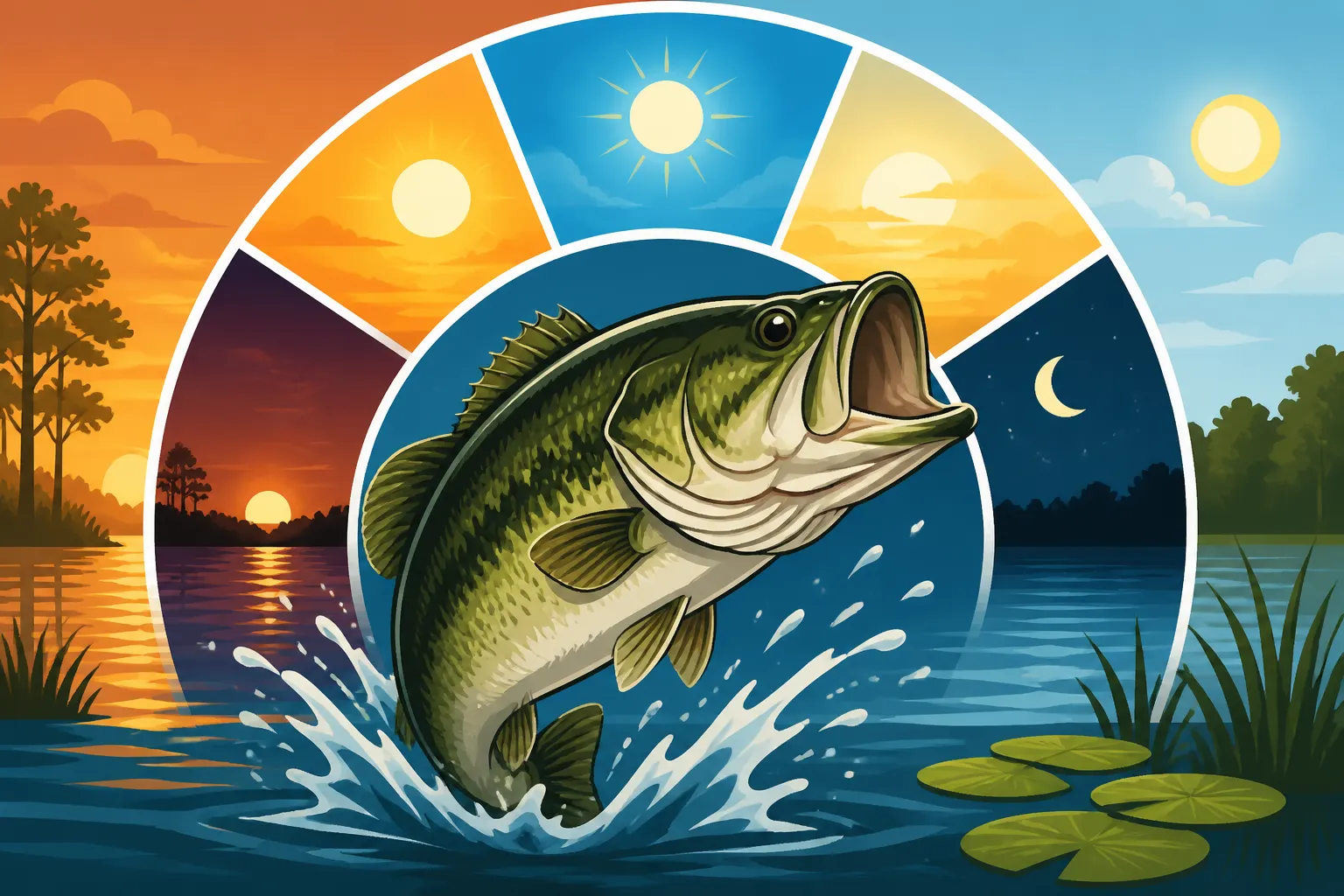
If there's one piece of advice you hear repeatedly, it's to fish at dawn and dusk. And for good reason! These twilight periods are often referred to as the "golden hours" for bass anglers, and they live up to the hype, especially here in South Carolina's diverse waters.
When the sun is just beginning to peek over the horizon, or dipping below it, something magical happens. The harsh sunlight that bass typically shy away from is softened, creating prime low-light conditions. Bass, being ambush predators, absolutely thrive in these scenarios. They move from deeper, more sheltered areas into shallower water, actively hunting for prey that might be less cautious in the dim light. Think about a sprawling lake like Lake Murray or the vast Santee Cooper Lakes; during these times, bass will patrol along weed lines, submerged structures, and around points, looking for an easy meal. This is when topwater baits can be incredibly effective, as bass are often willing to come up and smash a noisy lure on the surface. Explosions on the water at sunrise or sunset are some of the most thrilling moments in bass fishing! You can explore more about techniques for these periods in our guide on Dawn Fishing Techniques for Freshwater Lakes and Dusk Fishing Techniques for Bass and Crappie.
Mid-Day Challenges and Strategies
Let’s be honest, not everyone can always hit the water at the crack of dawn or stay out until dark. Life happens, and sometimes mid-day is all you've got. And while it's generally considered tougher, don't pack up your rods just yet! Mid-day bass fishing in South Carolina certainly presents its challenges, primarily due to the intense sun and rising water temperatures, especially during our hot summer months.
When the sun is high and bright, bass tend to retreat to deeper, cooler waters or seek refuge in dense cover. They become less active, conserving energy and trying to stay comfortable. This means you need to adjust your strategy significantly. Instead of casting into open, shallow areas, focus on targeting shaded pockets under docks, overhanging trees, or deep offshore structures like ledges, humps, and brush piles. Look for thermoclines – layers of water at different temperatures – where bass might be holding. Heavier jigs, deep-diving crankbaits, or Texas-rigged worms can be your best friends here, allowing you to get down to where the fish are hiding. This is exactly why understanding How to Fish Deep Structure for Bass in Summer becomes paramount during these hours. It requires more patience and precision, but the reward of hooking a lunker from beneath a shaded dock or a deep drop-off is incredibly satisfying.
Night Fishing for Bass: A Hidden Gem
While many anglers associate bass fishing with daylight hours, night fishing for bass in South Carolina can be an incredibly productive and unique experience. It’s often overlooked, but if you haven’t tried it, you’re missing out on some fantastic action and a completely different vibe on the water.
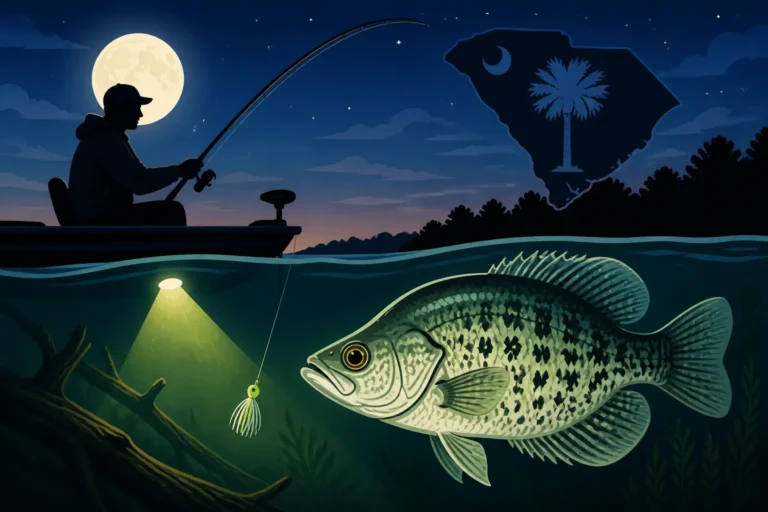
Under the cover of darkness, bass regain much of the confidence they lose during the bright mid-day sun. They become more aggressive and will venture into shallower waters to feed, much like they do during dawn and dusk. The key difference is the complete lack of visual cues, making sound and vibration absolutely crucial. Large spinnerbaits with thumping blades, dark-colored jigs, and noisy topwater lures (think prop baits or buzzbaits) can draw explosive strikes. For those fishing under dock lights, which attract baitfish and subsequently bass, plastic worms or jigs retrieved slowly can be deadly. Safety is paramount, of course – make sure you have appropriate navigation lights and a reliable headlamp. Many dedicated night anglers swear by black lights, which illuminate fluorescent fishing lines, allowing you to detect subtle bites. You can find quality black lights and specialized night-fishing lures on sites like Amazon, which can really give you an edge. For a more in-depth look, check out Night Fishing Techniques for Freshwater Anglers.
Factors Influencing Bass Bite Times Beyond the Clock
While the time of day is a significant factor, it's only one piece of the puzzle. Bass are incredibly sensitive to their environment, and many other elements play a crucial role in when they decide to bite. Ignoring these can lead to a frustrating day, even if you're out there at what's supposed to be the best time.
Weather Conditions and Barometric Pressure
Ask any experienced angler, and they'll tell you that the weather, particularly changes in barometric pressure, can dramatically affect bass behavior. It's not just about comfort; it's about their entire physiology.
Before a storm, when the barometric pressure is falling, bass often go on a feeding frenzy. This is because fish can feel the change in pressure, and they know a storm is coming, prompting them to feed heavily before conditions get rough. This can be a prime time for aggressive strikes, even mid-day. Conversely, after a strong cold front passes and the pressure stabilizes and rises, bass often become sluggish and difficult to catch. The sudden change can put them off feeding for a day or two. Strong winds can also affect fishing, stirring up baitfish and creating current, but also making boat control and casting challenging. Heavy rain, on the other hand, can wash nutrients and baitfish into the water, creating excellent feeding opportunities, especially in tributary areas. Our guide on How Cold Fronts Affect Fish Behavior provides excellent insights, and if you're dealing with post-rain conditions, read up on Bass Fishing Techniques for Muddy Water After Rain. Always keep an eye on weather forecasts, even if you’re planning a quick trip to a local pond or one of the fantastic fishing spots in the Midlands.
Water Temperature and Seasonality
South Carolina boasts a long fishing season, but bass behavior changes dramatically with the seasons, largely dictated by water temperature. Understanding these seasonal shifts is absolutely critical to timing your trips and choosing the right techniques.
- Spring: This is prime time! As water temperatures rise into the 50s and 60s Fahrenheit, bass move into shallower coves and flats for the pre-spawn. They're feeding aggressively to build energy for spawning. Once temperatures hit the mid-60s to low 70s, the Largemouth Bass Spawning Season Explained begins, and bass become territorial and protective of their nests, making them susceptible to sight fishing. Post-spawn, they are often recuperating but will soon resume feeding heavily.
- Summer: Our South Carolina summers can get brutally hot, pushing surface water temperatures into the 80s or even 90s. As discussed earlier, bass will seek cooler, deeper waters or dense shade during the day. Their activity peaks during low-light hours. Look for deeper structure on Lake Murray or the cooling waters near dams.
- Fall: As water temperatures begin to drop in the fall (into the 70s and 60s), bass go into another aggressive feeding period, often called the "fall turnover." They're stocking up for winter and will chase baitfish in shallow and mid-depth areas. This is arguably one of the Best Time of Year to Catch Largemouth Bass in South Carolina.
- Winter: Bass become much more lethargic in cold winter waters (below 50 degrees Fahrenheit). They congregate in deep, stable areas and feed much less frequently. Slow presentations with jigs or spoons are often required to tempt a bite.
Each season offers unique opportunities, and being aware of the general water temperature trends for your chosen lake (like Lake Greenwood or Lake Wateree) will give you a significant advantage. It's not just about the clock; it's about the thermometer and the calendar. For instance, How Water Temperature Affects Morning Bite Timing can vary wildly between April and August.
Forage Availability and Location
Bass are predators, and their feeding times are intrinsically linked to the activity of their prey. Where the baitfish are, the bass are usually not far behind. This relationship can significantly influence when and where bass will bite.
Baitfish like shad, shiners, and bluegill are a primary food source for largemouth bass across South Carolina. These baitfish often move in schools and will seek out particular environments based on light, temperature, and cover. For example, during low-light conditions at dawn and dusk, baitfish are more exposed in shallower waters, making them an easy target for hungry bass. In brighter conditions, baitfish might hide in thick vegetation or deep in the water column, and the bass will follow. Understanding What Do Largemouth Bass Eat in South Carolina Ponds? can give you clues about local forage. Insect hatches can also trigger feeding frenzies, particularly in smaller ponds and rivers where bass might key in on terrestrial insects falling into the water. If you see baitfish flickering on the surface or hear them being busted, you know that's a prime feeding zone, regardless of the exact time on the clock. Mimicking this natural forage with your lures is key; if bass are feeding on small shad, throwing a large crankbait might not be the most effective strategy.
Practical Tips for Maximizing Your Bass Fishing Success
Beyond just knowing when bass typically bite, there are actionable steps you can take to make the most of your time on the water, regardless of the hour. Being prepared, observant, and adaptable are the hallmarks of a truly successful bass angler.
The Importance of Observation and Adaptability
One of the most valuable lessons any angler can learn is to observe and adapt. The "best" time of day is rarely a rigid rule; it's a guideline. Conditions on any given day in a specific location (say, the Congaree River or the Blackwater Bends on the Edisto River) can override general principles.
Before you even make your first cast, take a few moments to observe. What’s the water doing? Is there current? Are baitfish schooling or jumping? Are birds diving? What’s the wind direction and intensity? Look for surface activity – swirls, splashes, or even just subtle ripples that might indicate feeding fish. If you start with a topwater bait at dawn and get no bites, don’t stubbornly stick with it for two hours. Try a spinnerbait, then a worm, then a jig. Change depths, change colors, change retrieval speeds. Bass are finicky, and what worked yesterday or even an hour ago might not work now. Pay attention to what the fish are telling you, even through their silence. Learning to read the water and adapt your presentation is often more important than the clock itself. Many local guides and seasoned anglers who frequent spots like Best Largemouth Bass Spots on Lake Murray, South Carolina will tell you that flexibility is their secret weapon.
Essential Gear for Different Times of Day
Having the right tools for the job can make a world of difference when you're trying to coax a bite at various times of the day. While a basic rod and reel combo will get you started, optimizing your gear for specific conditions can significantly enhance your success.
For those prime low-light periods at dawn and dusk, a medium-heavy rod with a fast action is versatile, allowing you to throw a variety of topwater lures, spinnerbaits, or even shallow crankbaits effectively. A good quality baitcasting reel spooled with fluorocarbon or braided line will offer the sensitivity and strength needed. When the sun gets high and you’re targeting deep structure, you might want a more powerful rod to handle heavier jigs or deep-diving crankbaits. For night fishing, as mentioned, don't forget your headlamp and perhaps a specialized black light. Beyond rods and reels, a well-stocked tackle box is crucial. Having a variety of lures – dark colors for night, natural colors for clear water, brighter colors for stained water – ensures you can match the hatch or provoke a reaction strike. Many anglers find great deals on a wide array of lures, lines, and accessories on Amazon, from trusted brands to niche tackle. Don't forget essentials like a good pair of polarized sunglasses for cutting glare during the day (helping you spot structure or fish), and a reliable pair of pliers for unhooking fish.
Planning Your Trip Around Peak Bite Windows
Successfully predicting peak bite windows requires a holistic approach, combining observational skills with available data and a good dose of local knowledge. It's about being smart with your time on the water, rather than just hoping for the best.
Start by checking the weather forecast, paying close attention to temperature trends, cloud cover, and barometric pressure changes. A falling barometer before a front can signal excellent fishing. Websites and apps often provide moon phase data, as many anglers believe lunar cycles influence fish activity, though this is debated. While a full moon might make night fishing brighter, some studies suggest certain moon phases can correlate with increased feeding. If you're planning a trip to one of the major lakes like Lake Hartwell, check local fishing reports or forums. Guides often share insights into current patterns and effective techniques. Ultimately, the best plan is often to be on the water during those golden hours of dawn and dusk, but be prepared to shift your strategy if conditions (like a sudden cold front or a sunny, hot spell) dictate. Knowing the Best Bass Lures for Fall Fishing might not help you in a hot summer afternoon. Be ready to explore deeper, shadier spots during mid-day, and consider trying night fishing if your schedule allows. The more informed and flexible you are, the better your chances of a memorable day on South Carolina's waters.
| Time of Day | General Bass Activity | Recommended Lures/Techniques | Considerations for SC Anglers |
|---|---|---|---|
| Dawn | Highly active, feeding shallow | Topwater, spinnerbaits, shallow crankbaits | Excellent for Lake Murray & Santee Cooper; cooler temps |
| Morning (post-dawn) | Active, moving to slightly deeper cover | Spinnerbaits, jigs, plastic worms, jerkbaits | Still good, but fish may move to shade as sun rises |
| Mid-Day | Less active, seeking deep cover/shade | Deep-diving crankbaits, heavy jigs, Texas-rigged plastics | Challenging in summer heat, focus on docks, ledges, brush piles |
| Afternoon (pre-dusk) | Increasing activity, moving back shallower | Spinnerbaits, worms, creature baits, some topwater | Good for targeting emerging grass beds or points |
| Dusk | Highly active, feeding shallow | Topwater, buzzbaits, spinnerbaits, shallow crankbaits | Prime time, similar to dawn; look for schooling baitfish |
| Night | Active in shallow water, using sound/vibration | Dark jigs, noisy topwater, large spinnerbaits | Great for summer, focus on dock lights, use black lights |
Disclaimer
Please remember that fishing regulations, including bag limits and size restrictions, can change. Always consult the latest South Carolina Department of Natural Resources (SCDNR) guidelines before heading out. This guide is for informational purposes only and does not replace official regulations.