How Cold Fronts Affect Fish Behavior
Oh, the dreaded cold front! There's nothing quite like waking up to a crisp, clear morning after a big weather system has rolled through, feeling all excited to hit your favorite South Carolina fishing spot, only to find the fish have completely clammed up. It's a frustrating experience many of us have faced, leaving us scratching our heads and wondering what happened. This guide is here to unravel the mystery of how cold fronts affect fish behavior in our beautiful Palmetto State, helping you understand why your luck suddenly turned and how you can adapt your approach to still find success.
The Immediate Impact of a Cold Front on Fish
When a cold front pushes through, it's not just a drop in air temperature we're feeling; it's a profound shift in the entire environment that fish live in. These changes, often subtle to us, can send shockwaves through the aquatic world, making fish uncomfortable and altering their normal routines. Understanding these immediate impacts is key to predicting how they'll react.
Sudden Drop in Water Temperature
One of the most direct and noticeable effects of a cold front is the rapid decrease in water temperature. While surface temperatures might drop quickly, especially in shallower areas, the deeper water takes longer to cool. This creates a significant thermal shock for fish accustomed to more stable conditions. Imagine taking a dip in a comfortably warm swimming pool, then suddenly someone dumps a truckload of ice in. You'd probably get out, right? Fish don't have that option. They're cold-blooded creatures, meaning their body temperature largely mirrors their surroundings. A sudden chill can slow down their metabolism, making them less active and less inclined to chase after a meal. This is particularly true for many of our popular freshwater species like bass, which thrive in warmer waters.
Furthermore, this temperature drop can cause baitfish to become sluggish. When the forage slows down, so do the predators. It's a chain reaction. Anglers often notice that fish that were active just before the front suddenly disappear or become incredibly difficult to tempt. This isn't just a mood swing; it's a biological response to a dramatic environmental shift. Knowing how to adjust your approach is crucial when you face these conditions. For more on navigating these changes, check out How Cold Fronts Affect Fish Behavior.
Pressure Changes and Fish Discomfort
Beyond temperature, barometric pressure plays a huge role in how fish behave during and after a cold front. Before a front arrives, the pressure often drops, which can trigger an increase in fish activity. Fish, particularly those with swim bladders, can feel these changes acutely. A falling barometer often signals feeding frenzies because fish feel more comfortable in shallower water, and it can stimulate their feeding instincts. They sense the coming change and gorge themselves while the going is good.
However, once the cold front passes, the barometric pressure typically rises sharply and stabilizes at a higher point. This sudden increase in pressure can cause discomfort for fish, especially for their swim bladders, which are used for buoyancy control. They might feel "squeezed" or simply off-kilter. This discomfort often drives them to deeper, more stable waters where the pressure changes are less extreme, and they can equalize their bladders more easily. This is why you often find fish moving off shallow flats and into channels, deep pockets, or around submerged structures after a front. They're seeking refuge from the atmospheric shift.
Reduced Feeding Activity
The combined effect of colder water and higher pressure typically results in significantly reduced feeding activity. Fish become lethargic and less aggressive. Their digestive processes slow down, and their need for food diminishes. You might still see them on your sonar, but they're often tucked tightly against cover or suspended idly, not actively hunting. This is when anglers really earn their stripes, because getting a bite requires a complete shift in strategy.
Instead of their usual fast, aggressive strikes, post-front fish are more likely to inspect a bait rather than attack it. They're looking for an easy, high-reward meal that requires minimal energy expenditure. This means slower presentations and more subtle baits become essential. Forget the fast-moving crankbaits and topwater lures you might have been crushing them on just yesterday. Now, it's all about finesse and patience. It's a common frustration, but understanding this physiological response is the first step toward overcoming it.
How Different Fish Species React to Cold Fronts in South Carolina
Not all fish react to cold fronts in the same way. While a general slowdown is common, the specifics can vary significantly depending on the species, their metabolism, and their preferred habitat. South Carolina offers both freshwater and saltwater fishing, and the different environments mean different responses from the fish that call them home.
Largemouth Bass and Striped Bass Responses
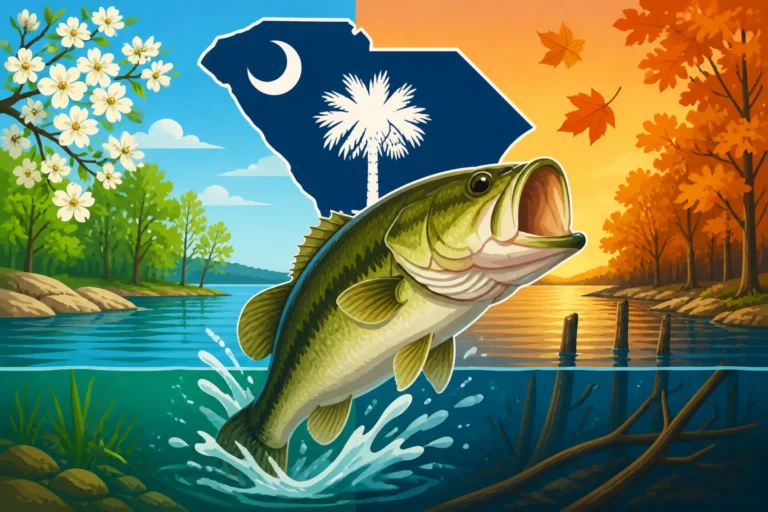
For many South Carolina anglers, largemouth bass are a primary target, and they are notoriously sensitive to cold fronts. When the water cools and pressure rises, largemouth bass tend to retreat from shallow cover, like lily pads, docks, and grass lines, and seek out deeper structures. This could be submerged timber, creek channels, ledges, or brush piles. Their metabolism slows down, and they become much more finicky. You'll need to slow down your presentation drastically, often resorting to finesse techniques like Texas rigs, shaky heads, or drop shots presented right on their nose. Learning How to Catch Bass After a Cold Front can make all the difference.
Striped bass, being larger and more migratory, react somewhat differently. In our large reservoirs like Lake Murray or Santee Cooper, stripers will often move to deeper, more stable thermoclines if present, or simply suspend in deeper water over channels. Their schooling behavior might break up somewhat, but they will still be in groups, just less active. Trolling deep-diving crankbaits or presenting live bait (like blueback herring) slow and deep can be effective. In coastal rivers, they might move to deeper holes or channel bends, seeking refuge from the immediate changes. Striped Bass Winter Fishing Patterns in Freshwater Lakes can offer more insights into their cold-weather habits.
Crappie and Panfish Sensitivity
Crappie and various panfish, such as bluegill and shellcrackers, are often a favorite target for family fishing trips in South Carolina. These fish are also highly affected by cold fronts, often becoming incredibly sluggish. Crappie, which love structure, will typically bury themselves even deeper into brush piles, submerged trees, or under docks. They'll hug these structures tightly, and you'll need to present your bait or jig almost directly into their hiding spots to get a bite. Their feeding windows can shrink dramatically, often only biting for short periods during the warmest parts of the day, if at all.
Panfish like bluegill will also retreat to deeper water or dense cover. They'll be much less aggressive, requiring tiny baits and extremely light tackle. Think small worms or crickets presented under a tiny bobber, or micro jigs barely moving. These species, while usually eager biters, become incredibly tentative after a front. Patience is absolutely key, and sometimes it's more about quantity of presentations than quality of the fish you're catching in these conditions.
Saltwater Species Adjustments
Don't think cold fronts only affect freshwater fishing! Saltwater species along South Carolina's coast also feel the impact, though their responses can differ due to the vastness and temperature stability of the ocean. Inshore species like redfish and spotted seatrout are particularly sensitive. After a cold front, water temperatures in shallow estuaries and marsh creeks can drop rapidly, driving these fish into deeper creeks, channels, or around oyster beds and jetties where water temperatures are more stable.
Redfish might "mud up," burying themselves in the soft bottom of deeper channels to escape the cold. They'll still eat, but your presentation needs to be extremely slow and on the bottom. Spotted seatrout often move into deeper pockets or seek refuge in the slightly warmer waters of main channels. Their bite can become very subtle, requiring sensitive rods and light lines. You might find them stacked up in specific areas, but getting them to commit can be tough. For those targeting seatrout in cooler conditions, knowing Best Bait for Spotted Seatrout in Cold Weather can be a game-changer. Offshore species like snapper and grouper are less affected by typical cold fronts, as the deep ocean temperatures remain more stable. However, extreme cold snaps can impact even them by pushing baitfish into deeper waters, causing the predators to follow.
Adapting Your Fishing Strategy Post-Cold Front
So, the cold front has passed, the fish are in a funk, and you're still determined to catch something. This is where adaptation comes in. Throw out your pre-front playbook and embrace a slower, more deliberate approach. These strategies will help you locate fish and tempt those lethargic biters.
Locating Fish in Deeper, More Stable Waters
The first and most critical adjustment is understanding that fish have likely moved. They're not going to be where they were yesterday. Your shallow, active spots are probably barren. Instead, focus your efforts on deeper areas that offer more thermal stability and shelter from pressure changes. This means targeting drop-offs, creek channels, deep holes, ledges, and submerged structures. Look for areas with access to deep water nearby. On Lake Murray, for example, stripers will move to deeper areas of the main lake or large creek channels. Bass might move from the shallow coves to the main lake points with access to deeper water.
For freshwater fishing, sonar is your best friend. Look for baitfish schools huddled in deeper water, and you'll often find the predators nearby. In saltwater estuaries, identify the deepest channels, oyster shell beds, or even bridge pilings that extend into deeper sections. These are the fish's cold-front refuges. Don't be afraid to slow down your boat and systematically scan these areas. A good understanding of the lake or river bottom structure will give you a significant advantage. Remember, fish are often congregating in these areas, so once you find one, there are likely more.
Slowing Down Your Presentation
This cannot be stressed enough: slow down. Post-cold front fish are not aggressive. They're not going to chase a fast-moving bait. They're looking for an easy meal, something that practically falls into their mouth. Your retrieves should be painstakingly slow, mimicking a lethargic or injured baitfish. Think subtle twitches, long pauses, and minimal movement.
If you're using jigs, let them sink to the bottom and sit for several seconds before a tiny twitch. If you're using crankbaits (which are often less effective post-front), try a slow-roll, barely moving the bait. For soft plastics, dragging or crawling them along the bottom is often more effective than hopping or darting them. This patient approach can be mentally challenging, especially if you're used to a more active fishing style, but it's essential for coaxing strikes out of finicky fish. It’s also important to consider Best Techniques for Post-Front Fishing to refine your approach.
Table: Adjusting Your Strategy for Post-Cold Front Fishing
| Factor | Pre-Cold Front Strategy | Post-Cold Front Strategy |
|---|---|---|
| Fish Location | Shallow flats, visible cover, feeding areas | Deep channels, drop-offs, submerged structures, deeper holes |
| Presentation | Fast retrieves, aggressive jerks, active baits | Slow retrieves, long pauses, subtle twitches, finesse |
| Bait/Lure Type | Reaction baits, topwaters, large profile baits | Small profile, soft plastics, live bait, jigs |
| Target Depth | Shallow to mid-water column | Bottom to mid-depth (depending on species) |
| Time of Day | Early morning, late evening, any time | Midday (warmest part), limited windows |
Bait and Lure Selection for Finicky Fish
Given the reduced activity, your bait and lure choices need to reflect a more tempting, less threatening offering. Live bait often reigns supreme after a cold front because it provides natural scent, taste, and movement without requiring the fish to expend much energy. Small minnows, worms, or crickets can be incredibly effective for bass, crappie, and panfish. For saltwater, live shrimp or mud minnows presented slowly on a Carolina rig can often trigger a strike from redfish or trout.
When it comes to artificial lures, downsize your offerings significantly. Small jigs, shaky heads with finesse worms, drop-shot rigs, and tiny crankbaits are far more likely to get a bite than their larger counterparts. Opt for natural colors or duller shades that don't aggressively stand out. Sometimes, a subtle sparkle or dark profile is exactly what a hesitant fish needs to commit. Brands often have excellent finesse options on platforms like Amazon that are perfect for these conditions, offering a wide array of small soft plastics or delicate jigs. For changing up your tackle, make sure you explore Lure Color Choices for Stained Water Fishing and Seasonal Bait Switching Tips for Anglers for additional insights.
Long-Term Effects and Recovery After a Cold Front
While the immediate aftermath of a cold front can be tough, conditions don't stay that way forever. Understanding the recovery period and how seasons influence these events can help you plan your trips more effectively and know when to expect the bite to pick back up.
When Fish Start Biting Again
The good news is that fish don't stay in their funk indefinitely. The recovery period typically depends on several factors: the severity of the cold front, how long the cold temperatures persist, and the specific fish species. Generally, as stable weather returns, especially with several consecutive days of sunshine and rising air temperatures, the water will begin to warm, and fish will slowly become more active. This usually happens a few days to a week after the front has passed.
Look for a gradual return to normal barometric pressure and a slow, steady increase in water temperature. As the water warms, even by a few degrees, fish metabolisms will pick up, and their feeding instincts will return. They might not go back to a full-blown feeding frenzy immediately, but you'll notice more aggressive strikes and a willingness to chase baits again. Often, the best fishing after a hard cold front is not the day immediately after, but 2-3 days later, once conditions have had a chance to stabilize. Paying attention to these subtle changes in the weather forecast can save you a lot of frustration.
Seasonal Considerations for Cold Fronts
The impact of a cold front is also heavily influenced by the season in South Carolina. A cold front in spring or fall, when water temperatures are already in a transitional phase, can have a more pronounced and longer-lasting effect. Fish are already adjusting to changing conditions, and a sudden drop can shock them. In spring, it can delay the spawn or push fish off bedding areas. In fall, it can accelerate their movement to wintering grounds.
During summer, cold fronts still cause a slowdown, but because ambient water temperatures are generally much higher, the fish tend to recover quicker once the sun comes out. The extreme cold isn't usually as severe or long-lasting. Conversely, a strong cold front in winter can be incredibly impactful, often shutting down the bite for extended periods, especially in shallower waters. Knowing the general South Carolina Fishing Seasons Guide helps you anticipate these changes. Regardless of the season, understanding How Water Temperature Affects Morning Bite Timing is a valuable piece of knowledge for any angler.
The Importance of Observing Conditions
Ultimately, becoming a successful angler, especially when dealing with unpredictable weather like cold fronts, boils down to being a keen observer. Don't just show up at your spot and cast blindly. Pay attention to water temperature, clarity, and the behavior of baitfish. Are the birds diving? Are minnows schooling tightly or scattered? These subtle clues can tell you a lot about what the fish are doing.
Using tools like a good depth finder with temperature readings can provide invaluable real-time information. Even something as simple as a portable thermometer (many of which you can find on Amazon) can give you a quick reading of surface temperatures, helping you confirm if a cold front has really dropped the water temperature as much as you suspect. Combine this with local fishing reports and your own experience, and you'll develop a strong intuition for how to approach a post-front situation. The more you observe and adapt, the more consistently you'll find success, even when Mother Nature throws a curveball.
Disclaimer
This article is for general informational purposes only and does not constitute professional advice. Laws, prices and regulations vary by location and change over time. Consult a qualified professional for guidance on your specific situation.