Night Fishing Techniques for Freshwater Anglers
There’s nothing quite like the peace and quiet of a South Carolina night, but for many anglers, the idea of fishing after dark feels a bit daunting. You’re tired of battling the midday sun and jostling with crowds at your favorite spots, but don't know how to capitalize on the cooler temperatures and increased fish activity that nighttime offers. This comprehensive guide will illuminate the techniques, gear, and safety tips you need to confidently conquer freshwater night fishing in the Palmetto State, opening up a whole new world of angling opportunities.
Why Embrace the Darkness? The Allure of Night Fishing in South Carolina
Stepping onto the water after the sun dips below the horizon in South Carolina isn't just about escaping the heat; it's about entering a different world. The dynamics of the lake or river change dramatically, and with those changes come incredible opportunities for the prepared angler. Many find that the tranquility of night fishing is a reward in itself, a chance to reconnect with nature without the usual distractions.
Escaping the Crowds and Heat
One of the most immediate and appealing benefits of fishing at night, especially during the sweltering South Carolina summers, is the dramatic drop in temperature. Those brutal 90-degree days can make daytime fishing uncomfortable, even dangerous, but as evening turns to night, the air cools, and the water surface releases its heat. This makes for a much more pleasant experience for you, and often, for the fish too.
Think about popular fishing destinations like Lake Murray or the Santee Cooper Lakes. During the day, they can be bustling with pleasure boats, jet skis, and other anglers, creating constant pressure on the fish and chop on the water. At night, that all fades away. You’ll find ramp access easier, fewer wakes to contend with, and a profound sense of solitude. This reduction in pressure can often translate directly to more cooperative fish, as they feel less threatened by human presence.
Imagine setting up your spot on a quiet bank of the Congaree River or drifting silently across a cove on Lake Hartwell, the only sounds being the chirping of crickets, the splash of a jumping fish, and the gentle lapping of water against your boat. This peaceful atmosphere isn't just good for the soul; it's often the secret ingredient to a successful outing when the daytime bite is sluggish.
Tapping into Nocturnal Feeding Patterns
It’s no secret that many freshwater fish species are more active and less wary under the cloak of darkness. Just like humans have routines, fish have feeding patterns, and for a significant number of South Carolina's most sought-after species, that prime feeding time is when the moon is high. The low light offers them a tactical advantage, making it easier to ambush prey that might be more visible during the day.
Catfish are perhaps the quintessential nocturnal feeders. Species like channel cats, flatheads, and blue cats rely heavily on their sense of smell and barbels to forage along the bottom, making them prime targets after dark. They'll venture into shallower waters and more open areas they might avoid during daylight hours, offering easier access for bank anglers and boaters alike.
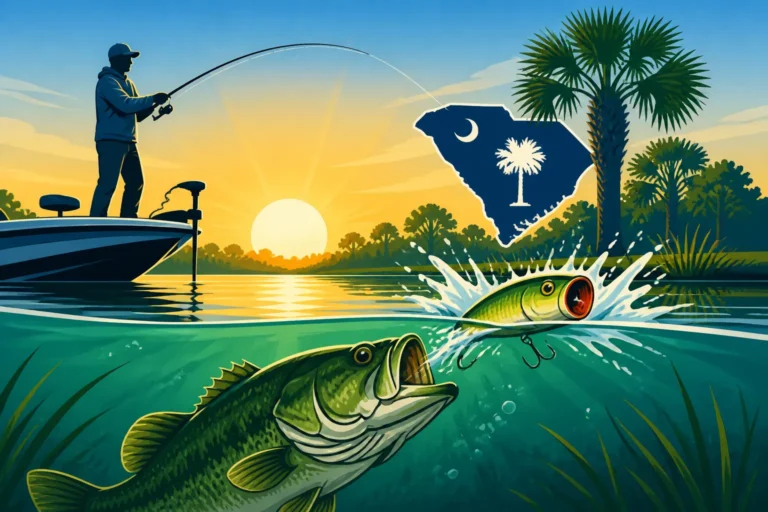
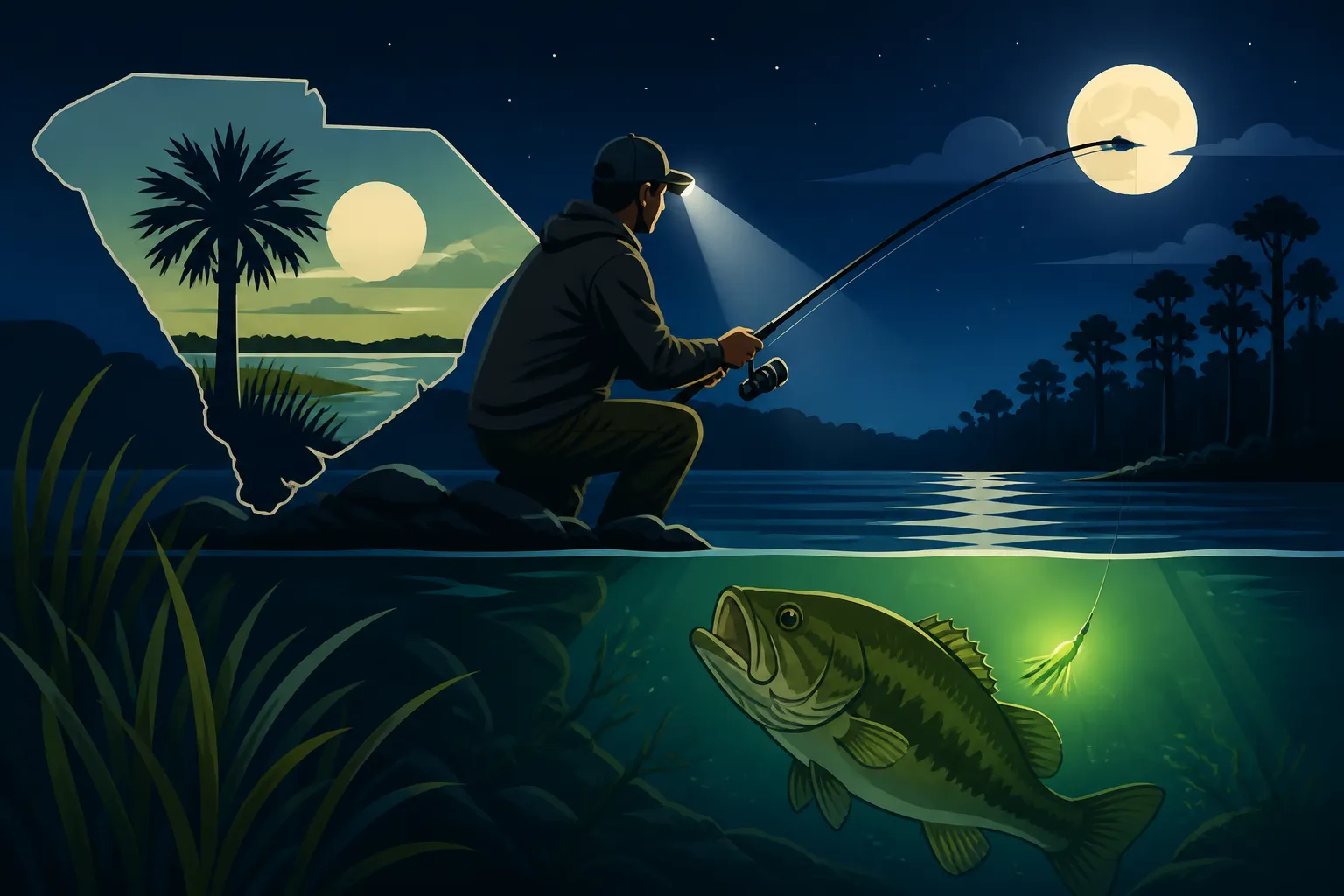
Even species known for daytime activity, like largemouth bass, often shift their behavior. The cooler water temperatures at night, combined with reduced visibility, can make them incredibly aggressive. They'll move closer to the surface or into shallow cover, hunting baitfish and frogs that become disoriented in the low light. This can lead to explosive topwater strikes that are absolutely thrilling under a starry sky. Understanding these shifts in behavior is key to unlocking incredible night fishing potential.
Essential Gear for Your Night Fishing Excursions
Before you venture out into the South Carolina night, it’s crucial to make sure you’re properly equipped. Night fishing isn't just daytime fishing with a flashlight; it requires a thoughtful selection of gear to ensure both safety and success. Having the right tools makes all the difference, transforming a potentially frustrating experience into a highly productive one.
Lighting Solutions and Safety Gear
The most obvious and perhaps most critical piece of equipment for night fishing is proper lighting. A good quality headlamp is absolutely non-negotiable. Look for models that offer multiple settings, including a red-light option. Red light preserves your night vision much better than white light and is less likely to spook fish or disturb other anglers. Waterproof and durable models are always a wise investment; you can find a fantastic selection of waterproof headlamps and glow-in-the-dark lures on Amazon.
Beyond your personal lighting, consider additional illumination. If you’re fishing from a boat, navigation lights are legally required and paramount for safety. A portable lantern can also be invaluable for lighting your immediate area – think about setting up bait, tying knots, or just having a general workspace. Some anglers even use submersible fishing lights, which attract plankton, then baitfish, and finally, larger game fish, creating a productive fishing zone beneath your boat or dock.
Safety should always be your top priority. Make sure everyone on board (or on the bank) has a properly fitting Personal Flotation Device (PFD). A fully charged cell phone, a whistle, a first-aid kit, and an emergency blanket are also must-haves. When on the water, having a throw cushion or ring buoy is also incredibly important. You might also want to bring along some bug spray, as mosquitoes can be particularly active during the cooler nighttime hours, especially around marshy areas.
Rods, Reels, and Line Considerations
Your rod and reel setup for night fishing doesn't necessarily need to be wildly different from your daytime gear, but there are a few considerations. Sensitivity is key, as you'll be relying more on feel than sight to detect subtle bites. A medium-heavy fast-action rod can transmit those light taps effectively.
Line choice can also play a role. While you won't be sight-fishing for your line, some anglers prefer high-visibility braided lines that might still offer some contrast against a headlamp beam for easier knot tying or untangling. Others stick with fluorocarbon leaders for its low visibility in the water and excellent abrasion resistance. Fluorescent monofilament lines, which glow under a blacklight, are another popular option for increased bite detection. Before heading out, a quick browse on Amazon can help you stock up on scented baits and specialized glow-in-the-dark fishing lines.
It’s wise to have your rods spooled with fresh line and your reels in top working order. Lubricate any squeaky parts and ensure your drags are smooth. The last thing you want is a mechanical issue when you’re trying to land a trophy fish in the dark. Carry a few pre-rigged spare leaders or even a spare rod if space allows, as retying knots with cold hands and minimal light can be a challenge.
Bait, Lures, and Scent Strategies
When the sun goes down, fish rely heavily on their other senses – primarily scent and sound – to locate food. This means your bait and lure choices need to reflect that. Natural baits, especially those with a strong odor, often shine at night. Think cut bait (shad, herring, or skipjack), chicken livers, nightcrawlers, and shrimp for catfish. For bass, live shiners or even frogs can be incredibly effective.
For artificial lures, consider those that create a lot of vibration or noise. Topwater lures like poppers, prop baits, and buzzbaits can be deadly for bass, as their commotion mimics struggling prey on the surface. Darker colored lures (black, blue, purple) often create a better silhouette against the moonlit sky or in stained water, making them easier for fish to see. Furthermore, lures with glow-in-the-dark features or rattles can be incredibly effective.
Don't underestimate the power of scent. Applying scent attractants to your artificial lures or even your natural baits can significantly increase your strike chances, especially in murky or dark water where visibility is minimal. These powerful aromas can draw fish from a greater distance and entice them to hold onto the bait longer, giving you more time to set the hook. This is particularly effective for species like catfish and crappie that actively hunt by smell.
Mastering Night Fishing Techniques for Freshwater Species
Different fish species behave differently after dark, so tailoring your approach to your target is crucial. Whether you're after whiskered giants or acrobatic bass, there's a specific set of tactics that will increase your chances of success once the stars come out over South Carolina.
Catfish: The Kings of Night
When it comes to night fishing, catfish are truly in their element. Their keen sense of smell and touch allows them to dominate the dark waters, making them a prime target for after-hours anglers. They often move from deeper, daytime haunts into shallower feeding flats, creek channels, and even river bends.
Bottom fishing is a classic and highly effective method for catfish at night. Use a slip-sinker rig with a stout circle hook baited with chicken livers, cut bait (such as shad or bluegill), or prepared stink baits. Cast your baits into known holes, along drop-offs, or near submerged timber and let them sit. Pay close attention to your rod tip, as bites can range from a gentle tap to a sudden, rod-bending tug. For a deeper dive into this, check out our guide on Catfish Bottom Fishing Basics.
Other popular and often highly productive methods for catfish include jug fishing and trotlining. These passive techniques involve setting multiple baited lines and letting the fish find them. Jug fishing utilizes free-floating jugs with lines attached, allowing you to cover a wide area, while trotlines are anchored lines with multiple hooks, typically stretched across a river or lake section. Both require careful planning and adherence to local regulations. Learn more about these techniques in our article on Jug Fishing for Catfish Step by Step. Remember to always use a light source when checking your jugs or trotlines so you can clearly see what you're doing and avoid any unexpected surprises!
Bass: Hunting in the Shadows
While many think of bass as a daytime quarry, largemouth bass can offer some of the most exciting night fishing action, especially in South Carolina's larger reservoirs like Lake Murray or the Santee Cooper Lakes. As the water cools, bass often become more aggressive and less wary, moving into shallower areas to ambush prey.
Topwater lures are incredibly effective for night bass. Buzzbaits, large poppers, and walking baits that create a distinct "plopping" or "walking" action can draw explosive strikes. Cast these lures close to submerged structure, weed lines, or even boat docks. The key is to work them slowly and deliberately, allowing the fish to home in on the sound and vibration. Many anglers swear by darker-colored topwater baits (black, dark blue) as they create a more defined silhouette against the night sky.
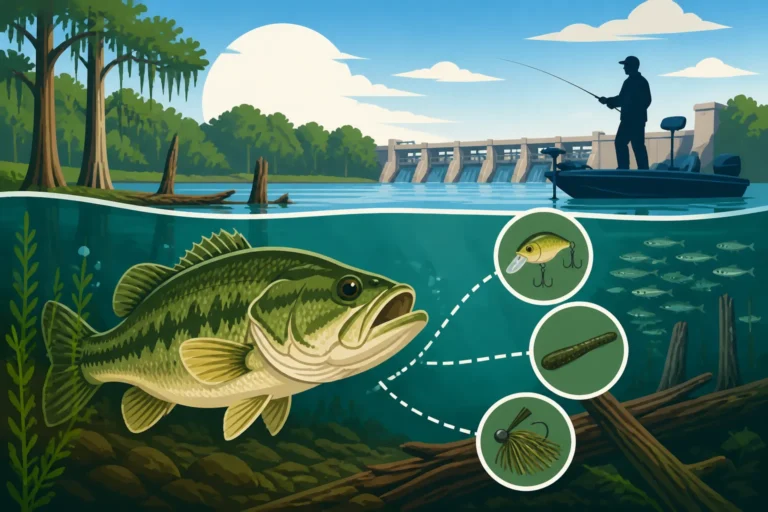
Another excellent technique involves throwing spinnerbaits or slow-rolling large plastic worms and jigs. The thumping vibration of a spinnerbait blade can be irresistible to a nocturnal bass. For plastics, focus on areas with cover, such as brush piles, stumps, or rock formations. Work your bait slowly along the bottom, feeling for any subtle changes in pressure that might indicate a bite. Sometimes, the best strategy involves using lures that mimic the local baitfish, especially those with good scent profiles, which you can often find readily available on Amazon. You might even find some crossover with baits effective for specific conditions, like those discussed in Best Bait for Largemouth Bass in Muddy Water.
Crappie and Bream: Panfish After Dark
Don't overlook panfish like crappie and bream (bluegill, redbreast sunfish) for your nighttime adventures. While often associated with daytime angling, these species can be caught in good numbers after dark, especially if you know their habits. They are often drawn to lights, making them a fantastic target for specific techniques.
For crappie, a popular night fishing technique involves using submersible lights. These lights, dropped into the water, attract plankton, which in turn draws in baitfish like minnows and shad. The crappie follow, creating a concentrated feeding frenzy under the light. You can then target them with small jigs (often glow-in-the-dark or chartreuse colors work well) tipped with minnows or soft plastics, fished vertically directly beneath the light. Many anglers rig multiple rods at different depths until they find the crappie's preferred feeding zone. If you've ever wondered about this, our article Can You Catch Crappie at Night? delves into it further.
Bream, while not as strongly attracted to lights as crappie, can still be caught after dark, especially in shallower, calmer waters. They often remain in similar areas they inhabit during the day, such as around docks, lily pads, or submerged structure. Crickets, worms, or small pieces of bread are excellent natural baits, fished under a sensitive bobber or even on a tight line. The quiet of the night can make them less wary and more willing to bite. A simple strategy is often the best, and the same fundamental principles you'd use for daytime panfish can often be applied, just with added attention to sensing the bite rather than seeing it.
Navigating the Night: Safety and Practical Tips
Night fishing in South Carolina’s freshwater systems offers unique rewards, but it also comes with its own set of challenges and risks. Being prepared and cautious is paramount to ensuring a safe and enjoyable experience for everyone involved. Don't let the darkness intimidate you, but respect it.
Knowing Your Waters Before Dark
One of the most critical safety tips for night fishing is to familiarize yourself with your chosen fishing spot during daylight hours. Scout the area thoroughly: identify potential hazards like submerged stumps, rock formations, shallow sandbars, or sudden drop-offs. Take note of landmarks on the shore that you might be able to identify by moonlight or with a spotlight. Knowing your boat ramp, where the channel markers are, and where submerged hazards lie before the sun goes down can prevent serious accidents.
If you're fishing from a boat, study your charts and GPS closely during the day. Mark any danger zones or productive fishing spots. At night, rely on these tools, but always proceed with caution and at a reduced speed. Even familiar waters can look entirely different in the dark, and what seems like an open stretch during the day could hide a treacherous log just beneath the surface. For general planning, consulting the South Carolina Freshwater Fishing Calendar can help you pick the best times for certain species.
Even for bank fishing, understanding the terrain is important. Are there steep banks, muddy patches, or slippery rocks? Are there any hidden holes or drop-offs near the shore? Avoid venturing into unknown territory after dark. Stick to familiar, safe access points, and always let someone know where you're going and when you expect to return.
The Buddy System and Communication
While the solitude of night fishing can be appealing, it's always safer to fish with a buddy, especially when you're exploring new areas or dealing with potentially tricky conditions. Having a second pair of eyes, an extra set of hands, and someone to share the experience with can make a huge difference in an emergency. If a hook gets stuck, a fish needs to be netted, or if you accidentally slip, a partner can be invaluable.
Always carry a fully charged cell phone. Even if you're out of cellular service in a remote area, it can still function as a flashlight and often as a GPS. Consider carrying a marine radio if you're boating on larger lakes or rivers, as these can provide a more reliable means of communication in an emergency. Ensure everyone in your party knows how to use these devices.
Before heading out, make sure someone not on the trip knows your float plan: where you’re going, who you’re with, and when you plan to be back. This simple step provides an essential safety net. In case of an emergency, knowing the South Carolina Fishing License Guide can help you understand regulations, but safety always comes first.
Respecting the Environment and Other Anglers
Night fishing often comes with an incredible sense of peace and quiet, and it's important to do your part to maintain that atmosphere. Be mindful of your light use. While a headlamp is essential for personal tasks, avoid shining bright white lights into the water or directly at other anglers unless absolutely necessary. As mentioned before, a red-light setting is far less disruptive. Similarly, keep noise levels down; loud talking, music, or excessive commotion can spook fish and disturb the tranquility for others.
Always practice "leave no trace" principles. Pack out everything you pack in, including fishing line, bait containers, and any food wrappers. Discarded fishing line is a major hazard for wildlife and boaters. Clean up your area before you leave, ensuring you leave it better than you found it.
Responsible angling also means understanding and adhering to all South Carolina Fishing Bag Limits Explained and regulations. Just because it's dark doesn't mean the rules don't apply. Know your minimum sizes, creel limits, and any special restrictions for the waters you're fishing. Having a valid South Carolina Fishing License Requirements in South Carolina is a given for any fishing trip in the state, day or night. Respecting these rules helps ensure healthy fish populations for future generations of anglers.
| Species Targeted | Best Night Fishing Techniques | Preferred Night Baits/Lures | Key Considerations |
|---|---|---|---|
| Catfish | Bottom fishing, Jugging, Trotlining | Cut bait, Chicken livers, Stink baits, Nightcrawlers | Strong scent, rely on feel, check lines often |
| Largemouth Bass | Topwater, Spinnerbaits, Slow-rolled plastics/jigs | Dark-colored topwater, noisy lures, scented worms, live shiners | Ambush predators, target shallow cover, slow retrieve |
| Crappie | Vertical jigging under lights, tightlining | Small jigs (glow/chartreuse), minnows, small soft plastics | Attracted to lights, find schools, vary depth |
| Bream (Panfish) | Bobber fishing, Bottom fishing | Crickets, Worms, Small pieces of bread, Tiny jigs | Quieter areas, similar to daytime tactics, light tackle |
| Striped Bass | Trolling, Live bait (eels/shad), Jigging (deep) | Large plugs, live bait, bucktail jigs | Target deep channels, thermocline, follow baitfish |
Disclaimer
This article is for general informational purposes only and does not constitute professional advice. Laws, prices and regulations vary by location and change over time. Consult a qualified professional for guidance on your specific situation.