Targeting Slot-Size Redfish in South Carolina’s Lowcountry Estuaries
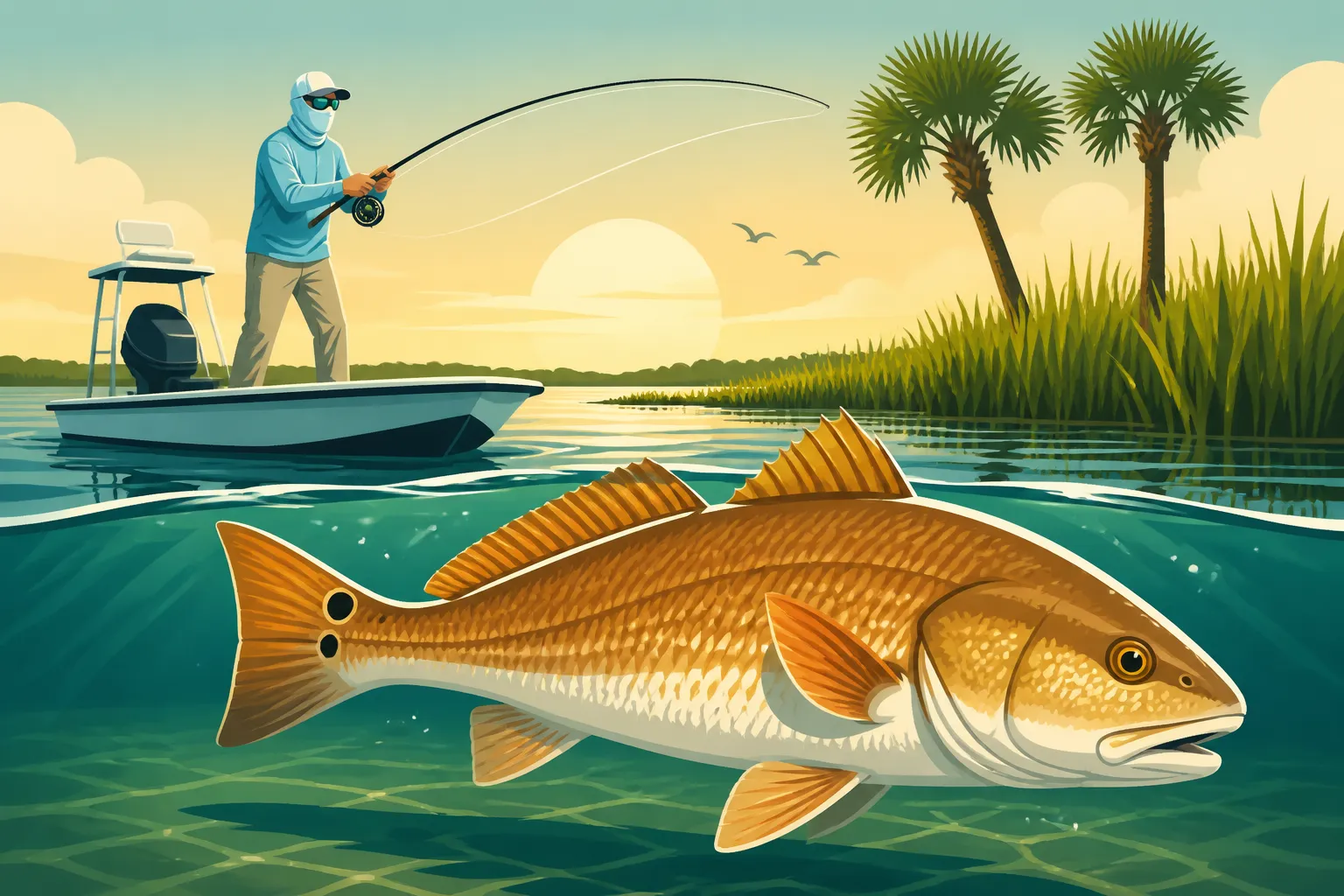
There’s nothing quite like the thrill of chasing redfish in South Carolina’s Lowcountry estuaries, but it can be incredibly frustrating when you hook into a monster, only to find it’s either too small or too big to keep. Many anglers struggle to consistently target those "slot-size" reds, missing out on the delicious table fare and the satisfaction of a legal catch. This guide is dedicated to helping you master the art of finding, hooking, and landing those perfect slot-size redfish in our beautiful tidal creeks and grass flats.
Understanding Redfish Regulations in the Lowcountry
Before we even cast a line, it's absolutely crucial to understand the rules. The regulations aren't there to make our lives harder; they're designed to protect this amazing fishery for future generations. Ignoring them can lead to hefty fines, and nobody wants that. The most important rule when it comes to redfish in South Carolina is the slot limit, and it’s a non-negotiable part of ethical and legal angling.
The South Carolina Redfish Slot Limit
The term "slot limit" often trips up new anglers, but it’s quite straightforward once you get the hang of it. For redfish in South Carolina, the current slot limit is 15 to 23 inches total length. This means any redfish you catch must be at least 15 inches long, but no more than 23 inches long, if you intend to keep it. A fish that’s 14.5 inches? Release it. A brute that measures 24 inches? That's a breeder, and it needs to go back into the water to keep the population strong. It’s a very effective conservation measure, ensuring that the younger fish have a chance to grow and the larger, spawning adults continue to reproduce. Always double-check the latest rules before you head out, as regulations can sometimes change, which is why it's vital to stay informed on the Current Redfish Regulations for Coastal Waters.
When you're out on the water, having a reliable measuring device is essential. A simple, flexible tape measure or a designated fish ruler attached to your boat or cooler can save you a lot of guesswork and potential headaches with DNR officers. It’s a habit you need to cultivate: catch, measure quickly, and make the decision. If it’s not in the slot, handle it gently and get it back in the water as fast as possible. Remember, the goal isn't just to catch fish, but to ensure that healthy populations thrive for years to come.
Daily Bag and Vessel Limits
Beyond the individual fish size, there are also limits on how many redfish you can keep per person and per vessel. Currently, anglers in South Carolina are allowed a daily bag limit of 2 red drum (redfish) per person. This means if you're fishing alone, you can keep two fish that fall within that 15-23 inch slot. If you're out with a buddy, each of you can keep two. It’s important to understand these individual limits, especially if you're fishing with a group, as they contribute to the overall limit for the boat.
Then there's the vessel limit, which adds another layer to the regulations. For recreational fishing, the maximum number of redfish allowed on any single vessel, regardless of how many licensed anglers are on board, is 6 fish. So, even if you have four people on your boat, each legally able to keep two redfish, you can only have a total of six redfish on the boat at any given time. This can be particularly relevant for larger fishing parties or charter trips. It means you can't just pile up fish if everyone happens to catch their limit. Understanding the nuances of the South Carolina Redfish Vessel Limit Explained is paramount to avoiding unintentional violations. Always keep a mental tally of what’s in the cooler, and if you hit the vessel limit, switch gears to catch-and-release, or target a different species.
Prime Redfish Habitats in Lowcountry Estuaries
The Lowcountry's estuaries are a complex and vibrant ecosystem, a perfect playground for redfish. These brackish water environments, where freshwater rivers meet the saltwater tides, offer everything a redfish could want: abundant food, protection from predators, and plenty of structure. To consistently catch slot-size reds, you need to know where they live, what they eat, and how they behave in these unique environments.
The Importance of Spartina Grass Flats
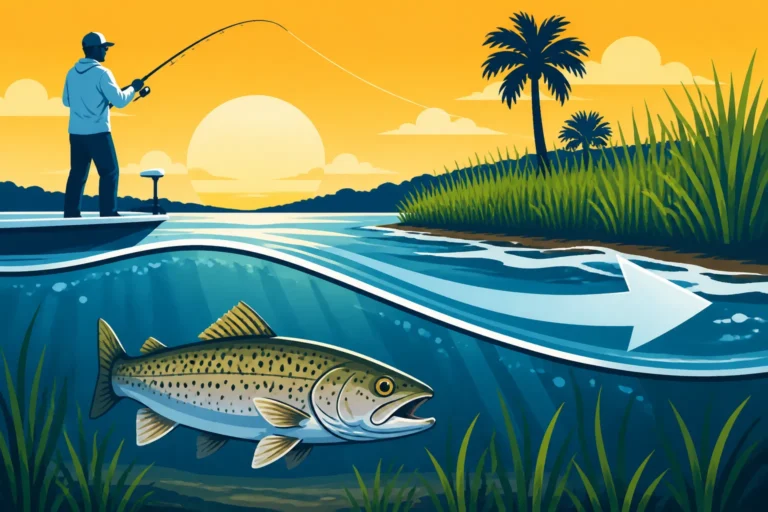
If you're hunting redfish in the Lowcountry, you absolutely need to know about Spartina grass flats. These vast expanses of saltmarsh grass are the lifeblood of the estuary, providing critical habitat for countless species, including the redfish's favorite meals like fiddler crabs, shrimp, and small baitfish. During certain tides, especially higher tides, redfish will push up into these shallow grass flats, literally nosing around in the submerged vegetation to root out crustaceans and other snacks. This is often referred to as "tailing" when their tails break the surface as they feed.
These grass flats offer excellent opportunities for sight fishing, especially on clear, calm days. When you see a tailing redfish, or even just a ripple in the grass, it’s an incredible adrenaline rush. The key is stealth and observation. Approach these areas slowly with your trolling motor or poling skiff, keeping your eyes peeled for any sign of movement. The best grass flats will have good tidal flow, allowing fresh food to move in and out, and often be adjacent to deeper channels or oyster beds, which offer the redfish an escape route or a comfortable resting spot when the tide recedes. Many of the creeks around Murrells Inlet Redfish Fishing Spots in South Carolina are famous for these kinds of flats.
Creek Mouths and Oyster Beds
Beyond the grass flats, creek mouths and oyster beds are absolute redfish magnets. Creek mouths act like funnels, concentrating baitfish and shrimp as the tide moves in and out. Redfish will often stage themselves at these pinch points, waiting for an easy meal to be swept by the current. Focusing your efforts during a falling tide at the mouth of a smaller creek emptying into a larger creek or river can be incredibly productive, as bait is flushed out.
Oyster beds are another critical feature. These jagged, shell-encrusted structures provide both ambush points for predators and a rich ecosystem for forage. Shrimp, crabs, and small fish hide among the shells, and redfish know it. Fishing around oyster bars requires a bit more caution – you don't want to get your line cut or your lure snagged on the sharp shells. However, the reward is often worth the risk. Many anglers find success by casting along the edges of oyster reefs, letting their bait or lure drift naturally with the current right over the top of where the redfish are likely hiding. These areas are particularly good when looking for Redfish Hot Spots Along the South Carolina Coastline.
Navigating Tidal Creeks
The Lowcountry is crisscrossed with a labyrinth of tidal creeks, from wide, navigable waterways to skinny, winding guts that are barely wider than your boat. Understanding how to navigate and fish these creeks is paramount for redfish success. The ebb and flow of the tide dictates everything: water depth, current strength, and fish behavior. During high tide, redfish might be deep in the grass, as mentioned, but as the tide falls, they'll retreat into these creek channels.
Learning to read the current and the contours of these creeks will give you a huge advantage. Look for deeper bends, submerged structure (like old docks or fallen trees), and areas where the current creates eddies or calm spots. These are all places where redfish might hold, either resting or waiting for food. A good strategy is to work your way down a creek with the outgoing tide, casting towards the banks and any visible structure. Pay attention to changes in bottom contour, which you can often infer from your depth finder or even just by how the boat drifts. The more time you spend exploring these intricate waterways, the better you’ll become at predicting where the fish will be.
Essential Gear and Bait for Lowcountry Redfish
Having the right tools for the job can make all the difference, especially when you're targeting specific fish like slot-size redfish in complex estuary environments. You don't need the most expensive gear, but having reliable equipment that's suited for the task will significantly increase your chances of success and enjoyment.
Rods, Reels, and Line Choices
For inshore redfish in the Lowcountry, a versatile setup is key. Most anglers opt for a medium-heavy spinning rod, typically in the 7-foot range. This length provides good casting distance while still being maneuverable in tight creek bends or around docks. A fast action tip is preferred, as it allows for quick, accurate casts and excellent sensitivity to feel those subtle redfish bites. Pair this with a 2500 to 3000 series spinning reel. Brands like Shimano, Penn, and Daiwa offer excellent options that are durable enough to stand up to saltwater conditions. You can often find great deals on these workhorse reels on Amazon.
When it comes to line, braided line is the go-to for many experienced redfish anglers. Its low stretch provides incredible sensitivity, allowing you to feel every bump and nibble, and its strength-to-diameter ratio means you can use a lighter line (e.g., 10-15 lb test) for better casting while still having plenty of pulling power. You'll want to tie on a fluorocarbon leader (20-30 lb test) using a reliable knot like an FG or Alberto knot. Fluorocarbon is nearly invisible underwater and is much more abrasion-resistant than braid, which is crucial when fishing around sharp oyster shells. The length of your leader can vary, but 18-30 inches is a good starting point. This entire setup allows you to cast lighter baits, feel everything, and still pull a stubborn redfish out of cover.
Top Baits and Lures for Estuary Redfish
Redfish are opportunistic feeders, so you have a lot of options when it comes to what you present them. However, some baits and lures are consistently more effective than others in the Lowcountry estuaries.
For live bait, nothing beats fresh local shrimp. Rigged on a jig head or under a popping cork, a live shrimp is irresistible to redfish. Mud minnows, small mullet, and fiddler crabs are also excellent choices, mimicking the natural forage redfish encounter daily. You can also use cut bait, like pieces of mullet or blue crab, fished on the bottom. These baits can be especially good when the water is murky, as the scent helps fish find them. The key with live or cut bait is often to fish it naturally with the current, letting it drift into potential feeding zones. If you’re looking to stock up on jig heads and popping corks, search on Amazon for a wide selection. For those seeking Live Bait Rigs for Inshore Redfish, there are many effective options to explore.
When it comes to artificial lures, soft plastics are king. Scented soft plastics, like those from Gulp! or Z-Man, in shrimp or baitfish profiles (paddletails work wonders), are incredibly effective. Chartreuse, white, natural shrimp, and "new penny" are popular colors. Rig these on a 1/8 to 1/4 ounce jig head, depending on current and depth. Spoons, especially gold or silver weedless spoons, are also fantastic for covering ground in grass flats, as they don't snag easily. Topwater lures can provide exhilarating strikes during low-light conditions, particularly when you are looking for Best Lures for Tailing Redfish in Grass Flats. The trick with artificials is to present them in a way that mimics wounded bait or a scurrying crab – short twitches, pauses, and a steady retrieve often do the trick.
Must-Have Accessories for Shallow Water
Beyond your rod, reel, and tackle, a few accessories can significantly enhance your shallow water redfishing experience. First, polarized sunglasses are an absolute game-changer. They cut the glare off the water, allowing you to see into the shallows, spot subtle movements, and even sight-fish for redfish on the flats. Once you've tried them, you'll wonder how you ever fished without them.
Next, a good pair of pliers and a hook remover are essential for safely de-hooking fish, especially those with treble hooks or when they've swallowed the bait deep. Redfish have powerful jaws, and keeping your fingers away from their mouths is always a good idea. A sturdy pair of Boga Grips or similar fish grippers can also be invaluable for safely handling larger redfish for photos and release, minimizing stress on the fish. Finally, a cooler with plenty of ice is necessary not just for your drinks, but also for properly storing any slot-size redfish you decide to keep. Remember, fresh fish tastes best when handled correctly from the moment it's caught.
Effective Techniques for Targeting Slot Redfish
Catching redfish isn't just about showing up with a rod and reel; it's about understanding their behavior, their environment, and how to present your offering in the most enticing way. Master these techniques, and you'll dramatically improve your success rate for slot-size reds.
Reading the Tides for Redfish Success
If you fish the Lowcountry, you know the tide is everything. It controls the movement of bait, the depth of the water, and therefore, where the redfish will be. Mastering the art of Does Tide Timing Matter for South Carolina Redfish? is your biggest asset.
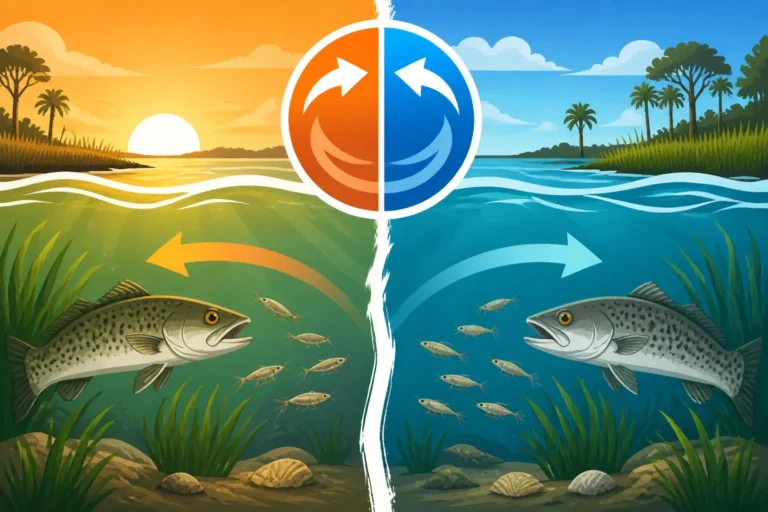
The best tide for redfish often depends on the specific spot you're fishing and the time of year. During high tide, redfish will push into those shallow grass flats, sometimes with their backs almost out of the water, to feed on fiddler crabs and other crustaceans. This is a prime time for sight fishing with weedless lures or a carefully presented live bait. As the tide begins to fall, redfish will start to move out of the grass, concentrating in the deeper channels and creek mouths, where they ambush bait being flushed out. A strong outgoing tide can be particularly productive in these areas. On the other hand, an incoming tide can bring fresh bait into the creeks and stimulate feeding activity as fish move into new areas. Observing how the tide affects your chosen fishing spot will be your best teacher.
| Tide Phase | Redfish Behavior | Prime Locations | Recommended Techniques |
|---|---|---|---|
| Rising Tide | Moving into shallower grass, searching for crabs/bait | Grass flats, oyster bars | Sight fishing, weedless lures, popping corks |
| High Tide | Deepest in the grass, tailing, protected | Shallowest grass flats | Stealthy approach, small baits, very light rigs |
| Falling Tide | Retreating from grass, ambushing concentrated bait | Creek mouths, channel edges, oyster points | Jigging soft plastics, live bait on bottom |
| Low Tide | Concentrated in deeper holes and channels | Deep bends, protected holes, creek channels | Slow retrieves, cut bait on bottom, target structure |
Sight Fishing and Casting Strategies
Sight fishing for redfish in the clear waters of the Lowcountry is arguably one of the most exciting ways to catch them. The ability to spot a fish, make a precise cast, and watch it eat your lure or bait is an incredible experience. For successful sight fishing, you need good polarized sunglasses, a calm day, and clear water. Look for movement, shadows, or even just the subtle "push" of water that indicates a fish moving.
When you spot a redfish, your casting strategy is critical. You want to make a quiet, accurate cast, leading the fish by several feet so your lure or bait lands without spooking it. Imagine your bait is a fleeing shrimp or crab; if it lands right on its head, the redfish might spook. If it lands a bit ahead and you twitch it, the redfish often sees it as an easy meal. Retrieve your lure or bait with subtle twitches and pauses, mimicking natural prey. Sometimes a slow, steady retrieve is all it takes. For a comprehensive guide on various approaches, consider exploring How to Catch Redfish in South Carolina's Lowcountry. The goal is to make your offering look alive and vulnerable.
Patience and Presentation are Key
Redfish, especially those wary slot-size fish, can sometimes be surprisingly finicky. Patience is a virtue when you're targeting them. Don't rush your casts, don't rush your retrieves, and don't get discouraged if you don't get a bite immediately. Sometimes, it takes working an area thoroughly, trying different baits or lures, and varying your retrieve speeds. The fish are there; you just need to figure out what they want on that particular day.
Presentation is equally important. Ensure your bait is rigged naturally – a live shrimp should be hooked so it can swim freely, and a soft plastic should be straight on the jig head to avoid unnatural spinning. Pay attention to how your bait drifts with the current. Redfish often face into the current, waiting for food to come to them. Presenting your bait upstream and letting it drift naturally past where you think a redfish is holding can be incredibly effective. Sometimes a very subtle, slow presentation is what triggers a bite, especially in cooler water or when fish are pressured. Remember, the journey of becoming a successful redfish angler is about continuous learning and adapting.
Disclaimer
Fishing regulations and conditions can change. Always check the latest South Carolina Department of Natural Resources (SCDNR) rules and local weather before heading out. This guide is for informational purposes only and should not replace official regulations or professional advice. Tight lines and stay safe out there!