How to Catch Redfish in South Carolina’s Lowcountry
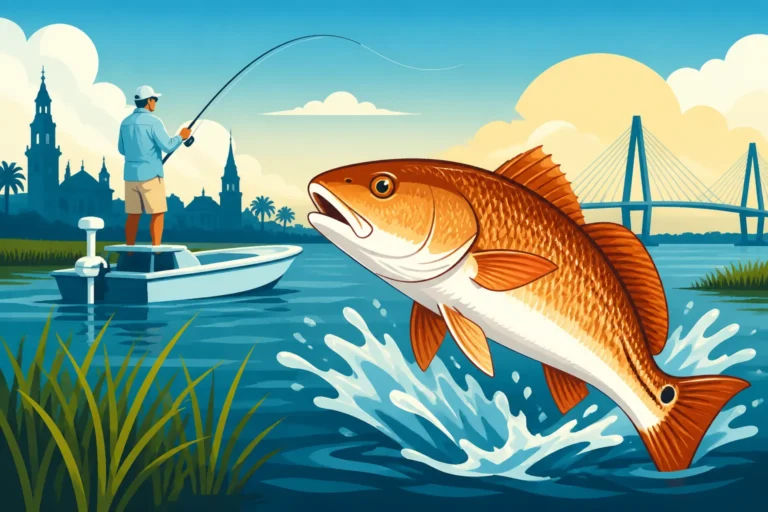
Few things get an angler's heart pumping quite like the sight of a redfish tailing in a Lowcountry marsh, but actually catching one can be a whole different challenge. From navigating the intricate tidal creeks to choosing the right bait that these wily fish won't ignore, it often feels like you need a secret handbook. This comprehensive guide will peel back the layers of mystery surrounding these beloved copper-colored beauties, offering practical advice and seasoned tips to help you successfully target and land redfish in South Carolina's stunning Lowcountry waters.
Understanding Redfish in the Lowcountry
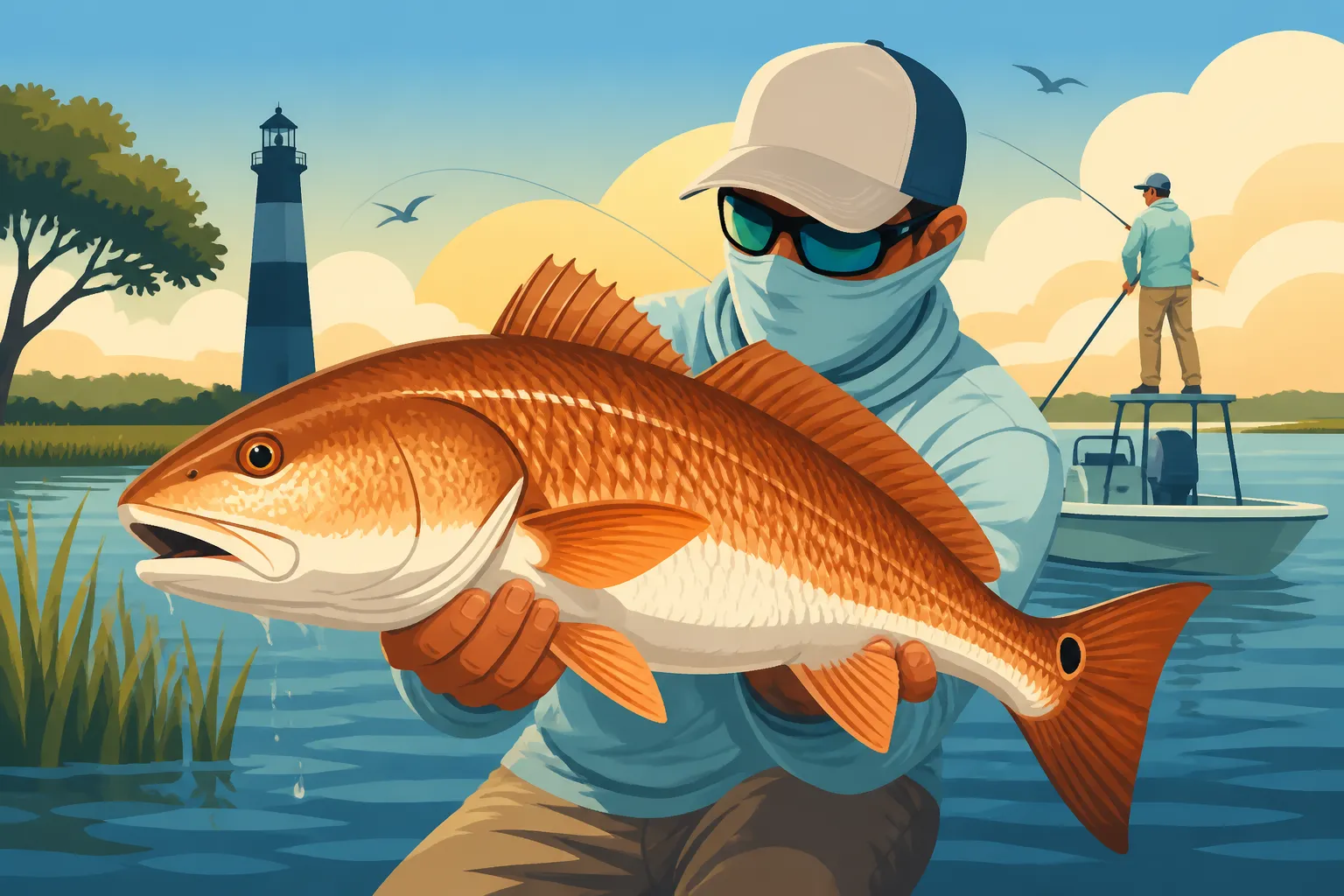
Redfish, also known as red drum, are one of the most iconic and sought-after game fish in South Carolina's coastal waters, especially within the vast, intricate network of the Lowcountry. Their striking bronze-to-copper coloration, often accented by one or more prominent "eyespots" near their tail, makes them instantly recognizable. Beyond their looks, their powerful runs and aggressive feeding habits make them an incredibly rewarding species to pursue. Understanding their typical behavior and preferred haunts is the first step to becoming a successful Lowcountry redfish angler.
The Lowcountry Redfish Habitat
The Lowcountry's unique geography, characterized by its expansive salt marshes, tidal creeks, oyster beds, and shallow flats, creates the perfect environment for redfish. These fish thrive in brackish waters, where freshwater from rivers mixes with the saltwater of the Atlantic. They love to patrol the edges of marsh grass, root around oyster shells for crustaceans, and cruise across shallow mud flats in search of a meal. You'll often find them tucked into protected bays and estuaries, seeking both refuge from predators and abundant foraging opportunities. The sheer density of these varied habitats means redfish can be found almost everywhere, making local knowledge of specific creek systems invaluable.
Think of it like this: if you were a redfish, you'd want a grocery store (oyster beds, crab holes), a safe haven (marsh grass, deep pockets), and some open roads to cruise (tidal creeks). The Lowcountry provides all of this in spades. Many anglers find their most consistent success by focusing on areas where these elements converge, such as a deep creek channel running alongside a large oyster bed and a vast spartina grass flat. These are the places where redfish can easily ambush prey, escape danger, and find comfort regardless of the tide stage.
Seasonal Redfish Behavior
Redfish behavior in the Lowcountry is heavily influenced by the changing seasons and, consequently, water temperature. In the spring, as water temperatures rise, redfish become more active and spread out from their wintering holes, eagerly feeding to regain energy after the colder months. This is a fantastic time for sight fishing on the flats as they move into shallower water. Summer sees them retreat to slightly deeper, cooler waters during the hottest parts of the day, often becoming more active during cooler mornings, evenings, and even nights.
As fall arrives, the "bull red" run begins, with larger mature redfish congregating near inlets and passes before heading offshore for spawning. Smaller, "slot" reds remain inshore, feeding aggressively as water temperatures begin to drop, making it another prime season for active fishing. Winter can be challenging, but not impossible. Redfish will often school up in deeper, protected channels and mud-bottomed creeks, where the water stays slightly warmer. They become more lethargic, requiring slower presentations, but finding one school can lead to multiple hookups. Understanding these seasonal shifts is key to adapting your approach.
Why Redfish are So Prized
Beyond their challenging fight and beautiful appearance, redfish hold a special place in the hearts of Lowcountry anglers for several reasons. They are accessible, found in abundance across diverse habitats, and offer a wide range of fishing experiences, from delicate sight casting on glassy flats to powerful battles in strong currents. Their willingness to strike both artificial lures and natural baits makes them a versatile target for anglers of all skill levels. Plus, when caught within the legal slot limit, they are also considered excellent table fare, offering firm, flaky white meat.
The pursuit of redfish often takes you through some of the most stunning natural landscapes South Carolina has to offer, from serene marsh estuaries to vibrant coastal inlets. It's not just about the catch; it's about the entire experience of being out on the water, immersed in the Lowcountry's unique ecosystem. This combination of challenge, beauty, and culinary appeal firmly establishes the redfish as a prized gem of South Carolina fishing.
Best Times and Tides for Redfish
Successfully catching redfish in the Lowcountry often boils down to understanding the intricate dance between the fish and the tides. The coastal environment here is incredibly dynamic, with water levels fluctuating dramatically throughout the day. Ignoring the tide would be like trying to catch a bus without knowing the schedule—you might get lucky, but you’re likely to be standing there for a long time. Knowing when and how the tides influence redfish movement and feeding habits is paramount.
Seasonal Peaks for Redfish
While you can catch redfish year-round in the Lowcountry, certain seasons offer more consistent action and specific opportunities. Spring (March-May) is fantastic as water temperatures warm up, prompting redfish to move onto shallow flats and eagerly feed. This is prime time for sight fishing. Fall (September-November) is arguably the peak season for redfish inshore, offering cooler temperatures, aggressive feeding, and the excitement of the "bull red" run in the deeper channels and inlets. During this time, the fish are fattening up before winter and often form larger schools.
Summer (June-August) can be productive, especially early in the morning or late in the evening when water temperatures are cooler. During the heat of the day, redfish might move to deeper pockets or shaded areas. Winter (December-February) can be slower, but don't count it out! When you find a wintering school of redfish huddled in a dark-bottomed creek or deep channel, the action can be phenomenal, even if the bites are a bit more subtle. Each season demands a slightly different approach, so adapting your techniques is crucial.
The Critical Role of Tides
If there's one thing you absolutely must understand about Lowcountry redfish, it's the tide. Tides dictate where the fish will be, what they'll be eating, and how accessible they are to anglers. Generally, the last two hours of the incoming tide and the first two hours of the outgoing tide are considered prime fishing times. As the tide comes in, it floods the marsh grass, bringing baitfish and crustaceans to the redfish. This is often when you'll see "tailing" reds, with their tails breaking the surface as they root for food in the grass.
Conversely, as the tide recedes, it pulls bait out of the marsh, concentrating redfish along creek edges and oyster bars, making them easier to target. On a super low tide, redfish will often retreat to the deepest parts of the creeks or larger channels. Understanding Does Tide Timing Matter for South Carolina Redfish? is key, as different phases present unique opportunities. For example, a strong incoming tide might be perfect for fishing deeper creek bends with live bait, while a slowly falling tide could be ideal for sight casting to fish moving off the flooded flats. Always consult a local tide chart before heading out.
Best Time of Day
While tides are the primary driver, the time of day also plays a significant role, especially during extreme temperatures. In the scorching summer months, fishing during the cooler parts of the day—dawn, dusk, or even night—can be far more productive. Redfish, like many species, become lethargic in extremely hot water and will seek deeper, cooler spots, making them harder to find and entice. Early morning often offers glassy water conditions, making it easier to spot fish or subtle disturbances.
During spring and fall, when temperatures are more moderate, redfish might be active throughout the day, especially if the tides are favorable. In winter, sunny afternoons can warm up shallow mud flats and darker creek bottoms, drawing redfish into these areas to bask and feed. So, while you're always checking the tide chart, consider the sun's position and the ambient temperature to fine-tune your fishing schedule. A calm, overcast day on a rising tide in October? That's about as perfect as it gets for Lowcountry redfish.
Top Lowcountry Spots for Redfish
The Lowcountry of South Carolina is an angler's paradise, a sprawling canvas of interconnected waterways, Spartina grass, and rich ecosystems. For redfish, this means an embarrassment of riches when it comes to habitat. Knowing where to focus your efforts within this vast landscape is crucial. While I can't give you a secret GPS coordinate to a guaranteed honey hole, I can point you towards the types of areas that consistently hold redfish. Remember, the key is often to find the "transition zones" – where one type of habitat meets another.
Inshore Creeks and Marshes
This is the quintessential Lowcountry redfish habitat. The seemingly endless network of tidal creeks and vast salt marshes are where redfish spend most of their lives. Look for smaller, feeder creeks that empty into larger channels. As the tide floods, redfish will push into these shallow creeks, often going deep into the marsh grass to hunt for fiddler crabs and shrimp. This is prime territory for poling skiffs or kayaks, allowing you to quietly access these shallow areas without spooking the fish. Places like the creeks around Murrells Inlet Redfish Fishing Spots in South Carolina or the expansive marsh systems near Mount Pleasant Redfish Fishing Spots in South Carolina are classic examples of this environment.
When the tide starts to fall, these fish will begin to funnel out of the marsh, congregating along the creek banks, oyster rakes, and points. These choke points offer excellent ambush opportunities for redfish, and for anglers, a more concentrated target. Consider exploring areas with slightly deeper bends or depressions in the creeks, as these can serve as temporary holding spots for fish waiting for the next tidal push.
Oyster Rakes and Structure
Oyster shells are more than just sharp hazards; they are vibrant mini-ecosystems teeming with life. Redfish absolutely love them. These calcified structures provide shelter for baitfish, crabs, and other crustaceans – a veritable buffet for a hungry redfish. You'll find redfish cruising along the edges of oyster bars, rooting through the shells with their downturned mouths, or lurking in potholes adjacent to the rakes, waiting for an unsuspecting meal to pass by.
When targeting oyster beds, approach cautiously, as these areas can be extremely shallow at low tide and boat props and oyster shells don't mix! Fan casting parallel to the oyster rake, or casting into deeper pockets surrounding them, can be very effective. Live bait, like a mud minnow or shrimp, drifted close to the shells, is often irresistible. Don't forget to check out articles like Best Redfish Fishing Spots Along the South Carolina Coast for more detailed location insights, many of which emphasize the importance of oyster structure.
Docks, Piers, and Jetties
While many picture redfish in pristine marsh grass, they are also quite fond of man-made structures. Docks, piers, and jetties provide shade, current breaks, and often host an abundance of barnacles, crabs, and baitfish—all attractive to redfish. The pilings of a dock offer vertical structure that fish can relate to, and the deeper water often found near these structures can hold fish even during lower tides. Public access points, like many of those around Charleston Harbor Redfish Fishing Spots for South Carolina Anglers, will often feature ample dock and pier opportunities.
When fishing around these structures, focus on casting close to the pilings, letting your bait or lure sink down. The current can be strong around jetties and inlets, so heavier tackle might be necessary to get your offering to the bottom. Be mindful of boat traffic and other anglers, especially at popular spots. Often, a patient approach, allowing your bait to sit near the structure, is more effective than aggressive retrieves in these areas.
Essential Gear and Tackle for Redfish
You wouldn't show up to a fancy dinner party in your pajamas, and similarly, you shouldn't show up to a redfish fight with inadequate gear. While redfish aren't typically leviathans of the deep, they are strong, determined fighters capable of powerful runs, especially when hooked in a strong current or near structure. Having the right rods, reels, line, and terminal tackle is not just about comfort; it's about giving yourself the best chance to land the fish and ensure a healthy release.
Rods, Reels, and Line Selection
For inshore redfish in the Lowcountry, a medium to medium-heavy spinning rod, typically 6'6" to 7'6" in length, is a versatile choice. This length provides good casting distance while still allowing for accurate presentations in tight quarters. Pair it with a 2500-4000 series spinning reel. Brands like Penn, Shimano, or Daiwa offer excellent options that can withstand the corrosive saltwater environment. A quality reel with a smooth drag system is crucial for handling those powerful redfish runs.
When it comes to line, braided line is a popular choice for its sensitivity, strength-to-diameter ratio, and lack of stretch. A 10-20 lb braid is usually sufficient. The low stretch of braid allows you to feel the most subtle bites and get solid hooksets. Because braid is visible to fish, you'll need a fluorocarbon leader. A 2-3 foot section of 20-30 lb fluorocarbon leader provides abrasion resistance against oyster shells and redfish teeth, while being nearly invisible underwater. You can find a wide selection of these essential items on Amazon, making it easy to outfit yourself before your next trip.
Live and Cut Bait Strategies
Redfish are opportunistic feeders, and few things are more enticing to them than natural bait. Live shrimp are often considered the "gold standard" and can be fished under a popping cork or free-lined. They are irresistible to nearly all inshore species, redfish included. Live mud minnows (also called finger mullet or killifish) are another excellent choice, especially when fish are a bit more finicky. They are hardy, lively, and can withstand numerous casts. Fiddler crabs, which redfish love to root out of the marsh, are superb baits, especially when targeting tailing fish on the flats.
Cut bait, such as mullet, menhaden, or blue crab, can also be highly effective, particularly when targeting larger redfish or fishing in murky water. The scent trail created by cut bait helps fish locate it from a distance. For specific bait guidance, check out Best Bait for Redfish in South Carolina's Marsh Creeks. When using bait, ensure your hook size matches the bait and the expected fish size—a 1/0 to 3/0 circle hook is often recommended to minimize gut-hooking and aid in clean releases.
Top Lures for Lowcountry Redfish
For anglers who prefer artificials, there's a vast array of lures that consistently catch redfish. Soft plastic swimbaits, like Z-Man DieZel MinnowZ or Gulp! Shrimp, rigged on a weighted jig head (1/8 oz to 1/4 oz depending on depth and current) are incredibly versatile. Paddle tails and jerk shads in natural colors (chartreuse, white, natural shrimp, rootbeer) are highly effective. You can slowly retrieve them along the bottom, bounce them off oyster shells, or twitch them through potholes. A good selection of these lures can be found on Amazon, ready to be shipped directly to your door.
Spoon lures, such as Johnson Silver Minnows, are excellent for covering water and imitating fleeing baitfish. Topwater plugs, like a Heddon Super Spook Jr. or a MirrOlure MirrOProp, can provide explosive, heart-stopping strikes, especially during low light conditions or over shallow grass flats. Finally, a popping cork with a live shrimp or soft plastic imitation underneath is a classic and highly effective setup. The "pop" sound mimics a feeding shrimp, drawing redfish in from a distance. Experiment with different lures until you find what the fish are keying in on that day.
Effective Redfish Fishing Techniques
Knowing your gear and where the fish live is a great start, but how do you actually get them to bite? Redfish are powerful and sometimes cunning, requiring a blend of stealth, precision, and the right presentation. From carefully stalking fish in shallow water to soaking bait in deeper channels, there's a technique for every angler and every situation in the Lowcountry.
Sight Fishing the Flats
This is arguably the most exciting way to catch redfish, offering a true hunter's experience. Sight fishing involves spotting the fish before you cast to them, usually in very shallow water over mud flats or grass flats. This requires calm, clear water, good polarized sunglasses, and a keen eye. Look for subtle disturbances: a slight wake, a nervous school of mullet, or the tell-tale "tail" breaking the surface as a redfish feeds head-down in the grass. This is where a long poling skiff or a kayak really shines, allowing for stealthy approaches.
Once you spot a fish or a group, the key is a quiet, accurate cast. Lead the fish slightly, allowing your lure or bait to land softly a few feet in front of its path. Avoid dropping the bait directly on its head, which can spook it instantly. Light jig heads with soft plastics, or a weedless spoon, are excellent choices. The thrill of watching a redfish turn and engulf your offering is unparalleled. This technique is often most effective during higher tides when the fish push up into the grass, but can also work on lower tides if you find fish isolated in potholes.
Casting to Structure and Edges
When conditions aren't ideal for sight fishing, or if you're targeting areas with more current and structure, blind casting becomes your primary strategy. Focus your casts along the edges of marsh grass, adjacent to oyster bars, around creek bends, and near dock pilings. These are all high-percentage areas where redfish will either be actively feeding or lying in ambush. Retrieve your lure slowly, bumping it along the bottom, or twitching it to imitate a struggling baitfish.
Pay close attention to current lines and eddies, as redfish often position themselves in these areas to conserve energy while waiting for food to drift by. Work your way methodically down a creek bank, making multiple casts to each promising spot. Remember that How to Fish an Incoming Tide for Redfish might require different approaches than fishing a falling tide, so adjust your casting angles and retrieve speeds accordingly. Soft plastic jigs and weedless spoons are excellent for this technique, as they can be worked through varying depths and around snags without constant hang-ups.
Bottom Fishing and Soaking Bait
Sometimes, the simplest approach is the most effective, especially when redfish are holding in deeper channels or aren't actively chasing lures. Bottom fishing with live or cut bait is a tried-and-true method that often produces results when other techniques fall short. This involves rigging a Carolina rig or a knocker rig with a live shrimp, mud minnow, or a piece of cut bait, and letting it sit on the bottom where redfish are known to feed. A Carolina rig uses a sliding egg sinker above a swivel, with a leader (typically 12-24 inches) tied to a hook.
This technique is particularly useful during lower tides when redfish are concentrated in deeper holes or protected channels, or during colder months when they are more lethargic. You'll need enough weight to hold your bait on the bottom against the current. Be patient, and keep an eye on your rod tip for subtle taps or a steady bend—redfish will often "mouth" the bait before committing. This is also a great method for targeting larger "bull reds" in deeper water near inlets.
Conservation and Regulations for Redfish
As passionate anglers, we all share a responsibility to protect the incredible fisheries that provide us with so much joy. Redfish populations in South Carolina's Lowcountry are robust, thanks in large part to sound management practices and the commitment of anglers to conservation. Understanding and adhering to the regulations isn't just about avoiding penalties; it's about ensuring that future generations can enjoy the same incredible fishing experiences we do today.
Understanding the Slot Limit
One of the most critical regulations for redfish in South Carolina is the slot limit. A slot limit means you can only keep fish within a specific size range, protecting both juvenile fish (which are too small to keep) and large, mature breeding fish (which are too big to keep). For redfish in South Carolina, the slot limit specifies that fish must be between 15 and 23 inches total length. Any redfish shorter than 15 inches or longer than 23 inches must be immediately released. This is vital for sustaining the population, as the larger "bull reds" are the primary breeders.
It can be frustrating when you catch a beautiful "overslot" redfish, but releasing it means it can continue to contribute to the next generation of fish. Always carry a reliable measuring device on your boat or in your tackle box. Many tackle boxes or boat coolers available on Amazon come with built-in measuring tapes or stickers for quick reference. Make sure you understand South Carolina Redfish Slot Limit Rules and Redfish Slot Limit Rules for Coastal Anglers before your trip.
South Carolina Redfish Daily Bag Limit Per Person and Vessel Limits
In addition to the size regulations, there are also limits on how many redfish you can keep per person and per vessel. Currently, the daily bag limit for redfish is 2 fish per person per day. This means each licensed angler aboard a vessel can possess two redfish within the legal slot limit. However, there's also a vessel limit, which caps the total number of redfish that can be kept on any single boat, regardless of how many licensed anglers are on board. South Carolina Redfish Two-Fish Vessel Limit Explained details that this limit is 4 fish per boat per day.
What this means in practice is if you have three licensed anglers on a boat, each person could theoretically keep two, but the boat limit restricts the total to four. So, you'd only be able to keep four redfish total among the three anglers. If you have five licensed anglers, you're still capped at four fish for the entire boat. This ensures that even large groups of anglers don't overharvest the resource. Always verify Current Redfish Regulations for Coastal Waters before each outing, as rules can change.
Practicing Responsible Angling
Beyond simply following the rules, responsible angling involves a broader commitment to conservation. This includes practicing proper catch and release techniques, especially for fish outside the slot limit or those you choose to release. Minimize the time the fish is out of the water, handle it gently with wet hands, and use circle hooks whenever possible to reduce gut-hooking. If a fish is deeply hooked, cut the line as close to the hook as possible rather than attempting to rip it out.
Consider using barbless hooks for catch-and-release fishing, as they can make unhooking much quicker and cause less damage to the fish. Dispose of all trash, including discarded fishing line, properly. Never leave anything behind that could harm wildlife. By being mindful of these practices, we ensure that the redfish populations in South Carolina's Lowcountry remain healthy and abundant for generations of anglers to come.
| Aspect | Best Season | Best Tide Phase | Ideal Habitat | Recommended Bait/Lure |
|---|---|---|---|---|
| Active Feeding | Spring, Fall | Incoming/Outgoing | Shallow flats, marsh edges, oyster bars | Live shrimp, soft plastics |
| Tailing Fish | Spring, Fall | High incoming (flooded) | Shallow grass flats | Fiddler crabs, weedless lures |
| Deeper Water Fish | Summer, Winter | Low tide (concentrated) | Deep creek bends, channels, dock pilings | Live mud minnows, cut bait |
| Bull Reds | Fall (late Summer) | Strong incoming/outgoing | Inlets, jetties, deep passes | Cut mullet, live croaker |
| Sight Fishing | Spring, Fall | Incoming (clear water) | Shallow mud flats, clear creek edges | Small jigs, weedless spoons |
| Blind Casting | Year-round | Incoming/Outgoing | Creek banks, oyster reefs, docks | Paddle tail jigs, spoons |
| Slow/Lethargic Fish | Winter | Low tide, sunny afternoon | Dark mud bottoms, protected channels | Cut bait, slow-bounced jigs |
Disclaimer
This article is for general informational purposes only and does not constitute professional advice. Laws, prices and regulations vary by location and change over time. Consult a qualified professional for guidance on your specific situation.