Trotline Fishing for Catfish Explained
There’s nothing quite like the thrill of reeling in a feisty catfish, but sometimes, a single rod and reel just doesn't cut it when you're trying to put some serious fish in the cooler. For many anglers in South Carolina, the challenge isn't just catching one, but consistently catching several, especially when targeting those bigger, more elusive bottom dwellers. This guide is all about trotline fishing, a traditional and highly effective method that can drastically improve your catfish hauls by setting multiple baited hooks simultaneously, taking some of the guesswork out of finding those active fish.
What Exactly is Trotline Fishing?
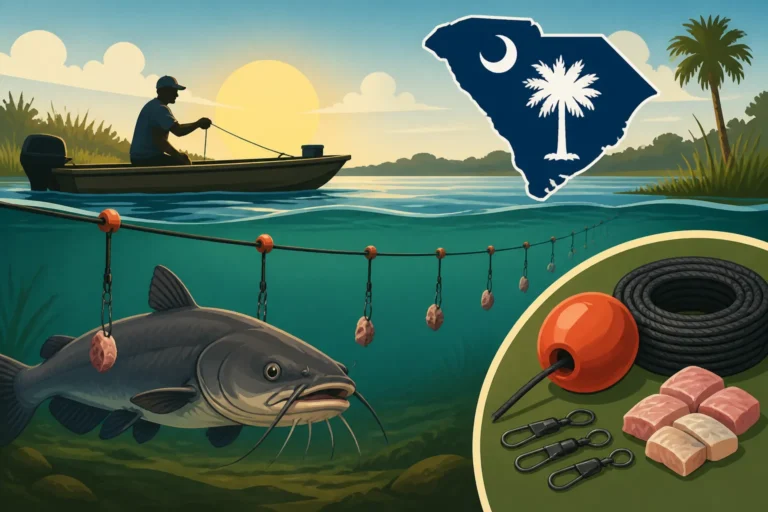
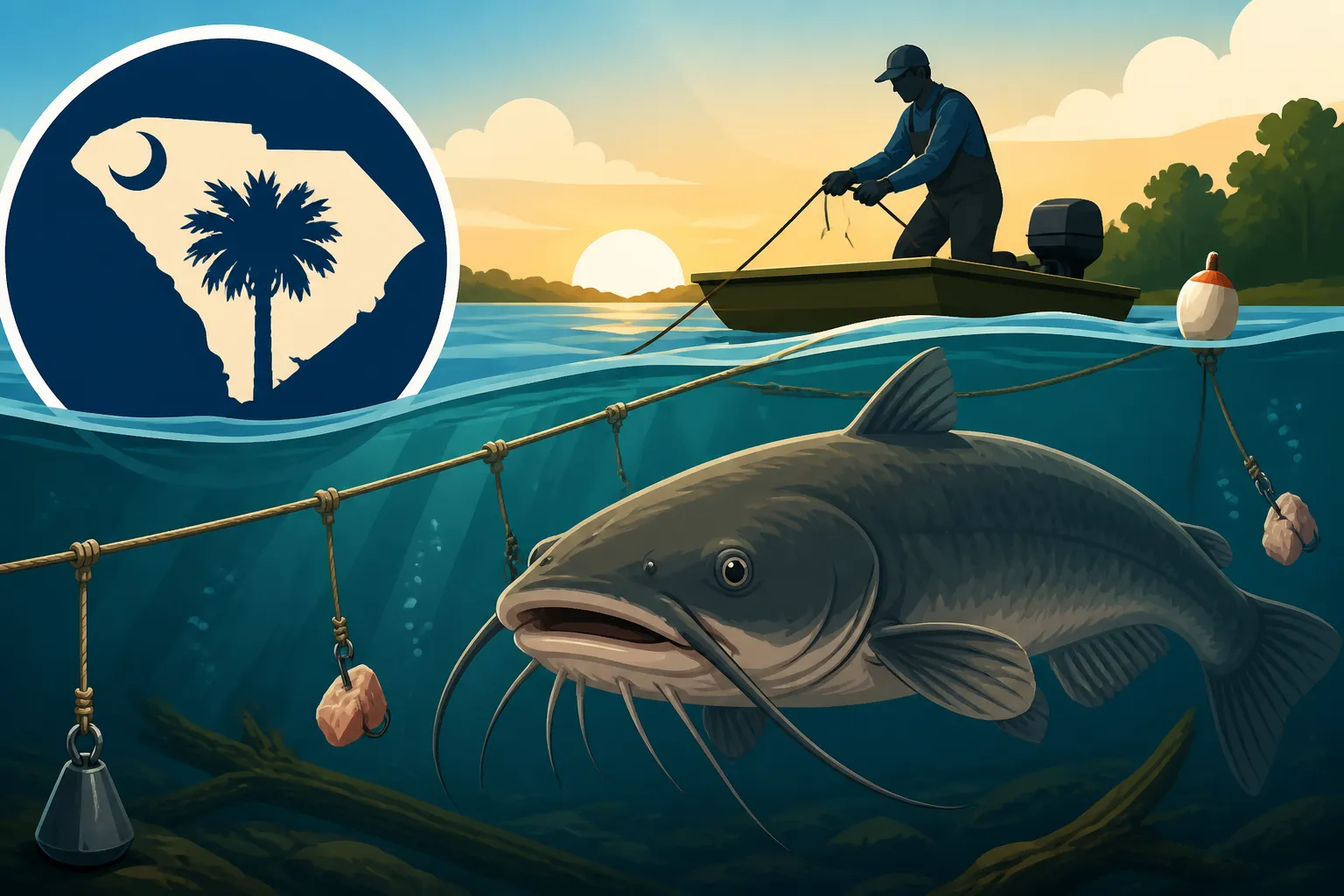
Trotline fishing is a time-honored technique that involves setting a long, heavy main line across a body of water, from which numerous shorter lines, called "stagings," branch off, each terminating in a baited hook. It's essentially a passive fishing method, allowing you to deploy many baits and let the fish come to them, often overnight, without actively holding a rod. It's a fantastic way to cover more water and increase your chances of landing multiple fish, particularly when you’re targeting species like the robust blue catfish or the common channel catfish that roam the depths of South Carolina’s lakes and rivers.
Defining the Trotline System
At its heart, a trotline is a simple yet ingenious system. You start with a robust mainline, often made from braided nylon or specialized trotline cord, which is stretched and anchored between two fixed points – typically trees on opposing banks, heavy weights on the bottom, or even secured to buoys. Along this mainline, at regular intervals, you attach your stagings. These are shorter lengths of line, usually monofilament or braided material, that are tied to the mainline with a swivel and equipped with a hook at the end. The stagings prevent the hooks from tangling with each other or the mainline, giving each bait a clear presentation. The number of hooks can vary greatly, from a handful to dozens, depending on the length of your mainline and local regulations.
Legal Considerations in South Carolina
Before you even think about buying a spool of trotline cord, it is absolutely crucial to understand the rules and regulations set by the South Carolina Department of Natural Resources (SCDNR). Failing to do so can lead to hefty fines and confiscation of your gear, which nobody wants after putting in all that effort. For instance, in South Carolina, a trotline cannot exceed 50 hooks in freshwater. It also needs to be clearly marked with your name and customer ID number (derived from your fishing license), and you must have a valid South Carolina Fishing License Guide to operate one. These rules are in place to prevent overfishing, minimize ghost fishing (where lost lines continue to catch fish), and ensure fair access to public waters. Always check the latest SCDNR regulations for any updates, as they can change periodically, especially regarding specific bodies of water. For example, some areas might have restrictions on trotlines or other unattended gear, while others are more lenient. When you're ready to get your license, consider checking out information on how to get a fishing license in South Carolina or even setting up an account on Go Outdoors South Carolina.
Advantages and Disadvantages of Trotlining
Trotlining offers some distinct advantages, particularly for those looking to maximize their catch. The primary benefit is efficiency; you can present many baits over a wide area simultaneously, significantly increasing your odds compared to a single rod and reel. It’s also a relatively passive method, allowing you to set it and attend to other tasks, or even let it fish overnight. Many anglers find it to be an excellent way to target larger catfish that might be more hesitant to bite a single lure or bait during daylight hours.
However, trotlining isn't without its downsides. Setup can be more involved and require a boat, especially for longer lines in larger bodies of water. There's also the risk of entanglement with other lines, debris, or even wildlife if not properly set and maintained. Checking and rebaiting a trotline can be a messy and time-consuming task, and retrieving it, especially with a good catch, can be physically demanding. Finally, the strict regulations, like those found in South Carolina's Freshwater Fishing Regulations, mean you need to be constantly vigilant about compliance to avoid legal trouble.
Essential Gear for Setting Up a Trotline
Getting the right gear for your trotline setup is paramount to its success and your safety on the water. Skimping on quality here can lead to lost fish, lost lines, and endless frustration. Think of it as an investment in your future catfish dinners!
Choosing the Right Mainline and Staging
The mainline is the backbone of your entire trotline system, so it needs to be incredibly strong and durable. Many experienced trotliners opt for heavy-duty braided nylon, often in a breaking strength of 150-300 pounds. This material is resistant to abrasion, doesn't stretch much, and holds knots well. You can find excellent quality braided line from brands like PowerPro on platforms like Amazon. The length of your mainline will depend on the width of the body of water you're fishing and how many hooks you plan to deploy. Remember the 50-hook limit in South Carolina freshwater, so plan your line length accordingly.
Stagings are the individual lines that connect the hooks to the mainline. These should be a slightly lighter breaking strength than your mainline, perhaps 50-80 pound monofilament or fluorocarbon, to allow for a "breakaway" if a snag occurs, saving your entire mainline. Each staging should be relatively short, usually 12-24 inches, to keep the bait close to the mainline and prevent excessive tangling. Swivels are crucial components for the stagings; they allow the hook to rotate freely, preventing line twist from a struggling fish and making it harder for the fish to leverage itself off the hook.
Hook Selection and Placement
Hook choice is critical for trotlining, and it largely depends on the size and species of catfish you're targeting. For most blue and channel catfish in South Carolina, circle hooks are highly recommended. Not only are they incredibly effective at hooking fish in the corner of the mouth, leading to fewer gut-hooked fish, but they are also often required by regulations for certain fisheries. Sizes ranging from 5/0 to 10/0 are common, with larger sizes for bigger blue and flathead catfish.
The spacing of your hooks along the mainline is also important. If they're too close, they can easily tangle, especially with active fish. A general rule of thumb is to space your stagings at least 3-5 feet apart. This gives each bait its own "zone" and reduces the likelihood of multiple fish tangling simultaneously, making retrieval much smoother. Consider using heavy-duty snap swivels to attach your stagings to the mainline; this makes rebaiting and hook replacement much quicker and easier.
Anchors, Floats, and Other Accessories
To keep your trotline taut and in place, you'll need reliable anchors. For smaller creeks or narrower sections of rivers, you might be able to tie off to trees or stumps on either bank. For wider lakes or rivers, heavy weights like concrete blocks, cinder blocks, or specialized trotline anchors are necessary. Ensure your anchor lines are robust and long enough to reach the bottom comfortably, with extra length for secure tying.
Floats are essential for marking your trotline, especially if you're deploying it in open water or leaving it overnight. These floats need to be highly visible and durable. Buoys, often bright orange or yellow, clearly marked with your name and customer ID, are used at both ends of the mainline to indicate its location and allow for easy retrieval. Many anglers also add smaller, intermediate floats along the mainline to keep it suspended just above the bottom, preventing it from sinking into muck or snagging on submerged obstacles. These can be simple foam noodles cut into sections or small plastic floats, and they can also be found easily on Amazon. A sturdy bait bucket, a sharp knife, and a pair of heavy-duty gloves for handling fish and hooks are also indispensable accessories.
Where to Set Your Trotline for Best Catfish Results in South Carolina
Setting a trotline isn't just about throwing it in the water; it's about strategic placement. Knowing where to find catfish in South Carolina's diverse waterways is key to a productive trotline. You want to place your line where the fish are most likely to be moving and feeding.
Identifying Prime Catfish Habitat
Catfish, especially the larger blues and flatheads, are often found in deeper water, particularly in lakes and rivers with significant current. Look for natural features that provide cover and ambush points. Deep channels, river bends, and submerged structure like old creek beds, stump fields, or rock piles are classic catfish hangouts. On Lake Moultrie or Lake Marion, part of the Santee Cooper Lakes, for example, targeting the old river channels or the deeper cypress stump flats can be incredibly productive. These areas provide current breaks and structure where catfish feel secure and can ambush prey. The best catfish fishing spots in South Carolina are often characterized by these types of underwater topography.
During different times of the year, catfish might shift their preferred habitats. In warmer months, they might be more active in shallower areas at night, while in colder weather, they often retreat to the deepest parts of the lake or river. Understanding how water temperature affects fish feeding can give you a significant advantage in determining where to set your line.
Understanding Water Depth and Current
Water depth and current are two critical factors that influence trotline placement. Catfish often prefer areas with some current, as it brings food to them and helps with oxygenation, but they also seek out areas where they can expend less energy, like current breaks. Setting a trotline across a major river channel can be effective, but look for the edges of the channel where the current isn't as strong, or behind large submerged objects that create eddies. In lakes, target drop-offs, humps, and the mouths of feeder creeks where baitfish might congregate.
For the most part, you'll want your trotline to be near the bottom, where catfish typically feed. This might mean weighting the mainline heavily, or using floats to keep it just off the bottom in varying depths. For instance, if you're targeting flatheads, which are ambush predators and often hide in structure, you might want your line closer to submerged timber or rocky ledges. Conversely, blue catfish might be found cruising open, deeper channels.
Public vs. Private Waters and Access Points
Always be mindful of where you are fishing. Public waters in South Carolina, such as major rivers and lakes like Lake Murray or the Santee Cooper system, are generally open for trotlining, provided you adhere to all SCDNR regulations. However, private ponds or land require explicit permission from the landowner. Trespassing is a serious offense, so always err on the side of caution.
Access points are also important considerations. You'll likely need a boat to effectively deploy and retrieve a trotline, especially a longer one. Identify public boat ramps and access points that are convenient to your chosen fishing spot. When setting your line, ensure it doesn't impede navigation for other boaters or block access to docks or swimming areas. Courtesy and awareness of other water users go a long way in ensuring continued access to these fishing grounds. Also, ensure your line is highly visible, especially at night, using reflective tape on your buoys, to prevent accidental collisions.
Step-by-Step Guide to Setting and Baiting Your Trotline
Setting up a trotline might seem daunting at first, but with a bit of practice and patience, it becomes second nature. The key is preparation and methodical execution.
Preparing Your Bait
The success of your trotline hinges almost entirely on your bait choice. Catfish are opportunistic feeders, but they have preferences, especially depending on the species. For blue and channel catfish, fresh cut bait is king. Shad, herring, sunfish (like bluegill, which you can often catch nearby), or even mackerel from the grocery store are excellent choices. Cut them into strips or chunks about 1-2 inches long, ensuring a piece of skin is attached to keep it on the hook. You might want to refer to how to rig cut bait for catfish for optimal presentation.
"Stink baits" and punch baits, often made from cheese, blood, or other strong-smelling ingredients, also work wonderfully for channel catfish. These baits are designed to disperse a strong scent trail in the water, attracting fish from a distance. For flathead catfish, however, live bait is almost always preferred. Small live bream, sunfish, or even shiners, hooked carefully through the back or lips, are irresistible to these ambush predators. Make sure any live bait you use is legal to possess and use in South Carolina. For the best bait for summer catfish fishing, a mix of cut and live bait can often yield the best results.
Deploying the Trotline Safely
Deploying a trotline is usually a two-person job, especially from a boat. Start by securing one end of your mainline to an anchor or a sturdy bankside object. Then, slowly motor or paddle away, letting the mainline unspool. As you go, attach your baited stagings, ensuring they don't tangle. This is where those snap swivels come in handy, allowing for quick attachment. Maintain a steady pace and keep tension on the line to prevent kinks.
Once you reach your desired length or the opposite anchor point, secure the second end of the mainline. The line should be taut but not overly stretched, allowing for some play with the current and when fish strike. If you're using floats to suspend the line, attach them at appropriate intervals as you deploy. Always wear a life vest when operating a boat, especially when handling long lines and hooks.
Baiting the Hooks and Checking Frequency
Once the trotline is deployed, take your time to properly bait each hook. Ensure the bait is securely fastened so it doesn't wash off with the current or get easily picked clean by smaller fish. For circle hooks, simply thread the bait onto the hook, leaving the point exposed for a solid hookset.
The frequency with which you check your trotline is crucial. Ideally, trotlines should be checked at least once every 12-24 hours. Regular checks not only allow you to remove caught fish and rebait empty hooks but also help you monitor the line for snags, damage, or unwanted bycatch. Many anglers prefer to set their trotlines in the late afternoon or evening and check them first thing in the morning, as night fishing is better for catfish. This allows the catfish, which are often more active after dark, to find the baits. Leaving a line unattended for too long can result in fish dying on the hooks, which is both unethical and wasteful.
Common Catfish Species to Target with Trotlines in South Carolina
South Carolina is home to some incredible catfish fishing, with three main species dominating the scene: the mighty blue catfish, the widespread channel catfish, and the elusive flathead catfish. Each has its own characteristics and preferences, which can influence your trotline strategy.
Blue Catfish
Blue catfish are the undisputed heavyweights of South Carolina's freshwater system. These powerful fish can grow to immense sizes, with state records often exceeding 100 pounds. They are typically found in large rivers and reservoirs, preferring deeper channels, open waters, and areas with good current. They are primarily scavengers and opportunistic predators, making them excellent targets for trotlines.
When targeting blue catfish, focus on the deepest parts of lakes like Lake Marion, Lake Moultrie, or the Santee and Congaree Rivers. Strong, fresh cut bait – especially oily fish like shad or herring – is incredibly effective. Due to their size and fighting ability, use robust hooks (8/0 to 10/0 circle hooks) and heavy-duty mainline and stagings. Landing a trophy blue catfish from a trotline is an unforgettable experience and a testament to the effectiveness of this method. You can learn more about blue catfish fishing tips for South Carolina lakes if you're keen on landing these giants.
Channel Catfish
Channel catfish are perhaps the most common and widespread catfish species in South Carolina, found in nearly every lake, river, and pond. While they don't reach the gargantuan sizes of blue catfish, they are fantastic fighting fish and excellent table fare. They are identifiable by their deeply forked tail, spotted sides (especially when younger), and sleek, elongated bodies.
Channel catfish are less particular about habitat than blues or flatheads, often being found in a wider range of depths and structures. They readily take a variety of baits, making them perfect candidates for trotlines. Cut bait, worms, chicken livers, and various prepared "stink baits" are all highly effective. Because they are generally smaller, you can use slightly smaller hooks (5/0 to 7/0 circle hooks) and lighter stagings, though durability is still key. Targeting channel catfish with a trotline is a great way to ensure a consistent catch for a family fish fry.
Flathead Catfish
Flathead catfish are the most distinct of the three major species, characterized by their flattened heads, protruding lower jaw, and mottled brown/yellow coloration. Unlike blue and channel catfish, flatheads are primarily piscivores, meaning they prefer to eat live fish. They are ambush predators, often found lurking in heavy cover such as submerged timber, rock piles, or undercut banks in larger rivers and reservoirs.
Trotlining for flatheads requires a different approach. The most effective bait is undoubtedly live bait: small sunfish, shiners, or even legal live bluegill are perfect. Hook them carefully to keep them alive and active for as long as possible. Place your trotline directly adjacent to or within heavy structure where flatheads are known to hide. Since they are less likely to roam open water like blues, precision in placement is key. Because of their unique feeding habits, using a trotline specifically rigged with live bait can be a highly efficient way to target these challenging, yet incredibly rewarding, fish.
Troubleshooting and Best Practices for Trotline Fishing
Trotlining, while effective, isn't always smooth sailing. There are challenges to overcome, and certain best practices can make your experience more enjoyable and responsible.
Dealing with Entanglement and Snags
One of the most frustrating aspects of trotlining is dealing with tangles and snags. Submerged trees, stumps, rocks, and even other fishing lines can quickly turn your carefully laid trotline into a knotted mess. The best prevention is careful planning: scout your chosen location thoroughly for underwater obstructions before deploying. Using intermediate floats can help keep your mainline above potential snagging points on the bottom.
If you do encounter a snag, approach it slowly and carefully. Often, a gentle back-and-forth motion with your boat can help free the line. If it’s firmly snagged, you might need a "trotline retriever" – a specialized grapnel or hook on a pole – to try and free it. Sometimes, cutting a staging and losing a hook is preferable to losing the entire mainline. Always carry extra line, hooks, and swivels for quick repairs on the water.
Minimizing Bycatch and Promoting Ethical Angling
While trotlines are incredibly effective for catfish, they can sometimes catch unintended species (bycatch) or undersized fish. Minimizing bycatch is an important aspect of ethical angling. Using appropriately sized hooks can help; smaller hooks are more likely to catch smaller fish or species you're not targeting. For example, if you're only targeting trophy blue catfish, using 10/0 circle hooks with large cut bait will naturally deter smaller fish.
When you retrieve your trotline, promptly release any unwanted fish, especially those that are undersized or protected. Handle them with care, minimizing their time out of water. Keep a pair of pliers or a dehooking tool handy to quickly remove hooks. The use of circle hooks significantly aids in this, as they typically hook fish in the mouth, making release easier and less harmful than gut hooks. It's about being a responsible steward of South Carolina’s precious aquatic resources.
Seasonal Considerations for Trotlining
Just like any other fishing technique, trotlining effectiveness varies with the seasons. Understanding the South Carolina catfish fishing techniques by season can greatly improve your success. In spring, as water temperatures rise, catfish become more active and begin moving into shallower areas to feed and spawn. This can be an excellent time to target them, especially in tributary arms and creek mouths.
Summer sees catfish become highly active, especially at night when they move into shallower feeding grounds. This is often considered prime time for trotlining, as fish are aggressively feeding. Conversely, in fall, as temperatures drop, catfish often move to deeper waters, gorging themselves before winter. Trotlines placed in deeper channels and holes can be very productive. Winter can be challenging, but catfish still bite, albeit less aggressively, often holding in the deepest, most stable water. Knowing these patterns and adjusting your trotline placement and bait can ensure success year-round.
Safety First on the Water
Finally, safety should always be your top priority when trotlining. Working with long lines, sharp hooks, and potentially large, thrashing fish from a boat carries inherent risks. Always wear a personal flotation device (PFD), especially when working over the side of the boat. Have a first-aid kit readily accessible for any cuts or punctures from hooks.
Be aware of your surroundings: other boats, currents, and weather conditions. Avoid setting trotlines in high-traffic areas or during storms. If you're fishing at night, ensure your boat has proper navigation lights, and your trotline markers are clearly visible and reflective. A headlamp or powerful flashlight is indispensable for night operations. Remember, a successful fishing trip is always a safe one.
| Trotline Component | Recommended Material/Size | Purpose | Notes for SC Anglers |
|---|---|---|---|
| Mainline | 150-300 lb braided nylon | Primary structural line | Needs to withstand large fish and current. Ensure visibility for marking. |
| Stagings | 50-80 lb monofilament/fluoro | Individual hook lines | Shorter (12-24") to prevent tangles. Lighter than mainline for breakaways. |
| Hooks | 5/0-10/0 Circle hooks | Catching mechanism | Circle hooks highly recommended for ethical angling and effective hooksets. Check SCDNR for size rules. |
| Swivels | Heavy-duty barrel/snap swivels | Prevents line twist, easy hook change | Crucial between mainline and staging, and sometimes between staging and hook. |
| Anchors | Concrete blocks, specialized weights | Secures trotline ends | Sufficient weight for current and fish. Securely attach anchor lines. |
| Floats/Buoys | Bright, durable buoys | Marks line ends and provides visibility | Must be clearly marked with angler's name and customer ID in SC. Reflective tape for night. |
| Bait | Fresh cut bait, live bait, stink bait | Attracts catfish | Shad, herring, sunfish for blue/channel; live bait for flatheads. See Best Bait for Summer Catfish Fishing. |
Disclaimer
The information provided in this guide is for general informational purposes only and is not a substitute for official regulations. Fishing rules and regulations, including those pertaining to trotlines, can change frequently. Always consult the most current South Carolina Department of Natural Resources (SCDNR) regulations before engaging in any fishing activities. Compliance with all applicable laws is the responsibility of the angler.