Current Redfish Regulations for Coastal Waters
It’s a common frustration, isn’t it? You spend hours planning your coastal fishing trip, dreaming of that perfect red drum, only to wonder if the rules have changed again. Keeping up with fishing regulations in South Carolina can feel like a moving target, especially for popular species like redfish. This guide is here to cut through the confusion and provide you with the most current, hyper-local information on redfish regulations specifically for our beautiful coastal waters, so you can fish with confidence and stay on the right side of the law.
Understanding South Carolina's Redfish Regulations: Why They Matter
When you're out on the water, whether it's the serene marsh creeks around Murrells Inlet or the bustling waterways near Charleston Harbor, you're not just casting a line – you're participating in a delicate ecosystem. The regulations aren't there to make your life harder; they're thoughtfully designed to ensure that the thrill of catching a redfish today will still be there for future generations.
The Dynamic Nature of Coastal Fisheries Management
It’s easy to get exasperated when rules seem to shift. One year, you remember a certain slot limit, and the next, it’s slightly different. This isn't random. Coastal fisheries, particularly for species like redfish, are incredibly dynamic. Factors like water quality, habitat changes, spawning success, and fishing pressure all play a role. The South Carolina Department of Natural Resources (SCDNR) constantly monitors these conditions, using scientific data to make informed decisions. This means that what was perfectly acceptable five years ago might need to be adjusted today to safeguard the species. It can be a pain to keep up, absolutely, but it's a necessary part of conservation. Anglers might recall discussions around proposals for adjusting the redfish slot limit that come up every few years, reflecting the ongoing efforts to balance angler opportunity with long-term sustainability.
Protecting Our Prized Redfish Population
Redfish, also known as red drum, are an iconic species in South Carolina’s coastal estuaries. They're powerful fighters, beautiful to look at, and a true culinary delight. Their unique life cycle, which often sees them spending their juvenile years in the protected marsh creeks before moving to larger coastal waters as adults, makes them particularly vulnerable to overfishing if not properly managed. The regulations are specifically crafted to protect the breeding stock – those larger "bull" redfish that are essential for replenishing the population – while allowing anglers to harvest a sustainable number of fish. Without these carefully considered rules, our redfish populations could dwindle, turning a vibrant fishery into a distant memory. This is why understanding and adhering to the "South Carolina Redfish Slot Limit Rules" is so crucial for every angler.
Current Redfish Slot Limits in South Carolina
Alright, let’s get down to the brass tacks – what are the exact numbers you need to know right now when you're targeting redfish in South Carolina's coastal waters? The rules are designed to be clear, but sometimes interpretation can be tricky.
The 18 to 25 Inch Rule
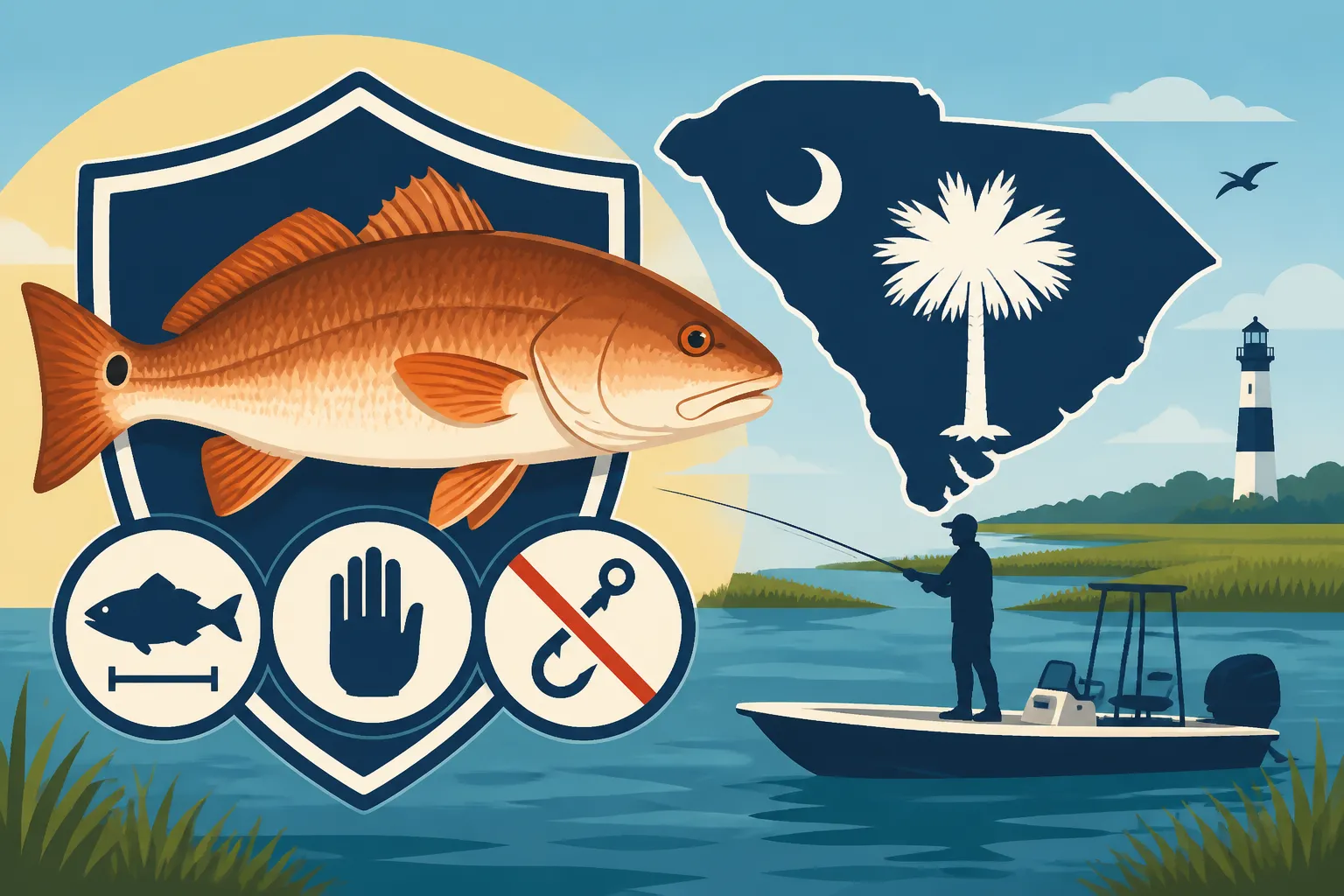
This is probably the most critical piece of information for any redfish angler in South Carolina: the legal slot limit for redfish is 18 to 25 inches, total length. This means that any redfish you intend to keep must measure at least 18 inches from the tip of its snout to the tip of its tail (with the tail compressed, meaning squeezed together), but it cannot be longer than 25 inches.
Why this specific slot? It’s all about protecting the future. The smaller fish (under 18 inches) are often juveniles that haven't had a chance to spawn yet. By letting them grow, we ensure they reach maturity and contribute to the next generation. The larger fish (over 25 inches), affectionately known as "bull" or "breeder" reds, are the mature, highly productive spawners. These big fish lay millions of eggs, making them vital to the health of the entire fishery. Protecting them ensures a robust population for years to come. Think of it as a natural savings account for the species.
To properly measure your catch, lay the fish flat on a measuring board or tape measure. Gently squeeze the tail to get the maximum length. If it falls outside that 18-25 inch window, it needs to go back into the water as quickly and safely as possible. Investing in a good, rigid fish ruler, perhaps one you can easily find on Amazon, will save you a lot of guesswork and potential headaches with enforcement.
Daily Bag Limits and Vessel Limits
It's not just about the size of the fish; it's also about how many you can keep. In South Carolina, you are allowed to keep a maximum of two redfish per person, per day, as long as they fall within that 18-25 inch slot limit. This is your personal daily bag limit.
However, there's another crucial layer to consider: the vessel limit. Even if you have multiple licensed anglers on your boat, the total number of redfish allowed to be kept on a single vessel cannot exceed six fish, regardless of the number of people on board. So, if you have a charter with four people, and each person catches two slot reds, you’d have eight fish, which would exceed the vessel limit. In that scenario, only six could be kept. This "South Carolina Redfish Vessel Limit Explained" is vital, especially for groups or families fishing together, ensuring that even large parties don't put undue pressure on the population.
This dual limit system means you need to be mindful of both your individual catch and the collective catch of everyone on your boat. If you’re fishing with a group, clear communication beforehand about who is keeping fish and how many is essential to avoid accidentally breaking the rules.
The "Shoulder" and "Bull" Redfish Dilemma
When you're out on the water, especially in late summer or fall, you might encounter impressive redfish that are well over the 25-inch slot limit. These are the "bull" reds, often found in deeper channels or near inlets, sometimes gathering in massive schools before their offshore spawning migrations. It can be a real temptation to want to keep such a magnificent fish, a true trophy.
However, as mentioned, these larger fish are crucial for reproduction. They are the seasoned veterans of the redfish world, and their genetic contribution to the population is immense. By releasing these big breeders, you're directly investing in the future of redfish fishing in South Carolina. It's a fundamental part of "Redfish Slot Limit Rules for Coastal Anglers" to protect these fish. Catching a bull red is an incredible experience, and the photo opportunity is fantastic, but the real reward is knowing you've contributed to the health of the fishery by letting it go. It's about conservation over consumption, especially when it comes to the biggest and best spawners.
How to Stay Up-to-Date on Redfish Rules
Given how frequently regulations can be adjusted to respond to the health of the fish populations, it's absolutely crucial for every angler to know how to find the most current information. Relying on what you heard from a buddy last year might land you in hot water.
Official Resources: SCDNR and Beyond
The undisputed authority for all South Carolina fishing regulations is the South Carolina Department of Natural Resources (SCDNR). Their website is a treasure trove of information, regularly updated with the latest changes to bag limits, size restrictions, and season dates. I can’t stress this enough: always check the SCDNR site before you head out, especially if it’s been a while since your last trip or if you're fishing a new area.
The SCDNR also often publishes a physical regulation booklet that you can pick up at bait shops or license vendors. Many anglers find the digital version, or even the SCDNR app if available, incredibly convenient for quick look-ups right on the water. Beyond that, keeping an eye on their press releases or social media channels can give you early alerts about proposed or upcoming changes. It's really the only way to be completely sure you're compliant with rules like the "South Carolina Redfish Slot Limit 18 to 25 Inches" or the "South Carolina Redfish Daily Bag Limit Per Person."
Local Knowledge and Community Forums
While official sources are paramount, don't underestimate the power of local knowledge. Your local tackle shop owner or charter captain isn't just selling you bait; they're often immersed in the local fishing scene and stay on top of the regulations. They might have heard about recent enforcement trends or even subtle nuances of the rules that aren't immediately obvious in print.
Engaging with online fishing communities or forums specific to South Carolina fishing can also be beneficial. Many experienced anglers are happy to share their knowledge, and discussions often revolve around recent regulation changes or clarifications. Just remember to always cross-reference anything you hear in these unofficial channels with the official SCDNR publications. It’s a great way to stay informed, but the buck stops with the SCDNR for accurate, legally binding information. If you're wondering "Has South Carolina's Redfish Slot Limit Changed Recently?", these local resources can provide initial insights, which you then confirm with the SCDNR.
Gear and Practices for Responsible Redfish Angling
Beyond simply knowing the rules, being a responsible redfish angler means adopting practices and using gear that help protect the fish and ensure sustainable fishing for everyone. It's about respecting the resource.
Measuring and Handling Your Catch
Having the right tools for measuring is non-negotiable. A reliable, sturdy measuring board or tape measure is essential. Don't rely on a flimsy tape that might stretch or give you an inaccurate reading. When you land a redfish, measure it quickly and accurately. If it's outside the slot, get it back in the water with minimal handling.
For fish you intend to release (which will be most of them, especially the big breeders!), minimize their time out of the water. Use wet hands to handle them to protect their protective slime coat. Avoid touching their gills or eyes. If you can, keep the fish in the water while unhooking it. For larger fish, a lip gripper or a specialized fish cradle can help manage them without harming their internal organs or musculature. Always prioritize the fish's well-being for a successful release. Many of these tools, from measuring boards to de-hooking tools, are readily available on Amazon.
Essential Gear for Compliance
Beyond a good measuring device, consider a few other items that make compliance easier and fishing more responsible:
- De-hooking Tools: Long-nose pliers or specialized de-hookers are invaluable for quickly removing hooks, especially from deeper-set hooks, minimizing stress and injury to the fish.
- Landing Net (Rubberized): A net with rubberized or knotless mesh is far gentler on fish scales and slime coats than traditional knotted nylon nets. This is particularly important when you're targeting fish you know you'll be releasing, like those "bull" redfish.
- Fishing License: This might seem obvious, but a current South Carolina fishing license is required for nearly all fishing activities in our state's coastal waters. Make sure you understand the "South Carolina Fishing License Requirements in South Carolina" and have yours on hand. The SCDNR officers do check, and penalties for fishing without a license can be significant. You can easily purchase your license online through the Go Outdoors South Carolina portal.
Catch and Release Best Practices
For those beautiful redfish that are either too small, too large, or simply beyond your bag limit, catch and release is your commitment to conservation. Here are some quick tips:
- Reduce Fight Time: Bring the fish in as quickly as possible without "horsing" it. A prolonged fight can exhaust the fish, making it less likely to survive release.
- Avoid Lying on Hot Surfaces: Don't lay a fish directly on a hot boat deck, sand, or pier surface. This can damage their skin and slime coat.
- Support the Fish: If you need to lift the fish for a photo, support its body horizontally. Avoid holding large fish vertically by the jaw only, as this can damage their internal organs and spine.
- Revive If Necessary: If a fish seems lethargic before release, gently hold it in the water, facing into a mild current, allowing water to flow over its gills until it regains strength and swims off on its own.
- Use Circle Hooks: When bait fishing, consider using circle hooks. They are designed to hook fish in the corner of the mouth, reducing gut hooking and making releases much safer for the fish.
By diligently following these practices, you're not just adhering to the "Current Redfish Regulations for Coastal Waters" but also contributing to the long-term health and enjoyment of South Carolina's incredible redfish fishery. Remember, your actions today ensure the catches of tomorrow! If you're ever in doubt, the advice found in "Why You Should Always Double-Check Current Redfish Rules" cannot be stressed enough.
South Carolina Redfish Regulations Overview
To help you keep track, here's a quick summary of the current redfish regulations for South Carolina's coastal waters:
| Regulation Type | Current Rule (South Carolina Coastal Waters) | Notes |
|---|---|---|
| Slot Limit | 18 to 25 inches (total length) | Fish must measure within this range to be legally harvested. |
| Daily Bag Limit | 2 fish per person, per day | Individual anglers cannot keep more than two redfish in a 24-hour period. |
| Vessel Limit | 6 fish per vessel, per day | The total number of redfish on any single boat cannot exceed six, regardless of anglers. |
| Season | Open year-round | Redfish can be caught and kept according to limits throughout the year. |
| License | Saltwater Fishing License Required | All anglers aged 16 and over need a valid "South Carolina Fishing License Guide". |
Disclaimer
Please remember that fishing regulations, including those for redfish, can change. While this guide provides the most current information available at the time of writing, it is always your responsibility to verify the latest rules with the South Carolina Department of Natural Resources (SCDNR) before you go fishing. The SCDNR website is the definitive source for all official regulations.