South Carolina Spotted Seatrout Gigging Ban Dates
It's a common frustration for anglers: you've got your gear ready, the tide looks right, and you're dreaming of a successful night on the water, only to realize you might be unclear on the latest regulations. Specifically, for those targeting spotted seatrout with a gig in South Carolina, knowing the precise ban dates is absolutely critical to avoid legal trouble and ensure responsible fishing. This guide is here to cut through the confusion, providing you with the exact dates of the spotted seatrout gigging ban and a deeper understanding of what it means for your winter fishing adventures.
Understanding South Carolina's Spotted Seatrout Gigging Ban
The world of fishing regulations can sometimes feel like navigating a maze, especially when it comes to specific techniques and seasons. For spotted seatrout, one of our beloved inshore species, South Carolina has implemented a very clear, annually recurring ban on gigging during the colder months. This isn't just an arbitrary rule; it's a carefully considered conservation measure designed to protect these fish when they are most vulnerable. If you've ever felt like the rules are constantly shifting, you're not alone, but thankfully, for this particular ban, the dates have been quite consistent.
The Specific Dates of the Annual Prohibition
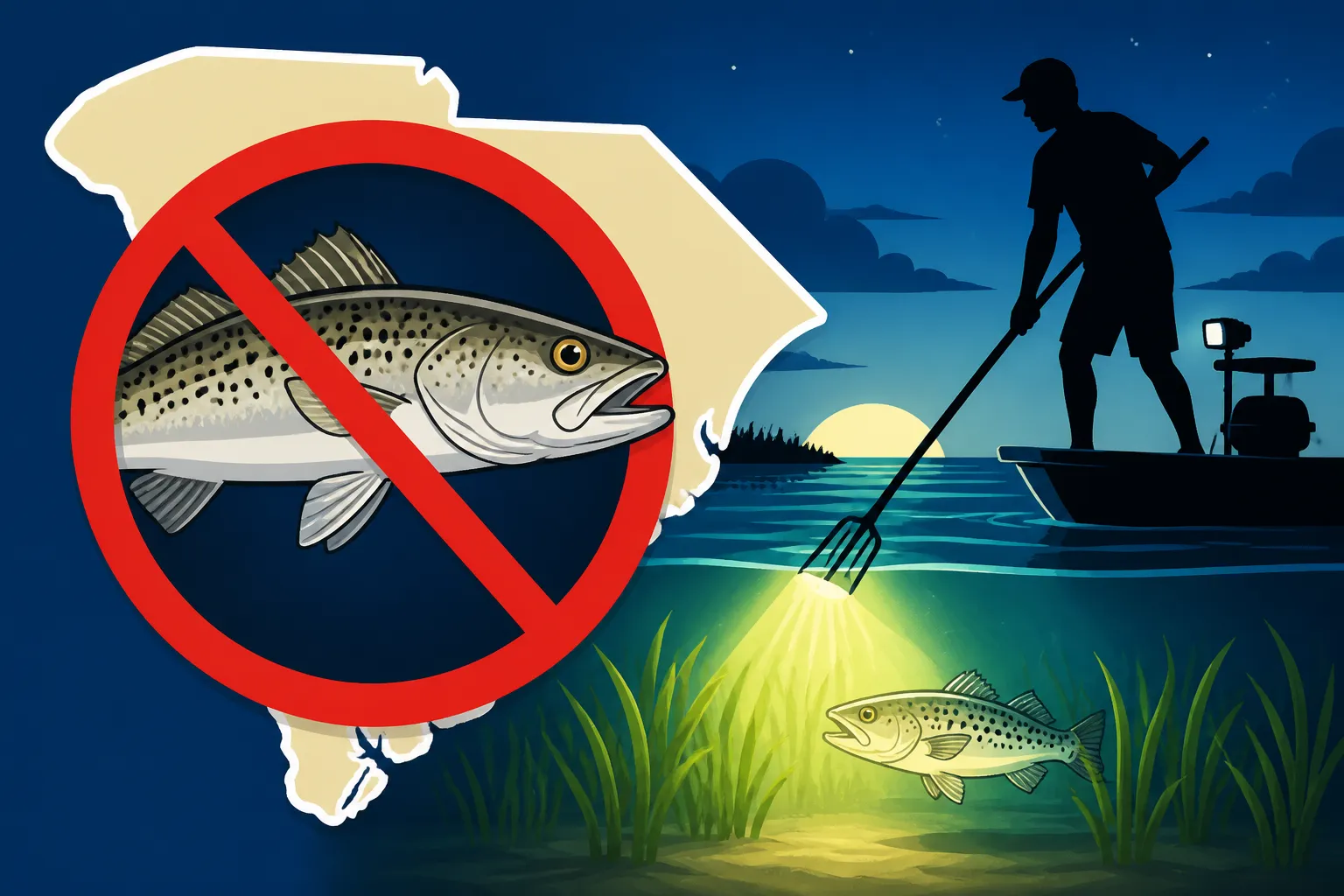
Let's get straight to the heart of it: Spotted seatrout gigging is prohibited in South Carolina from December 1 through February 28, annually. This means that starting the very first day of December, and continuing through the entire months of January and February, using a gig to harvest spotted seatrout is off-limits. You can typically pick up your gig again on March 1st, assuming no other regulations or emergency closures have been enacted by the South Carolina Department of Natural Resources (SCDNR). It's a hard stop and a firm restart date each year, so there's no ambiguity once you know the calendar.
Imagine you're planning a trip to the Lowcountry around the holidays, perhaps to Hilton Head Island or Charleston, and you're hoping to take advantage of those crisp winter nights gigging for seatrout. Without knowing this specific three-month window, you could easily find yourself unintentionally breaking the law, leading to unnecessary stress and penalties. These dates are consistent year after year, so mark them prominently on your calendars and plan your winter fishing strategies accordingly. It’s always best practice to confirm the exact dates with the SCDNR website directly before any trip, as regulations, however stable, can always see adjustments.
Why the Gigging Ban is in Place
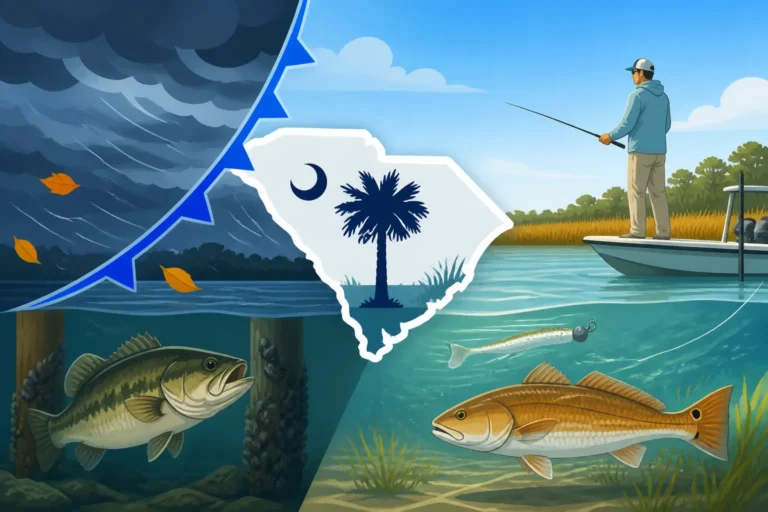
Understanding the "why" behind a regulation often helps anglers embrace it, rather than just tolerating it. The gigging ban for spotted seatrout during these winter months is primarily a crucial conservation effort. During colder water temperatures, spotted seatrout often school up in deeper, warmer pockets of water, like creek channels, oyster-lined ditches, or even near certain structures. This behavior makes them more concentrated and, frankly, much easier targets for gigging, which relies on sight and direct capture. This increased vulnerability means that without a protective measure, populations could be harvested unsustainably during a critical time when their metabolism slows, and they are less active and harder to escape.
The SCDNR, alongside marine biologists and local conservation groups, has observed that this period is crucial for the overall health and long-term sustainability of the spotted seatrout fishery. This ban is a testament to the state's commitment to ensuring healthy fish populations for future generations of anglers, ensuring that this beloved species continues to thrive. It's not about denying anyone a good time; it's about responsible stewardship and making sure there are plenty of fish for everyone in the years to come. This is also why you'll find that Why Gigging Gets Banned but Rod-and-Reel Fishing Doesn't often boils down to the selectivity and impact of the method on concentrated fish during sensitive periods.
Geographic Scope and Affected Waters
The spotted seatrout gigging ban isn't limited to just a few select bays or creeks; it applies throughout all South Carolina coastal waters. This broad application means whether you're fishing near Murrells Inlet, Mount Pleasant, Edisto Beach, Beaufort, or any other stretch of our beautiful coast, the prohibition on gigging seatrout is in effect during the specified dates. "Coastal waters" in this context refers to the vast network of estuaries, tidal creeks, sounds, and nearshore areas where these fish typically reside and where gigging is traditionally practiced.
This comprehensive blanket covers the entire saltwater domain of the state that is home to spotted seatrout. So, if you're out on a boat in a small marsh creek near McClellanville, wading a flat near Isle of Palms, or exploring the deeper channels of Charleston Harbor, the same gigging rules apply. This wide-ranging scope ensures that no specific area becomes overly exploited during the vulnerable winter period, providing consistent protection across the state's diverse and interconnected coastal habitats. Familiarity with Gigging Restrictions for Seatrout Explained can provide even more context on this broad application and how it helps manage the fishery.
What the Gigging Ban Means for Anglers
For many, gigging for spotted seatrout is a cherished tradition, a unique way to connect with the coastal environment under the glow of a headlamp. So, when a ban is in place, it naturally raises questions and requires adjustments to your winter fishing plans. The most important thing to remember is that while gigging is prohibited, fishing for spotted seatrout with a rod and reel is absolutely still allowed and often highly productive.
Differentiating Gigging from Rod-and-Reel Fishing
This is where a lot of the confusion can sometimes arise, and it's absolutely essential to get it right to avoid any misunderstandings with law enforcement. The ban specifically targets gigging, which is a method of harvesting fish using a multi-pronged spear, often done at night in shallow waters with the aid of a powerful light. It's a direct, physical capture method that, as discussed, can be highly effective on concentrated, sluggish fish. What the ban does not prohibit is rod-and-reel fishing for spotted seatrout. You can still cast your line, use your favorite lures or live bait, and pursue seatrout with conventional fishing tackle during the winter months, provided you adhere to other regulations like size and bag limits.
So, if your usual winter seatrout strategy involves poling silently through a creek with a powerful light, actively searching for trout on the bottom to gig them, that specific technique is on hold until March 1st. However, if you prefer casting soft plastics, suspending shrimp under a popping cork, or slowly trolling a MirrOlure, you are absolutely good to go. This distinction is vital for planning your trips and ensures that you can still enjoy the thrill of catching seatrout. If you're wondering how to continue catching these fish responsibly, fear not, because Can You Still Catch Seatrout in South Carolina During the Gigging Ban? offers plenty of tips for rod-and-reel anglers.
Penalties and Enforcement of the Ban
Ignoring fishing regulations in South Carolina isn't just a minor oversight; it can lead to significant consequences that no angler wants to face. Violating the spotted seatrout gigging ban can result in substantial fines, confiscation of your gear (including your boat in some cases), and even the loss of your fishing privileges for a period. SCDNR officers are diligent in patrolling coastal waters, especially during known closure periods, and they take these conservation measures very seriously. They're out there to protect the resource for everyone, and they're well-versed in identifying illegal activities.
Imagine the scenario: you're out gigging, perhaps thinking you might slip under the radar, and suddenly an SCDNR patrol boat is alongside you, lights flashing. The encounter won't be pleasant, and the financial and legal repercussions could quickly outweigh any potential catch. Beyond the immediate penalties, there's the long-term impact on the fish population that everyone relies on, and the potential for a tarnished reputation within the angling community. It's simply not worth the risk. For a broader understanding of what happens when rules are broken, you can read more about the Penalty for Fishing Without a License in South Carolina, which highlights similar enforcement principles and the gravity of fishing violations. Remember, adherence to all South Carolina Saltwater Fishing Rules in South Carolina is part of being a responsible and respected angler.
Planning Your Winter Seatrout Trips
With the gigging ban firmly in mind, winter seatrout fishing with a rod and reel requires a bit of a strategic pivot from other seasons. Instead of exclusively focusing on sight-fishing for gigging, you'll want to adapt your approach to rod-and-reel techniques that are highly effective in colder water conditions. This might mean exploring new depths, experimenting with different baits and lures, or simply shifting your target species for a few months to keep your lines tight.
Many anglers find this an excellent opportunity to refine their casting skills, learn how to "read" the water in winter, or delve into different aspects of inshore fishing they might typically overlook. Perhaps it’s a chance to really dial in on how seatrout react to slow-moving soft plastics retrieved near deep oyster rakes, or to patiently fish some of the deeper channels with live shrimp or mud minnows. Don't let the ban deter you from enjoying our beautiful waters; let it encourage you to expand your angling repertoire and discover new ways to enjoy the sport. The satisfaction of a well-earned catch in winter is often even sweeter!
Alternative Techniques for Winter Seatrout
Just because gigging is off the table during the ban doesn't mean you can't have fantastic winter fishing experiences for spotted seatrout. In fact, many dedicated anglers prefer rod-and-reel techniques year-round, finding them both challenging and incredibly rewarding. The key is understanding how seatrout behavior changes in colder water and adjusting your methods to match their winter patterns.
Rod-and-Reel Strategies During the Ban
During the gigging ban, your rod-and-reel setup becomes your most valuable tool for targeting spotted seatrout. These fish are still active, though often less aggressive, and they tend to congregate in deeper pockets of water, channel edges, and creek bends where water temperatures are more stable and slightly warmer. This means focusing your efforts on these deeper areas becomes paramount. Soft plastics, like those from popular brands such as Z-Man or Berkley Gulp!, rigged on a light jig head (1/8 to 1/4 ounce is often perfect for shallow to medium depths), are incredibly effective. Work them slowly along the bottom, mimicking a wounded baitfish or shrimp. Colors like "rootbeer," "chartreuse," "new penny," or "electric chicken" can be particularly enticing in the often-murkier winter waters. You can find a fantastic selection of these soft plastics and jig heads conveniently on Amazon.
Another excellent strategy is using live bait, particularly live shrimp or mud minnows, fished either under a popping cork or free-lined near structure. When water temperatures drop, seatrout often become much more opportunistic, and a slow, easy meal like a live bait is hard to pass up. A good quality popping cork, like the ones with internal rattles to create extra commotion, can help you cover water and detect those often-subtle winter bites. Remember, patience is key. The bite might be lighter, feeling more like a "tick" or added weight than a violent strike, and the fish might hold tight to structure, so feel for that subtle "thump." For more detailed insights on what to use, definitely check out Best Bait for Spotted Seatrout in Cold Weather. You'll also want to keep in mind the South Carolina Spotted Seatrout Minimum Size 14 Inches as you reel in your catch, ensuring it meets legal requirements.
Targeting Other Species in Winter
Winter in South Carolina's coastal waters offers a bounty of other fantastic species if the seatrout bite isn't quite what you're hoping for with a rod-and-reel, or if you simply want to diversify your catch. Redfish remain a prime target, often schooling up in large numbers on shallow mud flats during warmer winter days, absorbing the sun's warmth, or hunkering down in deeper creeks and channels when it's colder. Their powerful fight makes them a fantastic alternative for anglers. Black drum are another excellent option, frequently found in similar winter habitats to redfish and offering a powerful, head-shaking tug on the line. Sheepshead are also prevalent around hard structure like pilings, docks, and oyster beds, though they require a more finesse approach and specialized tackle due to their small, bony mouths.
Diversifying your targets can keep your fishing adventures exciting and productive throughout the winter months, preventing any "winter blues." Instead of packing away your gear, simply adjust your mindset and tackle. Focusing on these other species can lead to some truly memorable catches and teach you new skills that will make you a more well-rounded angler. For instance, understanding South Carolina Redfish Slot Limit Rules is crucial if you decide to target redfish, ensuring you're compliant with all regulations for this popular species. Consider exploring some of the Best Inshore Fishing Spots in South Carolina that are known for holding a variety of species during the colder months, offering consistent action.
Gear Essentials for Cold Weather Angling
Preparing for winter fishing in South Carolina goes beyond just knowing the regulations; it means having the right gear to stay comfortable and effective, even when the temperatures drop. Cold weather on the water, especially with wind chill, can be surprisingly brutal and quickly turn an enjoyable trip into a miserable one. Layering is your absolute best friend: start with a moisture-wicking base layer against your skin, add insulating mid-layers like fleece or wool for warmth, and top it off with a waterproof and windproof outer shell. A good pair of waterproof gloves, a warm hat that covers your ears, and insulated footwear are non-negotiable.
Beyond clothing, think about your tackle. Sensitivity is crucial when fish bites are light and subtle in cold water, so a high-quality, lightweight graphite rod and a smooth-reeling spinning or baitcasting reel spooled with braided line can make a huge difference in detecting those faint strikes. Don't forget a reliable headlamp for early morning or late evening excursions (just remember, not for gigging seatrout during the ban!), and a sturdy pair of polarized sunglasses to cut glare on the water. Many anglers find great deals on these essential items, from tackle boxes to rain gear and insulated mugs, on platforms like Amazon, ensuring they're well-equipped and comfortable for any winter conditions. Staying warm and dry directly impacts your ability to focus and feel those subtle bites, making your overall experience much more enjoyable and successful.
Staying Informed About Regulations
As an experienced angler, you know that regulations are not static. While the spotted seatrout gigging ban dates have been consistent for a while, it's always prudent to stay updated. Fisheries management is a dynamic field, constantly responding to scientific data, environmental changes, and stock assessments to ensure the health of our marine resources.
Where to Find the Latest Regulations
The absolute best and most authoritative source for the most current and accurate fishing regulations in South Carolina is the South Carolina Department of Natural Resources (SCDNR). Their official website (often scdnr.gov) is a treasure trove of information, providing detailed guides on bag limits, size limits, season closures, and specific gear restrictions for all species, both freshwater and saltwater. They also often publish handy downloadable brochures or partner with mobile app developers that summarize the rules, making it easy to have them accessible on your smartphone or in your tackle box while on the water.
Additionally, don't underestimate the value of your local bait and tackle shops. The folks working behind the counter are often avid anglers themselves and are usually well-versed in the local rules and any recent changes that might affect your fishing plans. They live and breathe fishing, and their daily interactions with other anglers and the SCDNR often keep them incredibly informed. Don't hesitate to strike up a conversation and ask questions when you stop in for bait or gear. These local hubs are not just for supplies; they're vital community centers for information and shared knowledge. Before you head out, make sure you've also checked out the comprehensive South Carolina Fishing License Guide.
The Importance of Double-Checking Annually
It might seem tedious to check regulations every year, especially for something seemingly consistent like the gigging ban dates, but consider it an essential part of your pre-fishing ritual. Just like you check your knots and sharpen your hooks, taking a few minutes to verify the current rules can save you a lot of headache, potential fines, and heartache. Changes, however rare for established bans like this one, can and do occur. These adjustments are often made due to significant environmental events, like extreme cold snaps or hurricanes that impact fish populations, or new scientific stock assessments that indicate a need for stricter or looser regulations.
A quick visit to the SCDNR website before your first winter trip can give you peace of mind and ensure you're compliant. It’s also wise to keep an eye on official announcements, local fishing news outlets, or reputable online fishing forums. Being proactive in understanding the rules not only protects you from legal issues but also reflects a true commitment to conservation and ensures that you're always fishing legally and responsibly. This diligence helps protect the very resources we all cherish and want to see thrive for generations to come.
South Carolina Spotted Seatrout Gigging Ban Summary
To help you keep track of these important rules, here’s a quick overview of the key points regarding the spotted seatrout gigging ban in South Carolina:
| Regulation Aspect | Details |
|---|---|
| Gigging Ban Dates | Annually from December 1 through February 28. (Reopens March 1st each year) |
| Affected Species | Spotted Seatrout (scientific name: Cynoscion nebulosus) |
| Prohibited Method | Gigging (harvesting with a multi-pronged spear, typically with a light) |
| Allowed Methods | Rod-and-reel fishing for spotted seatrout is permitted year-round, subject to all applicable bag and size limits (e.g., South Carolina Spotted Seatrout Minimum Size 14 Inches). |
| Geographic Scope | Applies to all South Carolina coastal waters (estuaries, tidal creeks, sounds, nearshore ocean waters). |
| Primary Reason | Conservation effort to protect spotted seatrout when they are vulnerable due to colder water temperatures and concentrated schooling behavior. |
| Enforcement | SCDNR officers actively patrol; violations can lead to fines, gear confiscation, and loss of fishing privileges. |
Disclaimer
Please note that while I strive to provide accurate and up-to-date information, fishing regulations are subject to change. Always consult the official South Carolina Department of Natural Resources (SCDNR) website or their current regulations guide for the most precise and legally binding information before heading out on your fishing trip. Your adherence to these regulations is your responsibility.