What to Use Instead of a Gig During South Carolina’s Winter Ban
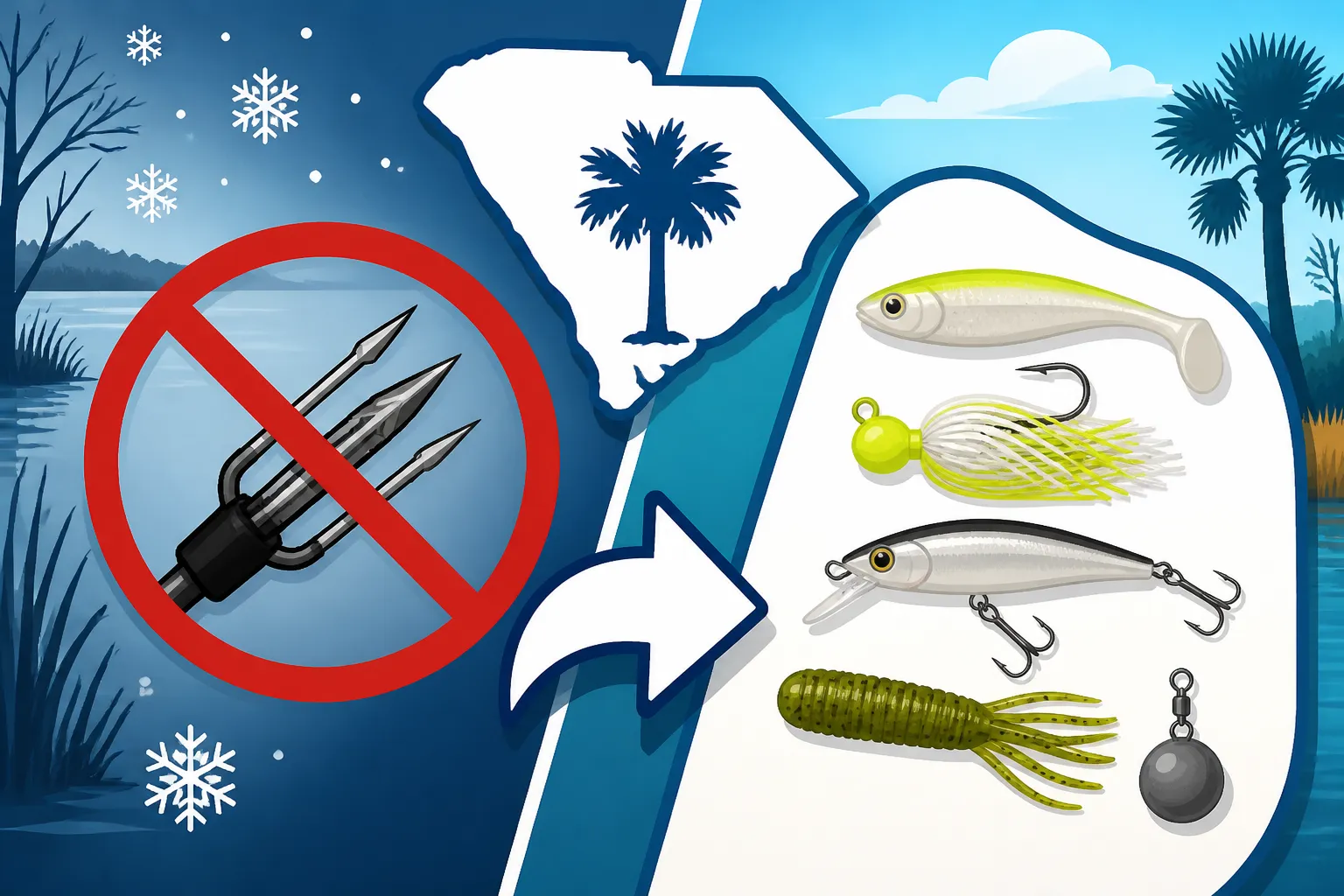
It's a familiar ache for many of us passionate about South Carolina fishing: that crisp chill in the air signals not just winter’s arrival, but also the dreaded annual ban on gigging for spotted seatrout. You've spent countless hours honing your gigging skills, and suddenly, your go-to method for harvesting these delicious fish is off the table. It's frustrating, to say the least, to feel like your options are limited just when the cooler weather often brings some fantastic opportunities. But don't despair! This comprehensive guide is here to walk you through a variety of effective, legal, and often exhilarating alternatives to gigging, ensuring your winter fishing adventures are anything but dull.
Understanding the Winter Gigging Ban
Before we dive into what you can do, it's crucial to understand why the South Carolina Department of Natural Resources (SCDNR) implements this annual restriction. It’s not just to make our lives harder, trust me! There's a vital conservation purpose behind it, aimed at protecting one of our most beloved inshore species: the spotted seatrout.
The Purpose of the Ban
The core reason for the winter gigging ban boils down to the vulnerability of spotted seatrout in colder water. As water temperatures drop significantly, usually into the low 50s Fahrenheit and below, these fish become far less active. Their metabolism slows down, and they tend to congregate in large, lethargic schools in deeper, warmer pockets of water, often in creek mouths, main channels, or thermal refuges. This behavior, while a natural survival mechanism for the fish, also makes them incredibly easy targets for gigging.
When spotted seatrout are concentrated and sluggish, gigging can lead to overharvesting, significantly impacting their populations. The ban, therefore, serves as a protective measure during these critical months. It allows these valuable fish to survive the stress of winter, ensuring they can reproduce effectively in the spring and maintain healthy numbers for future seasons. It might feel inconvenient, but it's a necessary step to safeguard our cherished fishery. You might wonder, "Why Gigging Gets Banned but Rod-and-Reel Fishing Doesn't?" The answer lies in the sheer efficiency of gigging on vulnerable, schooling fish compared to the more selective nature of rod-and-reel techniques.
When the Ban is in Effect
Generally speaking, the South Carolina spotted seatrout gigging ban is in effect from December 1 through February 28 each year. These dates are crucial to remember, as violating the ban can lead to significant penalties. While these dates are typically consistent, it's always a good practice to double-check the latest regulations issued by the SCDNR, as they can occasionally be adjusted based on environmental conditions or biological assessments. This period covers the coldest months when trout are most susceptible.
Anglers often feel a sense of frustration as these prime winter months, which can offer incredible fishing, are restricted for one method. However, understanding the South Carolina Spotted Seatrout Gigging Ban Dates and adhering to them is part of being a responsible steward of our marine resources. Luckily, there are plenty of exhilarating ways to enjoy the cooler temperatures and still target not only seatrout but also a host of other fantastic species during this time. For a deeper dive, check out South Carolina's Winter Gigging Ban for Seatrout. It’s also important to be aware of the Best Time of Year to Catch Spotted Seatrout to understand why these winter months are so critical for their survival.
Alternative Methods for Targeting Spotted Seatrout
Just because you can't gig them doesn't mean you can't catch them! In fact, many seasoned anglers swear by rod-and-reel fishing for spotted seatrout during the winter months. It requires a different approach, a slower pace, and often more finesse, but the rewards are just as sweet. Let's explore how to catch spotted seatrout in South Carolina during the gigging ban.
Light Tackle and Artificial Lures
When the water turns cold, spotted seatrout become sluggish, which means your presentation needs to change from aggressive summer retrieves. Light tackle is key here, allowing you to feel the subtle bites of these less active fish. Think about using sensitive rods (medium-light action) paired with small spinning reels spooled with light braided line (8-10 lb test) and a fluorocarbon leader (15-20 lb test). This setup allows for maximum sensitivity to detect those often imperceptible winter taps.
For artificial lures, soft plastics are king. Paddle tails and grub tails, in natural colors like clear with silver flake, pearl, or electric chicken, are highly effective. Companies like Z-Man and Berkley Gulp! make excellent soft plastics that can be purchased easily on Amazon. Rig these on light jig heads, typically 1/8 oz to 1/4 oz, depending on depth and current. The trick is a slow retrieve. Cast your lure out, let it sink to the bottom (or just above it), and then use a slow lift-and-drop or a subtle twitch-twitch-pause retrieve. Remember, the trout aren't chasing; they're ambushing. You're trying to put the lure right in front of their nose and give it just enough enticing action to trigger a strike. Suspending twitch baits, like those from MirrOlure, can also be deadly when trout are slightly more active, allowing you to keep the lure in the strike zone longer. When targeting grass flats, knowing the Best Lures for Spotted Seatrout in Grass Flats can make a huge difference.
Live Bait Rigs and Presentations
If artificials aren't producing, or if you simply prefer the reliability of live bait, you're in luck. Live shrimp and mud minnows are incredibly effective for winter spotted seatrout. These natural baits, when presented correctly, are often irresistible to even the most lethargic fish.
One popular method is a popping cork rig. While traditionally used for more active fish, a well-placed popping cork can still work on slightly warmer winter days, or when fish are holding just above the bottom. Rig a live shrimp or mud minnow about 18-36 inches below a rattling cork. Cast it out, let it sit, then give it a gentle pop, just enough to attract attention without spooking the fish. The key is to be subtle. Another highly effective rig for cold water is a Carolina rig. This involves a sliding egg sinker (1/4 oz to 1/2 oz), a swivel, and a fluorocarbon leader (18-30 inches) tied to a small, sharp circle hook. This rig presents your live bait directly on the bottom, where sluggish trout are often hunkered down. Fish this slowly, feeling for subtle weight changes or taps. Focus your efforts on deeper creek channels, oyster shell beds, and drop-offs, especially during the colder parts of the day or after a strong cold front. Consider if Does Tide Direction Change Where Trout Feed? when deciding your bait presentation. Remember to always be mindful of the South Carolina Spotted Seatrout Minimum Size 14 Inches when keeping your catch.
Utilizing Kayaks and Shallow Water Crafts
For anglers who loved accessing those skinny water creeks and secluded marsh flats by gig, switching to a kayak or paddleboard offers a fantastic way to maintain that intimate connection with the environment, rod and reel in hand. These quiet, low-draft vessels are ideal for slipping into shallow areas where larger boats can't go, allowing you to target wintering trout in their preferred habitats.
The stealth of a kayak is unmatched. You can paddle silently into sun-warmed mudflats, explore intricate oyster creek systems, and sneak up on trout that might be holding tight to structure. Equip your kayak with a small tackle box containing your soft plastics, jig heads, and maybe some live bait if you prefer. Focus on areas with dark, muddy bottoms that absorb sunlight, raising the water temperature slightly. These subtle thermal pockets can be goldmines for cold-weather trout. Safety is paramount when kayaking in winter; always wear a personal flotation device (PFD), dress in layers (preferably non-cotton), and let someone know your float plan. You can find excellent kayak fishing accessories, from rod holders to comfortable seats, easily on Amazon to enhance your cold-weather paddling experience.
Expanding Your Winter Fishing Horizons Beyond Seatrout
While spotted seatrout are a prime target, South Carolina's winter waters offer a treasure trove of other species that are not only fair game but often incredibly active and rewarding to catch during the colder months. Don't limit yourself! Expanding your focus can lead to some truly memorable fishing experiences.
Chasing Redfish in Cooler Waters
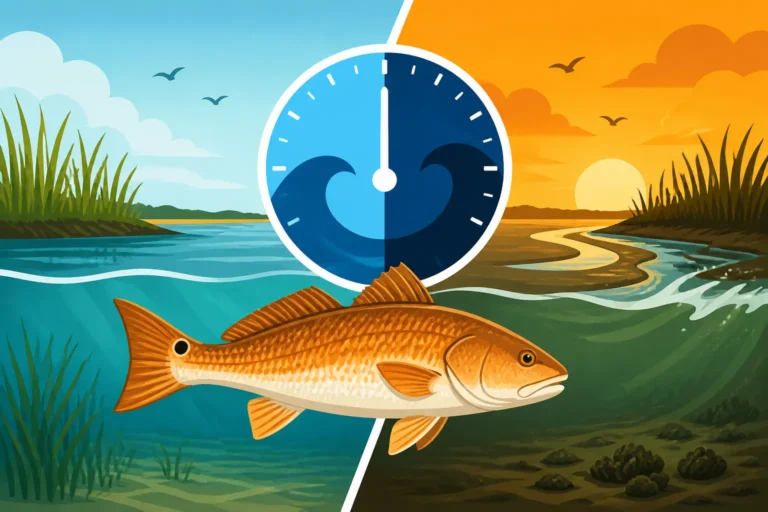
Redfish, often called red drum, are incredibly resilient and remain a fantastic target throughout the South Carolina winter. Unlike trout, redfish tend to school up in large numbers during the colder months, often seeking out shallow, dark-bottomed creeks and flats that warm up quickly under the winter sun. These schools can sometimes be spotted "tailing" in super skinny water on calm, sunny days, their tails breaking the surface as they root for crustaceans in the mud.
To target winter reds, look for oyster rakes, muddy banks, and grass lines in shallow tidal creeks. Both artificial lures and live bait are effective. For artificials, weedless spoons (like a gold Johnson Silver Minnow), weedless rigged soft plastics (paddle tails or shrimp imitations), or small crankbaits are excellent choices. A slow retrieve is still important, but reds can be more aggressive than trout. For live bait, cut mullet, live shrimp, or mud minnows fished on a Carolina rig or a light jig head can be deadly. Position your boat or kayak quietly and cast towards structure or visible schools. The fight from a winter redfish is legendary, a powerful tug-of-war that will warm you up on a chilly day. To get started, consider reviewing some Inshore Redfish Techniques for Beginners, and be sure to familiarize yourself with the South Carolina Redfish Slot Limit Rules. For those who prefer live bait, exploring Live Bait Rigs for Inshore Redfish can be highly beneficial.
Targeting Sheepshead Around Structure
Sheepshead are a truly unique and challenging species, and winter is arguably one of the best times to target them in South Carolina. These "convict fish" with their human-like teeth love to congregate around hard structure, making them accessible even when other fish are spread out. Think docks, piers, bridge pilings, jetties, and rock walls – any place barnacles, oysters, and other small crustaceans can thrive.
The key to sheepshead fishing is subtle presentation and a keen sense of touch. They have a notorious "nibble" bite that can be incredibly hard to detect. Your best baits are small, hard-shelled critters: fiddler crabs, mole crabs, and pieces of oyster or barnacle. Use a small, strong hook (like a #1 or 1/0 circle hook) on a Carolina rig, or a specialized sheepshead jig. Drop your bait right against the structure, feel for the slightest tap, and set the hook with authority! It takes practice, but once you hook into a sheepshead, you're in for a powerful fight. The thrill of outsmarting these bait thieves is incredibly satisfying. For detailed advice, check out Sheepshead Fishing Tips for South Carolina's Brackish Waters.
Freshwater Opportunities
Don't forget about South Carolina's incredible freshwater fisheries during the winter! While coastal waters might get most of the attention, our inland lakes and rivers offer abundant opportunities that require no gigging ban workarounds.
- Crappie: Often found schooling in deep water around brush piles, submerged timber, or bridge pilings. Vertical jigging with small jigs (1/16 oz to 1/8 oz) or live minnows is highly effective. Lakes like Marion and Moultrie on the Santee Cooper system are legendary for crappie.
- Catfish: The winter months can be prime for trophy catfish. Blue and flathead catfish often hold in deep river channels or creek bends. Large cut bait (mullet, shad) fished on the bottom with heavy tackle can yield massive results. The Congaree River near Columbia and the Santee River are renowned for their robust catfish populations.
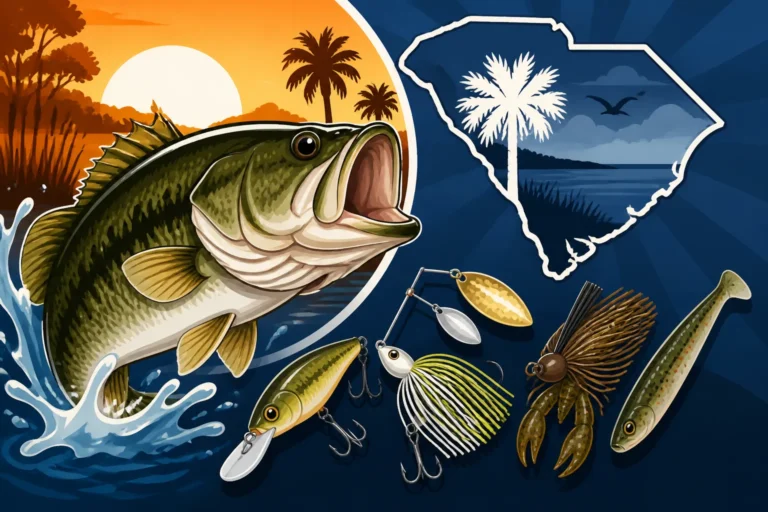
- Bass: Largemouth bass might be less aggressive, but they are still catchable. Slow-rolling crankbaits, jigging spoons, or fishing jigs very slowly around deep structure, ledges, and transition areas can entice bites. Lake Murray and Lake Hartwell are excellent choices for winter bass fishing.
Venturing into freshwater can be a refreshing change of pace and offers a chance to experience a different side of South Carolina's diverse fishing landscape during the winter.
Winter Fishing Technique Comparison for Spotted Seatrout
| Technique | Best Bait/Lure | Key Presentation/Notes | Ideal Conditions | Pros | Cons |
|---|---|---|---|---|---|
| Light Tackle Artificials | Soft plastics, suspending jerkbaits, spoons | Slow retrieve, target drop-offs, structure | Clearer water, sunny days | Active fishing, covers ground, versatile | Can be slow on very cold days, requires skill, specific gear |
| Live Bait (Popping Cork) | Live shrimp, mud minnows | Suspend bait over oyster beds, grass lines, shallow flats | Slightly warmer days | Visual, effective for active fish, easy for beginners | Less active, noisy cork can spook fish, bait cost/availability |
| Live Bait (Carolina Rig) | Live shrimp, mud minnows | Bottom fishing, deeper holes, creek mouths | Any winter day | Excellent for sluggish fish, natural presentation | Snags easily, less visual, slower fishing, bait cost/availability |
| Kayak/Shallow Water | All of the above | Stealthy approach, access to skinny water | Calm days | Peaceful, accesses untouched spots, good exercise | Weather dependent, requires physical effort, safety concerns |
Hopefully, this guide has armed you with plenty of alternatives to make your South Carolina winter fishing season a success, even without the gig!
Disclaimer
The information provided in this guide is for general informational purposes only. Fishing regulations, including seasonal bans and bag limits, can change. Always consult the most current South Carolina Department of Natural Resources (SCDNR) regulations before heading out to fish. Adherence to all local, state, and federal laws is the responsibility of the angler.