Can You Still Catch Seatrout in South Carolina During the Gigging Ban?
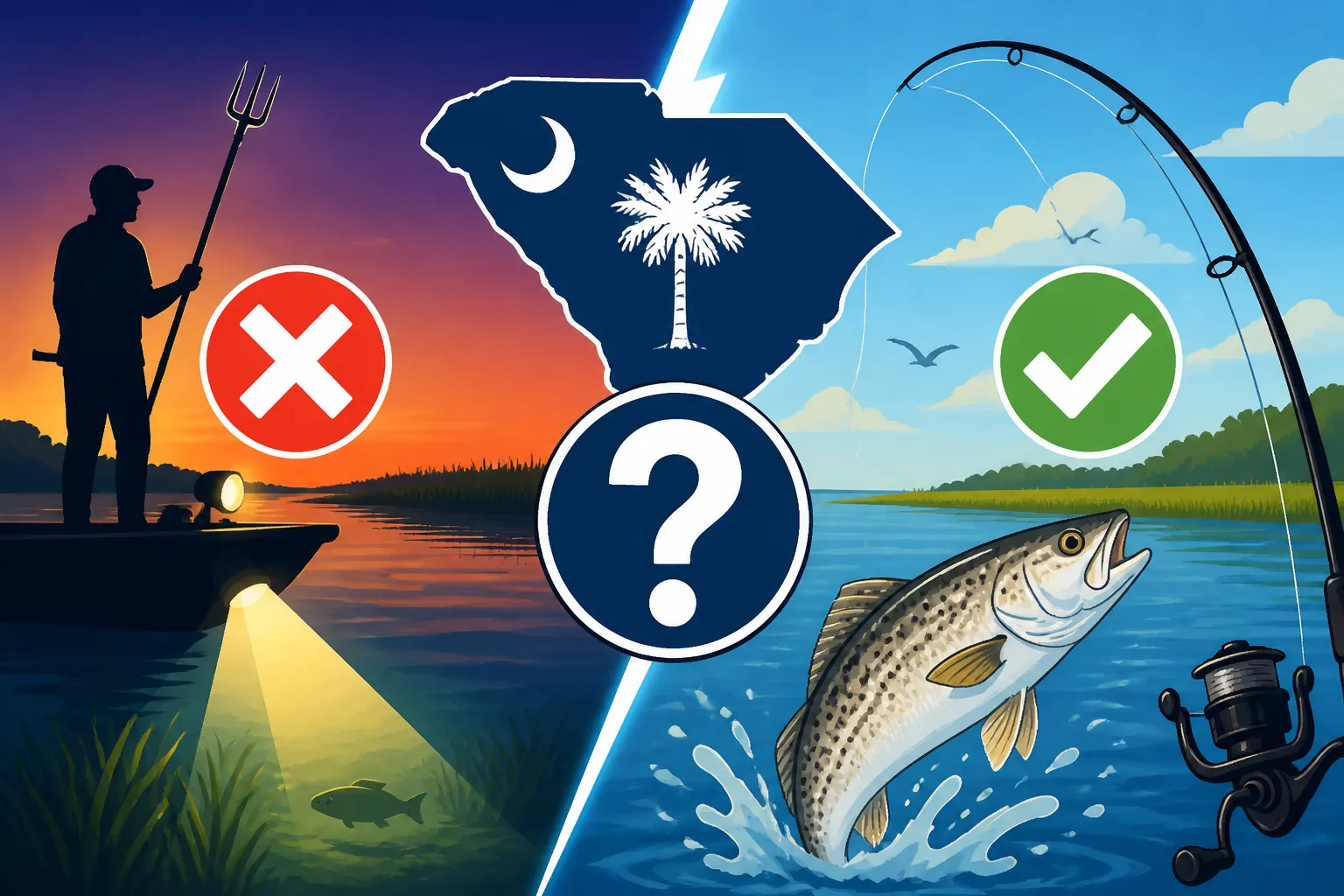
It’s a common misconception, one that often leaves anglers scratching their heads when those crisp winter mornings roll around: Can I even fish for spotted seatrout in South Carolina when the gigging ban is on? The short answer is a resounding yes! While the popular method of gigging for these prized fish is indeed put on hold during certain colder months, you are absolutely still permitted to pursue them with a rod and reel. This guide is here to clarify the rules, explain why this ban exists, and most importantly, equip you with the knowledge and techniques to successfully target seatrout even when the water turns chilly.
Understanding South Carolina's Seatrout Gigging Ban
The chill in the air doesn't just signal winter; it also heralds the annual gigging ban for spotted seatrout in South Carolina. For many, this ban can cause confusion, making them wonder if all seatrout fishing is off-limits. Let's clear up that fog and look at the specifics.
When and Why the Ban is in Place
The South Carolina Department of Natural Resources (SCDNR) typically implements a ban on gigging for spotted seatrout from December 1st through the end of February each year. This means for three months, you can't use a gig to harvest seatrout in our coastal waters. So, if you're asking, "Is Seatrout Gigging Legal in South Carolina in December?" or in January or February, the answer is definitively no.
The primary reason behind this ban is conservation. When water temperatures drop significantly, spotted seatrout, like many cold-blooded fish, become much more lethargic. They tend to congregate in deeper, warmer pockets of water, often becoming less active and more concentrated in specific areas. This behavior makes them particularly vulnerable to gigging, which relies on spotting and spearing fish in shallow water, usually at night. The ban is a proactive measure to protect these fish during a critical, vulnerable period, ensuring that enough of the breeding stock survives to reproduce in the spring. It’s all about maintaining a healthy and sustainable fishery for future generations of anglers.
What the Gigging Ban Prohibits and Allows
It's crucial to understand that the "gigging ban" is just that—a ban only on the use of gigs. This specific restriction applies to any device that spears or punctures the fish. It does not extend to other forms of fishing, particularly rod and reel. This is a key distinction that often gets overlooked. You might hear people grumbling about "no trout fishing," but that's simply not true when it comes to traditional angling.
Therefore, during the months of December, January, and February, you are still perfectly within your rights to cast a line for spotted seatrout, provided you adhere to all other prevailing regulations, such as size limits and daily bag limits. This means anglers can still enjoy the thrill of hooking a beautiful spotted seatrout; they just can't spear one. The difference in fishing pressure and mortality rate between gigging and rod-and-reel fishing, especially for lethargic winter trout, is Why Gigging Gets Banned but Rod-and-Reel Fishing Doesn't. The SCDNR aims to reduce the overall harvest pressure on these fish during their most vulnerable state.
Effective Rod-and-Reel Techniques for Winter Seatrout
Successfully targeting spotted seatrout with a rod and reel during the colder months requires a shift in strategy. These aren't the aggressive, chasing fish of summer. You need to adapt your approach to their winter behavior.
Targeting Deeper Channels and Structure
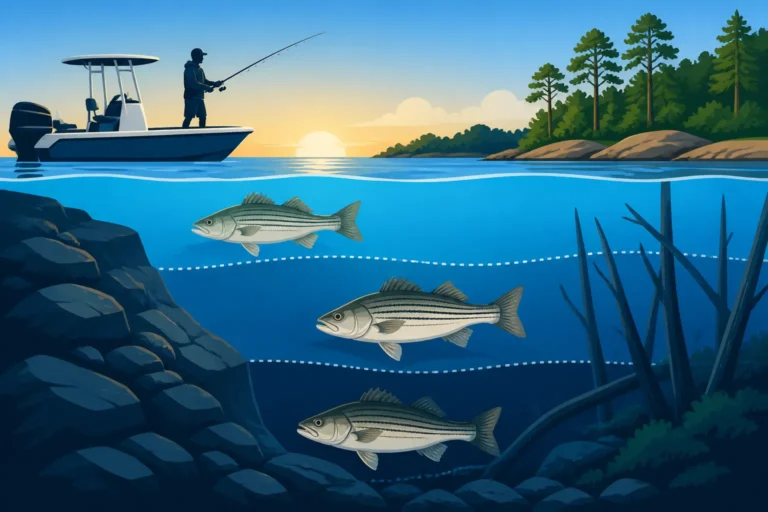
When the water temperatures plummet, spotted seatrout, much like many other inshore species, seek out thermal refuge. This means they'll often abandon the vast shallow flats they inhabit in warmer months and congregate in deeper, more stable water. Look for them in the deeper sections of creek channels, especially those with oyster shell bottoms or significant drops. Boat docks and bridge pilings can also be prime locations, as they often create structure and deeper pockets where fish can hold.
These deeper areas, often shielded from harsh winds and rapid temperature fluctuations, provide a more comfortable environment. Understanding their habitat shift is paramount. Using your boat's electronics, if you have them, can be incredibly beneficial for identifying these deeper holes or ledges where trout might be stacked up. If you're fishing from the bank, focus on areas with quick access to deeper water, like inlets or main river bends. The key is to think "slow and deep."
Lure and Bait Choices for Slow Bites
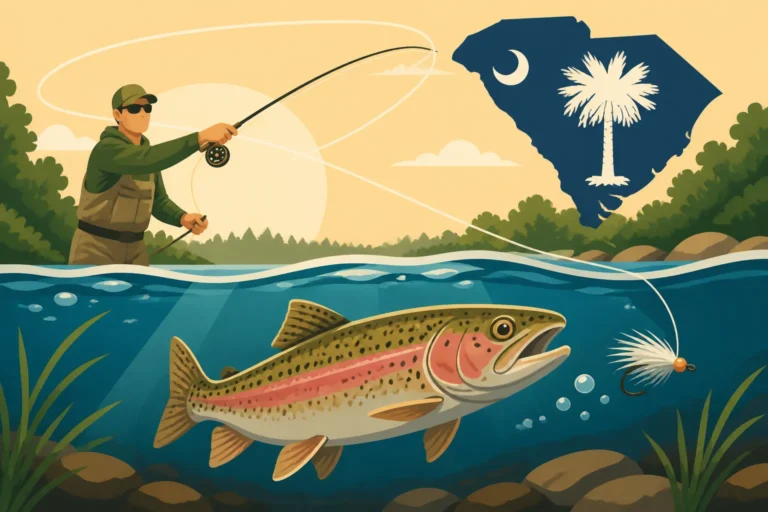
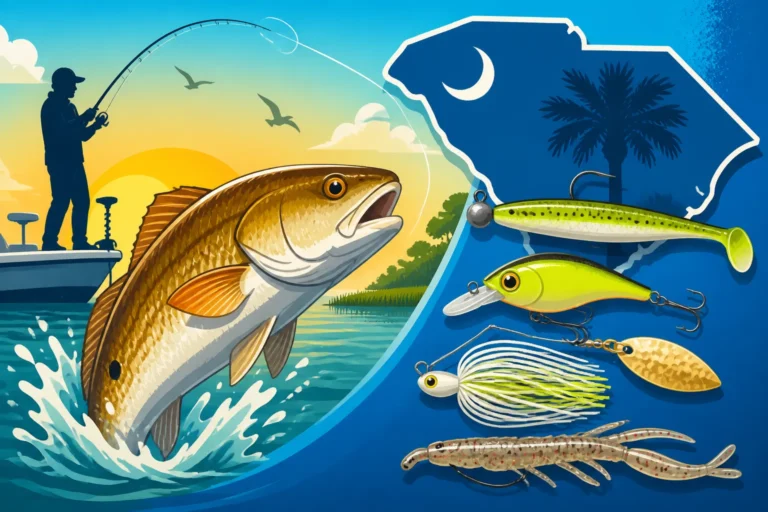
Given their lethargic state in cold water, winter seatrout aren't typically keen on chasing fast-moving baits. This means your presentation needs to be slow and enticing. Soft plastics on light jig heads are a fantastic choice. Think about colors that imitate natural forage in murky or clear winter waters – chartreuse, white, clear with silver flakes, or darker "root beer" colors often produce well. The trick is to use a jig head just heavy enough to get to the bottom and maintain contact, often 1/8 to 1/4 ounce. You're not trying to hop it aggressively; instead, a slow-drag or a very subtle twitch-twitch-pause retrieve is usually most effective.
Another excellent option is suspending twitchbaits, often referred to as "hard plastics." Brands like MirrOlure (specifically the MirrOdine or 52MR series) or Paul Brown's original Corky are legendary for winter trout. These lures are designed to suspend at a certain depth when paused, mimicking a wounded baitfish just hanging there, a tempting and easy meal for a sluggish trout. Live bait, particularly live shrimp or mud minnows, can also be highly effective, especially when fished slowly on a Carolina rig or under a very small, sensitive popping cork that allows the bait to drift naturally near the bottom in those deeper channels. You can often find a good selection of these lures and tackle on platforms like Amazon, making it easy to stock up before your next trip.
The Importance of a Slow Retrieve and Patience
This point cannot be stressed enough: a slow retrieve is absolutely critical when fishing for winter seatrout. Their metabolism slows down significantly in cold water, meaning they’re less likely to exert energy chasing down a speedy meal. Instead, they prefer an easy target. Your soft plastic jig should crawl along the bottom, occasionally bumping into structure. Your suspending twitchbait should be worked with long pauses between short, gentle twitches, allowing it to hang tantalizingly in the strike zone for extended periods.
Patience also plays a huge role. You might not feel the aggressive thump of a summer bite; instead, winter trout often deliver a subtle "mushy" feeling, or simply a slight increase in pressure on your line. It might even feel like you've snagged a piece of grass. Because of this, staying focused and feeling for any anomaly is key. Don't be afraid to leave your bait or lure in the strike zone longer than you think necessary. Sometimes, it's that extended pause that finally coaxes a lethargic trout into biting. Multiple casts to the same promising spot are often rewarded, as you might need to present the bait right in front of the fish's nose to get a reaction.
Essential Gear and Regulations for Winter Seatrout Fishing
Even with the right techniques, having the proper gear and a clear understanding of the regulations will set you up for success and ensure a responsible angling experience.
Recommended Rods, Reels, and Line
When targeting winter seatrout, sensitivity in your gear is paramount. You're often dealing with subtle bites, sometimes in deeper water, so being able to feel everything your lure or bait is doing is critical. A light to medium-light spinning rod, typically in the 6'6" to 7'6" range, with a fast action tip, is ideal. This combination allows for long casts with light lures and provides the sensitivity needed to detect those faint strikes. Pair this with a lightweight spinning reel in the 1000 to 2500 series, spooled with 10-15 pound braided line. Braided line offers superior sensitivity due to its lack of stretch, making it easier to feel those elusive winter bites.
To maintain stealth and provide abrasion resistance against oyster shells or dock pilings, always use a fluorocarbon leader. A 15-20 pound test fluorocarbon leader, about 2-3 feet long, tied to your braided mainline with a strong knot like an FG knot or an Albright knot, is a standard setup. This setup provides the perfect balance of strength, sensitivity, and invisibility in the water. Remember, good quality braided line and fluorocarbon leader can make a significant difference in your success, and many anglers source these essential components from reputable online retailers like Amazon.
Understanding South Carolina's Spotted Seatrout Regulations
Even during the gigging ban, all other fishing regulations for spotted seatrout remain firmly in effect. It's incredibly important to know these rules before you hit the water, as violations can lead to hefty fines. Currently, South Carolina maintains a minimum size limit of 14 inches for spotted seatrout. This means any trout you catch that measures less than 14 inches from the tip of its nose to the tip of its tail (with the tail compressed) must be immediately released unharmed.
Furthermore, there is a daily bag limit. As of my last check, South Carolina Spotted Seatrout Daily Bag Limit of 10 Fish per person, per day, is the standard. However, regulations can and do change, so it's always wise to consult the latest SCDNR regulations guide before each fishing season. You can often find this information readily available online through the SCDNR website or by picking up a physical copy wherever fishing licenses are sold. For a deeper dive into all the specifics, check out our comprehensive guide on Spotted Seatrout Size and Bag Limits in South Carolina and South Carolina Spotted Seatrout Fishing Regulations Explained.
Respecting the Resource and Ethical Angling Practices
As anglers, we have a responsibility to protect the resources we enjoy. This is especially true when targeting fish during vulnerable times, like winter seatrout. Practicing ethical angling is not just about following the rules, but about minimizing your impact on the fish and their habitat. When releasing undersized or unwanted fish, handle them gently and quickly. Avoid touching their gills or eyes, and try to keep them in the water as much as possible. A good pair of long-nose pliers or a de-hooking tool can make unhooking much easier and less stressful for the fish.
Consider using circle hooks when bait fishing, as they tend to hook fish in the corner of the mouth, reducing the chance of gut-hooking. By being mindful of our actions, we contribute to the overall health of the fishery. After all, the goal is to ensure that future generations can enjoy the thrill of catching these beautiful fish. If we all do our part, the "Can you still catch seatrout in South Carolina during the gigging ban?" question will always have a positive answer for rod-and-reel enthusiasts.
| Method of Harvest | Legal During Gigging Ban (Dec 1 – Feb 28) | Key Regulations Still Apply |
|---|---|---|
| Gigging | No (Prohibited) | N/A |
| Rod and Reel | Yes (Permitted) | 14" Min. Size, 10 Fish Daily Bag Limit |
| Cast Net | Yes (For Bait Only, Not for Seatrout) | Varies by bait species |
Disclaimer
Please remember that fishing regulations, including size and bag limits, can change. Always consult the latest South Carolina Department of Natural Resources (SCDNR) rules and regulations before heading out on your fishing trip to ensure compliance. This guide is for informational purposes only and should not be considered legal advice.