Flounder Fishing Guide for South Carolina Anglers
Feeling that familiar tug on the line and reeling in a delicious flounder is one of the most satisfying experiences an angler can have along the South Carolina coast. But if you’re new to the game, or even if you’ve been out a few times without much luck, it can feel like these flatfish are playing hide-and-seek. This comprehensive guide is designed to cut through the confusion, offering you all the insights into understanding, locating, and successfully catching flounder in the Palmetto State.
Understanding South Carolina's Flounder Species and Regulations
Before you even think about casting a line, it's absolutely crucial to know what you're targeting and, just as importantly, what the rules are. South Carolina is home to a few different species of flounder, and they all play by the same set of regulations from the South Carolina Department of Natural Resources (SCDNR). Knowing these details isn't just about avoiding a fine; it's about being a responsible angler and contributing to the health of our fisheries.
Identifying Flounder in South Carolina Waters
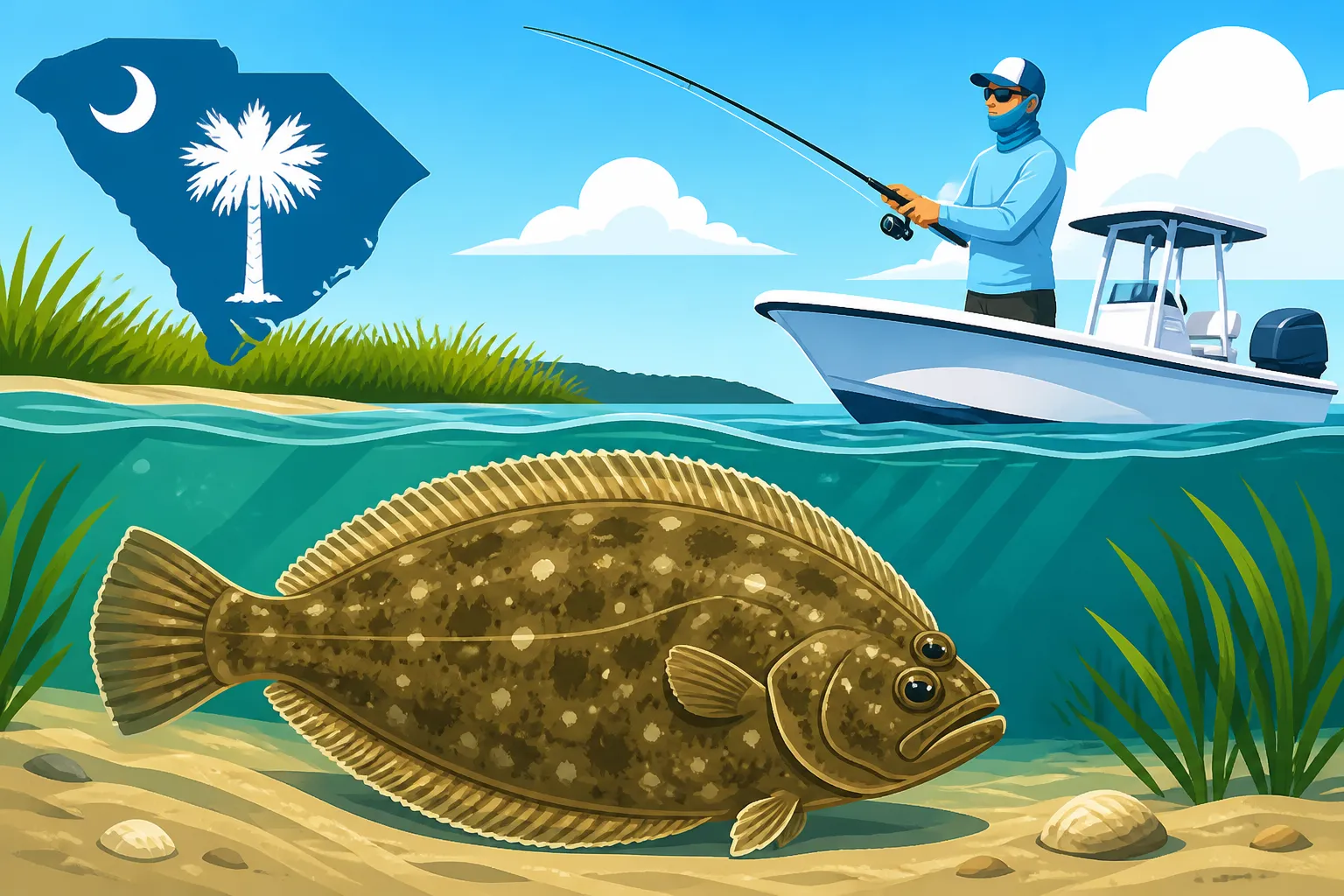
When we talk about flounder in South Carolina, we're primarily focused on the Southern flounder. Occasionally, you might encounter a Gulf flounder, and less commonly, a Summer flounder (also known as a fluke), especially closer to the North Carolina border. While they all share that iconic flatfish profile, there are subtle differences to help you identify your catch.
Southern flounder are generally distinguished by having three distinct, dark, ocellated spots (meaning eye-like spots) in a triangular pattern on their body. They are typically left-eyed, meaning both eyes are on the left side of their head when viewed from the top, though some 'reversed' individuals do occur. Their coloration, which can range from olive-brown to grayish, allows them to perfectly camouflage themselves against sandy or muddy bottoms, making them incredibly hard to spot until they move. Gulf flounder, on the other hand, tend to have similar spots but often with more irregular patterns and a slightly darker overall hue. Summer flounder, while rarer in our state, typically have five or more distinct ocellated spots, and their body can be a bit more elongated. Learning these identification markers will help you understand what you've caught, which is important for distinguishing a keeper from a fish that needs to go back to grow larger. It's a bit like learning different bird calls; with practice, you start to notice the nuances. For a deeper dive, you might find our guide on Flounder vs Sole: What South Carolina Anglers Should Know helpful to avoid misidentification.
Essential Flounder Fishing Regulations to Know
South Carolina's fishing regulations are designed to protect the flounder population, especially during critical spawning periods. These rules can change, so it’s vital to always consult the latest SCDNR guidelines before heading out. However, typically, you'll need to pay close attention to minimum size limits and daily bag limits. For flounder, this often means a fish must be a certain length from the tip of its snout to the tip of its tail to be legally harvested. This minimum size ensures that fish have had a chance to spawn at least once, contributing to future generations.
The daily bag limit dictates how many flounder an individual angler can keep in a single day. There can also be a vessel limit, which caps the total number of flounder that can be kept on any one boat, regardless of how many licensed anglers are on board. These limits are in place to prevent overfishing and ensure that everyone has a fair chance to catch these tasty fish for years to come. Ignoring these rules can lead to significant penalties, so it's always better to be safe than sorry. Keep a small measuring device, like a tape measure or a marked ruler, on your boat or in your tackle box. This way, there's no guesswork when you reel in a potential keeper. Remember, ignorance of the law is no excuse. Always keep your South Carolina Fishing License Guide handy and be familiar with the regulations, especially those outlined in South Carolina Fishing Bag Limits Explained.
Seasonality and Conservation Efforts for Flounder
Flounder populations, like many other marine species, are sensitive to environmental factors and fishing pressure. Historically, there have been periods where flounder numbers showed signs of decline, prompting management agencies to implement more stringent regulations. This is why you'll often see specific seasons, or even temporary closures, for flounder fishing in some areas or specific times of the year. These closures usually coincide with spawning migrations or periods when flounder are particularly vulnerable, allowing them to reproduce and replenish their stocks without added pressure from anglers.
Conservation efforts aren't just about imposing rules; they're also about educating anglers on sustainable practices. This includes knowing how to properly handle and release fish that are undersized or that you don't intend to keep. Minimizing stress on released fish, using appropriate tackle to avoid gut-hooking, and quickly returning them to the water are all part of being a responsible steward of our marine resources. These measures are crucial to ensuring that future generations can enjoy the thrill of flounder fishing just as much as we do today. Understanding South Carolina Flounder Fishing Regulations Explained is a key part of this responsibility.
Prime Flounder Fishing Spots in the Palmetto State
South Carolina offers a diverse range of habitats perfect for flounder, from the muddy bottoms of tidal creeks to the sandy expanses of our beaches. Knowing where to look is half the battle, and these flatfish are creatures of structure and ambush. They love to lie in wait, half-buried in the sediment, ready to pounce on unsuspecting baitfish.
Inshore Estuaries and Creeks: The Lowcountry Hotspots
The vast network of estuaries and marsh creeks that define South Carolina's Lowcountry coastline are prime real estate for flounder. These areas are rich in baitfish and offer plenty of ambush points. Look for flounder congregated around oyster beds, which provide both food and protection. The intricate root systems of spartina grass, especially where deeper channels run alongside, are also excellent spots. Flounder will often position themselves at the mouths of smaller creeks where the current funnels baitfish out into larger bodies of water.
Places like Murrells Inlet, with its labyrinth of tidal creeks and artificial reefs, are legendary for flounder fishing. Charleston Harbor and its surrounding tributaries also offer incredible opportunities, particularly around docks, jetties, and deeper drop-offs. When fishing these areas, pay attention to current lines and eddies, as flounder will often face into the current, waiting for their next meal. Moving water is almost always a good sign when you're targeting flounder. Exploring specific areas like Murrells Inlet Inshore Fishing Spots in South Carolina or Charleston Harbor Fishing Spots for South Carolina Anglers can significantly increase your chances.
Nearshore Structures: Piers, Jetties, and Artificial Reefs
Flounder are magnets for structure, and South Carolina has no shortage of it along its coast. Fishing piers are fantastic spots because they extend into deeper water and provide shelter and feeding opportunities for many fish, including flounder. The pilings themselves attract baitfish, and flounder will lie in wait at the base of these structures. The same goes for jetties, which are essentially man-made rock walls extending into the ocean. The turbulent water around jetties disorients baitfish, making them easy prey.
Artificial reefs, whether purpose-built or simply submerged rubble, are also incredible flounder havens. These underwater structures provide habitat for small fish and invertebrates, which in turn attract larger predatory species like flounder. If you're fishing from a boat, having a good sonar unit can help you pinpoint these hidden structures. When fishing piers, cast your bait as close to the pilings as possible without getting snagged, or let it drift naturally with the current alongside the structure. For a more detailed look at these areas, check out Best Inshore Fishing Spots in South Carolina or even Best Fishing Piers Near Myrtle Beach.
Surf Fishing for Flounder Along the Coastline
Don't have a boat? No problem! South Carolina's beaches offer excellent opportunities for surf fishing, and flounder are definitely on the menu. While often associated with the calmer waters of inlets, flounder will move into the surf zone, especially during feeding tides. The key to successful surf fishing for flounder is understanding beach topography. Look for subtle changes in depth, known as troughs or sloughs, that run parallel to the shore. These are essentially underwater ditches where flounder will lie in ambush.
Target areas around sandbars, especially on the ocean side where the waves break, as baitfish are often disoriented here. Incoming and outgoing tides can both be productive, but generally, the last two hours of an incoming tide and the first two hours of an outgoing tide are prime times. This is when the water movement is strongest, pushing baitfish through the troughs. A good pair of polarized sunglasses, available from retailers like Amazon, can help you spot these subtle depressions in the water. Cast your bait beyond the first sandbar and slowly retrieve it, allowing it to bounce along the bottom. Patience and a keen eye for subtle structure are your best friends here. For more localized advice, consider Myrtle Beach Surf Fishing Spots in South Carolina.
Gear Up: Essential Tackle for South Carolina Flounder Fishing
Having the right equipment can make all the difference between a frustrating day and a successful one. Flounder aren't necessarily tackle-busters, but their unique feeding habits and habitats require specific gear that allows for sensitive bite detection and effective presentation.
Rods, Reels, and Line Choices
For flounder fishing in South Carolina, a medium-light to medium action spinning rod, typically in the 6'6" to 7'6" range, is a great all-around choice. This rod length offers a good balance of casting distance and sensitivity. You want a rod with a fast or extra-fast tip that can telegraph those subtle flounder bites, which often feel like a gentle tap or just added weight. Paired with a spinning reel in the 2500 to 3000 size class, you'll have a versatile setup. This reel size holds enough line, offers smooth drag, and is comfortable for all-day casting and retrieving.
When it comes to line, many anglers prefer a braided main line, typically 10-20 lb test, due to its incredible sensitivity and low stretch. This allows you to feel even the faintest of bites and maintain direct contact with your bait or lure. However, braid is visible in clear water, so it's essential to use a fluorocarbon leader. A 15-20 lb fluorocarbon leader, about 18-24 inches long, provides invisibility, abrasion resistance against structure, and acts as a shock absorber. This combination gives you the best of both worlds: sensitivity from the braid and stealth from the fluoro.
Hooks, Sinkers, and Rigging Strategies
Flounder have a wide mouth but a relatively small throat, so choosing the right hook size is crucial. Generally, 1/0 to 3/0 circle hooks are excellent choices, especially when using live bait. Circle hooks are designed to hook fish in the corner of the mouth, reducing the chance of gut-hooking, which makes for healthier releases of undersized fish. If you prefer J-hooks, opt for something similar in size, like a 1/0 to 2/0 Kahle hook, which also tends to hook in the mouth.
Your choice of sinker depends heavily on the current and depth you're fishing. You want just enough weight to keep your bait on the bottom without it rolling away excessively. Egg sinkers, pyramid sinkers, or even cannonball sinkers are common. For a classic flounder setup, the Carolina rig is hard to beat. This rig consists of an egg sinker (1/2 to 1 oz, depending on current) threaded onto your main line, followed by a small barrel swivel, and then a fluorocarbon leader (12-18 inches) tied to your hook. This allows your bait to move freely and naturally behind the weight, making it incredibly appealing to flounder. For fishing around heavy structure like jetties, a three-way swivel rig or a dropper rig might be more effective to keep your bait above snags.
Must-Have Accessories for a Successful Trip
Beyond the basic rod and reel, a few key accessories can significantly enhance your flounder fishing experience. First, a reliable pair of fishing pliers is essential for de-hooking fish, cutting line, and general tackle adjustments. Next, a measuring tape or a specialized fish ruler is non-negotiable to ensure your catch meets the legal size requirements. Having a mesh or rubberized landing net is also a smart move, especially for larger flounder, as it helps you safely land the fish without losing it at the boat or pier.
Keeping your catch fresh is paramount, so a good cooler filled with ice is a must. Flounder meat is delicate and spoils quickly in the heat. Sun protection is also key: wide-brimmed hats, UV-protective clothing, and polarized sunglasses are highly recommended. The polarized lenses, like those found on Amazon, will not only protect your eyes but also cut glare on the water, helping you spot subtle bottom changes or even a flounder lying in wait in shallow, clear water. Finally, a small tackle box or bag to keep your hooks, weights, and extra leaders organized will save you a lot of frustration when you're out on the water.
Mastering Flounder Fishing Techniques
Flounder are ambush predators, and your techniques should reflect this. They rarely chase down bait over long distances, preferring to wait patiently and then strike with surprising speed. Understanding how to present your bait or lure naturally is the secret sauce to consistent success.
Live Bait Fishing: The Gold Standard
When it comes to flounder, live bait is often considered the most effective option. Nothing beats the natural action and scent of a lively baitfish struggling on the bottom. The absolute best live baits for flounder in South Carolina are mud minnows (also known as killifish), finger mullet, and small menhaden. Shrimp, while effective, can sometimes be picked clean by smaller bait stealers before a flounder gets to it.
The key to live bait fishing is presentation. With a Carolina rig, you want to hook your mud minnow or mullet through both lips or just behind the dorsal fin. This allows the bait to swim naturally and stay alive longer. Once rigged, cast it out and let it settle to the bottom. Then, slowly, almost imperceptibly, drag or "hop" it along the bottom. Flounder often feel like a gentle increase in weight or a very soft tap. Resist the urge to set the hook immediately. Instead, feed a bit more line, count to five or ten (to let the flounder fully engulf the bait), then reel up the slack and set the hook with a firm, smooth sweep. This patience is often the hardest part, but it's essential for getting a solid hook-up.
Artificial Lures and Soft Plastics
While live bait is king, artificial lures can be incredibly effective, especially if you're covering a lot of ground or prefer a more active style of fishing. Soft plastic baits rigged on jig heads are arguably the most popular choice. Brands like Gulp! by Berkley offer scented options that are particularly enticing to flounder. Paddle tails, grub tails, and shrimp imitations in natural colors (like pearl, chartreuse, or dark green) are excellent starting points.
The technique for artificial lures is similar to live bait: cast it out, let it sink to the bottom, and then slowly retrieve it with a series of short hops or drags. The idea is to mimic a wounded baitfish or shrimp scurrying along the bottom. Vary your retrieve speed and the height of your hops until you find what the fish are responding to. Sometimes a longer pause between hops is what it takes, allowing the lure to settle and tempt a hesitant flounder. Don't be afraid to experiment with jig head weights and colors; a heavier jig head might be needed in stronger currents or deeper water, while a lighter one allows for a more natural fall in calmer conditions. You can find a vast array of these lures on Amazon, making it easy to experiment.
Trolling and Drifting Techniques
For covering larger areas, especially from a boat, trolling or drifting can be highly productive methods for flounder. Drifting involves letting your boat move naturally with the current or wind, dragging your baits or lures behind it. This is particularly effective in wider channels, over oyster reefs, or along the edges of grass flats where flounder might be scattered. You can use either live bait on a Carolina rig or artificial lures while drifting. The key is to keep your bait on the bottom as you move.
Trolling, on the other hand, involves using your boat's motor to control your speed and direction, pulling your baits or lures. This allows for a more precise presentation along specific contours or structures. When trolling for flounder, maintain a very slow speed, just enough to give your bait or lure action. Again, keeping your offering on or very near the bottom is crucial. Many anglers use planer boards or downriggers when trolling to spread out their lines and ensure their baits stay at the desired depth. Both drifting and trolling allow you to systematically work an area, increasing your chances of finding where the flounder are holding.
Best Times to Target Flounder in South Carolina
Timing is everything in fishing, and flounder are no exception. Their feeding patterns are heavily influenced by tides, seasons, and even daily weather conditions. Understanding these factors will dramatically improve your chances of success.
Understanding Tidal Influences on Flounder Behavior
More than almost any other factor, the tides dictate flounder activity in South Carolina's inshore waters. Flounder are opportunistic feeders that use the moving water to their advantage. During an incoming tide, as water floods into creeks and estuaries, baitfish are pushed further into these shallow areas. Flounder will position themselves in ambush points, such as the edges of channels, oyster rakes, or submerged structures, waiting for the current to deliver their meal.
The outgoing tide is often considered the most productive time for flounder fishing. As the water recedes, baitfish are flushed out of the grass and shallow flats, funneling into deeper channels and choke points. Flounder will congregate at these outflows, especially at the mouths of creeks, targeting disoriented baitfish. The last two hours of the outgoing tide and the first hour or two of the incoming tide are often the most active feeding periods, when the current is at its strongest. Slack tide, when the water movement is minimal, can be slower, but flounder might still be found around deeper structure. Learning to read the tides is crucial; for more on this, check out Tide-Based Techniques for Inshore Fishing.
Seasonal Patterns for Flounder Fishing
While you can catch flounder year-round in South Carolina, there are definite peak seasons when the fishing truly heats up. Generally, late spring, summer, and especially the fall are the prime times to target these flatfish. As water temperatures rise in late spring, flounder become more active and move into shallower inshore areas to feed. Summer provides consistent action, with flounder abundant throughout the estuaries and nearshore waters.
However, the fall is often considered the "flounder run," a period when these fish migrate out of the estuaries and towards nearshore wrecks and reefs to stage for spawning offshore. During this time, they feed aggressively to build up energy for their migration, and anglers can experience incredible fishing, sometimes catching larger flounder than usual. As water temperatures drop in winter, flounder move to deeper, more stable offshore waters, making them harder to target inshore. So, if you're planning a dedicated flounder trip, aim for the warmer months, with a special emphasis on the autumn season. Our South Carolina Fishing Seasons Guide provides a broader overview of seasonal trends.
Optimal Weather Conditions and Time of Day
Beyond tides and seasons, specific daily conditions can also impact flounder fishing. Overcast days, for instance, can sometimes be more productive than bright, sunny ones. The reduced light penetration makes flounder less wary and more likely to move and feed during daylight hours. Calm winds are also preferable, as they make it easier to detect those subtle flounder bites and keep your boat or kayak positioned correctly. Strong winds can make fishing challenging, both for casting and for feeling bites.
While flounder can be caught throughout the day, early morning and late evening, often referred to as "low light periods," tend to be particularly fruitful. During these times, baitfish are often more active, and flounder feel more comfortable venturing out from their camouflage to feed. However, if the tides are right in the middle of a sunny afternoon, don't hesitate to go. Ultimately, a good tide trumps almost any other daily condition for flounder. If you're targeting specific species, understanding nuances like How Water Temperature Affects Morning Bite Timing can also be beneficial.
Cleaning, Cooking, and Enjoying Your Flounder Catch
Catching a flounder is one thing; preparing it for the table is another. Flounder are renowned for their delicate, white, flaky meat and mild flavor, making them a highly sought-after dinner. Proper handling and filleting are key to preserving that quality.
Proper Handling and Filleting Techniques
The moment you land a flounder that meets the legal requirements, you need to ensure it's handled correctly to maintain its culinary quality. The best practice is to immediately place your catch on ice in a cooler. This rapid chilling slows down bacterial growth and preserves the texture and flavor of the meat. A quick whack to the head can humanely dispatch the fish, further improving meat quality by reducing stress.
Filleting a flounder is a bit different from round fish due to its flat profile. You'll typically get four fillets from a single flounder. Lay the flounder flat on a clean surface, dark side up. Make an incision behind the gill plate, down to the backbone. Then, run your knife along the top of the backbone, from head to tail, to separate the top fillet. Repeat this for the bottom fillet on the same side. Flip the fish over and repeat the process on the other side. You'll end up with two larger fillets from the top side and two smaller ones from the bottom. Take your time, use a sharp, flexible fillet knife, and you'll quickly get the hang of it. Once filleted, you can easily skin the fillets by laying them skin-side down and running your knife between the skin and meat.
Simple and Delicious Flounder Recipes
The beauty of flounder is its versatility in the kitchen. Its mild, slightly sweet flavor pairs well with a variety of seasonings and cooking methods. One of the simplest and most popular ways to enjoy flounder is pan-frying. Lightly dredge the fillets in seasoned flour or cornmeal, then pan-fry them in a little butter or olive oil until golden brown and flaky. Serve with a squeeze of lemon and a side of grits or hushpuppies for a classic Lowcountry meal.
For a lighter option, flounder fillets bake beautifully. Place them on a baking sheet, brush with olive oil, sprinkle with salt, pepper, and herbs like dill or parsley, and bake at 375°F (190°C) for about 10-15 minutes, or until cooked through. Grilled flounder is another fantastic choice, especially when wrapped in foil with some butter, white wine, and vegetables. Don't overcook flounder; its delicate nature means it can dry out quickly. The key is to cook it just until it flakes easily with a fork. Finding great cooking tools for your catch is easy, with many options available on Amazon.
Responsible Angling and Catch Limits
Enjoying the fruits of your labor responsibly extends beyond just following regulations. It's about embodying the ethics of conservation and ensuring that our fishing resources remain abundant for future generations. Adhering strictly to South Carolina Fishing Bag Limits Explained and minimum size requirements is the absolute foundation. If you catch an undersized flounder or one that you don't intend to keep, handle it with care to ensure its survival upon release. Wet your hands before touching the fish to protect its slime coat, and release it quickly back into the water.
Consider practicing "catch and release" for larger breeder fish, even if they are legal, as these larger individuals contribute significantly to the spawning stock. Educating yourself and others about sustainable fishing practices, supporting conservation efforts, and properly disposing of trash and discarded fishing line are all part of being a responsible angler in South Carolina. Every angler plays a role in protecting the future of flounder fishing in our beautiful state.
Common Challenges and Troubleshooting
Even the most seasoned flounder anglers face challenges on the water. From finicky bites to frustrating snags, fishing is rarely without its hurdles. Knowing how to troubleshoot common issues can turn a slow day into a successful one.
Dealing with "Short Bites" and Finicky Flounder
Flounder are famous for their subtle, often frustrating bites. They don't typically hit a bait with the aggressive thump of a redfish or bass. Instead, a flounder bite often feels like a soft tap, a gentle increase in weight on your line, or simply your bait feeling "heavy" as you retrieve it. This can lead to what anglers call "short bites," where the flounder mouths the bait but doesn't fully engulf the hook, resulting in missed hooksets.
The key to combating short bites is patience and a bit of counter-intuitive action. When you feel that subtle tap or added weight, resist the immediate urge to jerk the rod. Instead, stop retrieving, feed a little slack line (just a foot or two), and wait. Count to five, even ten, slowly. This allows the flounder time to fully take the bait into its mouth and turn it to swallow. Once you've waited, gently reel up the slack until you feel the weight again, then set the hook with a firm, sweeping motion of your rod. Sometimes, adding a small stinger hook to your live bait rig can also help catch those short-biting fish. Additionally, applying a scent additive to your artificial lures can entice hesitant flounder to hold on longer, giving you a better chance to set the hook.
Avoiding Bycatch and Unwanted Species
While flounder fishing, it's common to hook into other species that frequent the same habitats, such as small sharks, stingrays, catfish, or even smaller predatory fish. While some bycatch is inevitable, there are strategies to minimize catching unwanted species, especially if you're trying to conserve bait or avoid dealing with toothy critters.
If you're constantly catching small catfish when using shrimp, try switching to a tougher bait like a mud minnow or a finger mullet, which are less appealing to catfish. For stingrays and sharks, the same principle applies; while they might hit a live bait, they are less likely to do so than a piece of shrimp. Adjusting your hook size can also help; using a slightly larger hook might deter the smallest bait stealers. Additionally, fishing in areas with less mud and more sandy or oyster shell bottom can sometimes reduce catfish bycatch. Focusing on areas with good current and distinct structure tends to be more flounder-specific.
Snags, Lost Tackle, and How to Prevent Them
Fishing around structure, which is where flounder love to hang out, inevitably leads to snags and lost tackle. Oyster beds, submerged logs, rock piles, and dock pilings are all notorious for grabbing hooks and weights. It's a frustrating part of fishing, but there are ways to reduce the frequency.
First, always be mindful of where you're casting. If you see heavy snags, try to cast just to the edge of them, allowing your bait to drift into the productive zone without directly landing in the danger area. When fishing a Carolina rig, slowly hop or drag your weight. If you feel it getting hung up, give it some slack and a gentle jig. Sometimes, the current will lift it free. If it's truly stuck, pulling straight back often just embeds it further. Instead, try to approach the snag from a different angle with your boat, or apply pressure from a different direction on foot. Using weedless jig heads with artificial lures can also be a game-changer, allowing you to work through light cover without getting hung up. Always carry extra hooks, swivels, and weights, as losing tackle is just part of the game when targeting flounder in their preferred ambush spots.
| Baits/Lures | Type | Pros | Cons | Best Used For |
|---|---|---|---|---|
| Mud Minnows | Live | Natural action, strong scent, durable, flounder favorite | Can be difficult to catch/buy | All conditions, especially slow retrieves |
| Finger Mullet | Live | Larger profile, attracts bigger flounder, natural food source | Can be harder to keep alive, larger size | Larger flounder, active feeding periods |
| Live Shrimp | Live | Very attractive to many species, readily available | Soft, easily stolen by baitfish, less durable | Mixed bag fishing, calmer waters |
| Gulp! Shrimp/Paddle Tails | Artificial | Scented, durable, reusable, active presentation | Can be pricey, still susceptible to nips | Active fishing, covering ground, dirty water |
| Soft Plastic Grubs/Fliptails | Artificial | Versatile, inexpensive, wide color range | No natural scent, requires angler action | Jigging, working structure, clear water |
Disclaimer
This article is for general informational purposes only and does not constitute professional advice. Laws, prices and regulations vary by location and change over time. Consult a qualified professional for guidance on your specific situation.