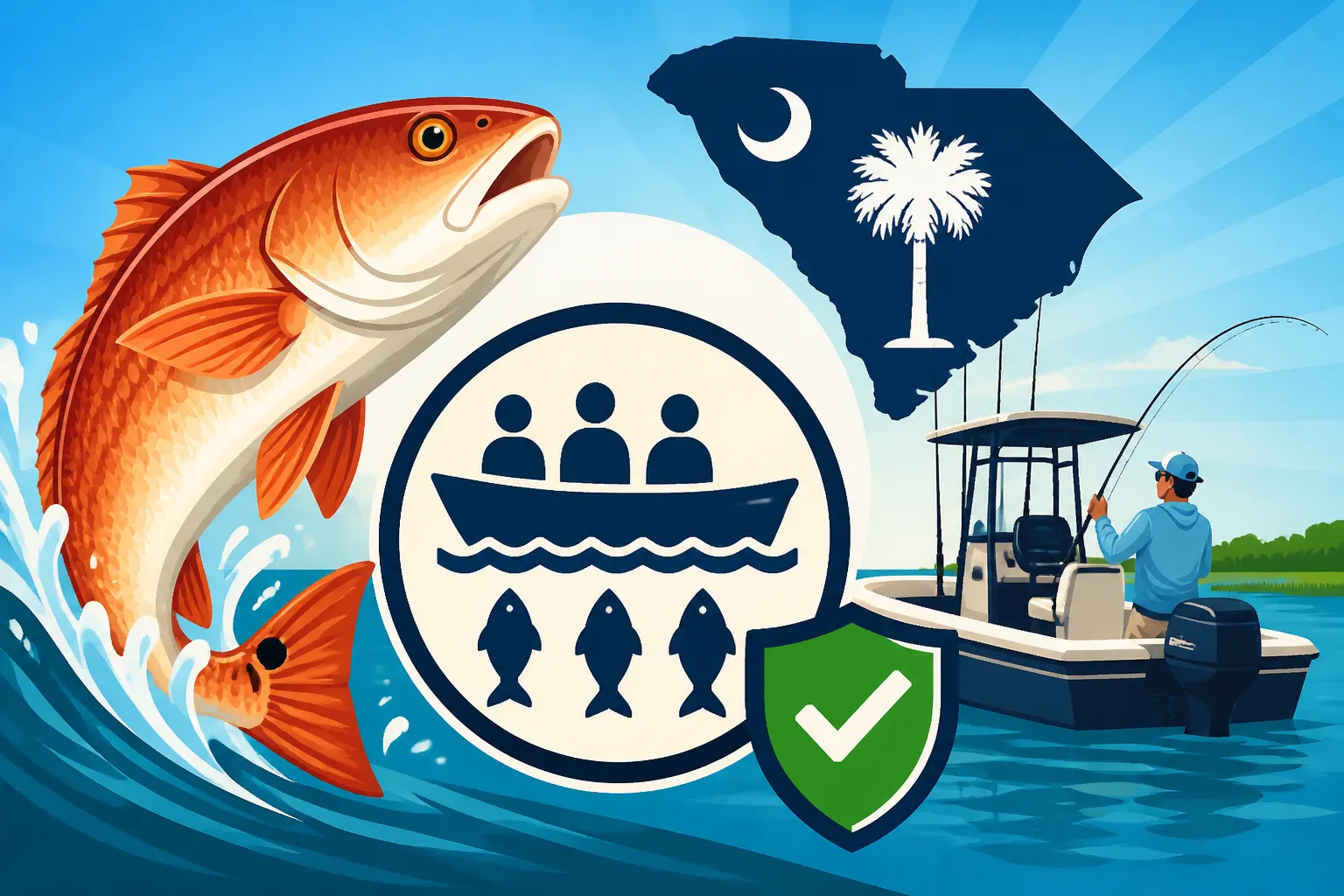
South Carolina Redfish Vessel Limit Rules Explained
Trying to keep up with fishing regulations in South Carolina can sometimes feel like you need a law degree just to cast a line, and nowhere is this more true than with redfish. The personal bag limit often gets talked about, but that elusive "vessel limit" can really throw a wrench into a group fishing trip, leaving anglers scratching their heads about what they can actually bring back to the dock. This guide is here to untangle those confusing rules, specifically focusing on the redfish vessel limit, so you can enjoy your time on the water without the worry of accidental violations.
Understanding South Carolina's Redfish Regulations
South Carolina's coastal waters are teeming with redfish, also known as red drum, and they are a prized catch for both seasoned anglers and newcomers alike. However, managing this popular species requires careful regulations to ensure their populations remain healthy for future generations. It's not just about what you can catch, but what your entire boat can keep, and understanding the nuances is key to responsible fishing.
Why Redfish Limits Are So Important
Imagine a world where everyone kept every fish they caught. Our beautiful Lowcountry estuaries would be empty in no time! Redfish are particularly vulnerable to overfishing because they gather in large schools in relatively shallow, accessible waters. They also have specific habitat needs and a certain growth trajectory that makes protecting enough breeding-size fish critical. That's why the state implements strict guidelines on size, quantity, and even the total number of fish on any given vessel. These rules aren't designed to make your life harder; they're designed to protect the resource we all love so much. Without these measures, those thrilling redfish battles might become a thing of the past.
It's truly a balancing act, trying to provide ample opportunity for recreational anglers while ensuring the species thrives. The South Carolina Department of Natural Resources (SCDNR) monitors redfish populations closely and adjusts these regulations as needed. For instance, you might notice changes in the slot limit or bag limit over time, reflecting the current health of the fishery. Staying informed about these potential updates is part of being a responsible angler, and it helps everyone contribute to conservation efforts. Always check the very latest information before heading out, especially if it's been a while since your last trip.
The Basics: Daily Bag and Slot Limits
Before we dive into the vessel limit, let's quickly recap the personal daily bag limit and the slot limit, because these are the foundation of all redfish regulations. The "bag limit" is simply the maximum number of fish of a particular species that one individual angler can keep in a single day. For redfish in South Carolina, this is generally a low number, emphasizing conservation. You'll often find that this means you can keep just a couple of these beautiful fish.
Then there's the "slot limit." This refers to a specific size range, measured from the tip of the nose to the tip of the tail, that a fish must fall within to be legally harvested. Redfish that are too small are considered juveniles and need more time to grow and mature. Redfish that are too large, often called "bull reds," are typically mature breeding stock, essential for spawning and replenishing the population. Catching one of these giants is an incredible experience, but they are almost always catch-and-release only. This slot limit ensures that we're keeping fish that have had a chance to reproduce at least once, but aren't the primary breeders of the future. You can find detailed information on these specific numbers in our guide to South Carolina Redfish Slot Limit Rules.
So, when you hook into a redfish, your first step is always to measure it. If it's too small, back it goes gently. If it's too big, it's also a gentle release. Only if it falls within that legal slot can you consider keeping it, and even then, you must adhere to your personal daily bag limit. It's a system designed to protect both the young and the old, ensuring a sustainable future for redfish in South Carolina waters.
Deciphering the Redfish Vessel Limit
Okay, now let's tackle the main event: the vessel limit. This is where things can get a little tricky, especially when you've got a boat full of eager anglers, all hoping to take home some fresh redfish for dinner. It’s not just the sum of individual limits; it's a cap on the total number of redfish allowed on your boat, regardless of how many people are fishing.
What Exactly is a "Vessel Limit"?
Simply put, a "vessel limit" is the maximum number of a specific species of fish that can be onboard a single boat or vessel at any one time. It doesn't matter if you have one angler, two anglers, or ten anglers; the total number of redfish in your cooler, livewell, or anywhere else on the boat cannot exceed this set limit. This rule is particularly important for species like redfish where managing harvest pressure is critical. Imagine a scenario where a large charter boat with many passengers could each keep their individual limit; that would quickly deplete local populations. The vessel limit acts as an overarching safeguard.
This rule helps prevent scenarios where a large group could collectively harvest an unsustainable number of fish, even if each individual angler technically stayed within their personal bag limit. It often means that if you have several people on board, you might hit the vessel limit before everyone has caught their personal maximum. This can be a bit of a bummer if you're out with a big family or a group of friends, but it's a necessary measure for conservation. It forces groups to think about their collective impact and encourages shared responsibility for the resource.
How the Vessel Limit Impacts Group Fishing
The vessel limit significantly changes the dynamics of group fishing. Let's say, for example, the personal bag limit for redfish is two per person, and the vessel limit is six. If you have three people on your boat, theoretically, each could keep two redfish, totaling six. That works perfectly. But what if you have four people on board? If each person were to keep two, that would be eight redfish, which exceeds the vessel limit of six. In this case, even though each person is individually allowed two fish, your boat can only have a total of six. This means two people might get to keep two fish, and two others only one, or you might distribute them differently, but the total cannot go over six.
This can sometimes lead to friendly discussions – or even debates – about who gets to keep which fish, or when to stop fishing for redfish once the vessel limit is reached. It’s important to have these conversations upfront, before you even leave the dock, to avoid any disappointment or confusion later. Some groups decide to release all fish after the vessel limit is reached, simply enjoying the sport of catch-and-release, while others might focus on different species for the remainder of the trip. Being aware of the South Carolina Redfish Daily Bag Limit Per Person in conjunction with the vessel limit is absolutely crucial.
Think about it this way: the vessel limit ensures that a boat isn't acting as an industrial harvester, even if it's full of recreational anglers. It keeps the total pressure on the fishery in check. It's also something that law enforcement officers, like those from SCDNR, will be checking if they stop your boat. They're not just looking at individual coolers; they're looking at the total fish onboard.
Practical Scenarios: Applying the Vessel Limit
Understanding the concept of a vessel limit is one thing, but knowing how it plays out in real-world fishing scenarios is another. Let's walk through a couple of common situations to see how this regulation applies to different types of fishing trips.
Solo Anglers vs. Multiple Anglers on One Boat
If you're a solo angler heading out on your boat, the vessel limit doesn't really add another layer of complexity to your trip. Whatever your personal daily bag limit is for redfish, that effectively becomes your vessel limit too. If the personal limit is two fish, you can only have two redfish on your boat. Easy peasy. You simply follow the standard South Carolina Redfish Slot Limit Rules and your individual bag limit.
However, the moment you invite even one other person onto your boat, the vessel limit comes into play as a separate, overarching restriction. Let's use our earlier example: personal limit of two redfish, vessel limit of six.
- One Angler: You can keep up to two redfish (assuming they meet the slot limit). Your vessel limit is effectively two.
- Two Anglers: Each person can keep up to two, for a total of four. This is below the vessel limit of six, so it's perfectly fine.
- Three Anglers: Each person can keep up to two, for a total of six. This reaches the vessel limit, so no more redfish can be kept on board, even if you continue fishing.
- Four Anglers: If each person tried to keep two, that would be eight fish, which exceeds the vessel limit of six. In this case, you can only keep a maximum of six redfish collectively. You'd have to decide how those six fish are distributed among the four anglers, or agree that some fish caught will be released even if they're "keepers." This is exactly why it's so vital to discuss this before you start fishing.
These scenarios highlight why simply knowing "how many fish can I keep?" isn't enough when you're fishing with others. It's about "how many fish can we keep as a group on this boat?"
Special Considerations for Charter Trips
Fishing charters operate under the same vessel limit rules, but with an added layer of professional responsibility. When you book a charter in South Carolina, the captain and crew are typically well-versed in all current regulations, including vessel limits. They are responsible for ensuring their boat and all passengers comply. This means if you're on a charter targeting redfish, the captain will be keeping a close eye on the total number of legal redfish brought aboard.
For charter passengers, this usually means less individual worry about the rules, as the crew manages the count. However, it's still good practice to understand the limits. It can also influence the type of charter you choose. A charter specializing in "meat fishing" where keeping fish is the primary goal might prioritize hitting that vessel limit quickly, while a "sportfishing" charter might focus more on the thrill of the catch, with a greater emphasis on catch-and-release, especially once the vessel limit is met. When booking, it's always a good idea to ask the charter captain about their approach to bag and vessel limits, and to check our guide on How Redfish Vessel Limits Work for Group Charters for more insights.
It's important to remember that even on a charter, those fish are part of the vessel's total. If the vessel limit is reached early in the trip, the captain might suggest switching to target another species, moving to a different spot, or simply enjoying the rest of the trip as catch-and-release for redfish. This ensures the charter operates within the law and contributes to sustainable fishing practices, protecting our precious redfish populations.
Staying Compliant and Fishing Responsibly
Navigating fishing regulations, especially the specifics like the redfish vessel limit, is a critical part of being a responsible angler. It's not just about avoiding penalties; it's about contributing to the long-term health of our fisheries. A little preparation and awareness go a long way in ensuring your fishing trips are both enjoyable and lawful.
Essential Tools for Measuring and Counting
You absolutely need the right tools on hand to ensure you're compliant with redfish regulations. The most important tool is a reliable measuring device. A flexible tape measure or, even better, a rigid fish ruler is indispensable. Make sure it's accurate and easy to read, especially when you're on a rocking boat. You don't want to be guessing if that redfish is a quarter-inch too long or too short. You can find excellent, durable fish rulers that are often marked with common slot limits on retailers like Amazon, making it easy to quickly check your catch.
Beyond measuring, having a plan for counting your fish is crucial, particularly when multiple anglers are involved and you're approaching the vessel limit. Some anglers use a dedicated cooler for "keeper" fish and mentally (or even physically, with a small tally sheet) track the count. Others might have designated areas for each angler's catch until the vessel limit is approached, then consolidate. Whatever method you choose, make sure it's clear and unambiguous to everyone on board. Communication is key to avoid confusion and accidentally exceeding the limit. If you're a serious angler who likes to keep track of catch details, a waterproof notebook or a dedicated fishing app on your phone can be a big help.
Resources for Checking Current Regulations
Fishing regulations can and do change. What was legal last year might not be this year, or even next month. Relying on old information or hearsay is a recipe for trouble. The absolute best resource for current South Carolina fishing regulations is the South Carolina Department of Natural Resources (SCDNR) website. They publish comprehensive guides, often updated annually, that detail all freshwater and saltwater limits, seasons, and licensing requirements. Many anglers even download the SCDNR app to have real-time access to regulations on their phone.
Another great option is to pick up a physical copy of the South Carolina Marine Resources Regulations booklet, often available at tackle shops, SCDNR offices, or even some places where you purchase your fishing license. These small booklets are handy to keep in your boat or tackle box. Always, always verify the current regulations before you head out. Don't let a simple oversight lead to a citation for violating Current Redfish Regulations for Coastal Waters or worse, contributing to overfishing. Being proactive ensures you're fishing legally and ethically, allowing you to focus on the joy of the catch.
Here's a quick summary of the typical Redfish regulations in South Carolina for easy reference. Remember, these are general guidelines and specific numbers can change, so always verify current rules with the SCDNR.
| Regulation Type | General South Carolina Rule | Important Notes |
|---|---|---|
| Personal Daily Bag Limit | 2 Redfish per person | This is the maximum you can keep. |
| Slot Limit | 15 to 23 inches (Total Length) | Fish must be within this size range to be kept. |
| Vessel Limit | 6 Redfish per boat | This is the maximum total number of redfish allowed on your boat, regardless of how many anglers are on board. |
| Prohibited | Keeping Redfish outside the slot limit | Immediately release undersized or oversized fish. |
| Required | Valid South Carolina Fishing License | Unless exempt, all anglers need a license. See South Carolina Fishing License Guide. |
Disclaimer
This article is for general informational purposes only and does not constitute professional advice. Laws, prices and regulations vary by location and change over time. Consult a qualified professional for guidance on your specific situation.