Is Redfish Good to Eat?
The thrill of reeling in a feisty redfish from South Carolina's coastal waters is undeniable, but once that beautiful bronze beauty is in the net, a common question pops into many anglers' minds: "Is redfish actually good to eat, or is it just a fantastic fight?" It’s a valid concern, especially if you’re used to more common table fare. This guide is dedicated to answering that question comprehensively, exploring everything from its taste profile to the best ways to prepare it, ensuring your catch becomes a culinary triumph.
The Appeal of South Carolina Redfish as Table Fare
Many anglers, especially those new to saltwater fishing in the Palmetto State, might wonder if redfish lives up to the reputation of other popular game fish on the dinner plate. Let me tell you, when handled correctly and prepared with a little love, South Carolina redfish is an absolute delight. It's not just a sportfish; it's a gourmet experience waiting to happen.
Flavor Profile: What Makes Redfish Unique?
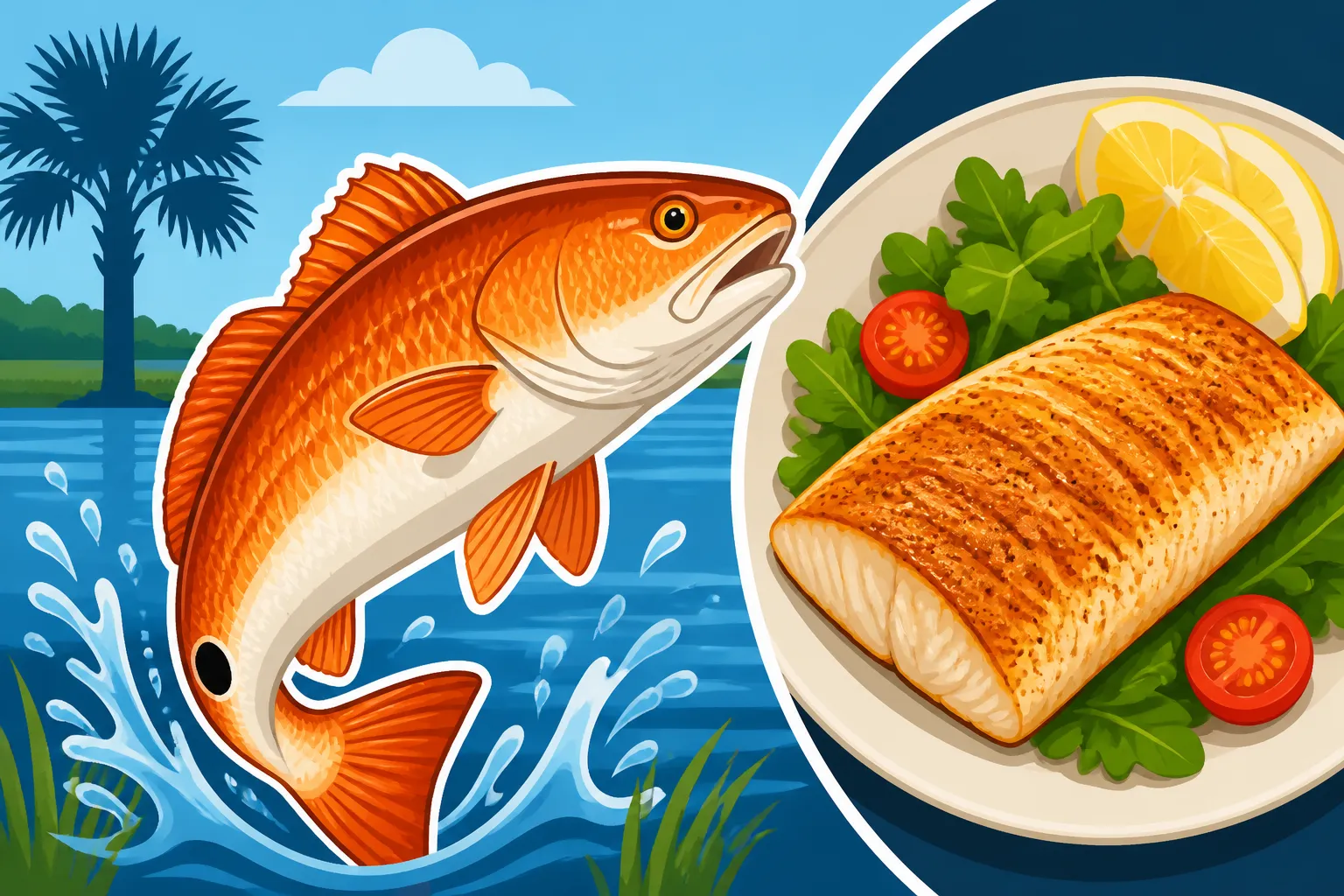
Redfish, also known as red drum, boasts a flavor profile that is quite appealing to a wide range of palates. It’s typically described as mild, slightly sweet, and clean. The meat is firm, flaky, and has a beautiful white color when cooked, making it an excellent canvas for various seasonings and preparations. Unlike some stronger-tasting fish, redfish rarely has an overpowering "fishy" flavor, which is a huge plus for those who might be hesitant about seafood.
The subtle sweetness often comes from their diet, which in South Carolina's rich estuaries and marsh creeks, consists primarily of shrimp, crabs, and smaller baitfish. This natural diet infuses the meat with a delicate taste that truly stands out. When you catch a redfish from clear, clean tidal waters, you're almost guaranteed a superior flavor experience.
Sometimes, new anglers express concern about a "muddy" taste in redfish. This is a common misconception and almost always points to improper handling rather than an inherent flaw in the fish itself. A well-cared-for redfish, quickly bled and iced, will deliver that clean, sweet flavor that makes it a beloved staple in Lowcountry cuisine.
Texture and Versatility in Cooking
One of the greatest attributes of redfish from a culinary perspective is its texture. The meat is firm, yet tender, with large, succulent flakes that hold together beautifully during cooking. This robust texture means it can withstand a variety of high-heat cooking methods without falling apart, making it incredibly versatile in the kitchen.
Imagine flaking apart perfectly cooked redfish with a fork – that’s the kind of satisfying texture you can expect. Whether you're aiming for a crispy exterior or a moist, tender interior, redfish delivers. Its ability to maintain its integrity under different culinary pressures makes it a go-to for both seasoned chefs and home cooks experimenting with new recipes.
From searing to grilling, baking to frying, redfish adapts effortlessly. It can be the star of a sophisticated dinner party or a simple weeknight meal, always offering a delightful bite. This versatility, combined with its pleasant flavor, is why many South Carolina anglers look forward to putting a few slot-sized reds on the table.
Nutritional Benefits of Eating Redfish
Beyond its delicious taste and excellent texture, redfish also offers a healthy dose of nutritional benefits, making it a smart choice for a balanced diet. It's a fantastic source of lean protein, essential for muscle repair and overall body function, without being overly heavy.
Like many fish species, redfish contains beneficial omega-3 fatty acids. While not as high in omega-3s as some fattier fish like salmon, it still contributes to a healthy intake of these important fats, which are known to support heart and brain health. Incorporating fish like redfish into your meal rotation several times a week is a great way to boost your nutrient intake.
Choosing locally sourced seafood, like redfish from South Carolina, also means you're generally getting a fresh product with minimal processing. It's a natural, wholesome food that fits perfectly into a healthy lifestyle, providing essential vitamins and minerals along with that incredible flavor.
Factors Influencing Redfish Taste and Quality
Not all redfish are created equal when it comes to table quality, and several factors play a significant role in how that fish tastes once it hits your plate. Understanding these elements can help you make informed decisions on the water and ensure every redfish you keep is a top-tier culinary experience. It's about more than just catching them; it's about appreciating their journey from the water to your kitchen.
Habitat and Diet: Where Your Redfish Comes From Matters
The environment in which a redfish lives and the food it consumes are arguably the most critical determinants of its flavor and overall quality. South Carolina is blessed with a vast network of pristine saltmarshes, estuaries, and tidal creeks that serve as ideal habitats for redfish. These environments are rich in shrimp, crabs, and small baitfish – a gourmet buffet for red drum.
A redfish caught from these vibrant, clean, and highly oxygenated tidal marsh systems will almost always have a superior, clean flavor profile. The constant influx of fresh saltwater and nutrient-rich food sources contributes to firm, healthy flesh. In contrast, a redfish from a stagnant, less oxygenated pond or creek, though rare in South Carolina's primary redfish territories, might develop a slightly different taste due to its diet and environment. When you're fishing in the Lowcountry, you're usually targeting fish in prime habitats, which is fantastic for taste. If you're wondering How to Catch Redfish in South Carolina's Lowcountry, focusing on these healthy marsh systems is key.
Size of the Fish: Slot Limits and Culinary Implications
When it comes to eating, size definitely matters with redfish. South Carolina's fishing regulations wisely implement a slot limit for redfish, typically between 18 to 25 inches. This isn't just about conservation; it's also about ensuring you're keeping the best eating-sized fish. You can learn more about this in our guide on South Carolina Redfish Slot Limit 18 to 25 Inches.
Fish within this slot limit are generally younger, more tender, and have the most desirable flavor and texture. Their flesh is firm, moist, and free from the tougher, sometimes stringier texture that can characterize larger, older fish. Anglers often refer to these as "schoolie" reds, and they are perfect for a variety of preparations.
Larger redfish, often called "bull reds," which exceed the upper end of the slot limit, are typically older, have tougher meat, and are primarily targeted for the sport of the fight rather than for the table. From a conservation standpoint, releasing these larger, older breeding fish is crucial for the health of the fishery. Plus, smaller, slot-sized fish are almost always more delicious, so adhering to Redfish Slot Limit Rules for Coastal Anglers serves both conservation and culinary purposes.
Handling and Storage: From Hook to Plate
Even the freshest, perfectly-sized redfish can be ruined by improper handling. This is where many anglers overlook critical steps that can significantly impact the taste of their catch. The journey from hook to plate is just as important as the catch itself.
The first and most crucial step after landing a redfish you intend to keep is to bleed it immediately. A quick cut to the gills or artery will allow the blood to drain, which significantly improves the flavor and shelf life of the meat by preventing the blood from contaminating the flesh. Following bleeding, the fish needs to be placed on ice as quickly as possible. This rapid chilling stops bacterial growth and preserves the freshness and texture. A quality cooler filled with plenty of ice is your best friend here; you can find excellent options on Amazon to keep your catch perfectly chilled.
Once home, proper filleting and skinning are essential. Redfish skin is tough and generally not desirable for consumption. Carefully remove the fillets and then skin them cleanly. For storage, fresh fillets can be kept in the refrigerator for a day or two, ideally packed in ice, or vacuum-sealed and frozen for longer preservation. Freezing properly ensures that when you thaw and cook it later, it still retains that incredible fresh taste. Remember, the effort you put into handling your catch on the boat directly translates to the quality of your meal.
Popular Ways to Prepare and Cook South Carolina Redfish
Now that we've covered why redfish is such a fantastic eating fish and how to ensure you get the best quality, let's dive into some of the most beloved and effective ways to cook it. From classic Lowcountry preparations to simple weeknight meals, redfish shines in a variety of culinary applications. Its firm, flaky white meat is incredibly versatile, making it a favorite among chefs and home cooks alike.
Blackened Redfish: A Lowcountry Classic
When you talk about cooking redfish in South Carolina, blackened redfish is often the first thing that comes to mind. This iconic preparation transforms a simple fillet into a culinary masterpiece, celebrated for its spicy, smoky crust and moist, tender interior. It’s a technique perfected in the coastal kitchens, and redfish is arguably the ideal candidate for it.
To blacken redfish, you'll need a cast-iron skillet heated to a scorching temperature, often until it's just smoking. The redfish fillets are liberally coated with a blend of Cajun or Creole spices, typically including paprika, cayenne pepper, garlic powder, onion powder, and thyme. Then, they are quickly seared in the super-hot skillet, often with a thin layer of butter, creating that distinctive dark, flavorful crust in just minutes. The firmness of redfish allows it to hold up perfectly to this intense heat, ensuring it doesn't fall apart while developing that beautiful blackened exterior. The quick cook time also means the interior remains incredibly juicy and flaky. You can find excellent cast-iron skillets and spice blends on Amazon to get started with this classic.
Grilled or Baked Redfish Fillets
For those seeking a healthier, lighter preparation that still highlights the natural flavors of redfish, grilling or baking are excellent choices. These methods allow the fish's mild sweetness to truly shine, often complemented by fresh herbs, citrus, and a touch of olive oil. They're also wonderfully straightforward, making them perfect for any home cook.
When grilling, simply brush the fillets with olive oil, season with salt, pepper, and perhaps some lemon and dill, and place them on a medium-hot grill. The key is not to overcook them, aiming for just a few minutes per side until the flesh is opaque and flakes easily. For baking, place the seasoned fillets in a baking dish, perhaps with a splash of white wine or broth, and bake at around 375°F (190°C) until cooked through. These methods are fantastic for showcasing the redfish's natural texture and subtle taste, making it a great option for a light and flavorful meal.
Fried Redfish and Other Preparations
Sometimes, you just crave that crispy, golden-fried goodness, and redfish is absolutely fantastic when prepared this way. A good old-fashioned fried redfish fillet is a comfort food staple in many Southern households, offering a satisfying crunch with every bite. The firm flesh holds up well to breading and frying, ensuring a delightful contrast between the exterior and interior.
Typically, fillets are dipped in an egg wash or buttermilk, then dredged in a seasoned cornmeal or flour mixture before being deep-fried or pan-fried until golden brown and cooked through. It’s simple, delicious, and deeply satisfying. Beyond frying, redfish is incredibly versatile. It works wonderfully in fish tacos, offering a hearty, flaky component. It can be pan-seared and served over grits for a true Lowcountry experience, or even cubed and used in a fresh ceviche if you have exceptionally fresh fish. The possibilities are truly endless, limited only by your culinary imagination.
| Cooking Method | Description | Best Features | Considerations |
|---|---|---|---|
| Blackening | High-heat searing in a hot cast-iron skillet with specific spices. | Spicy, smoky crust; moist interior; iconic flavor. | Requires high heat, can be smoky; precise timing. |
| Grilling | Cooked over direct or indirect heat on a grill. | Light, healthy, smoky flavor; firm texture. | Can stick to grill if not properly oiled; don't overcook. |
| Baking | Cooked in an oven, often with liquids or herbs. | Easy, healthy, consistent cooking; moist results. | Less crispy exterior; can be bland without seasoning. |
| Frying | Deep-fried or pan-fried in oil with a breading. | Crispy exterior, tender interior; comforting. | Can be less healthy; requires more oil; proper temperature. |
| Pan-searing | Quick cook in a hot pan with a little oil/butter. | Crispy skin/crust, moist interior; quick. | Requires attention to prevent burning; can stick. |
Addressing Common Concerns and Misconceptions
Despite its widespread popularity and delicious flavor, redfish, like any wild-caught seafood, can sometimes be subject to misconceptions or common concerns. It's important to address these head-on to ensure anglers and consumers feel confident and informed about enjoying this incredible South Carolina fishery. Let's clear the air on a few points to make sure your redfish experience is always positive.
"Muddy" Taste: Debunking the Myth
As mentioned earlier, one of the most persistent myths about redfish is that it can have a "muddy" or "off" taste. This concern often discourages new anglers from keeping their catch. However, it's crucial to understand that this is almost entirely a myth stemming from improper handling rather than an inherent quality of the fish itself. A redfish that has been properly caught, immediately bled, and quickly iced down will almost universally be clean-tasting and delicious.
The "muddy" taste often arises when a fish is left to flounder in a livewell for too long, or worse, thrown into a cooler without ice, allowing its internal organs to decompose and release undesirable flavors into the flesh. The blood, if not drained, can also contribute to a stronger, less pleasant taste. South Carolina's tidal creeks and estuaries, where redfish thrive, are typically clean and well-oxygenated, providing an ideal environment for healthy, great-tasting fish. So, rest assured, if you take care of your catch, you'll be enjoying a premium piece of seafood. Investing in a good quality cooler and plenty of ice (perhaps found on Amazon) is a small price to pay for a fantastic meal.
Mercury and Consumption Guidelines
Any discussion about consuming wild-caught fish often brings up questions about mercury content. While redfish, like most predatory fish, can accumulate some mercury, it's generally considered safe to eat in moderation, especially the slot-sized fish that anglers are allowed to keep in South Carolina. Larger, older "bull reds" tend to have higher levels of mercury due to their age and position in the food chain, which is another excellent reason to practice catch and release for these magnificent breeders.
It's always a good idea for consumers to consult local and national consumption guidelines, such as those provided by the SCDHEC or the FDA, especially for sensitive populations like pregnant women or young children. These guidelines offer general advice on how much fish to consume weekly based on species. For the typical angler enjoying a few slot-sized redfish from South Carolina's vibrant waters throughout the year, it's generally not a significant concern. Our focus on South Carolina Redfish Slot Limit 18 to 25 Inches and South Carolina Redfish Daily Bag Limit Per Person not only protects the fishery but also naturally guides anglers toward the best eating sizes.
Sustainable Fishing Practices for Redfish
Beyond the plate, it's important to consider the broader picture of responsible angling. Enjoying redfish as table fare goes hand-in-hand with practicing sustainable fishing techniques to ensure this incredible species thrives for generations to come. South Carolina has robust regulations in place, such as specific slot limits and bag limits, which are designed to protect the redfish population. Adhering to these rules is paramount.
Practicing catch and release, especially for the larger bull reds, is a critical component of conservation. These big fish are important breeders, contributing significantly to the next generation of redfish. When you release a large redfish, you're investing in the future of the fishery, ensuring that you and others will have plenty of delicious slot-sized fish to target and enjoy. Learning about Current Redfish Regulations for Coastal Waters and how they change over time helps every angler be a better steward of our marine resources. Your enjoyment of redfish today directly depends on the conservation efforts we all make on the water.
Disclaimer
This article is for general informational purposes only and does not constitute professional advice. Laws, prices and regulations vary by location and change over time. Consult a qualified professional for guidance on your specific situation.