Smallmouth Bass Fishing in South Carolina’s Upstate Rivers
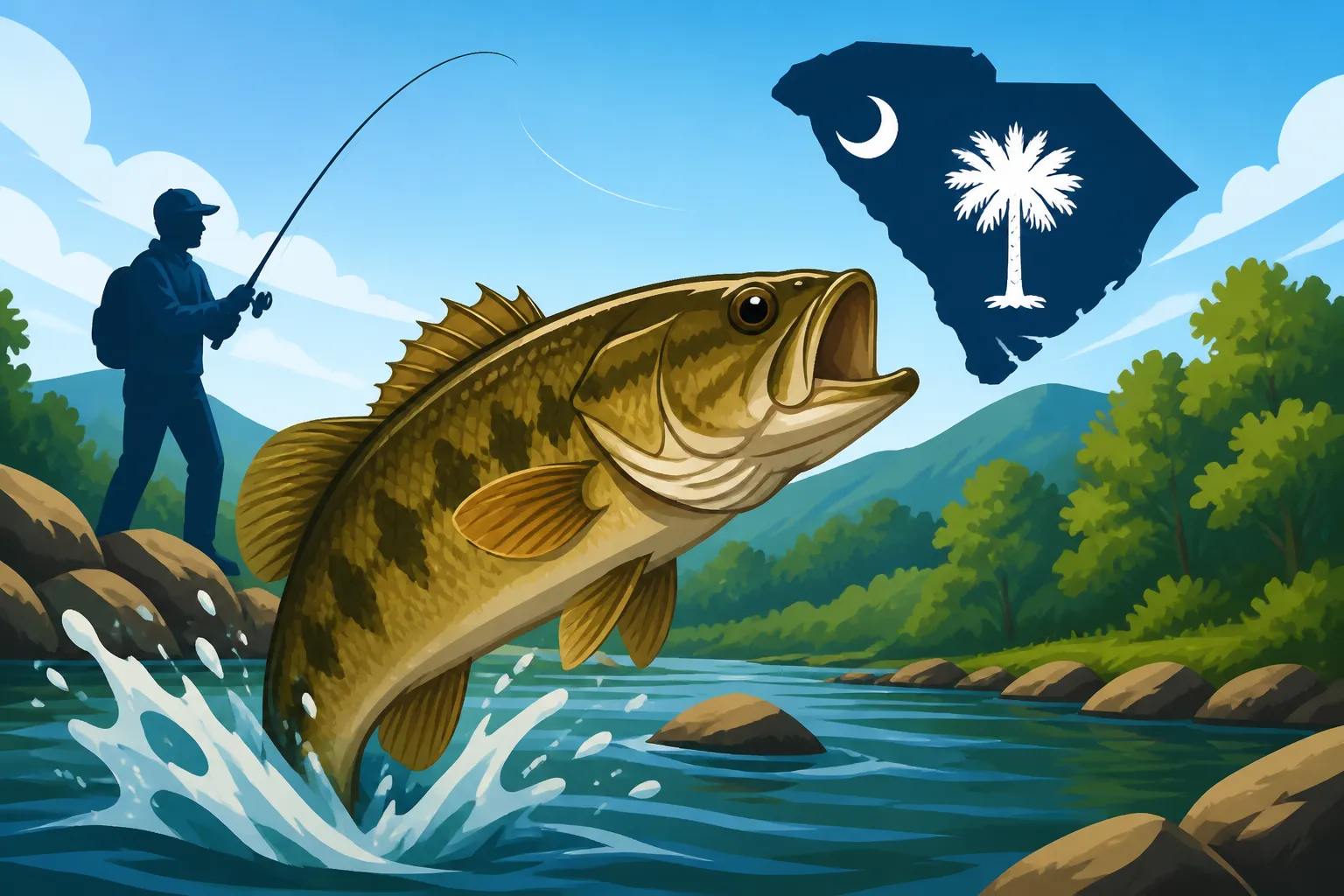
It's a common misconception that South Carolina is only good for largemouth bass or saltwater species. Many anglers, especially those who prefer the thrill of a fight from a bronzeback, often overlook the incredible smallmouth bass fishing opportunities nestled in the beautiful, flowing rivers of our Upstate. If you've ever felt a pang of disappointment thinking you had to travel far north for a shot at these feisty fish, you're in for a pleasant surprise. This guide is here to shed light on where to find South Carolina's smallmouth bass in its pristine rivers, what gear you'll need, and the best techniques to make your trip a success.
Understanding South Carolina's Smallmouth Landscape
When you think of South Carolina fishing, your mind likely jumps to the sprawling lakes of Santee Cooper or Lake Murray, or perhaps the coastal estuaries teeming with redfish. But for those willing to explore a bit, the Upstate region holds a secret: a vibrant, albeit more challenging, smallmouth bass fishery in its cool, rocky rivers. These aren't your typical lake bass; they're river fish, tough, cunning, and perfectly adapted to their flowing homes.
The Elusive Nature of Upstate Smallmouth
Unlike their largemouth cousins who love to ambush prey from thick cover in stagnant water, smallmouth bass thrive in clear, moving water. They prefer rocky bottoms, current breaks, and areas with swift flow, making them a true challenge to locate and entice. Many anglers get frustrated because they approach river smallmouth fishing with lake bass tactics, which simply won't work. These fish are constantly on the move, chasing baitfish and insects carried by the current. It requires a keen eye, a patient approach, and an understanding of river dynamics to consistently find them.
The smallmouth populations here are often naturally reproducing, which means they are highly sensitive to environmental changes. Water temperature, flow rate, and clarity can drastically impact their behavior. This makes every trip a unique puzzle, but that's precisely what draws many of us to this particular pursuit. There's a deep satisfaction in cracking the code of a river and landing one of these beautiful, hard-fighting fish. It's a different kind of angling, one that connects you intimately with the natural flow and rhythm of the environment.
Key Rivers and Their Unique Habitats
South Carolina's Upstate is blessed with several rivers that hold respectable populations of smallmouth bass. While we don't have the vast smallmouth rivers of states further north, what we do have offers unique charm and challenge. These rivers are often characterized by a mix of rapids, deep pools, and rocky runs, providing the perfect mosaic of habitats for smallmouth.
The Chattooga River, famous for its wild and scenic beauty, is a prime example. While often associated with trout, its lower sections and tributaries can hold good numbers of smallmouth, especially in areas with slower current and larger rocks. The Broad River, particularly its upper reaches before it widens, also provides excellent smallmouth habitat, with numerous shoals and current breaks. Other rivers like the Saluda (specifically the North and South Saluda) and parts of the Pacolet River system also offer opportunities, though they might require more diligent scouting. When considering where to go, remember that clarity and current are key indicators. Look for areas where the river slows slightly after a rapid or where large boulders create eddies and slack water. For more general advice on fishing these areas, check out Best River Fishing Spots in the South Carolina Upstate.
Essential Gear for Upstate Smallmouth Anglers
Going after river smallmouth isn't like fishing a farm pond. These fish are strong, the environments can be rugged, and you need gear that can stand up to the challenge. Don't skimp here; a broken rod or snapped line in a remote river can ruin your day faster than you can say "smallmouth."
Rods, Reels, and Line Choices
For river smallmouth, you want a setup that offers sensitivity, power, and durability. I generally recommend a medium-light to medium power spinning rod, around 6'6" to 7' in length. This length provides good casting distance in open river sections but is still maneuverable when you're wading through brush or tight spots. A fast action tip is crucial for detecting subtle bites in current and setting the hook quickly. My personal go-to is often a 6'8" medium-light spinning rod, which gives me enough backbone for larger fish but is still sensitive enough to feel a small jig tumble over rocks.
Pair that rod with a quality spinning reel in the 2000-3000 size range. You need a smooth drag system, because when a smallmouth hits in current, it's going to run hard. For line, I prefer a braided main line, typically 10-15 lb test. Braid offers incredible sensitivity and strength, which is vital for feeling those light bites and pulling fish out of rocky snags. However, braid is visible, so I always add a fluorocarbon leader, usually 6-10 lb test, about 2-4 feet long. Fluorocarbon is nearly invisible in water and more abrasion-resistant against rocks, which is a huge plus in river environments. You can find excellent braided line and fluorocarbon leaders on Amazon, often with great deals that make stocking up easier.
Lures and Baits That Get Bites
Smallmouth bass are opportunistic feeders, but in rivers, they often key in on crayfish, minnows, and aquatic insects. Your lure selection should mimic these natural food sources. Here's a rundown of my most reliable river smallmouth lures:
| Lure Type | Description | Best Conditions |
|---|---|---|
| Small Crankbaits | Shallow-diving crankbaits (1.5 to 3 inches) in crayfish patterns, browns, or natural baitfish colors. Look for ones that deflect off rocks without hanging up too much. | Riffles, rocky runs, targeting current breaks. Ideal for covering water and triggering reaction strikes. |
| Jigs | 1/8 to 1/4 oz football jigs or finesse jigs with small creature baits or grub trailers. Colors like green pumpkin, brown, or black and blue are excellent. | Deep pools, slower current, targeting specific structure like submerged logs or boulders. Excellent for a slower, more methodical approach. |
| Soft Plastics | Tubes (3-4 inches), grub tails, and small paddle tail swimbaits rigged on jig heads. Ned rigs with small worm imitations are also incredibly effective. | Versatile. Tubes are great for imitating crayfish dragged along the bottom. Grubs and swimbaits are good for imitating baitfish in current. Ned rigs shine in colder water or when fish are lethargic. |
| Topwater | Small poppers, walking baits, or prop baits (2-3 inches). | Early mornings, late evenings, or overcast days, especially in warmer months. Exciting strikes! |
| Spinners/Inline Spinbaits | Classic Mepps Aglia or Panther Martin spinners in sizes 1-3. | Covering water in moderate current, targeting fish actively feeding. Their flash and vibration can be irresistible. |
When you're packing your tackle box, make sure you have a good selection of these. I always keep a few small plastic organizers in my backpack, categorizing my lures, making it easy to swap them out quickly. Don't forget a few extra jig heads in various weights; river bottoms are notorious for snags, and you'll inevitably lose a few. You can often find multi-packs of these essential lures and jig heads on Amazon, which is a great way to build up your river smallmouth arsenal without breaking the bank. For tips on cold water bait, check out Best Bait for Smallmouth Bass in Cold Water.
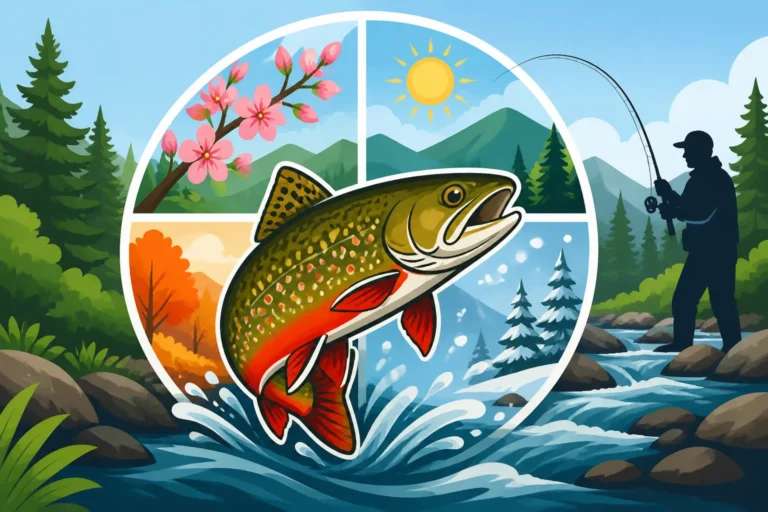
Seasonal Strategies for Smallmouth Success
Just like us, smallmouth bass change their behavior with the seasons. Understanding these shifts is paramount to consistent success on the river. What works in April might be completely ineffective in August.
Springtime Spawning and Pre-Spawn Tactics
Ah, spring! The air warms, the dogwoods bloom, and the rivers begin to stir with life. This is arguably one of the most exciting times to target smallmouth bass in South Carolina's Upstate rivers. As water temperatures climb into the 50s and 60s (Fahrenheit), smallmouth begin to move out of their deeper wintering holes and into shallower, rockier areas to feed aggressively in preparation for the spawn. This "pre-spawn" period is all about bulking up.
During pre-spawn, look for smallmouth staging in current breaks near potential spawning beds – typically gravelly or rocky flats in shallower water, often on the downstream side of islands or large boulders. Fast-moving lures like small crankbaits (think crawfish patterns!) and spinnerbaits can be incredibly effective now, as fish are actively chasing food. Once the water hits the mid-60s, the spawn truly begins. Smallmouth will build nests, usually in fairly shallow, protected areas with a gravel bottom. During the spawn, male smallmouth become very aggressive defending their nests. While you can catch them, it's generally best practice to minimize targeting them directly on beds to ensure successful reproduction. After the spawn, fish are often exhausted but quickly rebound, moving to slightly deeper, but still accessible, areas to recover and feed.
Summer Current and Structure Fishing
Summer in South Carolina can be brutal, but it doesn't mean you can't find smallmouth. In fact, river smallmouth often remain quite active if you know where to look. As water temperatures rise, oxygen levels can drop, and smallmouth will seek out cooler, more oxygenated water. This almost always means current. They'll position themselves in current seams, eddies behind large rocks, or in the faster-moving sections of riffles and rapids where baitfish are swept past.
Focus your efforts on areas with significant current and submerged structure. Deeper pools with large boulders or log jams can hold fish seeking refuge from the heat. Fishing early in the morning or late in the evening can also be more productive when water temperatures are at their lowest. Soft plastics, especially tubes and Ned rigs, worked slowly along the bottom in these current breaks are deadly. Small jigs tipped with a grub or a creature bait are also excellent choices for targeting fish holding tight to structure. Remember that river levels can fluctuate greatly during summer, especially after heavy rains, so always check conditions before you go. How to Fish Deep Structure for Bass in Summer has some excellent tips that can be adapted for river environments.
Fall Feeding Frenzies and Winter Slow-Downs
Fall is another fantastic time to fish for smallmouth in the Upstate rivers. As the days shorten and water temperatures begin to cool, smallmouth sense the approaching winter and embark on a serious feeding spree. They're trying to put on weight to sustain them through the colder months. This means aggressive strikes and often some of the biggest fish of the year.
During the fall, smallmouth will spread out across the river, chasing schools of baitfish in anticipation of cooler water. They'll be found in a variety of depths, from shallow flats to deeper pools, often relating to current and ambush points. Crankbaits, topwater lures (especially in early fall), and larger swimbaits can be highly effective for covering water and mimicking baitfish. As winter sets in, and water temperatures drop into the 40s, smallmouth become much more lethargic. They'll move to the deepest, slowest-moving holes in the river, often congregating in large numbers. This is when a slow, methodical approach with jigs, Ned rigs, or even live bait (where permitted) can pay off. The bites will be subtle, so extreme sensitivity in your rod and line is crucial. Patience is key for winter smallmouth. For a broader overview of seasonal changes, consult the South Carolina Freshwater Fishing Calendar.
Techniques for River Smallmouth
River fishing for smallmouth requires a different mindset and skillset than lake fishing. You're constantly dealing with current, varying depths, and often, rocky terrain. It's an active form of fishing that rewards persistence and adaptability.
Wading and Bank Fishing Strategies
Many of South Carolina's smallmouth rivers are perfectly suited for wading. This allows you to cover water quietly and present your lure to spots that might be inaccessible from the bank. When wading, safety is paramount. Always wear a good pair of wading boots with felt or studded soles for traction on slippery rocks. A wading staff can provide stability, especially in faster current. Always wade with a buddy, or at least let someone know where you're going and when you expect to return. The river bottom can change suddenly, and currents can be stronger than they appear.
As you wade, read the water. Look for current seams, eddy lines, and areas where the current slows behind large boulders or log jams. These are prime ambush points. Cast upstream and allow your lure to drift naturally with the current, retrieving just fast enough to impart action and maintain contact with the bottom. For jigs and soft plastics, a "drag and hop" retrieve works wonders, mimicking a crayfish scuttling along. For crankbaits, cast across current and retrieve, letting the lure "dig" into the bottom and deflect off rocks. Bank fishing is also viable in many spots, but it often limits your access to the most productive areas. Focus on stretches with good current access or deeper holes close to the bank. After heavy rains, river levels can rise and the water can become muddy, so adjusting your technique, perhaps using darker lures or those with more vibration, will be necessary. Bass Fishing Techniques for Muddy Water After Rain offers good advice for these situations.
Kayak and Small Boat Approaches
For those looking to cover more water or access deeper, less-wadeable sections of the rivers, a kayak or a small jon boat can be an invaluable tool. Kayaks are particularly popular for river fishing due to their maneuverability, stealth, and ability to navigate shallow rapids. They allow you to float downstream, stopping to fish promising spots more thoroughly.
When fishing from a kayak, positioning is key. Use your paddle or a stake-out pole to hold your position in a current seam, allowing you to cast to specific structure. This static position is often better than drifting aimlessly. Consider investing in a good fish finder, even a small portable one, to identify deeper holes and submerged structure. When moving downstream, practice good river etiquette, giving other anglers plenty of space. Look for sections of river that have boat ramps or public access points upstream and downstream, making it easy to put in and take out. Always wear your personal flotation device (PFD), even if you're a strong swimmer, as river conditions can be unpredictable. Many companies now make excellent fishing kayaks designed specifically for river use, often found through retailers or even on Amazon, complete with comfortable seats and ample storage for all your gear.
Conservation and Responsible Angling
The smallmouth bass fishery in South Carolina's Upstate rivers is a precious resource. It's often sustained by natural reproduction, making it particularly vulnerable to overfishing and habitat degradation. As anglers, we have a responsibility to protect these waters and fish for future generations.
Understanding Regulations and Limits
Before you even step foot in a river, make sure you understand the current South Carolina fishing regulations. This includes having a valid South Carolina Fishing License Guide, knowing the specific bag limits and size restrictions for smallmouth bass (if any, as regulations can vary by specific waterbody), and being aware of any gear restrictions. While many of South Carolina's Upstate rivers are primarily managed for trout, smallmouth bass will often share these waters, and it's essential to know if there are specific rules for either species in that particular stretch.
Regulations are put in place by the South Carolina Department of Natural Resources (SCDNR) to ensure the sustainability of our fisheries. Ignorance is not an excuse for violations, and wardens patrol these areas to ensure compliance. Always double-check the latest regulations on the SCDNR website before heading out. They can change, and you don't want a penalty for fishing without a license in South Carolina or for keeping an undersized fish. It's also wise to educate yourself on how to properly handle fish you intend to release, minimizing stress and injury.
Practicing Catch and Release for Future Generations
While it's perfectly legal to keep smallmouth bass within the established limits, many dedicated river smallmouth anglers choose to practice catch and release, especially for larger specimens. These larger fish are often the most productive spawners and play a vital role in the health of the population. If you do plan to keep a fish for the table, consider harvesting smaller, legal-sized fish and releasing the big ones.
When practicing catch and release, handle the fish as little as possible. Wet your hands before touching the fish to protect its slime coat. Use de-hooking tools if the fish has swallowed the hook, or simply cut the line as close to the hook as possible if it's too deep; hooks often rust out quickly. Support the fish horizontally, especially larger ones, to avoid damaging internal organs. Revive the fish in the water, facing it into the current, until it can swim away under its own power. The thrill of catching a smallmouth in an Upstate river is immense, but the satisfaction of knowing you've contributed to a healthy fishery for others to enjoy is even greater. Ultimately, if we want Does South Carolina Have Good Smallmouth Bass Fishing? to continue to be a "yes," then responsible angling is absolutely crucial.
Disclaimer
This article is for general informational purposes only and does not constitute professional advice. Laws, prices and regulations vary by location and change over time. Consult a qualified professional for guidance on your specific situation.