Murrells Inlet Inshore Fishing Charters
Oh, the allure of Murrells Inlet! If you're anything like me, the thought of casting a line into those rich, calm inshore waters is pure bliss. But let's be real, navigating the world of fishing charters can feel like trying to untangle a bird's nest of fishing line – confusing, frustrating, and you're never quite sure where to start. This guide is here to untangle all that for you, specifically focusing on Murrells Inlet inshore fishing charters, so you can confidently book your perfect Lowcountry angling adventure.
What Exactly is Inshore Fishing in Murrells Inlet?
When folks talk about fishing in Murrells Inlet, especially with a charter, "inshore" is a term you'll hear a lot. But what does it truly mean in this slice of South Carolina paradise? It's not just about being close to shore; it's about the unique environment, the type of fish you'll encounter, and the overall experience that sets it apart from heading miles out into the big blue ocean.
Defining the Inshore Waters
In Murrells Inlet, "inshore" refers to fishing within the protected waters of the inlet itself, the tidal creeks, estuaries, and the backwaters that are shielded from the direct force of the open Atlantic. Think of places like Oaks Creek, Murrells Inlet Creek, or the myriad of smaller, nameless channels that crisscross the marsh grass. These areas are characterized by their shallower depths, often ranging from just a few feet to perhaps 15-20 feet at high tide in the main channels. The water here is typically calmer than offshore, making it a fantastic option for those prone to seasickness or families with younger anglers. The ever-present tides play a huge role here, influencing everything from water depth to fish feeding patterns, so a local captain's knowledge is absolutely invaluable.
The beauty of these inshore waters is their incredible biodiversity. The marsh grass isn't just pretty scenery; it's a vital nursery and hunting ground for countless species. The murky, nutrient-rich water provides a perfect habitat, offering protection and ample food sources. You'll find a mix of fresh and saltwater here, a brackish blend that supports a unique ecosystem. This is where the magic happens – where redfish cruise the grass flats, speckled trout ambush baitfish, and flounder lie in wait on the sandy bottoms. It’s a completely different world from offshore, and often, a much more intimate fishing experience.
Common Inshore Target Species
So, what kind of finned friends can you expect to encounter on a Murrells Inlet inshore charter? The usual suspects are fantastic sportfish and equally delicious table fare.
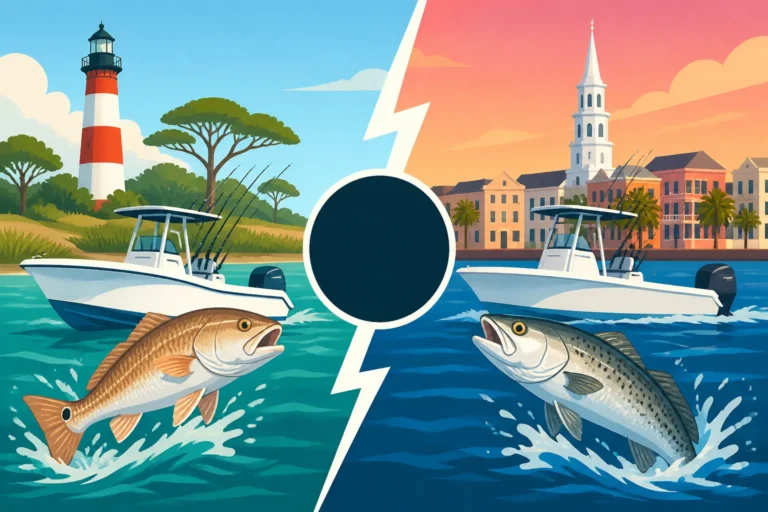
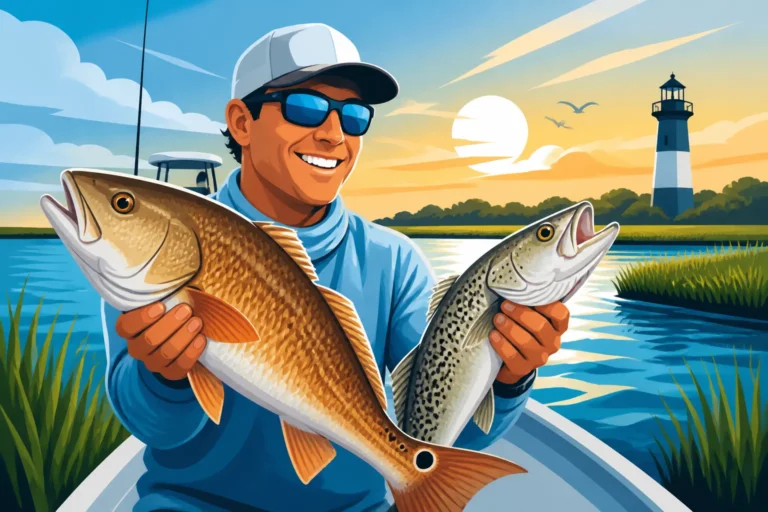
The absolute superstar of Murrells Inlet inshore fishing is undoubtedly the Redfish, also known as Red Drum or Spottail Bass. These bronze beauties are prized for their fighting spirit and their distinctive black spot (or spots!) near their tail. They love to patrol the oyster beds and grass flats, especially during flood tides when they can push up into incredibly shallow water to forage. Catching a "slot" redfish (which means it's within the legal size limit to keep) is a major goal for many anglers. If you're serious about targeting these guys, be sure to check out South Carolina Redfish Slot Limit Rules before your trip.
Next up, we have the elegant Spotted Seatrout, often affectionately called "specks." These sleek, silvery fish with their distinctive spots are another inshore favorite. They tend to hang out in deeper channels and around structures, ambushing baitfish. They put up a good fight on light tackle and are absolutely delicious. Just remember, these fish also have specific size and bag limits; you'll want to be familiar with South Carolina Spotted Seatrout Minimum Size 14 Inches.
And let's not forget the stealthy Flounder. These flatfish are masters of camouflage, burying themselves in the sand or mud, waiting to ambush unsuspecting prey. They require a bit more finesse to catch, often involving a slow drag of bait or a jig along the bottom. When you hook one, it feels like you've snagged a carpet! They're fantastic eating, and finding a good flounder hole is a badge of honor for any Murrells Inlet captain. You can learn more about them in Flounder Fishing Guide for South Carolina Anglers.
Beyond these top three, you might also hook into Black Drum (often found with redfish, but with chin barbels), various species of Sheepshead around pilings and oyster beds, or even a few stray Bluefish or Spanish Mackerel that venture into the inlet. It’s a diverse fishery, making every cast an exciting surprise!
Why Choose Murrells Inlet for Your Inshore Adventure?
Of all the fantastic coastal towns in South Carolina, why zero in on Murrells Inlet for your inshore fishing experience? Well, it's more than just a convenient location; it offers a unique combination of natural beauty, abundant fish, and a charming local atmosphere that makes for an unforgettable trip.
The Unique Ecosystem and Its Advantages
Murrells Inlet isn't just another body of water; it's a living, breathing estuary. This "seafood capital of South Carolina" boasts an incredibly rich and productive ecosystem. The expansive salt marshes, intricate networks of tidal creeks, and oyster beds create an ideal habitat for baitfish, shrimp, and crabs – the primary food sources for our target species. This means a healthy, thriving population of redfish, speckled trout, and flounder, year-round.
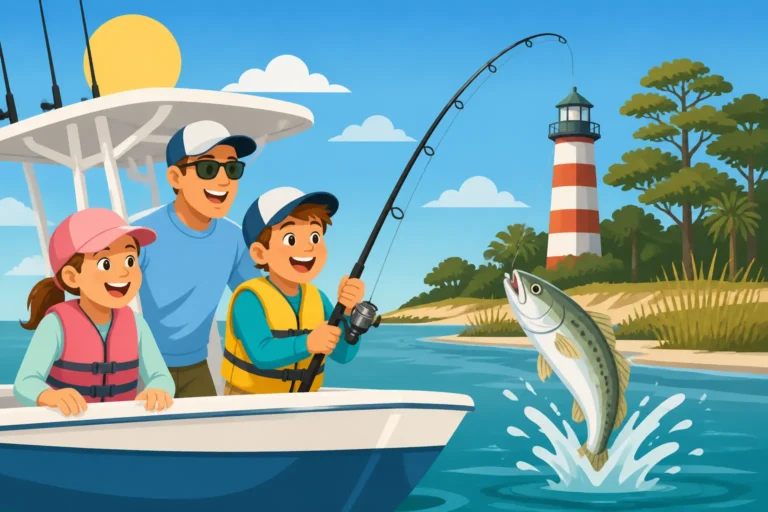
One of the biggest advantages of Murrells Inlet's geography is the protection it offers. Unlike the more exposed sounds or bays, the inlet's narrow entrance and winding channels naturally buffer it from the harsh conditions of the open ocean. This means that even on days when the offshore waters are too rough to fish, an inshore charter in Murrells Inlet can often still head out and find calm, fishable water. It's a huge bonus for those planning a trip, as it significantly increases your chances of getting out on the water, regardless of the forecast. Plus, the calm waters mean a smoother, more enjoyable ride, which is perfect for beginners, children, or anyone who prefers a gentle cruise to a bumpy ocean voyage. The sheer beauty of the marshlands, with egrets wading and dolphins playing, is an added bonus that truly enhances the fishing experience.
Beyond the Fishing: Murrells Inlet's Charm
Let's be honest, a fishing trip isn't just about the fish; it's about the whole experience. And Murrells Inlet delivers on all fronts. Known as a quaint fishing village with a distinct character, it offers so much more than just a boat ramp. The famous Murrells Inlet MarshWalk is a hub of activity, featuring a string of fantastic waterfront restaurants, many of which will cook your fresh catch for you! Imagine reeling in a beautiful redfish, then having a restaurant expertly prepare it for your dinner – it doesn't get much fresher than that.
The town itself maintains a laid-back, welcoming vibe, different from the bustling energy of some of the larger coastal cities. There are plenty of charming shops, art galleries, and opportunities to simply relax and soak in the Lowcountry atmosphere. It’s a place where you can genuinely unwind. Many families find Murrells Inlet perfect because there are activities for everyone, even for those who might not be holding a fishing rod the entire time. Whether it's enjoying live music on the MarshWalk, exploring Brookgreen Gardens nearby, or just watching the sunset over the marsh, the area truly rounds out a fishing vacation. This combination of stellar fishing and a delightful setting is a major reason why so many anglers return to Murrells Inlet year after year.
Types of Inshore Charters Available in Murrells Inlet
Once you’ve decided on Murrells Inlet, the next step is figuring out what kind of charter best suits your needs. It's not a one-size-fits-all situation, and understanding your options will help you have the most enjoyable and productive trip.
Half-Day vs. Full-Day Trips
One of the first decisions you'll make is the duration of your trip. Most Murrells Inlet inshore charters offer both half-day and full-day options, and each has its own set of pros and cons.
A half-day trip typically lasts around 4-5 hours. This is a fantastic choice for families with young children, beginners, or those who simply want a taste of the action without committing to a full day on the water. It’s often more budget-friendly and allows you to still have plenty of time to explore Murrells Inlet’s other attractions. The downside is that it might limit the captain's ability to move to different fishing spots, especially if the bite is slow in one area, or to wait out a changing tide for optimal fishing. You might not get to explore as much of the diverse Murrells Inlet backwaters. However, for a quick and fun outing, it's hard to beat.
Full-day trips, usually lasting 7-8 hours, offer a much more comprehensive fishing experience. This extra time allows your captain to target multiple species, venture further into the intricate creek systems, or chase the bite as the tides change throughout the day. It's ideal for more experienced anglers or groups truly dedicated to maximizing their fishing time and potentially bringing home a bigger haul. While it's a larger investment of both time and money, a full-day trip often leads to a more varied catch and a deeper understanding of the local fishery. It also provides a better chance to hit the prime feeding windows for different species. Considering the diverse options, comparing a Half-Day vs Full-Day Fishing Charters in South Carolina can help solidify your choice.
Here's a quick comparison to help you weigh your options:
| Feature | Half-Day Trip (approx. 4-5 hours) | Full-Day Trip (approx. 7-8 hours) |
|---|---|---|
| Duration | Shorter, more condensed | Longer, more comprehensive |
| Cost | Generally lower per trip | Higher per trip, but often better value per hour |
| Ideal For | Families with kids, beginners, those with limited time, budget-conscious | Experienced anglers, dedicated fishing groups, targeting multiple species |
| Flexibility | Less flexibility for moving spots or waiting on tides | More flexibility, multiple locations, varied techniques |
| Experience | Taste of Murrells Inlet inshore fishing | Deep dive into the Murrells Inlet ecosystem, higher catch potential |
| Fatigue Factor | Lower, easier for all ages | Higher, more physically demanding for some |
Private vs. Shared Charters
Another important consideration is whether you want a private boat for just your group or if you're open to sharing the experience with other anglers.
A private charter means you book the entire boat for your party, up to the maximum capacity allowed by the captain. This is by far the most popular option for inshore fishing in Murrells Inlet. It offers unparalleled flexibility, privacy, and a customized experience. You get to decide who's on the boat, what species you want to target (within reason and season), and the pace of the trip. The captain can cater specifically to your group's skill level and preferences, whether you want to focus on casting lures for redfish or soaking bait for a mixed bag. For families or groups of friends, this is often the most enjoyable way to go, allowing for inside jokes and a truly personal adventure.
Shared charters, sometimes called "head boats" or "open boat" trips, are less common for inshore fishing in Murrells Inlet but can occasionally be found. On these trips, you pay per person, and you'll be fishing alongside other individuals or small groups that you don't know. The main advantage here is the cost savings, as the expenses of the boat and captain are split among more people. However, you sacrifice flexibility and privacy. The captain will typically have a pre-determined plan for what to target and where to fish, aiming to please a diverse group. This can be a good option for solo anglers or couples on a tight budget who don't mind the company. When browsing platforms like FishingBooker, you'll primarily see private charter options for Murrells Inlet inshore trips, which reflects the preference for a more tailored experience in these waters.
Specialty Trips: Fly Fishing and Kayak Options
While most inshore charters focus on traditional spin or baitcasting, Murrells Inlet also offers some unique specialty experiences for the more adventurous or niche angler.
Fly fishing charters are a fantastic way to target redfish in the shallow grass flats and oyster beds. This highly visual and skill-based form of fishing requires a dedicated guide who understands the tides, movements of the fish, and can put you in position for a shot. It's incredibly rewarding to sight-cast a fly to a cruising redfish, watching it erupt on your offering. These trips are often more focused and might require some prior fly-casting experience, or at least a willingness to learn!
Kayak fishing charters are also becoming increasingly popular. These trips involve taking clients out on kayaks, often led by a guide, to access extremely shallow backwaters that larger boats can't reach. It's an incredibly intimate way to experience the marsh, allowing you to quietly stalk fish and connect with nature on a deeper level. While the charter might use a larger boat to transport the kayaks and gear to a launch point, the actual fishing is done from the kayak. Both fly fishing and kayak charters offer a more immersive and challenging experience, perfect for those looking to hone their skills or try something new. When researching, make sure to specify these preferences if they're what you're after.
What to Expect and What to Bring on an Inshore Charter
Heading out on an inshore fishing charter in Murrells Inlet should be a relaxing and enjoyable experience, but a little preparation goes a long way. Knowing what's provided and what you should bring will ensure you're comfortable and ready for action.
Gear, Bait, and Licenses: What's Provided?
This is where most of the heavy lifting is handled for you, which is one of the biggest perks of booking a charter! Almost universally, a reputable Murrells Inlet inshore charter will provide all the necessary fishing gear. This includes high-quality rods and reels, suited for the type of fish you'll be targeting (typically light to medium tackle for inshore species). They'll have a variety of lures, jigs, and hooks on board, and most importantly, plenty of fresh bait. Depending on the season and target species, this could mean live shrimp, mullet, mud minnows, or even cut bait like blue crab.
Perhaps the biggest relief for many anglers, especially out-of-state visitors, is that your fishing license is almost always covered by the charter captain. Reputable captains operate under a blanket charter license that covers everyone on board. This means you don't need to worry about purchasing your own individual South Carolina Fishing License Guide or navigating the Fishing License Requirements in South Carolina. However, it's always a good idea to confirm this detail when you book, just for peace of mind.
Beyond the fishing essentials, most charters will also have safety equipment onboard, including life jackets (especially for children), a first-aid kit, and communication devices. Some might offer a cooler with ice and bottled water, but don't count on a full catering service unless you've arranged something specific.
Essential Personal Items for a Comfortable Trip
While the charter provides the core fishing essentials, there are several personal items you'll want to bring along to ensure you're comfortable and protected during your time on the water. Think about sun protection above all else!
First, sunscreen is non-negotiable. The South Carolina sun, especially reflecting off the water, can be intense. Apply it liberally, even on cloudy days, and bring it along to reapply throughout the trip. A good pair of polarized sunglasses will not only protect your eyes but also help you spot fish or structure under the water, giving you an edge. A wide-brimmed hat or a cap provides crucial face and neck protection. Light-colored, long-sleeved shirts made of quick-drying, breathable material are also highly recommended to shield you from the sun.
Secondly, hydration is key. While some charters provide water, bringing your own reusable water bottle filled with water or your favorite non-alcoholic beverage is a smart move. A few snacks can also be a lifesaver, especially on longer trips – think trail mix, granola bars, or fruit.
Don't forget a camera or phone to capture those memorable moments, but make sure it's in a waterproof case or bag. A small cooler with ice for your personal drinks and snacks is also a good idea if the charter doesn't specifically state they provide one. And last but not least, comfortable, non-slip shoes are a must. Avoid flip-flops that can easily slip off or offer poor grip on a wet deck. You can get more comprehensive advice on What to Bring on a South Carolina Fishing Charter.
Choosing and Booking Your Ideal Murrells Inlet Inshore Charter
With so many options out there, how do you go about finding the perfect Murrells Inlet inshore fishing charter for your trip? It requires a bit of research, understanding pricing, and knowing how to navigate the booking process.
Researching Captains and Boats
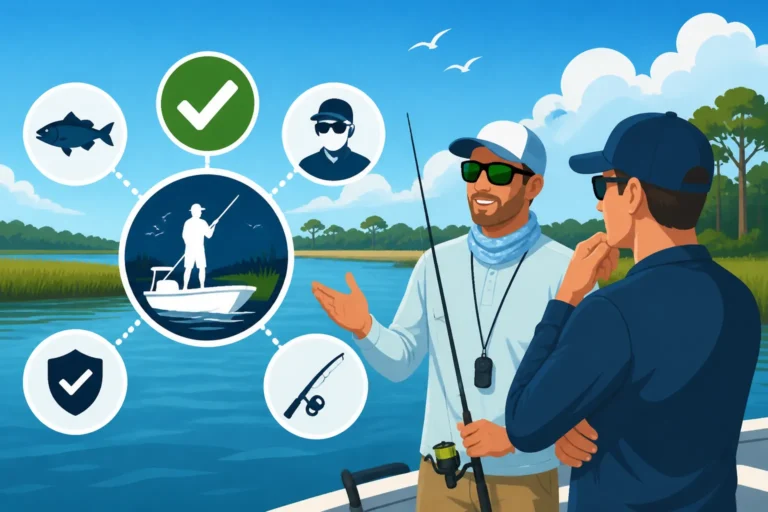
The captain is arguably the most important element of your charter experience. A good captain is not only skilled at finding fish but also patient, knowledgeable, safety-conscious, and has a personality that aligns with your group's vibe. Start your research by looking at online reviews on platforms like FishingBooker, Google, or social media. Pay attention to what past clients say about the captain's demeanor, their ability to put clients on fish, and the condition of their boat and gear. Look for consistent positive feedback.
Consider the type of boat as well. For Murrells Inlet inshore fishing, you'll typically find bay boats or center consoles ranging from 18 to 25 feet. These boats are designed for navigating shallow water and offer plenty of deck space for casting. Ensure the boat looks well-maintained and clean in photos. Don't hesitate to contact potential captains directly with any questions you might have. Ask about their experience in Murrells Inlet, what species they specialize in, and how they handle trips with children if you're bringing little ones. A good captain will be happy to chat and answer all your queries. A direct conversation can tell you a lot about their communication style and expertise.
Understanding Pricing and Inclusions
Charter prices in Murrells Inlet can vary significantly based on trip duration (half-day vs. full-day), boat size, and the captain's reputation. Generally, inshore charters are priced by the trip, not per person, up to a certain number of passengers (e.g., for 1-3 people, with an additional fee for more, up to the boat's maximum capacity).
When comparing prices, make sure you understand what's included. Most will cover rods, reels, bait, tackle, and the fishing license for everyone on board. However, confirm these specifics. What's often not included are things like food, drinks (beyond basic water), and gratuity for the captain and mate (if there is one). Fuel costs are almost always factored into the initial price for inshore trips, unlike some offshore charters that might add a fuel surcharge. Make sure there are no hidden fees. If you're using a platform like FishingBooker, the pricing structure is usually very clear, detailing what is and isn't included, which helps avoid surprises. Always double-check cancellation policies too, especially regarding weather, as Mother Nature can be unpredictable. You want to know if you can reschedule or get a refund if the captain deems the conditions unsafe. This is particularly important for your Booking Deposits and Cancellation Policies for South Carolina Charters.
The Booking Process: From Inquiry to Deposit
Once you've narrowed down your choices, the booking process is usually straightforward. Many captains have online booking systems directly on their websites or through platforms like FishingBooker. This often allows you to see their availability, select your preferred date and time, and instantly book.
Typically, a deposit (often 20-50% of the total trip cost) is required to secure your reservation. This deposit is usually non-refundable if you cancel within a certain timeframe (e.g., 7-14 days before the trip), but it should be fully refundable if the captain cancels due to unsafe weather conditions. Always read the cancellation policy carefully. After booking, you'll usually receive a confirmation email with all the details, including meeting instructions, contact information, and a reminder of what to bring. Don't hesitate to reach out to the captain a few days before your trip to confirm details and get a sense of the current fishing conditions. This also builds rapport and ensures everyone is on the same page for your Murrells Inlet inshore fishing adventure.
Maximizing Your Murrells Inlet Inshore Fishing Experience
So, you've booked your charter, packed your bags, and you're ready to hit the water. But how do you ensure you get the absolute most out of your Murrells Inlet inshore fishing trip? A little etiquette and understanding of what happens after the catch can make all the difference.
Tipping Etiquette for Your Captain and Crew
This is a question I get asked all the time, and it's super important to address. Tipping your fishing guide or captain is customary in the charter fishing industry, much like tipping a waiter or hairstylist. These professionals work incredibly hard, not just during your trip but also before and after – preparing the boat, cleaning, maintaining gear, and staying on top of fish patterns.
A general guideline for tipping a charter captain or guide in South Carolina is to offer 15-20% of the total trip cost. If there's a mate on board, the tip is typically split between the captain and the mate, or you can give it all to the captain, and they'll distribute it. If your captain went above and beyond, was incredibly patient with kids, or put you on the fish of a lifetime, a tip closer to 20% is certainly well-deserved. If the trip was just "okay," but they still provided all services professionally, 15% is appropriate.
It's usually best to present the tip in cash directly to the captain at the end of the trip, or if booking through a platform like FishingBooker, some may offer an option to add a gratuity during checkout. Never feel pressured, but always consider the effort and expertise that went into your day. It’s a genuine way to show your appreciation for their hard work and dedication to making your trip a success. You can dive deeper into this topic with Tipping Your South Carolina Fishing Guide.
Handling Your Catch: Keep, Release, and Fillet
One of the most exciting parts of fishing is, of course, the catch! But what happens once you land that beautiful redfish or speckled trout?
Many inshore species in Murrells Inlet have strict size and bag limits set by the state of South Carolina to ensure healthy fish populations. Your captain is an expert on these regulations, such as South Carolina Redfish Slot Limits and What You Can Keep on Charter Trips, and will ensure all fish caught are within legal limits before they go into the cooler. The choice between keeping your catch or releasing it is often up to you, within those legal parameters. Many anglers practice catch and release, especially for larger "bull" redfish or smaller fish that might be on the edge of the slot, to help conserve the fishery. If you do decide to keep fish, your captain will usually handle it for you, placing it on ice to keep it fresh for the ride back to the dock.
Upon returning to the dock, most Murrells Inlet inshore charter captains offer a fish cleaning and filleting service. This is usually included in the price of the trip, but again, it's worth confirming when you book. Your captain or mate will expertly clean your fish, package the fillets for you, and often even provide ice for your cooler to transport your delicious fresh catch home. There's nothing quite like enjoying a meal you caught yourself, and knowing it was handled properly from hook to plate makes it even better. If you’re staying in Murrells Inlet, as mentioned earlier, many local restaurants on the MarshWalk will even prepare your fresh catch for you, offering a truly unique "hook to table" dining experience. Just ask your captain for recommendations!
Disclaimer
This article is for general informational purposes only and does not constitute professional advice. Laws, prices and regulations vary by location and change over time. Consult a qualified professional for guidance on your specific situation.