Does a Hilton Head Charter Clean Your Fish for You?
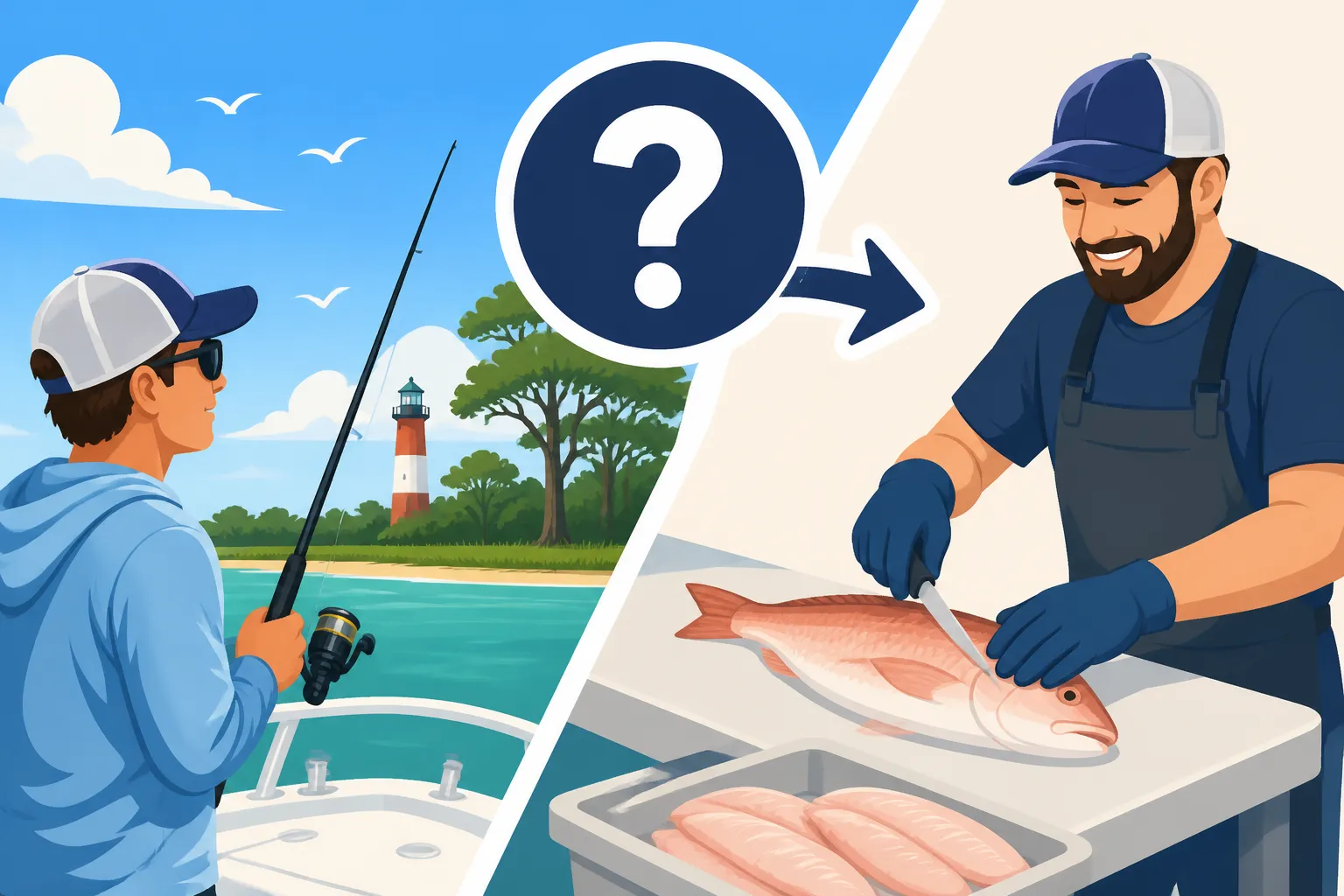
One of the most common questions and sometimes, sources of confusion, for folks booking a fishing charter, especially in a popular spot like Hilton Head, is what happens after the fish are caught. You've had an amazing day on the water, battled some incredible fish, and now you're back at the dock, tired but exhilarated. But then it hits you: who's going to clean all these fish? Do the charter captains and their crew automatically handle that, or is it something you need to factor into your post-trip plans? This guide aims to clear up those exact expectations, so you know exactly what to anticipate regarding fish cleaning services on your Hilton Head charter.
The Expectation vs. Reality of Fish Cleaning on Hilton Head Charters
It's easy to picture yourself stepping off the boat, fresh fillets in hand, ready for the grill. That's often the dream, right? But the reality of fish cleaning services on Hilton Head fishing charters can sometimes differ from what new anglers or visitors might expect. Understanding this upfront can save you a lot of hassle and ensure a smooth, enjoyable end to your fishing adventure.
What Anglers Often Assume
Many first-time charter guests, or those coming from different fishing cultures, naturally assume that fish cleaning is an integral part of the charter service. After all, the crew is there to help you catch fish, so wouldn't they also help prepare them for cooking? This assumption is perfectly understandable. You're paying for a guided experience, and in many service industries, the "end product" is part of the package. People often imagine a dedicated cleaning station at the dock where the crew swiftly processes the day's catch, presenting neatly bagged fillets ready for transport. This idea is fueled by shows and stories where the captain seems to do it all.
However, the world of charter fishing is incredibly diverse, and what's standard in one location or for one type of trip might not be in another. The specifics often depend on the individual charter operator, the duration of the trip, the species targeted, and local regulations. Without clarifying beforehand, it's easy to find yourself in an awkward situation at the dock, wondering what to do with a cooler full of whole fish.
The Standard Practice Among Hilton Head Charters
When it comes to Hilton Head fishing charters, the general practice for fish cleaning can vary, but there's a prevailing trend. Most reputable inshore and nearshore charters do offer to clean and bag your catch for you at the end of the trip. This is often seen as part of the full service, a way to ensure you have the best possible experience from start to finish. However, it's very important to understand that while they offer it, it's almost universally treated as an additional service for which a gratuity is expected. The crew, particularly the mate, often relies on these tips for fish cleaning as a significant part of their income. It’s an extra step that requires time, skill, and effort after a long day on the water.
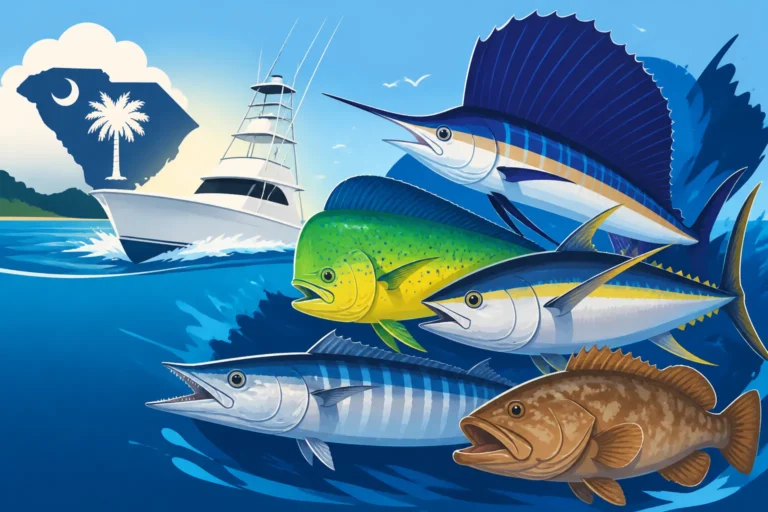
For offshore charters, especially those targeting larger game fish like tuna or wahoo, the situation might be a little different. While the crew will likely gaff and handle the fish on board, cleaning might be done back at the dock, or they might assist with basic preparation for transport, but the sheer size and number of fish can make a full cleaning quite an undertaking. Always clarify these details when you're looking into Hilton Head Island Fishing Charters, South Carolina.
It's not usually about the captain or crew being unwilling, but rather about the unspoken rules of the charter world regarding compensated services. Think of it like a waiter not charging for bringing your food but expecting a tip for their service. The actual cost of the charter typically covers the boat, fuel, gear, and the captain's expertise, but specific post-fishing services often fall into the gratuity category.
Factors Influencing Fish Cleaning Services
Understanding why fish cleaning policies vary can help you set realistic expectations and make informed decisions when booking your trip. There are several key elements that play a role in whether and how your catch will be cleaned.
Species and Regulations
The type of fish you catch has a huge impact on cleaning. Smaller, panfish like whiting or croaker are quick and easy to fillet. Larger species, like a big red drum or a sizable flounder, require more time, skill, and space. Some fish have complicated bone structures, while others are straightforward. Your charter crew will be experts in handling whatever you bring aboard.
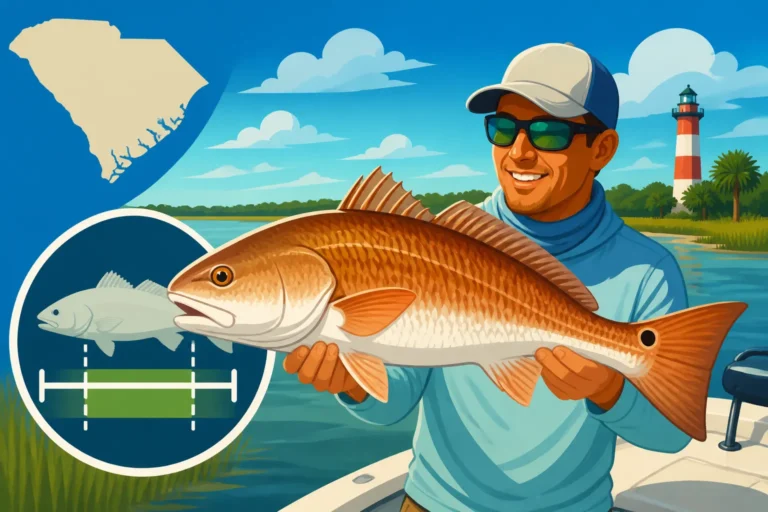
Beyond the practicalities, local fishing regulations also factor in. For instance, species like redfish often have strict slot limits. You can only keep fish within a certain size range. This means the crew needs to be diligent about measuring each fish, and sometimes, releasing those that don't meet the criteria. Knowing the Redfish Slot Limit on Hilton Head Charter Trips is crucial, and your captain will always adhere to these rules. Additionally, there might be regulations about whether certain species need to be kept whole until they are on shore, or if they can be filleted at sea. While uncommon for inshore species, it's a possibility for some offshore catches.
Some fish also have unique cleaning requirements, such as removing specific parts or bleeding them out immediately to preserve meat quality. A good crew will know all these nuances and handle them appropriately, but these extra steps also take time.
Trip Type and Duration
The length and type of your charter trip are also significant factors. A short, two-hour "kids' trip" might not involve much cleaning, as the focus is on getting young anglers some quick bites. A half-day inshore trip, which is often around 4 hours, typically yields a manageable amount of fish that the crew can clean efficiently. Most charters running these trips will expect to clean your fish for a tip.
However, a full-day offshore excursion, which can last 8 to 10 hours, might result in a very large haul of fish. Imagine a cooler brimming with mahi-mahi, wahoo, and tuna! Cleaning all of that can take a significant amount of time, sometimes an hour or more, after the boat is already docked and secured. This extra labor after an already long day is precisely why it's universally considered a service deserving of fair compensation through gratuity. The captain and crew have already put in a full day of work guiding you, navigating, and assisting with fishing, so adding fish processing on top of that is a substantial commitment.
Crew Gratuity and Extra Services
This is arguably the most important point to understand. Fish cleaning on almost all Hilton Head charters is considered an extra service that is typically covered by the crew's gratuity. When you're planning your budget for the trip, you should always factor in the expectation of tipping your captain and mate. While Is Tipping Required on a Hilton Head Fishing Charter? isn't a hard-and-fast rule in every sense, it is certainly customary, and cleaning your fish falls squarely into the realm of services that warrant a tip.
The standard recommendation for tipping fishing charter crews is usually around 15-20% of the total charter cost. If your crew goes above and beyond, providing exceptional service, locating fish, and then meticulously cleaning your entire catch, a more generous tip is always appreciated and well-deserved. Keep in mind that cleaning fish is often done by the mate, who is usually working for a smaller base pay and relies heavily on tips. This is their way of earning extra money for their hard work and dedication.
It's also worth noting that some charters might have a specific per-fish or per-pound rate for cleaning, especially if you have an exceptionally large catch or are on a boat where this isn't the primary expectation for tips. This is less common but still possible, so again, always ask ahead of time.
Preparing Your Catch for the Ride Home
Even if your charter does offer fish cleaning, there are still some things you can do to ensure your catch stays fresh and ready for the cooler, and sometimes, to make the cleaning process easier for the crew.
Basic Onboard Care
The moment a fish is brought onto the boat, its quality starts to degrade if not handled properly. A good crew will typically bleed the fish immediately. This process involves making a small cut to allow the blood to drain, which significantly improves the taste and texture of the meat by removing impurities. After bleeding, the fish should be placed on ice immediately. This is why having a well-stocked cooler with plenty of ice is critical on any charter. If your charter doesn't specifically mention ice, it's always a good idea to bring extra if you can, especially on hotter days.
Ensuring your fish are properly chilled throughout the trip is the best thing you can do to prepare them for cleaning and consumption. Nobody wants a beautiful catch to go to waste because it wasn't kept cold enough. Your captain and mate will usually manage this, moving fish into dedicated fish boxes filled with ice or your personal cooler. Remember to discuss What to Bring on a South Carolina Fishing Charter beforehand, and a good cooler is always high on that list.
What to Do If Cleaning Isn't Included
In the rare event that a charter specifically states they do not offer fish cleaning, or if you prefer to do it yourself, you need to have a plan.
First, ensure you have an adequate cooler for transporting whole fish. They take up much more space than fillets, so you might need a larger cooler than you initially anticipated. Pack plenty of ice, both to keep the fish cold and to ensure there’s enough meltwater to keep them submerged, which helps with preservation.
Secondly, research local fish cleaning stations or services. Some marinas have public cleaning tables, and occasionally, a local seafood market might offer cleaning for a fee. If you’re staying at a rental property, check if they have outdoor sinks or cleaning areas. It's not the most glamorous end to a fishing trip, but having a plan B means you won't be scrambling at the last minute. The worst thing is to be stuck with a cooler full of fish and nowhere to process them.
Asking the Right Questions Before You Book
The absolute best way to avoid any surprises regarding fish cleaning is to simply ask! Don't be shy; reputable charter operators welcome questions because they want you to have a great experience.
Key Questions to Clarify
When you're calling around, sending emails, or looking at booking platforms like FishingBooker, make sure these questions are on your list:
- "Do you offer fish cleaning services after the trip?" This is your foundational question.
- "Is there an additional charge for cleaning the fish, or is it covered by gratuity?" This helps clarify the financial expectation.
- "What's the typical amount of time it takes to clean the catch from a trip like mine?" This helps you plan your departure from the dock.
- "What should I bring to transport the cleaned fish?" They might recommend specific types of bags or coolers.
- "Are there any regulations about filleting certain species that I should know about?" This shows you're a conscientious angler.
Getting these answers upfront will allow you to relax and enjoy your time on the water, knowing exactly what to expect when you return to shore. It also gives you a chance to compare services between different charters if this is a high priority for you. A clear understanding avoids any potential awkwardness or disappointment later on.
Using Booking Platforms Like FishingBooker for Clarity
Online booking platforms like FishingBooker can be incredibly helpful resources for getting these questions answered. Many charter listings on FishingBooker will have detailed descriptions of what's included in the trip, such as fishing gear, bait, and often, whether fish cleaning is offered. Look for sections on "Amenities" or "What's Included."
If the information isn't explicitly stated on the FishingBooker listing, most platforms provide a way to directly message the captain or guide before booking. This is the perfect opportunity to ask your specific questions about fish cleaning, Does a Hilton Head Charter Include Fishing Gear?, and anything else that's on your mind. You can also read reviews from past customers on sites like FishingBooker, as they often mention whether the crew was helpful with cleaning the catch. This real-world feedback can give you a strong indication of what to expect.
By taking a few moments to clarify these details, you'll ensure your Hilton Head fishing charter experience is nothing short of fantastic, from the first cast to the last fillet. Remember, open communication with your captain or guide is always the best policy. Understanding the nuances of services and gratuity will contribute to a smoother and more enjoyable trip for everyone involved. Planning ahead will let you focus on what really matters: reeling in those fantastic South Carolina fish!
| Charter Type | Typical Fish Cleaning Policy | Common Expectations |
|---|---|---|
| Inshore (Half-Day) | Offered by most crews, often as part of expected gratuity. | Fish cleaned and bagged. Tip expected for service. |
| Inshore (Full-Day) | Offered by most crews, may take longer for larger hauls. | Fish cleaned and bagged. Generous tip expected, reflecting the extra labor. |
| Nearshore (Half/Full) | Generally offered, especially for common eating fish. | Similar to inshore; tip for cleaning service. |
| Offshore (Full-Day) | Often offered, but for very large or numerous fish, may be more basic or take significant time. | Crew will likely assist with bleeding/icing. Full filleting usually for a good tip, may vary based on catch size. |
| Kids'/Short Trips | May offer basic cleaning for a few fish; focus is on the experience. | Simple cleaning for small catches. Tip still appreciated. |
Disclaimer
This article is for general informational purposes only and does not constitute professional advice. Laws, prices and regulations vary by location and change over time. Consult a qualified professional for guidance on your specific situation.