Mount Pleasant Guided Fishing Trips
Heading out to fish in Mount Pleasant can feel like stepping into a labyrinth of tidal creeks, expansive marshes, and open waters. For many of us, the sheer amount of options – from what species are biting to where the secret spots are – can be overwhelming. This comprehensive guide is here to demystify Mount Pleasant guided fishing trips, helping you understand what they offer, how to choose the right one, and what to expect for an unforgettable Lowcountry angling adventure.
Why Consider a Guided Fishing Trip in Mount Pleasant?
When you look at the intricate network of estuaries, inlets, and rivers around Mount Pleasant, it quickly becomes clear why local knowledge is king. Fishing here isn't just about dropping a line; it's about understanding tides, knowing where the baitfish are congregating, and having a feel for the subtle changes in the environment. A guided trip offers a shortcut to success and an unparalleled learning experience.
Leveraging Local Expertise
One of the biggest advantages of booking a guided trip is tapping into the guide's deep understanding of the local waters. These captains spend countless hours on the water, observing patterns, tracking fish movements, and noting changes in the ecosystem. They know the oyster beds where redfish like to cruise, the deeper channels where trout hold up, and the specific tide stages that trigger a bite.
Imagine trying to navigate the vast marshlands of Copahee Sound or the intricate creeks near Isle of Palms for the first time. Without a guide, you could spend an entire day searching for fish, perhaps even running aground. A local guide takes all the guesswork out of it, putting you directly on productive spots based on current conditions. This means more time fishing and less time frustrated. They also adhere strictly to local regulations, like the South Carolina Redfish Slot Limit Rules, ensuring you're fishing legally and sustainably.
Access to Specialized Gear and Boats
Let's be honest, not everyone has a fully rigged shallow-water skiff or all the specialized rods and reels needed for inshore saltwater fishing. Guided trips provide all the necessary equipment, from high-quality rods and reels to a cooler stocked with ice and water. This is a huge relief for visitors who might be flying in and can't bring their own gear, or for beginners who aren't ready to invest in expensive tackle.
The boats used by Mount Pleasant guides are typically custom-built for the local conditions, designed to navigate shallow marsh flats or handle the chop of the harbor. They're equipped with reliable motors, shallow-water anchors, and often advanced electronics that help locate fish and navigate safely. This means you're fishing from a comfortable, safe, and effective platform, optimizing your chances for a great day on the water.
A Focus on Learning and Enjoyment
Beyond just catching fish, a good guide acts as a teacher, sharing valuable insights into casting techniques, knot tying, bait presentation, and fish behavior. Whether you're a seasoned angler looking to refine your skills or a complete novice, there's always something new to learn. Many guides genuinely love sharing their passion, making the trip an educational and highly enjoyable experience.
For families, especially those with young anglers, guided trips are fantastic. The guide handles all the logistics, baiting hooks, untangling lines, and helping kids reel in their catches, allowing parents to relax and enjoy the moment. It takes the pressure off, ensuring everyone has a positive and memorable time on the water, which is what fishing is really all about.
Types of Guided Fishing Trips Available in Mount Pleasant
The fishing opportunities around Mount Pleasant are incredibly diverse, leading to a variety of guided trip options tailored to different preferences and target species. From shallow water sight fishing to chasing bigger game slightly offshore, there's a trip for every angler.
Inshore Marsh and Creek Fishing
This is arguably the most popular type of guided trip in Mount Pleasant, and for good reason. The vast marsh systems and intricate creek networks of the Lowcountry are teeming with popular sportfish like redfish (also known as spottail bass or red drum), spotted seatrout, and flounder. These trips often involve navigating skinny water in a shallow-draft boat, sometimes poling or using a trolling motor to approach fish quietly.
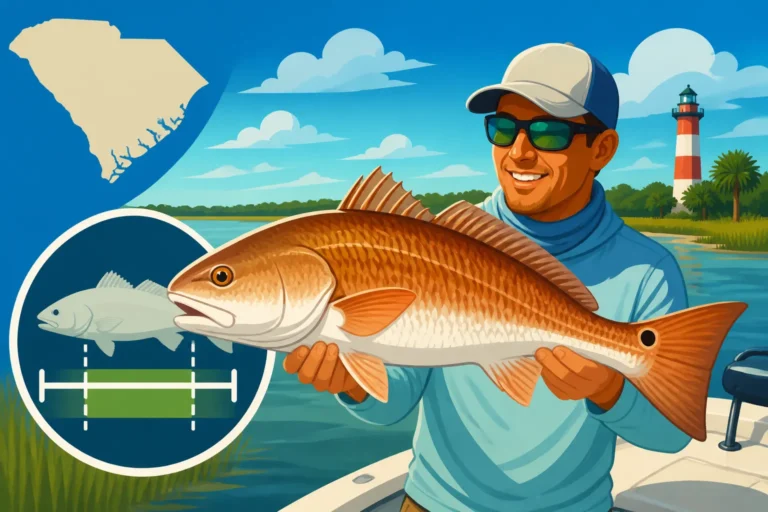
Guides specializing in inshore fishing are experts at reading the tides and finding fish hiding in the grass, cruising oyster rakes, or holding in deeper creek bends. You might be casting live bait, artificial lures, or even fly fishing, depending on the conditions and your preference. It's a very visual and active style of fishing, offering thrilling sight-fishing opportunities when the conditions are right, particularly for tailing redfish on flood tides. Many guides in the area also specialize in helping anglers understand the South Carolina Redfish Slot Limit 18 to 25 Inches to ensure legal catches.
Nearshore and Inlet Fishing
For those looking to venture just beyond the calmer inshore waters, nearshore trips offer access to a different array of species without going too far offshore. These trips typically focus on the jetties, nearshore reefs, and deeper channels around the inlets like Breach Inlet or Charleston Harbor. Here, you might target larger redfish, bull drum, sheepshead, spadefish, and even sharks.
The techniques for nearshore fishing often involve bottom fishing with cut bait or live bait, jigging, or slow-trolling. The boats used for these trips are generally a bit larger and more robust than pure shallow-water skiffs, designed to handle slightly choppier conditions. Nearshore trips are a fantastic option if you want to experience a broader range of species and potentially larger fish, but still want to stay within sight of land. You can find excellent guides for these types of trips by searching on platforms like FishingBooker, which allows you to filter by location and trip type.
Specialty and Seasonal Trips
Mount Pleasant also offers a variety of specialty trips that capitalize on seasonal movements or unique fishing opportunities. For example, during the warmer months, you might find guides offering shark fishing charters, often targeting blacktip, spinner, or bonnethead sharks. These trips are incredibly exciting, especially for kids, with big fights and plenty of action.
Another popular seasonal target is tarpon. While not as numerous as in Florida, large "silver kings" do migrate along the South Carolina coast in late summer and early fall, offering a challenging and rewarding trophy fishing experience. Some guides also focus specifically on fly fishing for redfish or offer night fishing trips for spotted seatrout when they're feeding under the moon. These specialized trips often require specific timing and techniques, making a knowledgeable guide absolutely essential for success.
What to Expect on a Mount Pleasant Guided Trip
Booking a guided fishing trip is an investment in an experience, and knowing what to expect can help you make the most of it. From preparing for your trip to understanding what's typically included, a little foresight goes a long way.
Preparing for Your Trip
Once you've booked your trip, your guide will likely provide specific instructions on what to bring. Generally, essentials include appropriate clothing for the weather (layers are always good in South Carolina, even on sunny days), non-marking shoes, polarized sunglasses (crucial for spotting fish in clear water), a hat, sunscreen, and any personal snacks or drinks beyond what the guide provides. Don't forget your camera to capture those memorable moments!
It's also a good idea to communicate with your guide before the trip about your experience level and what you hope to catch. Are you looking for a trophy redfish? Do you want to learn specific techniques? Or are you just hoping for a fun day reeling in anything that bites with the family? Being clear about your expectations helps the guide tailor the trip to your preferences, ensuring a more satisfying experience.
What's Typically Included
Most reputable Mount Pleasant fishing guides include a substantial package in their trip price, taking the hassle out of many logistical concerns. You can almost always expect the fishing license to be covered by the charter, meaning you don't need to purchase a separate South Carolina Fishing License Guide for yourself for the duration of the trip. This is a huge convenience!
Beyond the license, quality rods, reels, and tackle are standard. Many guides will also provide all the necessary bait, whether it's live shrimp, mud minnows, mullet, or various artificial lures. Coolers with ice and bottled water are also commonly supplied. Some guides even offer cleaning and filleting services for your catch at the end of the trip, so you can take home fresh fish ready for the pan. Always confirm these details when booking, especially if you have specific needs or preferences.
A Typical Day on the Water
Your fishing day usually starts early, often just after sunrise, to take advantage of cooler temperatures and active fish. You'll meet your guide at a designated boat ramp or marina in Mount Pleasant, perhaps Shem Creek or another local launch point. After a quick safety briefing and discussion of the day's plan, you'll head out to the fishing grounds.
Once at the spot, your guide will instruct you on casting, baiting, and retrieval techniques. They'll be constantly on the lookout for signs of fish, whether it's bait getting busted, birds diving, or actual fish sightings. They'll help you land fish, offer tips, and move to new spots if the bite slows down. Lunch is typically enjoyed on the water, often a simple sandwich or snack break. The trip concludes back at the dock, where your guide will help you offload gear and, if applicable, clean your catch. It's a full experience designed for maximum enjoyment.
Choosing the Right Guide and Trip for You
With so many excellent fishing guides operating out of Mount Pleasant, deciding which one to choose can feel like a daunting task. However, by considering a few key factors, you can narrow down your options and find the perfect fit for your angling adventure.
Researching Guides and Their Specialties
Start by identifying what kind of fishing experience you're looking for. Are you keen on sight fishing for redfish on the flats? Do you want to try your hand at fly fishing? Or are you planning a family trip with young kids where catching lots of smaller fish is the priority? Different guides often specialize in certain species, techniques, or types of trips. Look for guides whose passion aligns with your goals.
Online platforms like FishingBooker are excellent resources for this research. You can browse various Mount Pleasant guides, see their available trips, read detailed descriptions of their specialties, and view photos of their boats and past catches. Most importantly, pay close attention to customer reviews. These provide invaluable insights into a guide's personality, professionalism, teaching style, and success rates. A guide who receives consistent praise for patience with kids or expertise in a specific technique is likely a solid choice. Many guides operating in the area also run Mount Pleasant Redfish and Trout Fishing Spots trips frequently.
Asking the Right Questions Before Booking
Don't hesitate to reach out to potential guides directly with any questions you have. This initial conversation is a great way to gauge their personality and ensure you feel comfortable with them. Here are some questions you might consider asking:
- What species are biting right now, and what are our chances of catching them? A good guide will be realistic and honest about current conditions.
- What is your experience level and local knowledge? Look for guides with years of experience in the Mount Pleasant waters.
- What type of boat and gear do you use? Ensure it matches the type of fishing you want to do and that it looks well-maintained.
- What exactly is included in the price? Confirm licenses, bait, tackle, drinks, and fish cleaning.
- What is your cancellation policy? Especially important for weather-related cancellations.
- Do you welcome children or beginners? If you're bringing family, this is crucial.
- How long have you been operating charters in the Mount Pleasant area? Longevity often signals a deep understanding of local waters.
| Trip Type | Duration | Target Species (Typical) | Best For | General Experience Level |
|---|---|---|---|---|
| Half-Day Inshore | 4-5 hours | Redfish, Spotted Seatrout, Flounder | Beginners, families, quick trips | Beginner to Intermediate |
| Full-Day Inshore | 7-8 hours | Redfish, Spotted Seatrout, Flounder | Serious anglers, learning techniques | Intermediate to Advanced |
| Nearshore / Inlet | 5-6 hours | Larger Redfish, Sheepshead, Sharks | Variety of species, slightly larger fish | Intermediate |
| Fly Fishing (Specialty) | 4-6 hours | Redfish, Spotted Seatrout | Fly anglers, challenging experience | Intermediate to Advanced |
Considering Group Size and Budget
Guided trips can vary significantly in price based on duration, boat size, and the number of anglers. Half-day trips are generally more budget-friendly and great for beginners or families with shorter attention spans. Full-day trips offer more time on the water and usually cover more ground, increasing your chances for a wider variety of catches or targeting specific species.
If you're fishing with a larger group, some guides have bigger boats that can accommodate more people, while others specialize in smaller, more intimate trips for 1-2 anglers. Discuss your group size and budget upfront to find a guide who can comfortably and affordably accommodate everyone. Remember, a cheaper trip isn't always the best value if the guide or boat isn't up to par, but Mount Pleasant boasts many excellent guides across a range of price points. For comparable options nearby, you might also look into Charleston Harbor Inshore Fishing Trips.
Common Fish Species Targeted in Mount Pleasant
The waters surrounding Mount Pleasant are incredibly rich, offering anglers a chance to catch a variety of popular saltwater species. Understanding what you might target can help you choose the right guide and trip type.
Redfish (Red Drum)
Redfish are undoubtedly the most iconic inshore game fish in the Mount Pleasant area. Known for their striking copper coloration and powerful fight, they thrive in the shallow marsh creeks, oyster beds, and grass flats. Anglers often pursue them by sight casting with artificial lures or fly patterns to "tailing" fish (redfish with their tails sticking out of the water as they feed on the bottom).
Guides often target redfish year-round, but specific techniques vary with the seasons. In cooler months, redfish tend to school up in deeper holes, while in warmer weather, they scatter across the flats. The thrill of watching a redfish engulf your bait or lure in mere inches of water is an experience few anglers forget. Remember that South Carolina Redfish Vessel Limit Explained rules apply, so always be mindful of current regulations.
Spotted Seatrout (Speckled Trout)
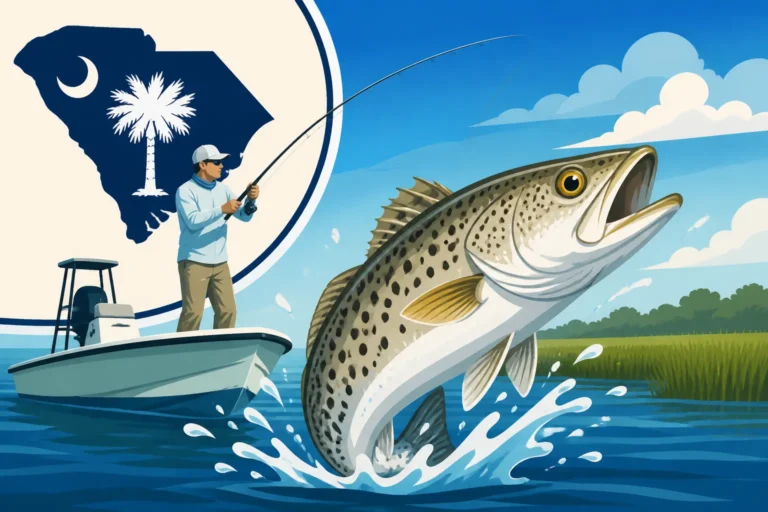
Spotted seatrout are another highly sought-after inshore species, prized for their delicious table fare and aggressive strikes. They prefer grass beds, oyster reefs, and channel edges, often ambushing baitfish from cover. Trout fishing is typically done with soft plastic jigs, topwater lures, or live shrimp fished under a popping cork.
While present year-round, spotted seatrout fishing can be particularly good in the cooler months, as they school up in specific areas. During the warmer seasons, they are more scattered but can still be found throughout the estuaries. Guides are adept at finding the "sweet spots" where trout are actively feeding, and understanding Spotted Seatrout Size and Bag Limits in South Carolina is key to a successful and legal outing.
Flounder (Southern Flounder)
Flounder are masters of camouflage, lying in wait on the bottom to ambush passing bait. They are a highly regarded food fish, and catching them often requires a more patient approach. These flatfish can be found around docks, jetties, oyster beds, and sandy bottoms near inlets.
The most common technique for catching flounder is bottom fishing with live bait like mud minnows or finger mullet, or slowly dragging a soft plastic jig along the bottom. Mount Pleasant guides know the specific structure and current patterns where flounder like to hide. While the season for flounder can have stricter regulations, a good guide will keep you informed on Flounder Fishing Guide for South Carolina Anglers and ensure you're fishing within legal limits.
Other Potential Catches
Beyond the "Big Three" inshore species, a Mount Pleasant guided trip can yield a variety of other exciting catches. Depending on the trip type and season, you might encounter:
- Sheepshead: Known as "convict fish" for their black and white stripes, sheepshead have human-like teeth used to crush shellfish. They are challenging to catch and excellent eating.
- Black Drum: Cousins to the redfish, black drum can grow to impressive sizes and are often caught in similar habitats, especially around oyster beds.
- Spanish Mackerel and Bluefish: These fast-moving, aggressive fish can be caught nearshore, especially during warmer months, providing exciting action with their strong runs.
- Various Panfish: In some calmer backwater creeks, you might even encounter smaller species like spot or croaker, which can provide continuous action for kids and beginners.
Your guide will always have the most up-to-date information on what's biting best, ensuring your trip targets the most productive opportunities available.
Cost Considerations for Guided Fishing Trips
Understanding the financial aspects of a guided fishing trip in Mount Pleasant is crucial for planning your adventure. While specific figures are always subject to change and vary by guide, we can certainly discuss the structure of these costs and what goes into them.
Factors Influencing Trip Prices
The price of a guided fishing trip isn't just a random number; it reflects several operational costs and the value of the guide's expertise. The most significant factors typically include:
- Trip Duration: As you'd expect, longer trips (full-day vs. half-day) naturally command a higher price because they involve more of the guide's time, more fuel, and more bait.
- Number of Anglers: Most prices are based on a set number of anglers (often 1 or 2), with an additional charge for each extra person up to the boat's capacity. This covers additional bait, tackle wear and tear, and the guide's increased workload.
- Type of Fishing: Specialized trips, such as fly fishing charters or offshore excursions for pelagic species, may cost more due to specialized gear, longer travel distances, or higher fuel consumption.
- Boat and Equipment: High-quality, well-maintained boats and top-of-the-line rods and reels are investments for guides, and these costs are factored into trip pricing.
- Guide's Experience and Reputation: Highly sought-after guides with years of proven success and excellent customer reviews may command a premium for their services, reflecting their invaluable knowledge and skill.
Always remember to check a guide's current pricing on their website or on booking platforms like FishingBooker, as these figures can fluctuate with the market, fuel costs, and demand.
Understanding Gratuities and Tipping Etiquette
Just like in other service industries, tipping your fishing guide is customary and highly appreciated in the charter fishing world. A gratuity reflects your satisfaction with the guide's efforts, knowledge, and the overall experience. It's an important part of their income, as they often work long hours and shoulder significant operating expenses.
A general guideline for tipping a fishing guide is typically 15-20% of the total trip cost. If your guide went above and beyond, was exceptionally helpful, patient, and put you on fish, consider tipping at the higher end of that range. Conversely, if the experience fell short (through no fault of your own, as fishing success can never be guaranteed), you might adjust accordingly. Always bring cash for tipping, as it's the easiest and most direct way to show your appreciation at the end of the trip. Never assume a tip is included in the base price; if it is, the guide will explicitly state it.
Comparing Value vs. Cost
When comparing guided fishing trips, it's easy to focus solely on the sticker price. However, it's more beneficial to think about value. A slightly more expensive trip with a highly experienced guide who includes everything (license, premium tackle, plenty of bait, fish cleaning, and a great attitude) might offer far better value than a cheaper trip where you have to buy your own license, bring all your gear, and deal with a less engaged captain.
Consider what matters most to you: guaranteed catches (which no one can truly guarantee!), learning new techniques, a family-friendly atmosphere, or targeting a specific trophy fish. Read reviews, ask plenty of questions, and weigh all these factors against the cost. Investing in a quality Mount Pleasant guided fishing trip is about buying an experience, creating memories, and learning about the Lowcountry's incredible fishery.
Disclaimer
This article is for general informational purposes only and does not constitute professional advice. Laws, prices and regulations vary by location and change over time. Consult a qualified professional for guidance on your specific situation.