Mount Pleasant Redfish and Trout Fishing Spots
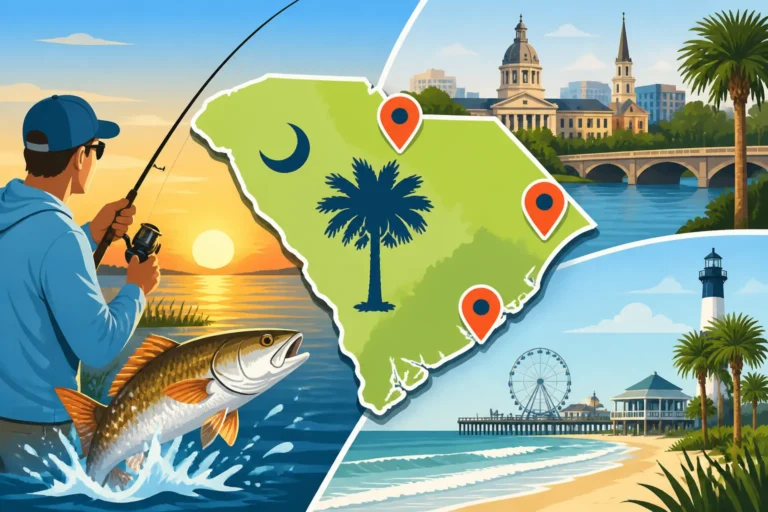
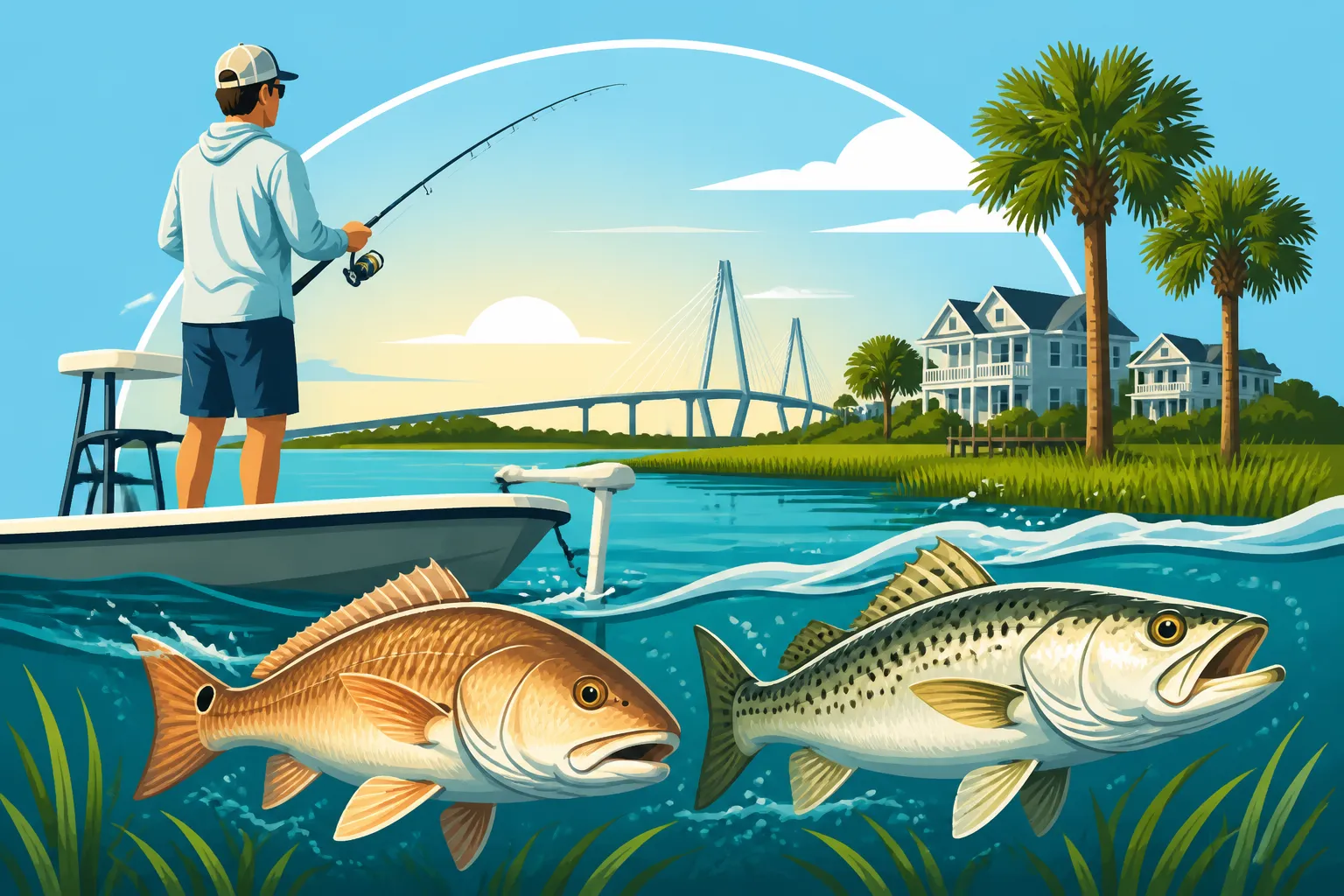
Finding those sweet spots for Redfish and Spotted Seatrout in a bustling area like Mount Pleasant can sometimes feel like searching for a needle in a haystack, especially with all the winding creeks, sprawling marshes, and ever-changing tides. It's a common frustration to drive by endless waterways and wonder where the fish are hiding or which tide is best. But don't you worry, this comprehensive guide is here to unravel the mysteries of Mount Pleasant's inshore fishery, pointing you directly to the prime locations where these beloved Lowcountry species love to hang out.
Understanding Mount Pleasant's Unique Estuary System
Mount Pleasant isn't just a picturesque coastal town; it's a vibrant mosaic of tidal creeks, expansive marsh flats, and a confluence of rivers that create a remarkably fertile fishing ground. Understanding the intricate dance of its waterways is absolutely crucial for any angler hoping to consistently land Redfish and Spotted Seatrout. This isn't your average lake fishing; it's a dynamic, ever-changing environment where local knowledge truly makes all the difference.
The Lowcountry Estuary System
The Lowcountry estuary system around Mount Pleasant is a complex web of interconnected waterways, primarily influenced by the Charleston Harbor, the Wando River, and numerous smaller creeks and inlets. These estuaries are characterized by brackish water—a mix of freshwater runoff from inland and saltwater from the Atlantic Ocean—which creates a rich, nutrient-dense environment perfect for a diverse array of marine life. It's this unique blend that makes it such an attractive habitat for species like Redfish and Spotted Seatrout, offering them ample food, protection, and spawning grounds.
Think of it like this: the marshes act as a giant nursery, teeming with fiddler crabs, shrimp, and smaller baitfish that these predatory species love to feed on. The shallow water and dense Spartina grass provide excellent camouflage and ambush points for Redfish, while the slightly deeper channels and oyster beds are ideal for Speckled Trout. Understanding this basic ecological setup helps you predict where the fish will be based on the tide and time of year. For a deeper dive into the creatures you might encounter, check out our comprehensive guide on South Carolina Fish Species: A Complete Guide to What's in the Water.
Tidal Influences and Their Impact
In Mount Pleasant, the tides aren't just something to check before heading out; they are the absolute heartbeat of the fishery. We experience significant tidal swings, often ranging from 6 to 8 feet, which dramatically alters the landscape and the behavior of the fish. What looks like a vast, fishable flat at high tide might be dry marsh a few hours later, and vice-versa.
Redfish, for instance, are famous for "tailing" on the flooded grass flats during high tides, pushing their tails out of the water as they root around for crabs. As the tide recedes, they often funnel into deeper creek channels and around oyster rakes, making them more concentrated and accessible. Spotted Seatrout, on the other hand, tend to prefer slightly deeper water and structure, so they might move with the tide but often remain in channels, targeting baitfish that are pushed by the current. Knowing whether it's an incoming or outgoing tide, and how strong the current is, will dictate not only where you fish but also how you fish, including your bait presentation and retrieve speed. Always consult a tide chart before planning your outing – it's your most valuable tool for success here.
Top Redfish Hotspots in Mount Pleasant
Redfish, also known as Red Drum, are arguably the most sought-after inshore species in the Lowcountry, and Mount Pleasant offers some incredible opportunities to hook into them. These powerful, copper-colored fish are a true delight to catch, whether you're targeting them on fly, artificial lures, or live bait. Their willingness to feed and their strong fight make them a favorite among local anglers and visitors alike.
Shem Creek and Its Tributaries
Shem Creek is probably one of the most iconic spots in Mount Pleasant, famous for its picturesque boardwalk, waterfront restaurants, and shrimp boats. But beyond the bustling tourist facade, Shem Creek and its many smaller, unnamed tributaries offer fantastic Redfish opportunities. The main creek itself has deeper holes and structure where Redfish can congregate, especially during lower tides. However, the real magic often lies in the labyrinth of smaller marsh creeks that feed into it.
During higher tides, especially those strong enough to flood the grass, these shallow tributaries become prime feeding grounds. Redfish will push deep into these areas, searching for fiddler crabs and other crustaceans that get flushed out. Look for subtle disturbances in the water, like a tell-tale "tail" poking out or a slight wake, indicating a feeding fish. As the tide falls, these fish will often retreat to the edges of the main creek, staging around oyster shells, spartina grass lines, and any submerged structure. Accessing these smaller creeks often requires a shallow-draft boat, a kayak, or even a paddleboard. You can learn more about specific techniques in our guide to How to Catch Redfish in South Carolina's Lowcountry.
The Wando River Marshes
The Wando River, a significant waterway running alongside Mount Pleasant, boasts vast expanses of marshland that are a Redfish angler's paradise. This river system is much larger and deeper than Shem Creek, offering a different kind of fishing experience. Here, you'll find extensive grass flats, numerous feeder creeks, and deeper channels that hold a thriving Redfish population.
The key to fishing the Wando marshes is often finding the right depth and current. At lower tides, target the edges of the marsh, particularly points, bends, and oyster-covered banks where Redfish tend to hold in anticipation of bait being washed out. Look for areas with current breaks or eddies, which provide a resting spot while still allowing fish to ambush prey. As the tide rises and floods the grass, the Redfish spread out. This is when sight-fishing can be incredibly rewarding, cruising quietly through the shallowest waters and casting to individual fish. Keep an eye on the South Carolina Redfish Slot Limit Rules as they can change, and you want to ensure any keeper fish meet the current requirements.
Capers Island and Bull Island Flats
For those willing to venture a bit further, the outer edges of the Mount Pleasant area, stretching towards Capers Island and Bull Island, offer some truly pristine and less pressured Redfish flats. These barrier islands create expansive, shallow flats on their sound sides, characterized by clear water and abundant grass beds and oyster bars. These areas are significantly more exposed to the open ocean, so weather and wind play a larger role.
These flats are legendary for their sight-fishing opportunities, especially on calm, sunny days when you can spot Redfish cruising for food. It's a completely different experience than the tight creeks, offering wide-open spaces and the chance to cast to truly undisturbed fish. The clear water demands longer, more accurate casts and stealthy approaches. Fishing the cuts and channels between these islands, as well as the outer oyster rakes, can also be incredibly productive for larger "bull" Redfish. Many anglers choose to use professional guides from services like FishingBooker to navigate these more remote areas, ensuring both safety and success.
Prime Spotted Seatrout Destinations
Spotted Seatrout, often affectionately called "Specks" or "Gator Trout" when they reach impressive sizes, are another star of Mount Pleasant's inshore fishing scene. These iridescent, silver-flanked fish are known for their aggressive strikes and delicate, flaky white meat. While they share many habitats with Redfish, they often prefer slightly different conditions, making them a unique target.
Oyster Rakes and Shell Bottoms
If you're looking for Spotted Seatrout, your first thought should often be "oyster rakes." These natural, crusty structures are absolute magnets for baitfish like shrimp and mullet, which in turn draw in hungry trout. Mount Pleasant is riddled with oyster beds, from the smaller clumps along creek banks to vast, submerged fields. The rough, irregular bottom created by oysters provides perfect ambush points and current breaks that trout love.
When fishing oyster rakes, it's important to understand how trout relate to them. They often position themselves just off the rake, waiting for bait to be washed over or to swim past. Casting soft plastics, MirrOlures, or topwater lures parallel to the rake can be incredibly effective. Pay attention to changes in depth around the rakes; deeper pockets or channels adjacent to the shells are particularly productive. The Wando River and its tributaries, as well as the creeks around Daniel Island, are particularly rich in these oyster-laden spots, offering some of the best Trout Fishing Techniques for Inshore Anglers.
Deeper Creek Channels and Inlets
While Redfish often hug the shallow marsh edges, Spotted Seatrout have a stronger affinity for the deeper sections of creeks and inlets. These deeper channels provide stable water temperatures and a steady flow of bait, making them reliable holding areas, especially during cooler months or when the tides are slack. Look for bends in the creek, pronounced drop-offs, or areas where smaller creeks merge into larger ones, creating a natural funnel for bait.
Inlets, where the inshore waters connect directly to the ocean, are also prime trout territory. The constant flow of nutrient-rich water and the abundance of bait make them feeding hubs. Target the edges of these inlets, particularly during outgoing tides when bait is flushed out. Deeper holes, rock piles, and submerged structures in these channels can hold impressive numbers of trout. Slow-rolling soft plastics or fishing live shrimp under a popping cork are tried-and-true methods for these spots. Remember to keep an eye on the Spotted Seatrout Size and Bag Limits in South Carolina to ensure you're fishing legally.
Structure Around Bridges and Docks
Man-made structures like bridges and docks provide excellent habitat for Spotted Seatrout, offering both shade and protection, as well as a haven for baitfish. The pilings, abutments, and even submerged debris around these structures break the current and create eddies where trout can lie in wait. The shadow lines created by docks and bridges can also be prime ambush points, especially during bright, sunny days when trout prefer to avoid direct sunlight.
When fishing around bridges, cast your lures or baits close to the pilings and allow them to drift with the current, mimicking a natural presentation. For docks, try casting underneath them or along their edges. Some of the residential docks along the Intracoastal Waterway in Mount Pleasant can be surprisingly productive. Just be mindful of private property and navigation channels. Jigging soft plastics vertically around bridge pilings can also be a killer technique for suspended trout. Many local guides, found on platforms like FishingBooker, specialize in navigating these complex structures to find the biggest trout.
Accessing Mount Pleasant's Fishing Grounds
One of the great things about fishing in Mount Pleasant is the variety of access points available, catering to every type of angler, from those with large center consoles to paddleboard enthusiasts. Knowing where to launch and how to navigate these waters is as important as knowing where the fish are.
Public Boat Ramps and Marinas
For anglers with boats, Mount Pleasant offers several excellent public boat ramps and private marinas that provide access to the vast estuarine system. These facilities are often well-maintained and offer ample parking, making it convenient to launch your vessel and head out to your chosen fishing grounds.
A couple of popular public ramps include the Isle of Palms Connector boat ramp and the Remley's Point boat ramp, both offering quick access to the Intracoastal Waterway (ICW), Shem Creek, and the Wando River. These ramps can get busy, especially on weekends and holidays, so an early start is always a good idea. Marinas like Toler's Cove Marina or Wild Dunes Yacht Harbor also provide ramp access (often for a fee) and amenities, including fuel, bait shops, and even tackle stores. When planning your trip, consider the size of your boat and trailer, as some ramps are better suited for smaller vessels. Remember, you'll also need a valid South Carolina Fishing License Guide before you even think about hitting the water.
Kayak and Paddleboard Launch Points
For those who prefer a quieter, more intimate fishing experience, Mount Pleasant is a fantastic destination for kayak and paddleboard angling. These smaller, stealthier vessels allow you to access incredibly shallow creeks and grass flats that are inaccessible to larger boats, opening up new opportunities for sight-fishing for Redfish and stalking Spotted Seatrout.
Numerous smaller, unofficial launch points can be found along tidal creeks and public parks. Pitt Street Bridge in Old Village Mount Pleasant offers great access for kayaks and paddleboards to the tidal creek systems behind Sullivan's Island, though parking can sometimes be a challenge. Another excellent option is the Shem Creek Park area, which has specific kayak launch facilities. Always be aware of tidal conditions when launching a kayak or paddleboard, as strong currents and receding tides can quickly leave you stranded or make paddling difficult. It's crucial to plan your route around the tide cycles, ensuring you have enough water to get back.
Guided Charters and Local Expertise
If you're new to the area, visiting for a short time, or simply want to maximize your chances of success, booking a guided fishing charter is an excellent option. Local guides possess an unparalleled knowledge of the tides, the seasonal movements of fish, and the secret spots that take years to discover. They provide all the necessary gear, bait, and often cover the fishing license requirements for everyone on board, making it a hassle-free experience.
Mount Pleasant is home to a robust community of highly skilled inshore fishing guides who specialize in targeting Redfish and Spotted Seatrout. Many can be found through online booking platforms like FishingBooker, which allows you to compare guides, read reviews, and book trips easily. A good guide will not only put you on fish but also teach you valuable techniques specific to the Lowcountry waters. Whether you're looking for a half-day trip exploring the Shem Creek tributaries or a full-day adventure on the Wando River, there's a charter for every budget and skill level. For more details on what to expect, check out Mount Pleasant Guided Fishing Trips.
Essential Gear and Techniques for Mount Pleasant
Having the right tools for the job can make all the difference in your Mount Pleasant fishing adventure. While specific preferences vary, there's a general consensus on the most effective tackle, baits, and techniques for consistently catching Redfish and Spotted Seatrout in these unique waters.
Tackle Recommendations for Inshore Species
When it comes to rods and reels for inshore fishing in Mount Pleasant, you'll want a versatile setup that can handle both the strong pull of a Redfish and the sharp strike of a Speckled Trout. A medium-light to medium power spinning rod, typically 7 to 7.5 feet in length, with a fast action tip, is ideal. This length provides good casting distance and leverage for fighting fish, while the fast action allows for sensitive bite detection and quick hook sets.
Pair your rod with a reliable spinning reel in the 2500 to 3000 series size. This size offers a good balance of line capacity, drag power, and comfortable weight. Spool your reel with 10 to 15 lb braided line. Braid offers superior casting distance, sensitivity, and strength compared to monofilament. You'll then attach a 2 to 3-foot leader of 15 to 20 lb fluorocarbon. Fluorocarbon is nearly invisible underwater, more abrasion-resistant, and less visible to fish, which is crucial in the often clear, shallow waters here. Ensure your knots are strong and properly tied – a good fishing knot can be the difference between landing a trophy and a heartbreaking break-off.
Best Baits and Lures for Redfish and Trout
Mount Pleasant's inshore fishery offers a buffet of options for both live bait and artificial lure enthusiasts. Knowing when and where to use each can significantly improve your catch rates.
For Redfish, live bait is often king, especially when they're finicky. Live mud minnows, shrimp, and fiddler crabs are incredibly effective. You can rig them on a simple Carolina rig or under a popping cork. When it comes to artificials, soft plastic baits rigged on a jig head are hard to beat. Popular choices include Z-Man's Scented PaddlerZ or Gulp! Shrimp, typically in natural colors like New Penny, white, or rootbeer. Spoon lures, like a gold Johnson Silver Minnow, are also highly effective, especially when targeting Redfish feeding on flooded oyster bars. Many anglers find success with these baits, as detailed in our guide on Best Bait for Redfish in South Carolina's Marsh Creeks.
Spotted Seatrout are often more receptive to artificial lures, though live shrimp under a popping cork is always a strong contender. Soft plastic grubs and paddle tails (like those from Vudu Shrimp or Saltwater Assassin) rigged on light jig heads (1/8 to 1/4 oz) are phenomenal. MirrOlures are iconic trout lures, especially the suspending twitch baits (e.g., MirrOlure MirrOdine) that imitate a wounded baitfish. Topwater lures, such as a Heddon Super Spook Jr. or a Rapala Skitter Walk, can provide explosive strikes during low light conditions in the mornings and evenings, making for incredibly exciting fishing.
| Bait/Lure Type | Target Species | Ideal Conditions | Rigging Method | Key Advantages |
|---|---|---|---|---|
| Live Shrimp | Redfish, Trout | All conditions, especially finicky fish | Popping cork, Carolina rig, free-lined | Natural presentation, irresistible scent |
| Soft Plastic Paddle Tail | Redfish, Trout | All conditions, versatile | Jig head (1/8 – 1/4 oz) | Mimics baitfish, wide range of colors/sizes |
| Suspending Twitch Bait | Spotted Seatrout | Cooler water, active fish | Steady retrieve with pauses, twitching | Mimics wounded baitfish, tantalizing action |
| Topwater Lure | Redfish, Trout | Low light, calm water | Walk-the-dog retrieve, splashy action | Exciting visual strikes, covers water quickly |
| Weedless Spoon | Redfish | Shallow grass flats, oyster beds | Steady retrieve | Casts far, weedless, good for tailing fish |
| Live Mud Minnows | Redfish | Finicky fish, cooler water | Carolina rig, jig head | Very hardy, strong scent, good for slower retrieves |
Navigating Tides and Weather
As we discussed earlier, tides are paramount in Mount Pleasant. Always check a detailed tide chart for your specific fishing area. Plan your trip around the tides:
- Incoming Tide: Focus on creek mouths, points, and grass lines as Redfish move into feeding areas. Trout might move into shallower channels.
- Outgoing Tide: Target deeper creek channels, oyster rakes, and structure where fish funnel as water recedes.
Weather also plays a crucial role. Calm, sunny days with light winds are ideal for sight-fishing on the flats. Overcast days can sometimes make fish more aggressive, as they feel less exposed. Strong winds can make casting difficult, dirty the water, and make navigation challenging, so always check the marine forecast before heading out. Fishing after a cold front can also drastically change fish behavior, often slowing them down and pushing them to deeper, more stable waters. Understanding South Carolina Fishing Seasons Guide will help you anticipate these changes.
Seasonal Considerations for Mount Pleasant Fishing
Just like the changing leaves or the blooming azaleas, the fishing in Mount Pleasant follows distinct seasonal patterns. What works in spring might be less effective in winter, and understanding these shifts is key to consistent success. The fish adapt their behavior based on water temperature, food availability, and spawning cycles, and smart anglers do the same.
Spring and Fall: Peak Fishing Times
Without a doubt, spring and fall are the absolute sweet spots for inshore fishing in Mount Pleasant. These transitional seasons offer milder temperatures, stable weather patterns, and an abundance of baitfish, making them prime times to target both Redfish and Spotted Seatrout.
In spring, as water temperatures rise from the winter chill (typically mid-March through May), both Redfish and Seatrout become incredibly active. Baitfish, like shrimp and mullet, begin to move into the estuaries, providing a reliable food source. Redfish often come out of their winter schools and spread onto the flats, while Seatrout will be found around oyster beds and deeper channel edges, eagerly feeding after the cooler months. This is an excellent time for sight-fishing on the clear flats and for throwing topwater lures in the mornings and evenings. The fish are generally hungry and less pressured than in the summer.
Fall (late September through November) is arguably the most productive season for many Lowcountry anglers. Water temperatures begin to cool, signaling to fish that it's time to feed heavily in preparation for winter. The "fall mullet run" sees massive schools of baitfish migrating through the estuaries, creating a feeding frenzy for Redfish and Seatrout. Bull Redfish often move into the inlets and nearshore waters, offering a chance at truly giant fish. The grass flats remain productive, and trout fishing around shell rakes and creek mouths can be phenomenal. The cooler air makes for a more comfortable day on the water, too.
Summer and Winter Adjustments
While spring and fall are peak seasons, Mount Pleasant still offers great fishing opportunities during summer and winter, provided you adjust your tactics.
Summer (June through early September) brings much warmer water temperatures, which can push Redfish and Seatrout into different patterns. During the hottest parts of the day, fish often seek refuge in deeper, cooler water, around structure, or in shaded areas like under docks and bridges. Early morning and late evening become prime fishing times, as the water is cooler and fish are more active. Night fishing for Redfish and Trout can also be incredibly productive during the summer, as these fish move into shallow areas to feed under the cover of darkness. Thunderstorms are common, so always keep an eye on the forecast and be prepared to seek shelter quickly. You might also encounter larger migratory species like Tarpon in the inlets during the summer months.
Winter (December through February) sees water temperatures drop significantly, slowing down the metabolism of both Redfish and Seatrout. While the action can be slower, winter fishing offers the chance to find large schools of Redfish grouped together in deep holes or sunny, dark-bottomed creeks that absorb more heat. These "winter Redfish" can be less active but, once located, offer excellent opportunities for multiple catches. Spotted Seatrout will also seek deeper water, often holding in the main river channels or deep creek bends. Slow presentations with soft plastics or live bait are often most effective. Be aware that South Carolina's Winter Gigging Ban for Seatrout is in effect, but rod and reel fishing is still permitted.
| Season | Redfish Behavior | Spotted Seatrout Behavior | Key Techniques | Best Time of Day |
|---|---|---|---|---|
| Spring | Spreading onto flats, active feeding after winter. | Active around oyster beds, shallow channels. | Sight-fishing, topwater, soft plastics, live bait | Morning/Evening, Midday |
| Summer | Seeking deeper, cooler water, structure. Night active. | Seeking deeper water, shade; active in low light. | Early morning/Late evening, night fishing, deep jigging | Early Morning/Evening, Night |
| Fall | Heavily feeding ("mullet run"), bull reds in inlets. | Aggressive feeding in creeks, oyster rakes. | Topwater, soft plastics, spoons, live bait | All Day, especially during tide changes |
| Winter | Schooling in deep holes, sunny, dark-bottomed creeks. | Seeking deeper, stable water in channels and bends. | Slow retrieves, soft plastics, live bait | Midday (warmest part of day) |
No matter the season, Mount Pleasant provides a rich and rewarding fishing experience for those willing to adapt and learn its nuances. With a little planning and the right approach, you'll be well on your way to reeling in some fantastic Redfish and Spotted Seatrout. And if you're ever in doubt, a quick search on FishingBooker can connect you with an experienced local guide who can put you on the fish, no matter the conditions!
Disclaimer
The information provided in this guide is for general informational purposes only and is subject to change. Fishing regulations, including bag limits, size limits, and seasons, are set by the South Carolina Department of Natural Resources (SCDNR) and can be updated at any time. It is the angler's responsibility to check the most current SCDNR regulations before fishing. Always prioritize safety on the water and adhere to all local, state, and federal laws.