Redfish Slot Limit on Hilton Head Charter Trips
Heading out for a fishing charter around Hilton Head Island is an incredible experience, but the excitement can sometimes be tempered by confusion over local fishing regulations, especially when it comes to coveted species like redfish. Many anglers worry about understanding the specific size limits and bag limits, fearing they might accidentally break a rule or mishandle a fish. This guide is designed to cut through that confusion, explaining everything you need to know about the redfish slot limit on Hilton Head charter trips so you can focus on the thrill of the catch.
Understanding South Carolina's Redfish Slot Limit
It’s easy to get tangled up in the various rules and regulations when you’re out on the water, especially for a popular sport fish like the redfish, also known as red drum. South Carolina, like many coastal states, implements specific measures to protect its valuable fish populations, and for redfish, that primarily comes in the form of a "slot limit."
What Exactly is a Slot Limit?
A slot limit is a conservation tool used by wildlife agencies to manage fish populations, ensuring healthy numbers for future generations of anglers. Instead of simply having a minimum size, a slot limit specifies a minimum and maximum size within which you can legally keep a fish. Anything smaller than the minimum or larger than the maximum must be released immediately. Think of it like a sweet spot – only fish within that "slot" are considered legal to harvest. This approach helps protect juvenile fish, allowing them to grow and mature, and also safeguards the large, mature breeding fish (often called "bull reds"), which are crucial for reproduction. It’s a smart way to ensure there are always plenty of redfish swimming in our Lowcountry waters.
The Current Redfish Slot Limit in South Carolina
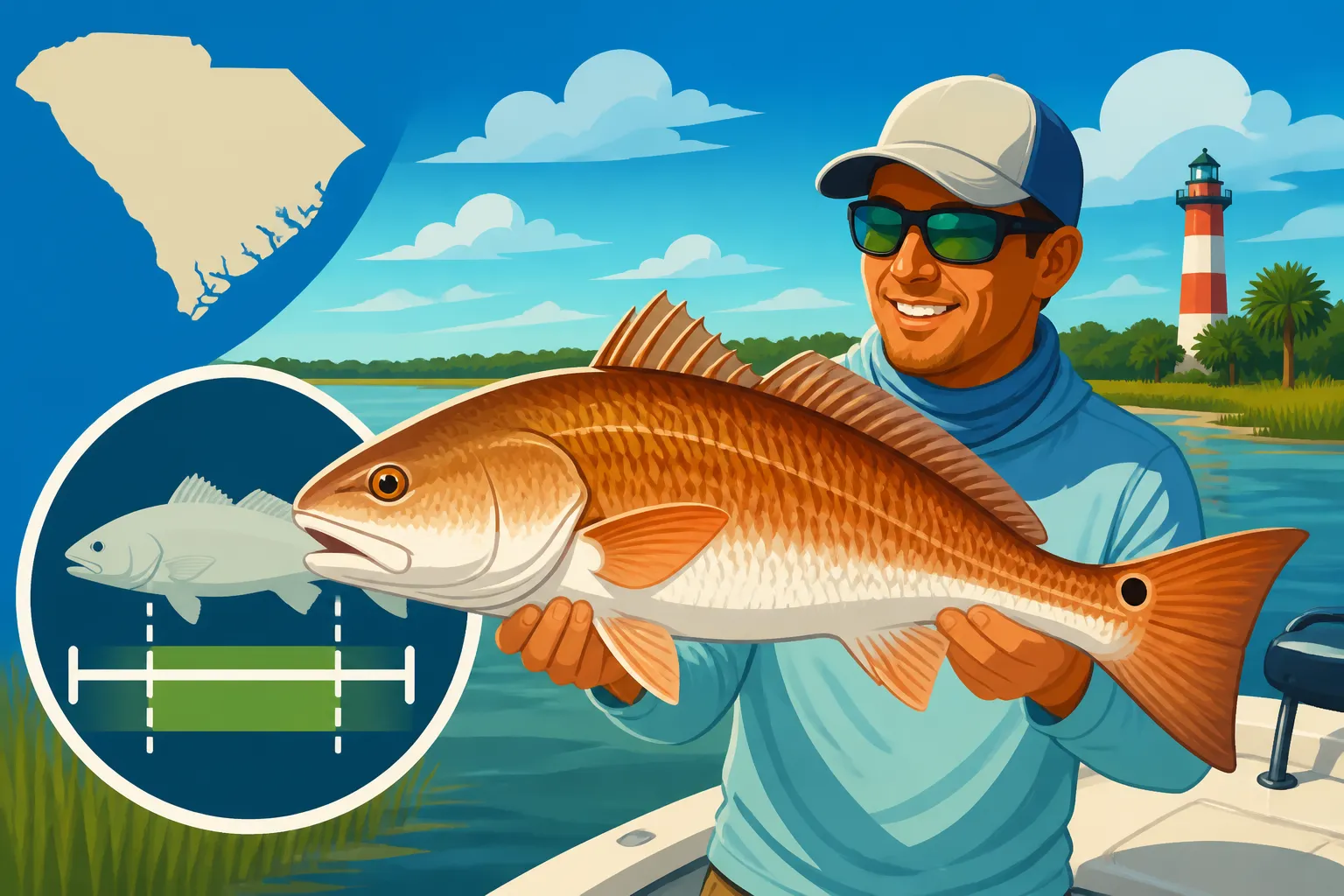
For redfish in South Carolina waters, including those around Hilton Head, the regulations generally define a slot limit between 18 and 27 inches in total length. This means any redfish you catch that measures less than 18 inches from the tip of its nose to the end of its tail, or measures more than 27 inches, must be released unharmed. Only those beautiful fish that fall precisely within that 18-to-27-inch window can be kept. This specific range is carefully determined by marine biologists to achieve the best balance for the species' health. It’s always a good idea to Current Redfish Regulations for Coastal Waters before you head out, just to be absolutely sure you have the most up-to-date information.
Why We Have Slot Limits for Redfish
The primary reason behind the redfish slot limit is conservation. Redfish are a long-lived species that can grow quite large, and they’re incredibly important both ecologically and economically for South Carolina. By protecting the smaller, juvenile fish, we allow them to reach maturity and contribute to the breeding stock. Likewise, protecting the very large "breeder" redfish, often called "bull reds," ensures that these highly reproductive individuals remain in the population to spawn and create more fish. These larger fish are vital for maintaining genetic diversity and overall population health. Without slot limits, there's a higher risk of overfishing either the young, inexperienced fish or the essential breeding adults, which could severely impact the redfish population over time. It’s all about sustainable fishing, allowing us to enjoy this fantastic species for years to come.
Navigating Redfish Regulations on a Hilton Head Charter
When you book a fishing charter out of Hilton Head, you're not just paying for a boat ride and some gear; you're also tapping into the expertise of a seasoned professional who lives and breathes these waters. Navigating the nuances of fishing regulations, especially for a prized fish like redfish, becomes much simpler with a good captain at the helm.
The Captain's Role in Compliance
Your charter captain is your first line of defense against accidentally breaking any fishing laws. They are typically highly knowledgeable about all South Carolina Fishing Bag Limits Explained and size restrictions, including the specific redfish slot limit. Before you even leave the dock, a good captain will often brief you on what to expect and what the rules are for the target species. They'll have official measuring devices on board, and they’re experts at quickly and accurately measuring your catch. If a fish is undersized or oversized, they'll ensure it's handled properly for a safe release. Many captains also operate under a blanket charter license that covers all passengers, meaning you might not need your own individual South Carolina Fishing License Guide if you're just fishing with them. Always confirm this with your captain when booking, or when using a service like FishingBooker to find a charter, you can usually see this information listed in their trip details.
Your Responsibility as an Angler
While your captain is a fantastic resource, you, as the angler, also have a role to play in ensuring compliance. The most important thing is to listen carefully to your captain's instructions. When you hook a redfish, bring it in quickly and efficiently so the captain can measure it. If they declare it an "underslot" or "overslot" fish, be prepared to release it immediately and gently. Getting familiar with the South Carolina Redfish Slot Limit Rules yourself, even before your trip, can make the whole process smoother and more enjoyable. It helps you understand why the captain is asking you to release a particular fish, rather than feeling disappointed about a lost catch. Remember, responsible angling ensures that we all have incredible fishing experiences on Hilton Head for generations.
Vessel Limits vs. Individual Limits
This is where things can sometimes get a little tricky, especially for groups on a charter. In South Carolina, there’s not just an individual bag limit (how many fish you can keep), but also a "vessel limit" for certain species, including redfish. The South Carolina Redfish Vessel Limit Explained specifies the maximum number of redfish that can be kept per boat, per day, regardless of how many licensed anglers are on board. For redfish, this is typically a two-fish vessel limit. So, even if there are four people on your charter, and each person could theoretically keep one redfish (the individual bag limit is one per person within the slot), the boat as a whole can only keep two. This means if the first two anglers catch keeper-sized redfish, all subsequent keeper-sized redfish caught on that trip must be released, even if other anglers haven't kept one yet. Your charter captain will manage this carefully, ensuring your group stays within the vessel limit. This system further safeguards the population by limiting the overall harvest from a single trip.
| Redfish Regulation Category | Typical South Carolina Rule (Hilton Head) | Implications for Anglers |
|---|---|---|
| Slot Limit (Length) | 18 to 27 inches (total length) | Fish smaller or larger than this range must be released. |
| Daily Bag Limit (Individual) | 1 fish per person (within the slot) | Each angler can keep one redfish per day, if within slot. |
| Vessel Limit (Per Boat) | 2 fish per vessel (within the slot) | The entire boat can only keep a maximum of two redfish per day, regardless of angler count. |
| License Requirement | Covered by charter captain's license | Generally, individual license not needed for charter passengers (confirm with captain). |
| Handling | Handle with care, minimize out-of-water time | Essential for high survival rates of released fish. |
Practical Tips for Redfish Charter Anglers on Hilton Head
A fishing charter is an investment in a memorable experience, and being prepared can make all the difference. Beyond just understanding the rules, there are some practical tips that will enhance your redfish trip around Hilton Head, especially when it comes to respecting the fish and the regulations.
Communicating with Your Charter Captain
Open communication with your captain is key to a successful trip. Don't be shy about asking questions beforehand. When you're searching for a charter, whether through word-of-mouth or platforms like FishingBooker, feel free to inquire about their specific approach to redfish regulations. You might ask: "How do you handle undersized or oversized redfish?" or "What's the typical catch-and-release success rate for your trips?" On the boat, if you're unsure about a measurement or how to properly handle a fish for release, just ask! Your captain wants you to have a great time and learn, so they're usually happy to share their knowledge. This pre-trip and on-the-water dialogue ensures everyone is on the same page and helps you feel more confident about being a responsible angler.
The Catch-and-Release Mentality for Overslots and Underslots
Since a significant portion of your redfish catches will likely fall outside the legal slot limit – either too small or too large – adopting a strong catch-and-release mentality is crucial. For these fish, the goal isn't to put them on ice, but to get them back into the water as quickly and safely as possible. This means minimizing the time the fish is out of the water, handling it gently with wet hands or a wet towel to protect its slime coat, and using dehooking tools to remove hooks cleanly. If a fish is deeply hooked, sometimes cutting the line as close to the hook as possible is the best option, as the hook will eventually rust out. Many charters specializing in Hilton Head Redfish Fishing Charter Trips are proponents of careful catch-and-release, often providing guidance and the right tools on board. Remember, every safely released fish helps ensure healthy populations for future trips, contributing to the overall sustainability of South Carolina's redfish fishery.
Documenting Your Catch Responsibly
Of course, you'll want to remember those incredible redfish you catch! Taking photos is a fantastic way to document your trip, but it's important to do it responsibly, especially for fish that need to be released. Plan your photo opportunity before the fish even comes fully aboard. Have your camera ready. When the fish is netted or brought to hand, snap a few quick pictures while minimizing its time out of the water. Avoid dangling fish by their jaw or gills, as this can cause damage. A quick shot with the fish held horizontally, supporting its belly, is ideal. If it's a "trophy" bull red that needs to be released, consider a quick measurement against a board on the boat and then a photo, ensuring a swift return to the water. Some anglers even use "grip-and-grin" photos where they hold the fish over the water, ready for immediate release after the shot. Your captain can guide you on the best and quickest ways to get that memorable photo without harming the fish.
Beyond the Slot Limit: Other Redfish Rules to Know
While the slot limit is a major component of redfish regulations, it's not the only rule on the books. As a responsible angler heading out on a South Carolina Inshore Fishing Charters Explained trip around Hilton Head, understanding the broader regulatory landscape will ensure your experience is not only fun but also fully compliant.
Daily Bag Limits
In addition to the slot limit, South Carolina also imposes a daily bag limit for redfish. This typically restricts anglers to keeping one redfish per person, per day, within the legal slot limit. So, even if you catch three redfish that are all perfectly within the 18-to-27-inch slot, you can only keep one of them for yourself. The remaining two slot-sized fish, plus any underslot or overslot fish, must be released. This individual bag limit, combined with the vessel limit (which is usually two redfish per boat, regardless of the number of anglers), works to manage the overall harvest pressure on the redfish population. It's a system designed to spread the opportunity to catch and keep a fish among more anglers while preventing excessive take by any single individual or group. Your charter captain will keep a close eye on this as well, ensuring your group adheres to both the individual and vessel limits.
Seasonal Considerations
Generally speaking, the redfish slot limit and bag limits in South Carolina remain consistent throughout the year. Unlike some other species that have specific open and closed seasons or dramatically fluctuating size limits, redfish regulations tend to be more stable. This consistency is a blessing for anglers, as it means you don't typically have to worry about the rules suddenly changing from one month to the next. However, it's always prudent to do a quick check on the official South Carolina Department of Natural Resources (SCDNR) website before any fishing trip, just in case there have been any emergency changes or updates. While the core slot of South Carolina Redfish Slot Limit 18 to 25 Inches (or currently 18-27 inches) has been a fairly constant guideline, staying informed ensures you're never caught off guard. You might find information on How Often Redfish Regulations Get Updated helpful for understanding the general patterns of regulatory review.
Gear and Bait Restrictions
For redfish specifically, South Carolina doesn't generally have highly restrictive rules regarding gear or bait that would typically impact a recreational charter angler. You’ll usually find that live bait (like mud minnows, shrimp, or mullet), cut bait, and a variety of artificial lures (like soft plastics, spoons, or topwater plugs) are all perfectly legal and effective for targeting redfish. Most charter boats will provide all the necessary gear, including rods, reels, and tackle, perfectly suited for the task. However, there are always general regulations that apply to all fishing, such as prohibitions against snagging or using illegal fishing methods. Your charter captain will naturally use legal and ethical methods, and they're a great source of information if you have specific questions about what's permitted. Focus on enjoying the fight and the experience, knowing your captain has the gear and techniques dialed in.
Disclaimer
This article is for general informational purposes only and does not constitute professional advice. Laws, prices and regulations vary by location and change over time. Consult a qualified professional for guidance on your specific situation.