How to Jug Fish for Catfish
The thought of landing a massive South Carolina catfish often fills anglers with excitement, but the reality can sometimes be a frustrating cycle of endless waiting with a single rod, or the tangled mess of poorly set lines. If you're tired of missing out on those monster blues and flatheads that cruise our rivers and lakes, this guide is your key to unlocking one of the most effective, hands-on, yet surprisingly relaxed ways to target trophy catfish: jug fishing.
Understanding the Basics of Jug Fishing for Catfish in South Carolina
Jug fishing isn't just tossing a line with a float; it's an art and a science, especially when you're after those hard-fighting catfish that populate South Carolina's diverse waterways. It allows you to cover more water and present multiple baits simultaneously, dramatically increasing your odds compared to a single rod and reel setup.
What Exactly is Jug Fishing?
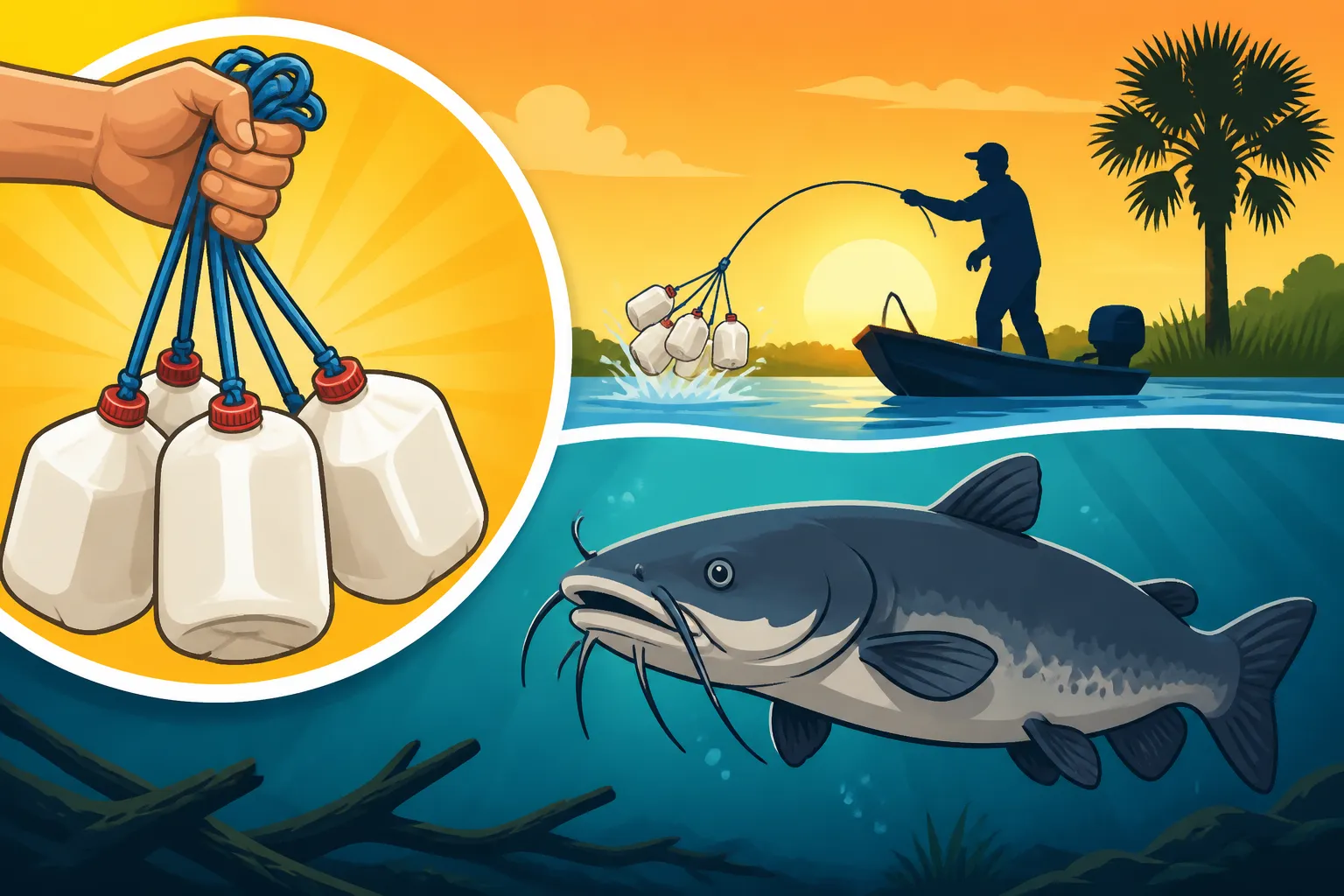
At its heart, jug fishing is a passive fishing method where multiple baited lines are attached to individual floating devices, or "jugs." These jugs are then deployed in a body of water and allowed to drift, or sometimes anchored, while you monitor them from a boat. When a fish takes the bait, the jug starts to move, often erratically, signaling a bite. It's a game of observation and patience, punctuated by bursts of adrenaline when a jug starts to dance across the water.
This method is particularly potent for catfish, primarily because of their scavenging nature and their tendency to roam. Unlike species that might hold tight to structure, a big blue or flathead will often cruise vast areas in search of food. With multiple jugs spread out, each presenting a tempting bait, you're essentially laying a culinary minefield for them. It’s a bit like setting multiple traps; if one doesn't get 'em, another one just might. Many experienced anglers find it more productive for larger catfish than simply waiting by the bank or even trolling with a single rod.
South Carolina Regulations for Jug Fishing
Before you even think about buying a single jug, it is absolutely paramount to understand and strictly adhere to South Carolina's fishing regulations. These rules are in place to ensure sustainable fishing practices and angler safety, and ignoring them can lead to significant penalties. For starters, you'll need a valid South Carolina fishing license. If you're new to the state or need a refresher, check out our comprehensive South Carolina Fishing License Guide for all the details on what you need and how to get it.
Specific to jug fishing, South Carolina Department of Natural Resources (SCDNR) regulations are quite clear:
- Number of Jugs: Anglers are generally limited to a certain number of jugs. This number can change, so always check the most current regulations online or in the SCDNR fishing guide. As of my last check, the statewide limit is 50 jugs per person.
- Marking Requirements: Every single jug you deploy must be clearly marked with your name and SCDNR customer identification number. This is crucial for identification and enforcement. Not marking your jugs properly is a quick way to get them confiscated.
- Hours of Operation: Jugs cannot be left unattended for extended periods. They typically need to be checked and cleared at least once every 24 hours. Some areas or specific bodies of water may have more stringent time limits, so always confirm local rules.
- Permitted Waters: While jug fishing is allowed in many public waters, there might be specific lakes, rivers, or sections of water bodies where it is prohibited. Always consult the SCDNR regulations for the specific area you plan to fish. For instance, some smaller state park lakes might not permit it.
- Prohibited Baits: The use of game fish (like live bass or crappie) as bait is generally prohibited. Always stick to legal baits, which we'll discuss in detail later.
- Consequences of Non-Compliance: The penalties for fishing without a license or violating jug fishing regulations can include fines, confiscation of gear, and even legal action. If you're caught breaking the rules, you could be facing hefty consequences. You can learn more about the implications in our guide on Penalties for Fishing Without a License in South Carolina. Always err on the side of caution and double-check the current rulebook before you head out.
Essential Gear for Your Catfish Jug Fishing Setup
Gathering the right equipment is a significant part of successful jug fishing. You don't need to break the bank, but investing in durable, appropriate gear will save you headaches and heartbreak when that trophy catfish decides to take your bait.
Choosing the Right Jugs and Floats
The "jug" itself is the most iconic piece of this setup. While some anglers might start with repurposed plastic milk jugs, serious jug fishermen usually opt for more robust and reliable options.
- PVC Pipe Floats: Many seasoned anglers swear by short sections of PVC pipe, capped on both ends, or larger diameter PVC pipes cut into cylinders. These are incredibly durable, easily paintable for visibility, and can withstand repeated use and abuse from large fish. They also offer a good balance of buoyancy and weight to keep the line taut.
- Pool Noodles: Slices of pool noodles can be an inexpensive and effective option. You can thread a line directly through the middle, securing it with a knot or a small piece of dowel. Their bright colors offer excellent visibility.
- Commercially Available Jugs: Several companies, including some found easily on Amazon, offer pre-made jug fishing floats. These are often designed for optimal buoyancy, visibility, and durability, sometimes featuring integrated line holders or reflective strips. Brands like Catfish Pro or Slime Line often have good options.
- Marking and Visibility: Regardless of your choice, visibility is key. Bright, fluorescent colors (like blaze orange or neon yellow) are excellent. For night fishing, which is often prime time for catfish, reflective tape is a must. Remember, your name and SCDNR customer ID number must be permanently affixed to each jug. A permanent marker can work, but consider engraving or using a sturdy waterproof label for longevity.
Selecting Lines, Weights, and Hooks
The business end of your jug rig needs to be tough and well-suited for battling big catfish. These fish are powerful, and weak links in your setup will lead to lost fish and lost gear.
- Heavy-Duty Fishing Line: Monofilament line in the 50-80 lb test range is a popular choice for jug fishing. Its stretch provides some shock absorption against powerful runs, and its abrasion resistance is helpful around submerged timber. Some anglers prefer braided line for its strength-to-diameter ratio and lack of stretch, which offers more direct control, but it can be more prone to tangling if not managed carefully.
- Proper Weighting: The weight's primary job is to keep your bait at the desired depth and prevent it from drifting too quickly or getting tangled. A lead sinker, typically in the 1-3 ounce range depending on current and bait size, attached a foot or so above the hook, works well. Some anglers use heavier weights (e.g., 4-6 oz) in stronger currents or when targeting very deep channels.
- Hook Types and Sizes: For catfish, circle hooks are highly recommended, often in sizes 5/0 to 9/0, depending on the target species and bait size. Circle hooks are designed to hook fish in the corner of the mouth, reducing gut-hooking and making for easier, healthier releases, especially important if you're practicing catch-and-release or adhering to specific bag limits. While other hooks like J-hooks or treble hooks are also used, circle hooks are generally considered more ethical and effective for passive fishing methods. Always check the SCDNR rules on specific hook types permitted.
- Swivels and Leaders: A heavy-duty barrel swivel between your main line and a fluorocarbon or heavy mono leader (20-40 lb test) can prevent line twist and provide a bit of invisibility for wary fish. The leader should be about 1-2 feet long. You can find robust swivels and leader material in bulk on Amazon or at local tackle shops, ensuring you're stocked up for multiple rigs.
Best Baits for Jug Fishing South Carolina Catfish
Choosing the right bait is arguably the most critical component of attracting catfish to your jugs. Catfish are opportunistic feeders, but certain baits work better for specific species and in different conditions.
- Cut Bait: This is a perennial favorite for blue catfish and flatheads. Freshly cut shad, herring, mullet, or even pieces of carp or bream are incredibly effective. The scent trail they release in the water is irresistible to foraging catfish. For flatheads, many prefer larger, fresher cut bait or even whole small baitfish. Make sure your cut bait is fresh – frozen bait can work, but fresh is almost always better.
- Live Bait: Live bait is particularly deadly for flathead catfish, which prefer live prey over scavenged food. Small live bream, sunfish, or other legal baitfish are excellent choices. Ensure they are lively and hooked in a way that allows them to swim naturally. Remember, using game fish as live bait for flatheads or blues must comply with SCDNR regulations; often, only "non-game fish" or baitfish species are permitted. For more on baitfish, you might find our guide on Bluegill and Redbreast Sunfish: A Beginner's Guide helpful.
- Prepared Baits: Stink baits, punch baits, and chicken livers are classic choices for channel catfish. These baits release a strong scent that channel cats find appealing. They can be messy but are highly effective. You can often buy these commercially, or some anglers have their own secret homemade recipes.
- Targeting Specific Catfish Species:
- Blue Catfish: Prefer fresh cut bait, particularly shad or mullet. They often frequent deeper channels and open water in large lakes and rivers like the Santee Cooper system or the Congaree River.
- Flathead Catfish: Almost exclusively prefer live bait. They are ambush predators and often hide around heavy cover like submerged logs or rock piles.
- Channel Catfish: Respond well to prepared baits, chicken livers, cut bait, or even nightcrawlers. They are widespread and can be found in a variety of habitats, from small ponds to large rivers.
For specific locations where you might encounter these species, consider reading our article on Congaree River Catfish Fishing Spots Near Columbia, South Carolina.
Step-by-Step Guide to Deploying and Managing Your Jug Lines
Once you have your gear ready, the next step is getting your jugs in the water effectively. This isn't just about throwing them overboard; a strategic approach will yield far better results.
Scouting and Location Selection
Just like any other fishing method, knowing where to fish is half the battle. Catfish, especially the bigger ones, are creatures of habit and prefer certain types of structure and water conditions.
- Rivers and Lakes: South Carolina offers fantastic catfish opportunities in its major river systems and expansive reservoirs. Large lakes like the Santee Cooper Lakes: South Carolina's Legendary Bass Fishery (Marion and Moultrie) and Lake Murray Fishing Guide for South Carolina Anglers are renowned for their trophy catfish populations. River systems like the Cooper, Congaree, and Wateree are also excellent.
- Understanding Structure: Catfish love structure. Look for deep channels, abrupt drop-offs, submerged timber, rock piles, old riverbeds, and creek channels. These areas provide cover, ambush points, and often hold concentrations of baitfish. Use your boat's electronics (sonar, GPS) to identify these features. On large lakes, points extending into deep water can also be hotspots.
- Current and Wind Considerations: Current plays a huge role in catfish behavior and jug fishing strategy. In rivers, catfish will often orient themselves facing upstream, waiting for food to drift by. Jugs deployed in current will drift, creating a wide scent trail. You'll need to anticipate where your jugs will go. In lakes, wind creates surface currents that can drift jugs. Pay attention to wind direction and strength; a steady breeze can help you cover a large area, but too much wind can make monitoring difficult.
Setting Up Your Jugs
With your location scouted, it's time to assemble and deploy your jug lines. This process is fairly straightforward but requires attention to detail.
- Assembling the Rig:
- Cut your line: Decide on the length of line you need for each jug. This depends on the depth of the water you'll be fishing. It's often best to have lines long enough to reach the bottom in your target area, plus a few extra feet. Many anglers use 10-20 feet of line, but in deeper sections of Santee Cooper, you might need more.
- Attach the weight: Secure your lead sinker about 12-24 inches above where your hook will be. Use a strong knot, such as a Palomar or improved clinch.
- Attach the swivel and leader: Tie on your heavy-duty barrel swivel above the weight, then attach your leader material to the other side of the swivel.
- Attach the hook: Tie your chosen circle hook to the end of the leader. Make sure all knots are strong and cinched down properly.
- Connect to the jug: Securely tie the opposite end of the main line to your jug. Ensure the knot is robust; some jugs have an eyelet for this, others may require you to wrap the line securely.
- Baiting the Hooks: This is where you apply your chosen catfish bait. For cut bait, thread the hook through the skin side once or twice, leaving the barb exposed. For live bait, hook it carefully through the back (avoiding the spine) or lips to allow maximum movement. For prepared baits, knead them onto a treble hook or a spring-loaded hook designed to hold soft bait.
- Deployment Strategy:
- Spreading Out: Don't drop all your jugs in one spot. Scatter them, allowing them to drift over a wide area, especially if you're exploring new water. This increases your chances of intercepting actively feeding fish.
- Drift Patterns: Observe the current and wind. Deploy your jugs upstream or upwind from your target area, allowing them to drift through channels, over submerged humps, or along drop-offs where you expect catfish to be holding.
- Anchoring: In very specific situations, or if you want to fish a precise piece of structure, you can add a heavier weight to some jugs to anchor them in place. This is less common for general catfish jugging but can be effective for targeting specific flathead lairs.
Monitoring and Hauling in Your Catch
The real fun begins when a jug goes "down" or starts to "run"! Keeping a close eye on your jugs is essential for success and for the well-being of the fish.
- Regular Checks: You should regularly monitor your jugs. While regulations might allow up to 24 hours between checks, it's far better to check them every few hours, or even more frequently if fishing is active. Not only does this reduce the stress on a hooked fish, but it also allows you to re-bait and re-deploy quickly, keeping your lines productive. If you're night fishing, a good headlamp, which you can easily find on Amazon, is invaluable for spotting those subtle movements in the dark.
- Approaching a "Running" Jug: When you see a jug moving erratically, paddling against the current, or disappearing and reappearing, it's time to investigate. Approach cautiously with your boat. Don't motor directly at the jug, as this can spook the fish or cause it to make a final, powerful run that could break your line. Instead, approach from downwind or downstream slowly and quietly.
- Safe Landing Techniques: Once you reach the jug, carefully grab it. Be prepared for a fight! Large catfish are incredibly powerful. Use heavy-duty gloves to protect your hands. If it's a large fish, bring it alongside the boat and use a large landing net or a sturdy lip gripper to secure it. Avoid grabbing a large catfish by the line itself, as this can easily break the line or harm the fish.
- Re-baiting and Re-deploying: Once you've landed your fish (or if the bait has been stolen), quickly re-bait the hook and check the line for any damage. If everything looks good, re-deploy the jug. Consistency in keeping baited lines in the water is key to maximizing your catch.
Tips for Maximizing Your Jug Fishing Success
Jug fishing can be incredibly rewarding, but like all fishing, there are nuances and best practices that can significantly improve your results.
Weather and Seasonal Considerations
Catfish behavior is heavily influenced by environmental factors, and understanding these can help you plan your jug fishing trips for maximum effectiveness in South Carolina.
- Best Time of Year: Generally, late spring, summer, and early fall are prime times for jug fishing for catfish in South Carolina. The warmer water temperatures make catfish more active and aggressive feeders. Summer nights, in particular, are legendary for trophy blue and channel cats. You can find more targeted strategies in our guide to Catfish Fishing Techniques for South Carolina Lakes in Summer.
- Water Temperature and Clarity: Catfish are less active in very cold water. While you can still catch them, especially blues, in cooler months by using specific tactics, their metabolism slows down, and they feed less frequently. For tips on battling the chill, check out Catfish Fishing Techniques for Cold Water. Clear water can make catfish wary, so slightly stained or muddy water can often be more productive, as it provides them with cover and stimulates their lateral lines to find food.
- Fishing Before or After Fronts: Catfish often feed aggressively before a cold front moves in, as barometric pressure drops. After a front passes and the pressure rises, fishing can be tougher for a day or two. Pay attention to weather forecasts and try to time your trips accordingly.
Safety and Ethical Practices
Jug fishing, while effective, requires a strong commitment to safety and ethical angling.
- Always Check Current SC DNR Regulations: We can't stress this enough. Regulations can change, and it's your responsibility to know them. A quick check of the SCDNR website or the latest fishing guide before each season is a must. This ensures you're compliant with details like jug limits and marking.
- Don't Leave Jugs Unattended: Beyond legal requirements, leaving jugs unattended for extended periods is irresponsible. It can lead to unnecessary stress and mortality for fish, and if a jug drifts into a navigation channel, it can become a hazard for boaters.
- Proper Handling of Fish: When you land a fish, handle it carefully. If you plan to release it, do so quickly and gently. Support its belly, minimize its time out of water, and if it's struggling, hold it in the water until it swims away strongly. If you're keeping fish, be mindful of South Carolina Fishing Bag Limits Explained and only keep what you plan to eat.
- Clean Up Your Gear and Prevent Litter: Always retrieve all your jugs and any associated gear. Lost lines and jugs contribute to pollution and can be hazardous to wildlife and other boaters. Practicing responsible angling ensures these waters remain productive for future generations.
Troubleshooting Common Jug Fishing Challenges
Even with the best planning, jug fishing can present its share of challenges. Knowing how to troubleshoot them can save your trip.
- Dealing with Tangled Lines: If jugs are deployed too closely or drift together, lines can get tangled. The best prevention is proper spacing and monitoring. If a tangle occurs, slowly approach, cut the engine, and carefully untangle the lines. Having a good sharp knife on board is essential.
- Losing Jugs: Losing a jug, especially a homemade one, is always a risk. Make sure your lines are securely tied to the jug. Using bright colors and reflective tape helps visibility, but sometimes a powerful fish or snags can claim a jug. Marking them with your ID is also vital for identification if they're found.
- Bycatch and How to Handle It: While primarily targeting catfish, you might occasionally hook other species. If you catch a protected species or a fish you don't intend to keep, handle it gently and release it as quickly as possible. For instance, if you accidentally hook a game fish like a bass, release it promptly.
Comparison of Catfish Fishing Methods
| Feature | Jug Fishing | Trotlining | Rod & Reel |
|---|---|---|---|
| Number of Lines | Multiple (up to SC legal limit, usually 50) | Multiple (can be dozens of hooks on one line) | Single, or multiple if using multiple setups |
| Setup Time | Moderate (individual rigs) | High (long main line, many leaders/hooks) | Low (single rig) |
| Monitoring | Active (visual tracking of moving jugs) | Passive (set and check at intervals) | Active (constant attention) |
| Coverage Area | Wide (jugs drift) | Fixed (anchored line) | Limited (where you cast) |
| Target Species | Blue, Flathead, Channel Catfish | Blue, Flathead, Channel Catfish | All fish species, including Catfish |
| Mobility | High (can follow drifting jugs) | Low (fixed location) | High (can move around to different spots) |
| Skill Level | Beginner to Intermediate | Intermediate to Advanced | Beginner to Advanced |
| Cost | Low to Moderate | Moderate to High | Low to High (depending on gear quality) |
| Regulations | Requires marking, limit on number of jugs | Requires marking, limit on number of hooks | Standard fishing license |
Disclaimer
The information provided in this guide is for general informational purposes only and is not intended to be a substitute for professional advice. Fishing regulations, licensing requirements, and best practices can change frequently. Always consult the official South Carolina Department of Natural Resources (SCDNR) website or their current fishing guide for the most up-to-date and accurate information before engaging in any fishing activities. Adherence to all local, state, and federal laws is the sole responsibility of the angler.