Lake Hartwell Tugaloo River Bass Fishing Techniques in South Carolina
Fishing the Tugaloo River arm of Lake Hartwell for bass can feel like trying to solve a complex puzzle, especially with its diverse structure and ever-changing water levels. Many anglers find themselves frustrated, wondering which techniques truly unlock the potential of this renowned fishery. This comprehensive guide is designed to cut through that confusion, offering proven strategies and specific techniques to help you confidently target and catch bass on the challenging yet incredibly rewarding Tugaloo River arm in South Carolina.
Understanding the Tugaloo River Arm's Unique Challenges
The Tugaloo River arm of Lake Hartwell isn't your average lily-pad-lined pond. It's a deep, often clear, and highly structured environment that demands a thoughtful approach. Anglers who consistently succeed here understand that its unique characteristics dictate the most effective fishing strategies. You can't just throw the same old lures and expect consistent results; you need to adapt to what the river gives you.
Navigating the Topography and Structure
The Tugaloo arm is famous for its distinct underwater landscape. You’ll encounter everything from sheer bluffs and deep channels to extensive submerged timber and rocky points that jut out into the main river run. These features aren't just pretty scenery; they're crucial habitat for bass, offering ambush points, feeding lanes, and protection from current and predators.
When you're out on the water, pay close attention to your electronics. A good depth finder and side-imaging unit are invaluable here. You'll often see vast fields of standing timber, remnants from when the lake was first impounded. These submerged trees, particularly at depths of 15 to 40 feet, are absolute magnets for largemouth and spotted bass. Successfully fishing them means learning to differentiate between a snag and a bite. It's a delicate dance of feeling your line, understanding bottom composition, and knowing when to set the hook. Similarly, rocky points and ledges create current breaks and abrupt depth changes, concentrating baitfish and, consequently, bass. Many experienced anglers dedicate hours to mapping these underwater contours, knowing that a subtle dip or a hard-bottom transition can be the key to a productive day. Understanding these unique characteristics is vital for successful angling on this dynamic lake; for a broader overview, consider exploring additional information on Lake Hartwell Fishing Spots on the South Carolina-Georgia Border.
Current, Water Levels, and Their Impact
Another significant factor shaping bass behavior on the Tugaloo is the interplay of current and water levels. Lake Hartwell is a hydropower lake, which means the generation schedules at Hartwell Dam directly influence the flow. When generators are running, a noticeable current develops, particularly in the main river channel and around constrictions. This current can be a blessing or a curse. On one hand, it positions baitfish, pushing them against structure where bass can ambush them. On the other, it can make boat control challenging and require heavier weights to keep your lure in the strike zone.
Moreover, rainfall upstream can dramatically alter water clarity and levels. Heavy rains can bring in muddy, debris-filled water, forcing bass to seek clearer pockets or hunker down. Conversely, extended dry spells can lead to lower water levels, exposing certain structures and changing access points. Understanding the daily generation schedule, often available from the U.S. Army Corps of Engineers, can give you a significant edge. Knowing when the water will be moving allows you to plan your day around periods of optimal current, when bass are often more active feeders. It's a dance with nature, and those who learn the rhythm of the Tugaloo often find the most success.
Essential Techniques for Tugaloo River Bass
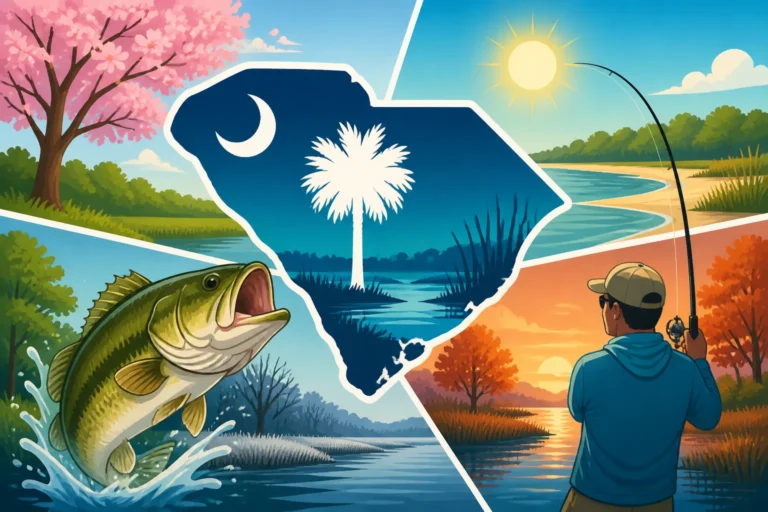
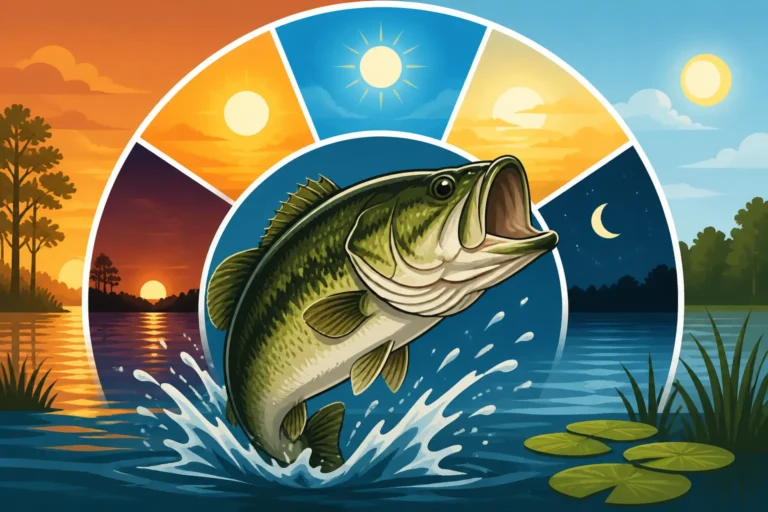
Mastering the Tugaloo River arm requires a diverse set of techniques, adaptable to the changing seasons and conditions. Bass behavior shifts dramatically throughout the year, and what worked last month might not get a single bite today. This is where the veteran angler’s knowledge truly shines – knowing not just what to throw, but when and how.
Spring and Early Summer Strategies
Spring is a magical time on the Tugaloo, as bass transition from their deep winter haunts to shallower waters for spawning. This period offers some of the most exciting and productive fishing opportunities.
Pre-Spawn Aggression and Feeding
As water temperatures climb into the 50s and low 60s, largemouth and spotted bass move towards staging areas near spawning flats. This is a time of aggressive feeding as they pack on calories for the rigors of the spawn. Targeting rocky banks, secondary points, and creek mouths with lipless crankbaits, jerkbaits like a Lucky Craft Pointer, or even a spinnerbait can be incredibly effective. Anglers often find success slow-rolling spinnerbaits parallel to these rocky transitions, allowing the blades to flash and tempt pre-spawn giants. When exploring this critical period, don't miss our detailed guide on Bass Fishing Techniques for Spring Pre-Spawn for more in-depth strategies.
The Spawning Ritual
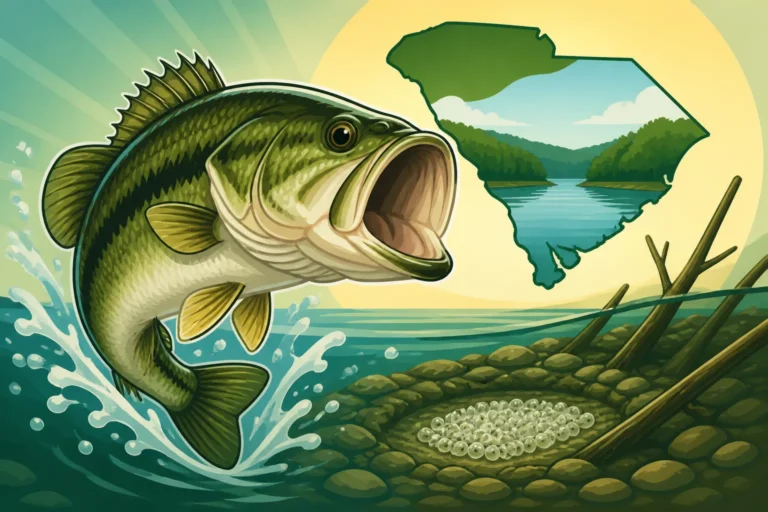
Once water temperatures reach the mid-60s, bass move onto the beds. On the Tugaloo, these spawning areas can be found in shallower coves, protected pockets, and along gradual sloping banks where sun exposure warms the water. Sight fishing for bedding bass is a popular, albeit challenging, technique. Texas-rigged soft plastics, shaky heads, or even a drop shot rig can be placed precisely onto a bed to provoke a strike. It requires patience, keen eyesight, and often multiple casts to irritate the bass into biting. Remember, the goal isn't just to catch the fish, but to ensure they successfully spawn, so careful handling is crucial. For detailed insights into the specific conditions and approaches for this critical phase, refer to Spring Bass Fishing on South Carolina's Lake Hartwell.
Post-Spawn Recovery and Dispersion
After the spawn, bass are often lethargic and dispersed. Many will move to slightly deeper cover near their spawning areas, recuperating from the energy expended during reproduction. Topwater lures like walking baits or poppers can be fantastic in the early mornings and late evenings around sparse cover as bass begin to feed again. As the sun rises, switching to weightless worms, flukes, or small jigs fished around docks, submerged timber, or brush piles can coax a bite. This transition period, while sometimes tough, can yield strong fish once they start feeding actively again. For additional strategies applicable across various South Carolina lakes during this period, you can check out our article on Post-Spawn Bass Patterns on South Carolina's Santee Cooper.
Late Summer and Fall Approaches
As the Tugaloo transitions into the heat of summer and then the cooling temperatures of fall, bass change their behavior dramatically, requiring different tactics.
Deep Water Summer Tactics
Summer on the Tugaloo often means deep. As surface temperatures soar, bass seek the cooler, more oxygenated waters found at greater depths. This is prime time for techniques like the Carolina rig, deep-diving crankbaits, and football jigs. Target deep humps, main lake points, and the edges of submerged timber in 20-50 feet of water. For a Carolina rig, a 3/4 to 1 oz sinker followed by a 3-5 foot leader with a creature bait or lizard can be deadly, dragging it slowly along the bottom. Deep cranking, using lures like a Strike King 6XD or a Norman DD22, can cover a lot of water quickly, trying to find those schools of fish positioned on deep structure. Our guide on How to Fish Deep Structure for Bass in Summer offers more in-depth advice on these essential techniques.
Fall Migration and Feeding Frenzies
Fall brings cooler temperatures and a renewed sense of urgency for bass as they chase baitfish. This is often characterized by a strong migration of baitfish, especially threadfin shad, into the backs of creeks and coves. Bass follow them, creating incredible schooling opportunities. Look for active schooling bass on the surface, especially early in the morning, and be ready with topwater baits, jerkbaits, or even small spoons. As the day progresses, switch to spinnerbaits, square bill crankbaits, or shaky heads fished around docks and shoreline cover. The key in fall is to "follow the bait," as bass will rarely be far from their food source. For more specific tactics to capitalize on this productive season, refer to our article on Fall Bass Fishing Around Rocky Points on South Carolina's Lake Hartwell. For general lure choices that excel in autumn, consider reviewing Best Bass Lures for Fall Fishing.
Winter Fishing for Stubborn Bass
Winter on the Tugaloo can be challenging, but it also offers the chance to catch some of the biggest bass of the year. The fish are often schooled up and lethargic, requiring subtle presentations and immense patience.
Slow and Deep Presentations
As water temperatures dip into the 40s, bass become less active and seek out stable, deeper water. Targeting main lake points, bluff walls, and deep timber lines are crucial. Techniques like slow-rolling a football jig, fishing a shaky head, or suspending a jerkbait with long pauses can entice reluctant bites. Vertical jigging spoons over deep bait schools or suspended bass can also be highly effective. The retrieve must be painstakingly slow, giving the sluggish bass ample time to react. The general rule is: the colder the water, the slower your presentation.
The Importance of Water Temperature
Even a slight increase in water temperature (a degree or two) can make a huge difference in winter. Focus on north-facing banks or areas with dark bottom composition that absorb sunlight more readily. These subtle thermal advantages can concentrate bass and make them marginally more active. It's often a game of finding small pods of fish and then systematically working them with slow, precise casts.
Gear and Lure Choices for Success
Having the right tools for the job is paramount when tackling the Tugaloo River arm. The diverse techniques required throughout the year necessitate a versatile array of rods, reels, lines, and, of course, the ever-important lures. Don't skimp on quality, as the fish here can be formidable, and snags are a constant companion.
Rod, Reel, and Line Setups
Matching your gear to your technique isn't just about comfort; it's about efficiency and effectiveness. A good arsenal will include several different setups.
Versatile All-Around Setup
For general-purpose fishing with jigs, Texas rigs, or spinnerbaits, a 7-foot medium-heavy fast action baitcasting rod paired with a high-speed (7.1:1 or higher) baitcasting reel is a fantastic starting point. Spool it with 15-20 lb fluorocarbon line, which offers a good balance of sensitivity, abrasion resistance for fishing around submerged timber, and low stretch for solid hooksets. If you're looking to upgrade your gear, many reputable brands offer excellent options that you can find easily on Amazon.
Deep Cranking and Reaction Baits
For deep-diving crankbaits, you'll want a longer (7'6" to 8'), moderate action fiberglass or composite rod. The softer action helps absorb the shock of a big fish strike and allows the crankbait to work more effectively. Pair this with a slower retrieve ratio (5.1:1 to 6.4:1) baitcasting reel, which provides more power and helps you keep that lure in the strike zone longer. Use 10-14 lb fluorocarbon for better diving depth and sensitivity.
Finesse and Topwater Applications
For lighter presentations like shaky heads, drop shots, or weightless worms, a 6'8" to 7' medium-light or medium power spinning rod with a fast action tip is ideal. Match it with a 2500 or 3000 size spinning reel. Spool with 10-15 lb braided line with a 6-10 lb fluorocarbon leader for maximum sensitivity and casting distance. For topwater lures, especially in open water, a medium power baitcasting rod (6'6" to 7') with a fast action and 12-17 lb monofilament line is often preferred, as mono floats and allows the lure to work more naturally on the surface.
Top Lures and Baits
The Tugaloo bass have seen it all, so presentation and choice of lure are key. Having a well-stocked tackle box for various conditions will keep you prepared.
Jigs and Soft Plastics
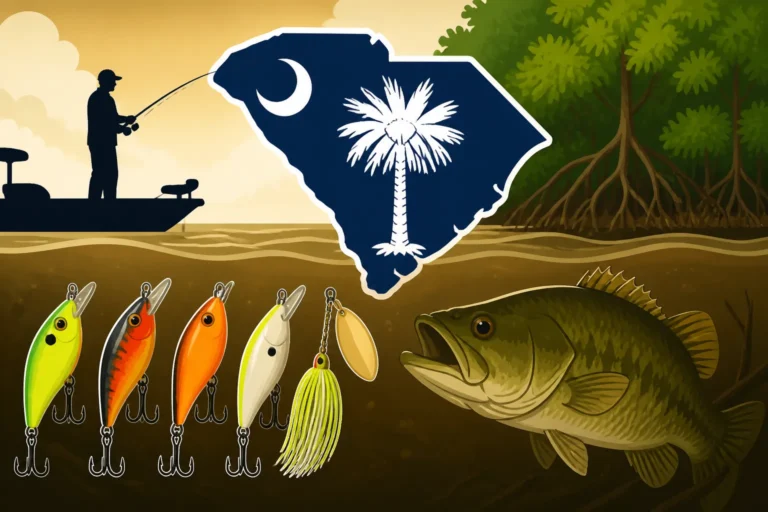
Jigs are year-round producers on the Tugaloo. Football jigs (3/8 to 3/4 oz) excel on rocky bottoms, while arkie-style jigs are great for probing submerged timber and brush piles. Pair them with craw or creature bait trailers. For soft plastics, Texas-rigged worms and creature baits are staples, especially when fishing around heavy cover. The classic Senko or a trick worm, fished weightless or with a small nail weight, can be deadly around docks or visible cover. Learning How to Rig a Texas-Rig Worm for Bass is fundamental for this type of fishing. Don't forget shaky heads for a subtle, enticing presentation when the bite is tough.
Crankbaits and Jerkbaits
As mentioned earlier, deep-diving crankbaits are indispensable for summer bass on deep structure. Consider models like the Rapala DT-16 or a Strike King 5XD/6XD in natural shad patterns or crawfish colors. For shallow to mid-depths, square bill crankbaits are excellent for bumping off wood and rock. Jerkbaits, particularly suspending models, shine in cooler water temperatures and when bass are suspended. A Megabass Vision 110 or a Smithwick Rattlin' Rogue can trigger aggressive strikes when fished with a retrieve that includes long pauses.
Spinnerbaits and Chatterbaits
Spinnerbaits are fantastic for covering water, especially in windy conditions or around submerged timber and grass lines. Double willow leaf blades in silver or gold are versatile, while Colorado blades offer more thump in stained water. Knowing How to Fish a Spinnerbait for Bass effectively can greatly increase your catch rate. Chatterbaits or bladed jigs have also become hugely popular, offering a unique vibration and flash that can tempt bass in a variety of situations. Both are excellent choices for active bass, particularly in the spring and fall.
Topwater Lures
Few things are as exciting as a bass blowing up on a topwater lure. Walking baits (like a Heddon Super Spook), poppers, and frogs are all great choices. Walking baits are fantastic for covering open water, while poppers excel around docks and isolated cover. Frogs are the ultimate weapon for dense matted vegetation or lily pads, allowing you to fish areas where other lures would snag. Having a selection of these, perhaps a few extra bags of your favorite soft plastic worms or jigs, readily available on platforms like Amazon, ensures you're always prepared.
Here’s a quick overview of seasonal techniques:
| Season | Primary Techniques | Recommended Lures/Baits | Key Locations |
|---|---|---|---|
| Spring | Pre-spawn aggression, sight fishing, post-spawn | Lipless crankbaits, jerkbaits, spinnerbaits, Texas rigs, shaky heads, topwater | Rocky points, creek mouths, spawning flats, docks |
| Summer | Deep water structure fishing, open water schooling | Carolina rigs, deep-diving crankbaits, football jigs, vertical spoons, soft plastics | Deep humps, main lake points, submerged timber, bluff edges |
| Fall | Following baitfish, active schooling, shallow cover | Spinnerbaits, square bill crankbaits, jerkbaits, topwater, soft plastics | Backs of creeks, coves, docks, shallow points |
| Winter | Slow presentations, deep water | Jigs, shaky heads, suspending jerkbaits, spoons, drop shot rigs | Main lake points, bluff walls, deep timber lines, thermal pockets |
Disclaimer
Please remember that fishing regulations, including licensing requirements, size limits, and bag limits, can change. Always consult the latest South Carolina Department of Natural Resources (SCDNR) guidelines before heading out on the water. This guide is for informational purposes only and does not constitute legal advice. Stay safe and happy fishing!