Penalties for Fishing Without a License in South Carolina
We've all been there: you're out on the water, maybe a beautiful sunrise over Lake Murray or the gentle rocking of a boat in a Lowcountry marsh, and you realize with a jolt that something important might be missing. Forgetting your fishing license, or simply not knowing you needed one, can turn a peaceful day into a stressful encounter with law enforcement. This guide is here to walk you through exactly what happens if you're caught fishing without a license in South Carolina, detailing the penalties, the real-world impact, and how to make sure you're always on the right side of the law.
The Frustration of Fishing Without a License: Why It Happens
It’s easy to judge someone who gets caught fishing without a license, but in reality, it's often not malicious intent. More often than not, it's a genuine mistake, a lapse in memory, or a simple lack of awareness about the rules. The complexities of regulations, especially for visitors or those new to the sport, can be genuinely confusing. It’s a frustrating situation for everyone involved, especially for the angler who just wanted to enjoy a peaceful day on the water.
Common Misconceptions About License Requirements
One of the biggest culprits behind unlicensed fishing is a widespread misunderstanding of who actually needs a license. Many folks assume that if they’re fishing from a private pond, or perhaps a publicly accessible pier, a license isn't necessary. This isn't always the case, and assuming can lead to a heap of trouble. For instance, while some private, land-locked ponds might not require a license, if that pond has any connection to public waters, even intermittently, you'll likely need one.
Another common misconception revolves around age. People often think children don't need licenses at all, or that there's a blanket age for exemption. While South Carolina does offer specific age exemptions, they're not always as straightforward as people imagine. It's crucial to know the specific rules for Fishing License Rules for Kids in South Carolina to avoid an awkward conversation with a game warden. These small details are where most anglers unknowingly stumble.
Accidental Oversights and Genuine Mistakes
Let's be honest, life gets busy. You planned a spontaneous trip to the coast, grabbed your rods and tackle box, maybe even a new tackle bag from Amazon, but that little paper or digital license just slipped your mind. It happens more often than you’d think. Or perhaps your annual license expired last week, and you genuinely forgot to renew it amidst everything else going on. These aren't excuses, of course, but they are very real scenarios that lead to people being caught in violation.
Sometimes, the mistake isn't even about having a license, but having the wrong kind. Imagine you’re a freshwater angler from the Upstate who decides to try your hand at saltwater fishing in Charleston Harbor. You've got your freshwater license, proudly displayed, but you didn't realize you needed a separate Saltwater Fishing Rules in South Carolina or a combination license. It's a technicality, but ignorance of the law is still no defense, and those mistakes can still carry the same penalties.
Understanding South Carolina's Fishing License Laws
Before we dive into the nitty-gritty of penalties, it’s essential to have a clear grasp of South Carolina’s fishing license laws. Knowing the rules upfront is your absolute best defense against ever facing a penalty. The South Carolina Department of Natural Resources (SCDNR) has specific guidelines, and they are designed to conserve fish populations and fund management efforts, making your compliance vital for the future of fishing in our beautiful state.
Who Needs a License and When
Generally speaking, almost anyone aged 16 and older needs a valid South Carolina fishing license to fish in public waters. This applies whether you're casting a line into Lake Marion, wading in a Lowcountry creek, or surf fishing off Myrtle Beach. It doesn't matter if you're a seasoned pro or just trying it out for the first time – if you're 16 or older and fishing, you need a license. There are very few exceptions, such as on designated free fishing days, but even those have specific caveats, often for residents only. For a complete overview, check out the South Carolina Fishing License Requirements in South Carolina guide.
Residency plays a significant role here, too. If you're a visitor to the Palmetto State, you’ll need a South Carolina Nonresident Fishing License Guide, which often comes with different price points and validity periods compared to resident licenses. The state uses funds from license sales to maintain our amazing fisheries, so it’s a small investment in a huge resource.
Differentiating Freshwater vs. Saltwater Licenses
This is a critical distinction that often trips up even experienced anglers. South Carolina operates with separate licensing systems for freshwater and saltwater fishing. You can't use a freshwater license to fish in saltwater, and vice-versa. This means if you plan to fish in both environments, you'll need to purchase both types of licenses or opt for a combination license that covers both. Many anglers find the combo license to be the most convenient and cost-effective option if they plan to hit both the rivers and the coast throughout the year.
The line between freshwater and saltwater isn't always obvious, especially in tidal rivers and estuaries. For example, parts of the Cooper River near Charleston might feel freshwater, but they are indeed tidal and fall under saltwater regulations. Always err on the side of caution and ensure you have the appropriate license for the waters you're fishing. It's better to be overly prepared than to face a fine. You can easily find information on Freshwater vs Saltwater Fishing License Costs Compared to help you decide.
Age Exemptions and Special Circumstances
South Carolina provides specific exemptions from licensing requirements, primarily based on age. As mentioned, those under 16 years of age typically do not need a fishing license. This is fantastic news for families and helps introduce younger generations to the joys of fishing without an extra hurdle. However, it's always wise to double-check the current regulations, as rules can occasionally change.
Beyond age, there are also considerations for certain groups, such as those fishing from a licensed public pier. Sometimes, the pier's master license might cover anglers, but this isn't universal and should never be assumed. Always look for signage or ask the pier management directly. Additionally, some special events or private pay-to-fish ponds might have their own rules. For comprehensive details on who qualifies for a break on the license front, consult the South Carolina Fishing License Exemptions by Age guide. Knowing these nuances can save you a lot of hassle and ensure your outing is completely legitimate.
The Immediate Consequences: What Happens on the Spot?
So, you're out fishing, enjoying the peace and quiet, and suddenly you see a boat approaching with an SCDNR emblem, or a uniformed officer walking down the bank. Your heart might skip a beat, especially if you have that nagging feeling about your license. What happens next is often a mix of standard procedure and the officer's discretion, but understanding the possibilities can help you navigate the situation calmly and respectfully.
Encountering Law Enforcement: What to Expect
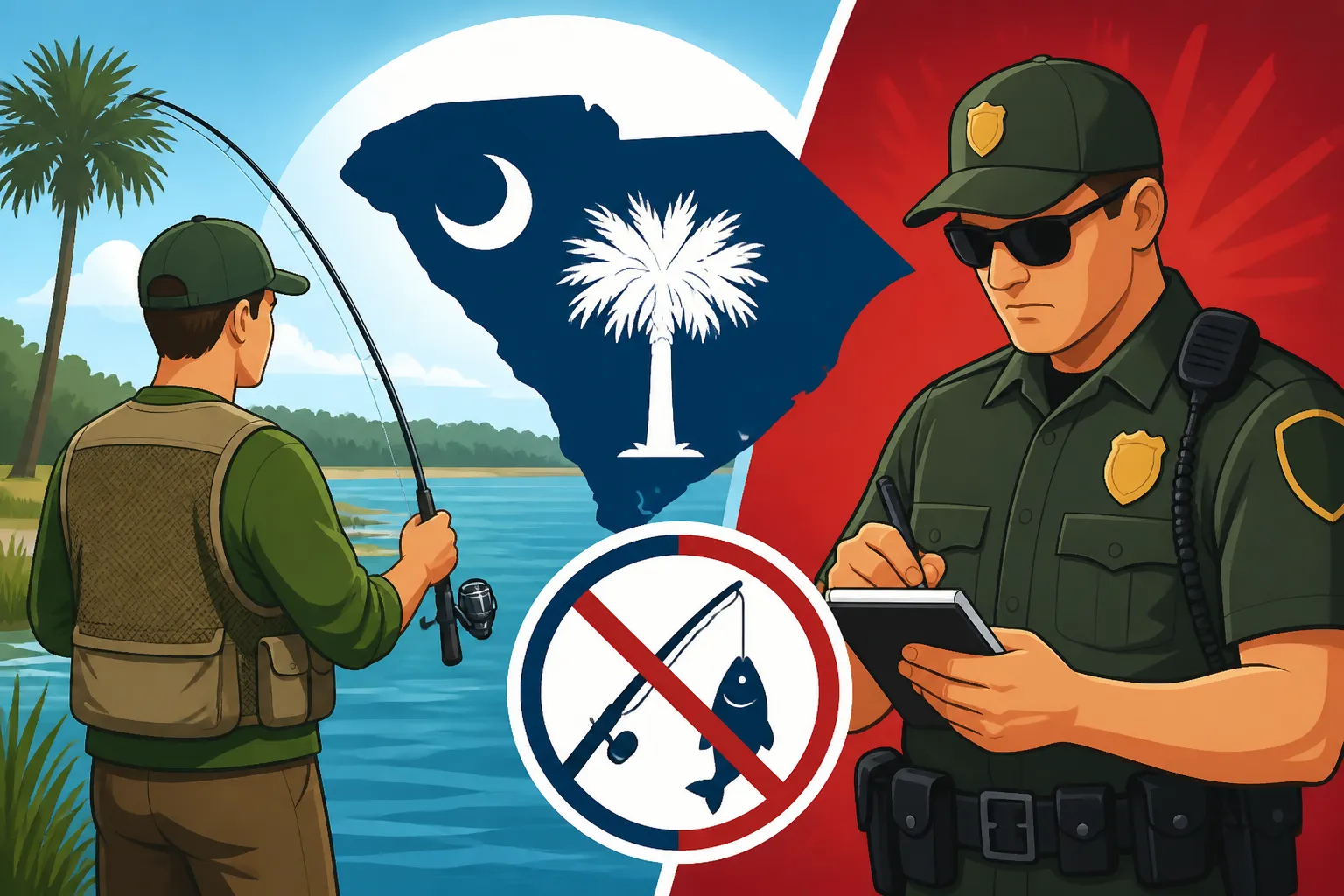
When a South Carolina Department of Natural Resources (SCDNR) officer or game warden approaches, their primary role is to ensure compliance with state fishing and hunting regulations. They are well within their rights to ask to see your fishing license, check your catch for size and bag limits, and inspect your gear. The best course of action is always to be cooperative, polite, and honest. Arguing or being confrontational will only escalate the situation and rarely works in your favor.
The officer will typically ask for your identification and then request to see your valid South Carolina fishing license. If you don't have one, or if it's expired, they will inform you of the violation. It's important to remember that these officers are doing their job, which includes protecting our natural resources. A respectful interaction, even when you're in the wrong, can sometimes lead to a more understanding outcome, though the law is the law.
The Issuance of a Citation or Summons
If you are found fishing without a valid license, the most common immediate consequence is the issuance of a citation, often called a ticket or a summons. This is essentially a legal document notifying you of the violation and requiring you to either pay a fine or appear in court. The specific charge will typically be for "fishing without a license." The officer will explain the charge and the next steps, including how to pay the fine or the date you are required to appear before a magistrate.
The citation will include details like the date, time, location of the offense, and the specific regulation you violated. It will also outline the potential penalties, which vary depending on the nature of the offense and whether it's your first time being cited. Just like a speeding ticket, ignoring a fishing citation can lead to much more severe legal issues, including bench warrants or additional fines. It’s crucial to address it promptly.
Temporary Seizure of Gear
While not always a certainty, officers do have the authority to temporarily seize your fishing gear if you are found fishing illegally, especially in cases of egregious violations or if the gear itself is illegal. For simply forgetting a license, it's less common for an officer to immediately take your rod and reel, but it can happen, particularly if there are other accompanying violations like exceeding bag limits or using illegal methods.
Imagine a scenario where you're caught fishing without a license, and you've also got a cooler full of redfish that are all undersized, violating the South Carolina Redfish Slot Limit Rules. In such a case, an officer might decide to seize your catch and your gear as evidence. This is rare for a simple license infraction, but it underscores the seriousness of violating fishing laws. The goal of seizure is often to prevent further illegal activity and to serve as a deterrent.
Financial Penalties and Fines for Unlicensed Fishing
Let’s get down to brass tacks: what's this going to cost you? The financial penalties for fishing without a license in South Carolina are designed to be a deterrent, and they can certainly put a dent in your wallet. It's not just the initial fine, either; there can be additional costs and complications that add up quickly.
The Typical Fine Structure in South Carolina
The exact fine amount for fishing without a license in South Carolina can vary based on several factors, including the specific county where the offense occurred, the discretion of the magistrate, and whether it's your first offense. However, generally speaking, a first-time offense for fishing without a license can range from around $100 to $200. This often includes the base fine plus statutory surcharges and court costs. For example, you might see a fine of $150 in one county, which includes the $50 base fine, a $75 surcharge, and $25 in administrative fees.
It’s important to remember this isn't just a "ticket" that goes away; it's a legal violation. While the initial fine might seem manageable, it's significantly more expensive than simply buying the appropriate South Carolina Annual Fishing License Price Breakdown in the first place, which might only cost you $10-$15 for a resident freshwater license. This financial hit is a stark reminder that staying legal is always the most economical choice.
Escalation of Fines for Repeat Offenders
South Carolina takes repeat offenses seriously. If you're caught fishing without a license more than once, the penalties will almost certainly increase. A second offense will likely carry a higher fine, potentially in the range of $200 to $500 or more, and could involve more significant court proceedings. This escalation is intended to discourage habitual non-compliance and protect the state's natural resources from those who repeatedly disregard the regulations.
Furthermore, persistent violations could lead to even harsher consequences, such as longer suspensions of fishing privileges (which we'll discuss next) or even community service. The system is designed to correct behavior, and if initial fines aren't doing the trick, the state has mechanisms to apply more pressure. It’s always in your best interest to learn from a first mistake and ensure you're compliant moving forward.
Court Costs and Administrative Fees
Beyond the base fine, there are always additional costs that get tacked on. These include court costs, administrative fees, and victim restitution funds, which can significantly inflate the total amount you have to pay. For example, a "fine" of $50 could easily become $150 or more once all the additional fees are added. These fees help support the judicial system and various state programs, but for the angler, they just make the penalty sting even more.
Sometimes, depending on the severity and specific circumstances, a judge might even order you to pay for the cost of processing and re-stocking fish if your illegal activities impacted local populations, although this is more common in commercial poaching cases. The point is, the financial burden extends well beyond the simple "cost of the license you didn't buy." It's a complex web of payments that serves as a strong incentive to always have your license in hand.
Beyond the Fine: Other Potential Repercussions
While the financial hit of a fine is certainly unpleasant, the consequences of fishing without a license in South Carolina can extend far beyond a monetary penalty. There are other potential repercussions that can impact your ability to enjoy fishing in the future, and even affect your reputation as a responsible angler.
Potential for Loss of Fishing Privileges
One of the most impactful penalties, especially for passionate anglers, is the potential loss of fishing privileges. Depending on the severity of the offense, especially for repeat offenders or if other violations like exceeding bag limits are involved, the SCDNR has the authority to suspend or revoke your fishing license. This means you would be legally prohibited from fishing in South Carolina waters for a specified period, which could range from a few months to several years.
Imagine loving to fish and suddenly being told you can’t cast a line for a year or two. It’s a gut punch. This consequence is a serious tool used to protect wildlife and ensure compliance. If you are caught fishing during a suspension, the penalties would be even more severe, potentially leading to criminal charges and even longer bans. So, while you might think "it's just a license," the implications can be quite far-reaching for your recreational pursuits.
Impact on Future License Applications
Even after you've paid your fines and served any suspension, having a record of fishing without a license can still follow you. When you go to purchase or renew a How to Get a Fishing License in South Carolina in the future, your past violations might be flagged. While it usually won't prevent you from obtaining a new license indefinitely, it could lead to increased scrutiny or longer processing times.
In some cases, especially if you have a history of multiple infractions or more serious wildlife violations, the SCDNR might impose conditions on your future licenses or simply delay their issuance. It's a permanent mark on your angling record, similar to how traffic violations affect your driving record. It’s another reason why ensuring you’re always licensed is not just about avoiding immediate trouble, but also about maintaining a clean record for your future enjoyment of the sport.
Confiscation of Catch and Gear
This consequence often hits hardest for anglers who are proud of their catch. If you are found fishing without a license, any fish you have caught might be confiscated by the SCDNR officer. This is not only a loss of your hard-earned meal but also a further public acknowledgement of your violation. The fish might be donated, released, or disposed of, depending on the species and condition.
Beyond the catch, as touched on earlier, gear can also be confiscated. While a single rod and reel might not be a huge financial loss, imagine having an expensive custom-built rod or a high-end reel taken. This is a possibility, particularly if the gear was used in conjunction with other illegal activities, or if the officer deems it necessary to prevent further violations. While the likelihood for a simple license infraction is lower than for major poaching, it's a very real possibility that adds to the overall punitive nature of the situation. It’s also important to note that any illegal fishing apparatus (like certain nets or traps) found without a proper license or permit will almost certainly be confiscated.
Preventing the Problem: Ensuring You're Always Legal
The easiest way to avoid all these headaches, fines, and potential loss of privileges is, quite simply, to always have a valid fishing license. It's a small annual investment that contributes directly to the conservation of South Carolina's incredible fisheries. There are numerous convenient ways to ensure you're legal, so there's really no good reason to risk it.
Best Practices for Purchasing and Carrying Your License
First and foremost, make purchasing your fishing license an annual ritual. Don't wait until the last minute. You can buy your South Carolina Fishing License Guide online through the SCDNR website via their Go Outdoors South Carolina portal, or in person at various license vendors across the state, including many sporting goods stores like those found on Amazon or local bait and tackle shops. Buying it online is often the most convenient option, as you can do it from the comfort of your home at any time.
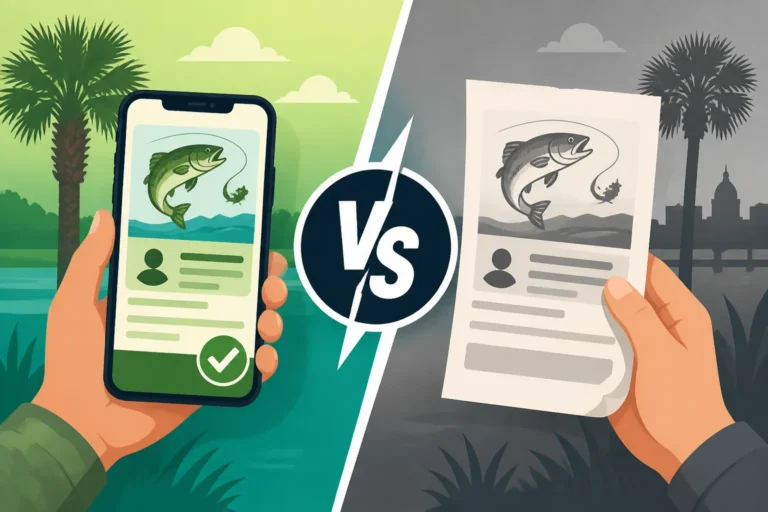
Once purchased, carry proof of your license with you whenever you're fishing. A printed copy is perfectly acceptable, but South Carolina also recognizes digital copies displayed on your smartphone. Many anglers take a screenshot of their digital license or save it as a PDF for easy access, even without cell service. Keep it in a waterproof bag or a designated pocket in your tackle box or fishing vest, ensuring it stays dry and easily accessible if a warden asks to see it. It's not enough to have a license; you need to be able to show it.
Staying Informed About Regulation Changes
Fishing regulations aren't set in stone. They can change annually, or even mid-season, based on fish population data, environmental factors, and management decisions by the SCDNR. What was legal last year might not be this year, and vice versa. Relying on outdated information is a recipe for trouble, not just with licenses but also with bag limits, size restrictions, and seasonal closures.
Make it a habit to check the current regulations annually. The SCDNR website is your best friend here. They publish comprehensive guides for both freshwater and saltwater fishing, usually at the beginning of each year. Local bait shops and fishing clubs are also great resources for staying up-to-date. You can even find physical copies of the regulations booklet at many retailers. Staying informed about South Carolina's Freshwater Fishing Regulations or Saltwater Fishing Rules in South Carolina is part of being a responsible angler and prevents those "I didn't know" moments.
Utilizing Digital and Online Resources
In today's digital age, keeping up with your license and regulations is easier than ever. The South Carolina Department of Natural Resources (SCDNR) offers a robust online portal, "Go Outdoors South Carolina," where you can purchase, renew, and manage your licenses. This platform is incredibly user-friendly and allows you to get your license in minutes. You can even access your existing licenses and permits directly from your phone. Many anglers find that How to Buy a Fishing License on Go Outdoors South Carolina is the most streamlined method.
Beyond the official portal, many fishing apps can help you stay current on regulations, check tides, and even log your catches. While these apps aren't a substitute for an official license, they can serve as excellent reminders and provide quick access to information while you're on the water. Setting a reminder in your phone's calendar for when your license is due for renewal is another smart, simple digital trick to ensure you're never caught off guard. Taking advantage of these modern tools makes compliance almost effortless.
South Carolina Fishing License Penalties Overview
To help you visualize the potential repercussions, here's a quick overview of what you might expect when facing penalties for fishing without a license in South Carolina. Keep in mind these are general guidelines, and actual outcomes can vary.
| Offense Type | Typical Initial Fine Range | Additional Costs (Estimate) | Potential Other Consequences | Impact on Future Licenses |
|---|---|---|---|---|
| First Offense | $100 – $200 | $50 – $100 (Court/Admin Fees) | Confiscation of catch. | Minor negative mark, typically no long-term ban. |
| Second Offense | $200 – $500 | $75 – $150 (Court/Admin Fees) | Confiscation of catch, possible temporary suspension of privileges. | More significant negative mark, potential delays/scrutiny. |
| Repeat Offender | $500+ (or higher) | $100+ (Court/Admin Fees) | Confiscation of catch & gear, significant suspension/revocation of privileges. | Potential long-term ban or conditional license issuance. |
| Egregious Violation (e.g., license + poaching) |
$1,000+ | $200+ (Court/Admin Fees) | Seizure of equipment, potential criminal charges, lengthy ban, jail time. | Severe impact, likely long-term ban. |
| Fishing During Suspension | $500 – $1,000+ | $100+ (Court/Admin Fees) | Immediate arrest, criminal charges, extended ban. | Extreme impact, very difficult to get license again. |
This table illustrates that while a first offense for simply forgetting your license might seem like a minor inconvenience, repeated or more severe violations can quickly snowball into much more serious legal and financial trouble.
Disclaimer
The information provided in this article is for general informational purposes only and does not constitute legal advice. Fishing regulations and penalties can change, and interpretations may vary. It is always recommended to consult the official South Carolina Department of Natural Resources (SCDNR) website or legal counsel for the most accurate and up-to-date information.