How to Fish Bait for Stocked Trout
It can feel a bit overwhelming trying to figure out which bait is best for those wily stocked trout. You've heard all the stories about power bait, worms, and even corn, but how do you actually use them effectively to bring home a catch? This guide is going to walk you through the ins and outs of bait fishing for stocked trout in South Carolina, covering everything from understanding their behavior to the best rigs and techniques to make your next trip a success.
Understanding Stocked Trout: Not Your Average Wild Fish
When you're fishing for stocked trout, it's important to remember that these aren't your typical wild fish. They haven't spent their entire lives dodging predators and foraging for natural food in a pristine stream. Most stocked trout in South Carolina, like those you might find in the cooler mountain streams of the Upstate, are raised in hatcheries. This fundamental difference dramatically impacts their behavior and, consequently, the best ways to catch them.
Hatchery Habits and Feeding Tendencies
Hatchery-raised trout are accustomed to a rather predictable life. They live in a relatively safe environment and are fed a steady diet of commercial trout pellets. This means a few key things for you, the angler. First, they aren't as wary or skittish as their wild counterparts. They haven't had to develop sharp instincts for survival against natural predators or learn to be selective about their food. This often makes them more willing to bite artificial or processed baits that mimic their hatchery diet.
Second, their feeding response is often tied to the surface or just below it, as that's where their food usually comes from in the hatchery raceways. While they will certainly feed on the bottom, especially after being in a new environment for a little while, many will still look upwards for an easy meal. This also means that strong scents and bright colors, which aren't necessarily "natural" in a stream, can often be highly effective because they stand out and trigger that conditioned feeding response.
Where You'll Find Stocked Trout in South Carolina
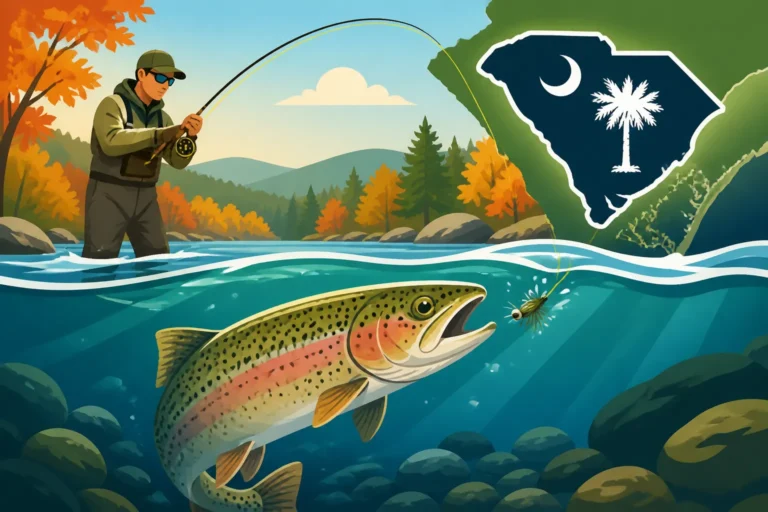
In South Carolina, stocked trout are primarily found in the cool, clear waters of the Upstate region's mountain streams and occasionally in designated "put-and-take" ponds. These areas are chosen specifically because they can support trout populations, even if only seasonally. When these fish are first introduced into a new stream or pond, they tend to congregate in certain areas.
Look for them in deeper pools, behind large rocks or logs that break the current, or in slower eddies where they can rest without expending too much energy. They'll also often hang around the spots where they were originally released, especially for the first few days or weeks. As they settle in, they might spread out a bit more, but initially, those release points are prime real estate. Understanding their initial distribution helps you focus your efforts and maximize your chances of a bite right after a stocking event.
Top Baits for Stocked Trout and Effective Rigging
Now that we understand a bit about stocked trout, let's dive into the most effective baits and how to rig them. The beauty of stocked trout fishing is that you don't always need complex lures or intricate fly patterns; sometimes, the simplest bait does the trick.
PowerBait and Dough Baits: The Rainbow Trout Staple
When you talk about stocked trout, the first bait that often comes to mind is PowerBait, and for good reason! These moldable, brightly colored, and heavily scented baits are engineered specifically to appeal to hatchery-raised trout. They float, which is a huge advantage for presenting your bait just off the bottom, right in the fish's strike zone.
You can find PowerBait in various forms: nuggets, paste, and even shapes that mimic worms or salmon eggs. The key is to mold it onto your hook in a way that allows it to float naturally and spin gently in the current without falling off. A small, pea-sized ball or a tear-drop shape is usually perfect. For rigging, a common and highly effective setup is a simple slip-sinker rig. Thread a small egg sinker (1/8 to 1/4 ounce) onto your main line, followed by a small barrel swivel. Tie a 12-24 inch fluorocarbon leader (2-4 lb test) to the other end of the swivel, and then a small trout hook (size 10-14) to the end of the leader. When a fish bites, the line slips freely through the sinker, allowing the trout to take the bait without feeling immediate resistance from the weight. This often results in a more confident bite. You can find a wide variety of these baits and all the necessary terminal tackle on online retailers like Amazon, making it easy to stock up before your trip.
Live Baits: Time-Tested and Irresistible
While PowerBait is incredibly popular, you can never go wrong with natural live baits. These are often irresistible to trout, whether wild or stocked, because they represent a natural food source. Live baits offer movement, scent, and a realistic feel that artificials sometimes lack.
- Worms: Red wigglers and small nightcrawlers are absolute trout magnets. Their wiggling action and natural scent are hard to beat. When rigging, simply thread a small piece of a nightcrawler or a whole red wiggler onto a small hook (size 8-12). You want enough worm to cover the hook but not so much that it becomes cumbersome for the trout to swallow. You can use a similar slip-sinker rig as with PowerBait, or if you're fishing in a slower current, a simple split-shot weight crimped a foot or so above the hook can be effective.
- Grubs and Mealworms: These smaller live baits are excellent for finicky trout or when you need a more subtle presentation. They are particularly good in clearer, colder waters. Hook them gently through one end, allowing them to wiggle naturally. A tiny split shot or even just the weight of a bobber can be enough to present these.
Natural-Look Baits: Simplicity Can Be Key
Sometimes, the simplest things can surprise you, and that's often true with certain natural-look baits for stocked trout. These aren't live, but they often mimic something a trout might encounter in its environment.
- Kernel Corn: Believe it or not, canned whole kernel corn can be a surprisingly effective bait for stocked trout. The bright yellow color is eye-catching, and it has a subtle sweetness that trout seem to enjoy. Hook 2-3 kernels directly onto a small hook (size 12-16). Corn is fairly dense, so it will sink, but its small size makes it easy for trout to suck in. It's often used with a small split shot or fished under a bobber in shallow, still water.
- Salmon Eggs: Real or artificial, salmon eggs are a classic trout bait. They are particularly effective in streams where trout might naturally encounter eggs from other fish species. Use a single egg on a very small, sharp hook (size 14-18), allowing it to drift naturally. Some anglers prefer to use an "egg loop knot" to secure the egg without piercing it, which can help it stay on longer and appear more natural. For all these smaller baits, ensuring your presentation is subtle and doesn't spook the fish is key.
Essential Techniques for Presenting Bait to Stocked Trout
Having the right bait and rigging is only half the battle; knowing how to present it effectively is crucial. Stocked trout, while less wary than wild trout, still respond best to presentations that appear natural and inviting.
Still Fishing: The Patient Approach
Still fishing is exactly what it sounds like: casting your bait out and letting it sit relatively still in the water, waiting for a bite. This technique is highly effective in slower-moving sections of streams, deeper pools, or small ponds where stocked trout often congregate. It's a fantastic method for beginners and those who enjoy a relaxed day by the water.
When still fishing, you have a couple of primary options. The first is using a bottom rig with a slip sinker, as discussed earlier. You cast it out, let the sinker carry your bait to the bottom, and then let it sit. The floating bait, like PowerBait, will lift off the bottom, making it easily visible to cruising trout. Keep a light tension on your line so you can feel bites, but not so much that you move the bait. The second common method is using a bobber or float. This keeps your bait suspended at a predetermined depth, which is excellent for targeting trout holding in the middle of the water column or just above submerged structure. Adjust the bobber stop so your bait drifts just above the bottom, or at a depth where you've observed fish. Watch the bobber intently; any dip, wobble, or disappearance means it's time to set the hook! You can get great bobber assortments and other terminal tackle essentials from places like Amazon to make sure you have everything you need for various conditions.
Drifting with the Current: Mimicking Natural Food
In streams and rivers, trout naturally position themselves facing upstream, waiting for food to drift past them. This makes drifting your bait one of the most natural and effective presentation methods. It mimics insects, worms, or other small creatures that get dislodged and carried downstream.
To drift your bait effectively, you'll want to use a minimal amount of weight. A few small split-shot weights crimped onto your leader a foot or two above your hook are usually sufficient. Cast your bait slightly upstream and across the current, then allow it to drift naturally downstream. The goal is to keep your line as slack-free as possible (without pulling the bait unnaturally) to detect bites and avoid snagging. This is called "mending" your line, which involves flipping your rod tip to reposition your line upstream of your bait as it drifts. This helps prevent drag, where the current pulls your line and makes your bait move unnaturally fast. This technique is especially productive when targeting trout in areas with varying current speeds or when they are actively feeding on passing morsels. For more advanced techniques, you might also look into specialized "Fly Fishing Techniques for Stocked Trout" or "Spin Fishing Techniques for Stocked Trout" which focus on mimicking natural drifts even more precisely.
Slow Retrieve: Bringing Bait to Life
While trout often prefer still or drifting baits, there are times when a slow retrieve can entice a strike, especially when fish are a bit more active or if your bait has some inherent movement, like a worm. A slow retrieve adds a subtle, lifelike action that can trigger a predatory response.
This technique works well with live worms, small artificial worms, or even PowerBait shaped like a small grub. Cast your bait out, let it sink to the desired depth, and then begin a very slow, steady retrieve, perhaps with an occasional twitch of the rod tip. This makes the bait appear like a struggling worm or insect trying to swim. It can be particularly effective in larger pools or quieter stretches of a stream. If you're using something like a floating PowerBait on a slip sinker rig, the slow retrieve will cause the sinker to drag along the bottom while the bait "dances" just above it. Pay close attention to your line for any unusual bumps or twitches, as trout often mouth the bait before fully committing.
Gear Up for Success: Rods, Reels, and Terminal Tackle
Having the right gear makes a huge difference in your success and enjoyment while fishing for stocked trout. You don't need top-of-the-line, expensive equipment, but choosing appropriate light tackle will vastly improve your experience.
Rod and Reel Setup: The Finesse Factor
For stocked trout, especially in South Carolina's smaller streams and ponds, a light-action spinning rod and reel combo is ideal.
- Rod: Look for a rod that is anywhere from 5 to 7 feet long, with a "light" or "ultralight" power rating and a "fast" or "moderate-fast" action. A light power means the rod can handle small baits and light lines without feeling stiff, allowing for delicate presentations. A fast action means the rod bends mostly in the tip, providing sensitivity to feel subtle bites and quick hook sets. A moderate-fast action will bend further down the blank, offering a bit more forgiveness if you're new to fishing. A rod like this allows you to cast those small, light baits accurately and feel even the slightest nibble.
- Reel: Pair your light rod with a small spinning reel (typically a 1000 or 2000 series size). These reels are designed for light lines and offer a smooth drag system, which is crucial for fighting surprisingly strong trout on delicate tackle. Look for a reel with a good retrieve ratio that allows for smooth, slow retrieves when needed.
Line and Leaders: Stealth and Strength
Line choice is paramount when trout fishing. Trout have excellent eyesight, especially in the clear waters of South Carolina's stocked streams.
- Main Line: Spool your reel with 4-6 pound test monofilament or braided line. Monofilament is a popular choice due to its stretch (which can be forgiving) and knot strength. Braided line offers superior sensitivity and casting distance with very little stretch, but it's often more visible, so a fluorocarbon leader is a must if you choose braid.
- Leader Material: Regardless of your main line, adding a fluorocarbon leader is almost always a good idea. Fluorocarbon is nearly invisible underwater, extremely abrasion-resistant, and has good knot strength. Use 2-4 pound test fluorocarbon for your leader. The lighter the leader, the less visible it is to the trout, leading to more bites. A good rule of thumb for trout fishing is to use the lightest line you can get away with for the conditions. When thinking about "South Carolina's Freshwater Fishing Regulations", ensure your line is within legal limits for specific areas, though generally, light line is always fine for trout.
Hooks, Weights, and Floats: The Small but Mighty Details
The small components of your terminal tackle are critical for effective bait fishing.
- Hooks: Stick with small, sharp, single hooks. Sizes 10-16 are common for trout bait fishing. Some anglers prefer "trout hooks" which often have a short shank and a slightly wider gap, or "egg hooks" which are designed to hold baits like salmon eggs securely. Barbless hooks are also a great option, especially if you plan on releasing fish, as they cause less damage.
- Weights: Keep your weights minimal. Small split-shot weights (sizes BB to 7) are versatile for adding just enough weight to get your bait down or to control its drift. Egg sinkers (1/8 to 1/4 ounce) are excellent for slip-sinker rigs, allowing the line to run freely. Avoid using too much weight, as it can make your presentation unnatural and spook trout.
- Floats/Bobbers: Small, sensitive floats are key for detecting subtle trout bites. Traditional round bobbers work, but pencil floats or slip bobbers offer more sensitivity and allow you to fish deeper. Choose a float size that is just buoyant enough to keep your bait suspended without being overly large or clumsy. You can often find great assortments of these on online marketplaces like Amazon, making it easy to experiment with what works best in different conditions.
| Bait Type | Best Rigging Method | Hook Size (Approx.) | Key Advantage |
|---|---|---|---|
| PowerBait | Slip Sinker Rig | 10-14 | Floats off bottom, strong scent, bright |
| Live Worms | Slip Sinker or Split Shot | 8-12 | Natural movement & scent |
| Kernel Corn | Small Split Shot or Bobber | 12-16 | Subtle, visual appeal |
| Salmon Eggs | Small Split Shot or Bobber | 14-18 | Natural food source, compact |
| Mealworms/Grubs | Tiny Split Shot or Bobber | 14-16 | Subtle, good for finicky fish |
Fishing for stocked trout can be an incredibly rewarding experience, offering consistent action and a great way to enjoy the beautiful waterways of South Carolina. By understanding their unique behavior, selecting the right baits, and presenting them with appropriate techniques and gear, you'll be well on your way to a successful day on the water. Remember to always check the "South Carolina Stocked Trout Daily Limit" and other local regulations for the specific body of water you're fishing. You can find more comprehensive information on everything from licenses to specific season techniques, including "South Carolina Stocked Trout Season Fishing Techniques", so make sure you're up to date! And if you're not sure where to start with licenses, our guides like "South Carolina Fishing License Guide" and "Where to Buy a Fishing License in South Carolina" are excellent resources.
Disclaimer
This article is for general informational purposes only and does not constitute professional advice. Laws, prices and regulations vary by location and change over time. Consult a qualified professional for guidance on your specific situation.