Free Fishing Days for Residents Only Explained
It’s a common scenario: you hear whispers of "free fishing days" in South Carolina, and visions of casting lines without the hassle of a license dance in your head. But then, a quick check of the details often reveals a frustrating caveat: "residents only." This can be a real bummer, especially for our visiting friends and family from out of state who just want to enjoy a relaxing day on the water. This guide is here to unravel the specifics of South Carolina's free fishing days, explaining precisely who qualifies and what these days truly mean for anglers.
Understanding South Carolina's Free Fishing Days
South Carolina's Department of Natural Resources (SCDNR) offers these special days as a way to encourage more people to experience the joy of fishing. The intention is genuinely good-hearted – to remove one barrier, the license fee, for those who might be new to the sport or just looking for an easy opportunity to wet a line. However, the exact rules are often misunderstood, leading to confusion and, sometimes, disappointment.
What Exactly Are Free Fishing Days?
At their core, free fishing days are designated periods, typically specific calendar days, during which the requirement for a valid state recreational fishing license is waived. For South Carolina, these days usually fall on key holidays, making it convenient for families and individuals to get out. Historically, South Carolina has offered two such days: one around the Memorial Day weekend, often the Friday before, and another typically on July 4th. These dates are chosen to coincide with popular times for outdoor activities, maximizing the chance for people to participate. During these periods, if you qualify, you can fish in public freshwater and saltwater bodies without purchasing a standard recreational fishing license. It's an excellent chance to introduce a child to fishing, rekindle an old hobby, or just enjoy a spontaneous outing. Many other states offer similar initiatives, but the specifics, especially regarding residency, can vary greatly.
The "Residents Only" Clause Explained
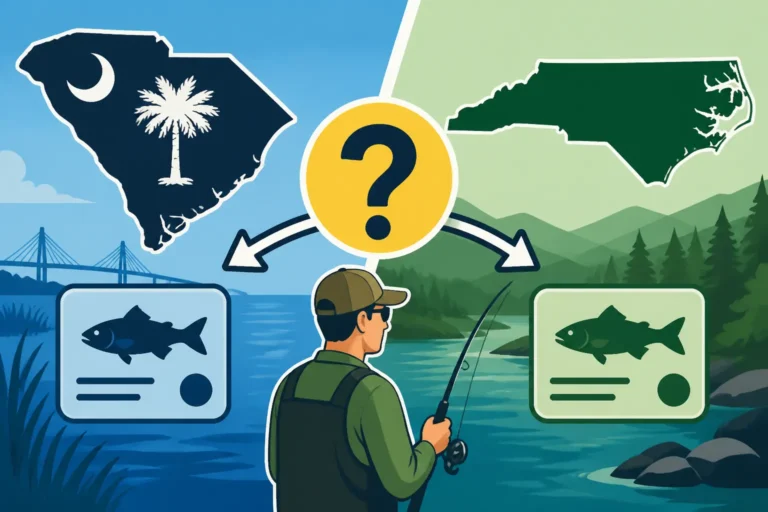
Here's where the frustration often sets in. Unlike some states that might extend their free fishing days to anyone within their borders, South Carolina's free fishing days are explicitly for residents only. This means if you're visiting from Georgia, North Carolina, or any other state, you are still required to possess a valid South Carolina fishing license, even on these designated free days.
The reasoning behind this is quite simple: state-funded programs and resources, including those that support fisheries management and conservation efforts, are primarily funded by South Carolina taxpayers and license sales from its residents. Therefore, initiatives like free fishing days are often designed to benefit those who contribute to the state's coffers. While it might seem exclusionary to out-of-state visitors, it's a common practice for states to prioritize their resident populations for such benefits. So, if you're not a legal resident of the Palmetto State, you'll need to make sure you've got your South Carolina Nonresident Fishing License Guide sorted before you cast your line.
Who Qualifies as a South Carolina Resident for Free Fishing Days?
Defining "resident" might seem straightforward, but it has specific legal implications that the SCDNR adheres to. It's not just about living here temporarily; it's about establishing official domicile.
Defining "Residency" in the Eyes of SCDNR
For the purpose of obtaining a fishing license or participating in resident-only programs like free fishing days, the South Carolina Department of Natural Resources has a clear definition of what constitutes a "resident." Generally, to be considered a resident, you must have resided in South Carolina for at least 30 consecutive days immediately prior to applying for a license or participating in a resident-only activity, and you must intend for South Carolina to be your permanent home.
This means more than just having a vacation home or visiting for an extended period. Proof of residency often involves documents such as:
- A valid South Carolina driver's license or state-issued identification card.
- South Carolina voter registration.
- Evidence of property ownership or long-term lease in the state.
- South Carolina vehicle registration.
- Filing South Carolina income tax returns.
Let's say you're a college student attending the University of South Carolina in Columbia. Even if you've been living there for months, if your permanent home and legal domicile are still in Ohio, you would likely not qualify as a South Carolina resident for fishing license purposes. Conversely, if you recently moved to Charleston, got your SC driver's license, and are setting up your new life here, you would almost certainly qualify. It's essential to understand that game wardens can and do ask for proof of residency, especially if there's any doubt. False claims of residency can lead to significant penalties, so it's always best to be truthful and prepared. For a deeper dive into these specifics, you might want to review the South Carolina Fishing License Requirements in South Carolina.
Scenarios for Non-Residents and Out-of-State Visitors
If you're an out-of-state visitor, whether you're vacationing in Myrtle Beach, visiting family near Lake Murray, or enjoying the historic charm of Charleston, the "residents only" rule means you must have a valid South Carolina fishing license to fish, even on designated free fishing days. There are no exceptions for non-residents during these periods.
Imagine you're from Charlotte, North Carolina, and you've planned a weekend trip to fish the Broad River with friends. If that weekend happens to include a South Carolina Free Fishing Day, your South Carolina resident friends can fish license-free, but you, as a non-resident, would still need to purchase an appropriate South Carolina fishing license. This applies regardless of whether you have a North Carolina fishing license or any other state's license, unless there's a specific reciprocity agreement for border waters, which is a separate topic covered in guides like South Carolina Fishing License Reciprocity With North Carolina.
For non-residents, the good news is that South Carolina offers various short-term and annual license options to fit your trip duration. You can easily purchase a 14-day freshwater license, a 7-day or 1-day saltwater license, or an annual license depending on your plans. These can often be purchased online through the SCDNR website, at many local tackle shops, or even at some sporting goods stores. It's far better to spend a few dollars on a license than to face the Penalties for Fishing Without a License in South Carolina.
What Activities Are Covered and What's Still Required?
The free fishing days waive the license requirement, but they don't give you carte blanche to ignore all other rules. There's a clear distinction between what's waived and what remains firmly in place.
Waived License Requirements for Residents
For eligible South Carolina residents on the designated free fishing days, the primary benefit is the waiver of the recreational freshwater fishing license and the recreational saltwater fishing license. This means you don't need to purchase either of these standard licenses to legally fish in their respective waters. This covers a vast array of common recreational fishing activities, whether you're casting for bass in Lake Marion, chasing redfish in the tidal creeks near Murrells Inlet, or trying your luck for trout in the Upstate mountains.
It's crucial to note that this waiver applies only to recreational fishing. Any commercial fishing activities, which require entirely different licenses and permits, are never included in free fishing days. Also, while the general recreational license is waived, any special permits or stamps required for specific activities, like a federal permit for certain highly migratory species in offshore waters, would still be necessary. However, for the vast majority of resident anglers enjoying a casual day, the waived license requirement is a straightforward and significant benefit. To get a full picture of all the licensing options and their coverage, check out the comprehensive South Carolina Fishing License Guide.
Other Regulations That Still Apply
This is perhaps the most critical point to remember about free fishing days: all other fishing regulations remain in full effect. This is not a "free-for-all" day where you can keep whatever you catch, regardless of size or quantity. These regulations are in place to protect fish populations and ensure sustainable fishing for future generations, and they are enforced rigorously by SCDNR law enforcement officers.
Here's a breakdown of what still applies:
- Bag Limits: The maximum number of fish you can keep for a particular species in a single day still applies. For example, if the daily bag limit for Redfish is two fish per person, you cannot keep more than two, even on a free fishing day. You'll want to stay up-to-date on South Carolina Redfish Slot Limit Rules and Spotted Seatrout Size and Bag Limits in South Carolina.
- Size Limits: Minimum and/or maximum size restrictions for various species are still in force. A Redfish, for instance, has a slot limit, meaning it must be within a specific size range to be legally harvested. Anything too small or too large must be released.
- Season Closures: If a particular species or body of water has a closed season (e.g., specific trout streams or certain shark species), that closure remains in effect.
- Gear Restrictions: Rules regarding the type of bait, number of rods, or specific tackle types are still applicable. For instance, certain areas might have single-hook artificial lure only rules, especially for trout. Don't forget to check rules for Stocked Trout Limits in South Carolina.
- Method Restrictions: If a certain fishing method is prohibited (like certain types of nets or traps for recreational anglers), it remains prohibited. For example, specific bans like South Carolina's Winter Gigging Ban for Seatrout would still be in effect during their specified dates.
It is your responsibility as an angler to know and follow these rules. Before you head out, especially if you're targeting a specific species or fishing in a new area, always consult the latest SCDNR regulations. You can find these online on the SCDNR website, or pick up a printed copy wherever fishing licenses are sold. Many anglers find it useful to carry a small laminated copy or have the SCDNR app on their phone. Even an old-fashioned fishing guide book purchased from a site like Amazon can be a handy reference for general rules, but always double-check the very latest updates from SCDNR.
| Free Fishing Day Rule Summary | WAIVED (for SC Residents) | STILL REQUIRED (for all anglers) |
|---|---|---|
| Recreational Fishing License | Yes (Freshwater & Saltwater) | No |
| Commercial Fishing Licenses | No | Yes |
| Special Permits/Stamps (e.g., federal) | No | Yes |
| Daily Bag Limits | No | Yes (for all species) |
| Minimum/Maximum Size Limits | No | Yes (for all species) |
| Season Closures | No | Yes (for all species and areas) |
| Gear & Method Restrictions | No | Yes (number of rods, hook types, etc.) |
| Boating & Safety Regulations | No | Yes (life jackets, registration, etc.) |
| Identification (Driver's License/ID) | Yes (for proof of residency if questioned) | Yes |
Planning Your Free Fishing Day Adventure (If You're a Resident!)
For those fortunate enough to be South Carolina residents, free fishing days offer a fantastic opportunity to explore new waters or revisit old favorites without the upfront cost of a license. It’s about more than just saving a few bucks; it’s about accessibility and encouraging participation in a beloved pastime.
Best Places to Cast a Line on Free Days
South Carolina is blessed with an incredible diversity of fishing environments, from the vast freshwater lakes and meandering rivers of the Upstate and Midlands to the rich estuaries and coastline of the Lowcountry. On a free fishing day, residents have their pick of numerous public access points.
If you're looking for freshwater action, consider some of our iconic lakes. Lake Murray, near Columbia, is a prime spot for striped bass, largemouth bass, and crappie. You can find numerous public boat ramps and even some excellent bank fishing spots there. The Santee Cooper Lakes (Marion and Moultrie) are legendary for their monstrous catfish and prolific bass populations, offering ample shoreline access and boat launches. For a quieter experience, many state parks, like Table Rock State Park or Dreher Island State Park, offer designated fishing areas, often with piers or easy bank access, perfect for families. These spots are often well-maintained and provide a safe environment for younger anglers. If you're looking for more ideas, our guide on Best Fishing Spots in South Carolina can point you in the right direction.
For saltwater enthusiasts, the options are equally enticing. Public piers in destinations like Myrtle Beach, Folly Beach, and Hilton Head Island are popular choices. Many of these piers even have their own blanket fishing licenses, which usually cover everyone fishing from the pier, but checking local rules is always a good idea. Beyond piers, you can explore public boat landings that provide access to the vast network of tidal creeks, marshes, and inshore waters around Charleston, Mount Pleasant, and Murrells Inlet, where redfish and spotted seatrout are abundant. Remember, even if the license is free, all Saltwater Fishing Rules in South Carolina still apply.
Essential Gear and Tips for a Successful Outing
Even though it’s a “free” day, having the right basic gear can make all the difference between a frustrating experience and a memorable one. You don't need a boatload of expensive equipment; simplicity often works best, especially for beginners.
Here’s a basic checklist for a successful free fishing day:
- Rod and Reel: A simple spinning rod and reel combo, typically a medium action with 8-12 pound test line, is versatile enough for both freshwater and most inshore saltwater fishing. You can find decent beginner combos at local sporting goods stores or online.
- Terminal Tackle: This includes hooks (various sizes, like a #2 or 1/0 for general bait fishing), sinkers (split shot or egg sinkers), and bobbers.
- Bait: For freshwater, live worms or crickets are universally effective for panfish, bass, and catfish. For saltwater, shrimp (live or frozen) or cut bait (like mullet or squid) are excellent choices for a wide variety of species.
- Pliers/Forceps: Essential for removing hooks safely, both for the fish and for your fingers.
- Small Cooler: To keep your bait fresh and your catch (if within legal limits) chilled.
- Sun Protection: Sunscreen, a wide-brimmed hat, and polarized sunglasses are non-negotiable. The South Carolina sun can be intense.
- Water and Snacks: Stay hydrated and energized, especially if you plan to be out for a few hours.
- Tackle Box or Bag: To keep all your gear organized. You can find some excellent, inexpensive tackle box organizers on Amazon that are perfect for beginners.
- Measuring Device: A small tape measure or ruler is crucial for ensuring your catch meets legal size limits before you decide to keep it.
Before you head out, do a quick check of the weather forecast. High winds or approaching thunderstorms can quickly turn a pleasant day into a challenging one. If you're introducing kids to fishing, focus on areas with easy access and a high probability of catching smaller, abundant species like bluegill or small catfish, as constant action keeps them engaged. A simple cane pole with a bobber and a worm can be incredibly effective and fun for youngsters. Remember to check South Carolina Fishing License Age Requirements if you have very young children, as they often don't need a license regardless of free fishing days.
Disclaimer
Please be aware that fishing regulations, including dates for free fishing days and specific rules for species, can change. Always consult the official South Carolina Department of Natural Resources (SCDNR) website or their most current fishing regulations guide before heading out on the water. This article is intended for informational purposes only and does not constitute legal advice.