How Trout Limits Vary by Stream in South Carolina
There's nothing quite as frustrating as heading out to your favorite trout stream, excited for a day of peaceful angling, only to discover the regulations have changed or are completely different from what you thought they were for another nearby waterbody. South Carolina, with its beautiful and diverse trout fisheries primarily nestled in the cooler mountain regions, has a patchwork of rules when it comes to how many trout you can keep, and what size they need to be. It's enough to make even seasoned anglers scratch their heads! This comprehensive guide is designed to cut through the confusion, explaining why trout limits vary by stream across the Palmetto State and, more importantly, how you can always stay on the right side of the law.
Understanding South Carolina's General Trout Regulations
Before diving into the intricacies of stream-specific rules, it’s essential to grasp the baseline. South Carolina’s trout program is a cherished resource, and the Department of Natural Resources (SCDNR) works tirelessly to balance angler opportunity with conservation. This balance is often reflected in the general regulations that apply to most waters unless otherwise specified.
The Statewide Default Daily Creel Limit
For a significant portion of South Carolina's designated trout waters, there's a standard, overarching regulation that anglers can typically rely on. Unless a specific stream or section of a stream is clearly marked or listed in the regulations as having different rules, the default daily creel limit for trout is usually set at ten (10) fish per person per day. This limit generally applies to a mix of species, predominantly stocked rainbow and brown trout, which make up the bulk of the catchable trout population in many popular areas.
This statewide limit isn't just an arbitrary number; it's carefully calculated. The SCDNR considers factors like stocking rates, natural reproduction (where it occurs), fishing pressure, and the overall health of the trout population. The goal is to allow anglers a reasonable harvest while ensuring a sustainable fishery for the future. You'll find this default limit applies to many of the easily accessible, regularly stocked streams that are popular with families and those new to trout fishing. It's the "go-to" rule when no other, more specific regulation is in effect. For more on the general rules, you might want to check out our broader guide on South Carolina's Freshwater Fishing Regulations.
Why Special Regulations Are Necessary
While the statewide daily limit of ten fish serves as a good general guideline, it’s far from universal. South Carolina's trout country, though smaller than some other states, boasts a surprising diversity in its waterways, from pristine headwater creeks harboring native species to larger rivers managed for trophy-sized fish. This ecological variety, combined with varying levels of fishing pressure and conservation priorities, necessitates a more nuanced approach to regulation.
Think about it: a small, delicate mountain stream that supports a fragile population of native brook trout requires a very different management strategy than a wider river section that's heavily stocked with thousands of hatchery-raised rainbow trout each year. If the same liberal limit were applied to both, the native populations could quickly be decimated, and the unique ecological value of those sensitive streams would be lost forever. Special regulations, therefore, act as tailored management tools, designed to protect vulnerable species, enhance specific fishing experiences (like trophy fishing), or simply ensure a sustainable harvest in heavily used areas. They are essential for preserving the unique character and health of each distinct trout fishery within the state.
Factors Influencing Stream-Specific Trout Limits
The specific daily limits and size restrictions for trout in South Carolina don't just appear out of thin air. They are the result of careful scientific study and conservation efforts, designed to match the unique characteristics and goals for each individual stream or river section. Understanding these underlying factors can give you a better appreciation for why the rules are what they are.
Native Brook Trout Waters
South Carolina is home to a precious and unique resource: populations of native brook trout. These beautiful, vibrant fish are often found in the pristine, cold headwater streams of the Blue Ridge Mountains, representing some of the southernmost populations of wild brook trout in the world. Because these fish are native, often smaller, and live in fragile ecosystems, they require special protection to ensure their survival.
For many of these native brook trout streams, the regulations are much stricter than the statewide default. You'll frequently encounter "catch-and-release only" rules, sometimes with specific gear restrictions, such as requiring single, barbless hooks and artificial lures only. This ensures that these delicate fish are handled minimally and released unharmed, allowing them to continue their natural life cycle and maintain their genetic integrity. Streams like certain tributaries of the Chattooga River or the East Fork of the Chattooga in the northern reaches are prime examples where you'll find these stringent regulations. Protecting these Native Brook Trout Streams in South Carolina's Blue Ridge Mountains is a top priority for conservationists and the SCDNR alike, and it's a testament to the state's commitment to its natural heritage.
Trophy Trout Management Areas
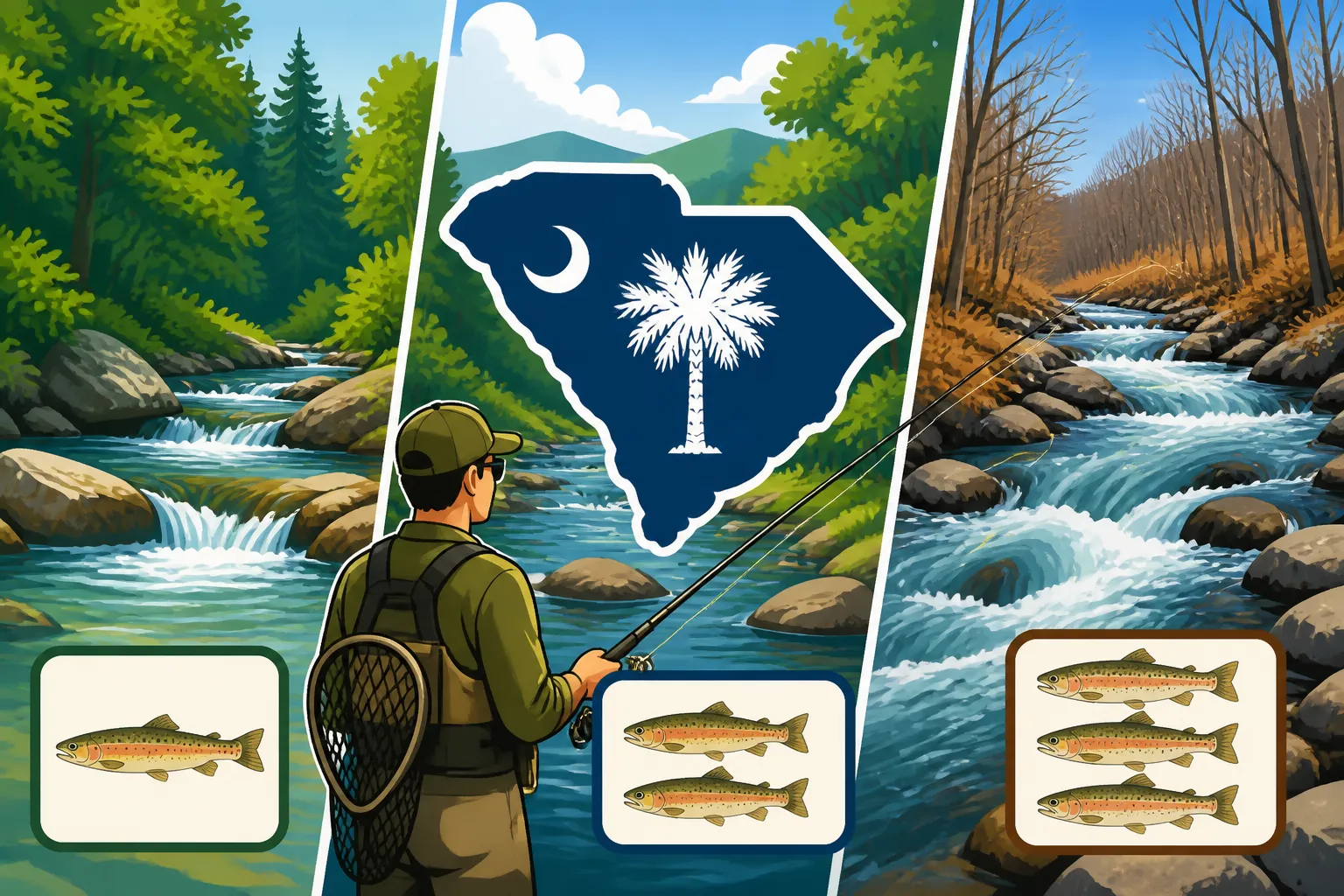
On the other end of the spectrum, some stream sections are managed with the specific goal of producing larger, "trophy-sized" trout. Anglers often dream of hooking a truly massive rainbow or brown trout, and certain regulations are put in place to help make that a reality. In these designated trophy areas, you'll typically find a significantly reduced daily creel limit, often as low as one or two fish per day, or even a higher minimum size limit.
The logic here is simple: by allowing fewer fish to be harvested, and by protecting smaller fish until they reach a certain size, more trout have the opportunity to grow larger and older. This selective harvest strategy can lead to some truly impressive catches. These areas might also have "artificial lures only" rules, as studies have shown that artificial lures, especially when combined with careful handling, generally lead to higher survival rates for released fish compared to bait fishing. These regulations create a unique challenge and reward for anglers seeking that once-in-a-lifetime fish, knowing that the lower bag limit contributes directly to the potential for a trophy.
High-Pressure Stocked Waters
Many of South Carolina’s trout streams are heavily reliant on stocking programs to provide ample fishing opportunities, especially in areas with easy access or high angler demand. These are the streams where you'll often find the statewide default limit of ten fish per day in effect, and sometimes even more specific variations depending on the stocking frequency and overall pressure.
In some heavily stocked waters, particularly those that receive frequent infusions of hatchery-raised trout, the SCDNR might implement a daily limit that is still generous to encourage harvest. This helps manage the population density, ensures fish are utilized, and provides consistent angling opportunities. However, even in these high-pressure environments, the SCDNR keeps a close eye on catch rates and overall fish health. If a particular stream experiences exceptionally high pressure, or if there's a desire to spread the resource among more anglers, the limit might still be adjusted downward from the maximum ten fish, perhaps to a South Carolina Streams With a 7-Fish Trout Limit or even lower in specific sections. The key is finding that balance where enough fish are caught to keep anglers happy, but enough are left (or stocked) to ensure the fishery remains robust.
Decoding Specific Trout Stream Regulations
Navigating the detailed regulations for each individual trout stream can feel like deciphering a secret code, but it's crucial for responsible angling. The SCDNR's fishing guide is your best friend here, as it lays out the specific rules for particular waterways. Let's break down some of the common variations you might encounter.
Catch-and-Release Only Zones
Perhaps the most stringent of all trout regulations, catch-and-release (C&R) only zones are established for very specific reasons. When you see "Catch-and-Release Only," it means exactly that: every trout you catch must be immediately and carefully returned to the water unharmed. These zones are usually found in areas with sensitive fish populations, such as those harboring native brook trout, or in sections of streams where the SCDNR is conducting research or trying to establish a wild trout fishery.
The "why" behind C&R is multifaceted. It drastically reduces mortality rates, allowing fish to grow larger and reproduce, contributing to a self-sustaining population. Often, these zones come with additional rules like requiring "single, barbless hooks" and "artificial lures only." Barbless hooks minimize tissue damage, making hook removal easier and faster. Artificial lures prevent the accidental ingestion of bait, which can cause internal injuries leading to delayed mortality. The Chattooga River, especially its upper reaches and tributaries, is a prime example of where you'll find sections designated as Which South Carolina Streams Are Catch-and-Release Only for Trout?. Respecting these rules is paramount to ensuring these unique fisheries thrive for generations to come.
Streams with Reduced or Increased Daily Limits
Beyond the general statewide limit of ten fish, you’ll frequently find streams or segments of streams with explicitly stated lower or, in rare cases, slightly higher daily bag limits. These variations are tailored to the specific management objectives for that particular waterbody. For instance, a stream known for good natural reproduction but limited overall habitat might have a reduced limit of, say, South Carolina Streams With a 5-Fish Trout Limit to spread the harvest among more anglers and protect the breeding population. This ensures that while anglers can still take home a meal, the resource isn't depleted too quickly.
Conversely, some sections, particularly those that are part of intensely managed put-and-take fisheries receiving massive stockings, might see a slightly more liberal approach. However, it's far more common to encounter reduced limits, especially in the more pristine or highly valued areas. This proactive management strategy is a dynamic process; if a fish population is struggling, or if a habitat has been impacted, the SCDNR might adjust these limits down further. That's why constantly checking the regulations is so vital—what was a five-fish limit last year might be different this year.
Size Restrictions and Slot Limits
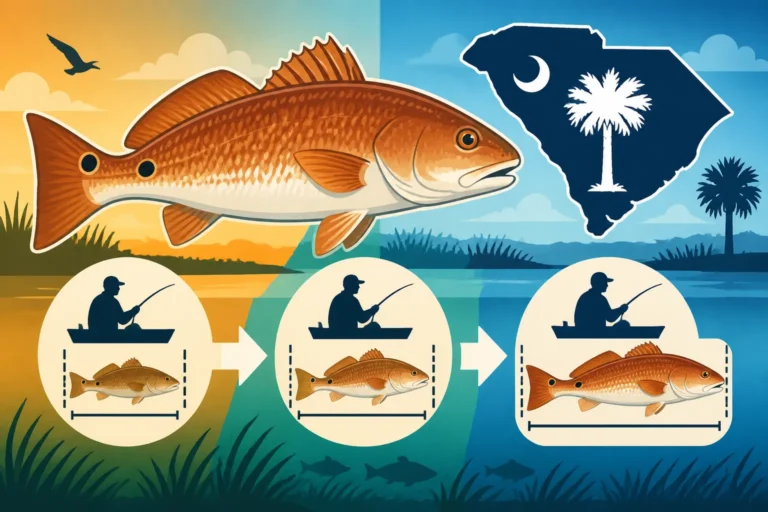
Beyond just the number of fish you can keep, many streams also impose size restrictions. The most common is a minimum size limit, meaning any trout caught below a certain length (e.g., 10 inches or 12 inches) must be released. This regulation is primarily designed to protect juvenile fish, allowing them to grow to a mature size and, crucially, to spawn at least once before being harvested. It ensures that the fish have a chance to contribute to the next generation of trout.
While less common for South Carolina trout compared to species like redfish, some fisheries might employ a "slot limit." A slot limit means you can keep fish below a certain size and above another, but must release any fish that fall within the "slot" (e.g., release all fish between 12 and 16 inches). This is often used to protect prime breeding-age fish in the middle of the size range while allowing harvest of smaller, more numerous fish, and larger, older fish that may have already contributed significantly to reproduction. Understanding these length-based rules is just as important as knowing the daily bag limit, as an undersized fish kept is just as much a violation as an over-the-limit catch. This is one of the key reasons Why Trout Limits Differ From Stream to Stream.
How to Find Up-to-Date Trout Regulations for Your Stream
The single most important piece of advice for any angler is to always know the rules for the specific body of water you intend to fish. Relying on outdated information or word-of-mouth can lead to serious consequences, not to mention impacting the very resource you love. Thankfully, the SCDNR provides clear avenues for accessing this critical information.
The SCDNR Fishing Regulations Guide
There is simply no substitute for the official source: the South Carolina Department of Natural Resources (SCDNR) Fishing Regulations Guide. This comprehensive guide, updated annually, is your bible for all things fishing regulations in the state. It outlines everything from statewide general rules to the highly specific regulations for individual streams, lakes, and coastal waters. For trout anglers, this document is especially critical, as it details which streams have special C&R rules, reduced daily limits, or unique size restrictions.
You can access the guide in several ways. The most convenient for many is the online PDF version, available directly on the SCDNR website. This digital format means you can download it to your phone or tablet and have it accessible even without cell service in remote areas. For those who prefer a physical copy, printed guides are usually available at SCDNR offices, many tackle shops, and often at places where you purchase your South Carolina Fishing License Guide. Make it a habit to check this guide every single year, even if you think you know the rules, because regulations can and do change. It is your ultimate resource for Checking a Stream's Trout Limit Before You Fish It.
Using Online Tools and Local Resources
Beyond the main regulations guide, several other tools and local insights can help you pinpoint the exact rules for your chosen trout stream. The "Go Outdoors South Carolina" platform, while primarily known for license sales, is also an excellent resource. While you're there buying your How to Buy a Fishing License on Go Outdoors South Carolina, you can often find links directly to the most current regulations or even specific stream information. The platform is designed to be user-friendly, and setting up an account on the Go Outdoors Online License Portal Explained makes it easy to keep track of your licensing and stay informed.
Don't underestimate the value of local expertise. Independent tackle shops located near trout fishing areas are goldmines of information. The folks working there live and breathe local fishing; they often know about recent stocking schedules, water conditions, and any subtle changes in regulations that might not yet be widely publicized. Similarly, hiring a local fishing guide, even for just a half-day trip, can provide invaluable insights into current conditions and rules. These pros are on the water constantly and stay meticulously informed about the specific quirks of the streams they fish. Combine these local insights with your official SCDNR guide, and you'll be well-prepared. To help keep track of your fishing adventures and any notes on regulations, consider a small, waterproof field journal, which you can easily find on Amazon, along with waterproof cases for your phone to keep your digital regulations safe.
Practical Tips for Anglers Navigating Varying Limits
Even with all the resources available, the nuances of trout regulations can sometimes feel overwhelming. It's easy to make an honest mistake, but ignorance of the law is rarely an excuse. Taking a few proactive steps can save you a lot of headaches and ensure your fishing trips are enjoyable and compliant.
Always Check Before You Cast
This cannot be stressed enough: before you even put a line in the water, check the specific regulations for that stream or stream section. It doesn't matter if you fished it last week, last month, or last year; regulations can change due to new scientific data, environmental factors, or shifts in management goals. What might be a five-fish limit on one section of a river could instantly become catch-and-release only a few hundred yards upstream or downstream.
Imagine this scenario: you're fishing a beautiful stretch of the Chauga River, happily catching and keeping a few trout under the statewide 10-fish limit. You decide to explore a bit further upstream, find a promising bend, and continue fishing. Unbeknownst to you, that specific upstream section is designated as a native brook trout sanctuary with a strict catch-and-release policy. An SCDNR game warden approaches, and suddenly your enjoyable outing turns into a stressful encounter. The consequences of not knowing these rules can be severe, ranging from hefty fines to the confiscation of your gear, or even the loss of your fishing license. It's always worth a few minutes of pre-trip research to avoid the potential Penalty for Fishing Without a License in South Carolina or violating specific creel limits. Being a responsible angler means being an informed angler.
Keeping a Portable Reference Handy
Even after you've thoroughly reviewed the regulations, it's a good idea to have a quick reference available while you're actually on the water. Cell service can be spotty, or even non-existent, in many of South Carolina's prime trout fishing locations in the mountains. Relying solely on your phone to pull up a web page might not be feasible.
One excellent strategy is to print out the specific pages of the SCDNR regulations guide that pertain to the streams you plan to fish. You can even laminate these pages to make them waterproof and durable. Many anglers also find it useful to keep a small, pocket-sized fishing journal, noting stream names, specific regulations, and even successful fly patterns or baits for different areas. For a more tech-savvy approach, ensure you've downloaded the official SCDNR regulations PDF directly to your phone or tablet before you leave home, so it's accessible offline. Having a printed or downloaded copy on hand means you can quickly double-check a rule without having to trek back to your vehicle or hope for a signal, keeping you compliant and focused on the fishing. You can find excellent waterproof notepads and durable phone cases on Amazon to keep your important references protected on the water.
Understanding Boundary Waters and Exceptions
South Carolina's trout country often borders other states, particularly North Carolina and Georgia. These "boundary waters" can introduce an extra layer of complexity to regulations. For example, some rivers like the Chattooga River form a natural boundary between South Carolina and Georgia. While both states generally cooperate on management, their specific fishing licenses and certain regulations can differ significantly depending on which side of the river you're on, or if the water is designated as a reciprocal agreement zone. It's crucial to understand South Carolina Fishing License Reciprocity With North Carolina or Georgia if you plan to fish these shared waterways, as well as the specific creel limits for each state.
Furthermore, there might be unique exceptions within certain areas, such as special regulations for waters on federal lands (like within National Forests) or private lands with public access agreements. Always pay attention to signage at access points, as these signs often highlight critical, site-specific rules. These small details can make a big difference between a successful, legal outing and an unexpected citation.
| Stream Type/Example | General Location (Hypothetical) | Daily Creel Limit | Minimum Size Limit | Special Rules |
|---|---|---|---|---|
| Statewide Default | Most Stocked Rivers/Lakes | 10 fish | No minimum (catchable size) | None (unless specified) |
| Native Brook Trout Waters | Upper Chattooga Tributaries | 0 fish (Catch & Release) | N/A | Artificial lures, single barbless hooks only |
| Trophy Management Area | Lower Chauga River (Designated Section) | 2 fish | 16 inches | Artificial lures only |
| High Pressure Stocked | Eastatoe River (Lower Section) | 7 fish | 12 inches | None |
Disclaimer
Fishing regulations, including bag and size limits for trout, can change. Always consult the most current South Carolina Department of Natural Resources (SCDNR) regulations guide before heading out on the water. This article is for informational purposes only and should not be considered a substitute for official SCDNR publications.