Best Fishing Spots in South Carolina
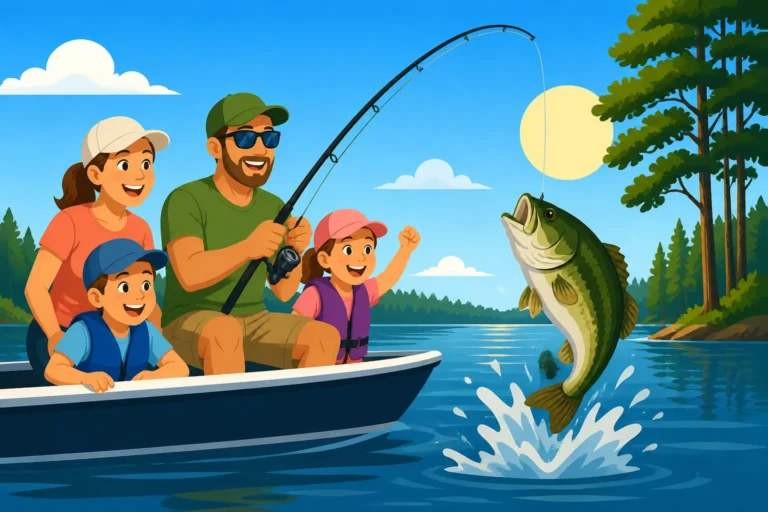
South Carolina is a true angler's dream, but let's be honest, the sheer number of incredible fishing spots can feel overwhelming, can't it? From the tranquil mountain streams to the vibrant coastal estuaries, knowing where to cast your line for the best chance at success can be a real head-scratcher. This comprehensive guide is here to cut through the confusion, helping you discover the top fishing destinations across the Palmetto State, whether you're chasing bass, redfish, or a trophy catfish.
Understanding South Carolina's Diverse Fishing Landscape
South Carolina offers an incredible array of fishing experiences, largely thanks to its unique geography that spans from the Blue Ridge Mountains down to the Atlantic Ocean. This isn't just one type of fishing; it's a whole buffet, and understanding the different regions is key to unlocking their potential. Many folks just think of the coast, but trust me, there's a whole lot more happening inland.
The Lowcountry's Saltwater Allure
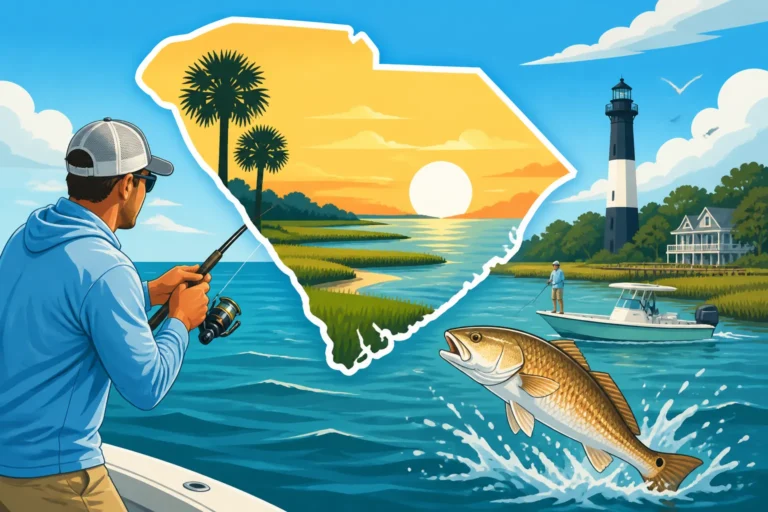
When you picture fishing in South Carolina, often the first image that comes to mind is the Lowcountry. This region, stretching along the coast, is a maze of salt marshes, tidal creeks, barrier islands, and vibrant estuaries that spill into the Atlantic. It's a truly dynamic environment, heavily influenced by the moon's pull and the daily tides.
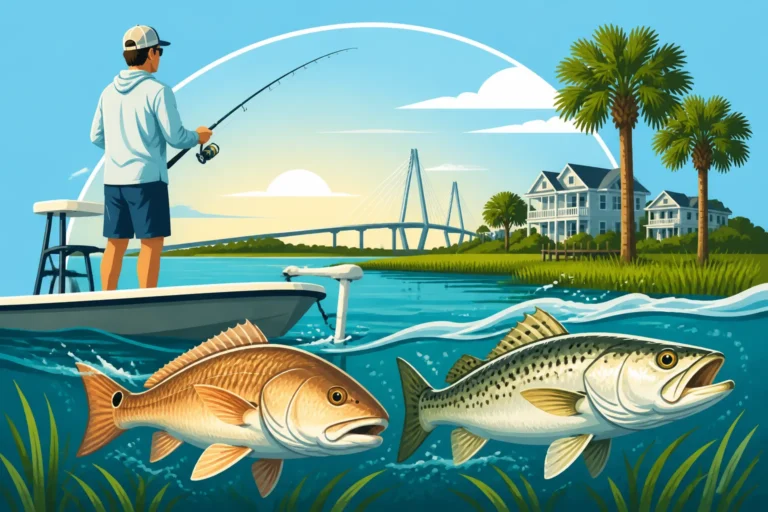
Here, you're looking at a completely different ballgame from freshwater. The species are diverse, including sought-after game fish like redfish, spotted seatrout, flounder, and even larger migratory species offshore. The fishing techniques often revolve around understanding the tides, reading the currents, and knowing how to navigate shallow, oyster-laden waters. It's a place where you can sight-fish for tailing redfish on flood tides or jig for trout in deeper channels, offering endless opportunities for both novice and seasoned anglers. For anyone looking to explore the incredible saltwater opportunities, our guide to the is an excellent resource.
The Upstate's Freshwater Havens
Venture inland to the Upstate, and you'll find a world of pristine mountain streams, sprawling reservoirs, and tranquil rivers. This region, cradled by the foothills of the Appalachian Mountains, offers a cooler, often clearer freshwater experience. It’s a drastic change from the salty air and marsh grass of the coast, both in scenery and fishing style.
The Upstate is renowned for its diverse bass fisheries, including largemouth, smallmouth, and spotted bass, as well as a strong population of striped bass in the larger lakes. Trout fishing is also a major draw, particularly in the cold, clear waters of the Jocassee Gorges and Sumter National Forest. Lakes like Hartwell and Keowee are famous for their deep, clear waters and challenging, rewarding fishing. This area often requires different strategies, focusing on structure, depth, and temperature changes in the larger reservoirs, or stealth and precision in the smaller streams.
The Midlands' Blended Opportunities
The Midlands region acts as a fantastic transition zone, blending aspects of both the Upstate's freshwater bounty and a taste of what flows downstream towards the coast. Centrally located, it's home to some of South Carolina's largest and most famous lakes, fed by major river systems. Think big water, big fish, and a mix of environments.
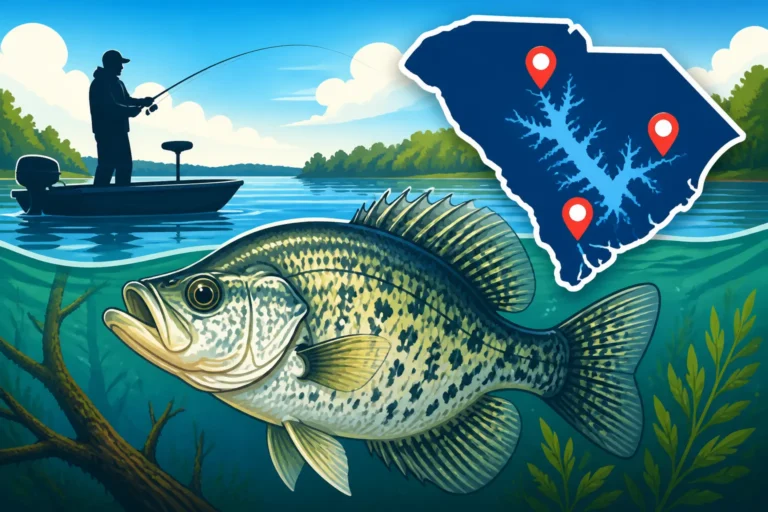
Lake Murray, often called the "Jewel of the Midlands," is a prime example, offering world-class striped bass, largemouth bass, and crappie fishing. The Santee Cooper Lakes (Marion and Moultrie) further to the east are legendary for their monstrous catfish and prolific bass populations. The rivers that feed these lakes, like the Congaree and Broad, offer their own unique challenges and rewards, especially for those targeting catfish or seeking a more secluded experience. This region often allows for a mix of techniques, from trolling for stripers in open water to flipping jigs in submerged timber, making it a versatile playground for anglers of all stripes.
Top Freshwater Fishing Spots You Can't Miss
South Carolina's freshwater fishing scene is absolutely legendary, drawing anglers from all over the country. If you're looking for a trophy catch or just a peaceful day on the water, these major lakes are where a lot of the magic happens. They are true giants, offering a wealth of opportunities for various species.
Lake Murray: The Jewel of the Midlands
Lake Murray, affectionately known as the "Jewel of the Midlands," is a massive 50,000-acre reservoir just northwest of Columbia. It's famous for a reason: incredible fishing, stunning scenery, and a vibrant community around its shores. When you're out on Murray, you feel the expanse of it, and it can be intimidating at first glance, but knowing where to focus makes all the difference.
This lake is arguably the state's premier striped bass fishery, with healthy populations that grow to impressive sizes. Anglers often target stripers by trolling deep-diving crankbaits or live bait (like blueback herring) in the open waters, especially around underwater humps and points. The fall and spring are particularly productive, but even in summer, dedicated anglers can find success by going deeper during cooler parts of the day. For an in-depth look at this fantastic fishery, check out our guide.
Beyond stripers, Lake Murray also boasts an excellent largemouth bass population. The lake's shoreline is dotted with docks, submerged timber, and brush piles, providing ample cover for these elusive green fish. During the spring spawn, bass move into shallower coves, making them accessible to sight-fishing or casting senkos and jigs around visible structure. Crappie fishing is also top-notch, especially in the winter and early spring when they school up in deeper channels or around submerged brush. It's a diverse fishery that truly offers something for everyone, regardless of your preferred target species or technique.
Santee Cooper Lakes (Marion & Moultrie): A Bass and Catfish Paradise
The Santee Cooper Lakes, comprising Lake Marion (South Carolina's largest lake) and Lake Moultrie, form an unparalleled fishing complex in the state. These two massive lakes, connected by the Diversion Canal, span over 170,000 acres and are internationally recognized for their incredible fisheries. It's a truly wild system, with cypress trees rising from the water and an immense amount of structure both visible and submerged.
This system is particularly renowned for its world-class catfish fishing. Blue catfish, flathead catfish, and channel catfish grow to enormous sizes here, with state and even national records coming from these waters. Anglers often drift cut bait (like shad or herring) over open flats or anchor on ledges and humps, waiting for that tell-tale tug on the line. Night fishing for catfish is exceptionally popular, especially during the warmer months, as the big cats become more active under the cover of darkness. This truly is a destination if you're chasing a giant. Our guide to the will give you all the details on this legendary spot.
Not to be outdone, the Santee Cooper Lakes also offer some of the best largemouth bass fishing in the Southeast. The abundance of cover – from vast cypress forests and submerged timber to grass beds and lily pads – creates ideal habitat for bass. During the spring, the shallow flats and cypress knees are bustling with spawning activity, making for incredible flipping and pitching action. Throughout the year, anglers employ a variety of techniques, from cranking deep ledges to throwing topwater frogs over matted vegetation. Crappie and bream fishing are also excellent, making Santee Cooper a true multi-species destination where you can fill your cooler or chase a trophy.
Lake Hartwell: Borderline Bass and Striper Action
Nestled on the border of South Carolina and Georgia, Lake Hartwell is another freshwater giant, covering nearly 56,000 acres. This U.S. Army Corps of Engineers reservoir is a beautiful lake known for its clear, deep waters and abundant rocky structure. While it shares its waters with Georgia, South Carolina anglers have plenty of access and incredible fishing opportunities on their side.
Lake Hartwell is a prime destination for bass anglers, with strong populations of largemouth, spotted, and even smallmouth bass in certain areas. The spotted bass, in particular, thrive in Hartwell's clear, rocky environment, often schooling up on humps, points, and around brush piles. Dropshotting, shaky heads, and jigging spoons are popular techniques for targeting these deep-water dwellers. Largemouth bass can be found in the shallower coves and around the numerous docks and submerged timber throughout the lake. Many tournaments are held here, a testament to the lake's incredible bass fishery.
Beyond bass, Lake Hartwell also supports a healthy population of striped bass, offering another exciting angling challenge. While not as famous for stripers as Lake Murray, Hartwell stripers can grow quite large. They are often found in open water, chasing schools of baitfish, and can be targeted by trolling, down-lining live bait, or casting swimbaits to schooling fish. The lake's extensive network of public boat ramps and recreation areas makes it highly accessible for anglers looking to explore its vast waters, whether they're after bass, crappie, or a hard-fighting striper.
Premier Saltwater Fishing Destinations Along the Coast
South Carolina's coast is a shimmering tapestry of salt marsh, tidal creeks, and the vast Atlantic, offering some of the most exciting saltwater fishing anywhere. If you're drawn to the salty air and the tug of a powerful redfish or the subtle bite of a trout, these spots are absolute must-visits.
Charleston Harbor: Historic Waters, Epic Catches
Charleston Harbor isn't just a historic landmark; it's a bustling hub of inshore and nearshore fishing activity. This expansive estuary, fed by the Ashley, Cooper, and Wando Rivers, provides an incredible diversity of habitat, making it a prime location for a variety of popular saltwater species. From the bustling downtown waterfront to the quieter marsh creeks, there's always a new spot to explore.
The harbor is legendary for its redfish population, offering year-round action. Anglers can sight-fish for "tailing" redfish on shallow grass flats during high tides, or target them with live bait (like mud minnows or shrimp) and artificials (like soft plastics) around oyster beds, docks, and creek mouths. Spotted seatrout are another major draw, often found in deeper channels, creek mouths, and around structure. Many local guides specialize in navigating these complex waters, knowing exactly where the fish will be based on the tide and time of year. For those wanting to experience this unique fishery, our guide to is a fantastic starting point.
Beyond redfish and trout, Charleston Harbor offers opportunities for flounder, especially around inlets and sandy bottoms, as well as sheepshead, which congregate around pilings, jetties, and other hard structure. Black drum, often mistaken for redfish, are also commonly caught, particularly near deeper holes and oyster reefs. The accessibility of the harbor, with numerous boat ramps and fishing piers, makes it a popular choice for both locals and visitors. Whether you're casting from a kayak, a center console, or even a public pier, Charleston Harbor consistently delivers memorable saltwater fishing experiences.
Murrells Inlet: The "Seafood Capital" for Inshore Anglers
Just south of Myrtle Beach, Murrells Inlet proudly holds the title of "Seafood Capital of South Carolina," and for good reason—it's not just about eating the fish here, it's about catching them too! This charming fishing village is built around a truly unique estuary system, known for its pristine waters, extensive oyster beds, and intricate network of tidal creeks.
Murrells Inlet is an absolute paradise for inshore anglers. Redfish, spotted seatrout, and flounder are the primary targets, and the inlet consistently produces impressive numbers of all three. The unique structure of the inlet, with its numerous small islands, marsh grass, and clear-water creeks, makes it perfect for sight-fishing on calm days. Live shrimp under a popping cork is a classic and highly effective method for both trout and redfish, while jigging Gulp! shrimp or mud minnows near drop-offs and oyster points works wonders for flounder. If you're thinking about a guided trip, consider exploring options; a local guide can show you the secret spots.
For those venturing slightly further out, the jetties at the mouth of the inlet offer access to nearshore species like sheepshead, black drum, and even some smaller sharks. The jetties themselves are fantastic fishing platforms, attracting a variety of baitfish and, consequently, game fish. Even from the shore, the MarshWalk, a scenic boardwalk, offers accessible bank fishing opportunities. Murrells Inlet provides that quintessential Lowcountry fishing experience, blending fantastic angling with a charming coastal atmosphere, making it an ideal destination for family trips or serious fishing excursions.
Hilton Head Island: Estuary Adventures and Offshore Thrills
Hilton Head Island is more than just a world-class vacation destination; it's a premier fishing locale that caters to every type of angler, from those seeking tranquil estuary adventures to the thrill-seekers heading offshore. The island's intricate network of tidal creeks, protected sounds, and proximity to the open ocean creates an incredibly diverse fishery. It’s truly a vacation hotspot where you can combine relaxation with serious fishing.
Inshore, the waters around Hilton Head are teeming with redfish, spotted seatrout, and flounder. The vast marsh system, particularly around Calibogue Sound and Port Royal Sound, provides prime habitat. Anglers can explore these labyrinthine creeks by kayak, skiff, or larger charter boats, targeting fish that feed on shrimp and baitfish pushed by the strong tides. Live shrimp, mud minnows, and a variety of soft plastic lures are highly effective here. It's not uncommon to catch a "Lowcountry slam" – a redfish, trout, and flounder – all in a single outing, which is a fantastic achievement for any angler.
For those craving bigger fish and the open ocean, Hilton Head offers fantastic offshore opportunities. Just a short boat ride away, you can target species like king mackerel, Spanish mackerel, cobia, and various snapper and grouper. Farther offshore, the Gulf Stream provides access to pelagic giants such as mahi-mahi (dolphin), wahoo, and tuna. Many reputable charter operations are available on the island, specializing in everything from nearshore reef fishing to deep-sea trolling. Whether you're casting a line from a private dock, exploring the quiet estuaries, or battling a big fish miles offshore, Hilton Head delivers a complete and unforgettable South Carolina fishing experience.
River Fishing: Unveiling South Carolina's Flowing Treasures
While the big lakes and coastal waters often get the spotlight, South Carolina's rivers offer a unique and often overlooked fishing experience. These flowing waterways, each with its own character, provide intimate settings and incredible opportunities for a diverse range of freshwater species. Many of these spots feel wilder, offering a true escape into nature.
Edisto River: Blackwater Beauty and Bream Bonanza
The Edisto River holds a special place in South Carolina's natural heritage. It's one of the longest free-flowing blackwater rivers in North America, meandering slowly through ancient cypress and tupelo swamps before eventually meeting the Atlantic. The dark, tannin-stained waters create a unique ecosystem that is both beautiful and highly productive for fishing.
This river is an absolute gem for anyone who loves catching bream (bluegill, redbreast sunfish, and shellcrackers). The abundance of submerged logs, cypress knees, and overhanging vegetation provides perfect cover for these panfish. A simple cane pole, a hook, a bobber, and a cricket or worm is often all you need for a fantastic day of catching. It's a truly classic South Carolina experience, perfect for introducing kids to fishing or for anglers seeking a relaxing, high-numbers day. To learn more about exploring this unique waterway, check out our insights on .
Beyond panfish, the Edisto also boasts healthy populations of largemouth bass, particularly in the slower-moving sections and oxbow lakes. Look for bass lurking near structure, especially during the warmer months. Catfish, including channel cats and flatheads, are also abundant in the deeper holes and bends of the river. The Edisto's remote feel and stunning natural beauty make it a favorite for kayak and canoe anglers who want to paddle through ancient forests and cast their lines in tranquility. It's a place where you can truly slow down and connect with the natural world while enjoying excellent fishing.
Congaree River: Trophy Catfish and Urban Access
Flowing right through the heart of Columbia, the Congaree River might be close to urban areas, but don't let that fool you—it's a serious fishery, especially for those chasing trophy catfish. This powerful river is formed by the confluence of the Broad and Saluda Rivers and carries a significant volume of water as it journeys toward the Santee Cooper system. It’s a testament to how wild South Carolina’s waterways can remain, even near cities.
The Congaree is perhaps best known for its incredible blue and flathead catfish populations. These powerful fish thrive in the river's deep channels, strong currents, and abundant forage. Anglers frequently target them using heavy tackle, fishing cut bait (like shad or mullet) or live bream on the bottom in deep holes and eddy lines. It's not uncommon for anglers to pull out blue catfish weighing 30, 40, or even 50+ pounds from these waters. If you're serious about battling a monster catfish, the Congaree is a prime destination that demands respect for its currents and powerful inhabitants. Learn more about this urban gem in our guide to .
In addition to catfish, the Congaree also offers good opportunities for striped bass, particularly during their seasonal runs. Largemouth bass can be found in the calmer backwaters and oxbows, especially around fallen timber and aquatic vegetation. The river's accessibility from Columbia, with several boat ramps and bank access points, makes it a convenient option for local anglers. Whether you're a seasoned catfisherman or simply looking for a productive river system close to amenities, the Congaree River provides thrilling fishing within reach of the city.
Broad River: Shoals, Smallmouth, and Scenic Views
The Broad River, originating in the Blue Ridge Mountains and flowing southeast before joining the Saluda to form the Congaree, offers a distinctly different river fishing experience. Characterized by its rocky shoals, clear waters, and alternating stretches of swift current and calmer pools, it's a scenic and productive waterway, especially popular in the Upstate and Midlands regions.
This river is unique for South Carolina as it harbors a respectable population of smallmouth bass, particularly in its upper stretches and around the rocky shoals. Smallmouth are known for their feisty fights and preference for cooler, moving water and rocky habitats. Anglers target them with small crankbaits, jigs, and tubes, focusing on eddies, current breaks, and underwater rock formations. While not as numerous as largemouth in most other SC waters, the chance to catch a bronze-backed smallmouth in South Carolina is a special treat that the Broad River delivers.
Beyond smallmouth, the Broad River also offers excellent fishing for largemouth bass, especially in the slower, deeper pools and backwaters where cover is more abundant. Channel catfish and various panfish (like redbreast sunfish) are also prolific throughout the river system, providing consistent action for bait anglers. Many sections of the Broad River are popular for kayaking and canoeing, offering anglers the chance to float and fish through beautiful, undeveloped stretches. The combination of its scenic beauty, diverse fish populations, and the unique opportunity to catch smallmouth bass makes the Broad River a cherished flowing treasure for South Carolina anglers.
Unique Fishing Experiences and Hidden Gems
Sometimes, the best fishing isn't about the biggest lake or the most famous spot, but about the experience itself. South Carolina provides plenty of these, from easy access points along the coast to serene state park ponds and the thrill of exploring by paddle. These options are often perfect for families, beginners, or those just looking for a different kind of day on the water.
Pier and Surf Fishing: Accessible Coastal Fun
One of the most accessible and enjoyable ways to experience South Carolina's coastal fishing is from its numerous piers and wide sandy beaches. You don't need a boat, and often, you don't even need a personal fishing license, as many commercial piers cover that for you (though it's always wise to double-check). This ease of access makes it a fantastic option for families, casual anglers, and visitors.
Pier fishing offers a unique vantage point, allowing you to cast into deeper waters than from the beach, often reaching structure like artificial reefs or deeper channels that attract fish. Common catches from piers include whiting, pompano, croaker, flounder, Spanish mackerel, and even small sharks. Using shrimp, cut bait, or small live bait is typically effective. The Myrtle Beach area, with its numerous piers like the Cherry Grove Pier and the Myrtle Beach State Park Pier, is a prime example of where to experience this. Our guide to will show you some great spots in the area. It's a social experience too, with fellow anglers often happy to share tips and tales.
Surf fishing, on the other hand, gives you that feeling of directly interacting with the ocean. Casting from the beach, you're targeting fish that cruise the inshore troughs and sloughs, looking for food. Pompano, whiting, red drum (smaller ones often called "puppy drum"), and sometimes flounder or even larger sharks are common targets. Popular baits include fresh shrimp, sand fleas, and cut bait. The key to successful surf fishing often lies in understanding how to read the beach – identifying deeper cuts and troughs where fish might congregate. Beaches like those in Hunting Island State Park or along Pawleys Island offer excellent surf fishing opportunities, providing both solitude and the rhythmic sound of the waves as your backdrop.
State Park Fishing: Family-Friendly and Convenient
South Carolina's State Parks are not just for hiking and camping; many of them offer fantastic, family-friendly fishing opportunities in beautifully maintained natural settings. These parks often feature well-stocked ponds, lakes, or river access, providing a safe and convenient environment for anglers of all ages, especially beginners and children.
The beauty of state park fishing is the focus on accessibility and ease. Many parks, like Lake Wateree State Park or Santee State Park on Lake Marion, provide fishing piers, designated bank access, and often have boat ramps. The waters are typically well-managed, leading to consistent catches of species like bluegill, channel catfish, and largemouth bass. These environments are perfect for teaching kids how to cast, bait a hook, and experience the thrill of a catch without the pressure of a crowded public boat ramp or complex regulations. You're also surrounded by beautiful scenery, making the whole outing a relaxing escape.
Some state parks also offer unique programs or have specific fishing guidelines that might differ slightly from statewide rules, so it's always a good idea to check with the park office beforehand. However, generally, they follow the guidelines, so you'll still need your proper South Carolina fishing license. With picnic areas, restrooms, and often playgrounds nearby, state parks truly make fishing a full family outing, ensuring that everyone has something enjoyable to do while the anglers pursue their passion.
Kayak and Bank Fishing: Getting Up Close and Personal
For anglers who prefer a quieter, more intimate connection with the water, kayak and bank fishing offer fantastic alternatives to powerboating. These methods allow you to access secluded spots that larger boats can't reach and experience the tranquility of South Carolina's diverse waterways up close. This is truly fishing as a form of mindfulness and exploration.
Kayak fishing has exploded in popularity, and for good reason. South Carolina's extensive network of tidal creeks, calm lake coves, and slow-moving rivers are perfectly suited for paddle-powered exploration. You can silently glide into shallow marsh grass to target tailing redfish, navigate narrow blackwater creeks for bass and bream, or explore quiet lake arms for crappie. The low profile of a kayak allows for stealthy approaches, often getting you closer to fish without spooking them. Many kayakers also find the exercise and the ability to access remote, less-pressured waters incredibly rewarding. Just remember your PFD and always let someone know your float plan.
Bank fishing is the ultimate in accessibility. From state park piers to public access points along rivers and lakes, there are countless places to cast a line without needing any vessel at all. It's perfect for a quick evening trip after work or a spontaneous weekend outing. You can target panfish and catfish in ponds and slow-moving rivers, or even try for bass and stripers in larger lakes where deep channels come close to shore. While it might require a bit more scouting to find productive spots, the simplicity and low barrier to entry make bank fishing a beloved pastime for many South Carolinians. The meditative act of sitting by the water, watching your bobber, is a timeless joy.
Seasonal Strategies for Maximizing Your Catch
Understanding the seasons in South Carolina is absolutely crucial for successful fishing. Fish behavior changes dramatically with water temperature, spawning cycles, and available forage. What works in spring won't necessarily work in summer, and knowing these shifts can make all the difference between a slow day and a banner day. Our comprehensive is an excellent starting point for planning your trips.
Spring: Spawning Frenzy and Coastal Awakening
Ah, spring in South Carolina – it's a magical time for anglers. As the water temperatures begin to climb after winter's chill, fish become incredibly active, driven by the urge to spawn and feed heavily. This is often the most anticipated season for many freshwater and saltwater species.
In freshwater, the spring heralds the much-anticipated largemouth bass spawn. As waters warm into the 60s, bass move into shallow coves, flats, and around submerged cover to build nests and lay eggs. This makes them more accessible and aggressive, providing fantastic opportunities for targeting them with jigs, soft plastics, and even topwater lures early in the morning. Crappie also move shallow to spawn, congregating around brush piles, docks, and lily pads, making them easy targets for jigging and live minnows. Further upstream, the warming waters might also trigger seasonal runs of stripers up rivers like the Cooper and Santee.
Along the coast, spring brings a resurgence of activity after the cooler winter months. Redfish become more active and are often found in larger schools in the shallower marsh creeks, feeding aggressively. Spotted seatrout also return to more inshore areas, becoming easier to catch. Flounder begin to migrate back into the estuaries as well. Anglers often find success using live shrimp or artificial lures like soft plastics and popping corks in the creeks and around oyster beds. It's a time of plenty, and the comfortable weather makes it even more enjoyable to be on the water.
Summer: Deep Water and Early Morning Bites
South Carolina summers are glorious, but the heat can make fishing a bit more challenging, especially during the middle of the day. Fish, like us, seek comfort, and that often means moving to deeper, cooler water or becoming more active during twilight hours. This is where strategic timing and technique become paramount.
In freshwater lakes, the intense heat pushes most game fish, especially bass and stripers, into deeper, cooler thermoclines. Largemouth bass will relate to deep structure like humps, ledges, and submerged timber, often requiring techniques like deep cranking, jigging spoons, or dropshotting. Striped bass on Lake Murray, for example, will school up in open water and can be found by monitoring your fishfinder and using down-lines with live bait. Early mornings and late evenings often provide a window of opportunity when fish might move shallower to feed before or after the sun's peak intensity.
Coastal saltwater fishing in summer often revolves around early morning or late evening trips, avoiding the hottest part of the day. Inshore species like redfish and trout can still be caught, but you might need to target them in deeper channels or shadier spots under docks. Offshore, summer is prime time for pelagic species like mahi-mahi (dolphin), king mackerel, and sometimes even wahoo, particularly out in the Gulf Stream. Nearshore reefs and wrecks will hold various snapper and grouper. It’s also shark season along the coast, offering thrilling battles for anglers of all experience levels. Just remember to hydrate and apply plenty of sunscreen!
Fall: Feeding Frenzies and Comfortable Conditions
Fall might just be the best time to fish in South Carolina. The cooler temperatures, crisp air, and migrating baitfish create an explosion of activity, often leading to incredible fishing action across both freshwater and saltwater environments. It's truly the sweet spot of the year for many anglers.
In freshwater, as water temperatures begin to drop, fish sense the coming winter and engage in a major feeding frenzy to fatten up. Bass become incredibly aggressive, chasing baitfish in shallow water, and topwater action can be phenomenal. Striped bass will often school up and push bait to the surface, creating thrilling "busts" where you can cast a variety of lures into the chaos. Crappie, too, start schooling up and feeding heavily, often moving to deeper brush piles and channels. The comfortable weather also means longer, more enjoyable days on the water without the oppressive heat of summer.
Along the coast, fall is synonymous with the "mullet run" and the migration of various baitfish, which attracts larger predatory species closer to shore. Redfish can be found in massive schools, often in large "bull red" sizes, chasing bait in the estuaries and nearshore waters. Spotted seatrout fishing is often at its peak, with anglers catching good numbers of healthy trout. Flounder also become very active as they prepare to move offshore for the winter. Nearshore reefs and jetties will be alive with Spanish mackerel, bluefish, and various bottom fish. The combination of active fish and pleasant weather makes fall an undeniable favorite for South Carolina's coastal anglers.
Winter: Targeting Deep Fish and Mild Weather Species
Don't hang up your rod and reel when winter arrives in South Carolina! While the pace might slow down, winter fishing can be incredibly productive, especially for certain species, and offers a unique tranquility often absent during busier seasons. The key is adjusting your expectations and techniques to the colder water.
In freshwater, fish tend to move deeper and become more lethargic, conserving energy. However, they still need to eat. This is a prime time for targeting crappie and stripers in deeper channels and around submerged brush piles. Slow-rolling jigs, vertical jigging, and using live minnows on tight lines are effective techniques. Largemouth bass can be caught, but you'll need to slow down your presentation considerably, often using finesse techniques like shaky heads, jerkbaits, or slow-moving jigs on deep structure. On milder winter days, there can even be windows of activity in shallower, sun-warmed areas.
For saltwater anglers, winter often means targeting redfish, which tend to school up in large numbers in the clearer, shallower waters of the marsh during low tide. They are often less spooky in colder water, making them prime targets for sight-fishing with small jigs or cut bait. Spotted seatrout can also be found in deeper holes and channels, but their bite can be very subtle. Sheepshead fishing around docks and jetties is also excellent in winter, as these structure-loving fish remain active. Keep in mind the prohibition for spotted seatrout during certain winter months in some areas, so always double-check the latest rules. Even on chilly days, the South Carolina coast offers abundant beauty and rewarding fishing opportunities for those willing to brave the cold.
Planning Your Trip: Essentials for South Carolina Anglers
Getting out on the water in South Carolina is an experience everyone should have, but a successful and stress-free trip starts with good planning. From understanding the rules to having the right equipment and knowing when to call in a pro, a little preparation goes a long way.
Licensing and Regulations: Don't Get Caught Off Guard
This might not be the most exciting part of fishing, but it's arguably the most important. Fishing without a valid license or violating regulations can lead to fines and spoil an otherwise perfect day on the water. South Carolina has specific rules for freshwater and saltwater, as well as different license types for residents and non-residents.
First things first: almost everyone needs a license. Children under a certain age are usually exempt, but it's vital to know the current cutoff. You'll need a different license for freshwater versus saltwater fishing, or a combination license if you plan to do both. Licenses can be purchased online through the South Carolina Department of Natural Resources (SCDNR) website, at tackle shops, or at many Walmart locations. Always carry proof of your license while fishing, whether it's a physical copy or a digital one on your phone. Our provides a full breakdown of what you need.
Beyond the license, familiarize yourself with specific regulations for the species you're targeting. This includes bag limits (how many fish you can keep), size limits (minimum and sometimes maximum lengths), and season closures (certain times of year when you can't harvest a particular species). For example, saltwater species like redfish have specific slot limits, while trout in mountain streams might have different limits depending on the body of water. Stay informed with the for freshwater and the for saltwater. Regulations can change, so a quick check of the SCDNR website before each trip is always a smart move.
Gear and Bait: Matching Your Tackle to the Target
Having the right gear and bait can make a huge difference in your success and enjoyment. You don't need the most expensive equipment, but appropriate tackle for your target species and fishing environment is key. Trying to catch a big catfish on ultra-light panfish gear, for instance, is a recipe for frustration (and likely a broken line!).
For freshwater, a medium-action spinning rod and reel combo with 8-12 lb test line is a versatile choice for bass and crappie in lakes. If you're chasing trophy catfish on the Congaree or Santee Cooper, you'll want heavier rods, baitcasting reels, and 20-50 lb test line, possibly braided, to handle those powerful fights. Common freshwater baits include live worms, crickets, minnows, shiners, various soft plastics (worms, creature baits), crankbaits, spinnerbaits, and jigs. Always carry a selection to adapt to changing conditions.
For saltwater inshore fishing, a medium-heavy spinning rod with a corrosion-resistant reel spooled with 15-30 lb braided line is a good all-around choice for redfish, trout, and flounder. Live shrimp, mud minnows, and cut bait are perennial favorites for bait fishing. For artificials, soft plastic paddle tails on jig heads, popping corks with grubs or shrimp imitations, and topwater plugs are highly effective. If you're heading offshore for bigger game, heavier conventional tackle with appropriate line test will be necessary. Don't forget essentials like pliers, a landing net or gaff, a cooler with ice, and plenty of water and snacks.
Hiring a Local Guide or Charter: Expertise at Your Fingertips
For visitors, beginners, or even experienced anglers looking to quickly learn new waters or target specific species, hiring a local fishing guide or charter is an invaluable investment. These professionals live and breathe fishing in South Carolina and can significantly increase your chances of success and provide a deeper understanding of the local fishery. This is especially true when navigating vast lake systems or complex coastal estuaries.
A guide brings a wealth of knowledge to the table. They know where the fish are biting, what baits and lures are working, and how to navigate the local waters safely. This saves you countless hours of trial and error, allowing you to focus on the fishing. For example, if you're targeting redfish in the Lowcountry, a guide specializing in can show you the intricacies of tide-based techniques in the marsh. They typically provide all the necessary gear, bait, and often cover the fishing license for everyone on board, making it a hassle-free experience.
When booking, consider your goals: are you looking for a fun family outing, a serious trophy hunt, or just to learn a new area? This will help you choose between an inshore charter for species like redfish and trout, or an offshore charter for king mackerel, mahi-mahi, or tuna. Websites like FishingBooker are excellent resources for finding reputable guides and charters across South Carolina, allowing you to compare prices, read reviews, and see what types of trips are offered. A good guide isn't just a captain; they're an educator, a storyteller, and a crucial component to unlocking the best of South Carolina fishing.
Disclaimer
Please remember that fishing regulations, conditions, and fish populations are subject to change. Always consult the most current South Carolina Department of Natural Resources (SCDNR) regulations before heading out. Fishing involves inherent risks; always prioritize safety on the water.