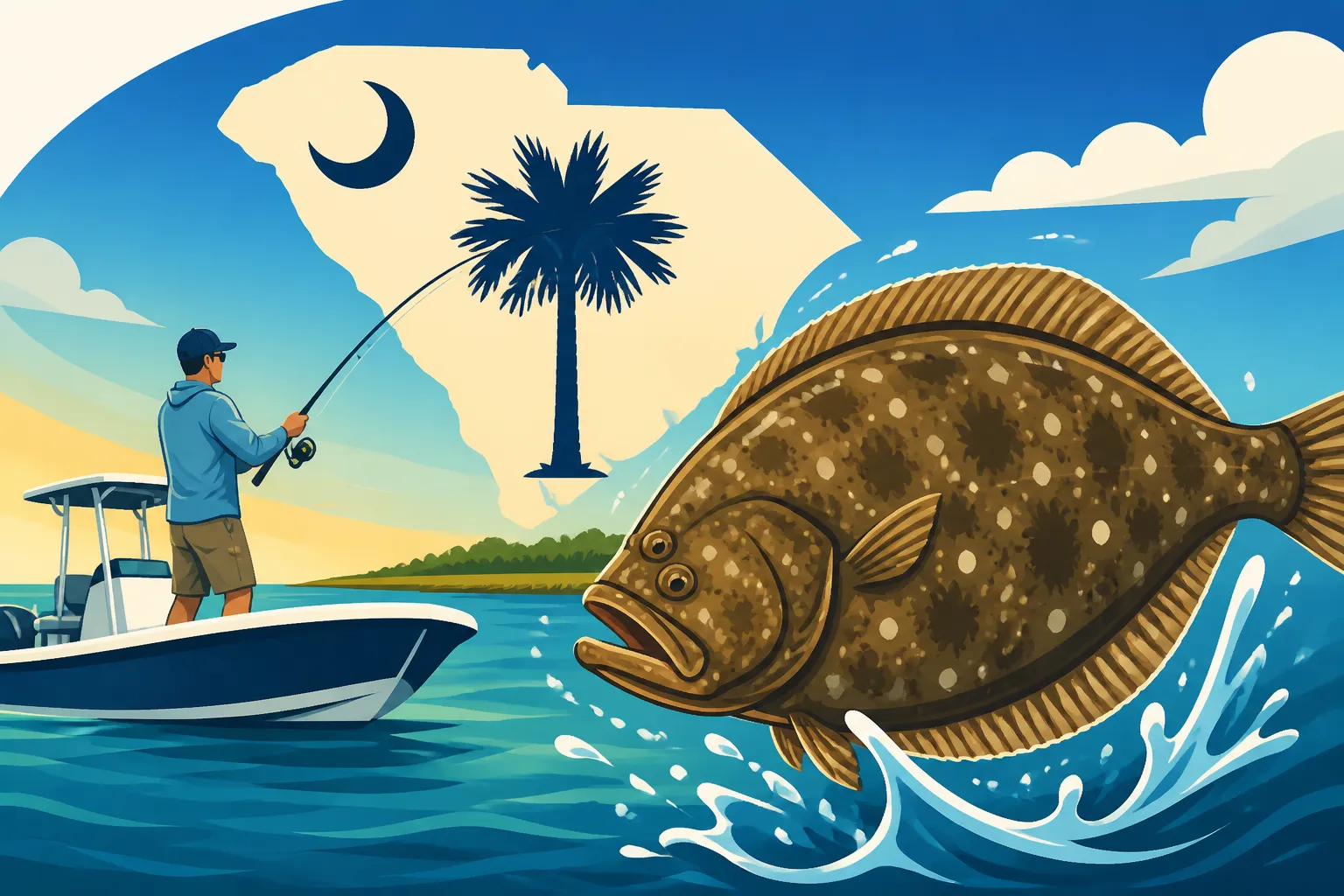
Flounder Fishing Season in South Carolina
There's nothing quite like the thrill of feeling that distinct thump-thump of a flounder bite, but many anglers get frustrated trying to figure out when the best time to target these delicious flatfish in South Carolina actually is. It feels like you can go out at the "right" time and catch nothing, or stumble upon them when you least expect it! This guide is going to strip away the guesswork, diving deep into the seasonal patterns, key regulations, and essential techniques that will help you maximize your flounder fishing success across the Palmetto State.
Understanding South Carolina's Flounder Fishing Seasons
Flounder in South Carolina are definitely creatures of habit, and their behavior is heavily influenced by the changing seasons and, more specifically, water temperature. Knowing when to hit the water, and what to expect when you get there, can make all the difference between a triumphant cooler full of keepers and a frustrating day of empty hooks. It's a dance with nature, and once you learn the rhythm, you'll be much more consistently in tune with where these fish are and what they're willing to bite.
The Peak Seasons: Spring and Fall Flounder Runs
If you're asking any seasoned local angler when to chase flounder, chances are they'll point you squarely towards spring and fall. These are undeniably the peak seasons, and for very good reason. As the water temperatures begin to moderate, typically starting around late March or early April and continuing through May, flounder become incredibly active. They're shaking off the winter sluggishness and moving into shallower inshore waters to feed aggressively as baitfish populations explode. It’s a time of renewed energy for the entire ecosystem, and flounder are right there in the thick of it, capitalizing on every opportunity.
Then, as summer's intense heat begins to wane and cooler temperatures return in September and October, flounder make another significant move. This fall run is often considered by many to be the absolute best time for targeting them, especially for those seeking larger fish. During this period, flounder migrate out of the estuaries and push towards the ocean, often staging in deeper channels, inlets, and nearshore reefs as they prepare for their offshore spawning journey. They are trying to bulk up, so they are feeding voraciously. This makes them more susceptible to a well-presented bait or lure. The urgency in their feeding behavior during these transition periods means that if you can match the hatch and be in the right place, you’re in for some fantastic action. Many folks swear by using live finger mullet during this time, and for good reason – it's often exactly what the flounder are keying in on before their big move.
Summer Fishing for Flounder: Heat and Habitat
While spring and fall grab all the headlines, don't write off summer entirely for flounder fishing in South Carolina. It's certainly a different game, and you'll need to adjust your strategy, but good fishing can still be had. The intense summer heat, particularly from June through August, sends water temperatures soaring in the shallower inshore areas. Flounder, like many other species, become a bit more lethargic and seek refuge in cooler, deeper waters or areas with abundant shade and structure. Think about it from their perspective: they're flatfish, masters of camouflage, and they thrive by ambushing prey. In scorching temperatures, they need to conserve energy and stay comfortable.
This means that during the dog days of summer, you'll want to focus your efforts on different types of spots. Look for deeper channels, oyster beds in slightly deeper water, the shadowy side of docks, bridge pilings, and especially artificial reefs or natural ledges just off the coast. The key is to find those cooler pockets where baitfish might also congregate for shelter. You might also find that the bite window is shorter, often concentrated around the cooler parts of the day – early mornings, late evenings, or even into the night. It's a bit more of a grind, and you might not catch as many as in the spring or fall, but the fish you do find can often be good, solid keepers who are well-established in their summer hideouts. Patience becomes an even greater virtue, and meticulously working your bait or lure becomes paramount.
Winter Flounder Fishing: A Quieter Pursuit
For many anglers, winter (roughly December through February) marks a significant slowdown for flounder fishing in South Carolina. And honestly, for casual anglers, it’s probably the toughest time to specifically target them. As water temperatures plummet, many flounder migrate to deeper offshore waters to spawn, and those that remain inshore become very sluggish. Their metabolism slows down considerably, and they aren't actively chasing food as they would in warmer months. It can feel like you're fishing in a ghost town, and the lack of bites can be genuinely disheartening.
However, for the truly dedicated, winter isn't an impossible season for flounder, it's just a different kind of challenge. You'll often find that the flounder you do catch are larger, having migrated in from offshore or being the hardier, resident fish that decided to stay in the deeper parts of the estuaries. Success in winter requires a hyper-focused approach: extremely slow retrieves, targeting the warmest available deeper water, and focusing on areas with significant structure like artificial reefs or deep-water wrecks. You might not catch a limit, but the satisfaction of landing a quality flounder when most folks have hung up their rods for the season is immense. Plus, a huge bonus of winter fishing is the tranquility – fewer boats, fewer people, just you and the quiet anticipation of a bite. It's a peaceful experience, even if the fishing is slow.
Navigating Flounder Regulations and Conservation Efforts
When you’re out on the water, excited about the prospect of catching some delicious flounder, the last thing you want is a run-in with the law because you misunderstood a regulation. Trust me, it happens, and it's always better to be safe than sorry. Flounder are a highly sought-after species, both commercially and recreationally, and because of their popularity and relatively slow growth rate, their populations require careful management. These rules are put in place by the South Carolina Department of Natural Resources (SCDNR) to ensure that future generations of anglers can also enjoy the thrill of flounder fishing. It's not about making our lives harder; it's about protecting a valuable resource.
Key Regulations for South Carolina Flounder
It's absolutely crucial to remember that fishing regulations are not set in stone; they can and do change based on scientific assessments of fish stocks. What was legal last year might not be this year, and that’s a common frustration for many anglers. Therefore, before every trip, especially at the start of a new fishing season, it is vital to check the most current regulations directly from the SCDNR.
Typically, flounder regulations revolve around a few key areas:
- Minimum Size Limit: This dictates the smallest legal length a flounder must be to be kept. The idea behind this is to allow fish to mature and reproduce at least once before they are harvested, contributing to the overall population health. If you catch a fish that doesn't meet the minimum size, it must be immediately released unharmed.
- Daily Bag Limit: This is the maximum number of flounder you can keep per person per day. This limits the total harvest pressure on the species.
- Vessel Limit: Sometimes, in addition to or instead of a per-person limit, there might be a maximum number of flounder that can be kept on a single boat, regardless of how many licensed anglers are on board. This can be a significant factor if you're out with a group or on a South Carolina Charter Fishing Costs and Trip Types.
Ignoring these rules can lead to serious penalties, including fines and even the confiscation of your catch and gear. It's simply not worth the risk. Make it a habit to quickly check the SCDNR website or grab a copy of their regulations booklet. You can find general information on overall rules in our South Carolina Fishing License Guide and specifics in South Carolina Fishing Bag Limits Explained.
The Role of Conservation in Flounder Management
When regulations change, or new ones are introduced, it's easy for anglers to feel a bit put out. We all want to catch fish, and sometimes it feels like the rules are constantly moving the goalposts. However, it's important to understand the broader picture: these regulations are a direct response to the need for conservation. Flounder populations, like many other popular species, face a lot of pressure from both environmental factors and human activity. Things like habitat loss, water quality issues, and fishing pressure can all impact their numbers.
The SCDNR, through its fisheries biologists, constantly monitors flounder populations. They look at things like spawning success, juvenile recruitment, and overall abundance. When data suggests that the population might be declining or struggling to rebound, they recommend changes to regulations. These changes, whether they involve increasing the minimum size, reducing the bag limit, or even implementing seasonal closures, are all designed to give the flounder a better chance to reproduce and thrive. It's a long-term investment in the health of our fisheries. While it might mean fewer fish in your cooler on certain days, it's about ensuring that we still have flounder to catch for many years to come. Think of it as a shared responsibility; every angler plays a part in the conservation effort by adhering to these rules. You can learn more about general flounder fishing here: Flounder Fishing Guide for South Carolina Anglers.
Essential Gear and Techniques for South Carolina Flounder
To really get into flounder fishing, having the right gear and understanding the most effective techniques can dramatically improve your chances. It's not about having the fanciest equipment, but rather choosing tools that are appropriate for the task and knowing how to use them effectively. Flounder, being ambush predators, require a bit of finesse and patience, and your setup should reflect that.
Rods, Reels, and Terminal Tackle for Flounder
For targeting flounder in South Carolina's inshore and nearshore waters, you'll generally want a versatile and sensitive setup. A medium-light to medium action spinning rod, typically 6'6" to 7'6" in length, is a fantastic choice. This length provides good casting distance while still allowing you to feel those subtle bites that flounder are famous for – often more of a "thump" or a slight increase in weight than a violent strike. Match this rod with a reliable spinning reel in the 2500-3000 size range, spooled with 10-20 lb braided line. Braid is excellent because it has virtually no stretch, which means superior sensitivity for detecting light bites and strong hook sets.
However, braid is highly visible in clear water, so you’ll want to tie on a fluorocarbon leader, typically 15-25 lb test, anywhere from 18 inches to 3 feet long. Fluorocarbon is nearly invisible underwater and is more abrasion-resistant than mono, which is great around oyster shells and dock pilings where flounder often lurk.
For terminal tackle, you'll primarily be using a bottom rig. The most common is a Carolina rig:
- A sliding egg sinker (1/2 to 1 oz, depending on current)
- A small bead (to protect your knot)
- A barrel swivel
- A fluorocarbon leader (12-18 inches)
- A hook (size 1/0 to 3/0, often a kahle or circle hook, depending on your bait).
You can easily find all these components, from rods and reels to hooks and swivels, on platforms like Amazon, making it convenient to get everything you need without running to multiple tackle shops. Having a good selection of weights is crucial, as the current can vary significantly in South Carolina's tidal waters.
Best Baits and Lures for Flounder
When it comes to enticing a flounder, presentation and attraction are key. They are ambush predators, often lying camouflaged on the bottom, waiting for an unsuspecting meal to pass by.
-
Live Bait: This is hands-down the most effective for flounder. Nothing beats the natural action and scent of a lively baitfish struggling on the bottom.
- Mud Minnows: These hardy little fish are flounder magnets. They're easy to keep alive and irresistible to flounder.
- Finger Mullet: Another top choice, especially larger ones in the fall when flounder are bulking up.
- Live Shrimp: While great, shrimp are also attractive to everything else that swims, so you might go through them quickly.
- Small Menhaden: Good for larger flounder, particularly around deeper structure.
-
Artificial Lures: While live bait often has an edge, artificials can be incredibly effective, especially when you need to cover a lot of water or when live bait is scarce.
- Soft Plastics on Jig Heads: This is a classic combination. Imitations of shrimp, minnows, or grubs rigged on a 1/4 to 1/2 oz jig head work wonders. Colors like chartreuse, white, natural clear, or "new penny" are perennial favorites. Brands like Gulp! and Z-Man are particularly popular for their scent and durability.
- Bucktail Jigs: Tipped with a strip of bait or a soft plastic trailer, bucktails can be very effective, especially around jetties and deeper areas.
- Scent Attractants: Adding a dab of scent gel or spray to your artificial lures can provide that extra olfactory appeal that convinces a wary flounder to commit.
Remember, the goal is to make your bait or lure look like an easy meal. For a deeper dive into bait selection, check out our guide on Best Bait for Flounder in Inshore Waters.
Effective Flounder Fishing Techniques
Flounder fishing isn't typically about fast-paced action; it's about patience and precise presentation. They aren't going to chase a rapidly retrieved lure like a bass might; they prefer to ambush.
- Drifting: This is arguably one of the most effective methods, especially from a boat or kayak. By allowing your boat to drift with the current or wind, you cover a lot of ground naturally. Cast your Carolina rig or jig upstream (or upwind) and let it slowly bounce along the bottom as your boat moves. Keep a semi-slack line so you can feel the subtle "thump." This technique is excellent for covering large flats, channels, and creek mouths.
- Bottom Bouncing with a Carolina Rig: Whether drifting or casting from an anchored position, the Carolina rig is your friend. Cast it out, let it sink to the bottom, and then retrieve it very slowly, barely moving the weight, occasionally pausing. The goal is to mimic an injured baitfish or a crab scuttling along the bottom. You want to feel every shell, every rock, and every subtle change in the bottom contour.
- Jigging Soft Plastics: This technique is best for targeting specific structures like dock pilings, oyster reefs, or nearshore ledges. Cast your jig past the structure, let it sink, and then use short, subtle lifts and drops of your rod tip to make the jig "hop" along the bottom. Again, slow and steady wins the race.
- Structure Fishing: Flounder love to hide near structure. This includes docks, bridge pilings, jetties, oyster beds, and submerged trees. They'll position themselves on the downcurrent side of these structures, waiting for baitfish to be swept past them. Focus your casts as close to these structures as possible, without getting snagged, and work your bait slowly out from them.
- Embrace the "Dead Stick" Approach: Sometimes, the best retrieve is no retrieve at all. If you're using live bait and you feel a distinct "thump," don't set the hook immediately! Flounder often grab the bait, turn it in their mouth, and then swallow it head-first. Give them 5-10 seconds to fully mouth the bait before reeling down and sweeping the rod to set the hook. This can be agonizingly long, but it dramatically increases your hook-up ratio.
- Tides, Tides, Tides: Flounder are incredibly sensitive to tidal movement. You generally want moving water, either incoming or outgoing, as this stirs up bait and creates ambush opportunities. The last two hours of an outgoing tide and the first two hours of an incoming tide are often considered prime. This is when the current is typically strongest, disorienting baitfish and making them easier targets. You can find more comprehensive advice in our Flounder Fishing Tips for Beginners in South Carolina guide.
Top Flounder Fishing Hotspots and Timing Your Trip
Knowing the season and the techniques is great, but knowing where to go and precisely when within that season can truly elevate your flounder game. South Carolina boasts an incredible coastline with a diverse array of habitats perfect for flounder, from marsh creeks to nearshore reefs. But even in these prime areas, specific conditions and timing can make or break your day.
Prime South Carolina Flounder Locations
South Carolina's coast is a flounder paradise, offering a variety of environments where these flatfish thrive. You'll find them almost anywhere there's a good ambush point and plenty of bait.
- Murrells Inlet: This is a legendary spot for inshore fishing in South Carolina, and flounder are definitely a highlight. The extensive network of creeks, oyster beds, and the main inlet channel provide abundant habitat. Look for flounder near the jetties, around the deeper drops, and in the mouths of creeks, especially during outgoing tides.
- Charleston Harbor and Mount Pleasant: The expansive Charleston Harbor system, with its numerous tidal creeks, dock structures, and bridge pilings, offers fantastic opportunities. Mount Pleasant, just across the harbor, has similar prime locations. Target areas around Shem Creek, the ICW, and the many smaller creeks that drain into the harbor. The deeper holes and cuts are always worth investigating.
- Hilton Head Island: The tidal creeks and sounds surrounding Hilton Head are perfect for flounder. The abundant marsh grass, oyster reefs, and sandy bottoms create ideal feeding grounds. Look for them along channel edges, around marsh points, and near public fishing piers.
- Edisto River Estuaries: The lower reaches of the Edisto River, where it meets the saltwater, are rich in marine life, including flounder. The blackwater estuaries offer a different, but equally productive, environment.
- Nearshore Reefs and Wrecks: For those with access to a boat, venturing just offshore to the many artificial reefs and natural wrecks can be incredibly productive, especially for larger flounder. These structures hold baitfish, which in turn attract the flounder.
Regardless of the specific location, always look for structure and current. Flounder are masters of camouflage, laying flat against the bottom, waiting for an opportune moment to ambush prey. They use structure – whether it's an oyster bar, a submerged log, a rock pile, or the edge of a channel – as a hiding spot and a current break. When baitfish get swept past their hiding spot, it’s an easy meal. For a more detailed look at specific coastal areas, check out Best Inshore Fishing Spots Along the South Carolina Coast and Flounder Hot Spots Along South Carolina's Barrier Islands.
Tides and Their Influence on Flounder
If there's one factor that dictates flounder behavior more than any other, it's the tide. Understanding the tides is not just helpful; it's absolutely essential for consistent success.
- Moving Water is Key: Flounder thrive in moving water. It disorients baitfish, carries scent, and creates ambush points. Slack tide, when the water is still, generally means slower fishing for flounder, though sometimes a brief window right as the tide starts to move again can be productive.
- Outgoing Tide: As the tide goes out, it drains baitfish, shrimp, and crabs out of the marsh creeks and into larger channels and sounds. Flounder will position themselves at the mouths of these creeks, along channel edges, and around oyster bars to intercept the escaping prey. This is often a prime time to target them.
- Incoming Tide: As the tide floods in, it pushes bait into the creeks and over the flats. Flounder will move with the rising water, venturing onto the flooded oyster beds and grass flats to feed. This can be an excellent time to target them in shallower areas where they might be harder to reach at low tide.
- The Sweet Spot: Many experienced anglers agree that the last two hours of an outgoing tide and the first two hours of an incoming tide are often the most productive. During these periods, the current is usually strongest, concentrating bait and creating prime feeding opportunities.
- Always Check Local Tide Charts: Never guess the tides. Grab a local tide chart (available online, at bait shops, or on various fishing apps) and plan your trip around these critical periods.
Weather and Water Conditions
Beyond the seasons and tides, localized weather and water conditions can also play a significant role in your flounder fishing success.
- Water Temperature: As discussed, this is the overarching driver of seasonal patterns. Flounder prefer temperate waters, roughly in the 60-80°F range. Too cold, and they become lethargic or move offshore; too hot, and they seek deeper, cooler refuge.
- Water Clarity: Flounder are sight feeders, relying heavily on their camouflage and keen eyesight to ambush prey. They generally prefer clear to slightly stained water. Very muddy water, often after heavy rainfall, can make fishing tough as their visibility is reduced, and they may move to areas with better clarity or deeper water where the turbidity settles faster.
- Barometric Pressure: While not as critical as tide or temperature, changes in barometric pressure can affect fish activity. A stable or slowly rising barometer is often associated with better fishing, while a rapidly dropping pressure before a storm can sometimes turn them off, or, conversely, trigger a pre-storm feeding frenzy.
- Wind: Wind can be a blessing and a curse. A light chop on the water can break up the surface, providing cover for the flounder and making them less wary. However, strong winds can make boat control difficult, stir up mud, and make it hard to feel subtle bites. Consider how wind will affect your ability to present your bait effectively.
By keeping an eye on these factors, combined with your knowledge of the seasons and tides, you'll be well on your way to consistent flounder fishing success in South Carolina. For more general seasonal guidance, refer to our South Carolina Saltwater Fishing Seasons article.
Disclaimer
This article is for general informational purposes only and does not constitute professional advice. Laws, prices and regulations vary by location and change over time. Consult a qualified professional for guidance on your specific situation.