Flounder Fishing Tips for Beginners in South Carolina
If you've ever dreamt of reeling in a delicious flounder along South Carolina's stunning coast, but felt overwhelmed by where to start, you're absolutely not alone. Many aspiring anglers find themselves staring at the vast expanse of tidal creeks and marsh grass, wondering how on earth to target these elusive, flat-bodied fish. This guide is designed to cut through that confusion, offering practical, beginner-friendly tips to help you successfully catch flounder in the Palmetto State.
Understanding the Basics of South Carolina Flounder
Flounder are fascinating creatures, perfectly adapted to their bottom-dwelling lifestyle. For new anglers, understanding a little about these fish can make a huge difference in how you approach your fishing trip. They're not like your typical predatory fish that chase down lures aggressively; flounder are ambush predators, masters of camouflage, waiting patiently for their next meal.
What Makes Flounder Unique?
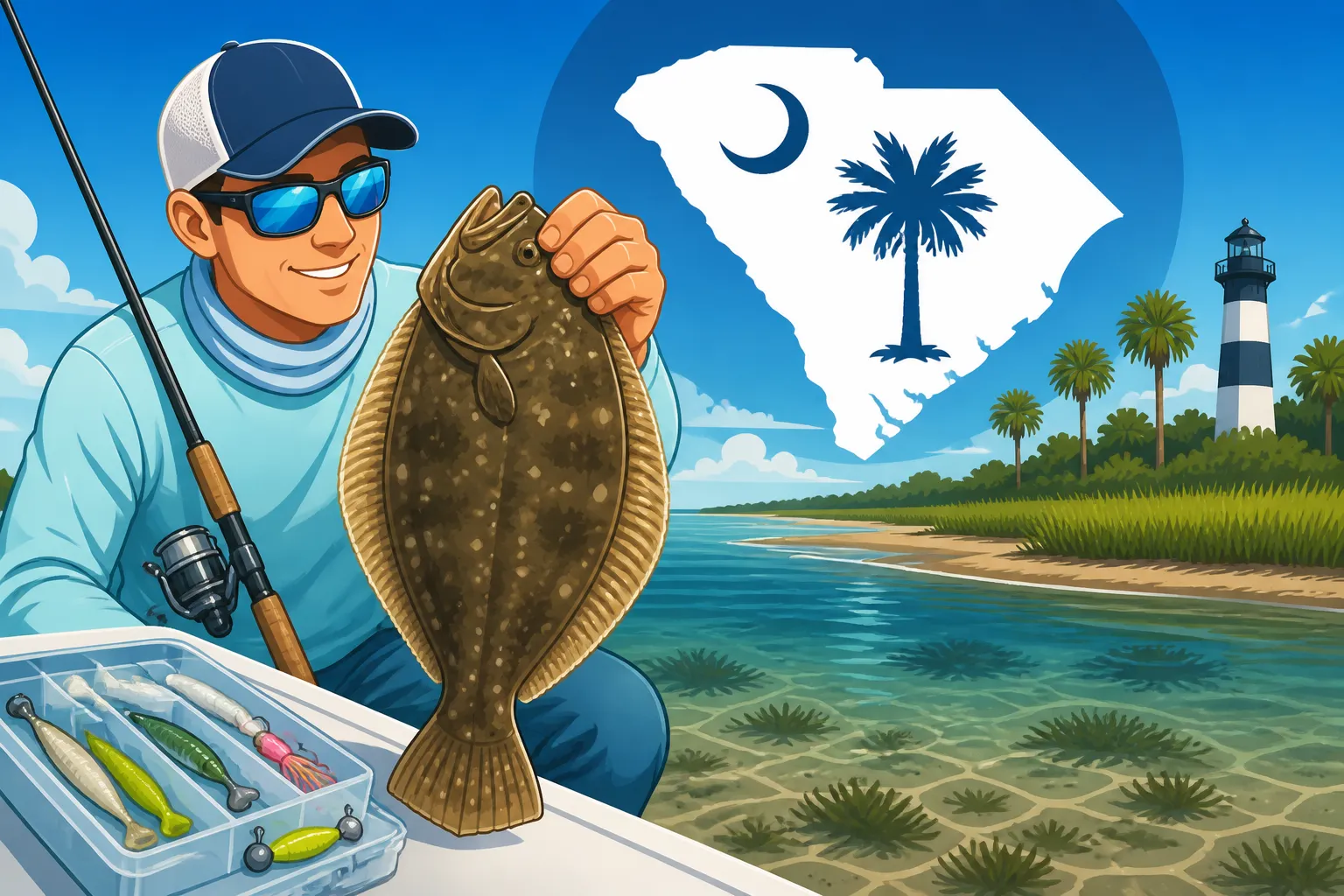
Imagine a fish that lies flat on the seabed, perfectly blended with its surroundings, with both eyes on one side of its head! That's a flounder for you. They start life looking like normal fish, but as they mature, one eye migrates over to the other side of their head, allowing them to lie flat and still on the bottom while still maintaining a wide field of vision. This incredible adaptation helps them hide from both predators and prey. They often bury themselves partially in the sand or mud, leaving only their eyes exposed. This unique behavior means your fishing techniques need to be tailored to their ambush style.
Their bodies are also incredibly thin and flat, designed to glide through the water column and then settle stealthily on the bottom. They have a distinctive, almost prehistoric appearance that makes them truly memorable once you pull one out of the water. Flounder can change their color and pattern to match the seabed they're resting on, making them nearly invisible to the untrained eye. It’s part of the thrill of catching them – sometimes you don’t even know they’re there until you feel that distinctive tug.
South Carolina's Flounder Species
While there are several species of flounder found along the Atlantic Coast, in South Carolina, anglers primarily encounter two main types: the Southern Flounder and the Gulf Flounder. The Summer Flounder (often called "fluke" further north) also passes through but is less common for inshore anglers in our state. For beginners, the good news is that these species behave similarly and respond to similar baits and techniques.
The Southern Flounder is perhaps the most sought-after in our inshore waters. They are excellent table fare and provide a good fight on light tackle. Gulf Flounder are also common, identifiable by their three distinct ocelli (eye-like spots) on their darker side. While regulations might vary slightly by species or even over time, generally, what works for one flounder species in South Carolina's inshore waters will work for the others. The key is understanding their general behavior and habitat preferences. Being able to distinguish between them isn't crucial for catching them, but it’s always fun to know exactly what you’ve landed!
Flounder Hot Spots Along South Carolina's Barrier Islands
South Carolina offers an abundance of prime flounder habitat, especially along its extensive barrier islands, tidal creeks, and estuaries. Flounder love structure and ambush points. Think about places where moving water creates eddies, drop-offs, or breaks in the current. Docks, piers, oyster beds, marsh grass edges, jetties, bridge pilings, and even submerged debris are all excellent places to start your search. These structures offer cover and attract baitfish, which in turn attract hungry flounder.
For instance, the calm waters around Murrells Inlet offer excellent opportunities for beginners to target flounder. You'll find them lurking in the sand pockets adjacent to oyster rakes or along the edges of the main channels. Similarly, the vast marsh systems around Charleston Harbor and Mount Pleasant hold significant populations. Anglers often find success near the causeways and bridges crossing tidal creeks.
Don't overlook areas where freshwater meets saltwater, as these brackish zones can also be highly productive. Focus on targeting the mouths of creeks, particularly on outgoing tides, where baitfish are flushed out. Exploring areas like Flounder Fishing Spots Along South Carolina's Barrier Islands or Flounder Fishing Spots Near Myrtle Beach can give you more specific locations to scout. Remember, flounder often congregate in specific, small areas, so finding one can mean finding several!
Essential Gear for Beginner Flounder Anglers
You don't need a boatload of expensive, highly specialized gear to start flounder fishing. In fact, one of the beauties of it is how accessible it is with relatively simple tackle. The key is choosing gear that allows you to feel those subtle bites and effectively present your bait near the bottom.
Rod, Reel, and Line Selection
For flounder, sensitivity is king. You'll want a rod that's light enough to feel the distinct "thump" of a flounder bite, but with enough backbone to set the hook and muscle the fish in. A medium-light to medium power spinning rod, about 6.5 to 7 feet long, is usually perfect. Pair this with a reliable spinning reel in the 2500 to 3000 size range. This setup is versatile, easy for beginners to cast, and provides a good balance of power and sensitivity.
When it comes to line, many experienced anglers prefer braided line (10-15 lb test) because of its minimal stretch and high sensitivity. It allows you to feel even the lightest taps. However, braided line can be a bit more challenging for beginners due to its slickness and tendency to create wind knots if not spooled correctly. A good alternative for newcomers is monofilament line (12-15 lb test). It's more forgiving, easier to tie knots with, and still offers decent sensitivity. If you opt for mono, consider a low-visibility color like clear or green. You can find a wide array of options on platforms like Amazon, offering good value for starting out.
The Best Baits and Lures for Flounder
Flounder are opportunistic feeders, so they'll hit a variety of baits and lures. For beginners, however, live bait often offers the best chance of success.
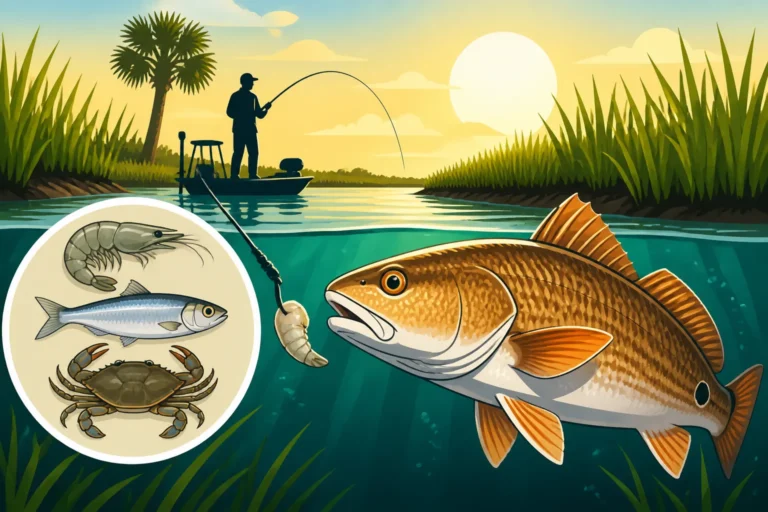
- Live Bait: This is hands-down the most effective method. Small, live mud minnows, finger mullet, or shrimp are flounder magnets. They imitate the natural prey that flounder are accustomed to ambushing. You can catch these baits yourself with a cast net or purchase them from local bait shops. Hook your live bait through the lips or just behind the dorsal fin, making sure it can swim naturally.
- Cut Bait: If live bait isn't available, fresh strips of mullet, croaker, or even squid can work wonders. The scent trail they leave helps attract flounder. Just make sure the strips are thin enough to flutter naturally in the current.
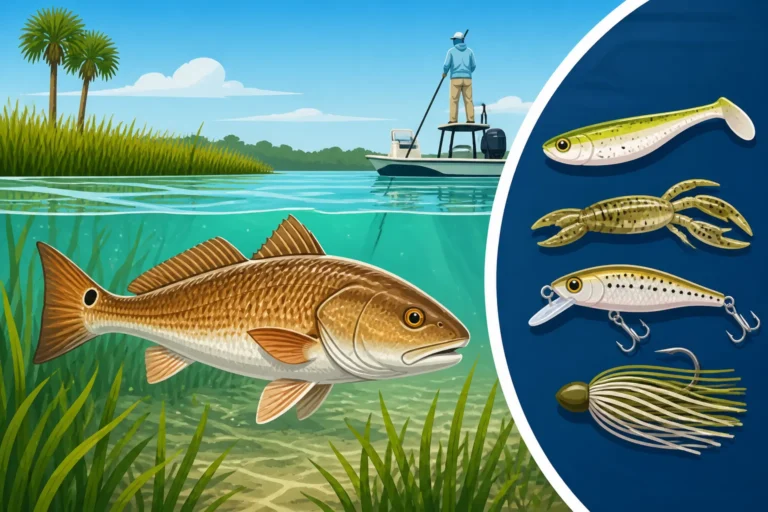
- Artificial Lures: Soft plastics rigged on jig heads are also incredibly effective, especially as you gain more experience. Popular choices include grub tails, jerk shads, or Gulp! shrimp or swimming mullet imitations. Colors like chartreuse, white, and natural baitfish patterns are often productive. The key with artificials is to work them slowly along the bottom, mimicking an injured baitfish. You might find a great starter pack of soft plastics and jig heads on Amazon to get you going.
For a deeper dive into bait choices, check out Best Bait for Flounder in Inshore Waters.
Terminal Tackle: Hooks, Sinkers, and Leaders
Your terminal tackle is crucial for presenting your bait effectively to a bottom-dwelling flounder.
- Hooks: A Kahle-style hook or a standard J-hook in sizes #1 to 2/0 are good choices for live bait. The wide gap of the Kahle hook often provides a better hook-set in a flounder's mouth. For artificials, the jig head itself provides the hook.
- Sinkers: You'll need enough weight to keep your bait on the bottom, but not so much that it's completely static. A 1/2 oz to 1 oz egg sinker or pyramid sinker is a common starting point. The amount of weight needed will depend on the current and depth.
- Leaders: A fluorocarbon leader (15-20 lb test, 18-24 inches long) is highly recommended. Fluorocarbon is nearly invisible underwater, which can be critical for wary flounder, and it's more abrasion-resistant than mono, protecting against oyster shells and other bottom structures. Tie your leader to your main line using a uni-to-uni knot or a swivel.
Basic Flounder Rig for Beginners:
| Component | Description | Purpose |
|---|---|---|
| Main Line | 10-15 lb braided or 12-15 lb monofilament | Connecting to reel, general strength |
| Egg Sinker | 1/2 oz – 1 oz (sliding) | Keeps bait on bottom, allows flounder to take bait without feeling resistance |
| Swivel | Size 7-10 (barrel or snap swivel) | Prevents line twist, connects main line to leader |
| Fluorocarbon Leader | 15-20 lb test, 18-24 inches long | Abrasion resistance, low visibility |
| Hook | #1 to 2/0 Kahle or J-hook | Holding live or cut bait |
This simple Carolina Rig is incredibly effective for flounder and is easy for beginners to set up.
Flounder Fishing Techniques for Beginners
Once you have your gear sorted, it's time to learn how to put that bait in front of a flounder. The key is patience and a slow, deliberate presentation.
Bottom Fishing Basics
Bottom fishing for flounder is primarily about getting your bait into their strike zone and keeping it there. Since flounder typically lie on the bottom, your bait needs to be right in front of them.
- Drifting: This is often the most productive method. Anchor your boat (or find a spot from shore with current) and let the current carry your bait naturally along the bottom. Cast your rig slightly upstream and let it drift back towards you, maintaining a tight line to feel bites. This allows you to cover more ground and present your bait to multiple fish.
- Still Fishing: If you're fishing a known hot spot, like around a dock piling or oyster bed, you can simply cast your bait out, let it settle, and wait. Give it 10-15 minutes, and if you don't get a bite, reel in and cast to a slightly different spot. The key is to keep your bait in a productive area.
- The Flounder "Thump": When a flounder bites, it's often not a dramatic strike. You'll typically feel a distinctive "thump" or a sudden, heavy weight on your line. Resist the urge to set the hook immediately! Flounder often grab the bait and then reposition it in their mouth before fully swallowing. Give them a few seconds, perhaps 5-10, to commit to the bait. Let them pull on the line a bit, then slowly lift your rod tip until you feel solid weight and set the hook with a firm, sweeping motion. Too early, and you'll pull the bait right out of their mouth.
Jigging for Flounder in South Carolina
Jigging is a fantastic technique, especially when using soft plastics or even live bait on a jig head. It allows you to impart action to your presentation, mimicking a struggling baitfish, which can trigger an aggressive strike from a flounder.
To jig effectively, cast your lure out and let it sink to the bottom. Once it hits, lift your rod tip sharply about a foot or two, then let the jig fall back to the bottom on a semi-slack line. The "fall" is often when the flounder will strike. Repeat this process, slowly retrieving your lure, making sure it touches the bottom between each lift. Experiment with the cadence – sometimes a slow, deliberate retrieve works best, other times a slightly faster hop. This technique is particularly effective around structures like bridge pilings or rocky outcrops where flounder might be hiding. Many anglers swear by the effectiveness of Gulp! shrimp or minnows on a lightweight jig head for enticing flounder.
Understanding Tides and Their Impact
Tides are arguably the most critical factor in successful flounder fishing in South Carolina's coastal waters. Flounder are heavily influenced by the movement of water.
- Falling Tide (Outgoing): This is often considered the most productive tide. As the water drains out of the marsh creeks and estuaries, it flushes out baitfish, shrimp, and crabs, concentrating them in channels and along creek mouths. Flounder will position themselves in these areas, waiting for an easy meal to be carried past them. Focus your efforts on the edges of channels, oyster bars, and any deeper pockets where bait might gather.
- Rising Tide (Incoming): While not always as productive as an outgoing tide, incoming tides can still be good, especially as flounder move into shallower areas, like grass flats, to feed. Look for flounder to be lurking around submerged structures or the edges of spartina grass.
- Slack Tide: The periods of slack high or slack low tide, when the water movement is minimal, are generally the slowest for flounder fishing. The lack of current means bait isn't concentrated, and flounder tend to be less active. It's often better to plan your trip around the moving water.
Always check a local tide chart before you head out. Understanding when the tide will be moving and where the water will be flowing will significantly increase your chances of success. Learning to "read the water" for current breaks and eddies is a skill that comes with practice, but focusing on moving water is a great starting point.
South Carolina Flounder Regulations and Best Practices
As responsible anglers, it's crucial to be aware of and abide by the fishing regulations in South Carolina. These rules are in place to help protect our valuable fish populations and ensure healthy fisheries for future generations.
South Carolina Flounder Fishing Regulations Explained
Flounder regulations, like those for many species, can change periodically based on scientific assessments of the population. While I can't give you exact numbers as they can shift, it's vital to know that South Carolina has specific rules regarding:
- Minimum Size Limits: This dictates the smallest length a flounder must be to be legally harvested. Undersized fish must be released immediately and unharmed.
- Bag Limits: This refers to the maximum number of flounder you are allowed to keep per person, per day.
- Vessel Limits: In some cases, there might be a maximum number of fish allowed per boat, regardless of the number of anglers on board.
- Season Restrictions: While flounder are often available year-round, there might be specific seasonal closures or restrictions, particularly for gigging, which is a different method of harvest.
Before every trip, you should always double-check the latest regulations from the South Carolina Department of Natural Resources (SCDNR) website or by picking up a copy of their current fishing guide. Ignorance of the law is never an excuse for violations, and penalties can be steep. You'll also want to make sure you have your South Carolina Fishing License Guide sorted before you even cast a line. For more detailed insights into the rules, consider reading South Carolina Flounder Fishing Regulations Explained.
Handling and Releasing Flounder Responsibly
Whether you're keeping your catch or practicing catch and release, proper handling is key to ensuring the fish's survival or the quality of your meal.
- For Catch and Release: If a flounder is undersized or you simply choose to release it, handle it gently. Try to keep the fish in the water as much as possible. If you must bring it aboard, use wet hands to minimize the removal of its protective slime coat. Quickly remove the hook; pliers or a de-hooking tool can be very helpful, especially if the hook is deep. Avoid dragging the fish over rough surfaces. Release it headfirst back into the water, allowing it to swim away on its own power.
- For Keeping Your Catch: If you've caught a legal-sized flounder and intend to keep it, dispatch it quickly and humanely. A sharp rap to the head or a swift cut behind the gills works well. Place the fish immediately on ice or in a cooler filled with an ice-water slurry. This not only preserves the quality of the meat but also helps prevent spoilage, especially on warmer days. Remember, the sooner you get that fish on ice, the better it will taste.
Is Flounder Good to Eat?
Oh, absolutely! Flounder is widely considered one of the best-tasting fish you can catch in South Carolina. Its meat is white, flaky, and has a mild, sweet flavor that lends itself well to a variety of cooking methods. It's delicate, not "fishy," which makes it a favorite even among those who are sometimes hesitant about seafood.
Common ways to enjoy flounder include pan-frying, baking, broiling, or grilling. Many locals love to simply dredge fillets in a seasoned cornmeal mixture and pan-fry them until golden brown. The delicate texture and clean taste are truly a treat after a successful day on the water. Just be mindful during cleaning – those flat bodies mean filleting can be a bit different than round fish, but with a sharp fillet knife (you can even find some great ones on Amazon), it becomes easier with practice. Many anglers consider it well worth the effort for such a delectable meal.
Happy fishing, and I hope these tips help you land some fantastic flounder on your next South Carolina adventure!
Disclaimer
This article is for general informational purposes only and does not constitute professional advice. Laws, prices and regulations vary by location and change over time. Consult a qualified professional for guidance on your specific situation.