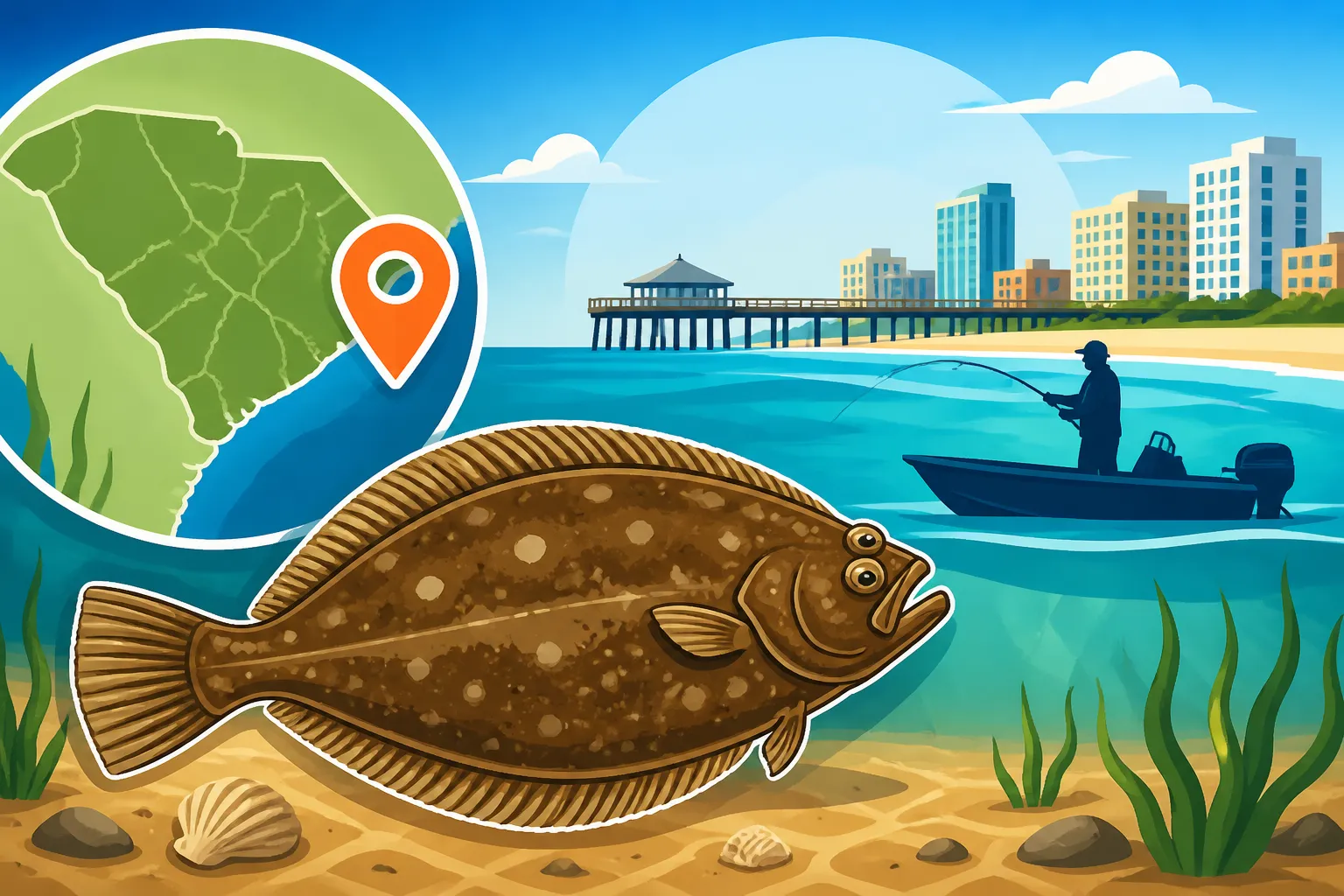
Where to Catch Flounder Near Myrtle Beach
It’s a truly frustrating experience to head out for a day of fishing, hoping to reel in some delicious flounder, only to come back empty-handed because you weren't quite sure where to focus your efforts. Myrtle Beach is a fantastic vacation destination, but it's also a surprisingly excellent spot for anglers looking for that tell-tale thud of a flounder bite. This guide is here to walk you through the best spots and strategies to increase your chances of catching flounder near Myrtle Beach, ensuring your next trip isn't just a vacation, but a successful fishing adventure.
The Allure of Flounder Fishing Around Myrtle Beach
There's something uniquely satisfying about flounder fishing. It's not about the acrobatic jumps of a bass or the brute strength of a big redfish; it's about the subtle strike, the careful retrieve, and the anticipation of seeing that flat, camouflaged fish emerge from the sandy bottom. Near Myrtle Beach, the coastal environment creates a perfect haven for these bottom-dwellers, making it a prime destination for flounder anglers.
Why Myrtle Beach is a Flounder Hotspot
Myrtle Beach and its surrounding areas are blessed with an intricate network of estuaries, tidal creeks, and inlets that create ideal flounder habitat. These shallow, brackish waters provide plenty of cover, ambush points, and a rich food source for flounder. Think about it: sandy bottoms interspersed with oyster beds, submerged grass flats, docks, and bridge pilings – these are all perfect places for a flounder to lie in wait, blending seamlessly with its surroundings. The water here, especially in the calmer backwaters, can warm up quickly, attracting baitfish and shrimp, which in turn brings in the flounder. It’s a delicate ecosystem, but one that absolutely thrives, supporting a healthy flounder population that keeps anglers coming back year after year. The abundance of these features makes it one of the Best Flounder Fishing Spots Along the South Carolina Coast.
Flounder Life Cycle and Seasonal Patterns
Understanding when and where flounder are active is crucial for success. These fish are masters of camouflage, but they also have predictable seasonal movements that savvy anglers can exploit. Generally, as the water temperatures rise in spring, flounder begin to move from deeper offshore waters into the shallower estuaries and inlets around Myrtle Beach. This is often heralded by the arrival of baitfish, their primary food source. They'll spend the warmer months fattening up in these productive inshore areas. As fall approaches and water temperatures start to drop, flounder begin their migration back out to the ocean to spawn. This fall "run" can be an incredibly productive time for anglers, as large numbers of fish move through the inlets and passes. Knowing this pattern is key to timing your fishing trips effectively. You’ll want to pay close attention to the Flounder Fishing Season in South Carolina to maximize your chances.
Prime Locations to Target Flounder Near Myrtle Beach
When it comes to pinning down the exact spots near Myrtle Beach, you've got several fantastic options, each with its own nuances and advantages. It’s not just about finding water; it’s about finding flounder water.
Murrells Inlet: A Flounder Goldmine
Without a doubt, Murrells Inlet stands out as one of the premier flounder fishing destinations in the Myrtle Beach area. This historic fishing village, just a short drive south, offers an incredible array of habitats that flounder absolutely love. The inlet itself is a maze of tidal creeks, oyster beds, marsh grass, and docks.
Anglers often find success fishing around the jetties at the mouth of the inlet, especially on outgoing tides when baitfish are being flushed out. Inside the inlet, focus on the deeper channels, the edges of oyster rakes, and any man-made structures like bridge pilings or docks. The docks at the local restaurants and marinas, while private, often have nearby public access points or areas accessible by boat that hold fish. Look for areas where the current creates eddies or where there’s a distinct depth change; flounder love to ambush prey from such locations. The sheer volume of structure and varied depths here make it ideal for them.
North End Gems: Cherry Grove and Hog Inlets
Heading north from Myrtle Beach, you'll discover Cherry Grove Inlet and Hog Inlet, which also offer excellent flounder opportunities. These inlets are often a little less crowded than Murrells Inlet, especially during peak tourist season, providing a more peaceful angling experience. Cherry Grove Inlet is known for its deep channels and sandbars, particularly around the jetties where the inlet meets the ocean. Here, flounder will lie in the troughs and along the edges of the drop-offs.
Hog Inlet, further north and often less developed, maintains a more natural feel. Its extensive grass flats, oyster beds, and intricate creek systems are perfect for drift fishing or targeting flounder on a falling tide. The key here is to look for distinct changes in bottom contour or structure that provides cover. These inlets, while requiring a bit more exploration, often reward patient anglers with some truly memorable catches.
The Intracoastal Waterway and Its Tributaries
The Intracoastal Waterway (ICW) itself, while a busy thoroughfare for boats, is also a highly productive flounder fishery, especially its numerous tributaries and feeder creeks. The ICW offers deeper water, but the true gems are the smaller creeks and canals that branch off from it. These areas often have less boat traffic and provide excellent ambush points.
Look for flounder along the edges of these creeks, particularly where there are shell bottoms, docks, or submerged structures. Bridges crossing the ICW or its feeder creeks are always prime targets, as the pilings and surrounding debris create excellent habitat. Fishing the turns and bends of these creeks, where the current might slow or create a deeper scour hole, can also be incredibly effective. The constant flow of baitfish through the ICW ensures a steady food supply, making it a reliable option when other areas might be slow.
Pier and Bank Fishing for Flounder
Not everyone has access to a boat, and that's perfectly fine when it comes to flounder fishing near Myrtle Beach! There are several excellent piers and plenty of accessible bank fishing spots that offer fantastic opportunities. The Myrtle Beach State Park Pier, Second Avenue Pier, and Cherry Grove Pier are all popular choices. When fishing from a pier, target the pilings, the areas directly under the pier, and the edges of any sandbars or sloughs you can reach. The artificial structure provided by the pier itself attracts baitfish, which in turn attracts flounder.
For bank fishing, look for public access points along the ICW, or in areas like Murrells Inlet where you can find shoreline access to tidal creeks. Parks and boat ramps sometimes offer good bank fishing opportunities. The trick is to find areas with a sandy or muddy bottom near some form of structure, like a rock pile, dock, or grass bed, and fish during the right tide cycle. Do You Need a Fishing License to Fish From a Pier? is a good question to ask before heading out.
| Fishing Location | Primary Features | Best Tides | Key Fishing Tips |
|---|---|---|---|
| Murrells Inlet | Jetties, tidal creeks, oyster beds, docks, marsh grass | Outgoing, Slack High | Target structure, channel edges, current breaks. |
| Cherry Grove/Hog Inlets | Deep channels, sandbars, grass flats, intricate creeks | Outgoing, Incoming | Explore less crowded areas, look for contour changes. |
| Intracoastal Waterway | Deep main channel, numerous feeder creeks, bridges | Moving Tides | Focus on creek mouths, bridge pilings, bends in creeks. |
| Public Fishing Piers | Pilings, structure, access to offshore sandbars | Moving Tides (both) | Fish under and around pier, cast to edges of sandbars. |
| Accessible Bank Spots | Shoreline access to creeks, ICW, structure near banks | Outgoing, Incoming | Seek out sandy/muddy bottoms near docks or grass beds. |
Mastering Flounder Techniques and Essential Gear
Catching flounder isn't just about showing up; it's about understanding their habits and presenting your bait or lure in a way that entices them to strike. A few key techniques and the right gear can make all the difference.
Tried-and-True Baits and Lures
Flounder are ambush predators, and they're not particularly picky when it comes to a good meal that passes by. However, some baits and lures are consistently more effective than others.
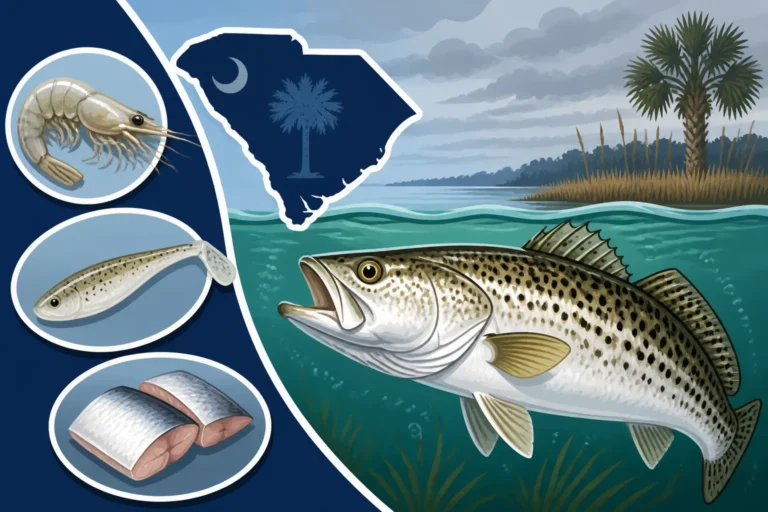
Live Bait: This is often king for flounder. Small live mullet, mud minnows, fingerling croaker, or shrimp are incredibly effective. The natural movement of live bait is hard for a flounder to resist. You can purchase these at most local bait and tackle shops near Myrtle Beach, or even catch your own if you're feeling ambitious.
Cut Bait: If live bait isn't available, fresh cut bait can work wonders. Strips of mullet, spot, or even squid can be rigged to imitate a struggling baitfish. The scent trail from cut bait can also attract flounder from a distance, especially in murkier water.
Artificial Lures: Soft plastic baits are incredibly popular and effective. Gulp! Alive! shrimp or minnow imitations, paired with a jig head, are a go-to for many anglers. The scent and texture are designed to mimic real bait, and they can be cast repeatedly to cover more ground. Bucktail jigs tipped with a piece of cut bait or a soft plastic trailer also work very well. When stocking up, you can find a huge variety of soft plastics and jig heads on Amazon to ensure you have plenty of options for different conditions and presentations. Remember, bright colors can work in stained water, while natural colors are often best in clear conditions. You might want to check out Best Bait for Flounder in Inshore Waters for more ideas.
Effective Rigs and Presentation
The way you rig and present your bait is paramount. Flounder usually lie flat on the bottom, waiting for prey to come to them, so your bait needs to be right in their strike zone.
Carolina Rig: This is perhaps the most popular and effective rig for flounder. It consists of a sliding egg sinker, followed by a swivel, a leader (usually 12-24 inches of fluorocarbon), and a hook. The sliding sinker allows the flounder to pick up the bait and run without feeling the weight, giving you a better chance to set the hook. This rig is fantastic for drift fishing or slow retrieves along the bottom.
Jigging: When using soft plastics or bucktails, jigging is the name of the game. Cast your lure out and let it sink to the bottom. Then, with a series of gentle lifts and drops of your rod tip, make the lure "hop" or "dance" along the bottom. Flounder often strike as the lure falls or just after it hits the bottom. This technique is particularly effective around structures like docks or bridge pilings.
Retrieval Speed: Patience is key. Flounder aren't usually chasing down fast-moving prey. A slow, methodical retrieve is generally best, allowing your bait or lure to spend as much time as possible near the bottom where flounder are hiding. Subtle bumps and pauses are often more effective than a steady, fast retrieve.
Reading the Tides and Water Conditions
Tides are the lifeblood of inshore fishing, and flounder are no exception. Understanding how tides affect flounder behavior will dramatically improve your success rate.
Moving Tides: Flounder are most active during moving tides, either incoming or outgoing. As the tide moves, it creates current, which dislodges baitfish and shrimp from their hiding spots, carrying them past waiting flounder. The increased current also helps concentrate baitfish in certain areas, making them easier targets.
Outgoing Tide: This is often considered prime time for flounder. As the water drains out of the estuaries and creeks, baitfish are flushed out of the shallows and into deeper channels or towards the inlets. Flounder will position themselves along these pathways, especially at points, creek mouths, or structure, to ambush the passing smorgasbord.
Incoming Tide: While perhaps not as renowned as the outgoing tide, the incoming tide can also be productive. As new water floods the flats and creeks, it brings in fresh bait. Flounder will push into these newly covered areas, particularly around oyster beds and grass lines, to feed.
Slack Tide: This is generally the slowest time for flounder fishing. With little to no current, baitfish scatter, and flounder often become less active. It's usually best to use this time to relocate or prepare for the next tide cycle.
Water Clarity: Flounder rely heavily on ambush, so while they can tolerate somewhat murky water, overly stained conditions can make it harder for them to see your bait. After heavy rains, it might take a day or two for the water to clear enough for optimal fishing. Conversely, extremely clear water can make them more wary, so a lighter leader might be necessary.
Navigating Flounder Regulations and Best Practices
Being a responsible angler means more than just catching fish; it means understanding and respecting the rules that protect our fisheries for future generations. South Carolina has specific regulations in place to ensure a healthy flounder population.
Understanding South Carolina's Flounder Rules
Before you even cast a line, it is absolutely essential to familiarize yourself with the current South Carolina fishing regulations for flounder. These rules are put in place by the South Carolina Department of Natural Resources (SCDNR) and can change from season to season based on stock assessments and conservation needs. Key regulations typically include:
- Minimum Size Limits: Flounder must be of a certain length (e.g., 15 inches) to be legally kept. This ensures that fish have a chance to mature and reproduce before being harvested. Always carry a measuring device on your boat or in your tackle box.
- Daily Bag Limits: There is a limit on how many flounder an individual angler can keep per day. This prevents overfishing and helps distribute the harvest among more anglers.
- Vessel Limits: Sometimes, there might be a total limit for flounder kept per vessel, regardless of how many anglers are on board. This is especially important for groups fishing together.
- Seasons: While flounder fishing is generally popular year-round in South Carolina, there might be specific closure periods or seasonal restrictions, particularly during spawning aggregations.
It's always a good idea to check the official SCDNR website or pick up a current copy of the regulations pamphlet from a local bait and tackle shop. Ignoring these rules can lead to significant fines and penalties. For a more detailed look, refer to South Carolina Flounder Fishing Regulations Explained.
Conserving the Flounder Population
Beyond just following the rules, practicing good conservation habits is vital for sustaining the flounder fishery. We all want to keep catching these fantastic fish, and that means doing our part.
Handle with Care: When you catch a flounder that is undersized or that you plan to release, handle it as gently as possible. Avoid unnecessary touching of the gills or eyes. Wet your hands before handling the fish to protect its slime coat, which is its primary defense against disease.
Quick Release: Release undersized or unwanted fish quickly and efficiently. If the hook is deeply set, consider cutting the line close to the hook rather than trying to remove it, especially if you're using non-stainless steel hooks that will eventually corrode.
Barbless Hooks: Some anglers choose to use barbless hooks or crimp down the barbs on their hooks. This makes hook removal much easier and reduces stress and injury to the fish, significantly increasing its chances of survival upon release.
Responsible Disposal: Never leave discarded fishing line, hooks, or other trash on the shore or in the water. These items can be deadly to wildlife and pollute our beautiful coastal environment. Pack out everything you pack in.
By understanding the regulations and adopting these best practices, we can all contribute to the long-term health and vitality of the flounder population around Myrtle Beach, ensuring that this fantastic fishery remains productive for generations of anglers to come.
Disclaimer
This article is for general informational purposes only and does not constitute professional advice. Laws, prices and regulations vary by location and change over time. Consult a qualified professional for guidance on your specific situation.