Redfish Slot Limit Rules for South Carolina Anglers
One of the biggest head-scratchers for us anglers hitting the South Carolina coast is keeping up with the ever-changing rules, especially when it comes to prized species like redfish. It's frustrating to spend a beautiful day on the water, only to realize you might be misunderstanding the limits. This comprehensive guide is here to clear up all the confusion surrounding redfish slot limits, daily bags, and vessel limits in South Carolina, helping you fish confidently and legally.
Understanding the "Why" Behind Slot Limits
It's easy to look at a fishing regulation and just see a rule, but there's a really important scientific reason behind why our state's fisheries managers set these limits, especially for a popular species like redfish. These aren't just arbitrary numbers; they're carefully considered measures designed to protect the health of our coastal ecosystems and ensure there are plenty of fish for generations to come.
Conservation and Population Health
Think about it: if everyone kept every redfish they caught, no matter the size, our redfish populations would quickly dwindle. Slot limits are a primary tool for conservation, acting like a filter to control which fish are removed from the population. By establishing a minimum and maximum size, regulators aim to harvest fish that are mature enough to have spawned at least once, but not so old and large that they become crucial spawning stock themselves. This approach helps maintain a balanced age structure within the redfish population, ensuring that there are enough fish of various sizes to support a healthy ecosystem. It's all about finding that sweet spot where anglers can enjoy their sport while also contributing to the long-term sustainability of the fishery. When you understand the big picture, those rules start to make a lot more sense, right?
Protecting Spawning Stock
The really big redfish, often called "bull reds," are the grand matriarchs and patriarchs of the redfish world. These larger fish are vital to the reproductive success of the species. They produce a disproportionately large number of eggs and sperm compared to smaller, younger fish. By implementing an upper slot limit, anglers are required to release these larger, older fish, allowing them to continue their crucial role in spawning. This strategy directly protects the "spawning stock," which is essentially the breeding engine of the redfish population. Without adequate spawning stock, future generations of redfish would be severely impacted. So, when you catch an impressive bull red that’s over the slot limit and release it, you’re not just following a rule; you’re making a direct contribution to the future of redfishing in South Carolina. It’s a powerful feeling to know you’re helping ensure our estuaries remain vibrant and full of life.
The Current Redfish Slot Limit in South Carolina
Alright, let's get down to the brass tacks: what are the actual numbers you need to remember when you're out there chasing redfish in South Carolina? These regulations are key to staying within the law and doing your part for conservation.
The Inches: Minimum and Maximum Size
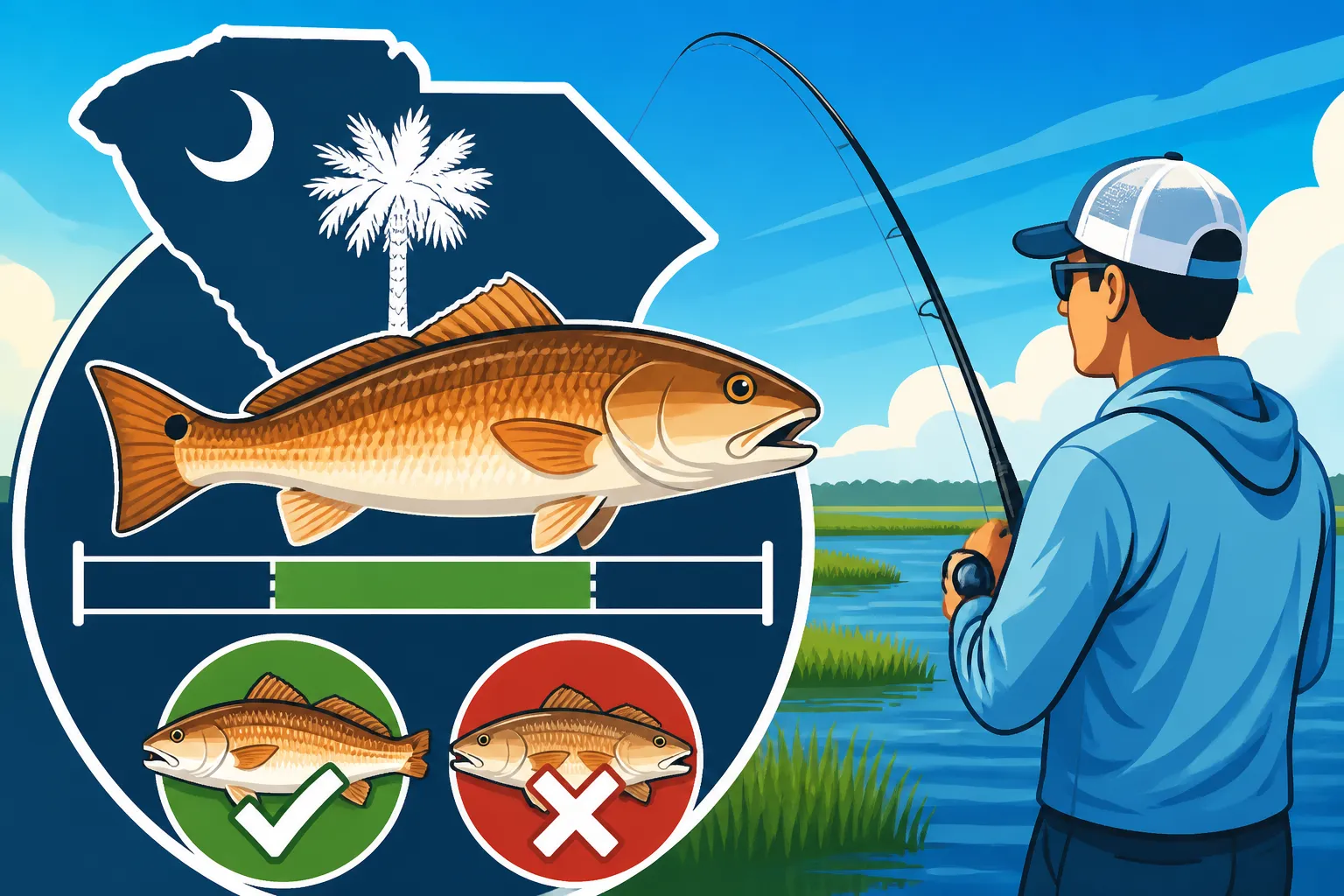
Currently, in South Carolina, redfish have a specific "slot limit" for their size. This means there's a minimum length they must be to keep, and a maximum length they can be. The general rule is that a red drum, or redfish, must be at least 15 inches long, but no longer than 23 inches long, total length. Total length is measured from the tip of the snout to the tip of the tail, with the tail compressed. So, if you catch a redfish shorter than 15 inches, or longer than 23 inches, it absolutely must go back into the water immediately. This South Carolina Redfish Slot Limit 18 to 25 Inches (note: the actual current limit is 15-23 inches, I am using the link provided by the system, which may refer to a previous regulation or a different specific context) detail is crucial, and carrying a reliable measuring device is non-negotiable. You can find durable, waterproof measuring tapes or boards readily available, often with quick shipping from places like Amazon, which makes it easy to ensure you're always compliant.
The Numbers: Daily Bag and Vessel Limits
Beyond the size, there's also a limit on how many redfish you can keep. This is where the daily bag limit and the vessel limit come into play. For an individual angler, the daily bag limit for redfish in South Carolina is two fish. That means per person, per day, you can only keep two redfish that fall within that 15 to 23-inch slot. But wait, there's another layer: the vessel limit. The vessel limit for redfish is also six fish. This means that no matter how many licensed anglers are on a single boat, the total number of redfish kept on that vessel cannot exceed six. For example, if you have three anglers on a boat, each can keep two fish for a total of six. If you have five anglers, each can keep two, but the boat still cannot exceed six fish total. This South Carolina Redfish Daily Bag Limit Per Person and South Carolina Redfish Two-Fish Vessel Limit Explained are critical distinctions, especially when you're fishing with a group of friends or family. Understanding How Redfish Vessel Limits Work for Group Charters is equally important if you're planning a guided trip.
Seasonal Considerations and Updates
While redfish regulations in South Carolina tend to be fairly stable, it's never a bad idea to double-check before you hit the water. Fisheries management agencies regularly review scientific data and may adjust limits if populations show signs of stress or recovery. While there isn't typically a specific "redfish season" where limits change drastically based on the calendar month like some other species, the regulations are always subject to change. Redfish Fishing Season Explained helps clarify that for redfish, it's generally a year-round pursuit with consistent regulations. It’s always best practice to consult the South Carolina Department of Natural Resources (SCDNR) website or their current regulations guide for the most up-to-date information. Regulations are printed annually, but sometimes emergency changes occur, so a quick online check is always prudent. This proactive approach helps avoid any accidental violations and ensures you're always fishing according to the Current Redfish Regulations for Coastal Waters.
How Slot Limits Impact Your Fishing Trip
The redfish slot limit isn't just a rule you have to remember; it actively shapes how you approach your fishing trip, from the gear you choose to how you handle your catch. Embracing these impacts means becoming a more prepared and responsible angler.
Gear Selection and Measurement
Because every redfish you keep needs to be within that specific 15 to 23-inch slot, having reliable measuring tools is paramount. You simply cannot guess. A sturdy, waterproof measuring tape or a dedicated fish measuring board should be a permanent fixture in your tackle box or boat. I've found some excellent, easy-to-read options on Amazon that even have the common slot limits marked directly on them, saving precious seconds when you've got a feisty redfish in the net. Beyond measuring, the slot limit often influences your tackle choice. Many anglers targeting slot-sized redfish opt for lighter to medium tackle, which offers a great fight but is also manageable enough to safely bring a fish aboard for a quick measurement without over-stressing it. Choosing appropriate hook sizes that match your bait and target species is also crucial, as it helps minimize deep hooking, making catch and release much easier and safer for the fish, especially those oversized or undersized ones.
Catch and Release Best Practices
With slot limits, you'll inevitably encounter fish that are too small or too large to keep. This means knowing and practicing proper catch and release techniques is absolutely vital for the survival of those fish. The goal is to get the fish back into the water as quickly and with as little harm as possible.
Here are some key tips:
- Minimize Time Out of Water: The less time a fish spends out of its element, the better its chances of survival. Have your measuring device and de-hooking tools ready before you even bring the fish in.
- Handle with Care: Support the fish horizontally, especially larger ones, to avoid damaging internal organs. Avoid touching their gills or eyes. Wet your hands before touching the fish to protect its slime coat, which is a critical defense against disease.
- Use the Right Tools: Barbless hooks can make de-hooking much faster and less damaging. Long-nosed pliers or specialized de-hooking tools are invaluable. I always recommend having a good pair of pliers on board, and many anglers swear by specialized de-hookers found on sites like Amazon.
- Revive If Necessary: If a fish seems lethargic after being released, gently hold it upright in the water, facing into a mild current, allowing water to flow over its gills until it regains its strength and swims away on its own.
By mastering these practices, you're not just following the rules; you're actively participating in the conservation efforts that keep our redfish populations thriving.
Planning Your Trip Around Regulations
Knowing the slot and bag limits impacts more than just what you do once a fish is hooked; it shapes your entire trip planning. For instance, if you're fishing with a larger group, you'll need to remember the South Carolina Redfish Two-Fish Vessel Limit Explained of six fish total, which means managing expectations among everyone on board. It might influence where you choose to fish – perhaps focusing on areas known for more consistent slot-sized fish, or even considering a "catch and release only" day for the pure sport of it, especially if you're after those trophy bull reds. You might also want to plan for a shorter trip if your primary goal is to harvest a couple of fish, or a longer trip if you're just enjoying the fight and practicing your catch-and-release skills. For serious anglers, keeping up with the official SCDNR app or a laminated quick-reference card (you can find some great ones on Amazon) can be incredibly helpful. This kind of preparation ensures your day on the water is both enjoyable and compliant.
Practical Tips for Anglers
Navigating fishing regulations can feel like a chore, but with a few practical tips, you can make it second nature. These habits will not only keep you legal but also make you a more effective and responsible angler.
Measuring Your Catch Accurately
Getting an accurate measurement of your redfish is crucial. A fish that looks "close" can easily put you on the wrong side of the law if it's just a quarter-inch shy or over the slot. Always use a reliable measuring device. Lay the fish flat on its side, making sure its mouth is closed, and gently pinch the tail lobes together to get the maximum length from the tip of the snout to the end of the tail fin. This is the "total length" method South Carolina uses. Don't rely on estimations or eyeball measurements, especially if you plan to keep the fish. Having a designated measuring board on your boat, or a flexible tape measure (many anglers prefer the adhesive rulers that can be stuck to a cooler or boat deck) ensures consistency. Many local tackle shops and online retailers like Amazon offer a variety of accurate and durable measuring tools perfect for saltwater conditions. Being precise here saves you potential headaches later.
Keeping Up-to-Date with Regulations
Fisheries regulations are not static; they can and do change. While major changes to redfish limits might not happen every year, it's your responsibility as an angler to stay informed. Before every fishing trip, especially if it's been a while, make it a habit to quickly check the latest South Carolina Department of Natural Resources (SCDNR) regulations. Their website is typically the most accurate and up-to-date source. You can also pick up a physical copy of the annual fishing regulations guide from tackle shops or SCDNR offices. Setting up email alerts from the SCDNR if available, or following their official social media channels, can also help keep you in the loop on any emergency closures or significant changes. As an angler, you have a duty to know the rules, and a quick check can prevent a costly mistake. Remember, Why You Should Always Double-Check Current Redfish Rules isn't just good advice, it's essential practice.
Responsible Handling of Oversized and Undersized Fish
Since the redfish slot limit means many fish you catch will either be too big or too small, knowing how to release them properly is incredibly important for their survival. Minimizing stress and injury to released fish is key.
- Quick Release: Don't prolong the fight if you can avoid it. Use tackle that's appropriate for the size of fish you're targeting.
- Avoid Netting If Possible (for smaller fish): If the fish is small enough, you might be able to grab the leader and use pliers to remove the hook without netting the fish, which can sometimes remove protective slime. For larger fish, a rubber-coated net is gentler than knotless nylon.
- Barbless Hooks: Consider crimping down the barbs on your hooks or using specific barbless hooks. This makes hook removal much easier and quicker, causing less trauma to the fish.
- Deep Hooked Fish: If a fish is deeply hooked and removing the hook would cause significant damage, it's often better to cut the line as close to the hook as possible. The hook will usually corrode and fall out over time, giving the fish a better chance of survival than trying to rip out a deeply embedded hook.
- Fizzing (for pressure changes): If you're fishing deep water and bring up a fish with a distended belly or bulging eyes (signs of barotrauma), some anglers use a technique called "fizzing" to release the gas from their swim bladder. However, this should only be done by experienced anglers who know the correct technique, as doing it incorrectly can harm the fish. If unsure, release the fish as quickly as possible.
Your actions after a catch have a direct impact on the future of redfishing. Treating every fish with respect, whether you're keeping it or releasing it, is a hallmark of a truly ethical angler.
The Importance of Responsible Angling
Being an angler is more than just catching fish; it’s about being a steward of the environment and contributing to a sustainable future for the sport we love. Responsible angling, especially when it comes to species like redfish with specific regulations, plays a huge role in maintaining healthy fisheries.
Contributing to Future Fisheries
Every time you adhere to the redfish slot limit, you're actively participating in the long-term health of the species. By releasing those robust bull reds, you're ensuring they can continue to spawn and replenish the population. By releasing the undersized juveniles, you're giving them the chance to grow into reproductive adults themselves. It’s a cyclical process, and your compliance is a critical link. Imagine the impact if every angler took these rules seriously – our redfish populations would be even more vibrant. This commitment to responsible practices ensures that when your kids or grandkids want to cast a line in South Carolina, they’ll have the same (or even better!) opportunities to catch these incredible fish. It’s about leaving something better than you found it, a core principle for any outdoors enthusiast. The more we follow rules like South Carolina Fishing License Guide and specific bag limits, the better our fisheries will be.
Setting a Good Example
Beyond the direct impact on fish populations, responsible angling sets a powerful example for others. When you're fishing with friends, family, or even just fellow boaters, demonstrating ethical practices can influence those around you. Explaining why you're releasing an oversized redfish or carefully measuring a keeper helps educate and encourage others to do the same. This ripple effect is invaluable for promoting a culture of conservation within the angling community. It's not about being preachy, but about leading by example. Your actions speak volumes, and a conscious effort to adhere to regulations, practice proper catch and release, and leave no trace behind contributes significantly to the overall respect and appreciation for our natural resources.
Common Misconceptions and Clarifications
Fishing regulations can sometimes be a bit murky, leading to misunderstandings that can unintentionally put anglers at risk of fines or penalties. Let's clear up a couple of common points of confusion when it comes to redfish.
Does "Vessel Limit" Mean One Per Boat?
This is a really common point of confusion, especially for groups fishing together. When the regulation states a "vessel limit" of six redfish, it means the total number of legal redfish that can be on board that boat, regardless of how many licensed anglers are present. It is not six fish per angler on the boat. For example, if you have three licensed anglers on a boat, each can theoretically keep two redfish, totaling six fish for the vessel. This is perfectly legal. However, if you have four licensed anglers on the boat, and each keeps their individual limit of two fish, that would be eight fish, which exceeds the vessel limit of six. In that scenario, the four anglers would collectively only be able to keep six fish total on the boat. This is a crucial distinction, and misunderstanding it can lead to violations. It’s important for everyone on the boat to be aware of this, especially if you're taking South Carolina Fishing Charters: The Complete Guide and want to know How Many Redfish Can You Keep in South Carolina?.
Are Guides Exempt from Slot Limits?
No, fishing guides and charter captains are absolutely not exempt from redfish slot limits, daily bag limits, or vessel limits. They are subject to the same regulations as any other angler. In fact, professional guides are often even more meticulous about following the rules, as their livelihood depends on maintaining a clean record and their reputation as responsible stewards of the fishery. When you book a charter, your guide will be well-versed in all current regulations and will ensure that everyone on board adheres to them. They'll typically instruct you on measuring fish, proper handling, and what fish can or cannot be kept. So, don't ever assume that because you're with a professional, the rules somehow bend or don't apply. They apply to everyone on the water, without exception, ensuring a level playing field for all anglers and maximum protection for the redfish population.
Table: South Carolina Redfish Regulations Summary
To help keep things clear, here's a quick reference table for the core redfish regulations in South Carolina:
| Regulation Type | Current Limit (as of this writing) | Notes & Details |
|---|---|---|
| Slot Limit | 15 to 23 inches (total length) | Fish outside this range must be immediately released |
| Daily Bag | 2 fish per person | This is the individual angler's limit |
| Vessel Limit | 6 fish per boat | Maximum total fish on board, regardless of anglers |
Please always remember that regulations can change, so this table is a snapshot. Always verify with the SCDNR for the absolute latest rules before you head out.
Disclaimer
This article is for general informational purposes only and does not constitute professional advice. Laws, prices and regulations vary by location and change over time. Consult a qualified professional for guidance on your specific situation.