Largemouth Bass Growth Rate From Fingerling to Trophy
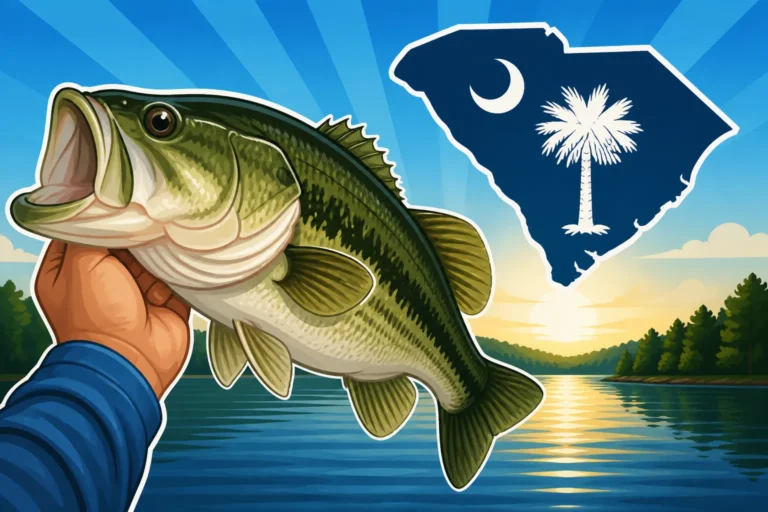
It’s a question every passionate angler in South Carolina asks: how fast do those little largemouth bass grow from a tiny fingerling into a massive, wall-hanger trophy? The journey from a newly hatched fry to a lunker that makes your drag scream is fascinating, and understanding it can actually make you a more successful, and certainly a more appreciative, bass angler. This guide will walk you through the incredible growth curve of largemouth bass in our beloved Palmetto State waters.
Understanding Largemouth Bass Growth Factors in South Carolina Waters
The growth rate of a largemouth bass isn't a simple, straight line; it's a dynamic dance influenced by a variety of environmental factors, genetics, and even the local culinary scene (for the fish, that is!). South Carolina's diverse waterways, from the deep, clear reservoirs of the Upstate to the vast, nutrient-rich Santee Cooper Lakes, offer different conditions that can significantly impact how quickly a bass reaches impressive sizes.
Diet and Forage Availability
Just like us, a bass needs a good, consistent diet to grow big and strong. For largemouth bass, this means an abundance of high-quality forage. In South Carolina, prime forage includes shad (both gizzard and threadfin), bluegill, crappie, small catfish, and even other smaller bass. When these food sources are plentiful and easily accessible, bass don't have to expend as much energy hunting, meaning more energy can go directly into growth. Lakes with robust populations of baitfish, like the well-known Santee Cooper Lakes: South Carolina's Legendary Bass Fishery, often produce some of the fastest-growing and largest bass in the state.
Conversely, in waters where forage is scarce or less nutritious, bass might grow slower, appearing leaner and less robust. They'll still try to eat whatever they can find, but it's like trying to build muscle on a diet of snacks instead of full meals. Anglers often observe this difference when fishing two different bodies of water – one might have plump, aggressive bass, while the other's fish seem smaller and more finicky. Ensuring a healthy forage base is a key component of fishery management here in South Carolina, helping to ensure the next generation of trophy bass.
Water Temperature and Metabolism
South Carolina's climate plays a huge role in bass growth. Largemouth bass are cold-blooded creatures, meaning their metabolism is directly linked to water temperature. They thrive and grow most rapidly in warm water, typically between 65 and 80 degrees Fahrenheit. Our long, warm summers in South Carolina provide extended periods where bass can actively feed and grow at peak efficiency. This is why you often hear about incredible bass fishing in the spring and fall when temperatures are ideal, and why growth can slow down significantly during the coldest winter months when bass become less active and their metabolic rate drops.
During these warmer periods, bass digest food quickly and are constantly on the hunt. This extended growing season, compared to states further north, is one of the reasons South Carolina consistently produces impressive largemouth bass. However, excessively hot water in shallow areas can also stress bass, making them sluggish and less interested in feeding, which can temporarily slow growth. Finding the right water temperature often means locating deeper, cooler water during the dog days of summer.
Genetics and Strain Differences
While environmental factors are crucial, you can't overlook the power of genetics. Just like people, some bass are simply predisposed to grow larger than others. South Carolina has a rich history of stocking efforts, and the genetics of the bass population can vary from lake to lake. Many of our lakes contain Florida-strain largemouth bass genetics, which are known for their potential to grow to much larger sizes than their Northern-strain cousins. These larger genes, combined with our favorable climate and ample forage, create the perfect recipe for true giants.
This genetic influence means that even in similar conditions, a bass with strong "big bass" genes will likely outgrow one with less impressive genetic potential. Biologists work to manage these genetic components to enhance trophy potential in various fisheries across the state. It's a subtle factor, but one that underpins the dreams of many anglers chasing a South Carolina Largemouth Bass Record Chasers Guide.
The Life Stages: From Fingerling to Juvenile to Adult Bass
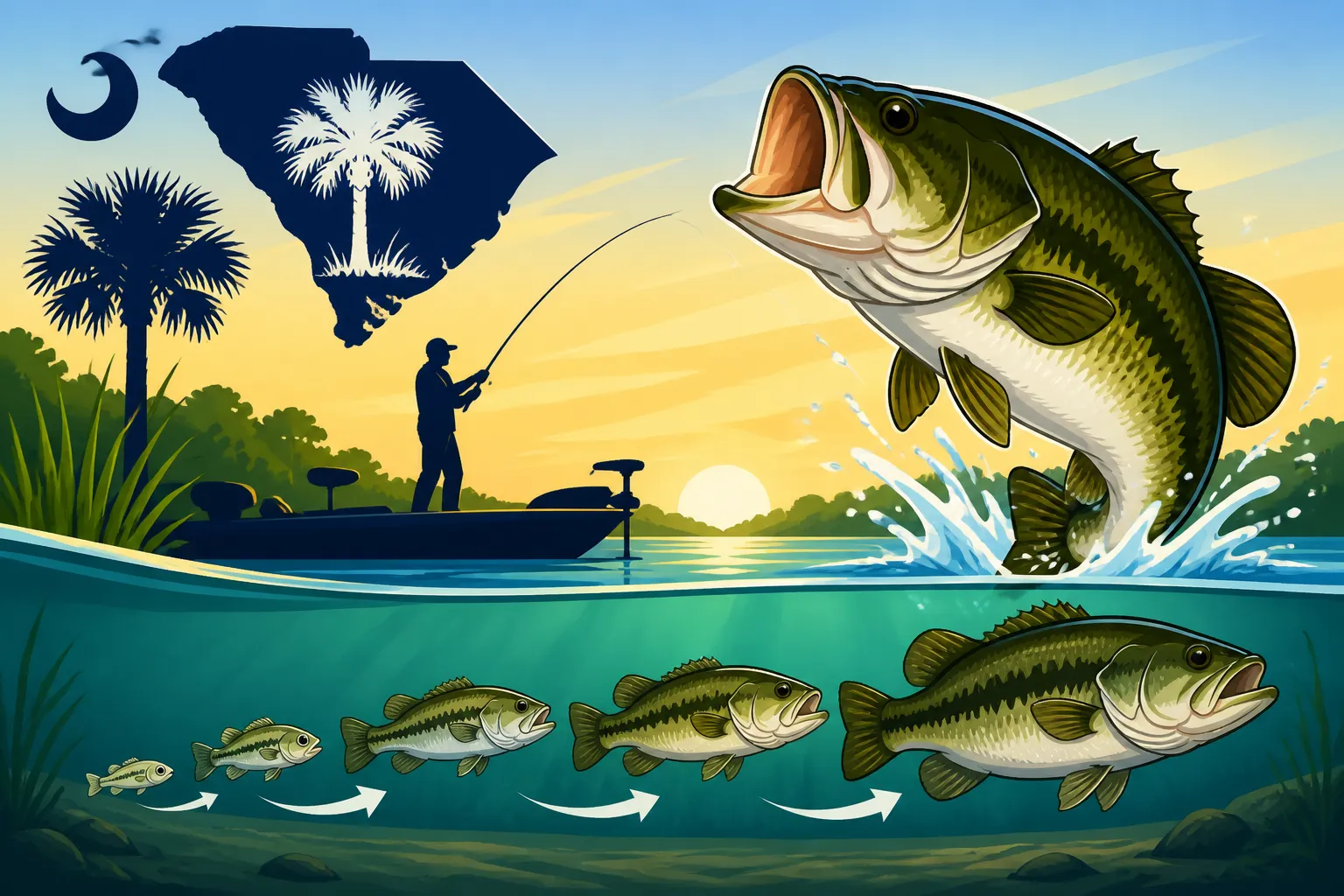
The journey of a largemouth bass through its life stages is a remarkable progression, marked by rapid growth in the early years and a shift towards maintenance and reproduction later on. Each stage presents different challenges and opportunities for growth.
Fingerling Stage: Tiny but Mighty Potential
The term "fingerling" refers to a young bass, typically about the size of a human finger, ranging from a few inches up to around 6-8 inches. These tiny fish hatch from eggs, spend a short time as fry, and then quickly develop into fingerlings. This is a period of incredibly rapid growth, but also immense vulnerability. Fingerlings are constantly eating and trying to avoid becoming food themselves. They'll gorge on zooplankton, small insects, and tiny baitfish, converting that energy into length and girth at an astonishing rate.
In ideal conditions, a bass can grow from a tiny hatchling to a 6-inch fingerling in just a few months. Their survival rate at this stage is low due to predation from birds, larger fish, and other aquatic predators, but the ones that survive quickly build a foundation for future growth. Anglers rarely target fish this small, but it's important to remember that every trophy bass started right here, navigating a dangerous underwater world.
Juvenile Stage: The Growth Spurt
Once a bass hits about 8-10 inches and up to roughly 15 inches, it enters its juvenile stage. This is where you really start to see significant growth spurts. Juveniles are more efficient predators, actively hunting baitfish, crayfish, and larger insects. Their metabolism is still incredibly high, and they spend most of their time feeding. A healthy juvenile bass in a South Carolina lake can add several inches and a pound or more of weight in a single year, especially in waters with abundant food.
This is often when anglers start to catch and release these fish, providing crucial data for fisheries managers and ensuring they have a chance to grow even larger. They're aggressive, feisty, and a blast to catch, representing the future of the fishery. Many of the bass you encounter around structure or in shallow cover, often around the 1-2 pound mark, are active juveniles still piling on the pounds.
Adult Stage: The Trophy Pursuit Begins
An adult largemouth bass is generally considered to be anything over 15 inches, and this is where the growth rate typically begins to slow down. While they can still add weight and some length each year, the explosive growth seen in their juvenile years tapers off. At this stage, a significant portion of their energy goes towards reproduction during the Largemouth Bass Spawning Season Explained and maintaining their body mass.
For a bass to reach "trophy" status in South Carolina – often defined as 8 pounds or more – it requires not only good genetics and a consistent diet but also longevity. It needs to survive multiple spawning seasons, avoid predators (including anglers, ideally through responsible catch and release), and continue to find ample food. An adult bass of 4-6 pounds is considered a very healthy fish, while anything over that enters the realm of true trophy potential. The oldest, largest bass often reside in the deepest, most stable parts of their habitat, like the submerged humps and creek channels of Lake Murray.
What Defines a Trophy Largemouth Bass in the Palmetto State?
The term "trophy" can be subjective, but in South Carolina, there are some generally accepted benchmarks that make a largemouth bass truly special. It's not just about bragging rights; it's about appreciating the culmination of ideal conditions, good genes, and survival.
Weight and Length Benchmarks
While personal bests vary wildly, a largemouth bass weighing 8 pounds or more is widely considered a trophy in South Carolina. Many anglers dream of catching a bass exceeding 10 pounds, which is a rare and truly exceptional feat in any freshwater system. In terms of length, a bass pushing or exceeding 22-24 inches is also a significant achievement.
It's important to understand that a bass's weight can fluctuate based on its recent feeding, spawning condition, and even the time of year. A post-spawn female might weigh less than she did a few weeks prior, even if her length remains the same. When talking about trophy bass, it's usually the healthy, well-fed individuals that stand out, often caught during peak feeding seasons. Knowing these benchmarks gives you something to strive for beyond just "a big fish." If you're chasing truly large fish, specific locations like Trophy Largemouth Bass Fishing Spots in the South Carolina Midlands might be on your radar.
Factors Beyond Size: The Elusive Lunker
Sometimes, a trophy isn't just about the scale. It's about the fight, the conditions, or the story behind the catch. An extremely well-proportioned 7-pound bass caught on a tricky topwater bait during a difficult bite might feel more like a trophy than a bloated 8-pounder snagged by accident. The condition of the fish, its vibrant colors, and its powerful fight all contribute to the "trophy" experience.
For many, the true trophy is a fish that represents a personal best, a memorable outing, or a testament to their skill and persistence. It's the fish that pushes you to upgrade your gear – perhaps a heavier rod or a stronger reel found easily on Amazon – and inspires you to keep learning and exploring South Carolina's incredible bass fisheries.
How Anglers Can Influence Growth and Contribute to Trophy Fisheries
As anglers, we have a significant role to play in not just enjoying, but also contributing to the health and growth of largemouth bass populations, helping ensure future generations can chase those same lunkers.
The Importance of Catch and Release
Catch and release practices are arguably the most impactful way anglers can promote trophy bass growth. Every large bass that is carefully released has the potential to grow even larger and, critically, to reproduce, passing on its strong genetics to future generations. Releasing big females, especially during or after the spawn, is vital for the health of the fishery. When fishing for Largemouth Bass Fishing Near Lake Marion, South Carolina, for example, many anglers practice catch and release for fish above a certain size to help maintain the quality of the fishery.
When practicing catch and release, handle the fish as little as possible. Use wet hands to protect their slime coat, support their body horizontally (especially larger fish), and use de-hooking tools if necessary. Get them back in the water quickly, allowing them to recover before swimming away. A quality pair of long-nosed pliers, which you can easily find on Amazon, can make de-hooking much smoother and safer for the fish.
Proper Fish Handling Techniques
Even if you intend to keep a bass, proper handling before dispatching it is important. If you’re taking photos, again, support the fish's body, don't let it flop around on hard surfaces, and minimize its time out of the water. For tournament anglers or those seeking a South Carolina Largemouth Bass Record Chasers Guide, livewells should be properly oxygenated and regulated to minimize stress on the fish.
Using a good quality fishing net with a rubberized mesh (another item widely available on Amazon) can also reduce harm to the fish’s fins and slime coat compared to coarser nylon nets. These small actions collectively make a big difference in ensuring that the bass we catch, whether released or kept, are treated with respect.
Supporting Habitat and Conservation Efforts
Beyond individual actions, supporting broader conservation efforts is key. Organizations that work to protect and improve bass habitats – such as restoring aquatic vegetation, improving water quality, or preventing pollution – directly contribute to environments where bass can grow to their full potential. Healthy habitats provide ample food, shelter, and spawning grounds, all critical for optimal growth rates.
Understanding the Best Bait for Largemouth Bass in South Carolina Lakes or Best Lures for Largemouth Bass in Muddy Water is one thing, but understanding the ecosystem those fish live in is another. Staying informed about local regulations, like South Carolina Fishing Bag Limits Explained, and adhering to them responsibly ensures that the fishery remains balanced and productive for all. By being responsible stewards of our waterways, we ensure that the dream of catching a trophy largemouth bass remains a vibrant reality in South Carolina.
South Carolina Largemouth Bass: Average Growth Chart
While growth rates can vary widely, this table provides a general idea of how largemouth bass in good South Carolina conditions might grow. Remember, these are averages, and individual fish can grow faster or slower based on the factors discussed above.
| Age (Years) | Average Length (Inches) | Average Weight (Pounds) | Key Developmental Milestones |
|---|---|---|---|
| 0 (Fingerling) | 2 – 6 | < 0.25 | Hatches, rapid growth on zooplankton/small insects |
| 1 | 6 – 10 | 0.25 – 0.75 | Active predator, begins targeting small baitfish |
| 2 | 10 – 14 | 0.75 – 1.5 | Strong growth, sexually mature, first spawning likely |
| 3 | 14 – 17 | 1.5 – 2.5 | Consistent growth, efficient predator, multiple spawns |
| 4 | 17 – 20 | 2.5 – 4 | Growth starts to slow, focusing on maintaining size |
| 5 | 20 – 22 | 4 – 6 | Reaching impressive size, entering "lunker" territory |
| 6+ | 22+ | 6 – 10+ | True trophy potential, rare, often female, excellent genetics |
This chart illustrates that while a bass can grow to a respectable size in just a few years, those truly massive 8-10 pounders typically require at least 6-8 years, sometimes even more, of ideal conditions and survival. It's a testament to their resilience and the richness of South Carolina's aquatic environments.
Disclaimer
This article is for general informational purposes only and does not constitute professional advice. Laws, prices and regulations vary by location and change over time. Consult a qualified professional for guidance on your specific situation.