Why You Should Always Double-Check Current Redfish Rules
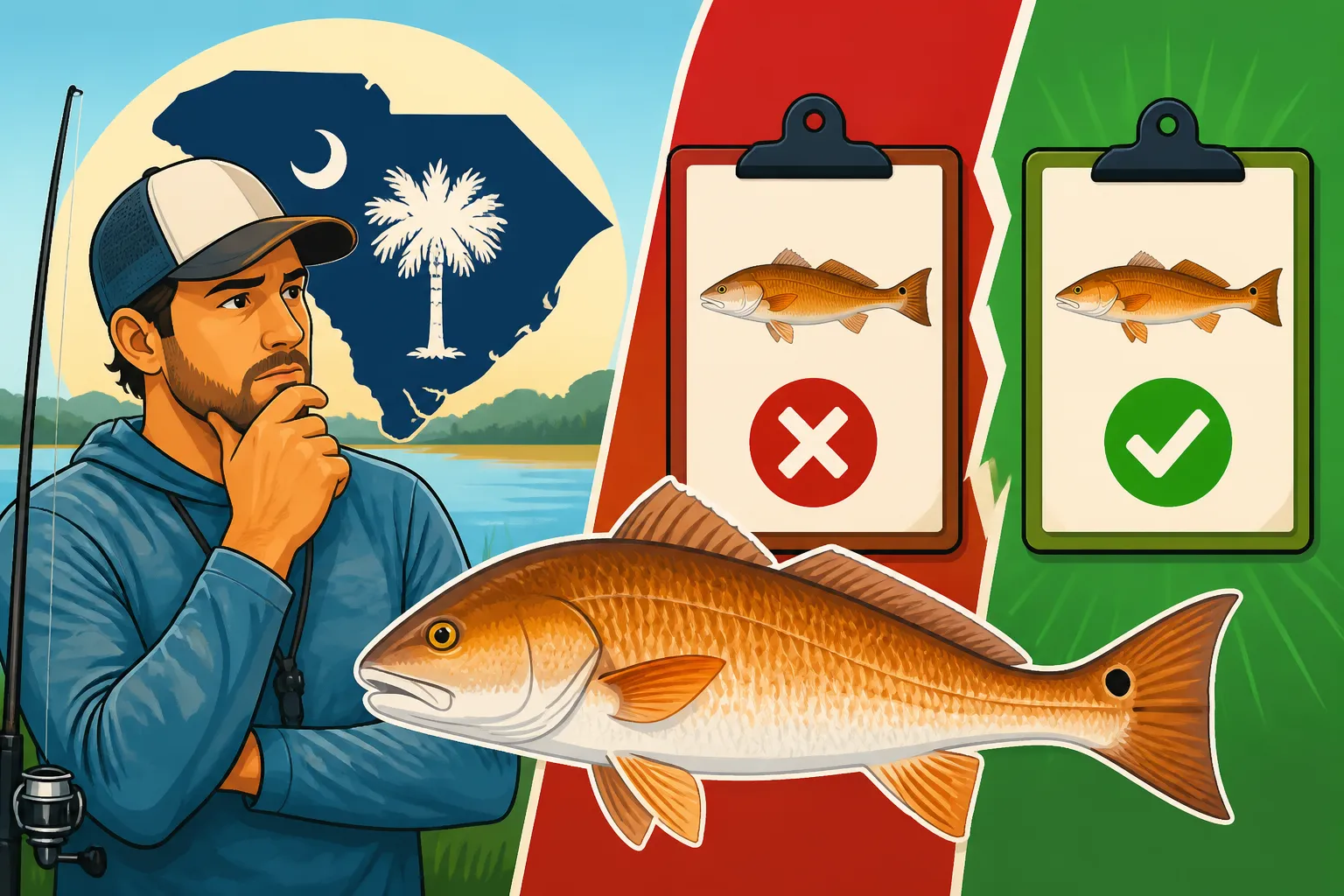
It's a familiar scenario for any angler in South Carolina: you're gearing up for a fantastic day of redfish angling, you've checked the weather, packed your favorite lures, and then a nagging thought creeps in. "Did the rules change again?" It's a genuine worry, and for good reason! Redfish regulations in our beautiful coastal waters are anything but static, and keeping up can feel like a full-time job. This comprehensive guide is dedicated to explaining precisely why you should always double-check current redfish rules before casting a line, helping you navigate the ever-evolving landscape of South Carolina's saltwater fishing regulations.
The Dynamic Nature of Redfish Regulations in South Carolina
South Carolina's stunning coastline and rich estuaries are home to a vibrant population of red drum, or redfish as we affectionately call them. These powerful, bronze-colored fish are a favorite target for anglers, from seasoned veterans to excited newcomers. But the very popularity that makes them so thrilling to catch also makes their conservation paramount. The rules governing how and when we can catch them are constantly under review and subject to change, often with little notice to the casual angler. Ignoring these changes isn't just risky; it can have significant impacts on both your wallet and the future of the fishery.
Why Rules Change: Conservation at Its Core
At its heart, the shifting nature of redfish regulations boils down to one critical objective: conservation. The South Carolina Department of Natural Resources (SCDNR) is tasked with ensuring a sustainable fishery for generations to come, and that means making tough decisions based on scientific data. Imagine a bustling stock market, but instead of company shares, it's fish populations. Factors like spawning success, juvenile survival rates, habitat health, and, yes, even environmental events like severe cold snaps or unusually warm winters can drastically impact redfish numbers.
For example, a sudden, prolonged cold spell might lead to a significant redfish kill, especially in shallow estuaries where water temperatures can drop rapidly. Or perhaps, over several years, fishing pressure increases dramatically in popular spots like Murrells Inlet or Charleston Harbor, leading to a noticeable decline in mature, spawning-size fish. When the SCDNR conducts its stock assessments and sees these trends, they don't sit idly by. They respond, often by adjusting limits or introducing new restrictions to give the population a chance to rebound. These aren't arbitrary decisions; they're data-driven efforts to protect a vital natural resource. Ignoring these vital signs would be akin to driving a car with the check engine light on—eventually, you're going to break down.
The Agencies Behind the Rules
So, who's actually making these calls? In South Carolina, the primary authority for setting and enforcing fishing regulations, including those for redfish, is the South Carolina Department of Natural Resources (SCDNR). These dedicated folks are on the front lines, conducting research, monitoring fish populations, and working with stakeholders to develop policies that balance recreational and commercial interests with the long-term health of the species.
Their process involves a lot more than just pulling numbers out of a hat. SCDNR biologists spend countless hours in our waterways, tagging fish, collecting samples, and analyzing data on everything from age and growth rates to reproductive success. They work closely with coastal communities, academic institutions, and federal agencies like the South Atlantic Fishery Management Council (SAFMC) to gather a comprehensive picture of the fishery's health. When changes are proposed, they often go through public comment periods, allowing anglers and other concerned citizens to voice their opinions. This entire robust system is designed to be responsive, which means the rules you learned last year might not be the rules for this year, or even this month. That's why always referring to current Redfish Regulations for Coastal Waters is non-negotiable for responsible angling.
Common Redfish Regulations and Their Potential to Shift
Redfish regulations typically revolve around a few key areas: how many fish you can keep, what size they need to be, and sometimes, where or when you can fish for them. These are the elements that are most prone to change as fishery managers adapt to new information and evolving environmental conditions. Understanding each of these categories is crucial, but remember, the specifics are what truly matter.
Slot Limits and Size Restrictions
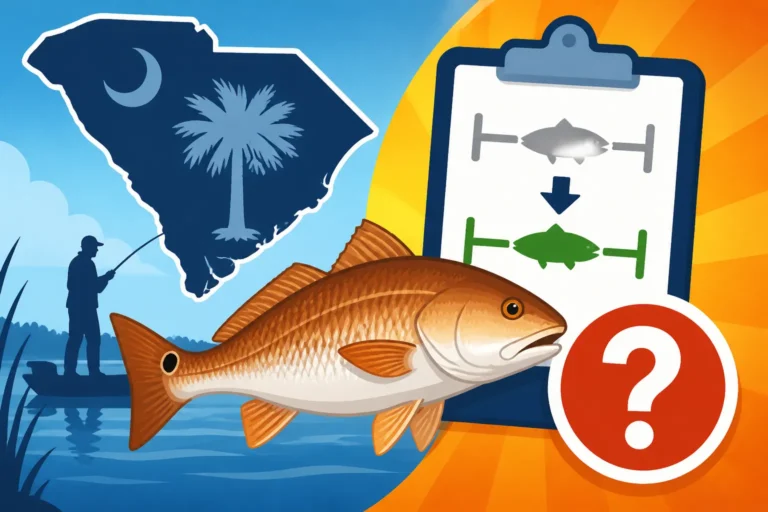
Perhaps the most common and often discussed redfish regulation is the slot limit. Currently, in South Carolina, the redfish slot limit is 18 to 25 inches, meaning any redfish you keep must measure between these two lengths. Fish under 18 inches are considered "shorts" and must be released immediately, while fish over 25 inches are deemed "oversized" or "bull reds" and also must be released. The reasoning behind this is brilliant in its simplicity: it protects the juvenile fish, giving them a chance to grow and mature, and it protects the large, reproductively valuable adult fish, allowing them to continue spawning and contributing to the future of the population.
However, these numbers aren't set in stone. The specific length of the slot limit can, and does, change. For example, if SCDNR biologists determine that the population of spawning-size redfish is declining, they might increase the upper limit of the slot, allowing more fish to reach maturity before they can be harvested. Conversely, if there's a boom in juvenile fish, they might adjust the lower limit. There have even been discussions in the past about whether South Carolina Redfish Slot Limit Changes Over Time. This makes knowing the precise South Carolina Redfish Slot Limit 18 to 25 Inches at any given moment absolutely critical for staying compliant and supporting conservation efforts. A tape measure isn't just a tool; it's your best friend out on the water.
Bag and Vessel Limits
Beyond size, there's the question of quantity. South Carolina typically implements both a daily bag limit per person and a vessel limit for redfish. For instance, the South Carolina Redfish Daily Bag Limit Per Person is often one fish per angler per day, within the legal slot. But then there's also the South Carolina Redfish Two-Fish Vessel Limit Explained, which means that regardless of how many licensed anglers are on a boat, the total number of redfish kept on that vessel cannot exceed two. This dual system is designed to prevent excessive harvest, especially when groups of anglers are fishing together.
These limits are also subject to alteration. If stock assessments show a significant decline in redfish numbers, the SCDNR might reduce the daily bag limit to further reduce fishing pressure. Imagine a scenario where a particularly harsh winter leads to a large number of redfish mortalities. In response, the SCDNR might temporarily reduce the per-person bag limit or even the vessel limit to ensure that the remaining population has a better chance to recover. These adjustments are vital for the long-term health of the fishery and directly impact how many fish you can legally take home. It's not just about knowing the current number; it's about understanding that these numbers reflect the health of the population you're fishing.
Seasonal Closures and Area Restrictions
While less common for redfish compared to some other species, seasonal closures or area-specific restrictions are another tool the SCDNR can employ. These are typically implemented to protect fish during critical life stages, such as spawning, or to allow specific areas to recover from environmental disturbances or excessive pressure.
For example, certain areas might be temporarily closed to fishing if a particular habitat is undergoing restoration or if a localized population is experiencing stress. While a widespread redfish closure across the entire state is rare, localized restrictions are always a possibility, especially in sensitive nursery habitats. It’s not just about having a South Carolina Fishing License Guide for saltwater; it's about staying informed about every nuance. Always check for any specific bulletins or advisories for the particular area you plan to fish, especially if you're exploring new grounds along the coast.
Practical Steps for Staying Up-to-Date on Redfish Rules
Given the dynamic nature of these regulations, it's clear that relying on outdated information, or worse, word-of-mouth, is a recipe for trouble. You absolutely cannot afford to assume the rules haven't changed since your last trip or since last year. Staying informed requires a proactive approach, but thankfully, there are several reliable ways to ensure you're always fishing within the current legal framework.
Official Sources are Your Best Friend
When it comes to fishing regulations, there is no substitute for official sources. The SCDNR is the definitive authority, and their website and publications are where you'll find the most accurate and up-to-date information.
The South Carolina Department of Natural Resources (SCDNR) website (www.dnr.sc.gov) should be your first port of call. They typically have a dedicated section for saltwater fishing regulations, often including specific pages for popular species like redfish. Look for the annual "South Carolina Saltwater Fishing Regulations" guide, which is usually updated at the beginning of each year, but always check for more recent amendments or advisories. These updates are often highlighted prominently on their news page or through official press releases. You can usually find a downloadable PDF of the regulations right on their site, which you can save to your phone or even print out and keep in your tackle box. Additionally, when you go to Where to Buy a Fishing License in South Carolina, whether it's online through the Go Outdoors Online License Portal Explained or in person, you might receive a summary of current rules, but remember to always verify the very latest.
Beyond the website, SCDNR often publishes regulatory updates through official social media channels or newsletters. Signing up for these can be an excellent way to get real-time alerts about rule changes, special closures, or important conservation news. Don't rely on a friend who "heard" something; go straight to the source to avoid any misunderstandings.
Leveraging Technology and Local Knowledge
In this digital age, staying informed is easier than ever, but it also means sifting through a lot of noise. Beyond official government sites, there are other valuable resources and practices to keep you in the loop.
- Dedicated Fishing Apps: Many excellent fishing apps exist that provide real-time access to regulations, tide charts, weather, and even interactive maps of fishing spots. While always cross-reference with the official SCDNR site, apps like Fish Rules App are popular among anglers for their user-friendly interface that updates regulations by location. You can often find and download these apps, or even relevant fishing guidebooks, on platforms like Amazon.
- Local Bait and Tackle Shops: These establishments are often goldmines of local knowledge. The owners and staff are usually avid anglers themselves and are often the first to know about regulation changes, especially those that impact their local waters. Don't hesitate to pop in, grab some bait, and ask about current redfish rules. They're usually happy to share insights, not just on regulations, but also on Inshore Redfish Techniques for Beginners or the latest hot spots.
- Reputable Fishing Guides and Charters: If you're booking a trip with a professional South Carolina Fishing Charters: The Complete Guide, they are legally obligated to know and abide by all current regulations. Don't be afraid to ask your guide about the latest redfish rules when you're planning your outing. They are a fantastic source of up-to-the-minute information and can offer practical advice on how to adhere to the rules while maximizing your fishing success.
- Online Forums and Social Media Groups (with caution): While not official sources, many local South Carolina fishing groups on social media platforms or dedicated forums can be a good place to hear about potential changes or discussions around regulations. However, always treat any information found here as unverified until you confirm it with the official SCDNR website. The internet is a wonderful place, but it's also rife with misinformation, so filter wisely.
Here's a quick reference on how often you should check different sources:
| Source Type | Frequency of Check | Why It's Important |
|---|---|---|
| SCDNR Website (Regulations Section) | Before Every Trip | The definitive source for all current rules and emergency closures. |
| SCDNR Press Releases/News | Weekly/Before Major Trip | Alerts you to recent or upcoming changes, public comment periods. |
| Fishing Apps (e.g., Fish Rules) | Before Every Trip | Convenient, location-based regulation summaries; cross-verify. |
| Local Bait & Tackle Shops | When Buying Supplies | Get real-time local updates and confirm with official sources. |
| Fishing Guides | When Booking/Before Trip | Professionals are current on rules, especially for charter trips. |
The Consequences of Not Knowing
Let's be blunt: ignorance of the law is not an excuse. Getting caught with an undersized, oversized, or over-limit redfish can lead to some pretty significant penalties. We're not just talking about a stern lecture from a SCDNR officer. Depending on the severity of the infraction, you could face hefty fines, confiscation of your catch, fishing gear, or even your boat. In some cases, repeated offenses or particularly egregious violations can lead to suspension of your fishing privileges.
Imagine spending hundreds of dollars on a fishing trip, only to have your catch confiscated and receive a fine because you didn't check the South Carolina Redfish Vessel Limit Explained or realized the slot limit had changed. It's a disheartening and expensive lesson to learn. Beyond the legal ramifications, there's also the moral responsibility we all share as anglers. Every fish kept outside of regulations impacts the sustainability of the redfish population. By meticulously double-checking the rules, you're not just protecting yourself from penalties; you're actively contributing to the health and future of South Carolina's incredible redfish fishery. It's a small effort with a massive payoff for everyone who loves to fish our beautiful waters.
Understanding Redfish Behavior and How Rules Support It
Beyond simply knowing the rules, having a deeper understanding of why they exist can make you a more ethical and effective angler. Redfish are fascinating creatures, and their life cycle plays a huge role in how regulations are designed. Learning a bit about their behavior and habitat preferences can illuminate the purpose behind slot limits and bag limits, helping you connect the dots between conservation efforts and successful fishing. This knowledge can even guide your techniques, whether you're sight-fishing the shallow grass flats or exploring deeper channels. For more detailed insights into Redfish Fishing in South Carolina: Rules, Spots, and Tips, dive deeper into resources that connect biology with angling strategy.
Redfish Life Cycle and Vulnerabilities
Redfish (Sciaenops ocellatus) have a relatively long lifespan, often living 30-40 years or more, and they can grow to impressive sizes. They spend their juvenile years in the shallow, protected estuaries and marsh creeks that define much of South Carolina's Lowcountry. As they mature, they begin to move into larger bays and nearshore waters, eventually joining the "bull red" aggregations in deeper coastal waters and inlets. These large, mature redfish are the primary spawners, broadcasting millions of eggs into the water during the late summer and fall months.
It's this life cycle that makes them vulnerable and necessitates careful management. The slot limit, for instance, specifically protects these crucial spawning-size fish (the "bull reds" over 25 inches) as well as the rapidly growing juveniles. If we were to heavily harvest the large breeders, it could significantly diminish the reproductive capacity of the entire population. Similarly, overharvesting smaller fish before they've had a chance to spawn would deplete future generations. Environmental factors also play a massive role; for example, the delicate marsh grass habitats where juvenile redfish thrive are susceptible to pollution and coastal development, making their protection crucial for the survival of the species. When you catch a bull red and release it, you're not just following the law; you're ensuring the continued vitality of the species.
Habitat Protection and Sustainable Angling Practices
The regulations are also intrinsically linked to habitat protection. Redfish rely heavily on healthy estuarine systems, which include vast expanses of salt marsh, oyster reefs, and seagrass beds. These habitats provide food, shelter from predators, and crucial nursery grounds for young redfish. Any degradation of these habitats directly impacts redfish populations, regardless of fishing pressure.
Sustainable angling isn't just about adhering to bag and size limits; it also involves practicing catch-and-release responsibly. When releasing redfish, especially oversized ones, it's vital to minimize stress and handling. Use circle hooks to reduce gut hooking, minimize fight time, handle the fish gently with wet hands, and release it quickly. If you're struggling with a deeply hooked fish, consider using a dehooking tool, which you can easily find and purchase on Amazon, to ensure the best chance of survival. Understanding the South Carolina's Saltwater Fishing Regulations in their entirety means also embracing best practices that protect both the fish and their fragile environments. By being a responsible steward of our waterways, you contribute to a thriving fishery that will provide enjoyment for years to come.
Disclaimer
Please remember that fishing regulations can change rapidly. While this guide aims to provide accurate and helpful information, it is not an official source. Always consult the South Carolina Department of Natural Resources (SCDNR) website or their official publications for the most current and authoritative fishing regulations before heading out on the water.