South Carolina Fish Species: A Complete Guide to What’s in the Water
It can be incredibly overwhelming to think about all the amazing fish swimming in South Carolina's diverse waters, whether you're casting a line in a quiet mountain stream or wading through a salty marsh. It's easy to feel lost trying to figure out what's biting where, and more importantly, how to even identify what you've caught! This guide is here to untangle that watery mystery, giving you a complete rundown of the incredible fish species you can encounter across the Palmetto State, from the freshwater giants to the inshore favorites and even the deep-sea monsters.
The Freshwater Giants: Largemouth, Stripers, and Catfish
When most folks think about freshwater fishing in South Carolina, a few heavy hitters immediately come to mind. These are the species that fill our lakes and rivers, offering thrilling battles and often delicious rewards. It’s a truly rich experience, but knowing which fish to target and how can sometimes feel like solving a puzzle.
Largemouth Bass: The King of the Lakes
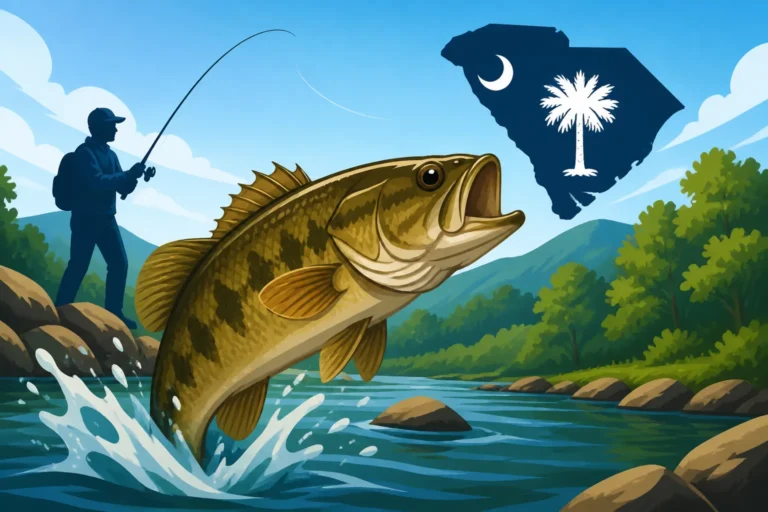
Ah, the largemouth bass – there's a reason this fish is legendary among freshwater anglers. With its powerful fight and knack for hiding in intriguing spots, chasing largemouth can become a lifelong obsession. You’ll find them in pretty much every lake, pond, and slow-moving river throughout the state, from the sprawling Santee Cooper lakes to the smaller, more intimate farm ponds tucked away in rural areas. They love structure: think submerged timber, thick lily pads, docks, brush piles, and creek channels. If you're a beginner, finding these hidden haunts can be a bit frustrating, making you feel like you're just casting into open water without a prayer. But once you learn to "read" the water and identify these key areas, your success rate will soar.
When you're trying to coax a big largemouth out of its lair, remember that they are ambush predators. They're looking for an easy meal, so presentations that mimic struggling baitfish or crawfish often work wonders. Soft plastic worms, creature baits, crankbaits, and spinnerbaits are staples in any serious bass angler's tackle box. You can spend hours online searching for the perfect lure, and if you’re looking to stock up on a wide variety, Amazon is a convenient place many anglers turn to for finding those specific colors and sizes that might be hard to locate locally. Early mornings and late evenings, or even overcast days, tend to be prime times when these fish are most actively feeding in shallower water. However, don't discount fishing during the heat of the day; sometimes, the biggest bass are simply tucked away in deeper, cooler water, waiting for you to drop a jig right on their nose. Understanding South Carolina Bass Fishing Techniques by Season can really dial in your approach.
Striped Bass: The Palmetto State's Powerhouses
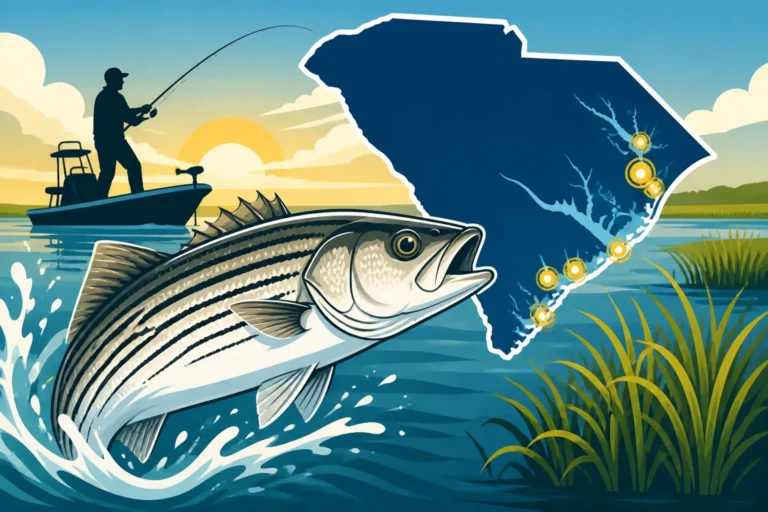
The striped bass, often affectionately called "stripers," are truly magnificent fish, holding the honor of being South Carolina's official state fish. These aren't your average panfish; stripers are built for speed and power, offering a fight that can test even the most experienced angler. While some are anadromous, meaning they migrate from saltwater to spawn in freshwater rivers, South Carolina is famous for its landlocked populations in massive reservoirs like Lake Murray and the Santee Cooper lakes. These landlocked stripers still exhibit many of the migratory traits, often schooling up and chasing baitfish across vast expanses of open water. The challenge with stripers often lies in locating these roaming schools. You might spend hours without a bite, then suddenly find yourself in the middle of a feeding frenzy with fish busting the surface all around you.
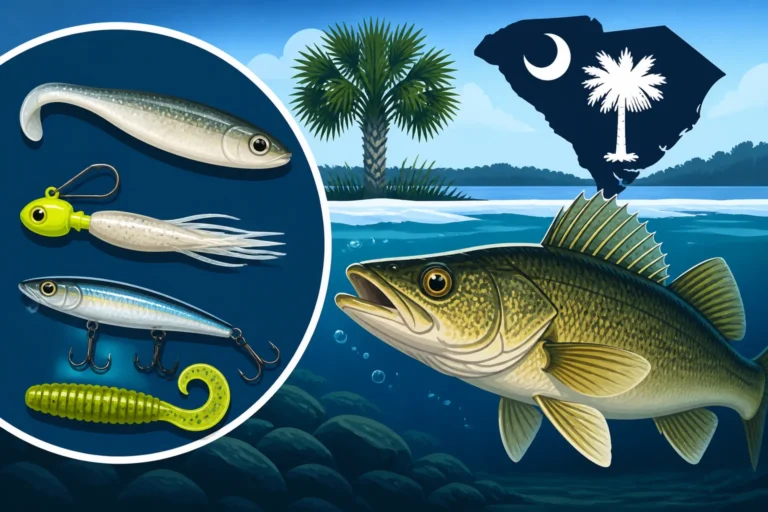
Once you find them, the fight is on. Stripers hit hard and pull like freight trains, making long, powerful runs that can spool your reel if you're not prepared. Common techniques include trolling with live bait like herring or shad, casting large bucktail jigs, or even throwing topwater lures when they're actively feeding on the surface. For those who enjoy a bit of technology in their fishing, a good fishfinder is almost essential for locating the deep-water schools. You can often find excellent deals on high-quality electronics that help pinpoint stripers on platforms like Amazon, making it easier to track these elusive fish. They’re a fantastic target for anglers seeking a real challenge, and the reward of landing one of these silver torpedoes is unparalleled. If you're looking for specific guidance, check out Best Lures for Striped Bass in South Carolina.
Catfish: Whiskered Wonders of the Depths
For many anglers, especially those who love a good fish fry, catfish are a top target in South Carolina's freshwater systems. We have three main species to contend with: the channel cat, the blue cat, and the flathead cat. Channel catfish are probably the most widespread and are often found in rivers, lakes, and ponds, identified by their forked tails and spots (though spots can fade in larger fish). Blue catfish are the true giants of the catfishing world in South Carolina, capable of reaching immense sizes, and they prefer the deeper channels of our larger rivers and lakes. Flathead catfish, with their distinct flat heads and mottled coloration, are formidable predators that primarily feed on live bait and prefer snaggy, woody cover. Each offers a different kind of fight and challenge.
The beauty of catfishing is its accessibility. You don't need fancy gear, and you can catch them from the bank or a boat. Frustrations often arise from not knowing what bait works best or where to find the biggest ones. The secret often lies in locating deep holes, river bends, and areas with submerged structure where they like to ambush prey or rest. For bait, channel cats and blue cats are suckers for cut bait (like shad, herring, or mullet), chicken livers, and various prepared "stink baits." Flatheads, being more predatory, strongly prefer live bait such as sunfish or small carp. Many anglers swear by the effectiveness of commercial stink baits, and a quick search on Amazon will show you an incredible array of options, from dips to pre-made doughs. Techniques like bottom fishing, using heavy weights to keep your bait anchored, are popular. More advanced anglers might use trotlines or jug fishing methods to target larger numbers, especially blue cats in big water.
Inland Treasures: Panfish and Trout
Beyond the big game fish, South Carolina's freshwaters also hold an abundance of smaller, yet equally rewarding, species. These "inland treasures" are often perfect for family outings, teaching kids to fish, or simply enjoying a relaxing day on the water with consistent action.
Bluegill and Other Sunfish: Family Fun on a Hook
If you're looking to introduce someone to the joys of fishing, or just want a guaranteed good time with plenty of bites, then bluegill and other sunfish are your go-to targets. South Carolina is home to a delightful variety of these small, feisty fish, including the iconic bluegill, the beautiful redbreast sunfish, and the hard-fighting redear sunfish (often called "shellcrackers"). They're found almost everywhere freshwater flows – from small farm ponds and serene neighborhood lakes to the slow-moving sections of rivers and the shallow coves of larger reservoirs. Their widespread availability and willingness to bite make them incredibly popular, especially for children. The only real frustration might be keeping up with all the fish you're catching!
These sunfish are true treasures because they don't require complicated gear or advanced techniques. A simple cane pole or a light spinning rod with a small hook, a bobber, and a piece of bait is often all it takes. Earthworms, crickets, and even small pieces of corn are irresistible to them. Many families love heading out to a local pond with a bucket of worms and watching the bobbers dance. It's a wonderful way to connect with nature and create lasting memories. When the bite is hot, you can catch dozens in an afternoon. Just remember to check for Fishing License Rules for Kids in South Carolina to ensure everyone is compliant, even if they're just having fun with panfish.
Crappie: Speckled Delights for the Dinner Plate
Crappie, both black and white varieties, are another beloved panfish species in South Carolina, highly prized for their delicious, flaky white meat. These "speckled perch" are a favorite among anglers who enjoy filling a cooler for a future fish fry. You’ll typically find crappie congregating around submerged structure like brush piles, fallen trees, old dock pilings, and bridge abutments in our larger lakes and rivers, such as Lake Marion, Lake Moultrie, and Lake Wateree. They love cover and often hang out in schools, so when you find one, you've likely found several! The challenge with crappie can be locating those specific brush piles or submerged trees, especially in deep water, but once you do, the action can be non-stop.
Crappie fishing is often a finesse game. Light tackle is key, typically small jigs (1/32 to 1/8 ounce) tipped with soft plastic bodies in various colors, or live minnows suspended under a bobber or tightlined in deeper water. Many anglers swear by a technique called "tightlining," where multiple rods are used to present minnows at different depths until a school is located. Spring and fall are generally peak seasons when crappie move into shallower water to spawn or feed actively, making them more accessible. During summer and winter, they retreat to deeper, cooler waters, often around significant structure. If you're new to the game, learning Crappie Jigging Techniques for Beginners can quickly get you started on the path to a full cooler.
Trout: Cold Water Gems of the Upstate
While South Carolina might be better known for its bass and saltwater species, don't overlook the beautiful trout fishery nestled in the cooler, higher elevation streams of the Blue Ridge Mountains in the Upstate. Here, you can find populations of stocked rainbow and brown trout, and if you're lucky and dedicated, even the elusive native brook trout. The brook trout, with its vibrant colors and white-edged fins, is a true gem and a testament to the pristine, cold waters it inhabits. Fishing for trout is a completely different experience than chasing bass or catfish; it's often about solitude, skill, and appreciating the natural beauty of the mountain environment.
The key to trout fishing in South Carolina is seeking out those cold, clear, oxygen-rich mountain streams. They prefer areas with riffles, pools, and undercut banks that offer both cover and feeding opportunities. Finding these isolated spots, often requiring a bit of a hike, is part of the adventure. For the stocked trout, light spin tackle with small spinners, spoons, or natural baits like corn and worms can be effective. However, many passionate trout anglers prefer the art of fly fishing, matching their flies to the insects naturally present in the stream. Protecting our native brook trout populations is crucial, and often these areas are designated as catch-and-release only. It’s important to familiarize yourself with South Carolina Stocked Trout Daily Limit and specific stream regulations, as they can vary significantly.
Coastal Favorites: Redfish, Seatrout, and Flounder
Shifting our focus to the magnificent South Carolina coast, a whole new world of angling opportunities unfolds. The tidal creeks, oyster beds, and expansive marsh grass flats are teeming with iconic species that draw anglers from all over. These are the fish that define the Lowcountry angling experience.
Redfish: The Iconic Lowcountry Fighter
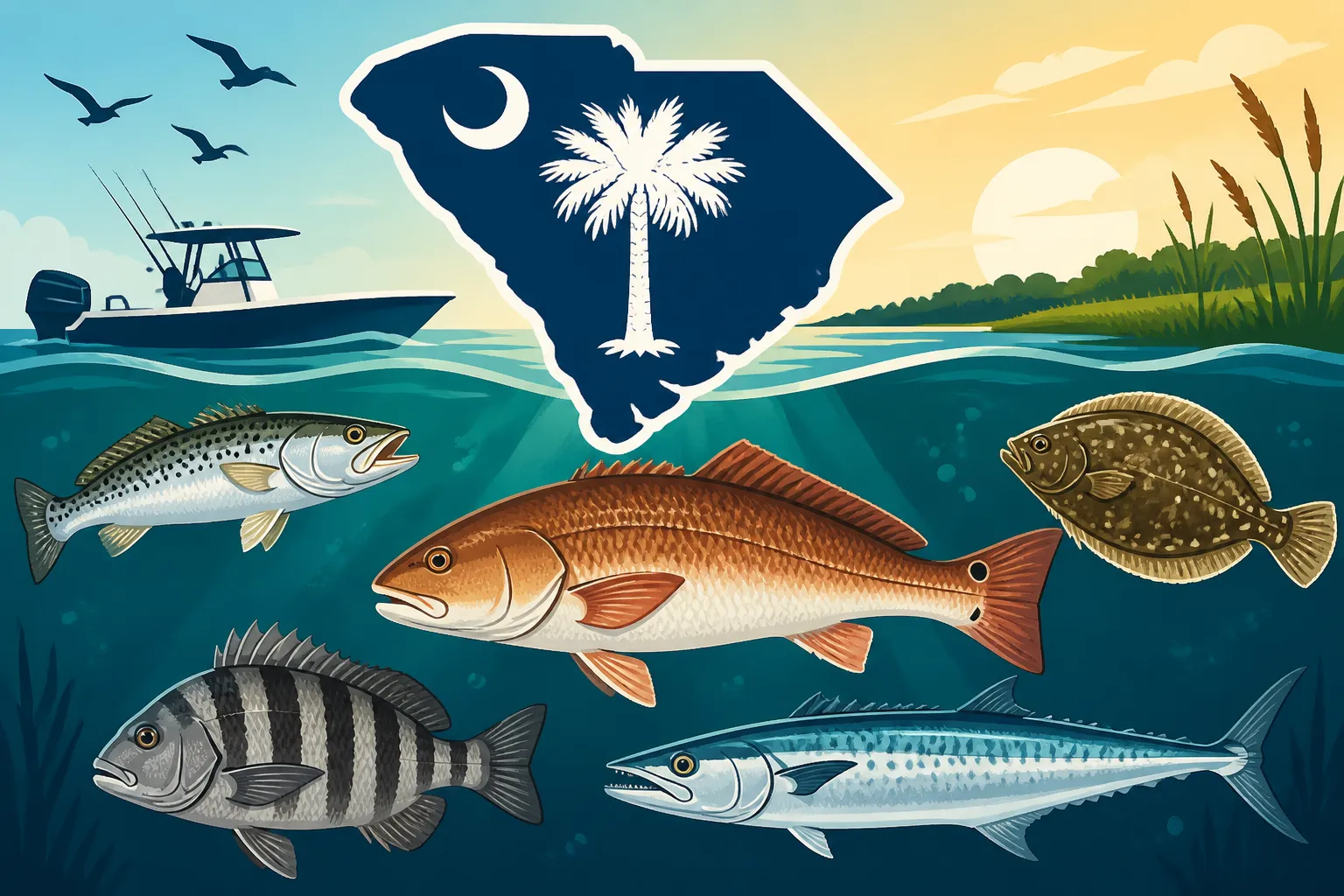
If there's one fish that epitomizes inshore saltwater fishing in South Carolina, it's the redfish, also known as red drum or spottail bass. With their distinctive copper coloration and that tell-tale black spot (or spots!) on their tail, redfish are not only beautiful but also incredibly powerful fighters that love to pull hard and make blistering runs. You'll find them patrolling the vast network of tidal creeks, rooting around oyster beds, and cruising the shallow grass flats from the Grand Strand down to Hilton Head Island. The thrill of sight-casting to a "tailing" redfish in mere inches of water, where only its tail is visible as it feeds, is an experience every angler dreams of.
Redfish can be targeted year-round, but their behavior and location can change with the tides and seasons. They're opportunistic feeders, and while they can be picky sometimes, a well-placed bait or lure is usually met with aggression. Live shrimp, mud minnows, and finger mullet fished under a popping cork or on a Carolina rig are classic choices. For artificials, soft plastic paddle tails, jerk shads, and Gulp! shrimp are incredibly effective. You can often find a great selection of these on Amazon, ensuring you have the right colors and sizes for the local waters. One common frustration is the South Carolina Redfish Slot Limit 18 to 25 Inches, which means you can only keep fish within a specific size range, protecting both juveniles and large breeding adults. Anglers often release many fish to find that perfect "slot" fish, reinforcing the conservation-minded approach of many redfish enthusiasts. Always double-check current regulations before heading out.
Spotted Seatrout: The Speckled Ambusher
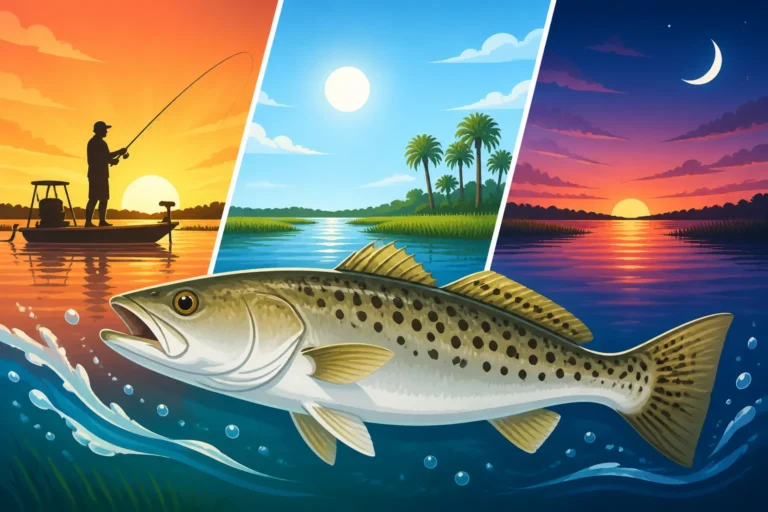
Another beloved inshore species, the spotted seatrout (often simply called "speckled trout"), is a popular target for its spirited fights on light tackle and its excellent table fare. These sleek, silvery fish are easily identifiable by the numerous small black spots covering their back and fins, along with their sharp canine teeth used for ambushing prey. You'll find them inhabiting the same estuarine environments as redfish, preferring grass flats, oyster rakes, and the mouths of tidal creeks where they can lay in wait for unsuspecting baitfish or shrimp. They're a favorite among anglers looking for consistent action and a delicious meal.
Spotted seatrout are often more sensitive to cold weather than redfish, and their populations can fluctuate. They tend to be more active in the warmer months of spring, summer, and fall. Fishing techniques for seatrout often involve working artificial lures like soft plastics and suspending twitch baits, or using live shrimp and mud minnows. One of the most classic and effective methods is fishing a live shrimp or artificial under a popping cork, which mimics the sound of a feeding fish and draws attention. A good pair of polarized sunglasses, available from numerous retailers including Amazon, can be a game-changer for spotting subtle movements in the water. It’s important to be aware of South Carolina's Winter Gigging Ban for Seatrout, which restricts gigging during certain colder months to protect their populations when they are more vulnerable.
Flounder: Masters of Camouflage
The southern flounder is a truly unique and fascinating fish, a master of camouflage that lies flat on the bottom, perfectly blending into its surroundings, waiting to ambush prey. These flatfish are recognizable by both eyes being on one side of their head, allowing them to scan upwards while buried in the sand or mud. They are highly sought after for their incredibly delicious white, flaky meat. You'll typically find flounder in sandy or muddy bottoms, near structure like oyster beds, dock pilings, bridge supports, and along the edges of tidal creeks and inlets. Their ambush predator nature means they’re often found in spots where current brings food past their hiding place.
Catching flounder often requires patience and a feel for subtle bites. They don't typically strike with the same aggression as a redfish or trout. Instead, they'll often "thump" the bait and hold onto it before slowly swimming off. Common techniques involve drifting live bait (like mud minnows or finger mullet) on a Carolina rig along the bottom, or jigging bucktails and soft plastics tipped with bait. They also respond well to artificial lures that mimic a struggling baitfish near the bottom. The seasonal migration of flounder can affect where and when you find them, as they move from inshore estuaries to offshore waters in the fall and return in the spring. Understanding Flounder Fishing Season in South Carolina can definitely increase your chances of success.
Other Notable Coastal Inshore Species
Beyond the big three, South Carolina's inshore waters offer a rich tapestry of other exciting fish species that can provide fantastic fishing opportunities and add variety to your catch.
Sheepshead: The "Convict Fish"
The sheepshead, often called the "convict fish" due to its distinctive black and white striped body, is one of the most challenging and rewarding inshore species to target. What makes them so unique are their human-like incisors, perfect for crushing the shells of their preferred diet: barnacles, oysters, and fiddler crabs. You'll find these cunning fish congregating around hard structure – dock pilings, bridge fenders, rock jetties, and oyster reefs. They're notorious for being bait stealers, making them incredibly frustrating for anglers who haven't mastered their subtle bite.
To catch sheepshead, you need patience, light tackle, and the right bait. Fiddler crabs are absolutely deadly, but pieces of shrimp or oysters can also work. The key is to feel the slightest tap and set the hook instantly, before they can nibble the bait clean off. It's a game of touch and timing. Many anglers use small, sharp J-hooks or circle hooks hidden within the bait to prevent them from getting away. Despite the challenge, the reward is a delicious fish and the satisfaction of outsmarting a truly wily opponent. Trying different hook styles and leader materials can make a big difference, and resources for these specific items are readily available.
Black Drum: The Redfish's Larger Cousin
The black drum is often mistaken for its more famous cousin, the redfish, especially when they're young. However, mature black drum have a more sloped head, lack a prominent tail spot (though they can have irregular spots), and possess distinctive barbels (whiskers) under their chin which they use to forage for food on the bottom. Like redfish, they are powerful fighters, and the larger ones can put a serious bend in your rod. You’ll typically find them in deeper channels, around oyster reefs, bridges, and muddy bottoms in estuaries and harbors, often alongside redfish.
Black drum are primarily bottom feeders, using those barbels to root out crabs, shrimp, and mollusks. This means they respond well to baits presented on the bottom. Fresh shrimp, cut crab, or even a piece of cut mullet are excellent choices. They tend to school up, so if you catch one, there's a good chance more are around. While they can grow to impressive sizes, the smaller "puppy drum" are generally considered better table fare. Catching a large black drum is often a pleasant surprise for anglers targeting redfish or larger bottom fish, providing an unexpected but welcome battle.
Tarpon: The Silver King of Summer
For a truly epic battle, look no further than the mighty tarpon, often called the "Silver King." These magnificent, prehistoric-looking fish are seasonal visitors to South Carolina's coastal waters, typically arriving in the warmer summer months and staying into the early fall. They are renowned for their incredible acrobatics, spectacular jumps, and stubborn fighting spirit, making them a bucket-list fish for many anglers. You'll find them cruising near the surface in larger estuaries, along barrier islands, and just offshore.
Catching a tarpon is a serious undertaking that requires heavy tackle and specialized techniques. Live bait, such as large mullet or menhaden, fished near the surface or free-lined, is a common and effective method. Fly anglers also pursue them, using large flies to entice a strike. The biggest challenge with tarpon is often getting them to commit to a bite and then staying hooked during their aerial displays. They have incredibly hard, bony mouths that make hook sets tricky, and their violent head shakes can easily throw a hook. Most tarpon fishing is done on a catch-and-release basis, honoring their status as an iconic game fish. Summer Tarpon Charters on the South Carolina Coast can give you an edge in finding these impressive fish.
Offshore Adventures: Pelagic Powerhouses
Beyond the sight of land, out in the deep blue waters of the Atlantic, South Carolina offers exhilarating offshore fishing opportunities for those seeking truly massive and powerful fish. These pelagic species are fast, strong, and demand specialized gear and a good boat.
Mahi-Mahi (Dolphin Fish): Vibrant Ocean Acrobats
Few fish can match the stunning beauty and exhilarating fight of the mahi-mahi, often referred to as dolphin fish (though not related to marine mammals). Their iridescent greens, blues, and yellows shimmer as they leap and tail-walk across the water, making them one of the most visually spectacular fish to catch. Beyond their beauty, they are incredibly fast-growing and provide some of the finest eating in the ocean. You'll find mahi-mahi offshore, often congregating around floating structure like Sargassum weed lines, current rips, or debris that offers cover and attracts baitfish.
Mahi-mahi are aggressive feeders, and once you find a school, the action can be furious. Trolling with ballyhoo, skirts, or artificial lures is a popular method. When you hook one, it's common for others in the school to follow, creating opportunities for multiple hook-ups. Casting jigs, poppers, or live bait to visible fish or around weed lines can also be highly effective. The vibrant colors of their lures and the excitement of their fight make them an unforgettable target. Exploring Mahi-Mahi Charter Fishing Trips in South Carolina is a great way to experience this offshore thrill.
Tuna and Wahoo: Speedsters of the Deep
For the ultimate test of speed and strength, offshore anglers often target tuna and wahoo. South Carolina waters see species like yellowfin tuna, blackfin tuna, and the incredibly fast wahoo. These fish are built like torpedoes, designed for open-ocean pursuit, and their initial runs are legendary, capable of stripping hundreds of yards of line from a reel in seconds. Targeting these species requires significant planning, specialized boats, and robust tackle.
Tuna and wahoo are typically caught by trolling at high speeds with large lures, often rigged with natural baits like ballyhoo, or deep-dropping jigs over offshore ledges and seamounts. They demand heavy-duty reels with smooth drags and strong lines to withstand their powerful bursts. The fight can be prolonged and physically demanding, a true test of an angler's endurance. While challenging, the reward of landing a tuna or wahoo is immense, both for the sport and for the superior quality of their meat. Charters specializing in Tuna and Wahoo Charters off the South Carolina Coast are often the best way for anglers to experience this exhilarating deep-sea action.
Snapper and Grouper: Reef Dwellers
Venturing offshore also opens up opportunities to target a variety of delicious snapper and grouper species that call South Carolina's artificial reefs, natural ledges, and wrecks home. Popular snapper species include red snapper, vermilion snapper, and gray snapper, while grouper species like gag grouper, scamp, and red grouper are highly prized. These fish are bottom dwellers, often found in rocky habitats or around submerged structures where they can hide and ambush prey.
Fishing for snapper and grouper involves techniques like bottom fishing with heavy sinkers, dropping live or cut bait directly down to the structure. Jigging with heavy metal jigs can also be very effective. The challenge lies in pinpointing these offshore structures and then getting the fish out of their rocky lairs once hooked, as they'll often try to "rock you up" – break off your line by rubbing it against sharp edges. Strong rods, heavy line, and stout hooks are essential for success. Regulations on these species, particularly red snapper and certain grouper, can be quite complex and change frequently, often involving specific seasons and bag limits.
Understanding Regulations and Conservation
No matter what fish species you’re targeting in South Carolina, understanding and respecting the regulations is paramount. It’s not just about avoiding a ticket; it’s about being a responsible steward of our precious aquatic resources for future generations.
Why Regulations Matter for Every Species
South Carolina boasts an incredibly diverse and rich fishery, both freshwater and saltwater. This abundance isn't accidental; it's the result of careful management and stringent regulations put in place by the South Carolina Department of Natural Resources (SCDNR). These rules, which cover everything from size limits and bag limits to closed seasons and gear restrictions, are designed to protect fish populations from overfishing, allow them to reproduce successfully, and ensure a healthy ecosystem. It can sometimes feel like a lot to keep track of, especially for casual anglers or visitors, leading to frustration when you're not sure if that redfish is a keeper or if you can actually keep those 15 crappie.
But really, these regulations are our collective investment in the future of fishing. Imagine if everyone kept every single fish they caught, regardless of size or species. Our waters would be depleted in no time. By adhering to limits on South Carolina Fishing Bag Limits Explained and minimum/maximum sizes, we're giving fish a chance to grow, reproduce, and maintain stable populations. This helps ensure that the amazing fishing opportunities we enjoy today will still be there for our kids and grandkids. Always make it a habit to check the latest SCDNR regulations before each trip, as rules can and do change to adapt to scientific data and population health.
Catch and Release vs. Harvest
The decision to keep a fish or release it is a fundamental part of ethical angling, and it's intertwined with regulations and conservation. While some anglers strictly practice catch and release, others enjoy the reward of bringing home a delicious meal. Both are valid choices, as long as they are done responsibly and within the legal framework. However, understanding when to release and how to do it properly is crucial for the survival of the fish you send back into the water.
When a fish is outside the legal slot limit, or if you've already met your daily bag limit, releasing the fish becomes mandatory. But even for legal-sized fish, consider the health of the population and your own needs. Do you truly need to keep that extra fish? If you choose to release, prioritize the fish's well-being. Handle it as little as possible, wet your hands before touching it to protect its slime coat, and use de-hooking tools to quickly remove hooks. For deep-hooked fish, sometimes cutting the line is the best option. If a fish looks stressed, take time to revive it by gently moving it back and forth in the water to force oxygen over its gills before letting it go. Proper catch-and-release techniques are a vital part of Year-Round Fishing Techniques in South Carolina for sustainable angling.
Protecting South Carolina's Unique Fish Populations
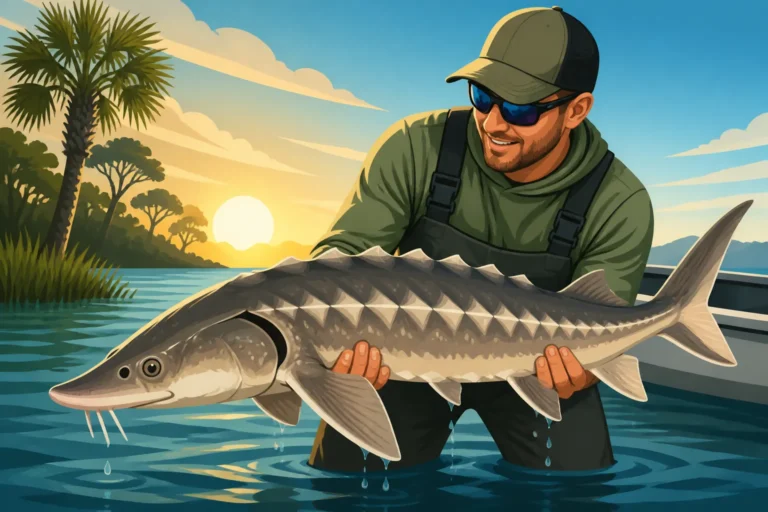
Beyond individual actions, contributing to the broader conservation of South Carolina's unique fish populations means being aware of larger environmental factors. This includes understanding the importance of protecting fish habitats, maintaining water quality, and preventing the spread of invasive species. Our diverse fish populations, from the native brook trout in the mountains to the various sturgeon species in our rivers like South Carolina's Sturgeon: The State's Rarest River Giants, rely on healthy, clean environments to thrive.
As anglers, we're often the first to notice changes in water quality or habitat degradation. Report any pollution or unusual observations to local authorities. Be mindful of not introducing non-native baitfish or plants into new waterways, as these can disrupt delicate ecosystems. Supporting conservation organizations and even purchasing a South Carolina Fishing License Guide where the funds go towards fishery management are simple ways to contribute. Every angler has a role to play in ensuring that South Carolina remains a premier fishing destination with healthy, abundant fish for generations to come.
A Snapshot of South Carolina's Fish Species
Here's a quick overview of some of the most popular and important fish species you'll encounter in South Carolina, along with their general characteristics.
| Species | Typical Habitat | Common Baits/Lures | Best Time to Target | Special Regulations (General Shape) |
|---|---|---|---|---|
| Largemouth Bass | Structure, cover in lakes, ponds, rivers | Soft plastics, crankbaits, spinnerbaits | Spring, Fall | Size & bag limits vary by water body |
| Striped Bass | Open water, deep holes in large lakes, rivers | Live bait, bucktail jigs, topwater | Winter (deep), Summer (deep) | Size & bag limits, some landlocked populations |
| Bluegill/Sunfish | Shallow areas of lakes, ponds, slow rivers | Worms, crickets, small artificial flies | Year-round | Generous bag limits, excellent for beginners |
| Crappie | Brush piles, submerged timber, docks in lakes, rivers | Live minnows, small jigs (plastic or hair) | Spring, Fall | Size & bag limits vary |
| Trout | Cold mountain streams | Small spinners, flies, worms, corn | Year-round (seasonal in some) | Size & bag limits, specific stream rules, catch & release |
| Redfish | Marsh flats, oyster beds, tidal creeks | Live shrimp, mud minnows, soft plastics | Year-round (tide-dependent) | Slot limit (e.g., 18-25 inches), vessel limits |
| Spotted Seatrout | Grass flats, oyster rakes, creek mouths | Popping corks w/ shrimp, soft plastics | Spring, Fall | Size & bag limits, winter gigging ban |
| Flounder | Sandy/muddy bottoms, structure near inlets | Live minnows, cut bait, bucktail jigs | Spring, Summer, Fall | Size & bag limits, specific seasons |
| Sheepshead | Pilings, jetties, oyster reefs | Fiddler crabs, pieces of shrimp, barnacles | Year-round | Size & bag limits |
| Mahi-Mahi | Offshore weed lines, floating debris | Trolled ballyhoo, skirts, casting lures | Summer, Fall | Size & bag limits |
Disclaimer
This article is for general informational purposes only and does not constitute professional advice. Laws, prices and regulations vary by location and change over time. Consult a qualified professional for guidance on your specific situation.