Seasonal Bait Switching Tips for Anglers
Ever felt like your go-to bait, the one that caught fish hand over fist last month, is suddenly a dud? It’s a frustrating scenario many anglers face, casting the same lure with the same technique only to be met with deafening silence from beneath the waves. The truth is, fish aren't just robots that bite on command. Their behavior, especially their feeding patterns, changes dramatically with the seasons and the fluctuating water temperatures here in beautiful South Carolina. This guide will walk you through the essential art of seasonal bait switching, helping you understand why fish change their minds and how to adapt your tackle box to keep those lines tight all year long.
Understanding Seasonal Shifts and Fish Metabolism
It's easy to think of fish as being in a constant state, always hungry, always willing to chase. But just like us, fish are creatures of habit and biology, and their habits are deeply tied to the environment around them. When the water temperature changes, everything about their world shifts, dictating where they are, what they eat, and how aggressively they'll go after it. Ignoring these fundamental seasonal changes is often the biggest mistake an angler can make.
The Science Behind the Bite: Water Temperature is Key
Let's get a little scientific for a moment, but I promise it'll be practical! Fish are cold-blooded creatures, which means their body temperature is the same as the water they swim in. This fundamental biological fact has huge implications for their metabolism. Think of it like this: when the water is cold, a fish's metabolism slows way down. They're sluggish, digest food slowly, and don't need to eat as often or expend as much energy. They're basically in slow-motion mode, conserving energy. Conversely, when the water warms up, their metabolism kicks into high gear. They need more food, digest it faster, and have more energy to chase prey. This means they're often more aggressive and active feeders.
Understanding this metabolic connection is the first step to successful seasonal bait switching. If you're throwing a fast-moving, high-energy bait in frigid water, you're essentially asking a fish on a lazy Sunday afternoon to run a marathon for a snack. It's just not going to happen! You need to match your bait and presentation to the fish's energy level, and that energy level is almost entirely dictated by the water temperature. This is why you'll hear so much talk about water temps among seasoned anglers – it’s the single most crucial factor in determining fish behavior.
General Seasonal Fish Behavior in South Carolina
South Carolina offers such diverse fishing, from mountain streams to sprawling reservoirs and vast coastal estuaries. Each environment has its nuances, but some general patterns of fish behavior hold true across the state as the seasons turn. In spring, as waters warm, fish move shallower, often for spawning, and become more active. They're waking up, so to speak, after a long winter. Summer sees them seeking refuge from intense heat, usually moving to deeper, cooler waters or finding dense shade and cover. Their feeding might shift to early mornings, late evenings, or even nights when temperatures are more tolerable.
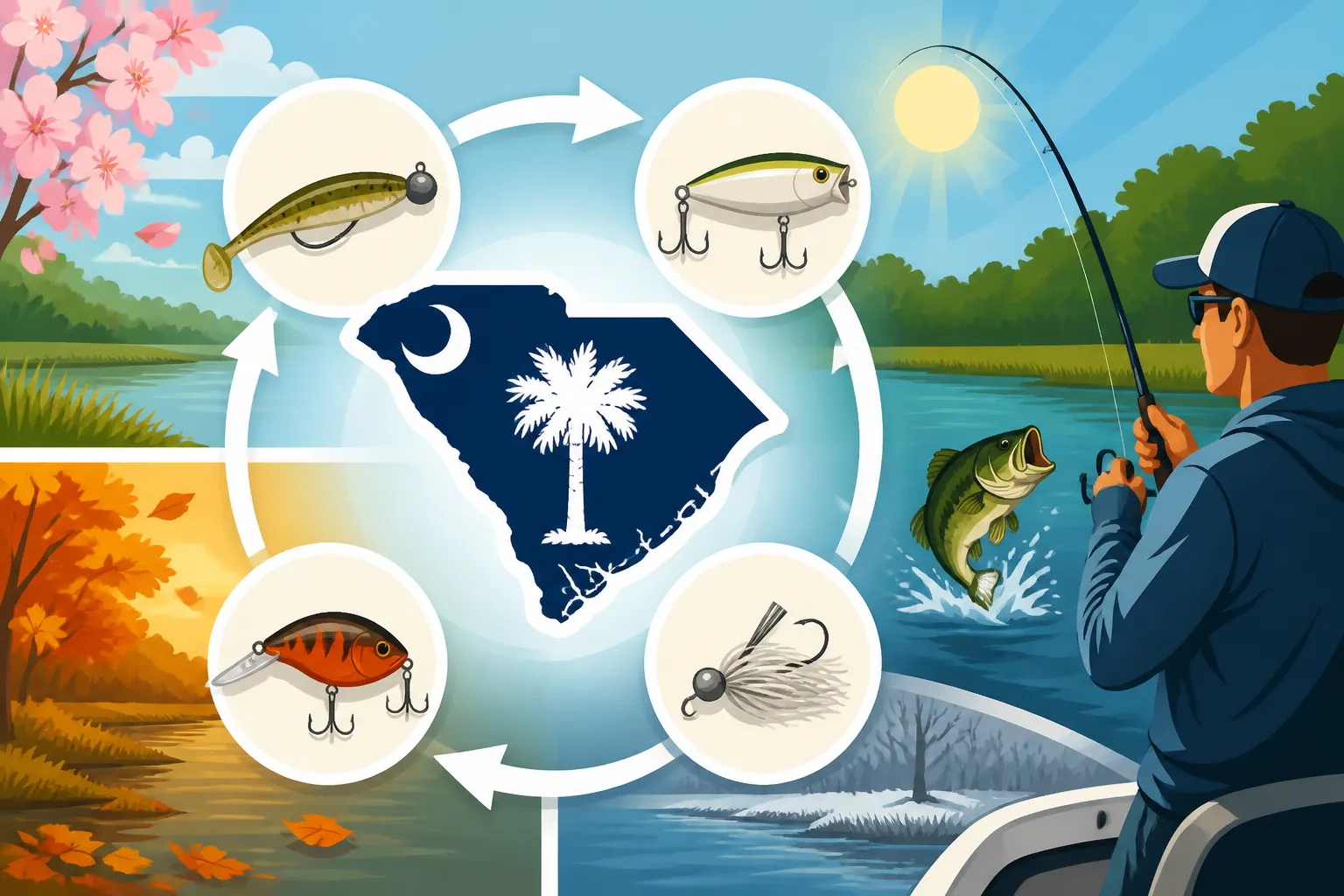
Fall brings a noticeable change as waters cool again. This is often heralded as a "feeding frenzy" as fish pack on the pounds for the leaner winter months ahead. They become incredibly aggressive, chasing down baitfish. Finally, winter brings the slowest period. Fish become lethargic, conserving energy in the coldest water. They'll often school tightly in deep holes or areas with stable temperatures, and their bites will be subtle, requiring a slow, finesse approach. Keeping these overarching patterns in mind will help you anticipate where the fish might be and what mood they're in. This knowledge is crucial for South Carolina Fishing Seasons Guide and helps tailor your approach.
Spring: Awakening Appetites and Active Foraging
Spring in South Carolina is a magical time for anglers. The dreary days of winter give way to longer, warmer days, and with that comes a resurgence of life, both above and below the water. Fish that have been dormant or lethargic for months suddenly spring to life, driven by the instinct to spawn and the need to refuel after a long, cold winter. This means a significant shift in their behavior and, consequently, in the baits that will tempt them.
Pre-Spawn Aggression and Energetic Bites
As water temperatures creep into the upper 50s and low 60s, many freshwater species, especially bass, begin their pre-spawn ritual. This phase is characterized by intense feeding as fish bulk up for the energy-intensive act of spawning. They are actively seeking out larger meals and are often quite aggressive. This is the time to throw baits that mimic larger prey or trigger a reaction strike. Think about what they might be seeing in the warming waters: shad moving, crawfish emerging from the mud. They are packing on calories, and they're not shy about it.
For bass, this means vibrant crankbaits that dive to the depth of nearby structure or spinnerbaits with flashy blades that imitate a school of baitfish. A lipless crankbait ripped through emerging grass beds can also be incredibly effective, triggering those energetic bites. Jigs, especially those with bulkier trailers that resemble crawfish, become irresistible around rocky points and drop-offs where bass might be staging. It’s all about getting their attention and providing a substantial meal they don't have to work too hard to get. If you’re fishing Lake Murray, understanding Pre-Spawn Bass Techniques for South Carolina's Lake Murray can make a huge difference.
Post-Spawn Recovery and Opportunistic Feeding
After the hectic and exhausting spawning period, fish enter a recovery phase. Both male and female fish are often worn out, sometimes looking a bit gaunt, and their primary focus shifts from reproduction back to recuperating and feeding. However, their feeding might not be as aggressive as it was during pre-spawn. They're still hungry, but they might prefer an easier, less energy-demanding meal. This is when finesse tactics and smaller, more subtle baits often shine.
Soft plastics, such as Texas-rigged worms or Senkos, presented slowly around cover can be deadly. These baits offer an easy meal that doesn't require a lot of chasing. Crappie and bream, too, will be active post-spawn, often congregating around submerged brush piles or docks. Small jigs tipped with minnows or tiny soft plastics will work wonders for these panfish. The key here is to remember the fish aren't trying to chase down a marathon meal; they're looking for a convenient snack. For specific examples, check out Post-Spawn Bass Patterns on South Carolina's Santee Cooper. It’s about adjusting your approach from a full-on sprint to a leisurely stroll, offering something enticing and easy to catch.
Summer: Deep Water, Night Bites, and Covering Ground
Summer in South Carolina brings long, hot days, and while that's great for beach trips, it often means challenging conditions for fishing. The intense sun heats up shallow waters, pushing most fish into deeper, cooler havens. Their feeding windows can become narrower, often limited to the cooler parts of the day or even after dark. As an angler, you have to adjust your mindset and your tackle to these conditions.
Escaping the Heat: Deeper Waters and Structure
When the sun beats down and water temperatures soar into the 80s, fish instinctively seek thermal refuge. This means moving to deeper areas of lakes and rivers, finding cool springs, or tucking tightly into dense, overhead cover that provides shade, like thick lily pads or submerged timber. Your traditional shallow-water baits from spring might not even see a fish in these conditions. Now, it's about going deep and targeting structure.
Deep-diving crankbaits are excellent for covering water and probing ledges, humps, and submerged creek channels. Carolina rigs, with their ability to present a soft plastic worm or lizard near the bottom while keeping the weight separated, are perfect for slowly dragging across deep structure. Heavy jigs or spoons can be vertically jigged in deep holes or around bridge pilings where fish like striped bass or catfish congregate. This is especially true for species like stripers in larger impoundments; understanding Why Lake Murray Stripers Move Deeper as Water Warms is paramount for summer success. Targeting these deeper zones requires patience and an understanding of underwater topography.
Early Morning, Late Evening, and Night Fishing Strategies
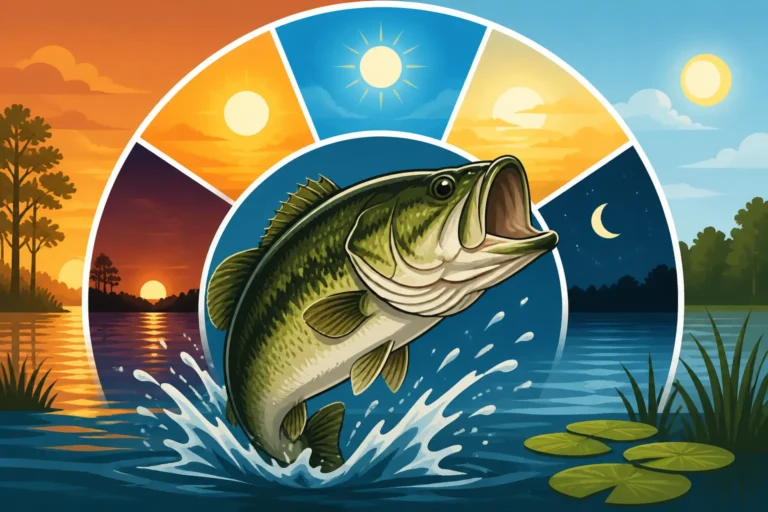
During the peak heat of summer, fish often become more active when the sun is low or completely absent. The water cools slightly, and the diminished light offers an ambush advantage for predators. This opens up fantastic opportunities for early morning, late evening, and even full-on night fishing. These cooler periods can revitalize a bite that was completely absent during midday.
For bass, early mornings and late evenings can still produce topwater strikes, especially around shaded banks or weed lines, before the sun gets too high. Poppers, frogs, and buzzbaits can draw explosive bites. As night falls, catfish become particularly active. They are largely nocturnal feeders, using their sensitive whiskers to detect food in the dark. Heavy bottom rigs with stink bait, cut bait, or live worms are prime choices. Many anglers even employ specialized glow-in-the-dark or UV-enhanced baits, available from retailers like Amazon, to add visual appeal in low light conditions. If you're targeting catfish, you absolutely need to explore Best Bait for Summer Catfish Fishing and consider Night Fishing Techniques for Catfish for maximum success under the summer stars.
Fall: Feeding Frenzies and Fattening Up
Autumn in South Carolina is a fantastic time for fishing. As the oppressive summer heat breaks and water temperatures begin their gradual decline, a dramatic shift occurs in fish behavior. This is often described as a "feeding frenzy" as fish instinctively begin to bulk up, preparing their bodies for the leaner, colder months of winter ahead. They become more aggressive, more active, and often, less picky about what they'll strike.
The Autumnal Ambush: Aggressive Feeding Before Winter
As cool fronts push through, and the air and water temperatures drop, fish sense the approaching winter. Their metabolic rates are still high enough to be very active, but they also have an urgent need to consume calories. This combination leads to some of the most exciting fishing of the year. Fish like bass, striped bass, and even many panfish will actively chase down bait, often in schools, in an effort to gorge themselves. This is not the time for subtle presentations; it's the time for reaction baits that trigger an aggressive strike.
Spinnerbaits, lipless crankbaits, and jerkbaits that mimic fleeing baitfish are incredibly effective. These baits can be retrieved quickly, covering a lot of water and provoking those instinctive reaction strikes. Swiveling swimbaits that have a realistic swimming action can also be deadly when fish are keying in on schools of shad. For species like striped bass, covering large areas with fast-moving baits or trolling can yield incredible results as they chase down baitfish. If you're hitting the lakes, learning about Fall Bass Fishing Around Rocky Points on South Carolina's Lake Hartwell can really help you dial in your strategy for this productive season. It’s all about capitalizing on that intense drive to feed before the deep freeze.
Following the Baitfish: Locating Schools
One of the most crucial aspects of fall fishing is understanding the movement of baitfish. As water temperatures cool, baitfish like shad will often school up tighter and move from deeper summer haunts into shallower coves or creek arms where water might still hold a little more warmth, or where they can forage for available food. Where the bait goes, the predators follow. Finding these large schools of baitfish is often the key to finding concentrations of game fish.
Anglers should pay close attention to signs of baitfish activity: birds diving, baitfish flickering on the surface, or even large schools showing up on your electronics. Once you locate the bait, you've likely found the game fish. Your choice of bait should then mimic these local forage species. For example, if the primary bait is small shad, use lures that match their size and color. Paddle tail swimbaits, small crankbaits, or even simple minnows on a jig head can be irresistible. The pursuit of these baitfish schools can lead to some of the fastest, most furious action you'll experience all year.
Winter: Slow and Subtle Presentations
Winter fishing in South Carolina presents a unique set of challenges, but also rewards for the patient and adaptable angler. The colder temperatures drastically slow down fish metabolism, making them far less eager to chase a meal. This isn't the season for aggressive, flashy presentations; instead, it demands finesse, patience, and a keen understanding of where fish go to escape the chill.
Cold Water, Slow Metabolism: The Gentle Approach
When water temperatures plummet, a fish's metabolism slows to a crawl. They require less food, digest it slowly, and are unwilling to expend much energy. They're not going to sprint across a flat to chase a fast-moving bait. Instead, they'll hover, conserving energy, and wait for an easy meal to come to them. Your approach needs to reflect this lethargic state. Think slow, subtle, and right in their face.
Finesse jigs, often small and lightly weighted, are perfect for presenting a tempting morsel directly to a fish. Dropshots, which suspend a soft plastic worm or minnow imitator above a weight, allow you to keep your bait in the strike zone for extended periods with minimal movement. Small, slow-rolled crankbaits or even blade baits jigged vertically can also entice a bite, but the retrieve must be painfully slow. For crappie, tiny jigs tipped with a minnow or a subtle soft plastic fished vertically among brush piles are often the only way to get a bite. It’s all about patience, feeling for the lightest tap, and understanding that fish are in a survival mode, not a feeding frenzy. Many of these techniques are covered in Winter Fishing Techniques in South Carolina Lakes. Remember, the fish aren’t trying to be difficult, they’re just trying to stay warm.
Targeting Deep Holes and Sun-Warmed Areas
During the coldest months, fish will seek out areas of stable water temperature. This often means congregating in the deepest holes of a lake or river, where water temperatures are more consistent and slightly warmer than the shallows. They might also seek out areas with dark bottoms that absorb what little sunlight there is, providing a marginal but important warmth. Look for channels, deep bends in rivers, or main lake points that drop off quickly into deep water.
Vertical jigging spoons or heavy jigs directly over these deeper schools can be effective. Another subtle, yet highly productive, technique is "dead sticking," where a Texas-rigged worm or jig is cast out and left almost motionless on the bottom, with just slight twitches of the rod tip to impart minimal action. Sometimes, the mere presence of the bait, just sitting there, is enough to tempt a sluggish fish. Even for specific species, the slow approach works. A Slow-Rolling a Crankbait for Winter Bass technique can still draw strikes. Catfish will also be in these deep, stable areas, often in large groups, and can be caught with cut bait or punch bait fished on the bottom. When fishing for them in cold water, knowing Catfish Fishing Techniques for Cold Water will be invaluable.
General Tips for Year-Round Bait Adaptation
Becoming a truly successful angler in South Carolina means more than just knowing a few good spots; it means becoming a keen observer of nature and a master of adaptation. Fish are constantly reacting to their environment, and the best anglers are those who can read the signs and adjust their approach accordingly. While seasonal changes are the biggest drivers, other factors also come into play.
Observe, Experiment, and Trust Your Gut
One of the most important lessons any angler can learn is to always pay attention to your surroundings. What's the water color like? Is it clear or stained? What's the air temperature, and how has it changed recently? Are there any signs of baitfish activity? These observations, combined with an understanding of seasonal patterns, should guide your initial bait selection. But don't be afraid to experiment! If your go-to bait isn't working, switch it up. Try a different color, a different size, a faster or slower retrieve, or a completely different type of lure. Sometimes, a subtle change is all it takes to trigger a bite.
Trust your gut feeling too. If a certain spot just feels right, or if you have a hunch about a particular bait, give it a fair shot. Fishing is as much art as it is science. Keep a mental log, or even a physical one, of what works when and where. You'll start to develop a personal understanding of your local waters and how fish react to different conditions. This continuous learning and adaptation are what separate consistently successful anglers from those who just get lucky once in a while. Understanding How Water Temperature Affects Fish Feeding is one part of the puzzle, but experimentation fills in the rest.
Essential Gear for Seasonal Switching
To effectively adapt your bait choices throughout the year, you need a versatile tackle box. This doesn't mean you need to buy every lure on the market, but having a good selection of different bait types, sizes, and colors is crucial. For example, ensure you have a range of crankbaits (shallow, medium, and deep divers), various soft plastics (worms, creature baits, flukes), a few spinnerbaits and buzzbaits, and a selection of jigs. Don't forget terminal tackle like different sized hooks, weights, and swivels.
Investing in a good tackle management system, like a tackle bag with multiple trays, will keep your seasonal selections organized and easily accessible. You can even dedicate specific trays to "spring baits," "summer baits," and so on. Many anglers find great deals and a wide selection of these essential gear items on platforms like Amazon, allowing them to stock up for all seasons without breaking the bank. Having the right tools for the job, readily available, saves precious fishing time and keeps you prepared for whatever the fish are biting on.
Don't Forget the Basics: Live Bait and Scent
While artificial lures are incredibly effective, sometimes nothing beats live bait. Worms, crickets, minnows, and shad can be irresistible to many species, especially when fish are less active or particularly finicky. Live bait often has a natural scent, movement, and texture that artificials simply can't replicate. It's always a good idea to have some live bait on hand, especially for those tougher days or when targeting specific species like catfish or panfish.
Additionally, don't underestimate the power of scent. Many artificial baits now come pre-scented, but you can also add scent attractants to your lures. These can mask human odors, encourage fish to hold onto the bait longer, and make your artificials seem more "real." Whether you're dipping a soft plastic into a scent jar or injecting it directly into your lure, adding scent can give you an edge, particularly in cold water or stained conditions. A simple bottle of fish attractant from Amazon can make a noticeable difference in your strike ratio.
| Season | Typical Fish Behavior | Recommended Bait Types | Key Characteristics |
|---|---|---|---|
| Spring | Pre-spawn aggression, post-spawn recovery, shallow migration | Crankbaits, Spinnerbaits, Jigs, Soft Plastics, Worms | Active, larger baits for pre-spawn; subtle, smaller baits for post-spawn |
| Summer | Deep water seeking, nocturnal feeding, lethargic midday | Deep-diving Crankbaits, Carolina Rigs, Jigs, Spoons, Live Bait | Go deep, slow retrieves; topwater early/late; scent for night fishing |
| Fall | Aggressive feeding, chasing baitfish, bulking up for winter | Reaction Baits (Spinnerbaits, Lipless Crankbaits, Jerkbaits), Swimbaits | Fast retrieves, cover water; match baitfish size and color |
| Winter | Slow metabolism, lethargic, schooling in deep holes | Finesse Jigs, Dropshots, Small Soft Plastics, Slow-rolled Crankbaits, Live Bait | Slow, subtle presentations; vertical jigging; prolonged bait presence |
Disclaimer
This article is for general informational purposes only and does not constitute professional advice. Laws, prices and regulations vary by location and change over time. Consult a qualified professional for guidance on your specific situation.