Best Bait for Walleye in Cold Water
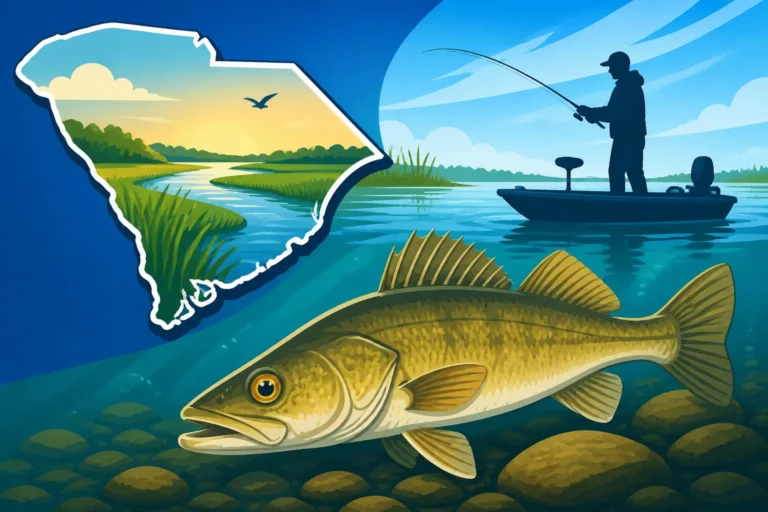
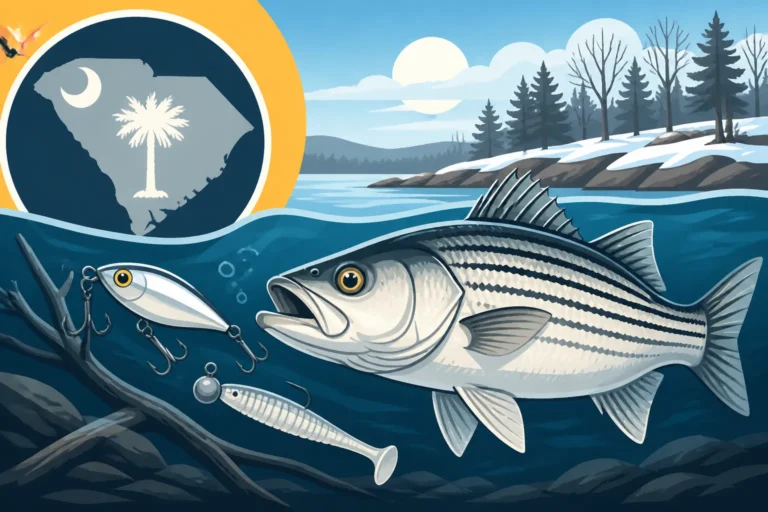
Catching walleye in South Carolina's cooler waters can feel like trying to find a needle in a haystack if you're not using the right approach. These fish get notoriously finicky when the water temperature drops, making your bait choice and presentation absolutely critical. This guide is all about equipping you with the knowledge and tactics to entice those elusive walleye, even when the thermometer dips.
Understanding Walleye Behavior in Cold Water
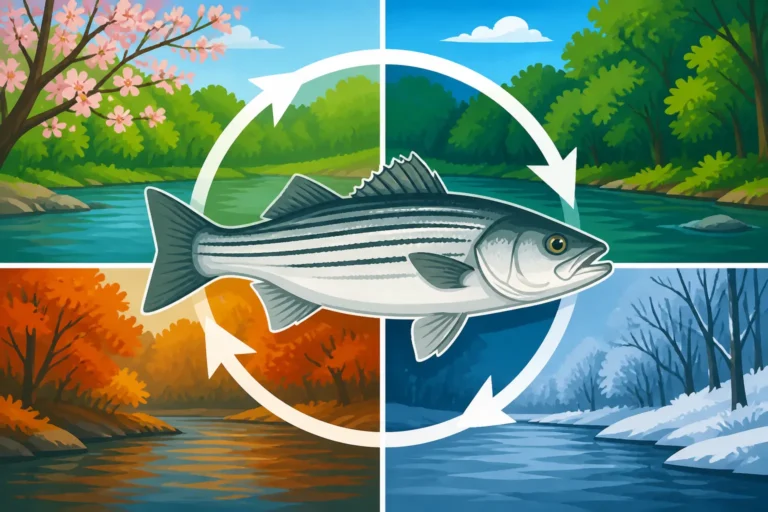
When the mercury in the water starts to fall, walleye undergo some significant changes in their behavior. They aren't as aggressive or as willing to chase down a fast-moving meal as they might be in warmer months. Understanding these shifts is the first step to choosing the best bait and presentation.
How Walleye Metabolism Slows Down
Imagine yourself trying to sprint a marathon in the freezing cold; you'd probably prefer a slow, steady walk. Walleye are much the same. As water temperatures drop below, say, 50-55 degrees Fahrenheit, their metabolism slows dramatically. This means they digest food more slowly, don't need to eat as often, and are generally less energetic. They're still feeding, but they're looking for an easy, high-reward meal that doesn't require a lot of effort to catch. This fundamental change in their physiology dictates everything from where they hang out to what they'll bite. You'll often find them conserving energy, hunkering down near structure.
Their slower metabolism also means that if you're presenting a bait that's darting and zipping around like it's summertime, you're probably going to get ignored. Think about how a predator conserves energy in the wild – they stalk, they wait, and they pounce on opportune moments. For walleye, those opportune moments are usually slow-moving or stationary baits that look too good to pass up without expending much energy. It's less about triggering a chase response and more about presenting an irresistible target right in their strike zone.
Preferred Depths and Structures in Winter
In colder water, walleye will often seek out stable environments where temperature fluctuations are minimal. This usually means deeper water in lakes and reservoirs, as deeper sections tend to maintain a more consistent temperature than the shallower areas. You might find them congregating along deep breaks, submerged humps, points, or the edges of river channels. These areas provide both shelter and ambush points for their slowed feeding patterns. Think about the contours of Lake Wateree or Lake Murray, where distinct ledges and deep drops can hold fish during the winter months.
They also relate very closely to structure. We're talking about rock piles, brush piles, standing timber, or even subtle changes in bottom composition from soft mud to hard gravel. These structures offer concealment, a place to rest, and often attract baitfish, creating a perfect cold-water walleye ambush spot. When you're out on the water, spend time graphing these areas with your electronics. If you see baitfish schooled up on a deep ledge, you can bet walleye aren't far behind. Their location is often predictable, but finding that exact spot where they're actively feeding can be the real challenge.
Top Live Bait Options for Cold Water Walleye
When walleye are sluggish, live bait can be incredibly effective because it offers natural scent, movement, and a lifelike presentation that artificial lures sometimes struggle to replicate. The key is to keep it alive and present it naturally, mimicking a vulnerable prey item.
Minnows and Shiners: The Tried and True
Minnows and shiners are, without a doubt, one of the most consistently effective baits for cold water walleye. Their natural appearance and subtle swimming action are often irresistible to lethargic fish. The trick is to choose the right size; generally, a 2-4 inch minnow is a good starting point, but don't be afraid to go a bit larger if you're targeting bigger fish or smaller if the bite is super tough. You can find these at most local bait shops, and some anglers even raise their own.
When rigging, consider a slow-retrieve jig head or a slip-bobber rig. A light jig head (1/8 to 1/4 ounce) tipped with a minnow, fished very slowly along the bottom, can be deadly. Hook the minnow lightly through the lips or just behind the dorsal fin to keep it lively. With a slip-bobber, you can suspend the minnow right in the walleye's strike zone, often just above the bottom structure you've identified. The natural struggles of the minnow are often enough to draw a strike from a walleye that might ignore a faster moving lure. This technique is particularly good in deeper sections of lakes like Lake Greenwood where walleye might be suspended.
Nightcrawlers: A Persistent Option
While perhaps more commonly associated with warmer weather bass fishing, nightcrawlers can still be effective for cold water walleye, especially when presented correctly. Their natural scent trail can be a big draw, even for less active fish. The challenge is that they are very active in warmer water, and in cold water, their action can slow significantly. However, a properly rigged nightcrawler can still wiggle enticingly, mimicking an easy meal.
To make nightcrawlers effective in cold water, presentation is paramount. You'll typically want to use a worm harness or a slow-trolling rig. A single hook threaded through the worm, allowing it to trail naturally, can be very effective. Some anglers even prefer to "half" a nightcrawler, as a smaller, more manageable piece might be more appealing to a walleye that's not looking to expend much energy on a large meal. Remember, the goal is a subtle presentation that looks effortless for the walleye to snatch up. You can often find bait containers for nightcrawlers on Amazon if your local bait shop is out.
Leeches: An Often-Overlooked Choice
Leeches might not be the first thing that comes to mind for walleye fishing, but they are a fantastic, durable, and highly effective cold water bait, especially in areas where walleye are used to them as a natural food source. They are incredibly tough, staying alive on a hook for a long time, and their slow, undulating movement is perfect for enticing sluggish fish. They also have a natural sliminess and scent that walleye seem to love.
When fishing with leeches, a simple rigging is usually best. Hook them lightly through the sucker end or just through the thickest part of their body. A slip-bobber rig is excellent for suspending a leech at a precise depth, allowing its natural movement to do the work. You can also fish them slowly on a light jig head, dragging them along the bottom. The key is to let the leech's natural action be the primary draw, rather than trying to impart a lot of movement yourself. Their longevity on the hook also means you don't have to re-bait as often, which is a nice bonus on a cold day.
Effective Artificial Lures for Cold Water Walleye
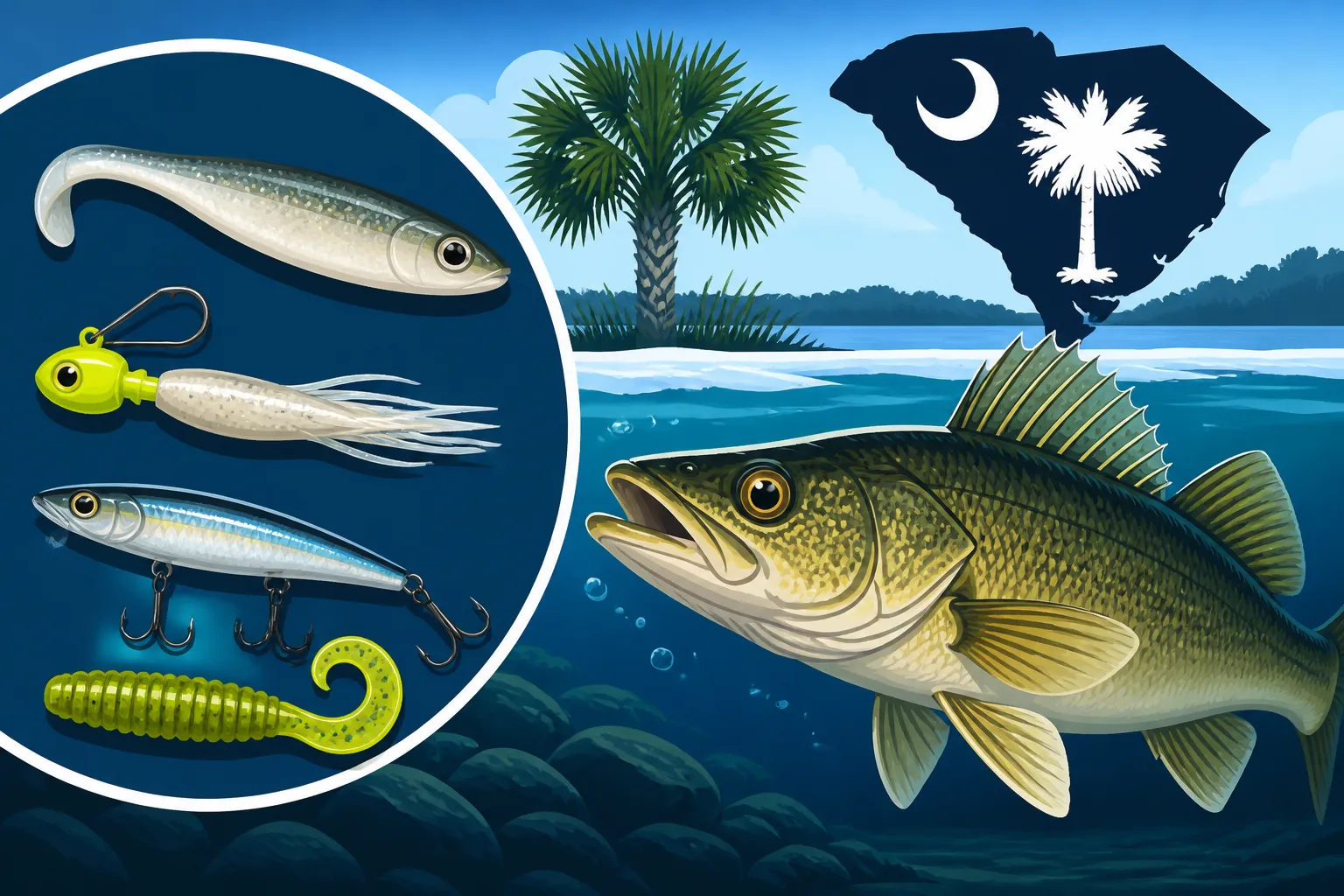
Sometimes live bait isn't an option, or you simply prefer the active approach of artificial lures. Don't worry, there are plenty of artificial options that can be incredibly effective for cold water walleye, provided you choose the right type and presentation. The common theme here is subtle action, vibration, and the ability to be fished slowly and deliberately.
Jigging Lures: Vertically Enticing
Jigging lures are a staple for walleye fishing, and they are particularly effective in cold water because they allow for precise depth control and a vertical presentation right in front of the fish's nose. Blade baits, spoons, and various soft plastic jigs are all excellent choices. The key is to impart a very subtle, lift-and-drop action, letting the lure flutter or vibrate on the fall. Often, the strike will come on the pause or as the lure is dropping.
For soft plastics, consider a slender profile that mimics a minnow or a leech. Colors like white, chartreuse, or natural baitfish patterns tend to work well. Pair these with a jig head that's heavy enough to get to the bottom quickly but light enough to allow a slow, controlled fall. A 1/4 to 3/8 ounce jig head is a good starting point for most South Carolina lakes and rivers. The subtle thud of the jig hitting the bottom, followed by a slight pause and a gentle lift, can often be all it takes to trigger a bite. How to Fish a Jig for Largemouth Bass might offer some transferable tips on jigging techniques for bottom-oriented fish.
Blade Baits and Lipless Crankbaits: Vibration is Key
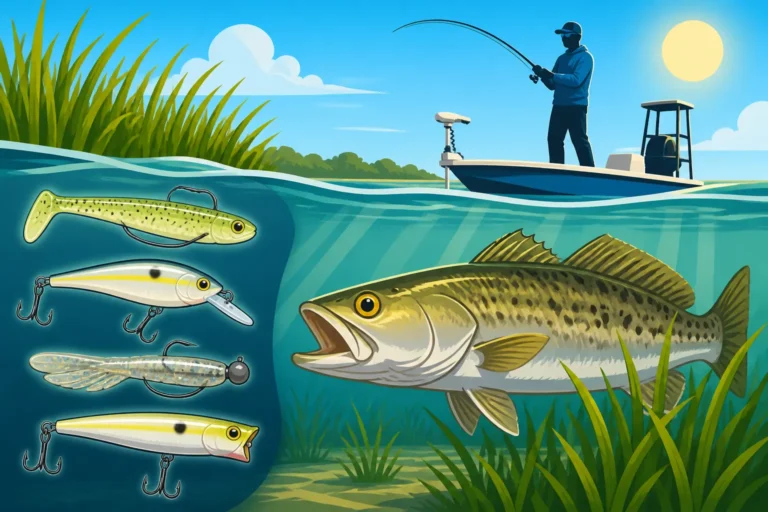
Blade baits and lipless crankbaits shine in cold water because of their strong vibration and flash, even at slow retrieve speeds. These lures are excellent for covering water and calling fish in from a distance, even when they're not actively chasing. The vibration can simulate a distressed baitfish, a tempting signal for a walleye conserving energy. Look for smaller profiles and natural colors in clear water, or brighter, more contrasting colors in stained or muddy conditions.
When using blade baits, a vertical jigging retrieve is often the most productive. Drop the lure to the bottom, give it a sharp 1-2 foot rip, and then let it flutter back down on a semi-slack line. The bite often occurs as the lure is falling. For lipless crankbaits, a slow-roll along the bottom or a retrieve with frequent pauses and erratic twitches can be effective. Experiment with retrieve speeds and pauses, letting the lure sink back down after a few cranks. Some anglers find great success with these types of lures in the deeper channels of the Santee Cooper Lakes.
Suspending Jerkbaits: The Slow Dance
Suspending jerkbaits are absolute game-changers for cold water walleye, especially when fish are suspended or holding tightly to structure. Unlike floating or sinking lures, suspending jerkbaits stay at a specific depth when you pause your retrieve. This allows you to keep the lure in the walleye's strike zone for an extended period, which is crucial when fish are lethargic and hesitant to commit. The "slow dance" of a suspending jerkbait can be deadly.
Cast the jerkbait out, reel it down to its maximum depth, and then begin your retrieve with a series of jerks and pauses. The pauses are where the magic happens – sometimes up to 10-20 seconds in very cold water. During these pauses, the lure hangs perfectly still, mimicking a dying or stunned baitfish. The subtle movements of the lure as it "hangs" are often enough to trigger a strike. Pay close attention to colors that mimic local baitfish, and don't be afraid to experiment with brighter colors on overcast days. Many popular brands offer suspending jerkbaits, and you can often find a wide selection of these lures on Amazon.
Tips for Presenting Bait in Cold Water
Choosing the right bait is only half the battle; how you present it to a cold water walleye is equally, if not more, important. Remember, these fish are in energy-saving mode, so your presentation needs to cater to that.
Slow and Subtle is the Name of the Game
This cannot be stressed enough: slow down. Forget about fast retrieves and aggressive movements. In cold water, less is almost always more. Whether you're using live bait or artificials, the goal is to make it look like the easiest meal a walleye could possibly wish for. For live bait, this means minimal movement from your end, letting the bait's natural action do the work. For artificials, this translates to agonizingly slow retrieves, long pauses, and subtle twitches rather than aggressive rips.
Think about bottom-dragging a jig and minnow or slowly trolling a worm harness. Even when jigging, your lifts should be gentle, and your falls controlled. Often, the fish will hit on the dead stick or the pause, so being able to detect those subtle takes is crucial. Many experienced walleye anglers in South Carolina swear by a "dead stick" approach, where one rod is held perfectly still, sometimes simply resting in a rod holder, while another is actively fished. This allows any subtle currents or boat movement to impart the action. This patience is often rewarded with a solid bite.
Understanding Line and Leader Choices
Your line and leader setup play a significant role in cold water fishing, affecting both lure presentation and bite detection. In colder temperatures, fish can be particularly line-shy, especially in clearer waters, making fluorocarbon leaders a wise choice. Fluorocarbon is nearly invisible underwater and offers excellent abrasion resistance, which is great when fishing around rocky structure. For your main line, a good quality monofilament or braided line can work. Monofilament offers a bit more stretch, which can be forgiving on light bites, while braid offers superior sensitivity and strength.
If you're using braid, always tie on a fluorocarbon leader, typically 6-10 feet long. The diameter of your line should also be considered. Lighter lines (6-10 lb test for most applications) allow for more natural lure action and a faster sink rate for lighter baits. However, if you're fishing heavy cover or targeting larger walleye, you might need to bump up to 12-15 lb test. The key is to find a balance between stealth, sensitivity, and strength. You can find a wide range of fishing lines and leaders on Amazon to suit your specific needs. Understanding Fishing License Requirements in South Carolina is also key before you head out.
The Importance of Electronics and Boat Control
In cold water, walleye often stack up in specific areas, making good electronics and precise boat control indispensable. Your fish finder is your best friend for locating those deeper breaks, humps, and baitfish schools that indicate walleye presence. Pay close attention to bottom contours, depth changes, and any marks that indicate fish. Side imaging or down imaging can be particularly helpful for identifying structure off to the sides or directly beneath your boat.
Once you've located a promising spot, meticulous boat control is paramount. Whether you're drifting, slowly trolling, or holding over a specific piece of structure, keeping your bait in the strike zone is critical. A good trolling motor with GPS capabilities can make this much easier, allowing you to hold your position or move along a contour line with precision. If you're drift fishing, using a drift sock can help slow your boat down, ensuring your bait stays in the zone longer and allowing for that super slow presentation that cold water walleye prefer. Knowing How to Buy a Fishing License on Go Outdoors South Carolina will get you started on the water, but knowing your electronics will help you find the fish.
Comparing Baits for Cold Water Walleye
To help you decide which bait might be best for your next cold water walleye trip, here’s a quick comparison of the options we've discussed:
| Bait Type | Pros | Cons | Ideal Presentation | Key Features for Cold Water |
|---|---|---|---|---|
| Minnows/Shiners | Natural scent & movement, highly effective | Can be delicate, require aeration, cost | Jig head, slip-bobber | Lifelike, subtle natural action |
| Nightcrawlers | Strong natural scent, readily available | Less lively in cold water | Worm harness, slow troll | Scent trail, persistent on hook |
| Leeches | Very durable, subtle movement, unique scent | Can be harder to find, sometimes pricey | Slip-bobber, light jig head | Tough, long-lasting, natural wiggle |
| Jigging Lures | Versatile, precise depth control | Requires active presentation | Vertical jigging, slow lift/drop | Vibration, flash, direct contact |
| Blade Baits | Strong vibration, calls fish from afar | Can snag easily in heavy cover | Vertical jigging, rip & fall | High vibration, rapid fall |
| Lipless Cranks | Covers water, good vibration | Can be prone to snagging | Slow-roll, stop-and-go | Vibration, castability |
| Suspending Jerkbaits | Stays in strike zone, erratic action | Can be depth limited, needs specific rod | Twitch & long pause | Extended hang time, dying baitfish simulation |
Remember, no single bait is a silver bullet for every situation. Conditions on the water, clarity, depth, and even the mood of the fish can dictate what they'll respond to. Be prepared to experiment, pay close attention to what's working (and what's not), and don't be afraid to try different things until you crack the code. Sometimes, a subtle change in color or a slight adjustment to your retrieve speed can make all the difference. Best Time of Year to Fish in South Carolina gives more context on seasonal changes that impact fishing.
Disclaimer
This article is for general informational purposes only and does not constitute professional advice. Laws, prices and regulations vary by location and change over time. Consult a qualified professional for guidance on your specific situation.