Tuna and Wahoo Charters off the South Carolina Coast
For anglers dreaming of epic battles with powerful pelagic species, the idea of chasing tuna and wahoo off the South Carolina coast often feels like a distant, challenging goal. It’s easy to get lost in the logistics of offshore fishing, from finding the right boat to understanding the seasonal windows for these incredible fish. This guide is here to demystify the process, walking you through everything you need to know about booking and enjoying a tuna and wahoo charter adventure from the Palmetto State.
The Allure of Offshore Tuna and Wahoo Fishing in South Carolina
There’s something undeniably captivating about heading miles offshore, leaving the coastline behind, and venturing into the deep blue where true giants roam. For many anglers, the pursuit of tuna and wahoo represents the pinnacle of saltwater fishing, offering a thrilling blend of challenge, skill, and raw excitement.
Why Tuna and Wahoo Are Such Prized Catches
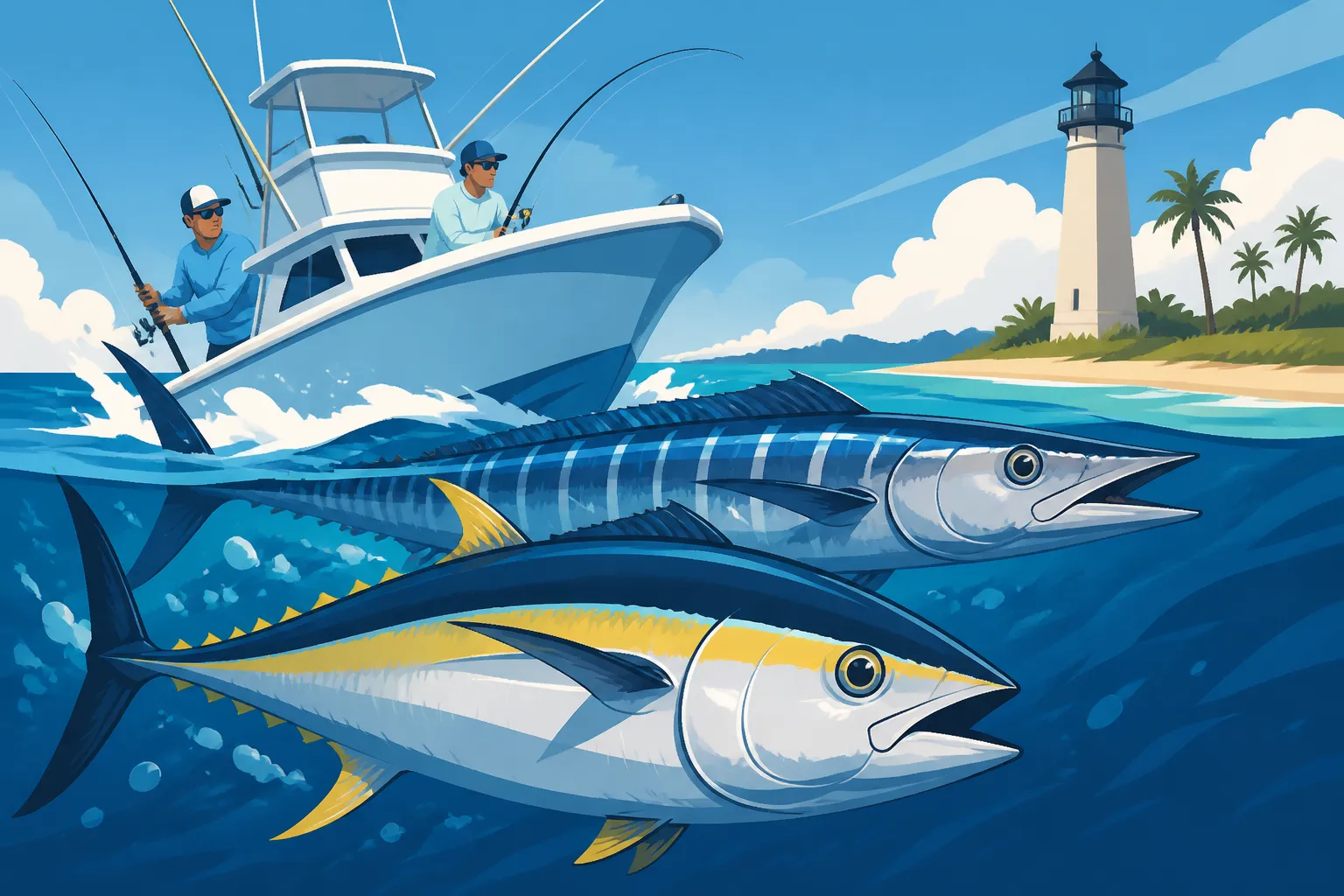
Imagine a fish that can peel off hundreds of yards of line in seconds, making your reel scream in protest, before settling into a relentless, head-shaking fight that tests your every muscle. That's a tuna. Species like yellowfin tuna, blackfin tuna, and even the occasional bluefin are built for speed and endurance, offering some of the most exhilarating battles in the ocean. Their sheer power and incredible runs make them a bucket-list fish for serious anglers. Beyond the fight, tuna are also highly regarded for their rich, flavorful meat, making them a fantastic culinary prize.
Then there's the wahoo, a fish whose name perfectly describes the explosive "whoosh" of its strike. Wahoo are torpedo-shaped, incredibly fast, and armed with a mouth full of razor-sharp teeth. They hit lures at blistering speeds, often making multiple, short, powerful runs that can leave you breathless. The initial strike is often so violent that it feels like your rod has been ripped from your hands. Their beautiful iridescent blue stripes fade quickly after capture, adding to their mystique, and their firm, white meat is considered a delicacy by many. The combination of their speed, aggressive strikes, and delicious flesh solidifies their status as one of the most sought-after game fish in South Carolina's offshore waters.
What Makes South Carolina Waters Ideal for These Species
South Carolina's unique geographical position plays a huge role in why its offshore waters are so productive for tuna and wahoo. The most significant factor is the proximity of the Gulf Stream. This warm, fast-moving ocean current acts like a highway for pelagic species, bringing in nutrient-rich waters and a constant supply of baitfish. As the Gulf Stream brushes against the continental shelf, it creates eddies, upwellings, and temperature breaks that concentrate bait, attracting predators like tuna and wahoo.
Below the surface, the continental shelf drops off dramatically, revealing a complex underwater landscape of ledges, canyons, wrecks, and artificial reefs. These structures provide excellent habitat for smaller fish, which in turn draw in larger predatory species. Offshore South Carolina provides a diverse ecosystem where these powerful game fish thrive. While the journey out to these fertile grounds takes time and a capable vessel, the rewards often speak for themselves. This rich environment, combined with the migratory patterns of tuna and wahoo, sets the stage for fantastic fishing opportunities.
Understanding Tuna and Wahoo Seasons Off South Carolina
One of the biggest questions anglers have when planning an offshore trip is "When's the best time to go?" The short answer for tuna and wahoo off South Carolina is that it varies, but understanding their seasonal patterns can significantly increase your chances of success.
Peak Seasons for Tuna
While blackfin tuna can often be found year-round in the deeper waters of the Gulf Stream, their presence tends to peak during specific periods. You'll often find blackfins in good numbers during the late spring and into the summer months. They might not be the biggest tuna, but they offer incredible action and are fantastic table fare. Yellowfin tuna, the true trophy tuna for many anglers, are typically most prevalent from late spring through early fall, with some of the best fishing often occurring in late spring and early summer before the hottest part of August, and then picking back up as temperatures cool slightly in the fall.
The elusive bluefin tuna, while not a consistent target like yellowfin or blackfin, does occasionally pass through South Carolina's offshore waters. When they do, it's typically in the colder months, primarily winter and early spring, as they migrate along the coast. Targeting bluefin requires specialized gear and patience, as they are a highly regulated species. Anglers pursuing any tuna species should be aware of South Carolina Fishing Bag Limits Explained and federal regulations for highly migratory species, which your charter captain will be intimately familiar with. Knowing these seasonal patterns allows charter captains to strategically plan their trips, maximizing your chances of encountering these powerful fish.
Prime Time for Wahoo
Wahoo are often considered a winter and early spring offshore delicacy off the South Carolina coast, though they can be caught during other times of the year as well. Their peak season typically runs from late fall through early spring, with some of the absolute best fishing often happening in January, February, and March. During these cooler months, wahoo seem to be more concentrated and aggressive, often feeding heavily along the edges of the Gulf Stream and around temperature breaks. This is when high-speed trolling techniques truly shine, as these fish are actively hunting.
As the water temperatures warm into late spring and summer, wahoo may disperse slightly or move to deeper, cooler waters, making them a bit more sporadic, though still catchable. Many anglers consider the cooler months prime time because of the higher concentrations and more predictable feeding patterns. However, experienced captains might find them throughout the warmer months by targeting specific conditions like sargassum weed lines or current rips. Planning your trip during the colder months significantly increases your odds of encountering these lightning-fast predators.
Navigating Shoulder Seasons and Unexpected Opportunities
While peak seasons offer the highest probability of success, offshore fishing is never a guarantee, and exciting opportunities can arise during what are considered "shoulder seasons." For tuna, late fall and early spring can still provide excellent fishing, particularly for blackfin and smaller yellowfin, before or after the main rush. For wahoo, late spring and early fall might see fewer fish, but those that are present can be quite large and aggressive. The key during these transitional periods is flexibility and relying heavily on your charter captain's expertise.
Factors like ocean currents, baitfish movements, and subtle temperature shifts can create localized hot spots that experienced captains, monitoring satellite data and fishing reports, can pinpoint. A sudden influx of bait or a shift in the Gulf Stream's path might push tuna or wahoo into an area where they weren't expected, leading to an unexpected banner day. This is where booking with a reputable charter, like those found on platforms such as FishingBooker, truly pays off. These captains are constantly on the water, adapting their strategies, and looking for those fleeting windows of opportunity. Don't dismiss a shoulder-season trip; sometimes, they offer less crowded waters and surprisingly good fishing.
| Species | Primary Peak Season | Typical Depth/Location | Key Fishing Method | Fight Characteristics | Culinary Value |
|---|---|---|---|---|---|
| Yellowfin | Late Spring – Early Fall | Gulf Stream, Offshore Ledges | Trolling, Chunking, Live Bait | Long, powerful runs; deep circles; stamina-testing | Excellent |
| Blackfin | Late Spring – Early Summer | Gulf Stream, Offshore Reefs | Trolling, Chunking, Jigging | Fast, strong runs; good fight for their size | Excellent |
| Wahoo | Late Fall – Early Spring | Gulf Stream Edges, Temperature Breaks | High-Speed Trolling | Explosive strike; lightning-fast runs; powerful short bursts | Excellent |
Choosing the Right Charter for Tuna and Wahoo
Deciding to chase tuna and wahoo is exciting, but the next step – choosing the right charter – can feel overwhelming. These aren't your typical inshore fishing trips, and success hinges on selecting a captain and vessel specifically equipped for the rigors and demands of true offshore angling.
Inshore vs. Offshore: Why You Need to Go Deep
It's crucial to understand that tuna and wahoo are pelagic species, meaning they live in the open ocean. They generally reside far offshore, often many miles past the sight of land, in the deeper waters of the continental shelf and out to the Gulf Stream. This means a standard inshore charter, which typically operates in bays, estuaries, and nearshore reefs, simply won't cut it. The boats, equipment, and expertise required for offshore tuna and wahoo are entirely different.
Offshore trips demand larger, more stable vessels capable of handling rougher seas and extended journeys. These boats need significant fuel capacity to travel 50, 70, or even 100+ miles offshore, and they must be equipped with advanced navigation (GPS, radar) and fish-finding (powerful sonar) electronics. Furthermore, the tackle required to battle a 100-pound tuna or a lightning-fast wahoo is heavy-duty and specialized. Attempting to target these species on a boat or with gear designed for redfish or trout would be not only ineffective but potentially unsafe. So, when you're looking for these specific species, make sure your search is explicitly for South Carolina Offshore Fishing Charters Explained.
Key Factors When Selecting an Offshore Charter
When you're ready to commit to an offshore tuna and wahoo adventure, you'll want to carefully vet your options. Start by looking for captains who specialize in offshore pelagic fishing. Their experience with these specific species, understanding their patterns, and knowing the best grounds is paramount. Ask about their track record with tuna and wahoo – do they regularly target them?
The vessel itself is another critical factor. A good offshore boat will be well-maintained, comfortable, and equipped with outriggers, a fighting chair (for larger tuna), multiple heavy-duty rod holders, and ample fish box space. Safety equipment, including life rafts, EPIRBs, and redundant communication systems, is non-negotiable. Don't be shy about asking what type of tackle they provide – you'll need heavy conventional gear, often 50-pound class or heavier, specifically rigged for high-speed trolling or deep-dropping. Platforms like FishingBooker allow you to filter charters by target species and see detailed boat descriptions and equipment lists, making it easier to find captains with the right setup. You can also read reviews from past clients to get a sense of the captain's demeanor and the overall trip experience. A good captain will be communicative, patient, and prioritize safety and customer experience above all else.
Understanding Trip Lengths and Costs
Offshore tuna and wahoo charters are almost always full-day trips, and often extend even longer. You're typically looking at trips that range from 10 to 14 hours, sometimes even longer depending on the distance to the fishing grounds and the captain's specific itinerary. The reason for these extended hours is simple: it takes a long time to get out to where these fish live, and then you need ample time to actually fish. A typical day might involve a 2-3 hour run out, 6-8 hours of actual fishing, and another 2-3 hour run back to the dock. This is a significant commitment of time, but it's what's necessary to successfully target these far-ranging species.
The cost reflects this commitment. Offshore charters are generally the most expensive type of fishing trip due to the high operating costs associated with running a large boat, burning hundreds of gallons of fuel, maintaining specialized equipment, and employing an experienced crew. Prices will vary based on boat size, amenities, trip length, and the number of anglers, but expect to pay a premium for a dedicated tuna and wahoo trip. When booking, always clarify what is included in the price – typically, bait, tackle, and sometimes licenses are covered, but always confirm. Also, remember to factor in gratuity for the mate and captain, which is customary and greatly appreciated for their hard work. For a more detailed breakdown of pricing, check out South Carolina Charter Fishing Costs and Trip Types.
Essential Techniques for Landing Offshore Tuna and Wahoo
Catching tuna and wahoo isn't just about being in the right place; it's also about employing the right techniques and understanding how these powerful fish feed and fight. Your charter captain and crew will be experts in these methods, but knowing a bit beforehand can enhance your appreciation for the process.
High-Speed Trolling for Wahoo
When it comes to wahoo, speed is often the name of the game. High-speed trolling is a specialized technique where lures are pulled at speeds ranging from 12 to 20 knots, sometimes even faster. This method is incredibly effective for enticing the lightning-fast wahoo, which are built to chase down prey at incredible velocity. The setup for high-speed trolling involves heavy conventional tackle, often 50-pound class outfits, spooled with braid or mono, and robust rods.
Lures are usually heavy, torpedo-shaped designs or large skirted baits rigged over ballyhoo, designed to stay in the water at high speeds without blowing out. Wire leaders are essential due to the wahoo's razor-sharp teeth. The boat will typically tow a spread of several lures at different distances behind the stern, often utilizing planers or downriggers to get some lures deeper in the water column. When a wahoo strikes, it's often a jarring, explosive event that makes the reel scream, sometimes followed by multiple, incredibly fast runs. It's a truly exhilarating way to fish, and nothing quite compares to the immediate, brutal power of a wahoo strike.
Trolling and Chunking for Tuna
Tuna, particularly yellowfin and blackfin, are often caught using a combination of trolling and "chunking" or live baiting. Trolling for tuna typically involves slower speeds than wahoo trolling, usually between 5-9 knots. A spread of various lures, including skirted baits, cedar plugs, and sometimes rigged ballyhoo, is deployed behind the boat. The idea is to cover water and present an enticing meal that mimics baitfish schools. The captain will often look for signs of feeding activity, such as diving birds or baitfish on the sonar, and then work that area.
Once a school of tuna is located, or if trolling proves difficult, the captain might switch to "chunking." This involves stopping the boat and drifting, then continuously tossing small pieces of cut bait (often sardines or mackerel) into the water. This creates a chum line that drifts with the current, attracting tuna up to the boat. Anglers will then fish with live bait or chunk baits rigged on hooks, letting them drift naturally with the chum. This method can lead to multiple hookups and is incredibly exciting when the tuna respond. For really big yellowfin, live baiting with larger baits like bonito or small bonita is a common and very effective tactic. Your charter will often combine these methods depending on the conditions and the fish's behavior, showcasing their versatility in South Carolina Saltwater Fishing Seasons.
The Fight: What to Expect
No matter whether you hook into a tuna or a wahoo, be prepared for a fight that will test your strength and resolve. Tuna are known for their incredible endurance and power. When a tuna hits, it's typically an initial blistering run that can strip hundreds of yards of line from your reel in a matter of seconds. After the initial sprint, they tend to "dig in," often circling deep under the boat, using their broad, powerful tails to resist every pump and crank. The fight can be long and arduous, sometimes lasting an hour or more for larger fish, requiring a steady rhythm of pumping the rod and reeling down. Patience and a strong back are essential.
Wahoo, on the other hand, are bursts of pure speed. Their strikes are explosive, and their first few runs are incredibly fast, often characterized by screaming drags and an immediate change of direction. They don't typically fight deep like tuna; instead, they make powerful, short, fast runs, darting left and right. Their sharp teeth also make them a challenge, often leading to cut leaders if not properly rigged with wire. The crew will be there to guide you, adjust the drag, and offer encouragement, often using fighting belts to help you manage the strain. Teamwork between angler and crew is crucial to successfully land these powerful predators.
Preparing for Your South Carolina Tuna and Wahoo Adventure
An offshore fishing trip is a fantastic experience, but it requires a bit more preparation than a casual day on the water. Thinking ahead can make all the difference between a memorable adventure and a miserable one.
What to Bring on an Offshore Charter
When you're heading miles offshore, being prepared for a long day under the sun and potential sea sickness is key. First and foremost, sun protection is paramount. Bring a wide-brimmed hat, polarized sunglasses, and wear long-sleeved, light-colored clothing to shield yourself from the intense sun reflected off the water. High SPF sunscreen is non-negotiable and should be reapplied frequently.
Hydration is also critical, so bring plenty of water and your favorite non-alcoholic beverages. Pack snacks and a lunch, as these long trips won't have a convenient stop for food. If you tend to get seasick, take motion sickness medication before you board the boat, preferably the night before and again an hour before departure. Trust me, it’s much easier to prevent seasickness than to cure it once it starts. Wear comfortable, non-slip shoes with good traction. While the charter will provide all the fishing gear, you might want to bring a small cooler for your personal drinks and snacks, and if the charter allows, a larger cooler to transport your filleted catch home. Always check with the captain beforehand about policies on bringing your own coolers and storage capacity. For a comprehensive list, consult What to Bring on a South Carolina Fishing Charter.
Understanding Regulations and Responsible Angling
Fishing for tuna and wahoo in South Carolina's offshore waters involves federal regulations, as these are highly migratory species. While your charter captain will be fully aware of all current rules, it's good to have a basic understanding. Regulations can include size limits, bag limits, and specific gear requirements or restrictions, particularly for species like bluefin tuna. These rules are in place to ensure sustainable fishing practices and conserve these valuable fish populations.
Always listen carefully to your captain and crew's instructions regarding fishing techniques, what fish can be kept, and how to handle your catch. They are there to ensure a safe and legal trip. Participating in a charter that adheres to responsible angling practices helps protect the fishery for future generations. Don't forget that even on a charter, general state fishing regulations still apply, so being familiar with resources like the South Carolina Fishing License Guide is a good idea, although most offshore charters will cover the vessel's licensing requirements, exempting individual passengers from needing their own specific license. However, confirming this directly with your chosen charter is always the best practice.
Booking Your Trip and Final Checks
Booking your tuna and wahoo charter requires a bit of foresight, especially if you're aiming for peak season dates. The best captains and boats often book up months in advance, so plan ahead. Using an online platform like FishingBooker can streamline the process, allowing you to compare available charters, read reviews, and often book directly. Once you've chosen a charter, confirm all the details: departure time and location, what's included (bait, tackle, license, fish cleaning), the total cost, and the deposit and cancellation policy.
In the days leading up to your trip, keep a close eye on the weather forecast. Offshore fishing is highly dependent on favorable weather and sea conditions. Reputable captains will prioritize your safety and will communicate any necessary rescheduling due to rough seas. If a trip is cancelled due to weather, most charters offer a reschedule or a full refund. Don't forget to inquire about tipping expectations for the mate and captain; a typical gratuity for a good experience is 15-20% of the trip cost. A little communication upfront ensures a smooth, enjoyable, and productive fishing adventure. For more guidance on scheduling, consider Best Time of Year to Book a South Carolina Fishing Charter.
Disclaimer
This article is for general informational purposes only and does not constitute professional advice. Laws, prices and regulations vary by location and change over time. Consult a qualified professional for guidance on your specific situation.