Is Sunfish Good to Eat?
Many anglers, especially those new to the delightful world of catching panfish in the Palmetto State, often wonder if the sunfish they're pulling out of lakes, ponds, and rivers are actually good to eat. It’s a valid question, because while they're abundant and fun to catch, sometimes smaller fish get a bad rap. This guide is here to tell you definitively that yes, sunfish are indeed delicious, and we'll explore why, what to expect, and how to prepare them for a fantastic meal.
The Culinary Appeal of South Carolina Sunfish
There's a special kind of satisfaction that comes from catching your own dinner, and in South Carolina, sunfish offer that opportunity in spades. For generations, these little powerhouses have been a staple on dinner plates across the state. They might not be the trophy bass or giant catfish, but what they lack in size, they often make up for in flavor and sheer numbers. If you've ever spent a warm afternoon watching a bobber dance on a glassy pond surface, only to pull in a feisty bluegill, you know the simple joy of it. The next logical step, then, is to wonder if that joy extends to the dinner table.
The truth is, many veteran anglers swear by the sweet, flaky meat of a freshly caught sunfish. It’s a testament to simple pleasures and the bounty of our local waters. The accessibility of sunfish fishing also plays a big part in their popularity as table fare. You don't always need a fancy boat or expensive gear to catch a mess of them; often, a cane pole and a tub of worms are all it takes. This makes them a perfect target for family fishing trips, where the goal isn't just sport, but also a chance to gather some ingredients for a memorable meal.
A Dive into South Carolina's Sunfish Species
South Carolina is blessed with a fantastic variety of sunfish, and understanding which ones you're catching can actually help you appreciate their unique qualities. When most folks talk about "sunfish," they're often thinking of bluegill. These guys are practically everywhere, from farm ponds to vast reservoirs like Lake Murray or the Santee Cooper Lakes. They're easily identifiable by the dark spot on their gill flap and often have vertical bars on their sides. Bluegill are notorious for their firm, white, sweet-tasting flesh, making them a top choice for eating.
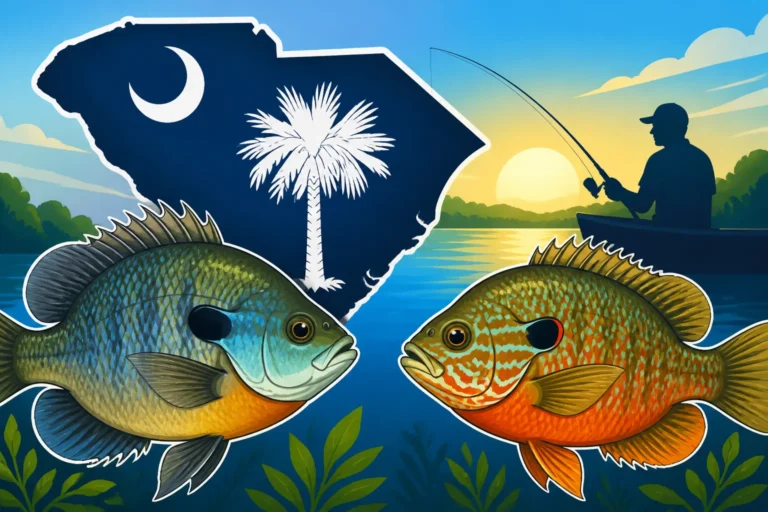
But bluegill are just one part of the sunfish family. We also have species like redbreast sunfish, which are absolutely stunning with their vibrant red-orange bellies. These are more commonly found in rivers and moving water, offering a slightly different challenge and a similarly delicious reward. Then there are shellcrackers (redear sunfish), known for their preference for snails and mussels, which some believe gives them a distinct, earthy flavor. And let's not forget the warmouth, green sunfish, and others, each contributing to the rich tapestry of our freshwater fisheries. South Carolina's Nine Native Sunfish Species Explained delves deeper into these individual species.
While they all share the "sunfish" moniker and generally similar culinary characteristics, there can be subtle differences in their meat. A redbreast from a clear, flowing river might have a slightly cleaner taste than a bluegill from a stagnant pond, for example. Understanding your target species can add another layer of appreciation to your fishing and dining experience. The main takeaway is that across the board, these smaller sunfish offer a consistent and pleasant eating experience, making them a cornerstone of freshwater angling in our state.
The "Panfish" Label and What It Means
You've probably heard the term "panfish" thrown around a lot when talking about sunfish, and it's not just a catchy nickname. It's a direct reference to their ideal cooking method: straight into a frying pan. These fish are typically smaller in stature than their larger cousins like bass or catfish, rarely growing beyond a pound or two, with many averaging a quarter to half-pound. This size makes them perfect for individual servings, or for a generous pile of fillets that cook up quickly.
The "panfish" designation also implies a certain accessibility. They're not just small; they're often abundant and relatively easy to catch, especially for beginners or children. Imagine a lazy Saturday afternoon with the kids, a couple of cane poles, and a bucket of worms. Within an hour, you could easily have enough bluegill or redbreast sunfish for a family dinner. This ease of acquisition, combined with their delicious flavor and convenient size, is precisely why they've earned their beloved status as panfish.
Beyond just the pan-frying aspect, the term "panfish" also speaks to their general hardiness and prevalence. These fish are often quite prolific, bouncing back quickly even with consistent angling pressure, which means there’s usually a healthy population available for recreational harvest. It's a sustainable and enjoyable way to put food on the table, contributing to the rich fishing heritage that runs deep through South Carolina. For more about catching these delightful species, check out South Carolina Sunfish and Panfish: A Beginner's Guide.
What Makes Sunfish Good (or Not So Good) to Eat?
When it comes to the table, not all fish are created equal. You might have heard someone say a certain fish tastes "muddy" or "fishy," and those descriptions can certainly apply to sunfish under certain circumstances. However, generally speaking, sunfish are renowned for their pleasant flavor and texture. The key is understanding the factors that influence these characteristics, so you can aim for the best possible culinary outcome with your catch.
One of the biggest advantages of sunfish is their relatively mild flavor. Unlike some fattier, more robust-tasting fish, sunfish tend to have a delicate, almost sweet profile. This makes them incredibly versatile in the kitchen, as they readily absorb the flavors of seasonings and batters without being overpowered. The texture is another highlight: firm, flaky, and tender. When cooked properly, the meat separates easily, creating a satisfying bite that's a world away from mushy or rubbery.
Taste Profile and Texture Expectations
Let's get specific about what you can expect when you bite into a properly prepared South Carolina sunfish. The flesh is almost always white, which is generally a good indicator of a mild flavor. Bluegill, in particular, are celebrated for their very clean, sweet taste. It's not an intense flavor that will challenge your palate; rather, it’s subtle and appealing, especially when enhanced with a light seasoning. Think of it as a blank canvas, ready to be adorned with your favorite herbs and spices. Many describe it as being similar to crappie or even a delicate flounder.
The texture is equally important. Sunfish fillets, even from smaller fish, hold together well when cooked. They flake beautifully with a fork, providing a tender and moist experience. This firm-yet-flaky characteristic is highly desirable and is one of the main reasons they're so popular for pan-frying. You won't find them falling apart into a mushy mess, nor will they be tough and chewy. It's a consistent, pleasant texture that satisfies. For example, a redbreast sunfish from a fast-moving river might have slightly firmer flesh than a bluegill from a calmer pond, but both will offer that desirable flakiness.
Size does play a minor role here. While all sunfish are generally good, larger sunfish often yield thicker, more substantial fillets, making cleaning a bit easier and providing a more satisfying portion. However, even the smallest keeper-sized bluegill can provide a delightful eating experience, offering smaller, bite-sized pieces that are still packed with flavor and excellent texture. Don't let their small stature fool you into thinking they're not worth the effort!
Environmental Factors and Their Impact on Flavor
Now, here's where "good to eat" can sometimes waver. Just like any wild-caught food, the environment a fish lives in has a profound impact on its taste and texture. For sunfish in South Carolina, this is particularly true. Fish from clean, clear, cool waters with plenty of natural forage tend to taste the best. These fish are actively feeding on insects, small crustaceans, and other natural foods, which contributes to a clean, sweet flavor profile.
Conversely, sunfish caught from muddy, stagnant, or warm waters, especially those with an abundance of algae, might occasionally develop an undesirable "muddy" or "off" flavor. This isn't because the fish itself is bad, but rather due to compounds absorbed from its environment, often related to certain types of blue-green algae. While these compounds aren't harmful, they can certainly detract from the culinary experience. Similarly, fish from very slow-moving or overly populated ponds might have a softer texture or a less vibrant flavor.
Another factor is diet. Fish that have a diverse, natural diet often taste better than those in an environment where food sources are limited or unnatural. For example, sunfish from a pond rich in aquatic insects and invertebrates will likely have a superior flavor to those from a highly agricultural pond where runoff might influence their food chain. This is why many anglers prefer to catch their panfish from larger lakes or clean rivers. When choosing a fishing spot, consider the water quality and habitat, as it directly impacts your dinner plate. You can find some excellent panfish spots in South Carolina's Best Ponds for Panfish Fishing or explore Redbreast Sunfish Fishing Spots in South Carolina for river options.
Preparing Your South Carolina Sunfish for the Plate
So, you've caught a stringer full of beautiful South Carolina sunfish, and you're ready to turn them into a meal. This is where the real magic happens! Preparing sunfish is a straightforward process, but like anything, a little knowledge goes a long way to ensure you get the most out of your catch. The goal is to maximize that sweet, flaky meat and minimize any bones.
Many anglers initially shy away from sunfish because of their size, thinking they're too small to bother with. This is a common frustration, especially when compared to filleting a large bass or catfish. However, once you get the hang of it, cleaning a panfish becomes quick and efficient. And the reward, a plate full of crispy, golden-brown fillets, is absolutely worth the effort. It’s a classic Southern meal that brings people together.
The Art of Cleaning and Filleting Sunfish
Cleaning sunfish efficiently is probably the biggest hurdle for new anglers. Yes, they’re small, and yes, they have a lot of tiny bones if you don't fillet them properly. But don't despair! The trick is to learn a simple filleting technique that removes the most meat while leaving the bones behind.
First, you'll want a sharp, flexible filleting knife. This is non-negotiable for clean cuts and safety. You can find excellent, affordable filleting knives on platforms like Amazon, which are perfect for smaller fish. Some anglers also use electric knives, which can speed up the process considerably if you're cleaning a large batch. Once you have your knife, lay the fish on its side. Make a cut behind the gill plate, down to the backbone, but don't cut through it. Then, turn your knife flat and run it along the backbone towards the tail, separating the fillet from the rib cage. Flip the fillet over and skin it by running your knife between the skin and the meat, holding the tail end firmly. Repeat on the other side. This method yields two boneless fillets per fish.
If filleting seems too daunting, especially for very small sunfish, you can also scale and gut them, then simply fry the whole fish. The bones will become crispy and edible for many, or easily picked around. For those who prefer boneless, a good filleting technique is truly an art form that pays dividends. Practice makes perfect, and soon you'll be zipping through a cooler full of panfish in no time. For a deeper dive into general fishing regulations for harvesting, see South Carolina Fishing Bag Limits Explained.
Popular Cooking Methods for Sunfish
Once you have those beautiful fillets, the possibilities are endless, though one method stands head and shoulders above the rest: pan-frying. It's the quintessential panfish preparation for a reason.
Here's a classic approach:
- Seasoning: Pat your fillets dry. This is crucial for crispiness. Season generously with salt, black pepper, garlic powder, and maybe a touch of paprika or cayenne for a little kick.
- Breading: Dredge the seasoned fillets in a mixture of cornmeal and all-purpose flour. Some folks prefer just cornmeal for extra crunch, while others like a mix. You can also add a little more seasoning to your breading mix.
- Frying: Heat about a half-inch of cooking oil (vegetable, peanut, or canola oil work great) in a sturdy cast-iron skillet or heavy-bottomed frying pan to around 350-375°F (175-190°C). Carefully place the breaded fillets in the hot oil, making sure not to overcrowd the pan.
- Cooking: Fry for 2-4 minutes per side, or until golden brown and cooked through. The exact time depends on the thickness of your fillets. They cook very quickly!
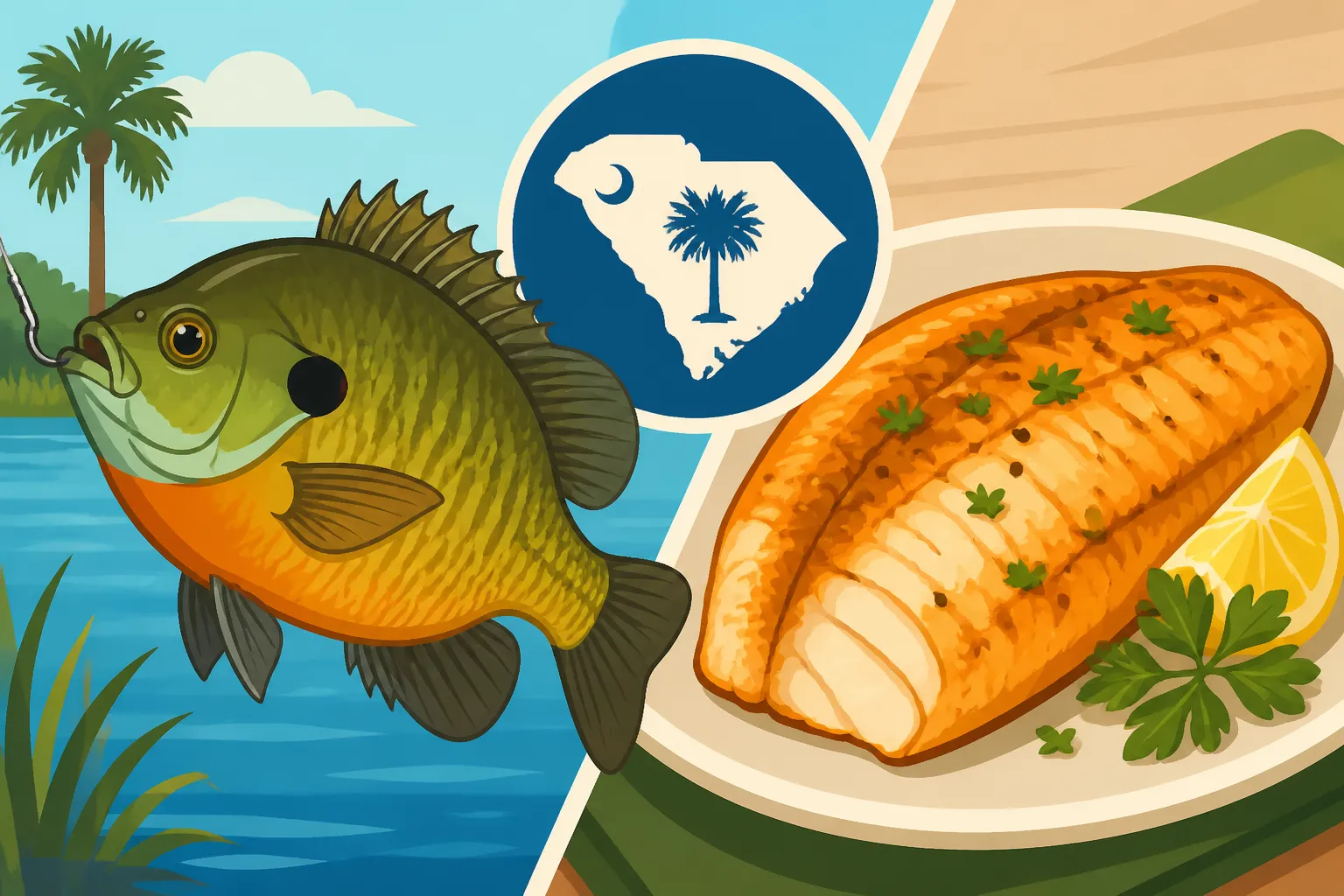
- Serve: Remove the cooked fish and place them on a wire rack or paper towels to drain excess oil. Serve immediately with a squeeze of lemon, a side of hushpuppies, coleslaw, and maybe some grits. It's a taste of pure Southern comfort.
Beyond pan-frying, sunfish can also be baked, grilled (especially larger fillets), or even used in fish tacos. For a lighter touch, you could even bread them with gluten-free flour or a simple almond flour mixture. No matter how you prepare them, the delicate flavor of South Carolina sunfish is sure to be a crowd-pleaser. Don't be afraid to experiment with different seasonings or breading mixes; the mild nature of the fish allows for a lot of culinary creativity.
Important Considerations for Eating Wild-Caught Sunfish
While the culinary delights of South Carolina sunfish are clear, it's always smart to keep a few practical considerations in mind when consuming wild-caught fish. These aren't meant to deter you, but rather to ensure that your fishing and dining experiences are as safe and enjoyable as possible. Being informed is always the best approach, especially when dealing with natural resources.
The good news is that sunfish, being smaller and often having shorter lifespans, tend to accumulate fewer contaminants than larger, longer-lived predatory fish. However, general guidelines for fish consumption are always wise to follow. It's about respecting the fish, the environment, and your own health.
South Carolina Regulations and Bag Limits
Before you even think about putting your catch on the plate, make sure you're fishing legally. In South Carolina, just like with any other fish, there are specific regulations that govern the harvest of sunfish. While panfish generally have generous bag limits compared to, say, redfish or trout, it's crucial to be aware of them. These rules are in place to ensure healthy fish populations for everyone to enjoy for years to come.
Typically, sunfish species fall under a general "game fish" category with a combined aggregate daily creel limit. This means you can keep a certain total number of various panfish species (like bluegill, redbreast, shellcracker, etc.) each day. There usually isn't a minimum size limit for sunfish, which is why even smaller ones are fair game for the frying pan, though many anglers choose to release the very smallest ones to grow. Always double-check the latest regulations from the South Carolina Department of Natural Resources (SCDNR) before you head out. These can be found on their website, or sometimes printed in pamphlets at local tackle shops. You'll also want to make sure you have the correct South Carolina Fishing License Guide for the waters you're fishing.
Ignoring these rules can lead to fines and other penalties, which would certainly put a damper on your fishing trip and your dinner plans. Understanding South Carolina's Freshwater Fishing Regulations is part of being a responsible angler and helps preserve our natural resources.
Health and Safety Tips for Consuming Wild Fish
Eating wild-caught fish is generally very healthy, offering lean protein and beneficial omega-3 fatty acids. However, a few common-sense precautions are always a good idea.
First, mercury and other contaminants: While sunfish are usually low in mercury due to their position in the food chain and shorter lifespans, it's still smart to be mindful, especially if you're regularly eating large quantities of fish from the same body of water. The SCDNR or the Department of Health and Environmental Control (DHEC) sometimes issue consumption advisories for specific bodies of water. It's a good habit to check these resources periodically, particularly if you fish in the same spot often.
Second, proper handling and storage: The moment a fish comes out of the water, its clock starts ticking. Keep your catch alive in a livewell or on ice immediately. This is perhaps the single most important step for ensuring good flavor and preventing spoilage. Fillet your fish as soon as possible after catching, or at least keep them on ice until you can process them. After filleting, rinse the fillets in cold water, pat them dry, and either cook them within a day or two, or freeze them properly in airtight bags or containers. Good storage methods are key to preventing freezer burn and maintaining quality.
Finally, cooking thoroughly: Always cook fish to an internal temperature of 145°F (63°C) to ensure any potential parasites or bacteria are destroyed. Sunfish cook quickly, so this is rarely an issue, but it's a good rule for all seafood. With these tips in mind, you can confidently enjoy the delicious bounty of South Carolina's waters.
| Sunfish Species | Typical Size for Eating | Taste Profile | Texture | Preferred Habitat |
|---|---|---|---|---|
| Bluegill | 6-10 inches | Mild, sweet, very clean | Firm, flaky, tender | Ponds, lakes, slow rivers |
| Redbreast Sunfish | 6-9 inches | Mild, slightly sweeter than bluegill | Firm, flaky | Rivers, streams, moving water |
| Redear Sunfish | 8-12 inches | Mild, sometimes described as earthy (due to diet) | Firm, flaky | Lakes, ponds, near bottom structures |
| Green Sunfish | 5-8 inches | Mild, can be slightly "fishier" if from muddy water | Flaky | Small ponds, creeks, often tolerant of poor water |
| Warmouth | 6-9 inches | Mild, savory | Firm, flaky | Weed beds, sluggish waters |
Disclaimer
This article is for general informational purposes only and does not constitute professional advice. Laws, prices and regulations vary by location and change over time. Consult a qualified professional for guidance on your specific situation.