What Can You Catch on South Carolina’s Free Fishing Days?
It can feel a bit confusing trying to figure out all the ins and outs of fishing regulations, especially when something like "Free Fishing Days" comes along. You might be wondering if it's truly a free-for-all, or if there are still rules you need to follow and what fish you can even target without a license. This guide is here to clear up that confusion, diving deep into what you can realistically expect to catch on South Carolina's Free Fishing Days and how to make the most of these special opportunities.
Understanding South Carolina's Free Fishing Days
For many of us, the idea of getting out on the water without the immediate hurdle of purchasing a license is incredibly appealing. South Carolina's Free Fishing Days are a fantastic initiative designed to encourage fishing, allowing both seasoned anglers and absolute beginners to experience the joy of the sport without the usual licensing fee. But it’s not quite a free-for-all, and understanding the nuances is key to a successful and legal outing.
The Basics of Free Fishing Days
So, what exactly are South Carolina's Free Fishing Days? Simply put, these are designated days, typically two per year, when residents of South Carolina can fish in any public waters without needing to purchase a state fishing license. That means both freshwater and saltwater opportunities are open to you, provided you meet the residency requirements. It’s a wonderful program aimed at promoting outdoor recreation and giving folks a chance to try fishing, perhaps for the very first time, or to introduce a friend or family member to a beloved pastime.
Historically, these days often fall in the late spring, usually May, and then again around a summer holiday, like July 4th. For example, the dates for these opportunities are usually announced well in advance, so it's a good idea to keep an eye on the South Carolina Department of Natural Resources (SCDNR) website. If you're planning ahead, you can check out details like South Carolina Free Fishing Days 2026 Dates to mark your calendar. One crucial clarification, often a point of confusion for visitors, is the question: Are South Carolina's Free Fishing Days Open to Nonresidents?. The answer, generally, is no. These special days are primarily for South Carolina residents, a way for the state to give back to its community and foster local participation in fishing. So, if you're visiting from out of state, you'll still need to grab a South Carolina Nonresident Fishing License Guide if you want to cast a line. It’s important to remember that while the license fee is waived, all other fishing regulations remain firmly in place. This isn't a "no-rules" day; it's a "no-license-fee" day.
Why These Days Matter for Anglers
These Free Fishing Days are more than just a momentary break from a fee; they are a vital access point for cultivating new generations of anglers and rekindling the passion in those who might have stepped away from the sport. Think about it: how many times have you heard someone say, "I'd love to try fishing, but I don't want to buy a license just in case I don't like it"? These days eliminate that initial barrier, making it incredibly easy for newcomers, especially families with young children, to dip their toes into the water, so to speak.
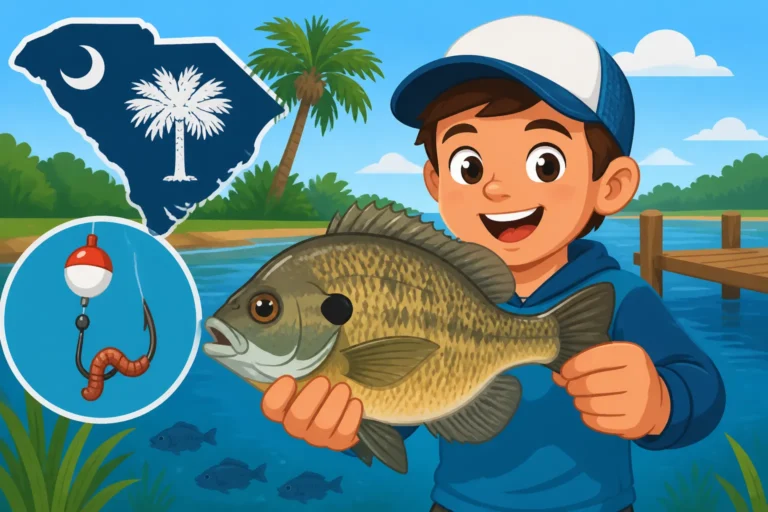
For a parent wanting to introduce their kids to fishing, these days are golden. You can grab some basic gear – a simple spinning rod and reel combo, a few hooks, bobbers, and some worms – perhaps from an online retailer like Amazon, and head to a local pond or pier without the added cost and paperwork of a license. It lowers the entry barrier significantly. It’s also a fantastic opportunity for experienced anglers to take out friends or neighbors who might be hesitant to commit to a full license purchase. It allows everyone to experience the peace and excitement of fishing, fostering a deeper connection to South Carolina's beautiful natural resources and outdoor lifestyle. For those interested in the full scope of requirements, it's always good to understand Do You Need a License on South Carolina's Free Fishing Days? and generally, the answer is no, for residents, on these specific dates.
Species You Can Target on Free Fishing Days
One of the most exciting aspects of South Carolina's Free Fishing Days is the sheer variety of fish you can target, both in freshwater and saltwater environments. This allows anglers to explore different types of fishing and potentially discover a new favorite species without the financial commitment of a license.
Freshwater Favorites
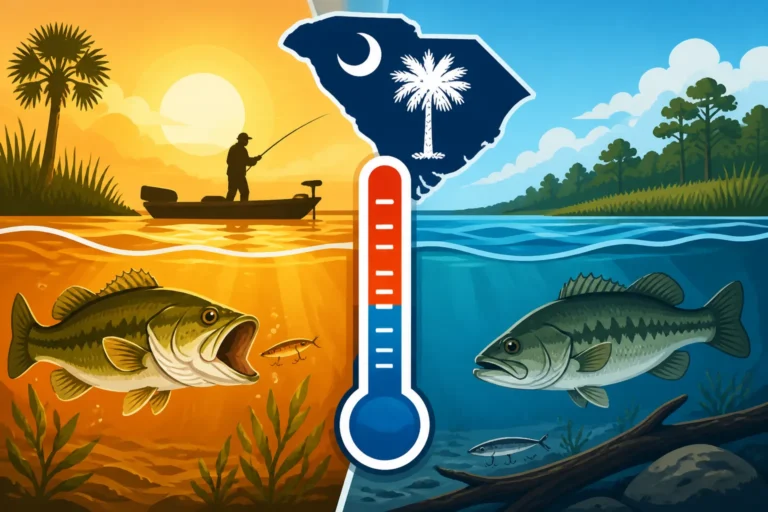
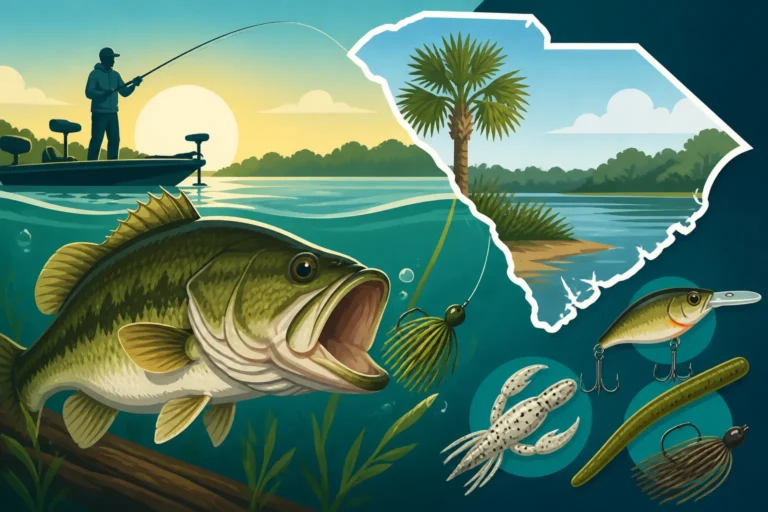
When you hit the freshwater lakes, rivers, and ponds across South Carolina on a Free Fishing Day, a whole host of popular game fish are fair game. Largemouth bass are arguably the most sought-after freshwater species in the state. You can find them lurking in submerged timber, around lily pads, and near rocky points in many of our reservoirs like Lake Murray, Lake Hartwell, and the Santee Cooper lakes. They'll readily hit everything from plastic worms and spinnerbaits to live shiners.
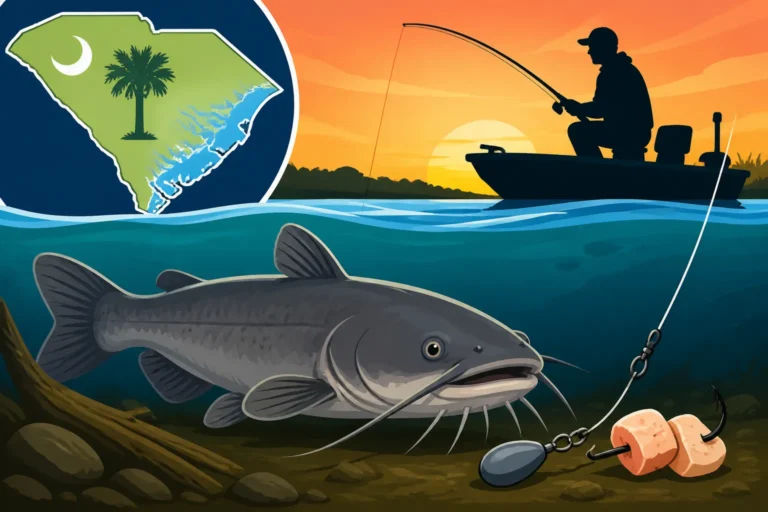
Beyond bass, crappie are another panfish favorite, especially popular for their delicious fillets. They often hang around brush piles, bridge pilings, and other submerged structures, biting on small jigs or minnows. Bluegill and other sunfish species (like redbreast sunfish) are perfect for beginners and kids, offering consistent action with simple baits like worms or crickets fished under a bobber. They're abundant in nearly every freshwater body. And let's not forget the mighty catfish – channel, blue, and flathead – which can grow to impressive sizes and offer a powerful fight. They're typically found on the bottom, responding well to cut bait, chicken livers, or prepared stink baits. Some of the best places to try your luck for these species can be found in a guide to Top Freshwater Fishing Lakes in South Carolina.
Remember that while you don't need a license, all other regulations, such as those covered in South Carolina's Freshwater Fishing Regulations, still apply. This includes specific size and bag limits for various species. For example, if you're targeting stocked trout in the Upstate, you'll still need to abide by the South Carolina Stocked Trout Daily Limit for those streams. It's not a free-for-all on what you can keep, just on the license requirement itself.
Saltwater Opportunities
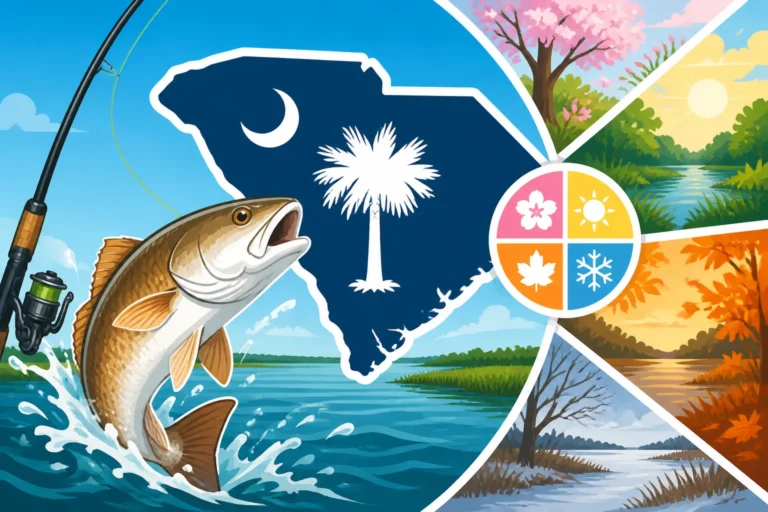
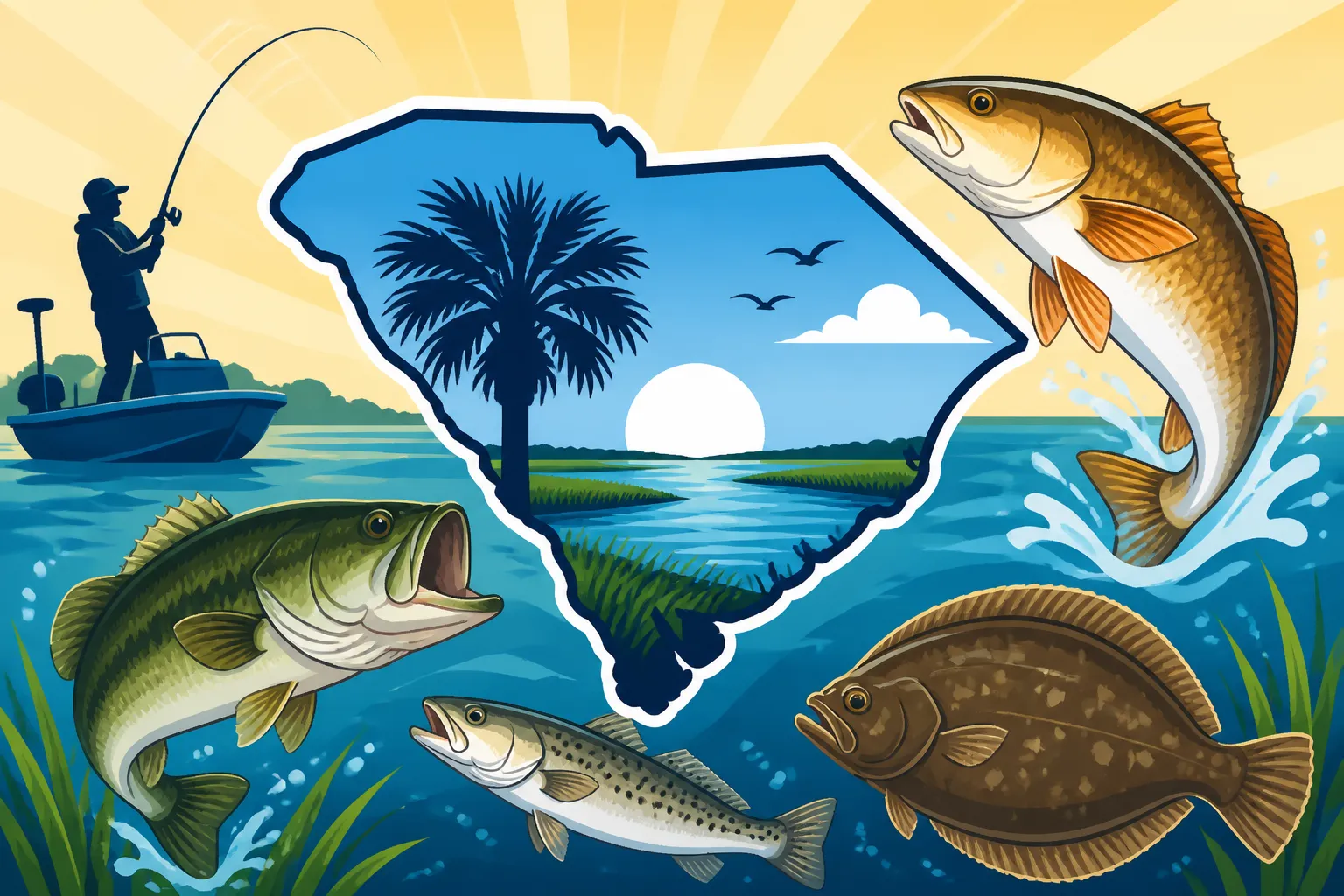
South Carolina's stunning coastline and vast estuaries also offer incredible saltwater fishing opportunities during Free Fishing Days. The inshore waters are teeming with popular species that are exciting to catch and delicious to eat. Redfish (also known as Red Drum) are a top target for many coastal anglers, known for their powerful runs and bronze coloration. They inhabit shallow grass flats, oyster beds, and creek mouths, readily biting on live bait like shrimp or mullet, as well as artificial lures like jigheads with soft plastics.
Spotted seatrout are another inshore favorite, often found in similar habitats to redfish. They strike aggressively at live shrimp or artificial lures, especially popping corks with grubs underneath. Flounder, masters of camouflage, lie in wait on sandy or muddy bottoms near structure, ambushing baitfish. They are often caught by drifting live mud minnows or Gulp! soft plastics along the bottom. To ensure you're compliant with all the rules, make sure to check Saltwater Fishing Rules in South Carolina, as these laws still apply.
It's critical to understand that while the license requirement is waived, all other saltwater regulations, including species-specific size limits, daily bag limits, and vessel limits, are still in full effect. For instance, the South Carolina Redfish Slot Limit Rules will dictate the size range of redfish you can legally keep, and there's also a daily bag limit per person and a vessel limit. Similarly, if you're after Spotted Seatrout Size and Bag Limits in South Carolina, you'll need to know the minimum size and how many you can take home. These regulations are in place to protect fish populations and ensure sustainable fishing for everyone, so adhering to them is not just a legal obligation but also an ethical one. Even on a free day, you want to be a responsible angler.
What's Still Regulated: Don't Get Caught Off Guard
It’s easy to get swept up in the excitement of a "free" fishing day, but the biggest mistake you can make is assuming that all rules are suspended. While the state generously waives the fishing license fee for residents on these special days, a whole host of other critical regulations remain firmly in place. Ignoring these can lead to fines, confiscation of your catch, or even legal trouble, which would certainly ruin a fun day on the water.
Bag Limits, Size Restrictions, and Creel Limits
This is perhaps the most important point for any angler on a Free Fishing Day: bag limits, size restrictions, and creel limits are absolutely still enforced. These regulations are the backbone of sustainable fisheries management, ensuring that fish populations remain healthy for future generations. Just because you don't need a license doesn't mean you can keep as many fish as you want, or fish of any size.
Let's look at some common examples to illustrate this. If you’re targeting redfish in the saltwater marshes, you still must adhere to the South Carolina Redfish Slot Limit Rules, which typically specify a legal size window (e.g., 18 to 25 inches, though these can change, so always double-check). You can't keep a redfish smaller or larger than that slot, and you're still limited to a certain number of fish per person and per vessel. Similarly, for spotted seatrout, there will be a minimum size and a daily bag limit that you must respect.
In freshwater, the same principle applies. If you're fishing for largemouth bass, there might be a statewide limit on the number you can keep per day, and sometimes specific lakes or rivers have their own unique size or slot limits. For instance, if you're in an area known for stocked trout, you'll still be bound by the South Carolina Stocked Trout Daily Limit. The SCDNR website is your best friend here. Before you head out, make it a habit to quickly check the current regulations for the specific body of water and species you plan to target. There's nothing worse than having a successful day only to realize you have to release your prize catch because it wasn't within the legal limits. Even simple panfish like bluegill often have bag limits to prevent overharvesting.
Gear Restrictions and Permitted Methods
Beyond the fish themselves, the methods and gear you use are also still subject to regulation. South Carolina has specific rules about what fishing methods are allowed in certain areas or for certain species, regardless of whether you're paying for a license or not.
For example, certain types of gear, such as trotlines, jug lines, or gill nets, may require special permits even if you have a license, or they might be completely prohibited in certain areas. While standard rod and reel fishing is generally permitted, there might be restrictions on the number of rods you can actively fish at one time, especially in freshwater. Take, for instance, the controversial winter gigging ban for spotted seatrout. While you can still catch them with a rod and reel, South Carolina's Winter Gigging Ban for Seatrout prohibits the use of gigs for trout during certain months, even if you’re fishing on a free day. This isn't about the license; it's about protecting spawning fish.
You also need to be mindful of bait restrictions. In some trout streams, for example, only artificial lures or flies might be allowed, prohibiting the use of live bait. Always refer to the most current South Carolina Fishing License Guide and the specific regulations for the body of water you're visiting. It’s better to be overly cautious than to accidentally violate a rule. A quick check of the SCDNR website or even a call to a local bait shop can save you a lot of headache. Don't let the "free" aspect lull you into a false sense of security regarding the regulations; they are designed to protect the very resource we all enjoy.
Maximizing Your Free Fishing Day Experience
South Carolina's Free Fishing Days are a fantastic opportunity, but like any good fishing trip, a little preparation goes a long way. These days are about more than just catching fish; they're about enjoying the outdoors, learning, and creating memories.
Planning Your Trip
Effective planning starts with knowing when these days are happening. As mentioned, the SCDNR typically announces these dates in advance. Knowing the South Carolina Free Freshwater Fishing Day May 25 2026 or South Carolina Free Freshwater Fishing Day July 4 2026 can help you coordinate with friends and family. Once you have the date, consider where you want to fish. South Carolina offers an incredible array of fishing spots, from tranquil freshwater ponds to bustling coastal piers. If you're new to fishing, or taking kids, look for spots known for easy access and a good chance of catching smaller, more numerous species like bluegill or small catfish. Websites like Amazon offer a wide variety of beginner-friendly fishing kits that include everything you need to get started.
Popular options include public boat landings with bank access, state park lakes, or even certain urban ponds that are regularly stocked. A quick search for Best Fishing Spots in South Carolina or Kid-Friendly Fishing Spots in South Carolina can give you plenty of ideas. Check the weather forecast for your chosen location. Dress appropriately, bring plenty of water, sunscreen, and bug spray. If you plan to keep fish, don't forget a cooler with ice. Also, consider what species are most active during that specific time of year. For instance, bass might be in their post-spawn phase in early summer, while crappie might be moving to deeper brush piles.
| Species (Commonly Targeted) | Typical Habitat | Recommended Bait/Lures | Key Regulations to Check |
|---|---|---|---|
| Freshwater | |||
| Largemouth Bass | Structure (logs, docks, lily pads) | Plastic worms, spinnerbaits, live shiners | Daily bag limit, minimum size |
| Crappie | Brush piles, bridge pilings, deep water | Small jigs, minnows, tiny crankbaits | Daily bag limit, minimum size |
| Bluegill/Sunfish | Shallow water, aquatic vegetation | Worms, crickets, small poppers | Daily bag limit (often generous) |
| Catfish | Lake/river bottoms, channels, deep holes | Cut bait, chicken liver, stink baits | Daily bag limit, minimum size |
| Saltwater (Inshore) | |||
| Redfish | Grass flats, oyster beds, creek mouths | Live shrimp/mullet, soft plastics, spoons | Slot limit (e.g., 18-25"), daily bag, vessel limit |
| Spotted Seatrout | Grass flats, oyster beds, marsh creeks | Live shrimp, soft plastics under popping corks | Minimum size, daily bag limit |
| Flounder | Sandy/muddy bottoms near structure | Live mud minnows, Gulp! soft plastics | Minimum size, daily bag limit |
Note: Regulations are subject to change. Always verify current SCDNR rules before fishing.
Teaching and Learning Opportunities
Free Fishing Days are truly exceptional for fostering a love of fishing, especially for the younger generation. They offer a no-pressure environment to learn the basics without the added expense of a license. Take this opportunity to teach kids how to cast, how to bait a hook, and most importantly, how to respect nature. Pack a simple first aid kit, just in case of minor scrapes or hook mishaps. You can find durable, affordable rod and reel combos and tackle boxes designed for kids on platforms like Amazon, making it easy to get started.
It's also a great time to discuss conservation. Explain why bag limits and size restrictions exist – that they're not just arbitrary rules, but ways to ensure fish populations thrive. Teach catch-and-release practices for fish you don't intend to keep, emphasizing gentle handling. These experiences can instill a lifelong appreciation for the outdoors and responsible angling practices. For those who are complete novices, it's a chance to learn the ropes of South Carolina Fishing License Requirements in South Carolina without needing to purchase one immediately. Consider it a trial run! This exposure can spark a lifelong hobby and create lasting memories, making these free days invaluable.
Disclaimer
Please remember that fishing regulations, including free fishing days, specific bag limits, and size restrictions, can change. While every effort has been made to provide accurate and up-to-date information, it is your responsibility as an angler to always verify the most current regulations with the South Carolina Department of Natural Resources (SCDNR) before heading out. This guide is for informational purposes only and should not be considered legal advice.