Is Fishing Better at Sunrise or Sunset?
It’s a question as old as fishing itself, isn't it? That nagging thought as you set your alarm for way-too-early or debate one last cast as the sun dips below the horizon: is fishing actually better at sunrise or sunset? Many anglers in South Carolina, from our vast freshwater lakes to our winding coastal estuaries, grapple with this daily dilemma. You want to maximize your chances, feel that tug on the line, and truly enjoy your time on the water, but knowing when to go can feel like a guessing game. This guide is all about helping you understand the unique advantages and considerations of fishing during these magical, low-light periods, so you can make an informed decision and hopefully, catch more fish.
The Allure of Sunrise Fishing in South Carolina
There’s something undeniably special about being on the water before the rest of the world wakes up. The air is crisp, the dew still clinging to the grass, and the only sounds are the gentle lapping of waves against the shore or the distant call of a bird. But beyond the serenity, sunrise offers tangible benefits for anglers hoping to hook into some impressive catches across the Palmetto State.
Why Fish Love the Morning Light
Think about it from a fish's perspective. After a long night, those early morning hours often bring a welcome relief from the heat of the previous day, especially during South Carolina's notoriously warm summers. Cooler water temperatures mean more oxygen, which in turn can translate to more active and willing fish. This is particularly true for many of our popular freshwater species like bass and trout, who become sluggish when the mercury rises too high. The low light conditions at dawn also provide a tactical advantage for predatory fish. Just like deer moving at twilight, many fish species feel more comfortable venturing out of cover to hunt for food when the sun isn't glaring down on them. This diminished visibility makes it harder for their prey to spot them, leading to increased feeding activity.
For instance, the largemouth bass that calls Lake Murray home often moves into shallower water to ambush baitfish during the morning twilight. You might find them lurking around docks, submerged timber, or weed lines, ready to strike. Similarly, if you're chasing trout in our mountain streams, the crisp morning air and cool water temperatures of a dawn patrol often bring the best bites, especially after a warm spell. These conditions encourage trout to feed more aggressively, making them more receptive to your presentations. Coastal anglers know this truth too; redfish, a highly sought-after species, often move onto shallow grass flats with the rising tide at dawn, eager to forage before the full sun drives them back to deeper channels. Understanding How Water Temperature Affects Morning Bite Timing is crucial for maximizing these early hours.
Practical Advantages for the Angler
Beyond the fish themselves, sunrise fishing offers a host of benefits for us, the anglers. One of the most immediate perks is the sheer lack of competition. Whether you're at a popular lake like Santee Cooper or a busy stretch of the Intracoastal Waterway, fewer boats and fewer people mean more elbow room and less pressure on your chosen fishing spots. Imagine having your favorite cove all to yourself, casting without fear of tangling with another boat or having your perfect drift interrupted. This tranquility isn't just about avoiding crowds; it also contributes to a calmer, more focused fishing experience.
Furthermore, the early morning often brings calmer winds, particularly on larger bodies of water. A glassy surface makes it easier to spot subtle disturbances, like a schooling baitfish or a bass busting on the surface. This can be a huge advantage for sight fishing, especially in clear waters, or for simply enjoying a smoother, more comfortable boat ride to your fishing grounds. Getting out early also allows you to beat the midday heat, which can be brutal in South Carolina. You can enjoy several hours of prime fishing time before the sun becomes too intense, making for a much more pleasant outing. Planning your trip carefully, especially in terms of How to Plan a Fishing Trip Around Sunrise, can really make a difference.
Species-Specific Sunrise Strategies
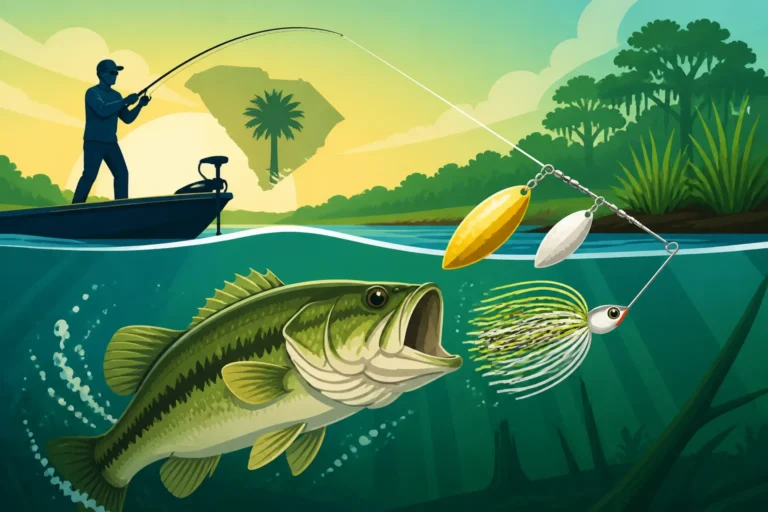
Certain fish species are practically synonymous with a sunrise bite, and knowing their habits can make your early morning efforts incredibly productive. Largemouth bass, for instance, are notorious for their early morning topwater bite. As the first rays of light hit the water, they often feel confident enough to strike at noisy surface lures like poppers, buzzbaits, or walking baits. There's nothing quite like the explosive strike of a bass shattering the calm surface at dawn! Many anglers specifically dedicate the first hour or two of their trip to this thrilling technique before the sun gets too high.
Striped bass, particularly the landlocked varieties found in lakes like Murray or Hartwell, are another prime target for sunrise. They often move into shallower depths or school up near the surface to feed on baitfish as the sun comes up. Trolling with bucktails or live bait, or even casting large swimbaits, can be incredibly effective during this window. In coastal areas, our beloved redfish and speckled trout will actively feed in shallow marsh creeks and oyster beds. Casting soft plastics, weedless spoons, or even live shrimp under a popping cork as the sun barely clears the horizon can yield fantastic results. Learning Dawn Fishing Techniques for Freshwater Lakes and applying them can transform your early morning trips.
The Magic of Sunset Fishing in South Carolina
Just as the sun rises, it also sets, creating another dynamic window of opportunity for South Carolina anglers. The shift from day to night often triggers a feeding frenzy as fish prepare for the darker hours or simply take advantage of changing conditions. For many, sunset fishing embodies a different kind of peace, a winding down of the day punctuated by the thrill of a bite.
Why Fish Feed as the Day Ends
As the afternoon sun begins its descent, several crucial changes occur in the aquatic environment that directly influence fish behavior. Just like in the morning, water temperatures start to drop, providing a comfortable environment for fish that might have been hiding in deeper, cooler water during the scorching midday heat. This temperature regulation is a powerful driver for fish activity. More importantly, the decreasing light plays a huge role. Baitfish, often small and vulnerable, become more active and exposed as the light fades, making them easier targets for predators. This increased prey activity naturally draws in larger game fish looking for an easy meal.
Consider crappie in Lake Moultrie; as dusk approaches, they often move up from deeper structures towards shallower brush piles and stumps to feed on minnows. This makes them accessible to anglers using vertical jigging techniques or setting out minnow rigs. Similarly, the spotted seatrout that thrive in our coastal estuaries become incredibly active during the twilight hours. They'll ambush baitfish from grass lines and oyster reefs, making it a prime time for casting topwater lures or suspending baits. Even catfish, often thought of as nocturnal, can have a strong feeding period just before dark, scavenging for anything edible as the day draws to a close. This transitional period is often prime time for species that prefer low light.
Unique Challenges and Rewards for Evening Anglers
While sunrise often means peaceful solitude, sunset fishing, especially on popular waterways, can sometimes involve navigating more boat traffic. Many recreational boaters are heading back to the ramp, and weekenders might be out for a relaxing evening cruise. This can lead to choppier water and more competition for ramp access. However, as the sun dips lower, that traffic usually dissipates, leaving you with a serene, often stunningly beautiful, angling experience. The "golden hour" leading up to sunset, with its warm light and vibrant colors, is a photographer's dream and can be equally magical for fishing.
One significant challenge with sunset fishing is the transition into true darkness, which requires careful planning. You’ll need to ensure you have adequate lighting for rigging, navigating, and safely returning to shore. A good headlamp is an absolute must, and it's always wise to have navigation lights and other safety gear readily accessible. Despite these challenges, the rewards can be immense. Beyond the potential for a great bite, there’s a certain tranquility to watching the stars emerge over the water, especially if you plan to extend your trip into some Night Fishing Techniques for Freshwater Anglers. The evening offers a chance to escape the day's heat and enjoy a cooler, perhaps more relaxed, fishing session.
Species-Specific Sunset Tactics
Just like sunrise, sunset brings out specific behaviors in different fish. For freshwater anglers, the hour before and after sunset can be fantastic for bass, especially if you transition from traditional lures to larger profile baits like dark-colored spinnerbaits or chatterbaits that create more vibration. As the light fades, fish rely more on their lateral lines, making noisy or thumping lures highly effective. For crappie, setting up lights over the water can attract baitfish, drawing in crappie right to your boat or pier, making for some exciting evening action.
In saltwater, redfish continue to be active, often moving into shallower creeks and flats with the incoming tide as darkness settles. Casting topwater lures that create a good "walk-the-dog" action can be incredibly productive, as the fish key in on the silhouette against the dim sky. Spotted seatrout are also prime targets, and many anglers swear by a strong topwater bite right at dusk. Consider using clear or dark-colored topwaters for these low-light conditions. Learning Tide-Based Techniques for Inshore Fishing is especially critical for evening coastal trips, as tides don't care what time the sun sets!
Comparing the Two: Factors to Consider
So, which is truly better? The honest answer is: it depends! There are so many variables that influence a fish's willingness to bite, and understanding them is key to deciding whether to set your alarm or enjoy a leisurely afternoon before heading out.
Water Temperature and Light Conditions
These are arguably the two most significant factors driving fish behavior during the transitional periods of sunrise and sunset.
In warmer months, like the peak of a South Carolina summer, the early morning bite often has a distinct advantage for many species. The water has had all night to cool down, bringing temperatures to a more comfortable and oxygenated level for fish. As the sun rises and starts to heat the water, fish might retreat to deeper, cooler areas or seek shade. This means your prime fishing window might be shorter but more intense at sunrise. Think of the frantic feeding during a Lake Murray Summer Striped Bass Techniques in South Carolina trip; those fish are eager to eat before the scorching midday sun.
Conversely, in cooler months, such as late fall or winter, the afternoon and sunset bite can sometimes be stronger. The sun has had all day to warm the water slightly, even if only by a few degrees. This slight increase in temperature can make cold-blooded fish more active and willing to feed than they were in the frigid morning hours. The light conditions also play a huge role: low light at both ends of the day offers ambush predators cover, but the specific behavior triggered by diminishing light can differ from the behavior triggered by increasing light. For example, some fish might become more aggressive as darkness falls, feeling safer from overhead predators.
Tides, Weather, and Moon Phases
For saltwater anglers, the tide schedule often trumps sunrise or sunset. A strong incoming or outgoing tide can create current, stir up bait, and concentrate fish, making it the most crucial factor regardless of the time of day. If the prime tide window for redfish is at midday, you might have to sacrifice those twilight hours to hit the peak feeding period. However, a falling tide at sunset, especially during cooler seasons, can still be incredibly productive, as baitfish are flushed out of the marsh and larger predators wait to intercept them. This is where understanding Does Tide Direction Change Where Trout Feed? becomes essential.
Weather also plays a massive role. A passing cold front can shut down a bite at any time of day, while overcast skies can extend good low-light fishing conditions well into the morning or afternoon. The moon phase, though often debated, is believed by many to influence fish activity, particularly around new and full moons, which create stronger tides. Some anglers swear by certain moon phases being better for specific times of day, but generally, consistent pressure changes or dramatic weather shifts will have a more immediate impact on fish behavior than just the celestial body overhead.
Your Target Species and Location
Ultimately, the "best" time often boils down to what you're trying to catch and where you're fishing.
- Largemouth Bass: Often excellent at both sunrise and sunset with topwater lures, especially in shallow areas or around cover. The first hour of light and the last hour of light are prime. Knowing What Time of Day Do Bass Bite Best? is key for these aggressive predators.
- Striped Bass: Often strong at sunrise, especially for schooling fish near the surface or around structure. They can also feed well at sunset, particularly as they follow baitfish into shallower waters.
- Crappie: Can be good at both, but many swear by sunset and into the night, especially when using lights to attract them.
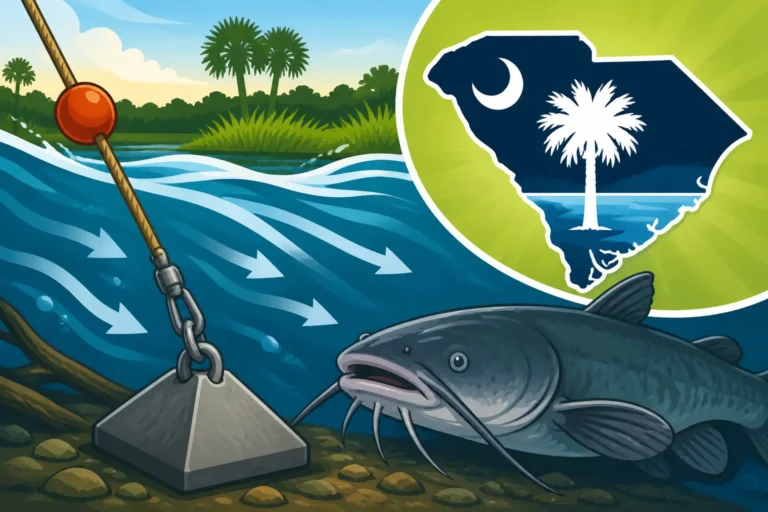
- Catfish: While often considered nocturnal, they frequently have a strong feeding period just before dark and can also be active early morning.
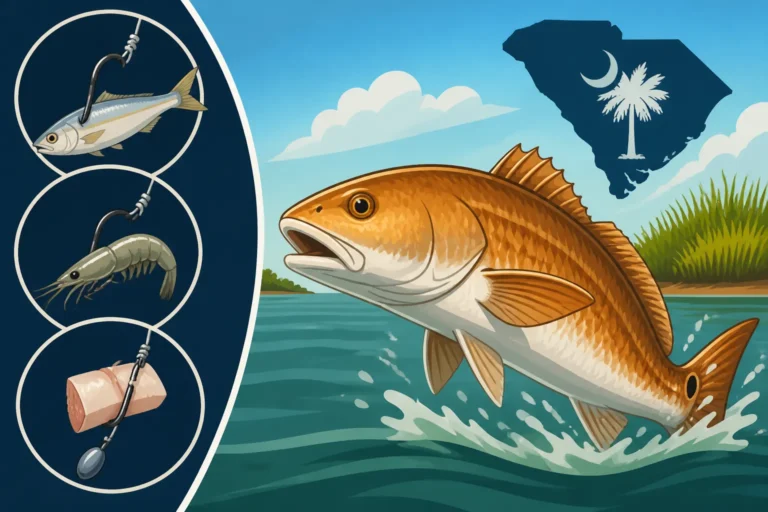
- Redfish: Excellent at both times in coastal estuaries, especially when paired with a favorable tide. Low light gives them confidence to cruise shallow flats. Best Lures for Inshore Redfish Fishing can differ slightly between morning and evening, with darker colors sometimes favored at dusk.
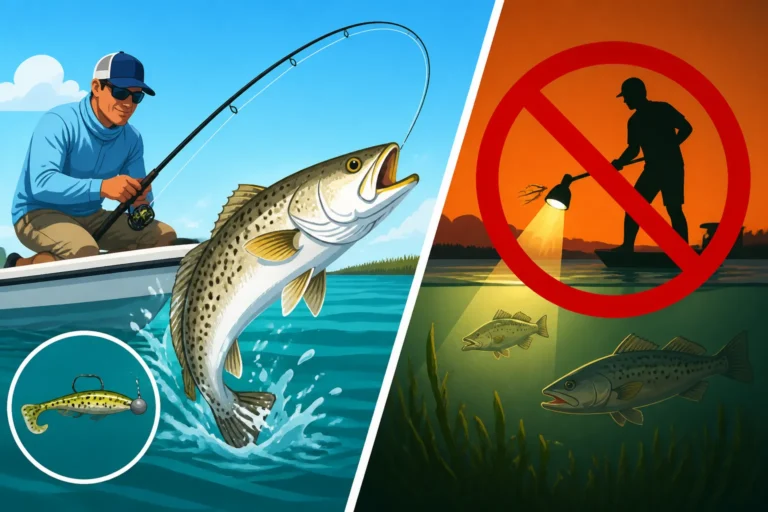
- Spotted Seatrout: Strong at both sunrise and sunset, particularly on topwater lures or suspended baits. The low light of either period provides them with an ambush advantage. Remember to check local regulations like South Carolina's Winter Gigging Ban for Seatrout if you're gigging!
If you're fishing a highly pressured lake, the early morning might give you a better shot at undisturbed fish. If you're looking for a relaxing trip that winds down into the evening, sunset might be more your speed. It truly is about aligning your goals with the fish's habits.
Making Your Choice: Personal Preferences and Preparation
With all these factors in mind, the decision often comes down to a blend of the scientific and the personal. There's no wrong answer, only what works best for you and your angling ambitions.
The Early Bird Gets the Worm… or the Fish?
For some, the appeal of sunrise fishing is irresistible. It’s the quiet, the cool air, the feeling of getting a head start on the day. If you're a morning person, naturally wake up early, or simply prefer to be off the water before the midday heat and crowds descend, then sunrise fishing is your clear winner. It's often ideal for those who value solitude and the peaceful start to a day, or families with young children whose energy peaks in the morning.
The cool temperatures can mean a longer, more comfortable fishing experience, especially for those sensitive to heat. Plus, packing up and heading home by late morning leaves the rest of your day open for other activities. You might even find that fish are less wary during the earliest hours, having not yet been pressured by other anglers. Just make sure your coffee is strong and your gear is prepped the night before!
Embracing the Twilight Bite
On the other hand, sunset fishing offers a different kind of magic. For those who aren't early risers, it's a chance to enjoy a leisurely morning, tackle other chores, and then head out when the day starts to cool. It's often seen as a more relaxing option, allowing you to transition seamlessly from a busy day to a tranquil evening on the water. Watching the sun paint the sky with vibrant colors as you cast your line can be an incredibly rewarding experience, whether the fish are biting or not.
If you enjoy extending your trips into the night, sunset fishing is the natural precursor to targeting nocturnal feeders like catfish or certain species of bass that become more active under the moon. It's also a great way to avoid the peak heat of the day, particularly in the summer, and can be perfect for those who like to end their day with a beautiful view and the promise of an evening bite.
Essential Gear for Low-Light Fishing
Regardless of whether you choose dawn or dusk, being prepared for low-light conditions is non-negotiable. Safety should always be your top priority.
- Headlamp: This is your best friend. A reliable, waterproof headlamp with a red-light option (which preserves night vision and disturbs fish less) is essential for tying knots, navigating your gear, and moving safely around your boat or the bank. You can find excellent options on Amazon.
- Navigation Lights: If you're in a boat, ensure all your navigation lights are fully functional and ready to go. Always be aware of your surroundings, especially if other boats are out.
- Appropriate Lures: While fish might be less color-sensitive in very low light, contrast and vibration become crucial. Darker lures (black, blue, purple) can create a better silhouette against a dim sky or water surface. Lures with rattles, blades, or a strong thumping action can attract fish relying on their lateral lines.
- Layers of Clothing: Temperatures can drop significantly from morning to mid-day, or from late afternoon into evening. Dressing in layers ensures you stay comfortable.
- Insect Repellent: Especially at dawn and dusk, mosquitoes and other biting insects can be a nuisance. Don't let them ruin your peaceful fishing experience! A good repellent is a small investment for a much more pleasant trip, and many effective repellents are available through retailers like Amazon.
- First Aid Kit: Always a good idea, but especially when visibility is limited.
When considering which time is "better," it’s often a personal choice. Both offer unique benefits, and both can be incredibly productive. The best strategy is to try both, pay attention to the conditions, and let the fish tell you what they prefer!
Here's a quick comparison to help you weigh your options:
| Feature/Consideration | Sunrise Fishing | Sunset Fishing |
|---|---|---|
| Water Temperature | Coolest after night, ideal for warm months | Cooling down, can be better in colder months |
| Light Conditions | Increasing, natural light advantage for predators | Decreasing, natural light advantage for predators |
| Crowds | Generally fewer people, more solitude | Can be busy initially, then quiet as dark sets in |
| Boat Traffic | Minimal to none | Can be high as recreational boats return |
| Predator Activity | High, fish emerge from cover to feed | High, fish feed before full darkness |
| Topwater Bite | Often exceptional for bass and trout | Can be strong, especially for bass and saltwater species |
| Visibility | Improving gradually | Diminishing rapidly, requires more artificial light |
| Bugs | Can be prevalent, especially near still water | Can be prevalent, especially near still water |
| Energy Levels | Requires early start, often invigorating | Relaxed start to evening, can extend into night |
| Safety Considerations | Navigating in low light, cooler temps | Navigating in darkness, potentially changing weather |
| Typical Species Targets | Bass, Stripers, Trout, Redfish, Seatrout | Bass, Crappie, Catfish, Redfish, Seatrout |
Ultimately, South Carolina offers fantastic fishing opportunities no matter when you choose to go. The magic truly lies in being out there, connecting with nature, and feeling that satisfying tug on your line. So, whether you're an early bird or a night owl, grab your gear (maybe a new rod and reel from Amazon to celebrate your commitment!) and hit the water – you're in for a treat!
Disclaimer
This article is for general informational purposes only and does not constitute professional advice. Laws, prices and regulations vary by location and change over time. Consult a qualified professional for guidance on your specific situation.