Top Freshwater Fishing Lakes in South Carolina
It’s a common dilemma for any angler venturing into the Palmetto State: with so many incredible waterways, how do you even begin to choose the best freshwater fishing lake in South Carolina for your next trip? It can feel overwhelming to pick the perfect spot, especially when you're dreaming of reeling in that trophy bass or a stringer full of crappie. This guide is here to cut through the confusion, highlighting South Carolina’s premier freshwater lakes, their unique characteristics, and exactly what species you can expect to target, helping you plan a truly unforgettable and successful fishing adventure.
Lake Murray's Legendary Striper and Bass Fishing
Often called the "Jewel of South Carolina," Lake Murray is an absolute freshwater powerhouse, renowned across the Southeast for its incredible striped bass and largemouth bass fisheries. Located just a stone's throw from Columbia, this massive 50,000-acre reservoir is formed by the Saluda River and boasts over 600 miles of shoreline. Its deep, clear waters and abundant forage create the perfect environment for a diverse array of game fish, making it a bucket-list destination for many serious anglers.
Unraveling the Striped Bass Mystique on Lake Murray
Lake Murray is arguably the destination in South Carolina for landlocked striped bass. These powerful fish thrive in its cool, deep waters, growing to impressive sizes. Anglers often target them early in the morning or late in the evening when they push schools of baitfish to the surface, creating spectacular topwater action. During the hotter summer months, the stripers retreat to deeper, cooler thermal refuges, often congregating around submerged humps and ledges.
When chasing stripers on Murray, live bait like blueback herring is king, especially when drifting or slow-trolling. Many experienced anglers employ downriggers to present baits at specific depths where the stripers are holding. For those who prefer artificials, large swimbaits, bucktail jigs, and topwater lures like Heddon Zara Spooks can be incredibly effective when the fish are schooling. Imagine the thrill of a 20-pound striper exploding on your topwater lure at dawn – it’s an experience that keeps anglers coming back year after year. For a deep dive into how to tackle these powerful fish, check out our guide on Lake Murray Summer Striped Bass Techniques in South Carolina.
Largemouth Bass Hotspots and Seasonal Patterns
While the stripers often steal the spotlight, Lake Murray’s largemouth bass fishery is equally phenomenal, regularly hosting major tournaments. The lake's diverse structure, including numerous docks, submerged timber, rocky points, and expansive hydrilla beds, provides endless cover for big bass. Spring is a prime time for largemouth, as they move shallow for the spawn, making them vulnerable to jigs, plastics, and spinnerbaits worked around boat docks and shoreline cover.
As the weather heats up, bass often move to deeper offshore structures, brush piles, and points, requiring different tactics like deep crankbaits, Carolina rigs, or shaky heads. Local guides, many of whom you can find and book through platforms like FishingBooker, are experts at locating these seasonal patterns and can put you on fish even when the bite is tough. For instance, fishing the submerged humps near Dreher Island is a proven strategy for both bass and stripers, especially in the summer. Don't forget to review South Carolina Bass Fishing Techniques by Season to align your approach with the time of year.
Catfish and Crappie: Abundant Opportunities for Panfish
Beyond the legendary game fish, Lake Murray offers fantastic opportunities for crappie and catfish. Crappie fishing picks up in the cooler months, with anglers finding success jigging around brush piles and submerged structures in deeper water. In spring, crappie move into shallower coves and around docks, biting on minnows or small jigs. You can fill a cooler quickly when you locate a productive crappie school.
For catfish enthusiasts, Lake Murray provides a chance at some true monsters. Channel cats, blue cats, and flatheads are all present, with blue catfish often reaching impressive sizes. Targeting them with cut bait, chicken livers, or live bream on the bottom, especially in the main river channel or deep holes, can lead to exhilarating battles. Many anglers enjoy setting up for a night of catfishing, enjoying the peace and quiet under the stars while waiting for a tug on the line.
The Santee Cooper Lakes System: A Freshwater Powerhouse
The Santee Cooper Lakes — Lake Marion and Lake Moultrie — together form South Carolina's largest freshwater impoundment, a sprawling 171,000-acre system renowned worldwide. These lakes are legendary, practically synonymous with trophy fishing in the Southeast, famous for producing monster catfish, incredible largemouth bass, and prolific crappie. It's a place where fishing isn't just a pastime; it's a way of life.
Lake Marion: Vast Waters and Diverse Species
Lake Marion, often called the "Big Lake," is a sprawling 110,000-acre reservoir known for its vast open waters, cypress forests, and abundant submerged timber, creating an angler's paradise. This lake is particularly famous for its largemouth bass, with anglers consistently pulling in fish weighing over 5 pounds. The bass here love the cover provided by the cypress stumps and grass beds, especially during the spring and fall. Shallow water presentations like spinnerbaits, plastic worms, and topwater frogs are highly effective in these areas.
But Lake Marion's appeal doesn't stop at bass. It's also a phenomenal crappie fishery, especially around the countless cypress trees and brush piles. Tightlining with minnows or jigging small plastics can lead to incredible numbers. Catfishing, too, is exceptional, with anglers regularly landing blue catfish weighing upwards of 50 pounds. The diverse habitat supports healthy populations of multiple species, offering something for every type of angler. If you're planning a trip, our Santee Cooper Lakes: South Carolina's Legendary Bass Fishery guide offers even more insights.
Lake Moultrie: Trophy Catfish and Consistent Crappie Action
Connected to Lake Marion by the Diversion Canal, Lake Moultrie is a deeper, more open body of water, covering approximately 60,000 acres. While it shares many of the same species as Lake Marion, Lake Moultrie has carved out a reputation as a world-class destination for trophy blue catfish. Anglers specifically targeting these giants often use heavy tackle and large cut bait, focusing on the lake's deeper holes and ledges. It's not uncommon for anglers to land blue cats exceeding 70, 80, or even 100 pounds here. The thrill of a truly massive catfish battle is something every angler should experience.
Crappie fishing on Lake Moultrie is equally robust, offering consistent action throughout the year. The lake's numerous submerged structures, bridges, and brush piles are prime locations. Winter and early spring can be particularly productive as crappie school up. Many local guides offer crappie trips, and you can scout for highly-rated ones specializing in this area on platforms like FishingBooker. Whether you're a seasoned crappie slayer or new to the sport, Moultrie offers ample opportunities to fill your livewell.
Navigating the Diversion Canal for Prime Fishing
The Santee Cooper Diversion Canal, a man-made waterway connecting Lake Marion and Lake Moultrie, is a unique and incredibly productive fishing spot in its own right. This canal experiences a constant flow of water, often with strong currents, which concentrates baitfish and, in turn, game fish. It's particularly famous for its striped bass fishing, especially during the cooler months when stripers run up from Moultrie into the canal to feed.
Anglers often cast large crankbaits, jigging spoons, or live bait into the current, targeting the eddies and deeper pockets where fish hold. The canal also holds impressive numbers of largemouth bass, crappie, and catfish. Because of its unique dynamics, understanding the current and fish behavior in the canal can be a game-changer. It’s a fantastic spot for shore anglers and boaters alike, offering consistent action when other parts of the main lakes might be slow. Always pay attention to the flow rates, as they can greatly influence where the fish are holding.
Lake Hartwell: Upstate Angling Adventures on the Border
Nestled in the beautiful foothills of the Blue Ridge Mountains, straddling the border between South Carolina and Georgia, Lake Hartwell is a massive 56,000-acre reservoir created by the Savannah River. Known for its crystal-clear waters, stunning scenery, and diverse fishery, Hartwell is a favorite among upstate anglers. It’s a fantastic destination for multi-species trips, offering a chance at everything from powerful stripers to elusive spotted bass.
Chasing Largemouth and Spotted Bass in Hartwell's Depths
Lake Hartwell is a premier bass fishing destination, famous for both largemouth and spotted bass. Largemouth bass thrive in the lake's numerous coves, creek channels, and areas with submerged timber and brush. Spring offers excellent shallow-water action with spinnerbaits and jigs, while summer often requires anglers to go deeper, targeting ledges and brush piles with Carolina rigs or deep crankbaits. The Tugaloo River Arm is particularly known for its bass fishing opportunities, with abundant cover.
Spotted bass, known for their aggressive strikes and hard fights, are also plentiful in Hartwell's clear, rocky waters. These fish often prefer deeper, open water areas, especially around rocky points and main lake humps. Small swimbaits, drop shots, and shaky heads are excellent choices for tempting spotted bass. Understanding the seasonal movements of these two distinct bass species is key to consistent success on Lake Hartwell. You can get more specific insights from our guide on Lake Hartwell Fishing Spots on the South Carolina-Georgia Border.
Striped Bass and Hybrid Striper Opportunities
Much like Lake Murray, Lake Hartwell boasts a fantastic striped bass fishery, though often with a higher proportion of hybrid striped bass (a cross between striped and white bass). These hard-fighting fish provide incredible sport, especially when they school up and chase baitfish on the surface. Anglers often find success early in the morning or late in the evening with topwater lures, spoons, and swimbaits during these feeding frenzies.
During the warmer months, the stripers and hybrids will move to deeper, cooler water. Trolling live bait like blueback herring or shiners, or using downriggers to present artificials at depth, are common and highly effective methods. Look for birds diving, which often indicates schooling baitfish and, consequently, feeding stripers below. Many experienced anglers keep a pair of binoculars handy to spot these tell-tale signs of action from a distance.
Crappie and Catfish: Consistent Catches for the Family
Lake Hartwell is a fantastic lake for family fishing, with abundant crappie and catfish providing plenty of action. Crappie fishing can be excellent, particularly in the spring when they move to shallow brush and docks for spawning. Small jigs tipped with minnows or soft plastics are deadly. As the water warms, crappie retreat to deeper brush piles and submerged timber, requiring more precise vertical jigging or spider rigging techniques.
For catfish anglers, Hartwell offers a healthy population of channel cats, flatheads, and blue cats. Bottom fishing with cut bait, nightcrawlers, or chicken livers in creek channels and deeper areas can yield impressive catches. Night fishing for catfish is also a popular and productive tactic on Lake Hartwell, especially during the summer months. These species are generally less finicky than bass or stripers, making them ideal for beginners and a great way to introduce kids to the joys of fishing. Many guides on FishingBooker offer family-friendly trips that focus on these easier-to-catch species.
Lake Wateree: A Midlands Gem for Bass and Catfish
Just a short drive northeast of Columbia, Lake Wateree is another major freshwater reservoir in South Carolina, covering approximately 13,000 acres. While smaller than Murray or Santee Cooper, Wateree packs a punch, particularly for its exceptional bass and catfish populations. It’s often considered a local favorite, offering a slightly less crowded experience than some of the larger, more famous lakes, while still delivering big fish.
Tournament-Quality Bass Fishing on Lake Wateree
Lake Wateree consistently ranks as one of South Carolina's top bass fisheries and is a popular spot for local and regional bass tournaments. The lake's diverse habitat, including expansive grass beds (especially hydrilla), numerous boat docks, rocky points, and submerged timber, provides excellent cover for largemouth bass. Spring and fall are prime seasons for aggressive bass action, with anglers finding success using spinnerbaits, crankbaits, jigs, and soft plastics.
During the summer, bass tend to move to deeper structure, but the abundant grass beds still hold fish, making techniques like frogging over mats or punching heavy jigs through dense cover highly effective. Identifying the current grass lines and submerged brush piles is key to finding productive bass holding areas. Wateree's bass are known for their strong fights, making every catch an exciting challenge. Our article on Lake Wateree Fishing Spots in South Carolina delves deeper into where to find these elusive fish.
Trophy Catfish: Wateree's Hidden Giants
Lake Wateree is quickly gaining a reputation as a hotspot for trophy catfish, especially blue catfish. Anglers here regularly pull out impressive blues weighing well over 50 pounds, with some reaching truly monstrous proportions. The lake's deep channels, rocky ledges, and abundant forage create an ideal environment for these bottom dwellers to grow to immense sizes.
Targeting these trophy cats typically involves heavy gear, stout rods, and large cut bait—often fresh shad or bream. Popular spots include the main river channel, especially around bends and deep holes, and below the Lake Wateree Dam. Many dedicated catfishermen brave the night to target the biggest fish, as catfish are often more active after dark. If you're looking to catch a personal best catfish, Wateree should definitely be on your radar.
Crappie and Panfish: A Relaxing Day on the Water
For those seeking a more relaxed fishing experience or looking to fill a cooler with delicious panfish, Lake Wateree offers excellent crappie and bream fishing. Crappie populations are healthy, with anglers finding success around submerged timber, brush piles, and the abundant docks that line the shoreline. Small jigs or minnows are the go-to baits, especially in the spring when crappie are shallow.
Bream, including bluegill and shellcrackers, are also plentiful and provide consistent action, making Wateree a great lake for introducing kids to fishing. A simple cane pole with a worm under a bobber can yield a steady stream of bites, offering endless entertainment for young anglers. Look for bream beds in shallow, protected coves during the warmer months. These species are not only fun to catch but also make for a fantastic fish fry!
Lake Greenwood: A Multi-Species Playground
Located in the western part of South Carolina, Lake Greenwood is a picturesque 11,400-acre reservoir known for its clear waters and varied fishing opportunities. While smaller than some of its counterparts, Greenwood offers a robust multi-species fishery, making it a popular destination for both recreational anglers and tournament competitors. It’s a beautifully maintained lake with numerous public access points and boat ramps, making it easy to enjoy a day on the water.
Productive Bass Fishing Across Greenwood's Varied Terrain
Lake Greenwood is a very productive bass lake, holding good numbers of largemouth and striped bass. Largemouth bass thrive in the lake's diverse structure, which includes rocky banks, submerged timber, docks, and some grass beds. Anglers often find success targeting points and coves with crankbaits, jigs, and soft plastics, particularly during the spring and fall transitions. The lake also features some excellent offshore structure that can hold big bass during the summer months.
The clear water of Lake Greenwood often means lighter lines and more subtle presentations can be effective, especially on sunny days. Focusing on shade lines around docks and working plastics slowly can entice even the most wary bass. Lake Greenwood frequently hosts local bass club tournaments, testament to its consistent bass production. You can read more about fishing this fantastic lake in our guide to Lake Greenwood Fishing Guide for South Carolina Families.
Striped Bass Action and Other Game Fish
Lake Greenwood is also home to a thriving population of striped bass, offering exciting action for those targeting these powerful fish. While perhaps not as renowned for stripers as Lake Murray, Greenwood offers consistent opportunities, especially in the cooler months. Anglers often find success trolling live bait or artificial lures in the main lake basin, particularly around the deeper channels and humps.
Beyond bass and stripers, Lake Greenwood also supports populations of crappie, catfish, and bream. The crappie fishing can be excellent, particularly in the spring and fall around submerged brush piles and docks. Catfish, including channel and blue cats, are abundant and can be caught throughout the lake using traditional bottom fishing techniques. This multi-species versatility makes Lake Greenwood an appealing choice for groups or families where everyone has a different preferred target.
Family-Friendly Fishing for Crappie and Bream
Lake Greenwood is an excellent choice for a family fishing outing due to its abundant panfish populations. Bream (bluegill and redbreast sunfish) are plentiful in the shallower coves and around shoreline vegetation, providing steady action for young anglers with simple setups like a bobber and worm. It’s the perfect place to teach kids how to cast and experience the thrill of a bite without needing complex techniques.
Crappie also offer consistent family fun, especially during their spring spawn when they move shallow. Look for them around docks, submerged brush, and bridge pilings. A small jig or a minnow under a slip bobber is a highly effective method. The manageable size of the lake, coupled with its excellent amenities and family-friendly atmosphere, makes Lake Greenwood a true gem for creating lasting fishing memories with loved ones.
Lake Keowee: Clear Waters and Diverse Fisheries
Tucked away in the beautiful Upstate region, surrounded by rolling hills and mountain views, Lake Keowee is a stunning 18,500-acre reservoir known for its exceptionally clear, deep, and cool waters. While it might be best known for its scenic beauty and recreational opportunities, Lake Keowee also offers a unique and challenging fishing experience, particularly for smallmouth bass and stocked trout.
Lake Keowee's Smallmouth and Spotted Bass Challenges
Lake Keowee offers a different kind of bass fishing experience compared to many other South Carolina lakes. Its clear, cool waters are ideal for spotted bass, which are abundant, and it’s one of the few lakes in the state where you can find smallmouth bass. Smallmouth here are often found around rocky points, humps, and ledges in deeper water, especially during the cooler months. Their aggressive nature and acrobatic fights make them a prized catch.
Largemouth bass are also present, often holding around docks, submerged timber, and any available cover. Due to the lake's clarity, anglers often need to employ lighter lines, natural bait colors, and subtle presentations. Drop shot rigs, shaky heads, and finesse jigs are highly effective. Sight fishing can also be a viable tactic in certain areas due, again, to that incredible water clarity. Our Lake Keowee Fishing Spots and Boat Ramps guide provides more localized information.
Trout Fishing in the Foothills' Cool Waters
One of Lake Keowee’s most distinctive features for freshwater anglers is the opportunity for trout fishing. While not a native trout stream, the lake’s cooler, deeper waters, particularly near the Jocassee Dam where cold water is released from Lake Jocassee, sustain populations of stocked brown and rainbow trout. These trout provide a unique coldwater fishery in the heart of South Carolina.
Anglers targeting trout typically use light spinning tackle with small inline spinners, spoons, or live bait such as nightcrawlers or powerbait. Trolling these baits at various depths can also be very effective, especially when trying to locate schooling trout. It's a fantastic change of pace from the traditional bass and crappie fishing found in most other state lakes, offering a truly diverse angling portfolio for those who visit.
Recreational Angling and Scenic Beauty
Beyond its specific game fish, Lake Keowee offers an unparalleled recreational fishing experience, largely due to its pristine environment. The sheer beauty of the lake, with its undeveloped shoreline in many areas and stunning mountain backdrops, makes every fishing trip a scenic adventure. It's a popular destination for kayaking and paddleboarding, and anglers can combine these activities with exploring remote coves for untouched fishing spots.
While fishing, you might also encounter other species like white bass, crappie, and catfish, which provide additional angling opportunities. The combination of excellent water quality, diverse fish species, and breathtaking scenery makes Lake Keowee a truly special place to spend a day on the water, whether you're chasing trophy fish or simply enjoying the peaceful solitude.
Essential Tips for Fishing South Carolina's Freshwater Lakes
Before you even think about casting a line in any of South Carolina's incredible freshwater lakes, there are a few fundamental things you absolutely need to know. Ignoring these can lead to a frustrating day, or worse, legal trouble. Planning ahead makes all the difference for a successful and enjoyable trip.
Understanding Fishing Licenses and Regulations
This is probably the most critical piece of information for any angler. You simply cannot fish in South Carolina's public waters without a valid fishing license. This applies to both residents and non-residents, and there are different licenses for freshwater and saltwater, as well as various durations (annual, 14-day, 3-year, etc.). The South Carolina Department of Natural Resources (SCDNR) website is your go-to resource for purchasing licenses and checking the latest regulations.
For instance, if you plan to fish Lake Murray, you'll need a freshwater license. If you're going to Santee Cooper, same deal. Make sure you purchase the correct license before heading out. Getting caught without one can result in fines and a ruined day. It’s incredibly easy to purchase one online through the Go Outdoors South Carolina portal, or from authorized retailers. For more comprehensive details on what you need, check out our South Carolina Fishing License Guide and our specific breakdown of South Carolina's Freshwater Fishing Regulations. Always carry your license with you, whether it's a physical copy or a digital one on your phone.
Best Times to Visit and Seasonal Strategies
Fishing in South Carolina is a year-round activity, but the "best" time often depends on what you're targeting.
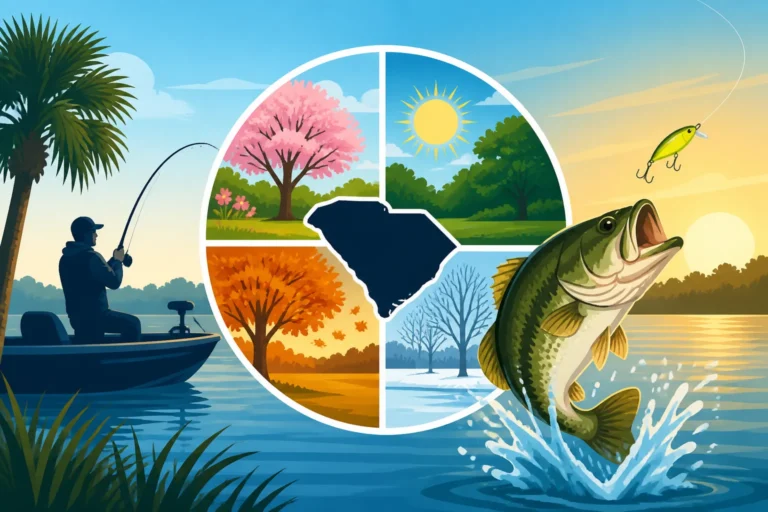
- Spring (March-May): This is arguably the most exciting time for bass fishing as largemouth, spotted, and striped bass move shallow for their spawn and post-spawn feeding frenzies. Crappie are also highly active. The weather is generally pleasant, making it a comfortable time to be on the water.
- Summer (June-August): While temperatures soar, early mornings, late evenings, and night fishing can be incredibly productive. Stripers often go deep in search of cooler water, and catfish become very active at night. Bass will hold to deeper cover and structure.
- Fall (September-November): Many species become highly active again as water temperatures cool and baitfish school up. This is a fantastic time for aggressive topwater action for bass and stripers, and crappie fishing picks up dramatically.
- Winter (December-February): Don't discount winter! While slower, some of the biggest trophy fish are caught during these colder months. Stripers will school up, and deep-water crappie and catfish can be caught consistently with the right techniques.
Always consult a South Carolina Freshwater Fishing Calendar for detailed species-specific seasonal guides. Additionally, weather patterns can drastically affect fish behavior. A cold front, for example, can shut down a bite, while stable conditions generally lead to more active fish.
Gear Recommendations for Lake Fishing
Having the right gear can significantly impact your success and enjoyment. While a basic spinning rod and reel combo is versatile enough for many species, tailoring your equipment to your target can make a huge difference.
- Rods and Reels: For general freshwater lake fishing, a medium-action spinning rod (6'6" to 7') with a 2500 or 3000 series reel spooled with 8-12 lb monofilament or braided line is a great all-around choice. For heavier targets like trophy catfish or large stripers, step up to a medium-heavy or heavy action rod with a larger reel (4000-6000 series) and heavier line (20-50 lb braid).
- Lures and Bait: Your tackle box should include a variety of options. For bass, think plastic worms, jigs, spinnerbaits, crankbaits (both shallow and deep diving), and topwater lures. For crappie, small jigs (1/16 to 1/8 oz) and minnows are essential. Catfish demand cut bait, chicken livers, or live bream. Stripers often respond well to large swimbaits, bucktail jigs, and live bait like herring.
- Safety Gear: Don't forget your personal safety. A well-fitting life vest for everyone on board is non-negotiable. Carry a first-aid kit, a whistle or horn, navigation lights (if boating after dark), and plenty of water and snacks.
- Technology: A good fish finder with GPS and mapping capabilities can be a game-changer, especially on large lakes like Murray or Santee Cooper. It helps locate structure, baitfish schools, and even individual fish. Apps like Navionics or local lake maps can also prove invaluable.
Beyond the Big Lakes: Hidden Gems and River Systems
While South Carolina’s major freshwater lakes offer unparalleled fishing, the state also boasts an incredible network of smaller, often overlooked waters and river systems that can provide fantastic angling opportunities. Sometimes, getting away from the crowds and exploring these less-pressured spots can lead to some truly memorable catches and a more peaceful experience.
Smaller Lakes and Ponds for Quiet Angling
Beyond the giants like Murray and Santee Cooper, South Carolina is dotted with countless smaller public lakes, state park ponds, and community fishing lakes that are managed for public access. These spots, while often yielding fewer "trophy" fish, are excellent for consistent action, especially for panfish like bluegill, crappie, and smaller largemouth bass. They're often ideal for beginners, kids, or anyone seeking a quieter, less intense fishing experience.
Take for example, the ponds within certain state parks like Barnwell State Park or Givhans Ferry State Park. These waters are often stocked and provide easy bank access. They are perfect for a simple cane pole, a bobber, and some worms. While you might not break any records, the joy of a steady bite and the serene surroundings make these hidden gems worth exploring. Information on these smaller spots can often be found on the SCDNR website or through local county parks and recreation departments.
Exploring South Carolina's Productive River Systems
South Carolina's major rivers—like the Congaree, Edisto, Broad, and Savannah—offer unique freshwater fishing experiences distinct from the lakes. These river systems are often less crowded and provide fantastic opportunities for various species, particularly catfish, striped bass, and even some largemouth bass in the oxbow lakes and slower-moving sections.
The Congaree River near Columbia is famous for its massive flathead and blue catfish, with anglers regularly pulling in 30-pounders. The Edisto River, one of the longest free-flowing blackwater rivers in North America, is a haven for redbreast sunfish, often producing true "brim-busters," as well as bass and crappie in its cypress-lined bends. Fishing rivers often requires a different approach, understanding current, and identifying cover like logjams, deep holes, and eddy lines. Many local guides, which you can find on FishingBooker, specialize in river fishing and can provide invaluable insights into these dynamic waterways.
How to Find Your Own Untapped Spots
Part of the joy of fishing is the discovery of new spots. With a little research and an adventurous spirit, you can uncover your own personal honey holes.
- Maps and Satellite Imagery: Utilize online mapping tools like Google Maps or fishing-specific apps (e.g., Navionics, Fishbrain) to scout potential areas. Look for public access points, creek mouths, changes in bottom contour, submerged vegetation, or any unusual features that might hold fish.
- Local Bait Shops: These are goldmines of information. Bait shop owners and staff are often passionate anglers themselves and can offer current conditions, hot baits, and even direct you to lesser-known spots.
- Community Forums and Social Media: Online fishing communities specific to South Carolina can be great resources. Ask questions, but always offer something in return. Don't expect people to give up their secret spots entirely, but you can glean general areas or techniques.
- Explore and Observe: The best way to find new spots is to get out there! Drive around, visit different boat ramps, launch your kayak in a new creek, or walk a new stretch of shoreline. Pay attention to water color, current, visible structure, and baitfish activity. Sometimes, the most unassuming spot can hold the biggest surprise.
Table: South Carolina's Top Freshwater Fishing Lakes at a Glance
| Lake Name | Primary Location | Size (Acres) | Key Target Species | Best Season(s) | Unique Features & Tips |
|---|---|---|---|---|---|
| Lake Murray | Columbia | 50,000 | Striped Bass, Largemouth Bass, Catfish | Spring, Fall (Stripers Year-Round) | "Jewel of SC," incredible striper fishery, diverse bass cover, offshore humps. Look for topwater action. |
| Lake Marion | Santee Cooper | 110,000 | Largemouth Bass, Crappie, Catfish | Spring, Fall (Catfish Year-Round) | "Big Lake," vast cypress forests, abundant submerged timber, excellent shallow-water bass. |
| Lake Moultrie | Santee Cooper | 60,000 | Trophy Blue Catfish, Crappie | Year-Round (Trophy Catfish: Cooler Months) | World-class for giant blue catfish, deeper open water, productive Diversion Canal. |
| Lake Hartwell | Upstate (SC/GA Border) | 56,000 | Largemouth Bass, Spotted Bass, Stripers | Spring, Fall | Clear mountain-fed waters, good spotted bass, hybrid stripers, rocky points. Finesse techniques can be key. |
| Lake Wateree | Midlands | 13,000 | Largemouth Bass, Trophy Catfish, Crappie | Spring, Fall (Catfish Year-Round) | Tournament-quality bass, excellent grass beds, emerging trophy blue cat destination. Often less crowded. |
| Lake Greenwood | Western SC | 11,400 | Largemouth Bass, Striped Bass, Crappie | Spring, Fall | Clear waters, good multi-species action, family-friendly panfishing. Accessible shoreline. |
| Lake Keowee | Upstate | 18,500 | Spotted Bass, Smallmouth Bass, Trout | Spring, Fall (Trout: Cooler Months/Deep Water) | Exceptionally clear and cool, one of few smallmouth lakes, stocked trout opportunities. Scenic mountain views. |
Disclaimer
Please remember that fishing conditions, regulations, and fish populations can change. Always check the latest South Carolina Department of Natural Resources (SCDNR) regulations and local advisories before heading out on any fishing trip. The information provided in this guide is for general informational purposes only and should not be considered legal advice. Stay safe and enjoy your time on the water!