Dawn and Dusk Fishing Techniques
Ever feel like you’re just baking in the midday sun, casting until your arm aches, and the fish are giving you nothing but a cold shoulder? It's a universal frustration for anglers, especially in South Carolina's warmer months. That's because fish, like many of us, prefer the cooler, quieter hours of the day. This guide dives deep into the magic of dawn and dusk fishing, revealing why these twilight times are often the most productive and how you can master them to fill your cooler and your memories.
The Science Behind Twilight Bites: Why Dawn and Dusk Rule
There’s a reason why so many experienced anglers swear by the hours just after sunrise and just before sunset. It's not just a superstition; there's some solid biology and physics at play that makes these periods prime time for fishing in South Carolina and beyond. Understanding these factors can drastically improve your catch rates and help you predict when and where the fish will be most active.
Light Levels and Fish Vision
Think about it: during the bright midday sun, the water can be crystal clear, and fish are often more wary. They can see predators, including us anglers, much more easily. As the sun dips low or just begins to peek over the horizon, the light changes dramatically. This diffused, low-angle light provides a natural camouflage for fish, making them feel safer as they move into shallower waters or more open areas to feed. For many predatory species, their eyes are actually better adapted to low light, giving them an advantage over their prey when the sun isn't blaring. This is particularly true for species like trout, bass, and many inshore saltwater fish. They become bolder, more active, and less hesitant to strike at a well-presented bait or lure.
Furthermore, the quality of light at dawn and dusk can make certain lure colors more effective. While bright colors might work well in stained or muddy water during the day, the subtle shifts in natural light at twilight can make natural, subdued colors or even dark silhouettes stand out against the fading light. Experimentation is key, but generally, anything that creates a strong contrast against the surface or the changing sky can be incredibly effective. Consider how a black worm or jig might appear to a bass looking up against a darkening sky – a clear, irresistible silhouette.
Temperature Swings and Metabolic Boosts
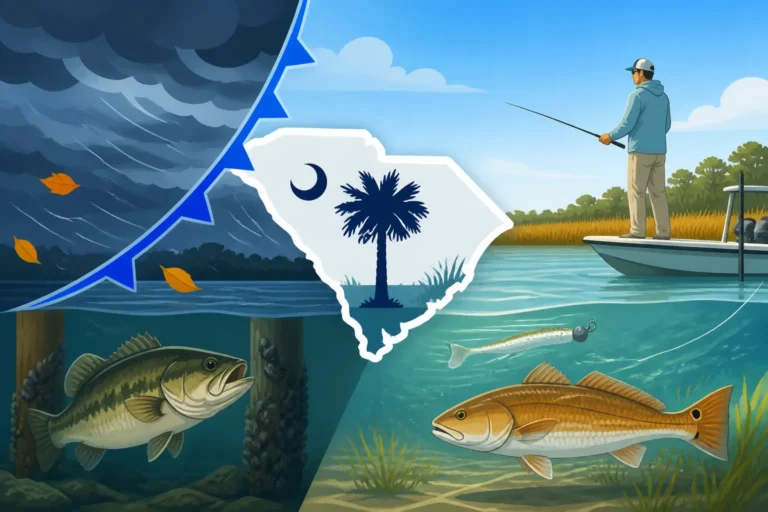
South Carolina can get hot, especially during the summer. Water temperatures can soar in the afternoon, making many fish sluggish. Just as the air cools down at dawn and dusk, so does the water, albeit at a slower rate. These cooler temperatures kickstart the metabolism of many fish species, prompting them to become more active and seek out food. Fish are cold-blooded creatures, and their activity levels are directly tied to water temperature. When it's too hot, they often retreat to deeper, cooler waters or seek refuge in shaded areas, conserving energy.
The drop in temperature signals a feeding window. For instance, in lakes like Lake Murray, you'll find that the How Water Temperature Affects Morning Bite Timing can dictate when those feisty striped bass decide to come up from the depths. Similarly, shallow water species that might be hiding in dense cover during the hottest parts of the day will venture out as the water becomes more comfortable. This temperature moderation isn't just about comfort; it's about optimizing their feeding efficiency, making them more likely to chase down prey.
Prey Movement and Opportunity
The behavior of baitfish and other aquatic prey is also heavily influenced by light and temperature. Smaller fish, insects, and crustaceans often become more active during the twilight hours. Baitfish, which might hide in cover during the bright day to avoid predators, feel safer venturing into open water to feed as light diminishes. This increased activity by prey creates a buffet for larger predatory fish, concentrating them in predictable areas. Imagine schools of minnows flickering on the surface at dawn, drawing hungry bass right to them.
This synchronized activity creates a fantastic opportunity for anglers. Where there's bait, there are usually bigger fish. Understanding this predator-prey dynamic is crucial for effective dawn and dusk fishing. Look for signs of baitfish activity—nervous schools, splashes on the surface, or even birds diving. These are often indicators that the food chain is active and the game fish are not far behind. Targeting these active feeding grounds, whether it's a shallow flat in an estuary for redfish or a brush pile in a freshwater lake for crappie, can lead to incredible success.
Essential Gear for Low-Light Conditions
Fishing at dawn or dusk means dealing with reduced visibility, and that requires some specialized gear and modifications to your usual setup. Being prepared isn't just about catching more fish; it's also about safety and comfort. Don't underestimate the challenges that come with fishing in dim light.
Rods, Reels, and Line Considerations
While your favorite rod and reel setup will generally work, there are a few nuances to consider for low-light conditions. Sensitivity becomes paramount because you'll rely more on feel than sight to detect subtle bites. A good quality graphite rod with a fast action can transmit even the slightest tap directly to your hands. For line, fluorocarbon is often a great choice due to its low visibility and sensitivity, but a high-visibility braided line with a fluorocarbon leader can offer the best of both worlds—easy to see for you in dim light, and nearly invisible to the fish.
When you're rigging up in the fading light, it can be a real struggle to tie knots or re-spool line. Having pre-rigged leaders or a small tackle box with pre-tied lures can save precious fishing time. Consider also reels with smooth drags, as you might hook into a strong fish that takes off unexpectedly in the reduced light. You don't want any hitches that could cause a break-off when you can't clearly see what’s happening. Many anglers will even keep an extra spool of line in their tackle bag, like those from Amazon's wide selection, just in case a major tangle happens that's too difficult to fix in the dark.
Lighting and Safety Gear
This is non-negotiable for twilight fishing. A reliable headlamp is your best friend, freeing up your hands for rigging, baiting, and unhooking fish. Look for headlamps with red light options, as red light preserves your night vision and is less likely to spook fish. Beyond a headlamp, consider a small, waterproof flashlight for detailed tasks or a boat light if you’re on the water. Reflective tape on your boat, life jackets, or even your tackle box can also be a smart safety addition.
Safety extends beyond just seeing. If you're on a boat, ensure your navigation lights are functioning properly. A marine radio or fully charged cell phone is also critical in case of an emergency. For bank anglers, having a clear path to and from your fishing spot is important, and telling someone where you're going and when you expect to return is always a good idea. Consider a personal flotation device, even if you’re a strong swimmer, especially when dealing with slippery banks or unexpected drops.
Lures and Baits for Dim Light
The choice of lure or bait can make a huge difference during dawn and dusk. As mentioned earlier, dark silhouettes against a low sky can be deadly. Black, dark blue, or purple soft plastics, jigs, and topwater lures often excel. For baits, natural options like live minnows, worms, or shrimp are always effective, as their natural scent and movement are irresistible. For artificial lures, focus on those that create strong vibrations or a pronounced silhouette.
Topwater lures are particularly effective at dawn and dusk. The low light often brings fish to the surface, and the commotion of a popper, walker, or buzzbait can trigger aggressive strikes. Think about how a frog or a struggling baitfish would appear on the surface as light fades – these are the actions you want to mimic. As the light dwindles further, lures with rattles or scent trails can help fish locate them. For freshwater anglers targeting species like bass, a Topwater Bass Fishing Techniques for Early Morning can be incredibly productive, while saltwater anglers might find success with a weighted soft plastic or a popping cork rig for species like redfish and trout.
Dawn Fishing Strategies: Seizing the Morning Opportunity
The peaceful calm of dawn, with mist rising off the water and the world just waking up, is a truly magical time to be fishing. But it's also a time when fish are often at their most aggressive, eager to feed after a night of lower activity. Being prepared to maximize these crucial early hours can make all the difference.
Targeting Freshwater Species at Sunrise
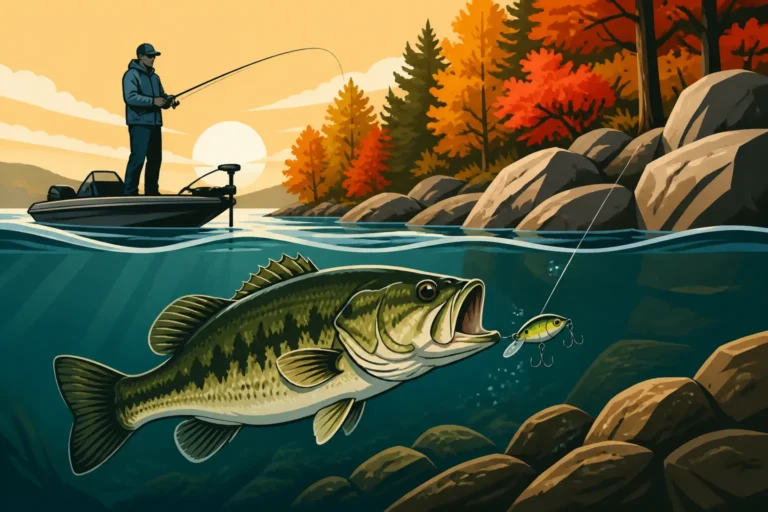
For freshwater anglers in South Carolina, sunrise is prime time for many species. Largemouth bass, striped bass, and crappie are often on the prowl. Bass will often move into shallow water to ambush baitfish, making areas with cover like lily pads, submerged timber, or docks excellent targets. Topwater lures are phenomenal during this period, generating explosive strikes as the bass smash anything mimicking a struggling prey on the surface. As the sun climbs higher, they might retreat to slightly deeper water or denser cover, so adjust your presentation accordingly, perhaps switching to a spinnerbait or a Texas-rigged worm.
Striped bass, particularly in lakes like Lake Murray or the Santee Cooper system, can be incredibly active at dawn. They might be schooling and chasing baitfish on the surface, making for thrilling action. Look for birds diving or schools of bait pushed to the surface. Trolling with bucktail jigs or casting topwater plugs and spoons into the commotion can be highly effective. Remember, as the light increases, stripers tend to move deeper, so having a good fishfinder is invaluable for tracking them down. You can learn more about specific techniques in articles like Lake Murray Summer Striped Bass Techniques in South Carolina.
Inshore Saltwater Tactics for Early Birds
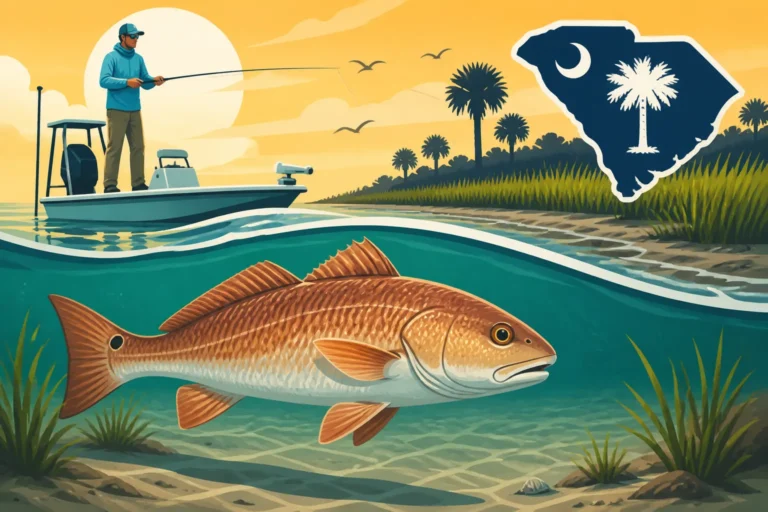
The coastal waters of South Carolina, from Murrells Inlet to Hilton Head, come alive at dawn. Redfish and spotted seatrout are particularly active. Redfish will often be found tailing in shallow grass flats or cruising along oyster beds as they hunt for crabs and shrimp. Casting weedless spoons or soft plastics like a scented Gulp! shrimp (widely available on Amazon) into these areas can lead to solid hookups. The low light makes them less wary and more likely to strike.
Spotted seatrout, often referred to as "speckled trout," are ambush predators that feed heavily during low light. Look for them around oyster reefs, grass lines, and creek mouths. Casting topwater lures can be incredibly exciting, as their violent strikes break the surface. Soft plastic swimbaits rigged under a popping cork are also highly effective, mimicking injured baitfish. As the sun gets higher, they may move deeper into channels or under docks, so be ready to switch to jigs or deeper-running lures. Understanding Tide-Based Techniques for Inshore Fishing is also crucial, as the moving water dictates where these fish will position themselves.
Adapting to Rising Light and Temperature
The transition from dark to full daylight is a dynamic period, and successful anglers are those who can adapt quickly. As the sun rises, light penetration increases, and water temperatures begin to climb. This means fish that were aggressively feeding in the shallows might start to move deeper or seek shade. Your tactics should evolve with the conditions. If topwater bites slow down, switch to sub-surface lures or baits that can target fish holding tighter to cover or structure.
For example, if you were casting shallow crankbaits for bass, consider switching to a jig or a Carolina rig to probe deeper ledges or brush piles. In saltwater, if redfish stop tailing in the grass, they might be moving to deeper creeks or under docks, where a weighted soft plastic or live bait could tempt them. Monitoring the water temperature and sunlight intensity will give you clues about how fish behavior is changing. The key is to pay attention and be willing to adjust your presentation, depth, and lure choice to match the conditions.
Dusk Fishing Delights: Mastering the Evening Feeding Frenzy
Just as dawn offers a prime feeding window, the hours leading up to sunset and into the early night are equally productive. The dropping sun, cooling temperatures, and increasing shadows create another burst of activity, drawing fish out from their daytime retreats.
Freshwater Evening Exploits
As the afternoon heat breaks and shadows lengthen, freshwater species like largemouth bass, crappie, and catfish become highly active. Bass, much like at dawn, will move back into the shallower feeding grounds, often becoming less cautious. This is another fantastic time for topwater lures, especially frog imitations over lily pads or buzzbaits along shorelines. If the topwater bite isn't on, try spinnerbaits, chatterbaits, or even swim jigs, retrieving them slowly around cover. You'll find great tips for evening bass fishing in articles like Dusk Fishing Techniques for Bass and Crappie.
Crappie, those delicious panfish, also come alive in the evening. They might move closer to brush piles, submerged trees, or dock lights as they target baitfish. Jigs tipped with minnows or soft plastic crappie baits fished around these structures can be incredibly effective. As it gets darker, How to Catch Crappie at Night? becomes a relevant question, often involving fishing under lights that attract baitfish, creating a feeding station for the crappie. Catfish, too, are primarily nocturnal feeders, making dusk the perfect time to set up for a night of rod-bending action with stink baits, cut bait, or live worms.
Saltwater Sunset Successes
South Carolina’s coastal estuaries and nearshore waters transform at sunset. Redfish often resume their aggressive feeding patterns, especially as the tide moves. They'll cruise shallow flats and oyster reefs, taking advantage of the reduced visibility to ambush prey. Soft plastics, shallow-running crankbaits, or even a slow-moving topwater plug can entice strikes. The incoming or outgoing tide at dusk can be particularly effective, pushing baitfish into predictable ambush points. Learning the South Carolina Redfish Slot Limit and Tide-Based Techniques is essential for both responsible angling and successful trips.
Spotted seatrout will also be on the hunt. Look for them in similar areas to redfish—around grass lines, creek mouths, and oyster bars. Popping corks with live shrimp or artificial baits are hard to beat. As the last vestiges of light fade, even flounder might become more active, moving into shallower areas to ambush unsuspecting baitfish from the bottom. When fishing at dusk, remember that fish often feed in specific zones during certain tidal phases, so timing your trip with the best tides can be more important than the exact minute the sun dips below the horizon. For anglers targeting trout, specific lures and techniques often perform better in the diminishing light, making a careful selection crucial.
Transitioning to Night Fishing
Dusk is often just the prelude to a productive night of fishing. Many species, like catfish, certain types of bass, and various saltwater predators, are more active in complete darkness. If you plan to extend your trip into the night, make sure you're fully equipped. Beyond reliable lighting, consider glow-in-the-dark lures or those with built-in lights to attract attention. Scented baits become even more crucial as fish rely heavily on their sense of smell in the dark.
For catfish, setting up trotlines or jug lines at dusk and checking them throughout the night can yield impressive results. Freshwater anglers targeting bass or crappie under lights often find tremendous success. In saltwater, dock lights or bridge lights become magnets for baitfish, which in turn attract redfish, trout, and even snook. Just make sure you understand the Night Fishing Techniques for Freshwater Anglers or saltwater equivalents to maximize your success and stay safe.
Species-Specific Tactics for South Carolina's Dawn and Dusk
Different fish species behave uniquely during the twilight hours. Knowing these tendencies can help you tailor your approach, making your efforts more efficient and your catches more consistent. South Carolina offers a diverse fishery, and mastering the habits of its most popular inhabitants at dawn and dusk is a true angling advantage.
Largemouth Bass and Striped Bass
Largemouth Bass: These iconic freshwater fighters become extremely aggressive at dawn and dusk. In the early morning, look for them feeding on the surface in shallow, weedy areas or around fallen trees. Topwater lures like poppers, frogs, or walking baits are phenomenal during this window. As the sun gets higher, they might move to deeper cover, so switch to jigs, Texas-rigged worms, or spinnerbaits worked slowly through brush piles or along ledges. In the evening, the pattern often reverses; they'll move back to the shallows as shadows grow, creating another topwater opportunity. Understanding What Time of Day Do Bass Bite Best? can help you predict their activity.
Striped Bass: South Carolina's state fish, particularly in large reservoirs like Lake Murray and the Santee Cooper lakes, can provide incredible dawn and dusk action. Early mornings often see stripers schooling and chasing bait on the surface. Look for active birds or boils on the water. Cast topwater plugs, lipless crankbaits, or jigging spoons into the melee. As light fades in the evening, they might also come up to feed, or you can target them suspended in the water column using live bait (like blueback herring) or by trolling deep-diving crankbaits. The key is often finding the baitfish, as stripers will follow their food sources closely.
Redfish and Spotted Seatrout
Redfish: These inshore brutes are a top target for coastal anglers at dawn and dusk. In the low light, they feel more confident venturing into super shallow water, sometimes with their tails poking out of the water as they root for crabs and shrimp—this is called "tailing." Target these fish with weedless spoons or soft plastic shrimp imitations (like those you can pick up from Amazon). As the light increases, they'll often move to oyster rakes, creek mouths, or around docks, where a popping cork with live shrimp or a grub can be very effective. In the evening, the pattern is similar; they become less wary and more aggressive as the light fades, offering another chance to sight-fish or cast along marsh edges. For effective strategies, refer to Inshore Redfish Techniques for Beginners.
Spotted Seatrout: "Specks" are excellent low-light predators. Dawn and dusk are prime times to find them feeding actively around grass beds, oyster reefs, and channel edges. Topwater lures can be incredibly productive, as can soft plastics rigged under a popping cork or on a light jig head. Their aggressive strikes on topwater are truly exhilarating. In the cooler months, especially during dusk, they might hold deeper, so vertical jigging or slow-rolling a soft plastic could be more effective. Just be mindful of local regulations like the South Carolina Spotted Seatrout Minimum Size 14 Inches and daily bag limits.
Catfish and Crappie
Catfish: While they can be caught during the day, catfish are largely nocturnal, making dawn and especially dusk ideal times to target them. As the sun sets, they become more active, venturing out from deeper holes to cruise shallower flats and channels in search of food. Bottom fishing with a variety of baits like cut bait, chicken livers, nightcrawlers, or prepared stink baits is highly effective. Look for them in deeper bends of rivers like the Congaree River or the Santee River, or in the major lakes. Their strong sense of smell makes them perfectly adapted to feeding in low light. For more specific methods, see Catfish Bottom Fishing Basics.
Crappie: These panfish are another excellent target during twilight hours. At dawn, they often feed actively in brush piles, submerged timber, or under docks. Small jigs tipped with minnows or soft plastic grubs are usually the most productive. As dusk approaches, they tend to move closer to cover again, often congregating in large schools. If you’re fishing from a boat, shining a light into the water can attract baitfish, which in turn draws in crappie, creating an artificial feeding frenzy. This makes for fantastic Night Fishing Techniques for Freshwater Anglers. When crappie fishing, remember that they have delicate mouths, so a light touch and a sensitive rod are key.
| Species | Best Time | Preferred Habitat (Dawn/Dusk) | Recommended Lures/Baits |
|---|---|---|---|
| Largemouth Bass | Dawn/Dusk | Shallow cover, weed lines, docks | Topwater, Jigs, Spinnerbaits, Texas-rigged worms |
| Striped Bass | Dawn/Dusk | Surface schools (baitfish), deep ledges | Topwater, Spoons, Live Bait, Trolling lures |
| Redfish | Dawn/Dusk | Shallow grass flats, oyster reefs | Weedless Spoons, Soft Plastics, Live Shrimp |
| Spotted Seatrout | Dawn/Dusk | Grass beds, oyster reefs, creek mouths | Topwater, Popping Cork w/ Soft Plastic/Shrimp |
| Catfish | Dusk/Night | Deep holes, channel edges, flats | Cut Bait, Stink Baits, Nightcrawlers |
| Crappie | Dawn/Dusk | Brush piles, submerged timber, docks | Small Jigs, Minnows, Soft Plastic Grubs |
Safety and Comfort for Twilight Anglers
Fishing during dawn and dusk is incredibly rewarding, but the reduced visibility also presents unique challenges. Prioritizing safety and comfort ensures that your twilight adventures are memorable for the right reasons, not for unexpected mishaps. Being prepared goes a long way.
Navigation and Visibility Challenges
When fishing from a boat, navigating in low light requires heightened awareness. Buoys, channel markers, and other vessels can be much harder to spot. Always use your navigation lights, and if your boat has a radar or GPS with chartplotter, familiarize yourself with it before heading out. Keep your speed down, especially in unfamiliar waters or areas with heavy boat traffic. Even on seemingly clear nights, glare from distant lights or fog can dramatically reduce visibility. For those on kayaks or smaller vessels, a bright 360-degree white light is essential to make yourself visible to larger boats.
Bank anglers also face navigation challenges. Paths that are easy to follow in daylight can become tripping hazards in the dark. Always scout your fishing spot in full daylight to identify obstacles, steep banks, or slippery areas. Carry a reliable headlamp and a spare set of batteries. It's wise to have a designated "safe zone" for your gear, away from the water's edge, to prevent accidental slips or drops. Let someone know your plans, including your exact location and expected return time. This is especially crucial if you’re exploring more remote and Less-Crowded Fishing Spots Away From the Crowds.
Insect Protection and Personal Comfort
Ah, the joys of South Carolina evenings… accompanied by mosquitoes and no-see-ums! These pests are often most active during dawn and dusk, turning a peaceful fishing trip into a constant battle against bites. A good insect repellent is absolutely essential. Look for products containing DEET or picaridin, and apply them generously. Long-sleeved shirts, long pants, and even head nets can provide an extra layer of protection. Many anglers find lightweight, breathable fishing shirts offer excellent coverage and UV protection during the day, and then act as a barrier against insects as night falls.
Beyond bugs, consider temperature fluctuations. Dawn can be quite chilly, even in warmer months, while dusk can transition from warm to cool quickly. Layered clothing allows you to adjust to changing temperatures. A waterproof jacket is always a good idea, protecting you from unexpected dew, mist, or rain. Comfortable, waterproof footwear is also crucial, especially if you're navigating wet grass or slippery banks. Don't forget snacks and plenty of water or other beverages to stay hydrated, as access to stores might be limited during these hours.
Legal Considerations for Low-Light Fishing
While fishing at dawn and dusk is generally permitted, there are some important legal considerations to keep in mind, particularly regarding regulations that might differ from daytime rules. Always ensure you have your valid South Carolina Fishing License Guide on your person, as game wardens can conduct checks at any time. Some specific areas, like certain state parks or private properties, might have restricted access hours, so always check local signage or park regulations.
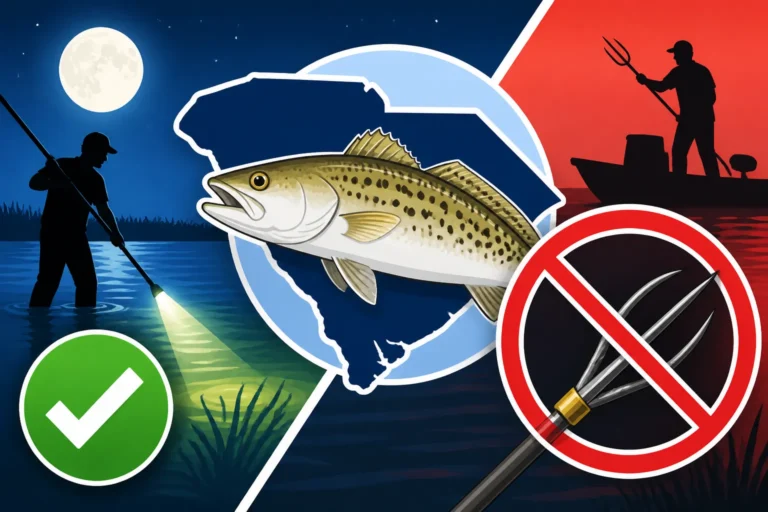
Bag limits and size restrictions for species like redfish and spotted seatrout remain the same regardless of the time of day, but identifying a legal-sized fish in low light can be trickier. It's always a good idea to have a measuring tape or board with clear markings and a small light handy to verify your catch. Familiarize yourself with the specific rules for the species you're targeting, such as the South Carolina Redfish Slot Limit Rules and the Spotted Seatrout Size and Bag Limits in South Carolina. If you plan to use artificial lights to attract fish, especially in saltwater, double-check any local ordinances or regulations regarding light use, as some areas may have restrictions. When in doubt, it’s always best to err on the side of caution and consult the latest South Carolina Department of Natural Resources (SCDNR) regulations.
Disclaimer
Please note that fishing regulations, conditions, and fish behavior can change. Always consult the latest South Carolina Department of Natural Resources (SCDNR) guidelines and local advisories before planning your fishing trip. This guide is for informational purposes only and does not constitute official legal or safety advice.