Kid-Friendly Bluegill Fishing Techniques
There’s nothing quite like the boundless energy of a child, but let’s be honest, that energy can quickly turn into boredom if they’re just sitting around waiting for a bite. We’ve all been there: a quick flicker of excitement, then the inevitable "Are we there yet?" or "Is anything going to bite?" This guide is all about turning those moments of potential frustration into pure joy by focusing on kid-friendly bluegill fishing techniques right here in South Carolina. We're going to dive deep into making fishing fun, engaging, and successful for your little anglers.
Why Bluegill are the Perfect Fish for Kids
When it comes to introducing youngsters to the joys of fishing, bluegill are, hands down, the MVP. They’re like the welcoming committee of the freshwater world, always ready to greet a hook. Their cooperative nature and sheer abundance make them an ideal target, ensuring those precious moments on the water are filled with exciting action rather than endless waiting games.
Abundance and Accessibility
One of the biggest hurdles when fishing with kids is the dreaded downtime. Kids thrive on action and instant gratification, and if the fish aren't biting, their attention can wander faster than a dragonfly over a lily pad. This is where bluegill shine. They are incredibly prolific and widespread throughout South Carolina's freshwater systems. You can find them in virtually every pond, lake, and slow-moving river, from the smallest farm pond to the vast expanses of Lake Murray or the Santee Cooper lakes.
Their common presence means you don't have to venture far or search for elusive hotspots. Many local community ponds, state park lakes, and even neighborhood retention ponds hold healthy populations of bluegill, often right near the bank. This ease of access significantly cuts down on travel time and makes impromptu fishing trips a breeze, which is a huge plus when managing a child’s schedule and patience levels. This means less packing, less driving, and more actual fishing time, maximizing the fun factor for everyone involved.
Aggressive Bites and Fight
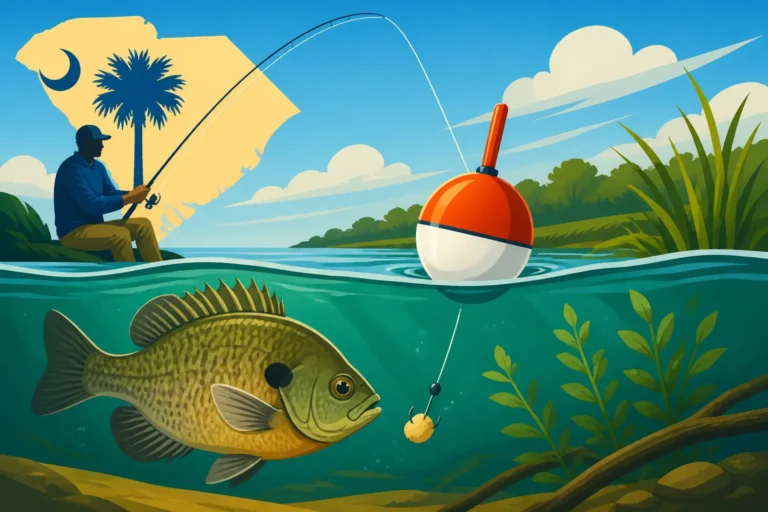
Let’s be real: a subtle nibble isn't going to cut it for a beginner. Bluegill are known for their enthusiastic, often aggressive bites. When a bluegill takes the bait, there’s no mistaking it – your bobber will go down with authority, or you'll feel a distinct tug on the line. This immediate feedback is invaluable for young anglers, teaching them to recognize a bite and understand when to set the hook. That visual cue of a bobber disappearing under the water is pure magic for a child and instantly validates their effort.
Once hooked, even a small bluegill puts up a surprising amount of fight on light tackle. That spirited tug-of-war is incredibly exciting for kids. It teaches them how to reel in a fish, how to manage the rod, and the thrill of battling a feisty opponent. This isn't just about catching a fish; it's about the interactive experience, the feeling of accomplishment, and the sheer joy of reeling in their own catch. Plus, their vibrant colors and distinctive "sunfish" shape make them really pretty to look at once they're out of the water.
Low-Stress and High-Reward Fishing
Bluegill fishing isn't about chasing records or landing a trophy monster; it's about consistent action and having a good time. For kids, every single fish caught, regardless of size, is a triumph. This low-pressure environment is perfect for fostering a love of the outdoors without the frustration that can come with targeting more challenging species. When you're fishing for bluegill, the goal is quantity and fun, not just a single big catch.
This high-reward aspect builds confidence quickly. Imagine a child's face lighting up after catching several fish in an hour – that’s an experience that truly sticks with them. It instills patience, hones their motor skills, and teaches them about aquatic ecosystems in a hands-on way. Plus, bluegill are relatively easy to handle, making the unhooking and releasing process simpler, allowing kids to participate more fully in the entire fishing experience. For more on what makes these little fighters so special, you might enjoy learning about South Carolina's Nine Native Sunfish Species Explained.
Essential Gear for Young Anglers
When equipping a young angler, simplicity and safety are the watchwords. You don't need fancy, expensive gear; in fact, overly complicated equipment can often frustrate a child more than help them. The goal is to provide tools that are easy to use, durable, and effective enough to ensure consistent success.
Simple Rod and Reel Combos
The absolute best starting point for any child is a spincast rod and reel combo. These setups feature a reel with a push-button release, which is incredibly intuitive and prevents tangles that can quickly dampen a child’s enthusiasm. Brands like Zebco and Shakespeare specialize in these kid-friendly designs, often coming in bright colors or featuring popular cartoon characters, which adds to the appeal.
Look for a rod length between 4 to 5 feet. This shorter length is much easier for small hands to manage, cast, and control. A longer rod can feel cumbersome and lead to inaccurate casts or tangled lines. Most of these combos come pre-spooled with line, which is a huge convenience. You can often find excellent, affordable options for these combos on Amazon, making it easy to get started without breaking the bank. Investing in a good quality but simple spincast combo ensures that the focus remains on the fun of fishing, not on wrestling with complex equipment.
Basic Terminal Tackle
Once you have the rod and reel, you'll need just a few essential terminal tackle items to get those bluegill biting.
- Bobbers: These are non-negotiable for kid-friendly bluegill fishing. They serve as a crucial visual indicator of a bite, which is far easier for a child to track than feeling a subtle tug on the line. Clip-on bobbers are the simplest to use, attaching quickly and securely to the line. For slightly deeper water, a slip bobber rig can be more effective, allowing the bait to sink further while still providing that visual cue.
- Hooks: Stick to small, sharp hooks. Sizes 8, 10, or even 12 are perfect for bluegill mouths. These smaller hooks ensure a good hook set without harming the fish too much if you plan on releasing them. Barbless hooks are also an excellent choice for kids, as they are safer and make unhooking much easier.
- Split Shot Weights: A few small split shot weights, pinched a few inches above the hook, will help your bait sink and keep it in the strike zone. Don't use too much weight; just enough to get the bait down without overpowering the bobber.
- Swivels: While not strictly necessary for bluegill, a small swivel can help prevent line twist, especially if using spinning lures later on. Attach it between your main line and a short leader (about 12-18 inches) for a more robust setup.
Keeping your tackle box simple and organized will make the experience much smoother. Remember, for bluegill fishing, less is often more!
Safety First Accessories
Beyond the fishing gear itself, certain accessories are absolutely critical for ensuring a safe and comfortable outing, especially when fishing with children.
- Life Jackets: If you’re fishing near deep water, from a boat, or on a pier, a properly fitted life jacket for each child is non-negotiable. Even strong swimmers can get into trouble unexpectedly. Prioritize safety above all else.
- Sun Protection: South Carolina sun can be intense! Wide-brimmed hats, sunglasses, and plenty of sunscreen are essential to prevent sunburn and heatstroke. Reapply sunscreen regularly.
- Bug Spray: Mosquitoes and other biting insects can quickly turn a fun trip into a miserable one. A good quality bug spray will keep those pesky critters at bay.
- First-Aid Kit: A small, well-stocked first-aid kit with band-aids, antiseptic wipes, and any necessary personal medications is a must-have for any outdoor adventure. Minor cuts or scrapes can happen, and being prepared means a quick fix rather than an early departure.
- Needle-Nose Pliers or Hemostats: These are invaluable for safely removing hooks from fish, especially if the hook is swallowed or lodged deeply. This keeps little fingers (and big fingers!) away from sharp hooks and minimizes stress on the fish.
- Cooler with Drinks and Snacks: Keeping kids hydrated and fed is crucial. Pack plenty of water, juice boxes, and easy-to-eat snacks. Happy tummies make for happy anglers!
- Camera: Don't forget to capture those priceless moments! The smile on a child's face when they catch their first fish is a memory you'll want to cherish forever.
By taking these safety and comfort precautions, you're not just preparing for fishing; you're creating an enjoyable and worry-free outdoor experience for your whole family. For more general advice on fishing with kids, check out Fishing License Rules for Kids in South Carolina to make sure you're squared away on regulations.
Top Kid-Friendly Bluegill Fishing Techniques
Bluegill are eager biters, which makes them perfect for introducing kids to various fishing techniques. The key is to start simple and gradually introduce more complex methods as their skills and interest grow.
Bobber Fishing Basics
This is the quintessential technique for beginners, and for good reason: it’s visual, exciting, and highly effective for bluegill.
To set up a bobber rig, you’ll start by attaching a small hook (size 8-12 is ideal) to your fishing line. About 6-12 inches above the hook, crimp on one or two small split shot weights – just enough to help your bait sink without pulling the bobber completely under. Then, about 1-2 feet above the weights, clip on a brightly colored bobber. The depth you set your bobber depends on where the bluegill are feeding; often, they’re relatively shallow, so starting with a foot or two is a good bet.
Once your rig is set, bait your hook (we'll cover baits next!) and show your child how to cast. For young kids, an underhand or sidearm cast is safer and easier to control than an overhead cast. Emphasize a smooth, gentle motion. Once the bait is in the water, the bobber does all the work. It floats on the surface, keeping the bait suspended at the desired depth. Teach your child to watch the bobber intently. When a bluegill takes the bait, the bobber will dance, wiggle, or, most excitingly, disappear completely under the water. That’s their cue to gently reel in, setting the hook as they do. This visual feedback makes it incredibly engaging for kids and is a fantastic way to introduce them to the rhythm of fishing. For a deeper dive into this classic method, explore How to Fish a Bobber for Bream.
Simple Bottom Fishing
While bobber fishing is great for active bluegill closer to the surface, sometimes these sunfish prefer to hug the bottom, especially during hotter parts of the day or in deeper waters. Simple bottom fishing is an excellent technique to teach slightly older or more patient kids, as it introduces them to feeling bites directly on the line.
For this setup, you’ll typically use a small hook (again, sizes 8-12 work well) tied directly to the end of your line. About 6-12 inches above the hook, you’ll attach a small lead weight, like a split shot or a small egg sinker. The key here is to use just enough weight to keep your bait on the bottom, but not so much that it feels heavy and lifeless. The weight sits on the bottom, and your bait (a worm, for example) is presented just above or directly on the bottom.
After casting, teach your child to let the line sink to the bottom. They’ll feel a slight slack when the weight settles. Then, instruct them to slowly reel in any excess slack until the line is just taut, allowing them to feel any bites. This technique requires a bit more focus than bobber fishing, as they'll need to feel the subtle taps and pulls of a bluegill investigating or taking the bait. When they feel a distinct tug, they can lift the rod tip slightly to set the hook and begin reeling. This method is particularly effective around brush piles, submerged logs, or ledges where bluegill often seek shelter and food.
Casting Small Lures (Introduction)
Once your young angler has mastered bait fishing and is showing a real interest in the sport, you can introduce them to the exciting world of artificial lures. This is a step up, teaching them about active presentation and retrieve techniques, but bluegill are still forgiving enough to make it rewarding.
For bluegill, small inline spinners (like a Mepps Comet or a Rooster Tail) or tiny jigs (1/32 oz to 1/16 oz) are perfect. These lures mimic small insects or baitfish and are incredibly attractive to bluegill. To start, tie one of these small lures directly to the main line (or a leader attached by a swivel to prevent line twist).
Teach your child to cast the lure out and then reel it in slowly and steadily. The key is a consistent retrieve that allows the spinner blade to spin or the jig to have a natural swimming action. This requires a bit more coordination and rhythm, but the visual appeal of a spinning blade or the feel of a jig fluttering through the water can be very captivating for a child. When a bluegill hits a lure, it’s usually a more aggressive strike, providing a thrilling jolt for the angler. This technique can be especially fun around aquatic vegetation or open water, and it’s a fantastic stepping stone to more advanced bass or crappie fishing techniques later on. For beginners, getting accustomed to catching these feisty panfish is the first step, and you can find more tips on How to Catch Bluegill for Beginners.
Best Baits and Lures for Bluegill
Bluegill are not picky eaters, which is fantastic news when you’re trying to keep a child engaged! Their opportunistic feeding habits mean a wide variety of baits and lures will entice them, increasing the chances of a successful and fun fishing trip.
Natural Baits that Bluegill Love
When in doubt, go with nature's candy. Live baits are often the easiest and most effective way to catch bluegill, especially for beginners, because they provide natural scent and movement that bluegill can’t resist.
- Worms: The undisputed king of bluegill baits. Red wigglers (sometimes called "red worms") are particularly effective due to their active wiggling and scent. Nightcrawlers, cut into smaller pieces, also work wonderfully. Show your child how to thread a small piece of worm onto the hook, ensuring enough dangles to be enticing. You can usually buy worms at local bait shops, many sporting goods stores, and sometimes even at gas stations near popular fishing spots. They're also readily available for purchase online through Amazon or specialty bait suppliers.
- Crickets and Grasshoppers: These terrestrial insects are absolute bluegill magnets, especially during warmer months. Bluegill can’t resist a struggling insect on the surface or slowly sinking. Crickets can be purchased at bait shops or pet stores. If you're feeling adventurous, catching grasshoppers in a nearby field can be half the fun before you even get to the water! They are delicate, so hook them carefully through the collar or behind the head.
- Small Minnows: While not as common for pure bluegill fishing, very small minnows can attract larger bluegill or other panfish like crappie. However, they can be more challenging for kids to handle and bait than worms or crickets.
The appeal of live bait is that it requires less skill in presentation from the angler; the bait does much of the work by itself, making it perfect for kids learning the ropes.
Prepared Baits and Dough Balls
Sometimes, convenience and cleanliness are key, especially with younger children. Prepared baits offer an excellent alternative to live bait, providing consistent results with less mess.
- Berkley PowerBait for Panfish: This is a popular and highly effective option. It comes in small, easy-to-use nuggets or soft dough that can be molded around a hook. The strong scent and bright colors are irresistible to bluegill. It’s much cleaner to handle than worms, and it stays on the hook well, reducing the need for constant re-baiting. You can find various flavors and colors, often available at most sporting goods stores or online.
- Bread Balls: A classic, inexpensive, and surprisingly effective bait. Simply take a small piece of white bread, remove the crust, and roll it tightly into a pea-sized ball. Squeeze it firmly around the hook. The bread ball will slowly soften and release scent, attracting bluegill. This is a great "emergency" bait if you run out of everything else, and it's something kids can help prepare.
- Corn: Canned sweet corn kernels are another surprisingly effective bait, especially in ponds where bluegill might be accustomed to being fed. They're small, easy to bait, and readily available. Hook them individually, or use a few at a time.
These prepared baits are fantastic because they reduce the "ick factor" for kids who might be squeamish about touching worms, and they provide a consistent, appealing offering for bluegill.
Tiny Artificial Lures
For kids who enjoy the challenge of casting and retrieving, or those looking to expand their fishing repertoire, tiny artificial lures can be incredibly exciting. Catching a fish on something you "tricked" it with feels like a real accomplishment.
- Small Inline Spinners: Lures like the Mepps Comet, Panther Martin, or Rooster Tail in sizes #00 to #1 are excellent for bluegill. Their spinning blade creates flash and vibration that bluegill can detect from a distance. Bright colors like chartreuse, yellow, or white often work best. Teach your child to cast them out and retrieve them slowly and steadily.
- Micro Jigs: These tiny jigs, often 1/32 oz or 1/16 oz, paired with small plastic grubs (like a Gulp! Minnow or a soft plastic curly tail) or marabou feather jigs, are deadly for bluegill. They can be cast and retrieved with a subtle jigging motion or simply reeled in slowly. The soft plastics add scent and a lifelike action that bluegill often find irresistible. You can find a wide selection of these smaller lures on Amazon, perfect for experimenting with different colors and shapes.
- Small Spoons: Tiny ultralight spoons, often used for trout, can also entice bluegill with their wobbling action. They cast well and provide a different presentation than spinners or jigs.
When introducing lures, remember to emphasize the slow, steady retrieve. It takes a little practice, but the reward of a bluegill hitting a lure can be incredibly thrilling for a young angler. For more ideas on what tempts these fish, be sure to look up Best Bait for Catching Bluegill.
Finding the Best Bluegill Spots for Kids in South Carolina
South Carolina is a paradise for freshwater fishing, and fortunately, bluegill are found almost everywhere. However, when fishing with kids, selecting the right spot is paramount. You need places that are safe, easily accessible, and, most importantly, teeming with fish to ensure a high-action, low-frustration experience.
Public Ponds and State Park Access
South Carolina's state parks and many local public ponds are absolute gems for family fishing trips. These locations are often specifically designed with accessibility and family enjoyment in mind, making them ideal starting points.
Many state parks, like Table Rock State Park in the Upstate or Santee State Park on Lake Marion, offer designated fishing piers or extensive bank access areas. These spots are usually well-maintained, have clear paths, and often include amenities like restrooms and picnic areas, which are crucial when fishing with children. Furthermore, many of these ponds are regularly stocked with panfish, ensuring a healthy population and excellent catch rates. A prime example is the easily accessible fishing ponds at some of these parks, where you can practically guarantee some bites. The calmer waters of these ponds are also much safer than large, open lakes or swift rivers. Before you head out, you might want to learn more about specific locations like Table Rock State Park Fishing Spots in South Carolina.
These public access points often benefit from consistent fish management by the South Carolina Department of Natural Resources (SCDNR), leading to thriving bluegill populations. Always check the park's specific fishing regulations or ask a park ranger about recommended spots for kids.
Quiet Coves and Docks on Lakes
For those venturing onto South Carolina’s larger reservoirs, like Lake Murray, Lake Greenwood, or Lake Wateree, targeting specific features can lead to bluegill success. The key is to seek out areas that offer both calm waters and natural cover, where bluegill love to hide.
- Protected Coves: Look for quiet, shallow coves that are sheltered from boat traffic and wind. These areas tend to have calmer water, which is safer for kids and easier for them to cast without battling waves. Coves also often contain submerged vegetation, fallen trees, or brush piles – all prime bluegill habitat. Fish around the edges of these cover elements. Lake Murray, for instance, has numerous such coves that are perfect for a family outing. You can discover some excellent spots by exploring Family-Friendly Coves on Lake Murray.
- Boat Docks and Piers: Bluegill are notorious for congregating around man-made structures like boat docks and private piers. These structures offer shade and protection from predators, creating perfect ambush points for sunfish. If you have access to a dock, it provides a stable and safe platform for kids to fish from. Just be mindful of private property if you're not on your own dock! Cast baits close to the pilings or under the shaded areas for the best results.
- Fallen Timber and Brush Piles: Anywhere you see submerged wood, there’s a good chance bluegill are nearby. Cast your bait near these structures, as bluegill use them for both cover and feeding. This is where both bobber fishing and simple bottom fishing can be highly effective.
Remember, the goal is a stress-free environment where kids can easily access the water and have a high chance of catching fish. Calm, protected areas are always preferable.
Local Farm Ponds and Private Waters
If you have the unique opportunity to fish a local farm pond or private water body, these can be bluegill goldmines. Often less pressured than public waters, private ponds can offer an incredibly rewarding experience for young anglers.
- Abundant Populations: Private ponds, especially those that are well-managed, often have very healthy and dense populations of bluegill. This translates to more bites and more fish for your child, which is exactly what you want for a kid-friendly trip.
- Controlled Environment: Fishing on private property usually means less crowded conditions and a more controlled, peaceful environment. This can be less overwhelming for young children and allows for a more relaxed outing.
- Asking Permission is Key: This cannot be stressed enough: always ask permission before fishing on private property. Respecting landowners and their property is paramount to being a responsible angler. A simple knock on the door or phone call can often lead to a fantastic fishing opportunity. Explain that you're looking for a safe, fun spot to take your child fishing, and many landowners are happy to oblige.
Whether it’s a public park or a private pond, choose a location that offers easy, safe access to the water's edge. A flat, clear bank is ideal, avoiding steep drop-offs or thick vegetation that could pose a hazard or hinder casting. The less you have to worry about safety, the more you can focus on the fun of fishing with your child.
Making the Fishing Trip an Unforgettable Experience
Catching fish is fantastic, but the best kid-friendly fishing trips are about so much more than just the fish. It’s about building memories, fostering a love for the outdoors, and teaching valuable life lessons.
Patience and Positive Reinforcement
Let's be realistic: kids have limited attention spans. A fishing trip is a marathon, not a sprint, in terms of patience. As adults, we often get caught up in the pursuit of the catch, but for a child, the entire experience is the adventure.
- Celebrate the Small Victories: Did they cast their line without tangling it? Did they watch the bobber intently for five minutes straight? Did they successfully reel in a fish, even if it was tiny? Every single effort deserves praise. "Great job casting, buddy!" or "Wow, you were really watching that bobber!" goes a long way.
- Manage Expectations: Don't promise a monster catch. Instead, talk about the joy of being outside, the possibility of seeing wildlife, and the fun of spending time together. If the fish aren't biting, pivot. Have a snack, explore the shoreline, or tell stories. The goal is a positive experience, not a full cooler.
- Keep it Short and Sweet: It’s better to have a shorter trip filled with excitement that leaves them wanting more than a long, drawn-out one that ends in boredom and tears. Pay attention to their cues. When their interest wanes, it's time to pack up. This ensures they'll be eager for the next outing. For practical tips, check out Kid-Friendly Bluegill Fishing Techniques which emphasizes making every trip enjoyable.
Teaching Conservation and Respect
Fishing is a wonderful way to introduce children to the importance of conservation and respecting nature. These lessons are just as important as learning how to cast.
- Catch and Release: Teach them how to gently handle fish, especially if you plan on releasing them. Explain why we let some fish go – "so they can grow bigger and make more babies for us to catch later!" Demonstrate how to carefully remove the hook and slide the fish back into the water. This teaches empathy and responsibility towards living creatures.
- Understanding Regulations: Even if you're catching bluegill, it's a good time to introduce the concept of fishing regulations. Briefly explain that rules like South Carolina Fishing Bag Limits Explained are in place to ensure there are always plenty of fish for everyone to enjoy. While bluegill limits are usually generous, it’s a good foundation for when they target other species. For example, explain why you need a South Carolina Fishing License Guide and that their parents or guardians need one.
- Leave No Trace: Instill the habit of packing out everything you pack in. Show them how to pick up any stray fishing line, bait containers, or snack wrappers. The goal is to leave the fishing spot cleaner than you found it. This teaches respect for the environment and for other people who will use the area.
These lessons turn a simple fishing trip into an educational experience that builds character and a lifelong appreciation for the natural world.
Beyond the Fish: Nature and Discovery
Remember, fishing is just one component of an outdoor adventure. Encourage your child to engage with their surroundings in other ways, even if the fish aren't biting.
- Observe Wildlife: Point out birds, turtles, frogs, or insects. Bring a pair of binoculars and a simple field guide. "Look, there's a great blue heron!" or "Can you spot that dragonfly?" These moments of observation can be just as exciting as catching a fish.
- Explore and Discover: If it's safe, let them explore the shoreline, skip rocks, or collect interesting leaves or pebbles. A magnifying glass can turn a simple leaf or insect into a fascinating object of study. These side quests can be fantastic boredom busters and stimulate their curiosity.
- Picnic and Play: Combine fishing with a picnic lunch or some playtime at a nearby playground. Sometimes, a break from fishing is all they need before they’re ready to pick up the rod again. Make it a full family outing, not just a fishing expedition. You might even find some perfect spots if you look into South Carolina State Park Fishing Spots.
- Storytelling: Tell stories, listen to music, or simply chat. These moments of connection are what truly make a family fishing trip special. The conversations and shared laughter are often the most treasured memories.
By broadening the scope of the trip beyond just catching fish, you guarantee a memorable and enriching experience, regardless of how many bluegill end up in the bucket. For more ideas on how to make these trips special, you could also explore Simple Bream Fishing Techniques for Kids.
Kid-Friendly Rod & Reel Comparison Table
To help you choose the right gear for your young angler, here's a quick comparison of common rod and reel types suitable for kids.
| Feature | Spincast Combo (Push-Button) | Spinning Combo (Open Face) | Cane Pole (No Reel) |
|---|---|---|---|
| Ease of Use | Easiest, perfect for beginners | Moderate, requires more practice | Easiest, very intuitive |
| Casting | Simple push-button, low tangles | Requires finger control, tangles possible | Very limited, essentially "dunking" |
| Line Management | Enclosed spool, virtually tangle-free | Open spool, prone to tangles if not careful | No line management beyond holding |
| Fish Fighting | Basic drag, good for panfish | More advanced drag, better for larger fish | No drag, requires manual line handling |
| Durability | Generally robust, kid-proof | Varies, can be more delicate | Very durable, simple design |
| Cost | Low to moderate | Moderate | Very low |
| Target Age | 3-8 years old | 8+ years old | All ages, very basic |
| Best For | First-time anglers, high success | Progressive learners, small lures | Very simple, close-quarters fishing |
While spinning combos offer more versatility for experienced anglers, for a first-timer, the spincast is almost always the best bet to ensure a frustration-free introduction to fishing.
Disclaimer
The information provided in this guide is for general informational and educational purposes only. Always consult the official regulations from the South Carolina Department of Natural Resources (SCDNR) before engaging in any fishing activities, as rules and limits can change. Prioritize safety on all fishing trips, especially when fishing with children, and always practice responsible outdoor ethics.