Trout Fishing Techniques for Inshore Anglers
Many anglers hitting South Carolina's coastal waters find themselves scratching their heads when it comes to consistently catching spotted seatrout. The ever-changing tides, the subtle movements of baitfish, and even slight shifts in water temperature can make all the difference, leading to frustrating days where the fish just aren't biting, leaving many wondering if their techniques are up to snuff. This guide is crafted to demystify effective trout fishing techniques for inshore anglers in South Carolina, covering everything from dialing in your gear to expertly reading the dynamic coastal environment, so you can confidently target these prized speckled beauties.
Understanding South Carolina Inshore Trout
Before you can truly master the art of catching spotted seatrout in South Carolina, it's crucial to understand the fish itself. Known scientifically as Cynoscion nebulosus, these fish are a staple of our inshore estuaries, and knowing their habits is half the battle. They're not just any fish; they're intelligent predators perfectly adapted to their unique environment.
Spotted Seatrout Basics and Habitat Preferences
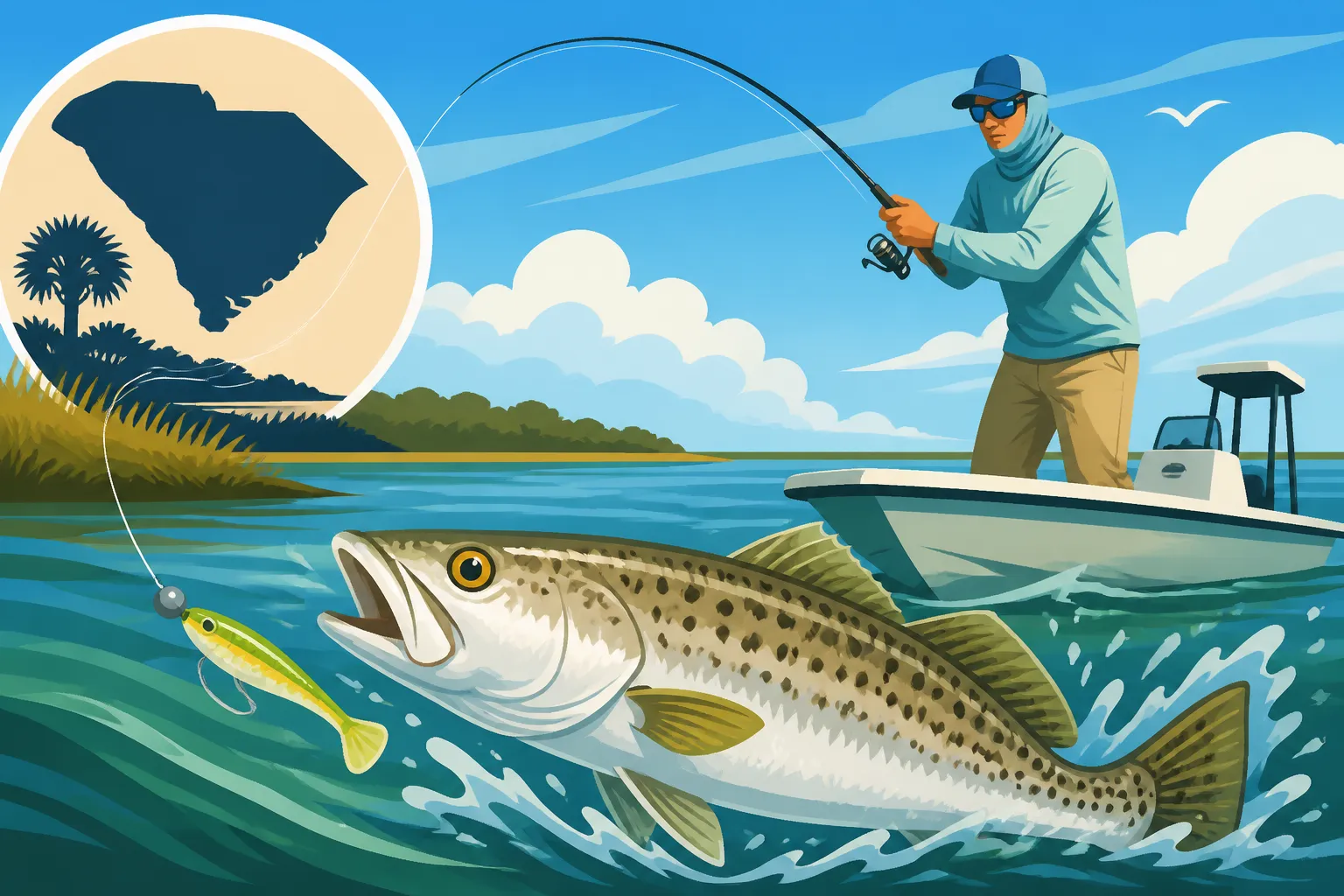
Spotted seatrout are sleek, silver-bodied fish easily recognized by the distinct black spots on their backs and fins. In South Carolina, they thrive in brackish waters, which is a mix of fresh and saltwater, typically found in our expansive marsh systems. These areas offer everything a trout needs: abundant baitfish, shelter from predators, and plenty of ambush points. You'll often find them lurking around grass flats, which provide excellent cover and hunting grounds, especially during higher tides. Oyster beds are another prime location; the rough, irregular bottom creates eddies and currents that disorient baitfish, making them easy prey for hungry trout. Creek mouths, where nutrient-rich water flows in and out with the tide, also act as natural funnels for bait and, consequently, for trout.
They are ambush predators, meaning they prefer to lie in wait, concealed by structure or murky water, before darting out to strike at unsuspecting bait. Their diet primarily consists of smaller fish like mullet, menhaden, and pilchards, as well as shrimp and crabs. Understanding this predatory behavior is key to choosing the right techniques and presentations. For instance, a lure that mimics a wounded baitfish or a live shrimp struggling against the current is often irresistible. When you’re out on the water, it's essential to remember the legalities surrounding these fish. The current South Carolina Spotted Seatrout Minimum Size 14 Inches ensures that smaller, immature fish are protected, allowing them to grow and reproduce, contributing to a healthier fishery. This regulation, along with the South Carolina Spotted Seatrout Daily Bag Limit of 10 Fish, helps maintain sustainable populations for future generations of anglers.
Seasonal Movements and Behavior
Spotted seatrout aren't static residents; their behavior and location shift with the seasons, largely influenced by water temperature. During the warmer months of spring and summer, when our Lowcountry waters heat up, trout are typically spread out across the shallow grass flats and oyster beds, actively feeding. This is when you can find them in relatively shallow water, sometimes just a few feet deep, making for exciting sight fishing opportunities. They're often most active during dawn and dusk, when light levels are lower and baitfish are more vulnerable.
As fall approaches and water temperatures begin to cool, trout start to transition. They'll often move into deeper creek channels and larger sounds, congregating in areas where water temperatures remain more stable. This often means fishing deeper holes, channel edges, and protected coves. Winter can be the most challenging but also the most rewarding time to target seatrout. They become less active and seek out the deepest, warmest pockets of water they can find, often in slow-moving or stagnant creek bends. This requires a slower, more deliberate approach to fishing. It's also worth noting the specific regulations during this colder period; for instance, many anglers wonder Is Seatrout Gigging Legal in South Carolina in December?, and the answer is usually no. The South Carolina's Winter Gigging Ban for Seatrout is put in place to protect these vulnerable fish when they are concentrated and less mobile, making them easy targets for gigging, ensuring they have a chance to spawn and thrive. Understanding these seasonal shifts and regulations, as detailed in the Spotted Seatrout Fishing Season Explained, is critical for successful and responsible angling throughout the year.
Essential Gear for Inshore Trout Fishing
Having the right tools for the job can make a world of difference when targeting inshore trout. While you don't need to break the bank for a high-end setup, choosing appropriate rods, reels, lines, and terminal tackle is crucial for maximizing your chances and enjoying your time on the water. A good setup offers sensitivity, casting distance, and the backbone to handle a spirited fight.
Rod, Reel, and Line Selection
For spotted seatrout, a medium-light to medium power spinning rod, typically 6'6" to 7'6" in length, is ideal. Look for a rod with a fast action tip, meaning the rod bends mostly in the top third, providing excellent sensitivity to detect subtle bites and quick hook sets. Brands like Ugly Stik, St. Croix, and Fenwick offer reliable options across various price points. Paired with this, a 2500 to 3000 size spinning reel is generally perfect. This size offers a good balance of line capacity, retrieve speed, and cranking power without being too heavy or cumbersome for repetitive casting. Popular choices include reels from Shimano, Daiwa, or Penn, many of which are readily available on Amazon.
When it comes to line, a good starting point is 10 to 15-pound braided line for your main line. Braided line offers superior sensitivity, minimal stretch, and excellent casting distance, which are all vital when trying to feel a soft trout bite or reach distant grass lines. Because braided line is visible and fish can be line-shy, you'll want to use a leader. A 2- to 3-foot section of 15 to 20-pound fluorocarbon leader material is recommended. Fluorocarbon is nearly invisible underwater, more abrasion-resistant than mono, and won't hinder the action of your lure. Connecting your braided main line to your fluorocarbon leader with a strong knot like an FG knot or a double uni-knot is essential to prevent break-offs.
Terminal Tackle and Accessories
Your terminal tackle arsenal for inshore trout should be versatile enough to cover various situations. Jig heads are a cornerstone, typically ranging from 1/8 to 1/4 ounce. The lighter weights are fantastic for shallower water or when you need a slower fall rate for your soft plastics, while heavier options help you get down in deeper channels or contend with stronger currents. Having an assortment of jig head colors, especially white, chartreuse, and natural baitfish colors, can be beneficial.
Beyond jig heads, popping corks are indispensable, particularly when fishing live shrimp or suspending artificial baits over grass flats. A traditional "Cajun Thunder" or "Thunder Chicken" style popping cork, which creates a significant splash and sound, can draw trout from a distance. For a more subtle approach, a Vudu Shrimp under a silent cork can be deadly. Leader material, as mentioned, is critical; keep a spool of 15 to 20-pound fluorocarbon handy. As for hooks, if you're using live bait like mud minnows or finger mullet, an appropriately sized J-hook (e.g., a #1 or 1/0 circle or Kahle hook) will work well, ensuring a good hookup. Don't forget a small pair of pliers or forceps for hook removal, a good pair of polarized sunglasses to spot fish and structure, and a measuring tape to ensure your catch meets the South Carolina Spotted Seatrout Minimum Size 14 Inches requirement.
Effective Inshore Trout Fishing Techniques
Once you're geared up, it's time to dive into the techniques that will put spotted seatrout in your cooler. Successful trout fishing often involves a blend of knowing when to use live bait, when to throw artificials, and how to present them effectively. Mastering these methods will significantly improve your catch rates.
Live Bait Rigs and Presentations
Live bait is often considered the most reliable method for catching spotted seatrout, especially when fish are less aggressive or when you're fishing in murky water. The natural scent and action of live bait are simply hard to beat. The top live bait options in South Carolina's inshore waters are live shrimp, mud minnows (often called "killifish"), and small finger mullet.
- Under a Popping Cork: This is arguably the most iconic and effective live bait presentation for trout. Rig a live shrimp or small mud minnow on a lightweight jig head (1/8 oz) or a small, sharp J-hook about 18-36 inches below a popping cork. Cast it out, let it settle, then give your rod a sharp twitch. The "pop" sound mimics a feeding fish or baitfish struggling on the surface, drawing attention to your bait. After the pop, let it sit for a few seconds, allowing the bait to sink naturally, then repeat. This technique is fantastic for covering grass flats and creek mouths where trout are actively feeding.
- Free-lined: For a more natural presentation, especially in clearer water or around structure, free-lining live bait can be deadly. Simply hook a live mud minnow or finger mullet through the lips or just in front of the dorsal fin, and cast it out with no weight or float. Let the bait swim naturally with the current. This method is particularly effective around oyster bars, dock pilings, or channel edges.
- Carolina Rig: When trout are holding deeper or on the bottom, a Carolina rig can be highly effective. Slide a small egg sinker (1/4 to 1/2 oz, depending on current) onto your main line, then tie on a swivel. To the other end of the swivel, tie a 12-24 inch fluorocarbon leader, and then attach your hook with a live shrimp or small mullet. This rig keeps your bait on the bottom while allowing it to move naturally within the strike zone.
Artificial Lure Strategies
While live bait has its place, many anglers find immense satisfaction in fooling trout with artificial lures. Artificials allow you to cover more water, target different depths, and often elicit more aggressive strikes. For a comprehensive look at what works best, check out Best Lures for Spotted Seatrout in Grass Flats.
- Soft Plastics on Jig Heads: This is the workhorse of inshore trout fishing with artificials. Paddle tails, jerk shads, and Gulp! shrimp imitations rigged on 1/8 to 1/4 ounce jig heads are incredibly versatile. The key is to impart action. Cast it out, let it sink to the desired depth, then retrieve it with a series of short twitches and pauses, mimicking a struggling baitfish. Vary your retrieve until you find what the fish want. Popular colors include pearl, chartreuse, clear with glitter, and dark green/pumpkinseed for murkier water.
- Topwater Plugs: There's nothing quite like a trout blowing up on a topwater lure at dawn or dusk. Walk-the-dog style plugs (like a Heddon Super Spook Jr. or a MirrOLure Top Dog) are phenomenal for aggressive trout in shallow water, especially over grass flats during calm conditions. The erratic, side-to-side action of these lures drives trout crazy. Cast it out, let the ripples subside, then use short, rhythmic twitches of the rod tip while reeling in slack to make the lure "walk." Be patient; sometimes trout will hit multiple times before committing.
- Subsurface Lures (Sinking MirrOlures): When trout are holding a bit deeper or are less inclined to chase a topwater, slow-sinking twitchbaits can be incredibly effective. Lures like the MirrOlure MirrO-Dine or Paul Brown's Fat Boy suspend in the water column and offer a seductive, wounded baitfish action with subtle twitches. These are particularly good in cooler water, as they allow for a slower retrieve, which can be crucial when trout are lethargic.
Inshore Trout Fishing Techniques for Beginners
Starting out inshore trout fishing can seem daunting, but it doesn't have to be. For those just dipping their toes in the water, focusing on a few key, confidence-building techniques is the way to go. You don't need all the fancy gear or the most intricate methods right away. The main goal is to get bites and understand the basics of trout behavior. A great resource for getting started is Inshore Trout Fishing Techniques for Beginners.
- The Popping Cork & Live Shrimp Combo: This is hands-down the easiest and most effective starting point. As mentioned before, rig a live shrimp under a popping cork. It's forgiving, highly visible, and the sound-and-scent combination is a trout magnet. Cast it near grass lines, oyster bars, or creek mouths. Wait for a few seconds, give a pop, wait, and repeat. When the cork goes down, reel down the slack and set the hook. This setup helps you learn to identify potential trout holding areas and gives you immediate feedback when a fish strikes.
- Simple Soft Plastic Retrieves: Once comfortable with live bait, transition to a soft plastic jig. Start with a simple 1/4 oz jig head and a 3-4 inch paddle tail grub in a natural color like pearl white or chartreuse. Cast it out, let it sink for a few seconds (counting down can help you learn depths), then simply reel it in slowly with an occasional twitch of the rod tip. This "swim and twitch" retrieve mimics a baitfish. Pay attention to where you get bites—was it on the fall, during the retrieve, or near a specific piece of structure?
- Observation and Patience: Above all, cultivate observation skills and patience. Look for signs of life: baitfish schooling or jumping, birds diving, or even subtle ripples. Fish around structure. Don't be afraid to move if you're not getting bites after 15-20 minutes in a spot. Early mornings and late evenings are often the most productive times, especially when the sun isn't directly overhead. Remember, even experienced anglers have slow days; it's all part of the journey.
Reading the Water and Tides for Inshore Trout
Understanding the dynamic environment of South Carolina's inshore waters is as important as your chosen technique. The tides, water clarity, and even the weather play pivotal roles in where trout position themselves and how actively they feed. Ignoring these factors is like trying to navigate a ship without a compass.
Understanding Tide Cycles and Current
The ebb and flow of the tides are the lifeblood of our coastal estuaries, and they dictate the behavior of spotted seatrout. Trout are opportunistic predators, and they'll position themselves where they can most easily ambush prey.
- Incoming Tide: As the tide rises, it pushes baitfish and shrimp from deeper channels into shallower areas like grass flats and marsh creeks. Trout will often move with this incoming water, venturing into these skinny water zones to feed. Fishing the edges of grass lines, oyster reefs, and small creek mouths on a rising tide can be incredibly productive. The bait is being delivered right to them.
- Outgoing Tide: This is often considered the most productive phase for many inshore species, including trout. As the water recedes, it pulls baitfish and shrimp out of the shallow marshes and concentrates them into deeper channels, bottlenecks, and around prominent structures. Trout will stage themselves at these pinch points, waiting for the current to deliver a meal. Learning How to Fish an Outgoing Tide for Trout effectively involves identifying these concentration points. You'll want to target creek mouths, points, and channel edges where bait is flushing out.
- Slack Tide (High or Low): These periods, when the water movement is minimal, can be challenging. With little current to move bait, trout tend to be less active and spread out. However, they can still be caught. Focus on deeper holes, shaded areas, or areas with subtle current breaks. Sometimes, a slower, more deliberate presentation is required during these times.
It's not just the direction but also the strength of the current that matters. Stronger currents will often position trout tightly against structure or in current seams, while lighter currents might see them more spread out. The question of Does Tide Direction Change Where Trout Feed? is a resounding yes; it fundamentally alters where bait is available and how trout can best position themselves for an ambush. Always consult a local tide chart before heading out.
Interpreting Water Clarity and Structure
The visual characteristics of the water and the physical features of the seafloor are crucial clues that tell you where trout might be hiding.
- Water Clarity: South Carolina's inshore waters can vary from crystal clear to dark, tannic "tea-stained" water, or even muddy after heavy rains.
- Clear Water: In clear water, trout rely heavily on sight. This means you need to be stealthier with your approach. Use lighter leaders (15-pound fluorocarbon), smaller baits, and more natural lure colors. Avoid making excessive noise in your boat.
- Tannic or Murky Water: In darker, tea-stained water (common in many Lowcountry creeks) or slightly murky water, trout rely more on vibration and scent. Brighter lure colors like chartreuse, electric chicken, or white can be effective. Lures that create more vibration (like a paddle tail grub with a strong tail kick) or rattling plugs can also help trout locate your bait. Live bait is often phenomenal in these conditions due to its natural scent.
- Structure: Trout are structure-oriented fish. They seek out anything that provides cover, current breaks, or ambush points.
- Grass Flats: These are prime feeding grounds. Look for edges, potholes (bare spots), and where the grass meets a channel.
- Oyster Beds/Shell Rakes: These provide excellent habitat for bait and trout. Cast parallel to the edges or work jigs over the top.
- Docks and Pilings: Man-made structures offer shade and cover. Trout will often hold on the current-protected side.
- Creek Mouths and Points: Natural funnels for bait. Fish the current seams and eddies formed by these features.
Wind, Weather, and Water Temperature
Beyond tides and structure, broader environmental factors significantly influence trout behavior. These elements often work in concert, so understanding their interplay is key to consistent success.
- Wind: Wind can be a double-edged sword. A light to moderate breeze can create a "chop" on the water's surface, breaking up the light and making it harder for trout to see your line or for you to spook them. It also oxygenates the water. However, strong winds make boat control difficult, hamper casting accuracy, and can muddy up the water, making fishing very challenging. On windy days, try to find protected creeks or shorelines where you can fish effectively.
- Cold Fronts: A passing cold front can shut down a trout bite faster than almost anything else. The sudden drop in air temperature often leads to a rapid drop in water temperature, especially in shallow areas, and can cause trout to become lethargic and seek deeper, more stable water. Fishing immediately after a strong cold front usually requires a slower retrieve, smaller baits, and targeting those deeper holes. To better adapt to these conditions, reviewing strategies like How to Catch Trout in Cooler Fall Water can be very beneficial.
- Water Temperature: This is perhaps the most critical factor influencing trout activity.
- Ideal Range (60-75°F): In this range, trout are typically active and feed aggressively. They'll be spread out and willing to chase lures.
- Cooler Water (Below 60°F): As temperatures drop, trout metabolism slows. They become less active and move into deeper, more stable areas. Presentations need to be slower, and live bait or slow-sinking twitchbaits often outperform fast-moving artificials.
- Warmer Water (Above 75°F): While they can tolerate warm water, very high temperatures (especially combined with low oxygen) can make trout uncomfortable and less active. They might seek deeper, cooler water or shaded areas. Early morning and late evening become even more critical during these periods.
Popular South Carolina Trout Fishing Locations
South Carolina boasts an incredible diversity of inshore fishing grounds, each with its unique characteristics that make it ideal for targeting spotted seatrout. From the expansive marshlands of the Lowcountry to the bustling inlets of the Grand Strand, opportunities abound if you know where to look.
Lowcountry Estuaries and Creeks
The Lowcountry region, encompassing areas from Hilton Head Island up through Beaufort and Charleston, is synonymous with incredible inshore fishing, and spotted seatrout are a primary target. This area is characterized by vast, intricate marsh systems, winding creeks, and expansive estuaries fed by major rivers.
The sheer volume of grass flats and oyster beds in places like the waters around Beaufort provides endless opportunities. These habitats are teeming with baitfish and shrimp, which are the primary food sources for trout. Anglers frequently explore the tidal creeks and feeder streams that weave through the Spartina grass, looking for ambush points along the edges. The clarity of the water can vary here, from clear tidal flows to tannin-stained blackwater creeks, so having a versatile tackle box is essential. For those specifically planning a trip to this renowned area, exploring Spotted Seatrout Fishing Near Beaufort will offer more tailored advice and insights into this prime trout territory. When fishing these areas, look for convergence points of smaller creeks, points that create current breaks, and areas where oyster beds create natural structure along grass lines. These are all high-percentage spots where trout will stack up, waiting for the tide to deliver their next meal.
Murrells Inlet and Grand Strand Areas
Moving north along the South Carolina coast, Murrells Inlet stands out as another fantastic destination for inshore trout. While it’s still part of the broader coastal ecosystem, the geography here can feel a bit different from the vast, open marshes of the deeper Lowcountry. Murrells Inlet is a dynamic, bustling system known for its jetties, docks, and a main channel that supports a healthy population of spotted seatrout, redfish, and flounder.
The inlet itself features numerous fingers and bays that branch off the main thoroughfare, providing excellent areas for trout. Anglers often target the grass beds and oyster reefs found within these calmer backwaters. The jetties at the mouth of the inlet also offer excellent fishing opportunities, particularly on cooler days when trout might seek deeper water with stable temperatures. Beyond Murrells Inlet, the broader Grand Strand area around Myrtle Beach also offers inshore fishing, though it tends to be more characterized by larger sounds and shallower bays rather than the extensive marsh systems further south. Here, fishing docks, bridges, and areas with good tidal flow into shallow flats can produce good numbers of trout. The key in both areas is to understand the local tidal patterns, as they are the primary drivers of fish movement and feeding behavior.
Charting Your Course to Trout Success
| Technique / Presentation | Best Conditions | Target Area | Recommended Bait/Lure | Notes |
|---|---|---|---|---|
| Popping Cork & Live Shrimp | Moving Tide, Grass Flats, Creek Mouths | Shallow to Medium Depth | Live shrimp, small mud minnows | Mimics fleeing bait, great for beginners |
| Jig Head & Soft Plastic | Moving Tide, Deeper Pockets, Oyster Bars | Medium to Deep Depth | Paddle tail, jerk shad, Gulp! Shrimp | Versatile, good for covering water quickly |
| Topwater Lures | Low Light (Dawn/Dusk), Calm Water | Shallow Grass Flats, Edges | Walk-the-dog plugs, Popper lures | Exciting strikes, best when trout are aggressive |
| Free-Lined Live Bait | Strong Current, Near Structure, Clear Water | Edges of Currents, Docks, Oyster Bars | Live finger mullet, mud minnows | Natural presentation, especially in clear water |
| Subsurface Twitchbaits | Cooler Water, Less Active Fish, Deeper Areas | Channel Edges, Drop-offs, Structure | MirrOlure MirrO-Dine, Paul Brown Fat Boy | Slow, seductive action for lethargic trout |
Disclaimer
Fishing conditions and regulations in South Carolina can change. Always consult the latest South Carolina Department of Natural Resources (SCDNR) guidelines before heading out on the water. This article is for informational purposes only and should not be considered a substitute for official regulations or expert advice.