State Park Fishing Spots in South Carolina
Finding the perfect fishing spot in South Carolina can sometimes feel like an endless quest, especially when you're looking for somewhere with easy access, beautiful scenery, and diverse fishing opportunities without battling massive crowds or confusing private property rules. Thankfully, our incredible state park system offers some truly spectacular, often overlooked, locations that cater to every type of angler, from those chasing trophy bass to families looking for a relaxing day reeling in bream. This guide will take you through the best state park fishing spots in South Carolina, helping you discover these hidden gems and plan your next memorable outing.
Uncovering the Angler's Paradise in South Carolina State Parks
South Carolina is blessed with an abundance of natural beauty, and a significant portion of that is preserved within its state park system. These parks aren't just for hiking or camping; many are situated on prime fishing grounds, offering access to lakes, rivers, and coastal waters that are teeming with fish. For many anglers, the thought of fishing in a state park might bring to mind crowded docks or overfished ponds, but that couldn't be further from the truth in many of our Palmetto State parks.
Why State Parks Are Angler Havens
One of the biggest advantages of choosing a state park for your next fishing adventure is the sheer accessibility and maintenance. Unlike some wilder, less managed areas, state parks typically provide well-maintained boat ramps, fishing piers, and bank access points, making it easier for anglers of all mobility levels to enjoy their sport. Beyond that, many parks participate in stocking programs or are located on waterways known for healthy fish populations, increasing your chances of a successful catch. It’s a wonderful blend of natural environment with just enough infrastructure to make your trip comfortable and convenient. You'll often find facilities like restrooms, picnic areas, and even tackle shops nearby, which can be a huge relief, especially when fishing with family. Plus, the entrance fees are usually minimal, offering great value for a day out.
General Amenities for Anglers
South Carolina state parks often go above and beyond to make fishing enjoyable. You'll find a variety of amenities that support a great day on the water. For example, many parks on larger lakes, like Lake Hartwell or Lake Murray, offer robust boat ramps suitable for various watercraft, from jon boats to larger bass boats. If you prefer to stay on solid ground, numerous parks feature accessible fishing piers that extend into productive waters, perfect for a relaxing afternoon with a cane pole or a more active session casting artificial lures. Several state parks also boast rental options for kayaks, canoes, or small john boats, which can be a fantastic way to explore those hard-to-reach coves and shallow backwaters without needing to own your own vessel. For those looking to make a weekend of it, many of these parks offer camping cabins, or even primitive camping sites, allowing you to wake up steps away from your next cast. Before heading out, it's always a good idea to check the specific park's website for detailed amenity lists and current conditions, or you can even explore options on platforms like FishingBooker to see what guides operate out of nearby marinas.
Freshwater Fishing Gems in South Carolina State Parks
When it comes to freshwater fishing, South Carolina's state parks offer a fantastic array of options, from the sprawling reservoirs of the Upstate to the tranquil blackwater rivers further inland. These locations are often less pressured than some of the more famous public access points, providing a more peaceful and potentially more productive fishing experience.
Upstate Lakes and Rivers within Parks
The Upstate region, with its stunning mountain backdrops and numerous reservoirs, is home to several state parks that offer incredible freshwater fishing. Take, for instance, Lake Hartwell State Park, nestled right on the shores of the massive Lake Hartwell. This park provides excellent access for anglers targeting largemouth bass, spotted bass, crappie, and stripers. The park features boat ramps and ample shoreline for bank fishing, especially around the campground areas. Imagine waking up at your campsite, brewing a cup of coffee, and being just a few steps from casting a topwater lure for a schooling striper. For deeper dives into the lake's opportunities, you might want to read our comprehensive guide on Lake Hartwell Fishing Spots on the South Carolina-Georgia Border.
Another prime Upstate location is Table Rock State Park. While known more for its hiking and beautiful mountain scenery, it also offers fishing in Pinnacle Lake and Carrick Creek. Pinnacle Lake is a smaller, peaceful lake perfect for targeting largemouth bass, bream, and crappie, especially from a kayak or canoe which you can often rent right at the park. It’s a serene spot, far removed from the hustle and bustle, where the focus is truly on the quiet enjoyment of fishing in nature. Similarly, Lake Keowee State Park provides access to the crystal-clear waters of Lake Keowee, known for its healthy populations of largemouth bass, smallmouth bass, spotted bass, and even some trout in deeper, cooler sections. These parks truly offer a diverse experience, blending the thrill of the catch with the tranquility of the mountain environment.
Midlands and Pee Dee Region Park Waters
Moving into the heart of the state, the Midlands and Pee Dee regions boast their own set of state parks that are fantastic for freshwater anglers. Santee State Park, located directly on the magnificent Lake Marion, is a true angler's paradise. Lake Marion is part of the legendary Santee Cooper Lakes system, famous for its trophy catfish, abundant crappie, and monster largemouth bass. The park has several boat ramps, fishing piers, and numerous coves accessible by small boats or kayaks. It’s not uncommon to see anglers pulling in massive blue catfish or limits of slab crappie from the waters around the park. The beauty of this location is not just the fishing but the sheer scale of the lake, offering endless possibilities for exploration. Check out Santee State Park Fishing Spots on Lake Marion for more specific details on where to cast your line.
Further west, while not directly on Lake Murray, parks like Dreher Island State Park offer exceptional access to Lake Murray, South Carolina’s largest lake and a renowned striped bass fishery. While you might not be inside a state park while actively fishing on Lake Murray from your boat, the park provides excellent launching facilities and even overnight accommodations if you plan a multi-day trip. These access points are crucial for anglers heading out onto the vast lake. For those seeking a quieter river experience, Givhans Ferry State Park on the Edisto River offers excellent opportunities for catching redbreast sunfish, bass, and various catfish species. The Edisto, being one of the longest free-flowing blackwater rivers in North America, provides a unique and tranquil fishing experience, often best explored by canoe or kayak through its scenic cypress swamps. You can learn more about specific spots and techniques in our Givhans Ferry State Park Fishing Spots on the Edisto River guide.
Coastal State Parks with Saltwater Opportunities
For anglers who prefer the salty air and the challenge of coastal species, South Carolina’s state parks along the Atlantic coast are absolute treasures. These parks provide direct access to beaches, estuaries, and inlets, offering a wide range of saltwater fishing experiences. From surf fishing for red drum to targeting speckled trout in tidal creeks, there’s something for every saltwater enthusiast.
Barrier Island Parks and Surf Fishing
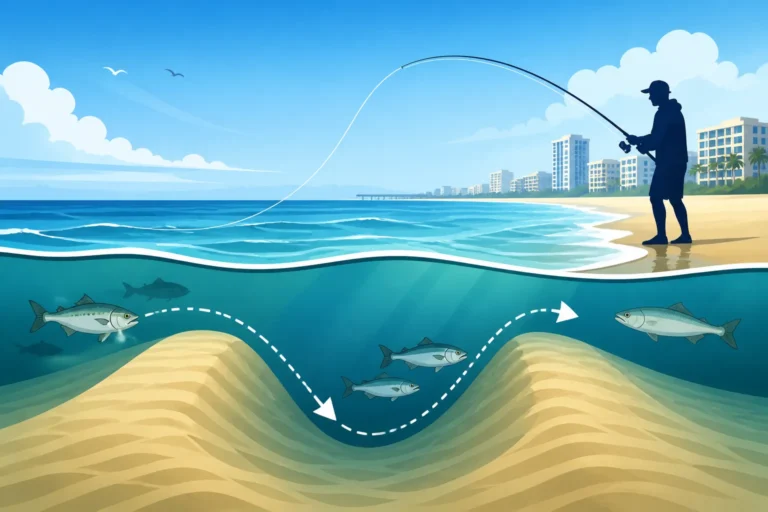
South Carolina's barrier islands are iconic, and many of these pristine locations are preserved within our state park system, offering incredible surf fishing opportunities. Hunting Island State Park, near Beaufort, is arguably one of the most popular and productive surf fishing destinations. With miles of undeveloped beach, anglers can spread out and target a variety of species including whiting, pompano, flounder, and even red drum. The park also features a historic lighthouse and a fishing pier that extends into the Atlantic, providing deeper water access without needing a boat. The pier often yields Spanish mackerel, bluefish, and even sharks during warmer months. Before you go, it's wise to review Saltwater Fishing Rules in South Carolina to ensure you're compliant with all regulations.
Similarly, Edisto Beach State Park offers superb surf fishing along its expansive shoreline. This park is particularly known for its consistent catches of whiting and pompano, making it a great spot for families or beginners. Beyond the surf, the park provides access to numerous tidal creeks and marsh systems, which are perfect for kayak or small boat anglers chasing redfish and spotted seatrout. The diverse habitats mean you can switch up your technique throughout the day, perhaps starting with some bottom fishing in the surf in the morning and then poling the flats for tailing redfish in the afternoon.
Estuary and Inlet Access Parks
Beyond the direct oceanfront, many coastal state parks offer fantastic access to the rich estuarine environments that define the Lowcountry. These calmer, more protected waters are nurseries for many species and provide excellent year-round fishing. Myrtle Beach State Park is a prime example, boasting one of the state's best fishing piers. This pier is a hub of activity, offering anglers a chance to catch king mackerel, Spanish mackerel, bluefish, flounder, and various bottom fish like croaker and spot. Even without a boat, you can experience fantastic fishing from the pier, often benefiting from the knowledge and camaraderie of fellow anglers. You might find our Myrtle Beach Surf Fishing Spots in South Carolina guide helpful, as much of that advice translates well to pier fishing in the area.
Another excellent option is Huntington Beach State Park, located just south of Murrells Inlet. While it has beautiful beaches for surf fishing, its proximity to Murrells Inlet means anglers can easily access the rich waters of this famous estuary. The causeway inside the park offers unique fishing opportunities for flounder, redfish, and trout as they move with the tides. It's a fantastic spot for birdwatching too, so even if the fish aren't biting, the scenery is always spectacular. These parks provide a crucial gateway to South Carolina’s vibrant coastal fisheries, often with the added bonus of well-maintained facilities and park rangers who can offer local insights. For those looking for a guided experience in these areas, checking out a service like FishingBooker can help you find local captains who specialize in these species.
Planning Your State Park Fishing Trip
A successful fishing trip to a South Carolina state park involves a little bit of planning, but the rewards are well worth the effort. Understanding what to bring, how to prepare, and what to expect can significantly enhance your experience and increase your chances of a memorable day on the water.
Essential Gear and Supplies
When heading to a state park for fishing, your gear list will largely depend on whether you're targeting freshwater or saltwater species, and your preferred method (bank, pier, boat, kayak). For freshwater pursuits in lakes like those accessible from Table Rock or Santee State Park, a medium-action spinning rod with 6-10 lb test line is versatile enough for bass, crappie, and bream. A selection of plastic worms, spinnerbaits, jigs, and some live bait like crickets or minnows will cover most situations. For coastal fishing at places like Hunting Island or Edisto Beach, a heavier surf rod (8-12 feet) with a sturdy reel spooled with 15-20 lb monofilament or braided line is essential for casting beyond the breakers. Terminal tackle should include pyramid weights, fish finder rigs, and an assortment of hooks for bait like shrimp, cut fish, or even artificial scent baits like Fishbites. Don't forget a cooler for your catch, sunscreen, insect repellent (especially in coastal marsh areas), a hat, polarized sunglasses, and plenty of water. A multi-tool or pliers for hook removal is also a must-have.
For those planning to spend significant time on the water, a reliable fishing bag or backpack can keep all your essentials organized. Many anglers also find a small first-aid kit invaluable for minor cuts or scrapes. If you’re considering an overnight stay, remember to pack camping or cabin essentials accordingly. Always ensure you have your South Carolina Fishing License Guide and any required permits readily available, whether it's a physical copy or a digital one on your phone.
Booking Accommodations and Park Entry
Most South Carolina State Parks require an entry fee, which is usually a small per-person or per-vehicle charge. This fee often supports the upkeep of the park's facilities, including those valuable fishing piers and boat ramps. If you plan to visit frequently, an annual park pass can be a cost-effective option. For those interested in extended stays, many state parks offer a range of accommodations, from primitive campsites to rustic cabins and even fully equipped villas. These can be incredibly popular, especially during peak fishing seasons like spring and fall, so booking well in advance is highly recommended. You can typically reserve campsites and cabins directly through the South Carolina State Parks website.
When planning, consider the time of year and day. Early mornings and late evenings are often the most productive fishing times, and staying overnight allows you to maximize these prime windows. If you’re hoping to fish with a guide or charter out of a nearby marina, especially for species like redfish or speckled trout in coastal estuaries, platforms like FishingBooker are excellent for comparing options and securing your trip ahead of time. Always double-check the park's operating hours, gate closures, and any specific fishing regulations unique to that park before you finalize your plans.
Specific Regulations and Unique Opportunities
While South Carolina has statewide fishing regulations, it's crucial to remember that state parks might have additional rules or special zones. Always pay attention to signage within the park and consult the latest regulations handbook from the South Carolina Department of Natural Resources (SCDNR). These details can make or break your trip, ensuring you have a lawful and enjoyable experience.
Park-Specific Fishing Rules
Some state parks, especially those with smaller, managed ponds or unique ecological areas, might have specific rules regarding bait, tackle, or even catch-and-release policies that differ from general statewide regulations. For instance, certain smaller lakes might prohibit gasoline motors, allowing only electric trolling motors or paddle craft to preserve tranquility and water quality. Others may have length or creel limits for particular species that are stricter than the state standard to protect local populations. It’s not uncommon to find areas designated as "no fishing" zones to protect wildlife or sensitive habitats, so always keep an eye out for posted signs.
For saltwater parks, while your South Carolina Fishing License Requirements in South Carolina covers the basics, always be mindful of specific areas that might be reserved for swimming or wildlife viewing during certain times. Knowing the rules beforehand prevents accidental violations and helps maintain the natural integrity of these beautiful places. If you have any doubts, a quick call to the park office or a chat with a park ranger upon arrival can clarify any ambiguities.
Catch-and-Release vs. Harvest Opportunities
South Carolina's state parks offer a fantastic mix for anglers, whether you're focused on the thrill of the catch-and-release or hoping to bring home dinner. Many anglers find immense satisfaction in simply landing a fish, taking a quick photo, and releasing it unharmed to fight another day. This practice is especially important for preserving populations of prized species like largemouth bass or redfish. For those who enjoy a fresh meal, many state park waters provide excellent opportunities for harvesting table fare. Panfish like bream and crappie are often abundant, and larger lakes and coastal waters can yield delicious bass, catfish, whiting, flounder, and speckled trout, all within legal limits.
When planning to harvest, ensure you are intimately familiar with South Carolina Fishing Bag Limits Explained and size restrictions for each species you intend to keep. For example, the South Carolina Redfish Slot Limit Rules dictate specific sizes for red drum. Carrying a tape measure and a small scale can be invaluable for ensuring your catch meets all legal requirements. Many parks also offer fish cleaning stations, making the post-fishing cleanup a breeze. Whether you're a dedicated catch-and-release advocate or a proud harvester, South Carolina's state parks provide the perfect settings for both types of fishing adventures.
Essential State Park Fishing Locations
To help you visualize and plan, here's a table summarizing some of South Carolina's top state parks for fishing, highlighting their primary focus and key amenities.
| State Park Name | Location | Primary Fishing Focus | Key Amenities for Anglers | Entry Fee (Approx.) |
|---|---|---|---|---|
| Hunting Island State Park | Beaufort (Coastal) | Saltwater: Surf fishing, pier fishing (red drum, whiting, pompano, flounder, Spanish mackerel) | Miles of beach, 1,120-foot fishing pier, boat ramp for creek access, campground, cabins | $8/vehicle |
| Santee State Park | Santee (Lake Marion) | Freshwater: Catfish, crappie, largemouth bass | Multiple boat ramps, fishing pier, campground, cabins, tackle shop nearby | $6/vehicle |
| Table Rock State Park | Pickens (Upstate) | Freshwater: Largemouth bass, bream, crappie (Pinnacle Lake) | Boat rentals (canoes, kayaks), bank access, campground, cabins | $6/adult |
| Lake Hartwell State Park | Anderson (Upstate) | Freshwater: Largemouth bass, spotted bass, striped bass, crappie | Boat ramp, bank access, campground | $3/adult |
| Edisto Beach State Park | Edisto Island (Coastal) | Saltwater: Surf fishing, creek fishing (whiting, pompano, redfish, trout, flounder) | Beach access, boat ramp for creek, environmental learning center, campground | $8/vehicle |
| Myrtle Beach State Park | Myrtle Beach (Coastal) | Saltwater: Pier fishing, surf fishing (king mackerel, Spanish mackerel, bluefish, flounder, bottom fish) | 600-foot fishing pier, beach access, campground, tackle shop on pier | $8/adult |
| Givhans Ferry State Park | Ridgeville (Edisto River) | Freshwater: Redbreast sunfish, bass, catfish (blackwater river) | River access, small boat/kayak launch, campground | $3/adult |
Note: Entry fees are approximate and subject to change. Always check the official SC State Parks website for the most current information.
Disclaimer
The information provided in this guide is for general informational purposes only and does not constitute legal advice. Fishing regulations, license requirements, and park rules in South Carolina are subject to change. Always consult the latest South Carolina Department of Natural Resources (SCDNR) regulations handbook and the official South Carolina State Parks website or contact park authorities directly before planning your fishing trip to ensure compliance and safety.