How to Spin Fish for Stocked Trout Streams
It's incredibly frustrating when you want to get out on the water and enjoy some trout fishing in South Carolina's beautiful streams, but you're not quite sure how to approach those hatchery-raised fish. They can be a bit different from their wild cousins, often requiring a slightly varied approach. This comprehensive guide is here to demystify spin fishing for stocked trout, providing you with actionable tips, gear recommendations, and techniques to help you fill your creel or enjoy some fantastic catch-and-release action.
Understanding Stocked Trout Behavior in South Carolina Streams
When you're fishing for stocked trout in a South Carolina stream, it's really important to understand that these aren't your typical wild fish, at least not right away. They've spent their lives in hatcheries, getting fed daily, and frankly, they haven't had to work very hard for a meal. This unique upbringing means they often behave quite differently from the naturally wary, stream-savvy trout you might find in remote backcountry waters. Knowing this fundamental difference is key to your success.
Why Stocked Trout Act Differently
Hatchery-raised trout are essentially conditioned to associate certain things with food. When they're first introduced to a stream, they might be a little disoriented, but they're still generally less cautious than wild fish. They're used to a consistent diet, so they're often willing to hit almost anything that looks remotely edible, especially in the days immediately following a stocking event. This can be great news for anglers, as they might be less selective about flies or lures and more inclined to bite.
However, this doesn't mean it's always a cakewalk. As time passes after stocking, these trout can "wild up" a bit. They'll start to learn about natural predators, current flows, and the kinds of forage available in their new environment. The longer they've been in the stream, the more they'll begin to exhibit behaviors closer to those of wild trout, becoming pickier and more easily spooked. So, your strategy might need to adapt if you're fishing a stream that was stocked last week versus one that was stocked yesterday.
Common Stocked Trout Holding Patterns
Even though they're not wild, stocked trout still seek out comfortable and safe spots in a stream. Think about where they can find a bit of shelter from the current, some cover from predators, and ideally, where food might naturally drift past. Deeper pools are always a prime target, offering both refuge and a natural collection point for drifting insects or feed. Look for areas where the water slows down at the tail end of a riffle, or even in the eddy currents created by rocks or fallen logs.
Structure is your friend when targeting stocked trout. This means submerged logs, large rocks, undercut banks, or even overhanging branches that provide shade and a sense of security. These spots offer trout a place to hide from the sun and predatory birds, while also acting as ambush points for any food that comes their way. Don't overlook slower, broader sections of the stream either, especially if they have some depth. While wild trout often prefer fast, oxygenated water, newly stocked trout might gravitate towards less strenuous flows where they can conserve energy. Remember to check out resources like Checking a Stream's Trout Limit Before You Fish It to understand specific regulations for your chosen spot.
Essential Gear for Spin Fishing South Carolina Stocked Trout
Getting your gear dialed in is half the battle when it comes to spin fishing for stocked trout in South Carolina. You don't need a massive, heavy setup; in fact, lighter is almost always better. The goal is to present your lure or bait as subtly and naturally as possible, and that's much easier to achieve with the right light tackle. Investing in a good quality but not necessarily expensive setup will make your experience much more enjoyable and productive.
Rod, Reel, and Line Selection
For stocked trout, an ultralight or light action spinning rod is the way to go. These rods are typically 5 to 6.5 feet long, which gives you excellent control for casting smaller lures and baits, and they have enough flex to make even a modest 10-inch trout feel like a fighter. The sensitivity of a lighter rod also helps you detect those subtle bites that can be easy to miss. Pair this with a small spinning reel, something in the 1000 to 2000 size range, which balances nicely with a light rod and has a smooth drag system.
When it comes to line, a good general choice is a 4 to 6-pound test monofilament line. Monofilament has some stretch, which can be forgiving when a trout makes a sudden run, and it's generally less visible in the water than some other lines. If you're using very small lures and want maximum sensitivity, you could consider a 2 to 4-pound fluorocarbon line or a thin braided line with a fluorocarbon leader. Fluorocarbon is nearly invisible underwater and has excellent abrasion resistance, which is great around rocky stream bottoms. Braided line offers incredible sensitivity and no stretch, but its visibility can be a deterrent, so a clear leader is almost always a good idea. You can often find a fantastic selection of these fishing lines, along with rods and reels, on Amazon.
Lure Choices That Tempt Stocked Trout
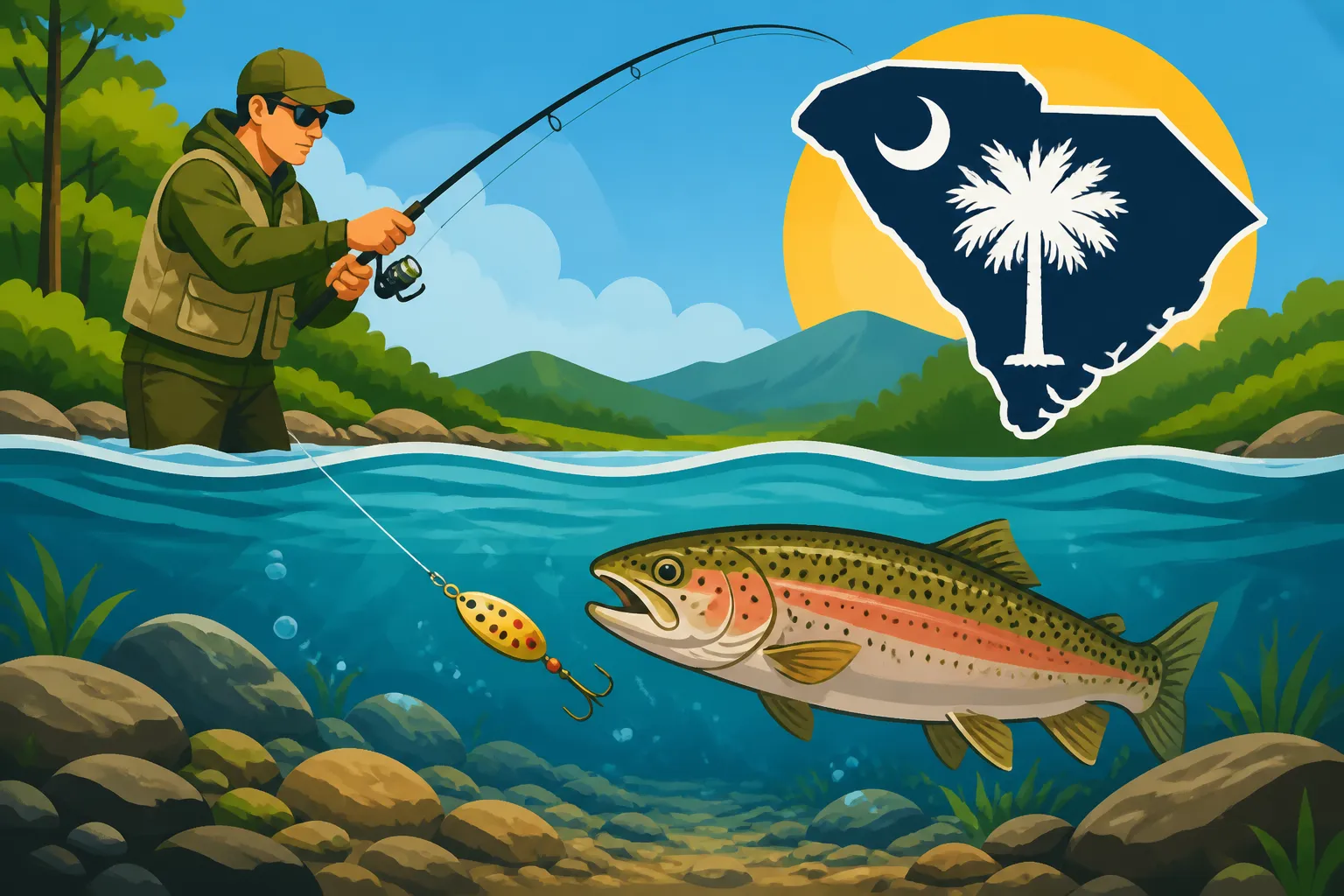
Stocked trout are often opportunistic feeders, so a variety of small, flashy lures can be highly effective. Inline spinners are a classic for a reason. Brands like Mepps Aglia, Panther Martin, and Rooster Tail make excellent spinners in sizes #0 to #2. The flash and vibration of these lures mimic baitfish or darting insects, and trout often can't resist them. Experiment with different blade colors – silver, gold, and copper are good starting points, but sometimes a bright chartreuse or orange can trigger a strike, especially in murky water.
Small spoons are another fantastic option. Think ACME Kastmasters or Little Cleos in sizes around 1/8 to 1/4 ounce. Their wobbling action on the retrieve can be irresistible, and they cast like a dream, allowing you to reach those far-off pockets. Small jerkbaits or crankbaits, especially those that dive only a few feet, can also be deadly. Look for models that are 1 to 2 inches long and have a tight wobbling action. Colors mimicking trout or minnows, or even brighter "attractor" patterns, can work. It's always a good idea to have a small tackle box with a variety of these lures; you can easily stock up on these versatile options through retailers like Amazon.
Bait Fishing with Spinning Gear
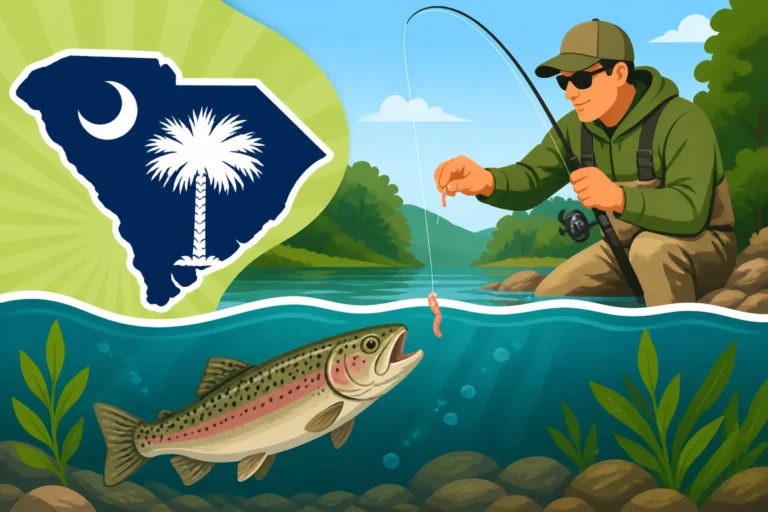
While "spin fishing" usually implies artificial lures, many anglers effectively use natural or prepared baits with spinning gear for stocked trout, and there's absolutely no shame in it! Stocked trout are accustomed to being fed, so bait can be incredibly effective, particularly if they're not actively chasing lures. The key here is presenting the bait naturally, letting it drift with the current.
Classic baits include small worms (like red wigglers or nightcrawlers), canned corn, salmon eggs, or various types of PowerBait. PowerBait, in particular, comes in a rainbow of colors and shapes, often infused with scent to attract trout. For rigging, a simple slip sinker rig works wonders. Thread a small egg sinker (1/8 to 1/4 ounce) onto your main line, then tie on a small barrel swivel. To the other end of the swivel, attach an 18-36 inch leader of 2-4 pound fluorocarbon and a small hook (size 10-14). This allows your bait to drift naturally while the sinker holds the line in place. For buoyant baits like PowerBait, you might not even need a sinker, letting it float just above the bottom. For more details on bait choices, you might find Best Bait for Stocked Trout in Spring helpful.
Spin Fishing Techniques for South Carolina Stocked Trout Streams
Having the right gear is just the beginning; knowing how to use it effectively is where the magic happens. Spin fishing for stocked trout in South Carolina streams involves a blend of reading the water, stealthy approaches, and varied retrieval techniques. Don't be afraid to experiment, as what works one day might not work the next. The fish's mood and the water conditions are constantly changing, so adaptability is your greatest asset.
Reading the Water and Approach
Before you even make your first cast, take a moment to "read the water." Look for those prime holding spots we talked about earlier: deeper pools, slow eddies, seams where fast water meets slow water, and any kind of cover like submerged logs or rocks. Pay attention to how the current flows; trout will usually face upstream, waiting for food to drift down to them. Your goal is to present your lure or bait in a way that mimics this natural drift.
A stealthy approach is paramount, especially in smaller, clearer streams. Stocked trout might be less wary than wild trout, but they're still easily spooked by sudden movements or vibrations. Walk softly along the bank, keeping a low profile. Often, it's best to approach a fishing spot from downstream and cast upstream, retrieving your lure or bait back towards you. This keeps you out of their line of sight and allows your presentation to drift down to them naturally, rather than alarming them with a lure splashing down from above.
Casting and Retrieval Techniques
When casting lures like inline spinners or small spoons, aim to cast slightly upstream and across the current, letting the lure sink for a moment, then beginning your retrieve. A steady retrieve is often all it takes for spinners, allowing the blade to rotate and flash. For spoons, a steady retrieve with occasional twitches or pauses can imitate a struggling baitfish. If you're using small jerkbaits, a twitch-twitch-pause retrieve is usually very effective, giving the lure an erratic, injured look. Always vary your retrieve speed until you find what the fish are responding to.
Don't be afraid to experiment with different depths. Sometimes trout are holding right near the bottom, other times they might be suspended in the middle of the water column. Count your lure down after casting to figure out how deep it's running. For example, if you count to five before starting your retrieve, try counting to three or seven on subsequent casts to cover different depths. Pay close attention to where you get a strike; that's often the "strike zone" for that particular spot and time. You can learn more about seasonal approaches in South Carolina Stocked Trout Season Fishing Techniques.
Live Bait and Scented Bait Presentation
When using live or scented baits with your spinning gear, the goal is often a natural, drift-like presentation. If you're using a slip sinker rig, cast your bait upstream into a likely holding spot and let it tumble naturally with the current along the bottom. The slip sinker allows the line to move freely, so the trout doesn't feel the weight of the sinker when it picks up the bait. This makes for a more natural feel, and the trout is less likely to drop the bait before you can set the hook.
For buoyant baits like PowerBait, you might want to use just a small split shot or no weight at all, letting the bait float just off the bottom in the current. This can be especially effective in slower pools where trout are cruising. Watch your line carefully for any unnatural movement, a slight twitch, or a sudden stop – those are often bites. Give the fish a moment to really take the bait before gently setting the hook with a sweep of your rod. Remember that specific streams may have different rules, so consulting guides like Which South Carolina Streams Are Catch-and-Release Only for Trout? is always a good idea.
Maximizing Your Success on Stocked Trout Streams
Landing those stocked trout in South Carolina isn't just about the right gear and techniques; it's also about understanding the subtle nuances of timing, conditions, and how to adapt when things aren't going your way. A little planning and a willingness to adjust can make a huge difference in your overall success and enjoyment.
Best Times and Conditions
Timing can play a significant role in your success. The absolute best time to fish for stocked trout is often within a few days, or even hours, of a stocking event. These fish are typically hungry and still adjusting, making them quite aggressive. You can often find stocking schedules on the South Carolina Department of Natural Resources (SCDNR) website. Beyond immediate post-stocking, early mornings and late afternoons tend to be prime feeding times, especially during warmer months. During the cooler parts of the year, mid-day when the sun is highest can be productive as it slightly warms the water.
Overcast days can often be better than bright, sunny days, as the diffused light makes trout feel more secure and less visible to aerial predators. However, don't let a sunny day deter you; just focus on shaded areas or deeper pockets where the light is less intense. Water temperature is also critical; trout generally prefer cooler water, so avoid fishing during the hottest parts of summer days when stream temperatures might become too high, unless targeting specific, cold spring-fed streams. For a broader overview of when to go, check out Best Time of Year to Fish in South Carolina.
Handling and Releasing Trout
Whether you plan to keep your catch or release it, ethical handling is crucial. If you're keeping fish, be mindful of South Carolina Stocked Trout Daily Limit and other regulations. For quick dispatch, a swift blow to the head or severing the gills are humane methods. If you're practicing catch and release, try to minimize the time the fish is out of the water. Wet your hands before handling trout to protect their delicate slime coat, which is their primary defense against disease.
Use a pair of needle-nose pliers or a hook remover to gently back out the hook, or consider using barbless hooks, which make release much easier and less stressful for the fish. If the hook is deeply embedded, it might be better to cut the line as close to the hook as possible rather than risking further injury trying to remove it. Support the fish gently in the water, facing upstream, until it swims away on its own. Avoid squeezing them tightly, especially around the belly.
When to Adjust Your Approach
Even with the perfect setup and knowledge, there will be days when the fish just aren't biting. This is where adaptability comes in. If you've been casting a spinner for a while with no success, switch to a different lure type, like a small spoon or even a bait rig. Change colors; if silver isn't working, try gold, copper, or a bright chartreuse. Vary your retrieve speed and depth until you find something that triggers a strike. Sometimes, a subtle change is all it takes.
If a spot isn't producing after 15-20 minutes, don't be afraid to move on. Trout often congregate in specific areas, and if they're not there or not biting, spending more time might be fruitless. Explore different sections of the stream, focusing on varying types of cover and water flows. You might find that the fish are holding in a completely different kind of spot than you expected. Observing other successful anglers (from a respectful distance!) can also give you clues about what's working that day. Keep an eye out for any South Carolina Fishing License Exemptions by Age if you're fishing with younger anglers, as rules can vary.
Here’s a quick overview of some effective techniques and lures:
| Lure/Bait Type | Best Conditions | Retrieval Style | Notes |
|---|---|---|---|
| Inline Spinners | Clear to slightly stained water | Steady retrieve, varied speeds | Excellent for covering water, bright flash and vibration. |
| Small Spoons | Deeper pools, moderate current | Steady retrieve with pauses, jigging | Mimics injured baitfish, casts well, versatile. |
| Small Jerkbaits | Clear water, active fish | Twitch-twitch-pause, erratic action | Aggressive presentation for hungry trout. |
| PowerBait | Anywhere, especially still water | Bottom rig, float rig, natural drift | Scented and visible, good for less active fish. |
| Worms | Post-rain, stained water, general | Natural drift with minimal weight, slip sinker rig | Classic, effective, irresistible to many fish. |
| Corn/Salmon Eggs | Clear water, light pressure | Small hook, natural drift, little to no weight | Subtle, specific scent, good for finicky fish. |
Disclaimer
This article is for general informational purposes only and does not constitute professional advice. Laws, prices and regulations vary by location and change over time. Consult a qualified professional for guidance on your specific situation.