Fishing License Requirements for Out-of-State Visitors
Heading to the beautiful Palmetto State for a fishing adventure sounds like a dream, doesn't it? But then reality hits: you're an out-of-state visitor, and suddenly you're wondering if you need a special license, how much it costs, and where to even get one. The confusion around non-resident fishing license requirements in South Carolina can definitely put a damper on your trip planning. This comprehensive guide is here to clear up all that uncertainty, so you can focus on reeling in that trophy catch!
Understanding South Carolina's Residency Rules for Fishing Licenses
One of the biggest hurdles for out-of-state anglers, and often a source of frustration, is understanding how South Carolina defines who is a "resident" and who is not. It might seem straightforward, but there are nuances that can impact the type of license you need and how much you'll pay.
Defining "Non-Resident" in the Eyes of SCDNR
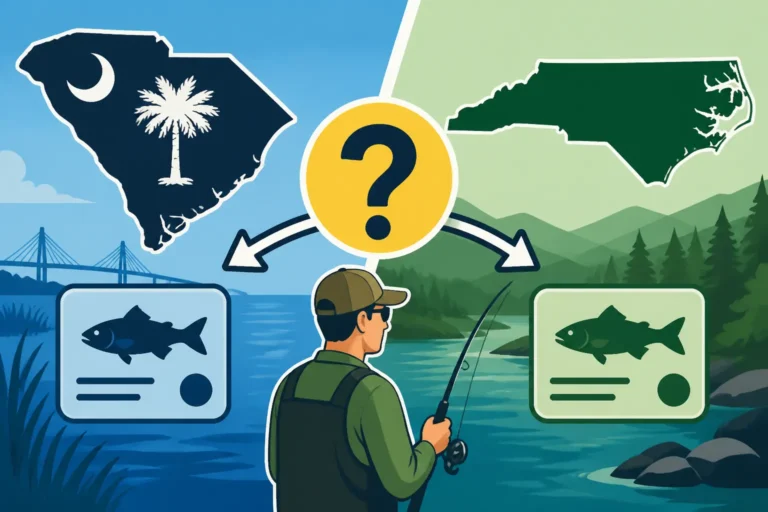
When the South Carolina Department of Natural Resources (SCDNR) talks about residents versus non-residents for fishing licenses, they're not just looking at where you hung your hat last night. Generally, a "resident" is someone who has lived in South Carolina for at least 30 consecutive days immediately prior to applying for a license. They must also be able to provide proof of residency, like a valid South Carolina driver's license or state-issued ID card. If you're here for a vacation, even an extended one, or own a second home in a charming coastal town like Beaufort, but your primary residence and ID are from another state, you're considered a non-resident.
This distinction is super important because it directly affects your options. Many folks assume that because they own property here, they automatically qualify for a resident license. Unfortunately, that's not always the case. If your driver's license, vehicle registration, and voter registration are all still in, say, North Carolina or Georgia, then South Carolina will typically consider you a non-resident, even if you spend months enjoying the Lowcountry. It's all about establishing that primary, legal residency for a specific period, which for fishing purposes is generally 30 days.
Why Residency Matters for License Costs and Types
The cold, hard truth is that non-residents typically pay more for fishing licenses than residents do. This isn't unique to South Carolina; it's a common practice across states to ensure that residents who contribute year-round taxes and support conservation efforts through various means receive a discounted rate. For out-of-state visitors, the cost difference can be significant, especially for annual licenses.
But it's not just about price. Residency also dictates the types of licenses available to you. While residents might have more flexible or long-term options, non-residents often have access to a range of short-term licenses designed for vacations or quick trips. These temporary options can be a real lifesaver, ensuring you don't overspend on an annual license when you're only planning a week-long visit. Understanding these differences upfront saves you from any surprises at the checkout counter and ensures you get the most appropriate license for your trip duration.
Essential Fishing License Options for Out-of-State Anglers
Alright, let's get down to the nitty-gritty of what licenses are actually available for you, the esteemed out-of-state visitor, whether you're dreaming of reeling in a largemouth bass or battling a feisty redfish. South Carolina offers a variety of non-resident licenses to fit different trip lengths and fishing preferences.
Freshwater Fishing Licenses for Non-Residents
If your South Carolina adventure involves chasing bass in Lake Murray, crappie in the Santee Cooper Lakes, or even trout in the mountain streams, you'll need a non-resident freshwater fishing license. The good news is, you've got a couple of choices depending on how long you plan to wet a line.
The most straightforward option is the non-resident annual freshwater fishing license. As of current regulations, this typically costs around $35 and is valid for one year from the date of purchase. This is a fantastic choice if you anticipate multiple trips to South Carolina throughout the year, or if your single trip is longer than a couple of weeks. For instance, if you're planning a month-long summer vacation to enjoy the freshwater delights around Lake Wateree, this annual license makes the most sense economically. You can find more details on the specific costs by checking our guide on Nonresident Freshwater Fishing License Costs in South Carolina.
For those shorter getaways, South Carolina also offers a non-resident 14-day freshwater fishing license, which usually runs about $11. This is perfect for a weekend trip to fish the Edisto River or a week-long stay near Lake Hartwell. It's a cost-effective way to comply with regulations without committing to an annual fee for a brief visit. You might pick one up at a local tackle shop or even a convenient store before heading out to one of the many Best Fishing Spots in South Carolina.
Saltwater Fishing Licenses for Non-Residents
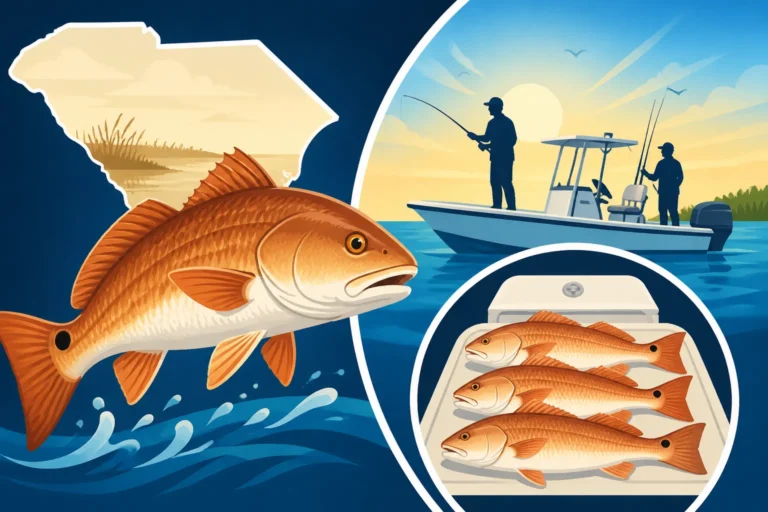
For those whose hearts beat to the rhythm of the tides, aiming for redfish in the marsh creeks or speckled trout in the inlets, a non-resident saltwater fishing license is your ticket. South Carolina's coast is teeming with opportunities, from the bustling jetties of Murrells Inlet to the serene estuaries near Charleston.
Similar to freshwater, the annual non-resident saltwater fishing license is available, usually priced around $75. This is the best value if you're a frequent visitor who loves to explore the diverse coastal fisheries throughout the year, perhaps spending spring chasing trout and fall battling redfish.
However, many out-of-state anglers come for shorter, targeted saltwater trips. For you, South Carolina offers shorter-term options. There's typically a non-resident 7-day saltwater fishing license, which often costs about $35, ideal for a week-long beach vacation where you plan a few days of inshore fishing. If you're just looking for a quick day trip, maybe trying your hand at surf fishing off Myrtle Beach or spending a single day on a fishing pier, there's also a non-resident 1-day saltwater fishing license, usually around $11. These short-term options are designed to give you flexibility and save you money. You can dive deeper into the expenses with our article, Nonresident Saltwater Fishing License Costs in South Carolina.
It's important to remember that these licenses cover most forms of recreational saltwater fishing. However, if you're fishing from a licensed public pier, like some of the larger ones along the coast, your individual license might not be required as the pier itself often holds a blanket license. Always double-check with the pier management, but for any other coastal fishing from a boat, kayak, or shore, an individual saltwater license is a must. Don't forget to explore our guide on Best Coastal Fishing Spots in South Carolina to find your perfect angling destination.
Combination Licenses: Freshwater and Saltwater Together
Now, you might be thinking, "What if I want to fish both freshwater and saltwater during my visit?" That's a great question, and it's a common scenario for visitors who want to experience the full spectrum of South Carolina's incredible fisheries. Unfortunately, for non-residents, South Carolina does not offer a single "combo" license that covers both freshwater and saltwater fishing with one purchase.
This means if your plans include, say, a few days chasing catfish on Lake Moultrie and then a few more days targeting flounder near Mount Pleasant, you will need to purchase both a non-resident freshwater fishing license and a non-resident saltwater fishing license. You'll need to decide between the annual or short-term options for each, based on your specific itinerary. It might feel like buying two separate tickets, but it ensures you're legally covered for all the waters you plan to fish. It's a small administrative step to ensure you can enjoy all the diverse angling opportunities the state offers.
Practical Steps and Important Considerations for Non-Residents
You've got your fishing trip dates set, chosen your target species, and now you know which license you need. What's next? Getting that license in hand and understanding the finer points of South Carolina's fishing rules is crucial for a smooth and enjoyable experience.
Where to Purchase Your Non-Resident License
The process of buying a non-resident fishing license in South Carolina is pretty straightforward, thankfully! You have a few convenient options:
The easiest and often most recommended method is to purchase your license online through the official Go Outdoors South Carolina portal. This allows you to secure your license from the comfort of your home before you even pack your bags, avoiding any last-minute stress. The website is user-friendly, guiding you through the steps of selecting your non-resident license type and duration. It's truly a game-changer for convenience, especially if you're traveling from afar and don't want to waste precious vacation time running errands. You can get more detailed instructions on this process by reading our article How to Buy a Fishing License on Go Outdoors South Carolina.
If you prefer an in-person transaction or happen to be passing by, you can also purchase licenses at authorized license vendors throughout the state. These are typically local tackle shops, sporting goods stores, and even some Walmarts or K-Marts. Look for signs indicating they sell SCDNR licenses. Additionally, you can visit a local SCDNR office during business hours. While you can browse fishing gear and related products on large online retailers like Amazon to get prepared for your trip, remember that fishing licenses themselves must be purchased through official state channels or authorized vendors.
What to Carry and Proof of Purchase
Once you've bought your license, you need to make sure you have it on you while fishing. South Carolina provides flexibility in how you carry proof of your license:
- Physical License: Many anglers still prefer a printed copy. When you purchase online, you usually have the option to print a temporary license immediately, and a hard card might be mailed to you.
- Digital Copy: You can often carry a digital version on your smartphone or other mobile device. This is incredibly convenient for most modern anglers. Just be sure your phone is charged and the license is easily accessible if a game warden asks to see it. Our guide, Digital Fishing License vs Printed Paper Copy, offers a deeper dive into the pros and cons of each.
Regardless of whether it's physical or digital, always have a valid photo ID (like your driver's license) with you. This allows game wardens to verify your identity and ensure the license belongs to you. If, by some stroke of bad luck, you lose your license during your trip, don't panic. You can usually access your account online through Go Outdoors South Carolina to print another copy, or visit an authorized vendor for assistance.
Understanding Exemptions and Special Rules
Even as a non-resident, there are a few scenarios where you might be exempt from needing an individual fishing license, or where special rules apply:
- Children: Great news for families! In South Carolina, kids under the age of 16 are generally not required to have a fishing license. This makes fishing a fantastic, accessible activity for young ones visiting the state. However, they must still adhere to all other fishing regulations, such as bag and size limits. Our guide on Fishing License Rules for Kids in South Carolina provides more comprehensive information.
- Pier Fishing: As mentioned earlier, some public fishing piers operate under a blanket license. If you're fishing from one of these piers, you typically won't need an individual license, but always confirm with the pier operator before you cast your line.
- Charter Trips: If you book a guided fishing trip with a licensed charter captain, whether inshore or offshore, you are typically covered under the captain's commercial license. This means you, as a passenger, generally do not need to purchase an additional individual fishing license for the duration of that specific charter trip. This is a huge convenience for visitors! Learn more by checking out License Requirements for Fishing Charter Passengers.
- Private Ponds: Fishing in a completely private pond that is entirely enclosed within private land and has no connection to public waterways generally does not require a state fishing license. However, always ensure you have permission from the landowner. For clarity, refer to Do You Need a License to Fish From a Private Pond?.
- Free Fishing Days: South Carolina typically designates a couple of "Free Fishing Days" each year, often in May and July. On these specific days, residents are allowed to fish without a license. However, it's crucial for out-of-state visitors to know that these free fishing days are almost always for South Carolina residents only. Non-residents are still required to possess a valid license even on these days. You can confirm this detail in our article, Are South Carolina's Free Fishing Days Open to Nonresidents?.
Consequences of Fishing Without a License
Fishing without a valid license in South Carolina is not just a minor oversight; it's a violation that can carry real consequences. Game wardens and law enforcement officers do patrol popular fishing spots, and they have the authority to check licenses.
If you're caught fishing without the appropriate non-resident license, you could face fines, which can vary depending on the specific violation and whether it's a first offense. These penalties are designed to deter unlicensed fishing and support the state's conservation efforts. It's a much more pleasant experience to spend those funds on bait or a nice meal after a successful fishing trip, rather than on a fine! Our detailed article, Penalties for Fishing Without a License in South Carolina, outlines the potential repercussions more thoroughly. The fees collected from fishing licenses directly contribute to the management, conservation, and stocking programs that ensure healthy fish populations and maintain the quality of South Carolina's incredible fisheries for everyone, including visitors. So, by getting your license, you're not just complying with the law; you're actively helping to preserve the very resource you've come to enjoy.
Planning Your Out-of-State Fishing Adventure in South Carolina
With your license squared away, you're now ready to really dive into planning the fun parts of your South Carolina fishing trip. Beyond the basic license, a little extra preparation can make all the difference in having a successful and memorable experience.
Researching Fishing Regulations and Species-Specific Limits
Getting your license is the first step, but it's far from the last when it comes to being a responsible angler. South Carolina, like all states, has a host of other regulations designed to protect fish populations and ensure sustainable fishing for future generations. This includes bag limits (how many fish of a certain species you can keep), size limits (the minimum or maximum length a fish must be to be kept), and sometimes even seasonal restrictions.
These rules can vary greatly by species and even by specific body of water. For example, the South Carolina Redfish Slot Limit Rules dictate that redfish must fall within a certain size range to be kept, and there's also a daily bag limit. Similarly, Spotted Seatrout Size and Bag Limits in South Carolina have specific minimum size and daily catch limits that you need to be aware of. The best way to stay current is to regularly check the SCDNR website for their latest regulations and publications. Many local tackle shops also have current rulebooks available, which are invaluable resources. Taking a few minutes to review these details can prevent accidental violations and ensures you're contributing to conservation rather than hindering it.
Essential Gear and Supplies for Your Trip
No matter if you're targeting freshwater giants or saltwater beauties, having the right gear is paramount. For freshwater excursions on lakes like Santee Cooper or Greenwood, a medium-action spinning rod paired with 8-12 lb test line is a versatile setup for bass, crappie, and catfish. Lure choices might include plastic worms, spinnerbaits, or crankbaits. For saltwater, especially along the coast from Folly Beach to Pawleys Island, you'll want something a bit more robust: a medium-heavy rod, a corrosion-resistant reel, and 15-30 lb braided line are good starting points for redfish, trout, and flounder. Live shrimp, mud minnows, or artificial lures like soft plastics under a popping cork are often effective.
Stocking up on these essentials before you arrive can save you time and money. While local tackle shops are fantastic for advice and specific regional baits, large online retailers like Amazon offer an incredible selection of rods, reels, lines, tackle boxes, and specialized lures. You can find everything from beginner-friendly combos to advanced electronics for deeper waters. Planning on some night fishing for catfish? Amazon has a wide array of headlamps and glow-in-the-dark baits. For those long days under the South Carolina sun, don't forget essentials like quality polarized sunglasses, a wide-brimmed hat, plenty of sunscreen, and a cooler full of water and snacks. Having these items organized and ready will make your fishing days much more comfortable and productive.
Exploring Top Fishing Destinations
South Carolina truly offers a diverse landscape for anglers, from the mountains to the sea. Knowing some of the prime locations can help you plan where to put your newly acquired non-resident license to good use.
For freshwater fanatics, the "Freshwater Coast" region boasts legendary lakes. Lake Murray, near Columbia, is a striped bass mecca, while the Santee Cooper Lakes (Marion and Moultrie) are renowned nationwide for their largemouth bass and trophy catfish. Further north, Lake Hartwell provides excellent opportunities for spotted and largemouth bass. If you're looking for more inspiration, our comprehensive guide to Best Fishing Spots in South Carolina can point you to hidden gems and popular hotbeds alike.
Along the coast, the options are equally enticing. The expansive marsh systems around Charleston, Mount Pleasant, and Hilton Head Island are phenomenal for inshore species like redfish, speckled trout, and flounder. These tidal creeks and grass flats offer incredible sight-fishing opportunities. For those looking to cast from the sand, the beaches of Myrtle Beach and Edisto Island are popular for surf fishing. Of course, deeper waters offer exciting challenges for offshore species. To explore specific coastal areas, check out our guide on Best Coastal Fishing Spots in South Carolina. No matter your preference, South Carolina has a fishing spot that's just right for your out-of-state adventure.
| Non-Resident South Carolina Fishing License Options | Freshwater (Lakes, Rivers) | Saltwater (Coast, Estuaries) |
|---|---|---|
| Annual License | ~$35 | ~$75 |
| Short-Term License | 14-day (~$11) | 7-day ( |
| Who Needs It | Anglers 16+ | Anglers 16+ |
| Best For | Multiple trips or long stays | Multiple trips or long stays |
| Ideal For | Single, short trips | Single, short trips |
| Where to Buy | Go Outdoors SC (online), authorized vendors | Go Outdoors SC (online), authorized vendors |
| Covered by Charter? | No, unless captain has specific license (rare for freshwater) | Yes, typically covered by captain's license |
Disclaimer
Please remember that fishing regulations, including license fees and requirements, are subject to change. While we strive to provide the most accurate and up-to-date information, it is always your responsibility to verify current regulations with the South Carolina Department of Natural Resources (SCDNR) before heading out on your fishing trip. This guide is for informational purposes only and should not be considered legal advice.