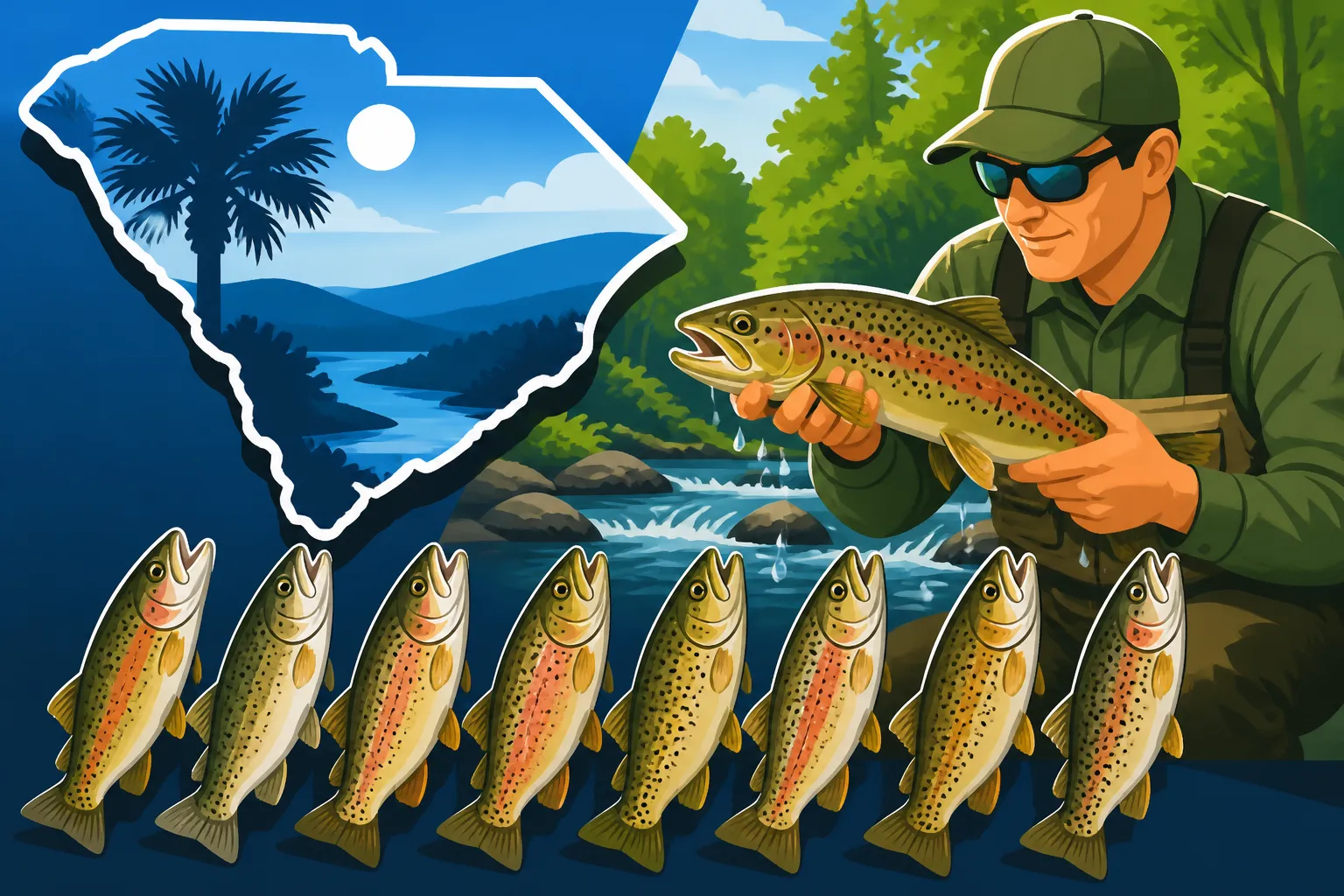
South Carolina Streams With an 8-Fish Trout Limit
It can be incredibly confusing trying to keep up with all the different fishing regulations here in South Carolina, especially when it comes to trout. You hear whispers about various creel limits – some streams are catch-and-release, others have a five-fish limit, some a seven-fish limit, and then there's the general statewide rule. It's enough to make your head spin before you even cast a line! This guide is here to help clear up the nuances of trout limits in the Palmetto State, specifically addressing the question of whether an 8-fish limit exists for specific streams and how to navigate these often-complex rules to ensure you're always fishing legally and responsibly.
Understanding South Carolina's Trout Fishery Regulations
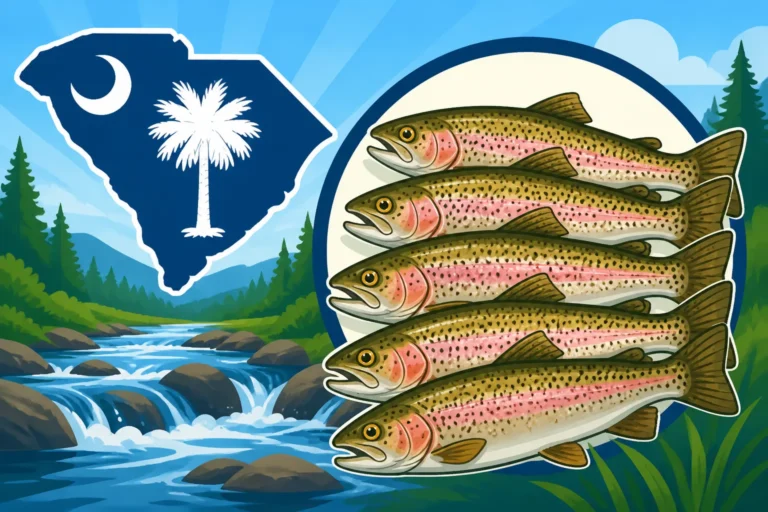
South Carolina might not be the first state that comes to mind when you think of trout fishing, but our Upstate region, particularly the pristine waters flowing from the Blue Ridge Mountains, offers some fantastic opportunities for catching rainbow, brown, and even our native brook trout. However, enjoying these coldwater fisheries means understanding a patchwork of regulations that can vary significantly from one stream to the next.
Why Trout Limits Differ Across Streams
The reason behind varying trout limits isn't just to make things complicated for us anglers; it's rooted deeply in conservation, ecology, and management strategies employed by the South Carolina Department of Natural Resources (SCDNR). These limits are carefully set to balance recreational fishing opportunities with the long-term health and sustainability of the trout populations.
For instance, streams that are regularly stocked with hatchery-raised trout, often called "put-and-take" fisheries, might have more generous limits because the fish are introduced specifically for harvest. These are usually easier to access and receive more fishing pressure. Think about popular spots in the Chattooga River or the Chauga River where stocking efforts ensure a healthy population throughout the season. On the other hand, streams or sections of streams that support wild, naturally reproducing trout populations often have much stricter limits, or are even designated as catch-and-release only. This is done to protect these delicate wild populations, which are more vulnerable to overfishing and habitat degradation. Our native brook trout, for example, primarily reside in high-elevation, pristine headwater streams, and protecting them is a top priority.
Factors like stream size, water flow, food availability, and the overall health of the ecosystem all play a role in determining how many fish a particular stretch of water can support. The SCDNR continuously monitors these conditions and adjusts regulations as needed, which is why it's so vital to always check the most current rules before heading out. Sometimes, specific sections of a river might have different rules than others, or even different rules for different species of trout. It's a dynamic system, and staying informed is part of being a responsible angler.
The General Statewide Trout Limit vs. Special Regulations
Here's where a lot of the confusion often comes in. South Carolina has a general statewide daily creel limit for trout. If you're fishing in a stream or lake that doesn't have any specific, posted regulations, this general limit applies. Currently, the statewide daily creel limit for trout is 10 fish per person. This applies to a mix of rainbow, brown, and brook trout, though certain specific streams may still restrict harvest of native brook trout.
However, many of our most popular and productive trout streams, especially those in the mountainous Upstate, are not under the general statewide limit. Instead, they operate under "special regulations" designed to fine-tune management for those particular waters. These special regulations are crucial for protecting specific fisheries or enhancing particular angling experiences, like fly-fishing-only sections.
For example, many streams in the Upstate have a daily creel limit of 7 trout, such as sections of the Eastatoe River or some tributaries flowing into Lake Jocassee. Other designated streams might have even stricter limits, such as a 5-fish daily limit, or even be managed as purely catch-and-release areas where no trout can be harvested at all, regardless of size or species. This is why it’s imperative to consult the latest SCDNR Fishing Regulations Guide, which is updated annually. You can often find a detailed map or list of streams with their specific regulations, helping you figure out precisely what applies to your chosen fishing spot. You definitely want to make sure you're aware of the specific rules by checking a stream's trout limit before you fish it.
Deciphering Trout Limits: Is an 8-Fish Limit Common in South Carolina?
Now, let's get to the heart of the matter and address the specific question about an 8-fish limit. Given the various limits we've discussed – statewide 10, common special limits of 7 or 5, and even catch-and-release – where does an 8-fish limit fit in?
The Statewide Default and Common Special Limits
As we've just covered, the general rule of thumb for trout fishing in South Carolina, if no other specific regulation is in place, is a daily creel limit of 10 trout. This is your baseline. If you're exploring a lesser-known stream in a broad area that isn't highlighted in the special regulations section of the SCDNR guide, you'd typically adhere to this 10-fish limit.
However, the reality for most popular trout fishing destinations in the South Carolina mountains is that special regulations supersede this general rule. The most frequently encountered special limits are a daily creel of 7 fish or 5 fish. For instance, the Chattooga River (section B) and many streams within the Sumter National Forest often have a 7-fish limit. Other, more sensitive or heavily managed streams, might even drop down to a 5-fish limit to ensure sustainability, especially for wild trout populations or during periods of higher fishing pressure.
These common special limits (7 or 5 fish) are explicitly listed in the SCDNR regulations, making it relatively straightforward to determine what applies to a particular waterway. The rationale behind these reduced limits is directly tied to the specific ecological conditions and management objectives of those unique stream environments. For example, a river section designated for wild trout rehabilitation might have a 5-fish limit, or even be fly-fishing-only with strict catch-and-release rules, to allow those fish to thrive and reproduce.
Why an 8-Fish Limit Might Be Difficult to Pinpoint
Here's the honest truth: an explicit "8-fish trout limit" for a specific stream or section of a stream is not a widely published or common regulation within the South Carolina Department of Natural Resources (SCDNR) fishing guide. When reviewing the official regulations, the numbers that consistently appear are the statewide default of 10 trout, and then special regulations that typically reduce that limit to 7 or 5 fish, or mandate catch-and-release.
It's entirely possible that an 8-fish limit might be a very localized, perhaps historical, regulation for a specific small private pond, a transient rule that has since been updated, or even a misunderstanding of how the limits are applied. Regulations can change, and what was true a few years ago might not be accurate today. For example, sometimes total possession limits might be different from daily creel limits, or a specific combination of species might inadvertently lead someone to think of an "8-fish" limit in a unique scenario, but it's not a standard, published stream-specific limit in the way that 5 or 7 fish limits are.
This highlights the absolute necessity of always checking the most current SCDNR fishing regulations before you head out. These guides are usually available for free at tackle shops, SCDNR offices, or easily accessible online through the SCDNR website. The regulations are typically updated annually, and staying on top of them is the best way to avoid any potential fines or legal issues. Misinformation, even well-intentioned, can lead to serious consequences, including penalties for fishing without a license in South Carolina or exceeding bag limits. Remember, ignorance of the law is no excuse, and wardens are out there making sure everyone is following the rules. This ensures that everyone has the chance to enjoy our state's beautiful trout fisheries for years to come.
Essential Tips for Trout Fishing in South Carolina's Upstate
Regardless of the specific creel limit you encounter, the Upstate of South Carolina offers incredible trout fishing experiences. Knowing the rules is just one piece of the puzzle; having the right gear and respecting the environment are equally important.
Gear and Tackle Recommendations
Getting your gear right can make all the difference in a successful and enjoyable trout fishing trip. For most of South Carolina's trout streams, which are often smaller and more intimate than big rivers, light tackle is the way to go.
- Rods: A light-action spinning rod (5'6" to 6'6") paired with a small spinning reel is perfect for casting light lures and baits. For fly fishing, a 3 to 5-weight fly rod, about 7'6" to 9' long, will give you enough backbone to cast small flies while still being sensitive enough to detect delicate trout bites.
- Line: For spinning gear, a 4-6 pound test monofilament or fluorocarbon line is usually sufficient. Go lighter if you're targeting particularly skittish wild trout. For fly fishing, a weight-forward floating line matched to your rod weight is standard, with a tapered leader (4X-6X) to present your flies naturally.
- Baits and Lures:
- Live Bait: Worms (like red wigglers), corn, and salmon eggs are classic trout baits and often highly effective, especially in stocked waters. PowerBait, in various colors and forms (dough or nuggets), is also a proven winner.
- Artificial Lures: Small inline spinners (Mepps, Panther Martin, Rooster Tail) in sizes #0 to #2 are excellent for covering water and mimicking baitfish. Small spoons (like Kastmasters or Phoebe) can also be very effective.
- Flies: If you're fly fishing, your choices will depend on the time of year and insect hatches. General patterns like dry flies (Elk Hair Caddis, Adams), nymphs (Prince Nymph, Pheasant Tail, Hare's Ear), and streamers (Woolly Bugger) are good starting points. You can find a huge variety of tackle, from basic spinning setups to specialized fly-fishing gear, on Amazon, often with detailed reviews to help you make your choices.
- Accessories: Don't forget a small pair of pliers or hemostats for hook removal, a small net with rubberized mesh (kinder to fish), and a tackle box with extra hooks, weights, and swivels. Polarized sunglasses are also a lifesaver for spotting fish and reducing glare on the water.
Best Practices for Ethical Angling
Beyond legal limits, ethical angling ensures that our trout fisheries remain healthy for future generations. It's about respecting the fish, the environment, and fellow anglers.
- Catch and Release: Even if a stream has a harvest limit, practicing catch and release for fish you don't intend to keep is vital, especially for wild trout or larger specimens that are valuable breeders. Handle fish gently with wet hands, minimize their time out of water, and use barbless hooks or crimp down the barbs on your hooks to make release easier and less damaging. This is particularly important on those designated catch-and-release streams, where survival after release is paramount.
- Respect Private Property: Many prime trout fishing spots are surrounded by private land. Always be mindful of property lines and seek permission if you're unsure. Public access points are clearly marked, and sticking to these helps maintain good relationships with landowners and ensures continued access for everyone.
- Leave No Trace: Pack out everything you pack in. This includes old fishing line, bait containers, and any other trash. Our mountain streams are beautiful, and it's our responsibility to keep them that way.
- Know All Regulations: Beyond just the creel limit, be aware of other specific rules such as minimum size limits, gear restrictions (e.g., fly-fishing-only sections), or bait restrictions. The South Carolina's Freshwater Fishing Regulations guide covers all these details, and understanding them helps preserve these delicate ecosystems. This means paying attention to how trout limits vary by stream in South Carolina and what specific rules apply to each location.
Planning Your Trout Fishing Trip
A little planning can greatly enhance your trout fishing adventure in South Carolina. Our Upstate region is rugged and beautiful, and being prepared makes all the difference.
- Check Water Conditions: Trout are highly sensitive to water temperature and flow. During warmer months, focus on higher elevation streams or early morning/late evening fishing when water temperatures are cooler. Heavy rains can blow out streams, making them muddy and unfishable for a few days. The SCDNR website or local fly shops can often provide up-to-date reports on stream conditions.
- Best Time of Year: While you can catch trout year-round, spring and fall are generally considered the prime seasons. Spring brings increased insect activity and actively feeding fish, while fall offers cooler temperatures and stunning foliage. Winter can be productive on milder days, often requiring slower presentations. For more on this, check out our guide on the best time of year to fish in South Carolina, or dive into specific strategies with our article on South Carolina stocked trout season fishing techniques.
- Popular Areas: Explore areas within the Sumter National Forest, which encompasses many of the state's trout waters, including parts of the Chattooga, Chauga, and Eastatoe rivers. Destinations near the towns of Mountain Rest, Walhalla, and Long Creek offer good access to these pristine mountain streams.
- Local Knowledge: Your best resource for current conditions and hot spots is often a local tackle or fly shop. Shop owners and guides live and breathe these waters and can provide invaluable insights into what's biting, what flies are working, and any recent changes in regulations or access. They can also point you to hidden gems you might not find otherwise. Before you go, ensure you have your South Carolina fishing license guide handy, or know where to buy a fishing license in South Carolina, as it's required for all anglers aged 16 and older. Even if you're just visiting, there are easy options for a South Carolina nonresident fishing license guide.
South Carolina Trout Fishing Limits Overview
To help clarify the various trout limits you might encounter in South Carolina, here's a brief table outlining the most common scenarios. Remember, always consult the official SCDNR regulations for the most current and specific details for your chosen fishing spot.
| Regulation Type | Daily Creel Limit (Trout) | Common Scenarios & Examples | Notes |
|---|---|---|---|
| Statewide General Limit | 10 fish | Applies to waters without specific, posted regulations | Covers a mix of Rainbow, Brown, and Brook Trout (unless specified) |
| Special Regulation | 7 fish | Many stocked streams, popular Upstate rivers (e.g., some Chattooga/Chauga sections) | Common for accessible, managed fisheries. |
| Special Regulation | 5 fish | More sensitive streams, wild trout zones, heavily pressured areas | Often coupled with size restrictions or gear limitations. |
| Special Regulation | Catch-and-Release Only | Designated "trophy" waters, wild brook trout restoration zones, some fly-fishing-only sections | No harvest allowed; often requires specific gear (e.g., barbless hooks). |
| 8-Fish Limit | Not a standard SCDNR category | Not typically found as a specific, published limit for SC streams. | Always check current regulations for any unique, localized rules. |
While an 8-fish limit might not be a standard regulation you'll find explicitly listed for South Carolina streams, understanding the various limits that do exist, and the reasons behind them, is key to being a successful and responsible angler. Tight lines!
Disclaimer
Please remember that fishing regulations, including creel limits and special rules, are subject to change. While we strive to provide the most accurate and up-to-date information, it is always your responsibility to consult the official South Carolina Department of Natural Resources (SCDNR) website or the current year's printed fishing guide before heading out on the water. Relying solely on information from third-party sources may lead to unintended violations.