South Carolina Redfish Vessel Limit Explained
Navigating the nuanced world of South Carolina fishing regulations can feel like deciphering a complex puzzle, especially when it comes to specific species like redfish. Many anglers find themselves scratching their heads, wondering if they're interpreting the rules correctly, particularly the often-misunderstood "vessel limit" for redfish. This comprehensive guide will untangle the specifics of South Carolina's redfish vessel limit, ensuring you understand exactly how many of these prized fish you can legally keep when fishing from a boat.
Understanding Redfish Regulations in South Carolina
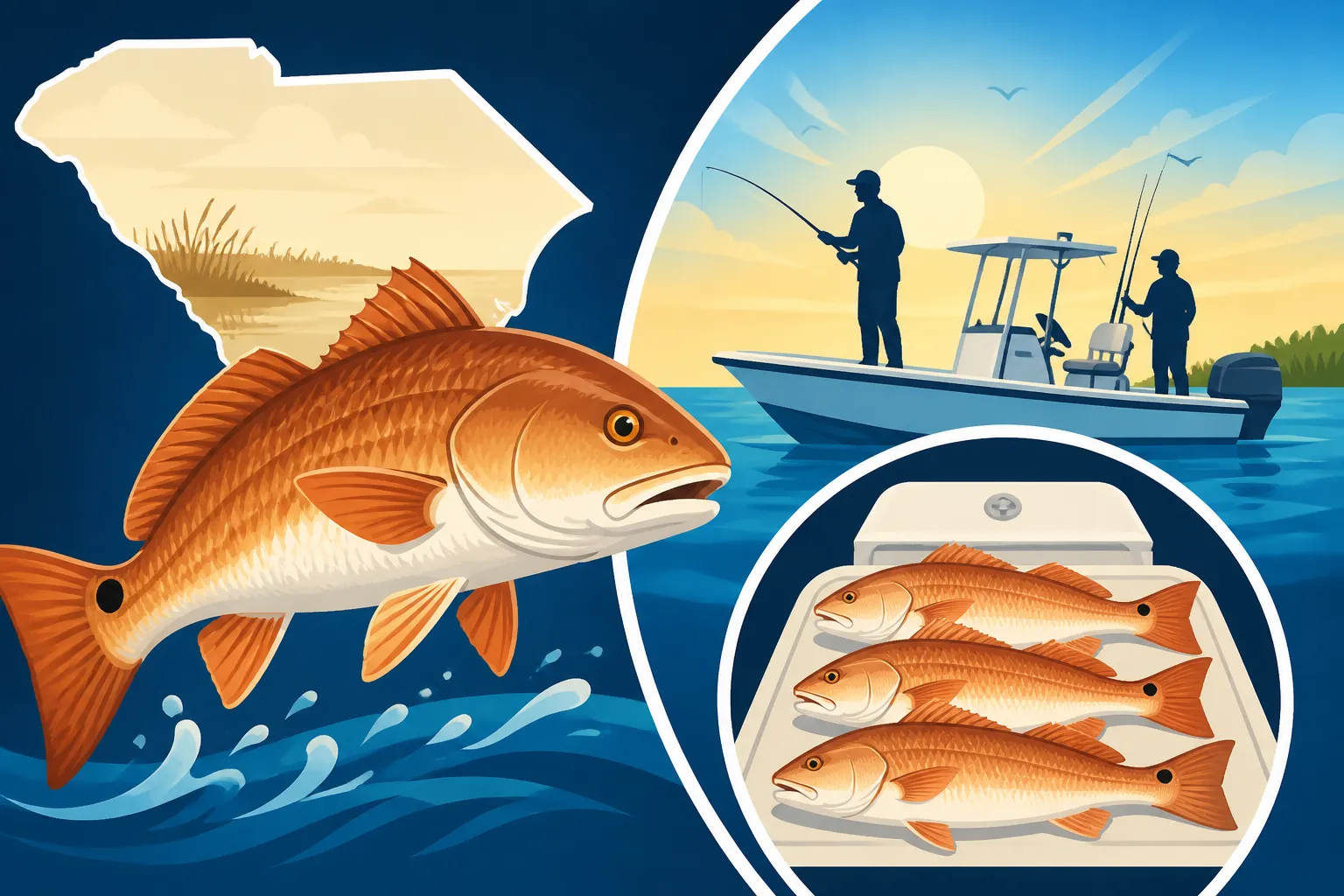
Redfish, also known as red drum, are one of South Carolina's most iconic inshore game fish. Their striking copper color, powerful fight, and delicious taste make them a top target for anglers across the Lowcountry and beyond. However, their popularity also means they require careful management to ensure sustainable populations for future generations. Understanding the regulations isn't just about avoiding a fine; it's about being a responsible steward of our natural resources.
Why Redfish Limits Exist
The primary reason for implementing fishing limits, including size and bag limits, is conservation. Fish populations, even robust ones like redfish, can be susceptible to overfishing if left unchecked. The South Carolina Department of Natural Resources (SCDNR) monitors redfish stocks through various scientific methods, collecting data on population sizes, spawning success, and angler catch rates. Based on this data, regulations are adjusted to ensure that enough fish survive to reproduce, maintaining a healthy ecosystem. Imagine if everyone could keep as many redfish as they wanted; it wouldn't take long before the numbers dwindled, impacting not only the fish themselves but also the entire food chain and the recreational fishing industry. These limits are designed to strike a balance between providing angling opportunities and protecting the species.
The Importance of Staying Updated
Fishing regulations are not set in stone; they are dynamic and can change based on scientific assessments, environmental factors, and public input. What was legal last year might not be this year, and relying on outdated information can lead to unintentional violations. The SCDNR regularly reviews and updates its guidelines for various species, including redfish. A quick check before each fishing trip, or at least at the start of each new season, is always a wise move. You can find the most current rules on the official SCDNR website, often in downloadable pamphlets or online summaries. Being proactive about knowing the rules, especially the specific South Carolina Redfish Slot Limit Rules and Current Redfish Regulations for Coastal Waters, is crucial for every angler. It's not just a suggestion; it's a vital part of ethical angling in South Carolina.
Deconstructing the South Carolina Redfish Slot Limit
Before we dive into the vessel limit, it's essential to grasp the individual components of redfish regulations: the slot limit and the daily bag limit per person. These two rules work in tandem with the vessel limit to control the overall harvest of redfish. Without understanding these foundational elements, the vessel limit itself won't make complete sense.
The 18-to-25-Inch Rule
South Carolina employs a strict "slot limit" for redfish. This means that to be a legal keeper, a redfish must fall within a specific size range, measured from the tip of the nose to the tip of the tail (pinched). For redfish in South Carolina, this slot is currently 18 to 25 inches. Fish smaller than 18 inches are considered "undersized" and must be immediately released. Similarly, fish larger than 25 inches are "oversized" and must also be released. The logic behind this slot limit is twofold: it protects juvenile fish, allowing them to grow and mature, and it safeguards the large, mature breeding fish (often called "bull reds"), which are vital for the species' reproductive success. Imagine these big breeders as the cornerstone of the redfish population; protecting them ensures a steady supply of new fish. This 18-to-25-inch rule is a non-negotiable part of the South Carolina Redfish Slot Limit 18 to 25 Inches.
Daily Bag Limit Per Person
In addition to the slot limit, each individual angler has a "daily bag limit." This specifies the maximum number of legal-sized redfish (those within the 18-25 inch slot) that one person can keep in a single day. As of recent regulations, the daily bag limit for redfish in South Carolina is two fish per person. This means if you're fishing by yourself, you can keep no more than two redfish that fall within the legal slot. This personal bag limit is critical because it dictates how many fish each angler contributes to the overall vessel limit. It's a fundamental aspect of the South Carolina Redfish Daily Bag Limit Per Person and acts as an important individual control on harvest numbers.
The South Carolina Redfish Vessel Limit Explained
Now that we've covered the individual slot and bag limits, let's tackle the main event: the redfish vessel limit. This is where things can get a little tricky for multi-person fishing trips, and it's a rule designed to prevent a large group on one boat from significantly exceeding a sustainable harvest.
What "Vessel Limit" Truly Means
The term "vessel limit" refers to the maximum number of legal-sized redfish that can be possessed on a single boat at any given time, regardless of how many licensed anglers are on board. In South Carolina, the redfish vessel limit is set at six fish. This means that even if you have four or five licensed anglers on your boat, and each person could theoretically keep two fish, your total collective catch for redfish cannot exceed six fish. The vessel limit acts as an overarching cap on the boat's total possession, superseding the sum of individual bag limits if the individual limits would result in more than six fish. It's a crucial regulation in the South Carolina Redfish Vessel Limit Rules Explained.
Consider it this way: the SCDNR isn't just worried about what each person takes home; they're also concerned about the total impact of a single fishing excursion. A large boat with many anglers could theoretically decimate a small school of redfish if only individual limits were considered. The vessel limit acts as a safeguard against this.
How the Vessel Limit Works in Practice
Let's walk through a few common scenarios to illustrate how the redfish vessel limit operates:
- Solo Angler: If you're fishing alone on your boat, your personal daily bag limit of two redfish becomes your de facto vessel limit. You cannot keep more than two legal-sized redfish.
- Two Anglers: With two licensed anglers, each can keep two redfish, for a total of four fish. This is within the six-fish vessel limit, so you're good to go.
- Three Anglers: Each of the three licensed anglers can keep two redfish. This totals six fish. This perfectly matches the vessel limit, so you're still in compliance.
- Four or More Anglers: This is where the vessel limit becomes most critical. If you have four licensed anglers on your boat, and each person could keep two fish, that would theoretically be eight fish. However, because the vessel limit is six fish, you can only keep a total of six redfish on that boat, collectively. This means that some anglers might not be able to fill their individual bag limit of two fish. For instance, two anglers might keep two fish each, and the other two anglers might keep one fish each, totaling six. Or, three anglers could keep two each, and the fourth keeps zero. The distribution is up to the anglers, but the total on the boat cannot exceed six.
This specific detail often catches people off guard, especially those used to other states' regulations where individual limits simply stack up. It emphasizes a collective responsibility for conservation when fishing from a shared vessel.
Distinguishing Personal Bag from Vessel Limit
The key to avoiding confusion lies in understanding that the personal bag limit applies to you as an individual angler, while the vessel limit applies to the boat itself. Your personal limit of two redfish is the maximum you can personally harvest in a day. However, if you are on a boat with other anglers, and the collective individual catches would exceed the boat's six-fish vessel limit, the vessel limit takes precedence. You cannot have more than six redfish on board, even if everyone could have taken two.
Think of it like this: your personal bag limit is your individual allowance, but the vessel limit is the total budget for the entire trip for everyone on board. If the individual allowances add up to more than the budget, you have to adjust accordingly. This is particularly relevant for scenarios like How Redfish Vessel Limits Work for Group Charters, where multiple clients are paying to fish together.
Real-World Scenarios and Common Questions
Putting these regulations into practice requires a bit of foresight and clear communication among fishing buddies. Let's delve into some common situations and address the questions that often arise regarding the redfish vessel limit.
Fishing with a Group of Friends
Imagine you and five buddies head out on your boat for a day of redfishing near Murrells Inlet. You're all licensed anglers, eager to catch some slot reds. Throughout the day, everyone is having success, and soon you've got seven beautiful 20-inch redfish in the cooler. This is a common and exciting scenario, but it immediately raises a red flag.
Even though there are six of you, and each person's individual bag limit is two, totaling a theoretical twelve fish, your vessel limit is still only six. Possessing seven redfish on your boat means you are in violation of the regulation. This is why clear communication is essential. Before you even head out, or as soon as you start catching fish, discuss the vessel limit with your group. Agree on a plan for when you hit the six-fish mark – will you switch to catch-and-release only for redfish, or will you target other species like spotted seatrout or flounder? Having a plan in place prevents awkward situations and ensures everyone is on the same page about responsible angling.
Charter Boat Considerations
For those booking a South Carolina Fishing Charters: The Complete Guide, the vessel limit is something your captain is intimately familiar with. Professional guides like Captain John Smith of Charleston Inshore Charters or Captain Mike's Fishing Adventures out of Hilton Head Island are well-versed in all current regulations. On a typical redfish charter, the vessel limit of six fish applies to the entire party, including the captain, even if the captain isn't actively fishing. This means if you have four clients and a captain on board, the total number of keeper redfish for that trip cannot exceed six.
Good guides will manage this carefully. They'll often communicate the limits at the beginning of the trip and help clients understand how the collective catch works. For instance, if you have six clients on a charter, they will collectively share those six redfish. No single client can take more than their individual limit of two, but the total cannot go over six for the boat. This ensures that even commercial operations adhere to the same conservation principles as recreational anglers. When choosing a guide, it's always smart to ask about their approach to bag and vessel limits, as part of How to Choose the Right Fishing Guide in South Carolina.
What if You Exceed the Limit?
Exceeding the redfish vessel limit, or any other fishing regulation, can lead to serious consequences. South Carolina Department of Natural Resources (SCDNR) enforcement officers patrol coastal waters and can conduct inspections at any time. If caught with more than the legal limit of redfish on board, you could face fines, confiscation of your catch, and even suspension of your fishing privileges. The specific penalties can vary depending on the severity of the violation and whether it's a first offense, but generally, violating bag limits is considered a misdemeanor with associated fines.
For instance, a citation for possessing oversized or undersized redfish, or exceeding the daily bag or vessel limit, could cost hundreds of dollars per violation. Repeated offenses can lead to much harsher penalties. It's truly not worth the risk. Understanding and adhering to regulations, including the Penalties for Fishing Without a License in South Carolina which are also serious, is paramount for every angler.
Tips for Compliance and Responsible Angling
Being a responsible angler means more than just knowing the rules; it means actively working to conserve the fishery and ensure its health for the long term. Here are some practical tips to help you stay compliant and contribute to sustainable redfish populations.
Measuring and Verifying Your Catch
Accuracy is key when it comes to the 18-to-25-inch slot limit. A legal measuring device is essential for every boat. Keep a sturdy, easy-to-read measuring board or tape handy. Don't rely on guesswork or a flexible tape measure that might stretch. Place the fish on the measuring device with its mouth against the bump stop, and pinch the tail fin to get the most accurate length.
Before placing any redfish in your cooler, double-check its size. A few seconds of verification can save you a lot of trouble later. You can find reliable, waterproof measuring devices on Amazon, often designed specifically for kayak or boat use. Many anglers even mark their boat's cooler lid or a designated flat surface with the legal slot limits for quick reference.
It's also a good practice to photograph your catches, especially if you're releasing them, as a way to celebrate without keeping. When you do keep a fish, immediately put it on ice to ensure freshness.
Best Practices for Handling and Releasing
Not every redfish you catch will be a keeper, and many anglers practice catch-and-release even for legal-sized fish. Proper handling of all fish, especially those you intend to release, is critical for their survival.
- Minimize Stress: Land the fish quickly to reduce exhaustion.
- Use Proper Gear: Barbless hooks can make release much easier and less damaging. Circle hooks are particularly effective for redfish, often leading to mouth hooks rather than gut hooks, improving survival rates.
- Keep Them Wet: Try to keep the fish in the water as much as possible, especially during measurement and photography. If you must remove them, do so gently and briefly. Avoid dragging them on rough surfaces.
- Support Their Body: When holding a redfish, support its entire body weight, especially horizontally. Avoid holding large fish vertically by the jaw, which can damage internal organs.
- Revive If Necessary: If a fish seems lethargic before release, hold it gently in the water, facing into a mild current, until it regains its strength and swims away on its own.
By following these practices, you increase the chances that released fish will thrive, contributing to the overall health of the redfish population. This is a fundamental part of responsible fishing and a key element in conserving our prized species.
Staying Informed on Redfish Regulation Changes
As mentioned earlier, fishing regulations are not static. They evolve as fisheries scientists learn more about fish populations, environmental conditions shift, and pressures on the fishery change. Being proactive about staying informed is the mark of a truly dedicated and responsible angler. You can't just assume the rules you learned years ago are still valid.
Sources for Official Information
The most reliable source for current redfish regulations in South Carolina is always the official South Carolina Department of Natural Resources (SCDNR) website. They maintain up-to-date information on all species, including redfish.
- SCDNR Website: The primary hub for all official regulations. Look for sections specifically on saltwater recreational fishing limits.
- Official Handbooks/Pamphlets: The SCDNR often publishes annual fishing handbooks or pamphlets available at license vendors, tackle shops, and online. Keep a digital or physical copy on your boat or in your tackle box.
- "Go Outdoors South Carolina" App: Many states, including South Carolina, offer mobile apps where you can buy licenses and check regulations on the go. This can be incredibly convenient while out on the water.
- Reputable Tackle Shops: Local tackle shops are often excellent resources as their staff deals with these regulations daily and can offer practical advice.
- Trusted Online Communities: While not official, joining South Carolina fishing forums or Facebook groups can help you stay abreast of discussions about potential changes or reminders about current rules. Just be sure to cross-reference any information with official SCDNR sources.
Remember, ignorance of the law is not an excuse. Making a habit of checking the official sources regularly, especially before your first trip of a new season, is the best way to ensure you're always in compliance. For example, understanding if the South Carolina Redfish Slot Limit Changed Recently can save you from a potential violation.
Why Regulations Change
It's natural to sometimes feel frustrated by regulation changes, but understanding the rationale behind them can help foster appreciation for the process. Regulations typically change for several key reasons:
- Scientific Assessments: SCDNR biologists continuously monitor fish populations. If studies show a decline in stock or a need for greater protection, limits might become stricter. Conversely, if a population is thriving, limits might be relaxed slightly.
- Environmental Factors: Events like severe cold snaps, hurricanes, or habitat degradation can impact fish populations. Regulations might be adjusted in response to these natural events to aid recovery. For instance, a particularly harsh winter can lead to a significant redfish kill, prompting temporary stricter limits.
- Angler Pressure: An increase in fishing participation or improved fishing technologies can lead to higher harvest rates. Regulations might be updated to account for this increased pressure on the resource.
- Public Input: SCDNR often holds public meetings or solicits feedback from anglers, commercial fishermen, and other stakeholders when considering regulation changes. This ensures that a variety of perspectives are considered in the decision-making process.
These changes are ultimately aimed at ensuring that there are healthy fish populations for everyone to enjoy, now and in the future. The Why You Should Always Double-Check Current Redfish Rules post perfectly articulates this ongoing need for vigilance.
Summary of Redfish Limits
To help clarify the various redfish limits we've discussed, here's a quick overview in a table format. Remember, these are based on current regulations and are subject to change by SCDNR.
| Regulation Type | Description | Applies To | Current Limit |
|---|---|---|---|
| Slot Limit | The legal size range (measured from the tip of the nose to the tip of the tail, pinched) within which a redfish must fall to be legally harvested. Fish outside this range (undersized or oversized) must be immediately released. This protects both juveniles and large breeders. | Each Individual Fish | 18 to 25 inches |
| Daily Bag Limit | The maximum number of legal-sized redfish (within the slot limit) that a single licensed angler can harvest and possess in one day. | Each Individual Angler | 2 Redfish |
| Vessel Limit | The maximum total number of legal-sized redfish that can be possessed on a single boat or vessel at any given time, regardless of the number of licensed anglers on board. This limit supersedes the sum of individual bag limits if the sum would exceed the vessel limit. | The Entire Vessel | 6 Redfish |
| Example Scenario (4 anglers) | If 4 licensed anglers are on a boat, each can legally keep 2 redfish individually (totaling 8). However, the vessel limit means the boat can only possess a maximum of 6 redfish. The anglers must decide how to distribute the 6 fish (e.g., three anglers keep 2 fish, one angler keeps 0 fish, or two anglers keep 2 fish and two keep 1 fish). | The Entire Vessel | 6 Redfish (even if individual limits would allow more, the boat's total cannot exceed 6) |
This table clearly shows how the three limits work together to manage the redfish fishery effectively. Always keep a measuring device and review the most current regulations from the SCDNR.
Disclaimer
The information provided in this guide is for informational purposes only and is based on publicly available regulations at the time of writing. Fishing regulations, including size limits, bag limits, and vessel limits, are subject to change by the South Carolina Department of Natural Resources (SCDNR). It is the angler's responsibility to verify the most current regulations before engaging in any fishing activity. Always consult the official SCDNR website or their latest printed regulations guide for the most accurate and up-to-date information. Failure to comply with regulations can result in fines, penalties, and loss of fishing privileges.