Resident vs Nonresident Fishing License Price Differences
It can be incredibly confusing trying to figure out how much a fishing license costs in South Carolina, especially when you're just trying to enjoy a relaxing day on the water and not deal with a mountain of paperwork or unexpected fees. This guide is here to break down the ins and outs of fishing license prices in the Palmetto State, focusing specifically on the significant cost differences between resident and nonresident anglers so you can confidently plan your next fishing adventure without any surprises.
Understanding the "Why" Behind License Price Differences
When you look at the price tags for South Carolina fishing licenses, it's pretty clear that residents often pay significantly less than nonresidents. This isn't some arbitrary decision; it's a deeply rooted practice across most states, including ours, and it's built on a few fundamental principles designed to manage natural resources and ensure fairness to those who fund them year-round. It often feels like a penalty if you're an out-of-stater, but there's a rationale behind it.
Investing in Local Conservation Efforts
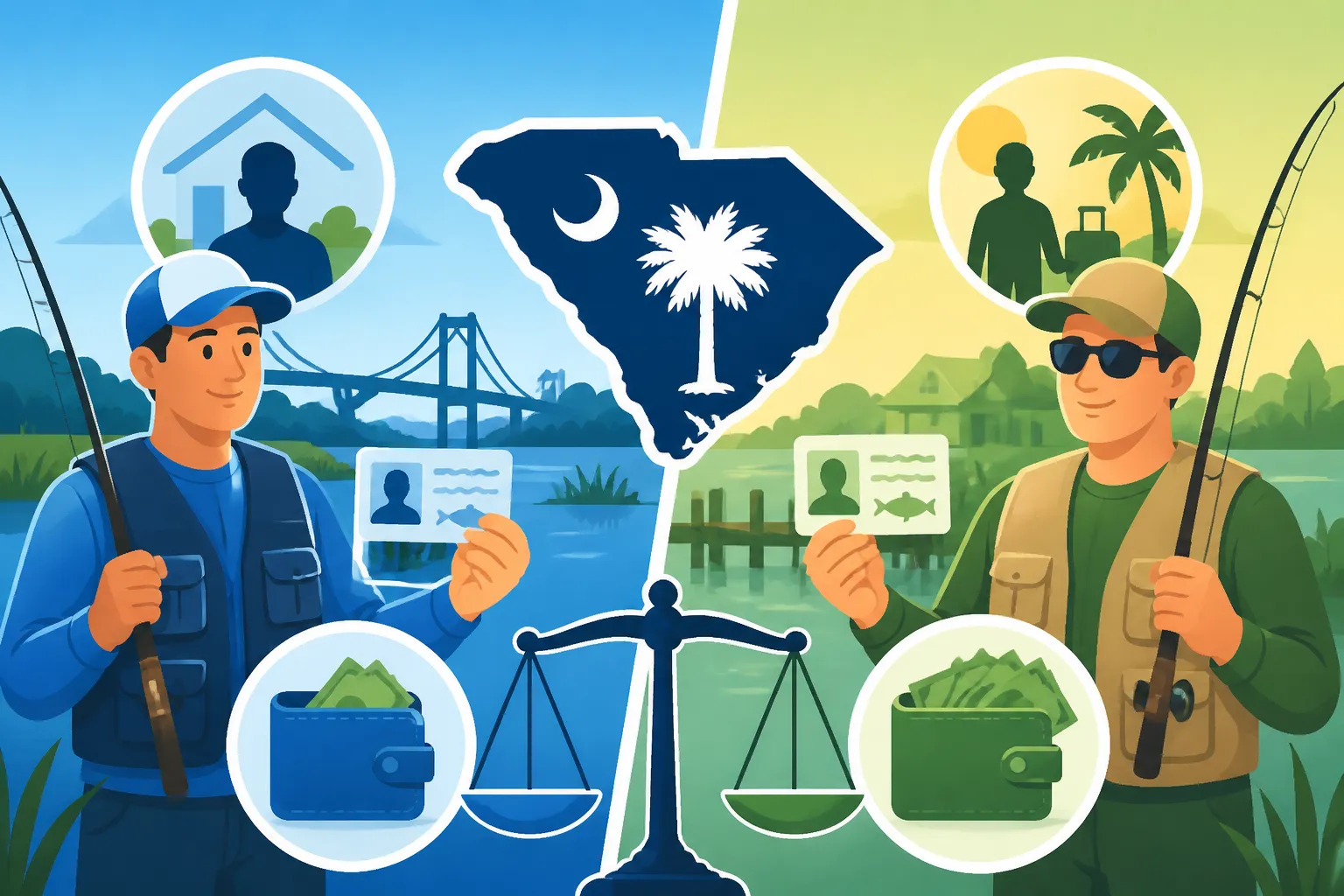
Think of it this way: residents of South Carolina contribute to the state's infrastructure and conservation efforts through various taxes, not just fishing license fees. Our state tax dollars, sales taxes, and property taxes all play a part in maintaining public lands, stocking fish, monitoring populations, enforcing regulations, and improving access points like boat ramps and piers. These are all crucial for healthy fisheries. Nonresidents, while certainly welcome and valued visitors, don't typically contribute to these ongoing general funds in the same way. The higher license fee for nonresidents helps to offset that difference, ensuring they contribute more directly to the upkeep and management of the very resources they come here to enjoy. It’s a way to balance the scales a bit and ensure that everyone using the natural resources is helping to sustain them for future generations.
Managing Fishing Pressure and Resource Allocation
South Carolina boasts some incredible fishing, from the abundant bass in Lake Murray to the thriving redfish populations along our coast. With such fantastic opportunities, it's no surprise that anglers from all over the country want to cast a line here. Higher nonresident fees act as a tool, albeit a subtle one, to help manage fishing pressure. If licenses were the same price for everyone, there might be an even greater influx of anglers, potentially straining fish populations and reducing the quality of the fishing experience for everyone. The state's Department of Natural Resources (SCDNR) works diligently to monitor fish stocks and habitat health. These differentiated fees help them maintain that delicate balance, protecting our unique ecosystems while still allowing visitors to experience the joy of fishing in our beautiful state. It ensures that while we welcome everyone, we prioritize the long-term health of our fisheries.
South Carolina Resident Fishing License Costs
If you're lucky enough to call South Carolina home, you'll find that fishing licenses are quite affordable, reflecting your ongoing contributions to the state's resources. The SCDNR offers a variety of options to fit different fishing habits, from short-term trips to annual passes, and even long-term solutions. Understanding these options is key to choosing the most cost-effective license for your needs.
Freshwater Fishing License Options for Residents
For residents who prefer the calm waters of our many lakes and rivers, the freshwater fishing license is a fantastic value. The annual freshwater license is often the most popular choice, providing year-round access to these incredible resources. Currently, a South Carolina Resident Freshwater Fishing License Annual Cost is quite modest, making it an easy addition to your yearly outdoor budget. This covers everything from chasing largemouth bass on Lake Marion to fly fishing for trout in the Upstate. If you're just looking for a quick trip or are new to fishing, there are also shorter-term options. For example, a South Carolina Resident Freshwater Fishing License 14-Day Cost is an excellent choice if you only plan to fish for a couple of weeks out of the year, perhaps during a family vacation or a specific fishing tournament.
Beyond the annual and short-term choices, some residents might find value in extended options. The South Carolina Resident Freshwater Fishing License 3-Year Cost offers a convenient way to lock in your fishing access for multiple years, saving you the hassle of annual renewals. This is particularly appealing for dedicated anglers who know they'll be fishing consistently. Just remember, these licenses specifically cover freshwater species and locations. If your plans involve heading to the coast, you'll need to consider additional coverage. Many residents also bundle their licenses, so you might find more comprehensive choices that include hunting or saltwater privileges, which can be an even better deal depending on your hobbies.
Saltwater Fishing License Options for Residents
For residents drawn to the coastal beauty and the thrill of inshore and offshore fishing, a saltwater license is essential. Our coastal waters offer everything from redfish and spotted seatrout in the estuaries to king mackerel and mahi-mahi offshore. The annual saltwater license for residents is also very reasonably priced, often just a few dollars more than the freshwater equivalent. This South Carolina Resident Saltwater Fishing License Annual Cost provides full access to the state's marine waters, whether you're surf fishing from Myrtle Beach or casting for flounder in the Lowcountry. It's a small price to pay for the incredible diversity of species and experiences our coast offers.
Similar to freshwater, short-term options are available for those whose saltwater excursions are less frequent. The South Carolina Resident Saltwater Fishing License 14-Day Cost is perfect for a short beach vacation or a concentrated fishing trip. It gives you enough time to explore different spots without committing to a full year. For those who are in it for the long haul, a South Carolina Resident Saltwater Fishing License 3-Year Cost is also an option, providing extended coverage and peace of mind. Remember, these licenses cover rod and reel fishing, but if you're into specialized methods like crabbing or shrimping, you might need additional permits. Always check the current South Carolina's Saltwater Fishing Rules in South Carolina to ensure you're fully compliant with all regulations.
Nonresident Fishing License Options and Pricing
For our visiting anglers, the price structure for fishing licenses in South Carolina is a bit different, reflecting the state's commitment to conservation while still welcoming those who travel here to enjoy our beautiful waters. While the costs are higher than for residents, the state still offers flexible options to ensure you can find a license that fits the length and type of your trip without overspending.
Freshwater Fishing License Costs for Nonresidents
If you're an out-of-state angler looking to tackle the bass, crappie, or catfish in South Carolina's lakes and rivers, you'll need a nonresident freshwater fishing license. The Nonresident Freshwater Fishing License Costs in South Carolina are naturally higher than what residents pay, but they still represent a good value for access to our amazing fisheries. An annual nonresident freshwater license will give you the freedom to fish our freshwater bodies any time for a full year. This is a great option if you plan on making multiple trips throughout the seasons.
However, if your visit is shorter, say a quick weekend getaway to Lake Hartwell or a week-long stay near Lake Murray, then a short-term license will likely be more economical. The South Carolina Nonresident Freshwater Fishing License 14-Day Cost is designed for exactly this scenario, giving you two full weeks of fishing without having to pay for an entire year's worth of access. It's crucial to consider the length of your stay and your planned fishing days. For a single, extended trip, the 14-day option might be ideal. But if you envision coming back even twice in a year, the annual license quickly becomes the better deal. You can often purchase these licenses easily online through the Go Outdoors South Carolina platform.
Saltwater Fishing License Costs for Nonresidents
Heading to the coast? The nonresident saltwater fishing licenses in South Carolina cater to visitors looking to experience our renowned Lowcountry and Grand Strand fisheries. These are generally the most expensive licenses for nonresidents, reflecting the popularity and management needs of our coastal resources. The South Carolina Nonresident Saltwater Fishing License Annual Cost provides unlimited access for a year, which is perfect for snowbirds or those who frequent our beaches and estuaries throughout various seasons. Think about the incredible opportunities for redfish, spotted seatrout, and flounder that an annual license unlocks.
For shorter stays, the SCDNR offers even more flexible options. A South Carolina Nonresident Saltwater Fishing License 7-Day Cost is ideal for a week-long family vacation to places like Hilton Head Island or Charleston. It provides ample time to enjoy several days of fishing without paying for a full year. And if you're just passing through or only have one day dedicated to casting a line in the ocean, the South Carolina Nonresident Saltwater Fishing License 1-Day Cost is an incredibly convenient and budget-friendly choice. This is particularly useful for those spur-of-the-moment decisions to try some surf fishing or hop on a pier. When considering these options, think about the total number of fishing days you anticipate. Sometimes, even two or three short trips might make the annual license a more sensible investment, especially when paired with a good set of fishing rods and tackle you might find on Amazon before your trip.
Comparing Annual vs. Short-Term Licenses
Deciding between an annual license and a shorter-term option can feel like a bit of a math problem, but it's really about aligning the cost with your actual fishing habits and travel plans. Both residents and nonresidents have these choices, and making the right call can save you money and hassle in the long run.
When an Annual License Makes Sense
An annual fishing license is almost always the best value if you plan to fish more than just a couple of times within a 12-month period. For South Carolina residents, especially, the cost of an annual freshwater or saltwater license is so low that even two or three trips can make it pay for itself. Imagine you're a local who loves to hit Lake Wylie for bass in the spring and then enjoys some summer evenings chasing crappie on Lake Greenwood; an annual freshwater license is a no-brainer. Similarly, if you live near the coast and enjoy both spring trout fishing and fall redfish action, the annual saltwater license is your most economical option. It eliminates the need to remember to buy a new short-term license every time you head out and ensures you're always covered. For nonresidents, the threshold is a bit higher due to the increased cost, but if you're a regular visitor who makes seasonal trips or extended stays, an annual license will quickly become more cost-effective than repeatedly buying short-term options. This is especially true for the more expensive nonresident saltwater licenses. You can learn more about the specifics in our detailed guide on the South Carolina Annual Fishing License Price Breakdown.
The Value of Short-Term Options
Short-term licenses are truly a godsend for casual anglers, tourists, or those who fish infrequently. For residents, a 14-day freshwater or saltwater license is perfect for a specific two-week vacation or if you're only joining friends for an occasional outing. It's a low-commitment way to enjoy the sport without paying for a full year of access you might not use. For nonresidents, these short-term licenses are often the most practical choice. If you're visiting Charleston for a long weekend and want to try your hand at inshore fishing for just a day or two, the 1-day or 7-day saltwater options are ideal. It saves you from shelling out for an annual license when you know your time on the water is limited. These are also excellent for new anglers or families trying fishing for the first time, as the lower upfront cost makes it less of a gamble. Just be mindful of the expiration date, as fishing without a valid license can lead to significant Penalties for Fishing Without a License in South Carolina. For visitors looking at brief stays, our guide on Nonresident Short-Term License Options for a Weekend Trip offers even more tailored advice.
Special Circumstances and Exemptions
Beyond the standard resident and nonresident licenses, South Carolina recognizes that certain groups of people have unique situations or deserve specific considerations when it comes to fishing licenses. It's important to be aware of these special categories, as you might qualify for reduced fees or even exemptions.
Youth, Senior, and Disability Exemptions
South Carolina is generally very welcoming to young anglers, understanding that fishing is often a family activity and a wonderful way to connect with nature. Typically, children under a certain age are not required to have a fishing license, regardless of whether they are residents or nonresidents. This encourages families to bring their kids along without an additional financial burden. However, it's vital to check the current South Carolina Fishing License Age Requirements, as these can sometimes change. For instance, children under 16 generally don't need a license, but it's always best to verify with the SCDNR.
For our esteemed senior residents, South Carolina offers some fantastic benefits. Residents who reach a certain age, often 64, can qualify for discounted or even free lifetime fishing licenses. This is a huge perk for those who have contributed to the state for decades and now have more time to enjoy our abundant waters. The South Carolina Senior Lifetime License Benefits are truly exceptional, often covering both freshwater and saltwater fishing for life. There are also provisions for individuals with qualifying disabilities, who may be eligible for special licenses or exemptions. These programs are designed to ensure that everyone, regardless of age or physical challenge, has the opportunity to enjoy fishing in South Carolina.
Reciprocity and Border Waters
Navigating fishing licenses can get a bit tricky when you're fishing waters that border another state. South Carolina shares significant waterways with both North Carolina and Georgia, such as the Savannah River and Lake Hartwell. The good news is that there are often reciprocity agreements in place to make fishing these border waters simpler.
For example, on certain designated border waters, a valid South Carolina fishing license might be recognized by Georgia, or vice-versa, meaning you don't necessarily need two separate state licenses to fish that specific body of water. This is incredibly helpful for anglers who live near the state lines or who frequently visit lakes like Hartwell, which straddles the two states. However, these agreements usually have very specific geographical limits and conditions. You can't, for instance, fish Georgia's inland rivers with only a South Carolina license. It's absolutely crucial to understand the nuances of these agreements. Always double-check the current rules for South Carolina Fishing License Reciprocity With Georgia or South Carolina Fishing License Reciprocity With North Carolina before you head out, as misunderstanding these rules could lead to fines. Ignorance of the law is never an excuse, and game wardens in border areas are vigilant about ensuring compliance.
Making the Smart Choice for Your Trip
With all these options, it can feel a bit overwhelming to pick the right fishing license. But don't worry, by thinking through a few key questions about your fishing plans, you can easily determine the most economical and appropriate license for your South Carolina adventure.
Key Factors to Consider
First and foremost, ask yourself if you are a resident or a nonresident of South Carolina. This is the biggest determinant of price, so getting this right is step one. Next, consider where you plan to fish. Are you sticking to freshwater lakes and rivers, or heading to the coast for saltwater action? Perhaps you want to do both? If so, you might look into combo licenses or purchasing both freshwater and saltwater coverage.
The duration of your trip is another critical factor. A day trip? A weekend? A week-long vacation? Or are you planning multiple trips throughout the year? This will dictate whether a 1-day, 7-day, 14-day, annual, or even a 3-year license is best. Don't forget to factor in how often you fish. If you only fish once a year, a short-term license is probably your best bet. If you're out every month, an annual or multi-year license makes more sense financially and for convenience. Finally, think about special eligibility. Are you a senior, a child, or do you have a disability that might qualify you for reduced fees or exemptions? It's always worth checking the criteria. By running through these questions, you'll narrow down your options significantly.
Where to Purchase Your License
Once you've decided on the right license, buying it is usually pretty straightforward. The easiest and most convenient way for most people is to purchase their South Carolina fishing license online through the SCDNR's Go Outdoors South Carolina portal. This platform is user-friendly and allows you to buy and print your license from the comfort of your home, or even display it digitally on your phone. It's quick, efficient, and ensures you have your license before you even get to the water.
If you prefer an in-person experience, licenses are also available at many authorized vendors across the state. These typically include sporting goods stores like Academy Sports + Outdoors or Bass Pro Shops, bait and tackle shops, and some general stores. These locations can be helpful if you have questions or need last-minute gear, maybe even a new lure you spotted online at Amazon. Just be sure to check their operating hours before you go. Remember, having your license in hand, or readily accessible on your phone, is crucial. Game wardens conduct checks regularly, and being unprepared can lead to unnecessary fines and a spoiled fishing trip. So make sure you’re good to go before your line even hits the water!
| License Type | Resident Annual Cost (Approx.) | Resident Short-Term Cost (Approx.) | Nonresident Annual Cost (Approx.) | Nonresident Short-Term Cost (Approx.) |
|---|---|---|---|---|
| Freshwater | $10 (Annual) | $5 (14-Day) | $35 (Annual) | $11 (14-Day) |
| Saltwater | $15 (Annual) | $6 (14-Day) | $75 (Annual) | $11 (7-Day) / $10 (1-Day) |
| Freshwater/Saltwater Combo | $25 (Annual) | Not a standard option | Not a standard option | Not a standard option |
Note: Prices are approximate and subject to change. Always verify current costs and regulations with the South Carolina Department of Natural Resources (SCDNR) before purchasing.
Disclaimer
The information provided in this guide is for general informational purposes only and is subject to change. While we strive to keep the information up-to-date and correct, we make no representations or warranties of any kind, express or implied, about the completeness, accuracy, reliability, suitability, or availability with respect to the website or the information, products, services, or related graphics contained on the website for any purpose. Any reliance you place on such information is therefore strictly at your own risk. Always consult the official South Carolina Department of Natural Resources (SCDNR) website or contact them directly for the most current regulations, license requirements, and pricing before engaging in any fishing activities.