South Carolina’s Best Ponds for Panfish Fishing
Finding that perfect little pond where the panfish are plentiful and eager to bite can feel like searching for a hidden treasure, especially when you just want a relaxing day with a high chance of success. Many anglers, myself included, have spent countless hours wondering if that murky farm pond or sleepy state park lake actually holds anything worth wetting a line for. This guide is dedicated to revealing the characteristics that make a South Carolina pond a panfish paradise, helping you identify and enjoy the best spots for catching bluegill, shellcrackers, and crappie across our beautiful state.
Why Panfish Ponds Are a South Carolina Angler's Dream
There's something uniquely satisfying about fishing for panfish, isn't there? It's often where we start our fishing journeys, bobber dipping and worm wriggling, and it remains a cherished activity for seasoned anglers and families alike. South Carolina's numerous ponds, from tiny farm reservoirs to sprawling community lakes, offer incredible opportunities for this kind of angling. They're typically less intimidating than vast lakes or swift rivers, providing a more contained and often more productive environment for these feisty fighters.
The Accessible Nature of Pond Fishing
One of the biggest appeals of pond fishing is its sheer accessibility. You don't always need a big boat, fancy electronics, or expensive gear to have a successful day. Many ponds have easily accessible banks, making them ideal for kids, seniors, or anyone who prefers a more laid-back fishing experience. Plus, with a simpler ecosystem than larger bodies of water, understanding fish patterns can be a bit more straightforward. You can often spot key features like submerged logs, weed beds, or overhanging trees from the bank, giving you a clear idea of where fish might be hiding.
It’s about enjoying the simplicity of the sport, the quiet moments, and the joy of a bending rod. Imagine spending a warm afternoon with your grandkids, watching their faces light up as a bluegill tugs at their line. That's the magic of pond panfishing. These smaller waters often warm up faster in spring, kickstarting the bite earlier, and the panfish tend to congregate in predictable areas, making them easier to target. For those just getting into the sport, or teaching a youngster, the high probability of catching fish in a well-managed pond is a huge confidence booster. It lays the groundwork for a lifelong love of fishing without the frustration of skunking out.
Ideal for Family Outings and Beginner Anglers
When it comes to introducing someone to fishing, especially children, you really can't beat a good panfish pond. The action is often consistent, which keeps young anglers engaged, and the fish, while not trophy-sized, provide plenty of fight on light tackle. You're teaching them patience, observation, and respect for nature, all while creating lasting memories. Think about it – a simple cane pole, a hook, a bobber, and a worm or cricket can yield hours of fun and a cooler full of delicious fillets.
Many of these ponds also offer amenities that cater to families, such as picnic areas, restrooms, and sometimes even playgrounds. It transforms a fishing trip into a full-day family adventure, offering something for everyone. And let's be honest, for many of us, the joy of fishing isn't just about the catch; it's about the entire experience, the fresh air, the natural beauty, and the shared moments. If you're looking for Kid-Friendly Fishing Ponds Near Columbia or other major cities, these types of spots are often your best bet.
Identifying a Prime Panfish Pond in South Carolina
Not all ponds are created equal, especially when you're seeking out prime panfish action. While nearly any body of freshwater might hold a few bluegill, the "best" ponds share certain characteristics that make them consistently productive and enjoyable. It's not always about size; sometimes the most unassuming small water can be a true gem.
Key Characteristics of Productive Ponds
A really good panfish pond usually has a healthy balance in its ecosystem. Look for clear to slightly stained water, which indicates good water quality. Ponds with a mix of shallow and deeper areas are ideal, providing panfish with different habitats depending on the season and time of day. Aquatic vegetation, like lily pads, cattails, or submerged grasses, is a huge plus. These areas provide cover for panfish to hide from predators, ambush insects, and shelter from the sun. Think of them as apartment complexes for fish – lots of good places to hang out.
Structure is another critical factor. This could be natural, like fallen trees, brush piles, or rocky bottoms, or man-made, such as old tires, culverts, or even boat docks. Panfish are drawn to structure for safety and feeding opportunities. A pond that's managed, either privately or by a public agency, will often have enhanced habitat, which is always a good sign. Don't overlook the edges of these ponds; often the most active feeding occurs where the shallows meet deeper water or where cover is abundant.
Where to Find South Carolina's Hidden Gems
South Carolina boasts a variety of panfish-rich ponds if you know where to look. State parks are often fantastic resources. Many feature well-maintained lakes or ponds specifically managed for public fishing. These typically have good access, parking, and sometimes even boat rentals. For example, Santee State Park Fishing Spots on Lake Marion can offer excellent panfish opportunities in its smaller coves and associated waters, while parks in the Upstate like Table Rock State Park Fishing Spots in South Carolina might have quieter, smaller ponds.
Beyond state parks, keep an eye out for county or municipal parks, private pay-to-fish ponds, and even public access areas on larger reservoir systems that have protected coves. Farm ponds, if you can gain permission from the landowner, can be absolute gold mines, often less pressured and brimming with fish. Local tackle shops are invaluable sources of information, as are online fishing forums specific to South Carolina. Sometimes the best spots are those known only to a few locals, so a friendly chat can go a long way.
Essential Gear and Techniques for Pond Panfish
You don't need to break the bank to enjoy panfish fishing in South Carolina's ponds. In fact, one of the beauties of it is the simplicity of the tackle required. However, having the right basic setup and understanding a few key techniques can significantly increase your success and enjoyment.
Simple and Effective Tackle Choices
For panfish, light tackle is king. A simple spinning rod and reel combo, ranging from ultra-light to light action, is perfect. Pair it with 4 to 6-pound test monofilament line, which is strong enough for most panfish but light enough to allow for good casting and feel. A small bobber, a few split shot weights, and a size 6 or 8 hook are essentially all you need. You can find excellent value combos and all these accessories on platforms like Amazon, making it easy to get started without a hefty investment.
If you prefer a more traditional approach, a cane pole or a telescoping fiberglass pole is incredibly effective, especially for younger anglers or close-quarters fishing around docks and brush. These setups are virtually foolproof and allow for easy presentation of bait in tight spots. Don't forget a small pair of pliers for hook removal and a stringer or cooler to keep your catch fresh. For those who want to learn more, check out Simple Bream Fishing Techniques for Kids.
Baits and Lures That Panfish Can't Resist
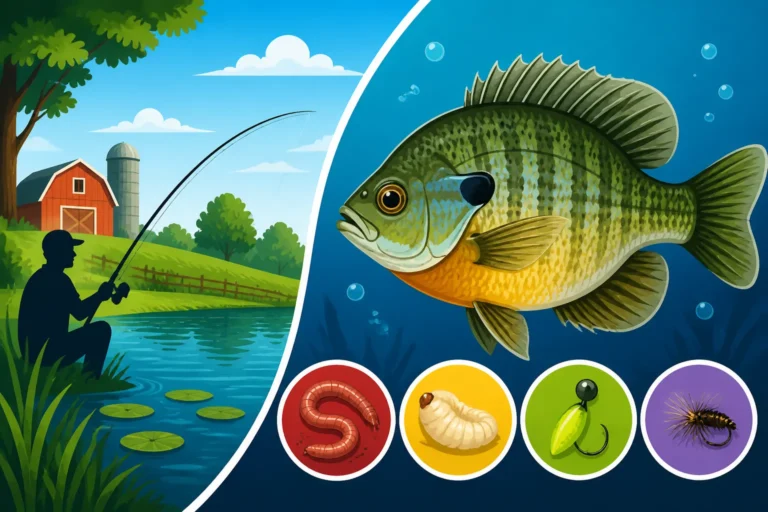
Panfish aren't particularly picky eaters, which is another reason they're so much fun to target. Live bait is almost always a surefire bet. Worms, crickets, and small minnows are universally loved by bluegill, shellcrackers, and crappie. You can often purchase these from local bait shops, or even gather your own worms after a good rain. Small pieces of corn or bread can also work in a pinch for sunfish. For specific advice, our guide on Best Bait for Panfish in Farm Ponds offers plenty of tips.
| Panfish Species | Favorite Live Baits | Recommended Lures (Small) | Key Habitat |
|---|---|---|---|
| Bluegill | Worms, Crickets | Tiny Jigs, Spinners | Veg. beds, docks, brush |
| Redbreast Sunfish | Worms, Crickets | Tiny Jigs, Spinners | Moving water, rock piles |
| Shellcracker (Redear Sunfish) | Worms, Crickets, Red Wiggler | Small Jigs | Bottom near veg. |
| Crappie | Minnows, Worms | Jigs, Small Spinnerbaits | Brush piles, fallen timber, deep holes |
When it comes to artificial lures, think small. Tiny jigs (1/32 to 1/16 ounce) in colors like chartreuse, white, or black are incredibly effective, especially when tipped with a small piece of worm or a Berkley Gulp! Alive! grub. Small spinnerbaits with a single blade can also entice aggressive panfish. Fly fishing with small poppers, nymphs, or wet flies can also be a blast for experienced anglers looking for a challenge. Whatever you choose, remember that presentation is key – a slow, natural retrieve often works best.
Effective Techniques for Pond Panfish Success
- Bobber Fishing: This classic method is perfect for panfish. Simply attach a bobber, a split shot, and your baited hook. Adjust the depth so your bait is suspended just above any underwater structure or vegetation. Watch the bobber closely – any twitch or dip usually means a fish is interested! This is an excellent technique for beginners and for fishing around cover.
- Bottom Fishing: For species like shellcrackers (redear sunfish) that prefer to feed on the bottom, a simple bottom rig can be highly effective. Use a small weight to keep your bait on the bottom, without a bobber, and feel for subtle tugs on your line. This technique is great for probing deeper areas or targeting fish that aren't coming up for suspended baits.
- Sight Fishing: In clear ponds, you can sometimes spot schools of panfish or individual fish cruising near cover. This allows you to present your bait precisely to them. Be stealthy and cast gently to avoid spooking the fish. This is a thrilling way to fish, as you get to witness the take firsthand.
- Light Trolling/Drifting: If you have access to a small boat or kayak, slowly paddling or drifting along weed lines or structure while dragging a small jig or baited hook can cover more water and help you locate concentrations of fish. Ensure your South Carolina Fishing License Guide is current before heading out.
Panfish Species Commonly Found in South Carolina Ponds
South Carolina's ponds are teeming with various panfish, each offering its own unique fight and flavor. Understanding what you're likely to catch can help you tailor your approach and appreciate the diversity of our waters. For a comprehensive look at the different sunfish species, our South Carolina Sunfish and Panfish: A Beginner's Guide is an excellent resource.
Bluegill (Lepomis macrochirus)
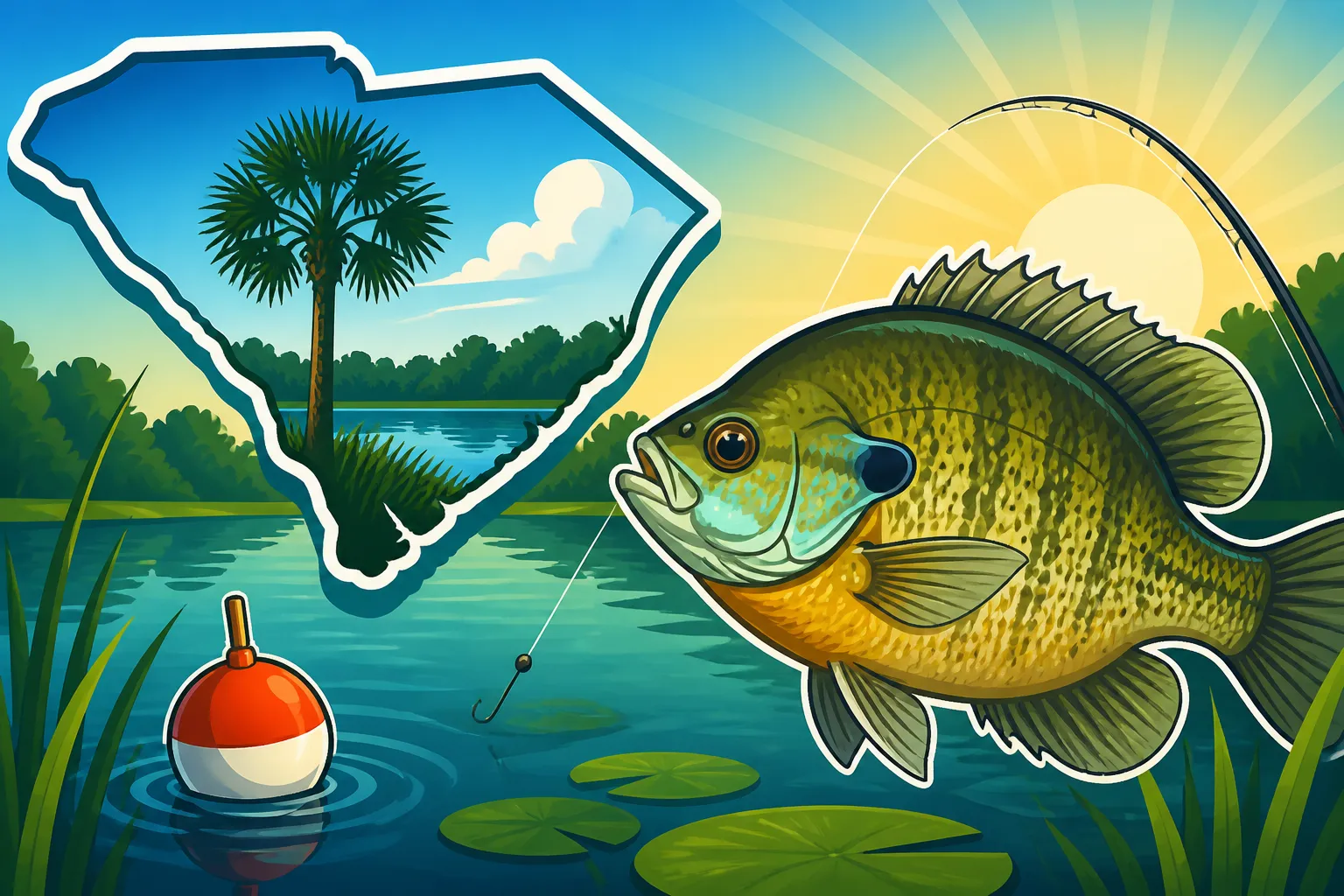
Ah, the bluegill! This is arguably the most recognizable and beloved panfish in South Carolina. They are abundant in nearly every freshwater pond, lake, and slow-moving river. Bluegill are characterized by their dark spot on the gill flap and often have vertical bars along their sides, especially when younger. They thrive in vegetated areas and around submerged structures, feeding on insects, small crustaceans, and even tiny fish.
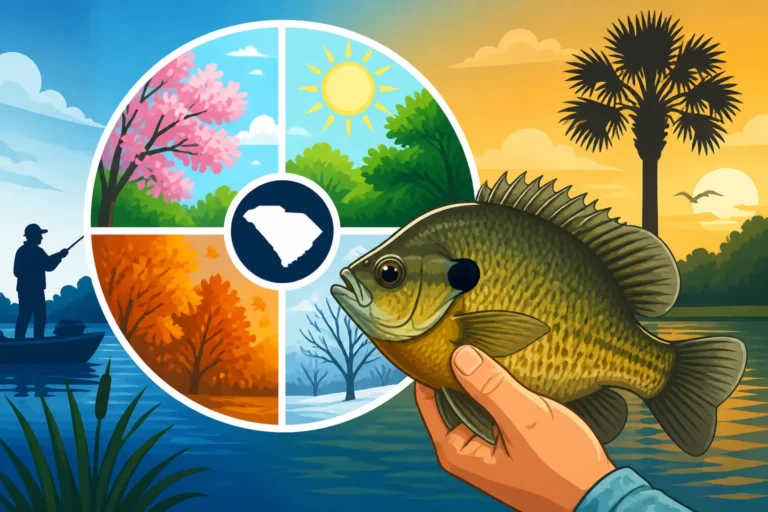
Bluegill are known for their aggressive bite and surprisingly strong fight on light tackle, making them a fantastic target for anglers of all ages. They are also excellent table fare, with sweet, flaky white meat. When they bed up during the spawn in late spring and early summer, you can often catch them one after another. Understanding How to Catch Bluegill for Beginners will almost guarantee a fun day on the water.
Redear Sunfish (Shellcracker) (Lepomis microlophus)
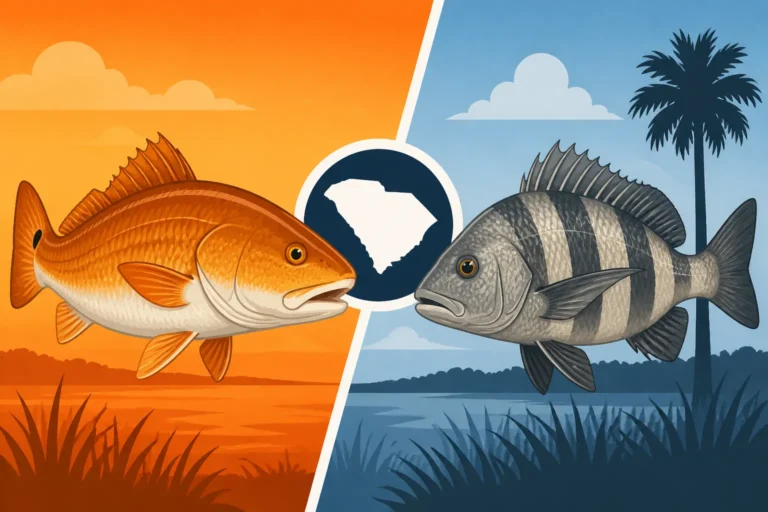
The redear sunfish, affectionately known as the "shellcracker" in the South, gets its name from its diet of snails and other mollusks, which it cracks open with specialized teeth in its throat. They are easily identified by the red or orange margin on their gill flap. Shellcrackers tend to grow larger than bluegill and offer an even more powerful fight.
You'll typically find shellcrackers on the bottom, often near vegetation or hard structures, where their preferred food sources reside. They are a bit more finicky than bluegill but are highly prized for their size and delicious flesh. They often gather in large numbers during the spawn, usually a bit later than bluegill, making it an exciting time to target them. Don't forget to check if Do Kids Need a Fishing License in South Carolina? as age requirements can vary.
Crappie (Pomoxis spp. – Black and White)
While technically not a "sunfish," crappie are very much a panfish and a highly sought-after one at that. South Carolina ponds can hold both black crappie and white crappie, though black crappie tend to prefer clearer water and more vegetation, while white crappie are more tolerant of turbid conditions. Crappie are recognized by their compressed bodies, large dorsal fins, and speckled patterns.
These fish are famous for their delicious white meat and are often targeted intensely during the spring spawn when they move into shallower waters. Outside of the spawn, they prefer to hang out in deeper water around brush piles, submerged timber, or bridge pilings. They have a softer mouth, so a gentle touch is often needed when setting the hook. Light jigs and live minnows are killer baits for crappie. Learning Crappie Fishing Tips for South Carolina Lakes can significantly improve your crappie catch rates.
Conservation and Etiquette for Panfish Ponds
While panfish are abundant, it's crucial that we practice responsible angling to ensure these productive ponds remain healthy for future generations. Good stewardship benefits everyone and helps maintain the natural beauty of South Carolina's fishing heritage.
Practicing Catch and Release and Selective Harvest
Not every fish needs to go into the cooler. Practicing catch and release, especially for larger breeding fish, helps maintain a healthy population balance. For panfish, selective harvest is often recommended. This means keeping a good number of medium-sized fish (the "eating size") and releasing the smaller ones to grow and the very largest ones to continue spawning. Overharvesting the biggest fish can lead to a pond with stunted, smaller individuals.
Always handle fish gently if you intend to release them. Wet your hands before touching them, support their body, and use a dehooking tool if the hook is deep. Release them quickly and allow them to swim off under their own power. Knowing Is Sunfish Good to Eat? might influence your decision to keep or release, but always think about the health of the pond first.
Respecting Private Property and Public Spaces
Many of South Carolina's best panfish ponds are on private land. Always obtain permission from the landowner before fishing a private pond. Trespassing not only puts you at risk of legal trouble but also gives all anglers a bad name, potentially closing off access to others. A simple knock on the door and a polite request can often open up incredible fishing opportunities.
When fishing public ponds, always adhere to park rules and regulations. This includes respecting quiet hours, disposing of all trash properly (leave no trace!), and being mindful of other users of the space. Be considerate of other anglers by not crowding their spots and keeping noise levels down. These small actions contribute to a positive experience for everyone and ensure that these precious resources remain open and enjoyable. You can also pick up useful items like a small trash bag for your refuse from Amazon to ensure you leave no trace behind.
Adhering to South Carolina Fishing Regulations
Before you even cast a line, make sure you understand and comply with all South Carolina fishing regulations. This includes possessing a valid fishing license, which you can usually purchase online through the Go Outdoors South Carolina portal, at tackle shops, or at many retail locations. The rules cover bag limits, size limits, and specific regulations for certain bodies of water. These rules are in place to protect fish populations and ensure sustainable fishing for all.
Ignorance of the law is never an excuse, and game wardens are out there doing their job to protect our natural resources. A quick check of the SCDNR website or a call to their local office can clear up any confusion before you head out. These regulations might cover general South Carolina Fishing License Requirements in South Carolina or specific South Carolina Fishing Bag Limits Explained. Being a responsible angler means being informed.
Disclaimer
This article is for general informational purposes only and does not constitute professional advice. Laws, prices and regulations vary by location and change over time. Consult a qualified professional for guidance on your specific situation.